The Story
Plant Bio
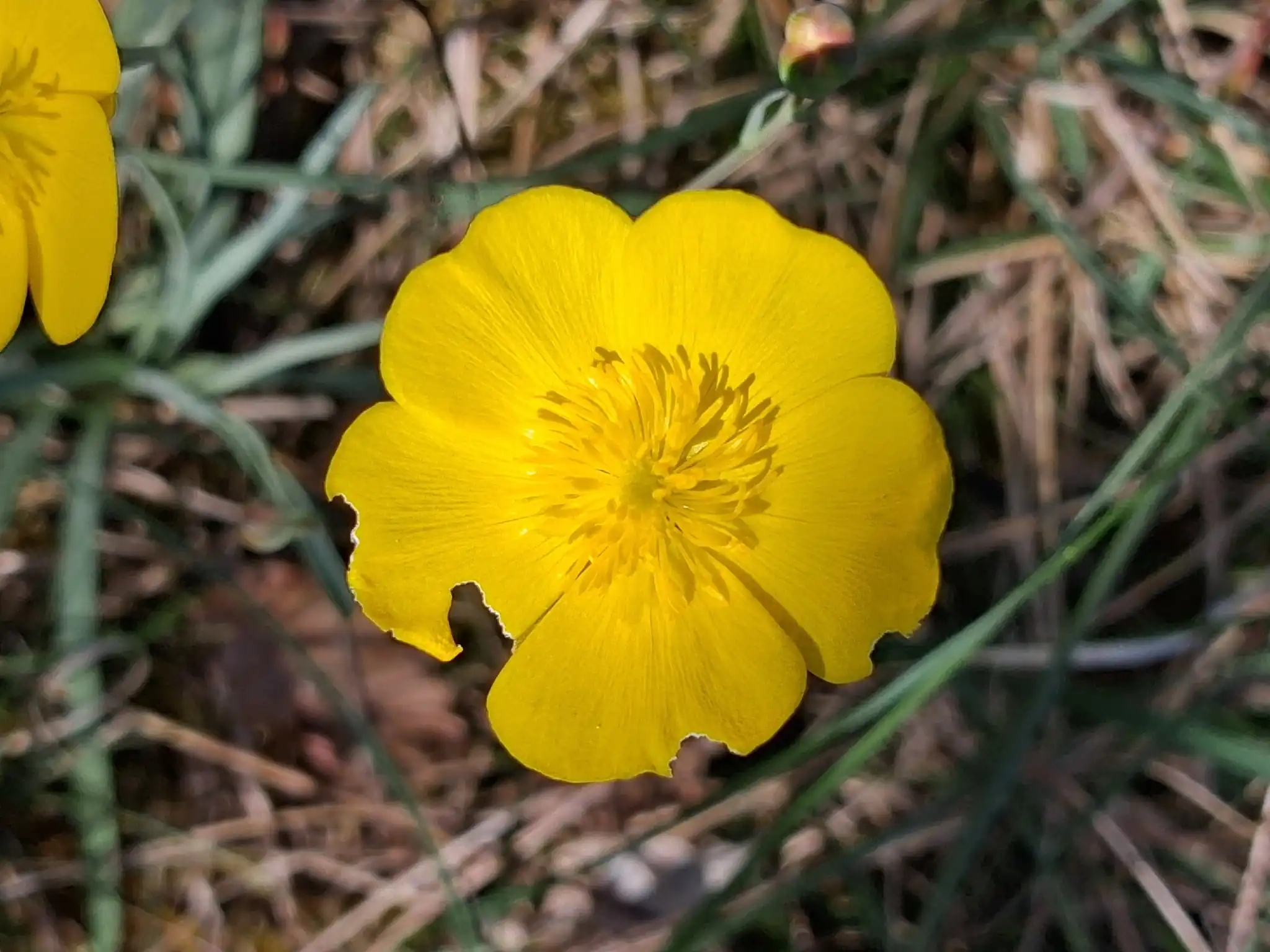
Ranunculus gramineus is a tuberous deciduous perennial from dry grassland and rocky meadows of the western Mediterranean. It forms a low tuft of narrow grass-like basal leaves on slender erect stems that carry small cup-shaped yellow flowers in spring.
Its leaves set it apart from other buttercups: linear-lanceolate, pleated and glaucous blue-green to gray-green with fine hairs, reaching about eight inches long. The plant goes fully dormant and leafless by midsummer, then produces fresh basal leaves in fall, with one to three lemon-yellow bowls about three-quarters of an inch wide on each stem.
Uses & Benefits:
Essentials
At a Glance
Plant Type
Perennial
Height
12"
Width
6"
Light
Full Sun, Partial Sun
Zones
5, 6, 7, 8, 9, 10
Water
Average to moist, well-drained
Humidity
Average
Lifespan
Perennial
Native To
Western Mediterranean Europe and North Africa
Toxicity
Toxic if ingested, skin irritant
Bloom period
Late spring – Early summer
In flower about 2 months of the year
Marketplace
Where to Buy
Shipping costs Year-round shipping Free shipping
Planting
How to Grow
- Plant in full sun to part shade in fertile soil that stays moist in spring but drains sharply.
- Set the crown at soil level in sandy or clay loam, spacing clumps about six inches apart.
- Water through spring growth and bloom, then taper off as the foliage yellows.
- Keep dormant tubers dryish through summer; do not lift or irrigate heavily.
- Top-dress lightly in fall as new basal leaves emerge; no heavy fertilizer is needed.
Pro Tip
Leave the soil dryish once the leaves yellow; summer water rots the dormant tubers, and fresh leaves return in fall.
Keep It Thriving
Care Guide
Do
- Plant in fertile, well-drained soil that dries in summer
- Remove spent flower stems after bloom to keep the tuft tidy
- Allow basal leaves to yellow naturally before clearing
Don't
- Do not overwater dormant leafless tubers in summer
- Do not plant in waterlogged soil where crowns stay wet
- Do not eat any part; all parts are toxic and sap irritates skin
Seasonal Care Calendar
| Task | Jan | Feb | Mar | Apr | May | Jun | Jul | Aug | Sep | Oct | Nov | Dec |
|---|---|---|---|---|---|---|---|---|---|---|---|---|
| Deadhead | ||||||||||||
| Divide | ||||||||||||
| Pest Check | ||||||||||||
| Plant | ||||||||||||
| Prune |
Watch Out For
Pests & Diseases
Common Pests
Common Diseases
In the Garden
Landscape Uses & Companions
Landscape Uses
Multiply
Propagation Methods
Good to Know
Common Questions
Grassy-Leaved Buttercup questions
What zones can Grassy-Leaved Buttercup grow in?
Grassy-Leaved Buttercup is hardy in USDA Zones 5–10: in that range it survives winter in the ground. Colder than Zone 5, grow it in a container you can move to shelter for the winter, or as an annual.
When does Grassy-Leaved Buttercup bloom?
Grassy-Leaved Buttercup typically blooms from late spring to early summer. Exact timing shifts a week or two with your zone — Sow's bloom calendar maps it to your garden.
Does Grassy-Leaved Buttercup need full sun?
Grassy-Leaved Buttercup does best in full sun to part shade. In hot climates, afternoon shade keeps blooms fresher longer.
Is Grassy-Leaved Buttercup drought tolerant?
Yes — once established (usually after the first full season), Grassy-Leaved Buttercup handles dry spells with minimal watering. Water deeply its first year to build the root system that makes that possible.
More Ranunculus to compare
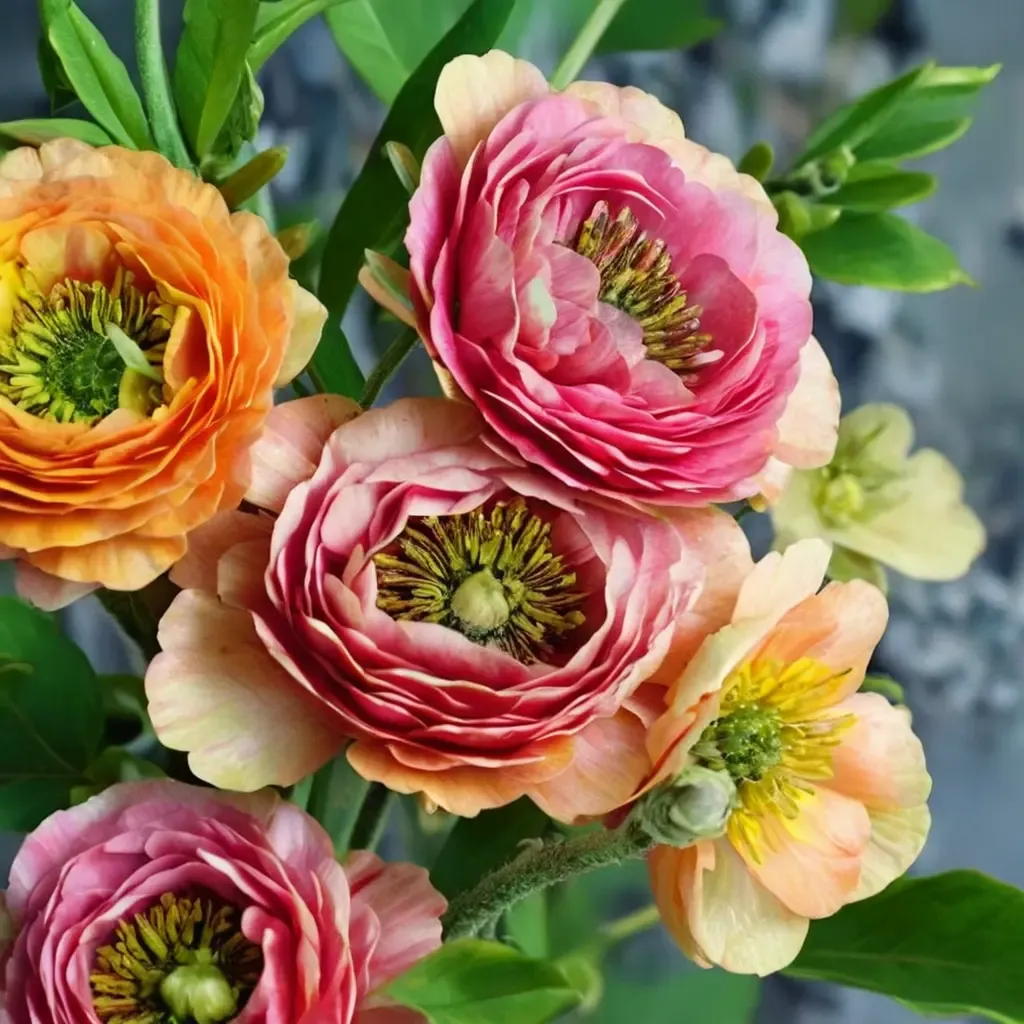
Greater Spearwort
Ranunculus lingua
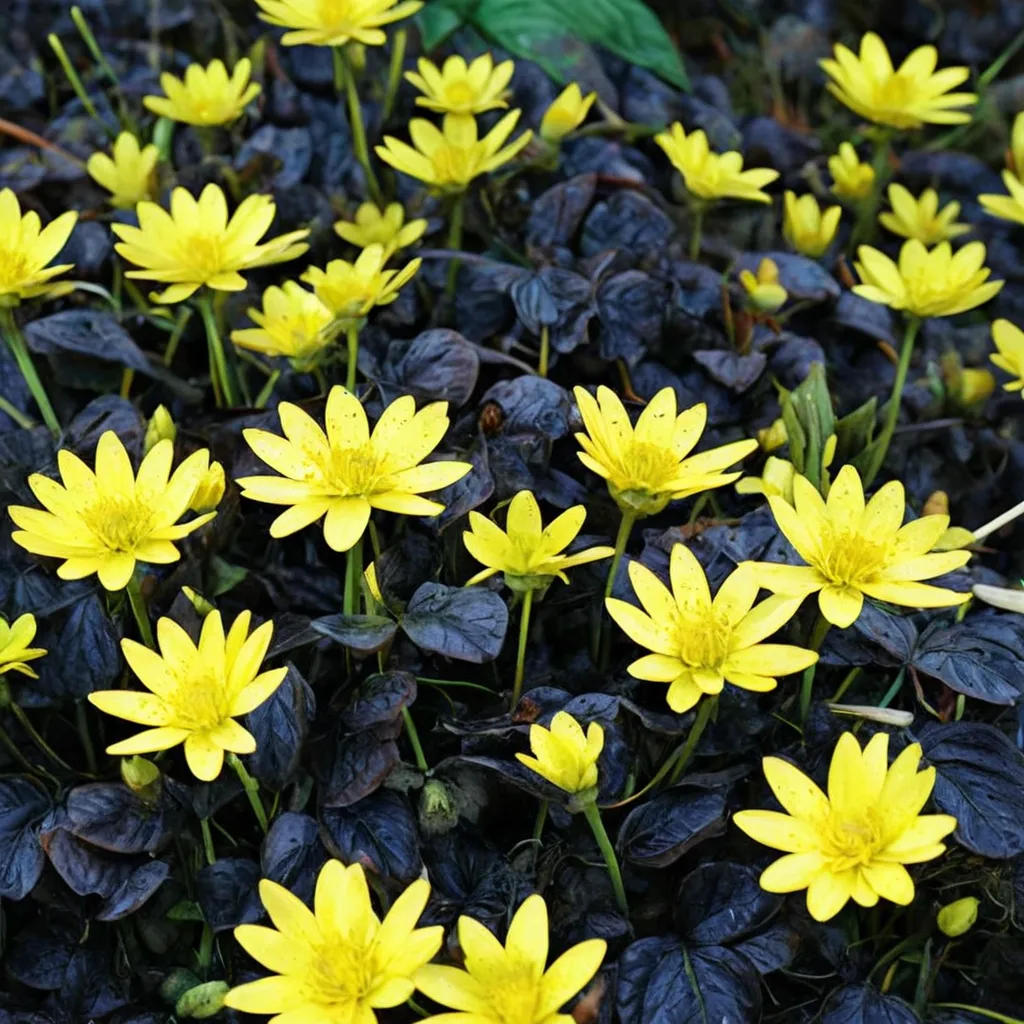
'Brazen Hussy' Lesser Celandine
Ranunculus ficaria 'Brazen Hussy'
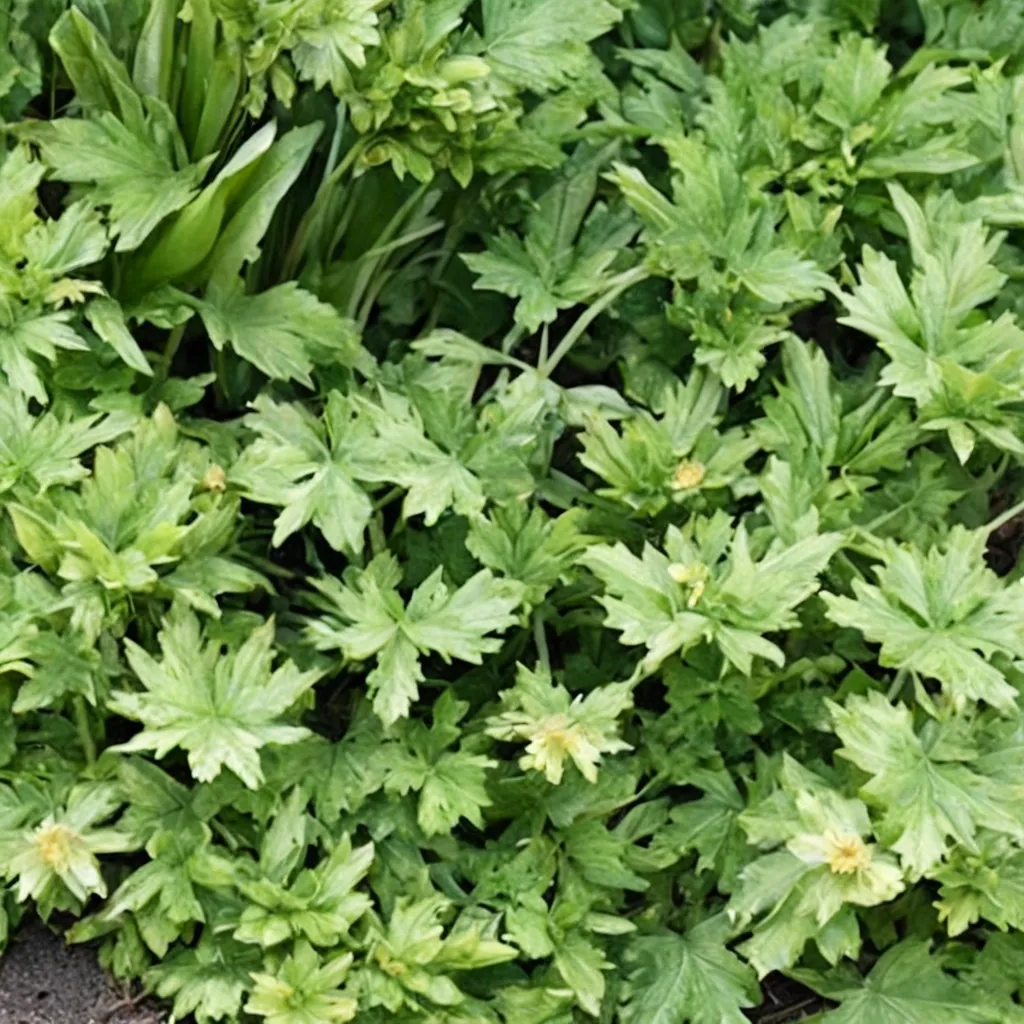
'Buttered Popcorn' Creeping Buttercup
Ranunculus repens 'Buttered Popcorn'
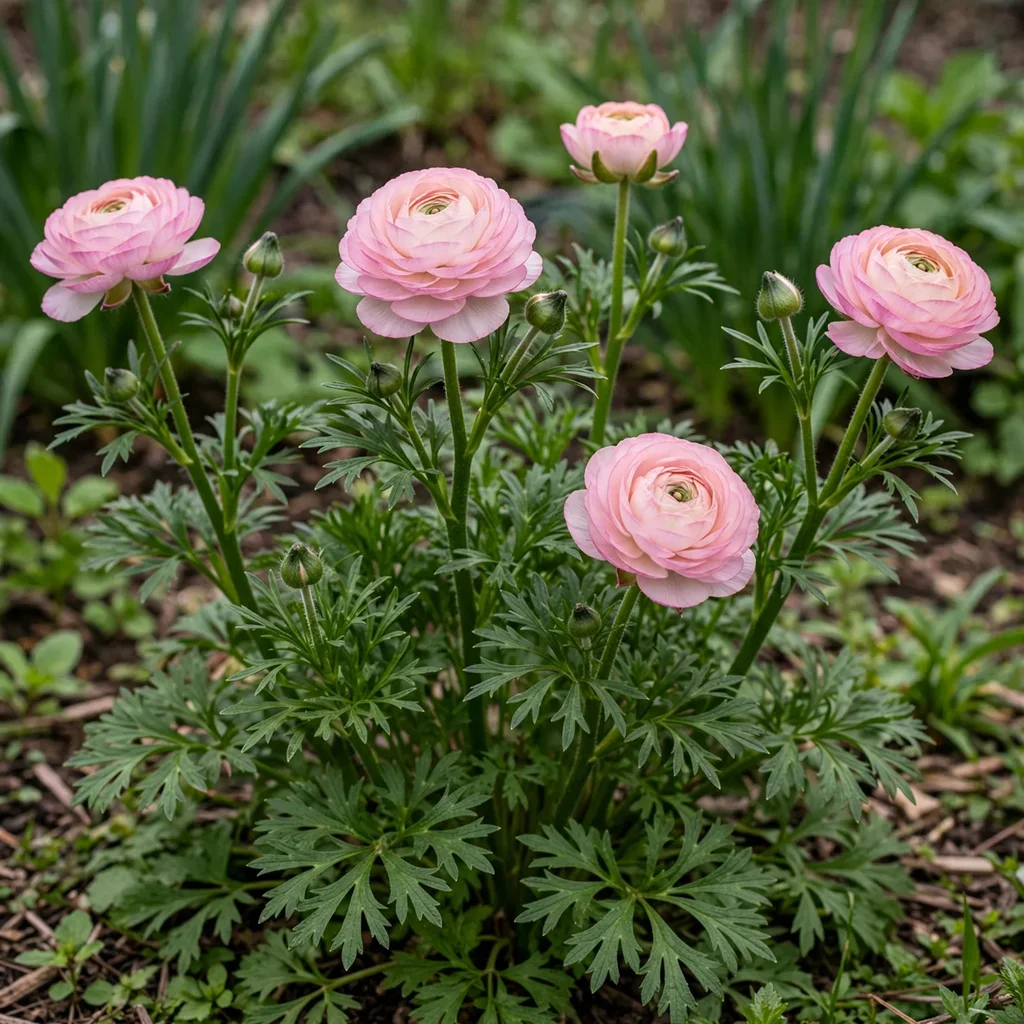
Persian Buttercup 'Amandine Pastel Pink'
Ranunculus asiaticus 'Amandine Pastel Pink'
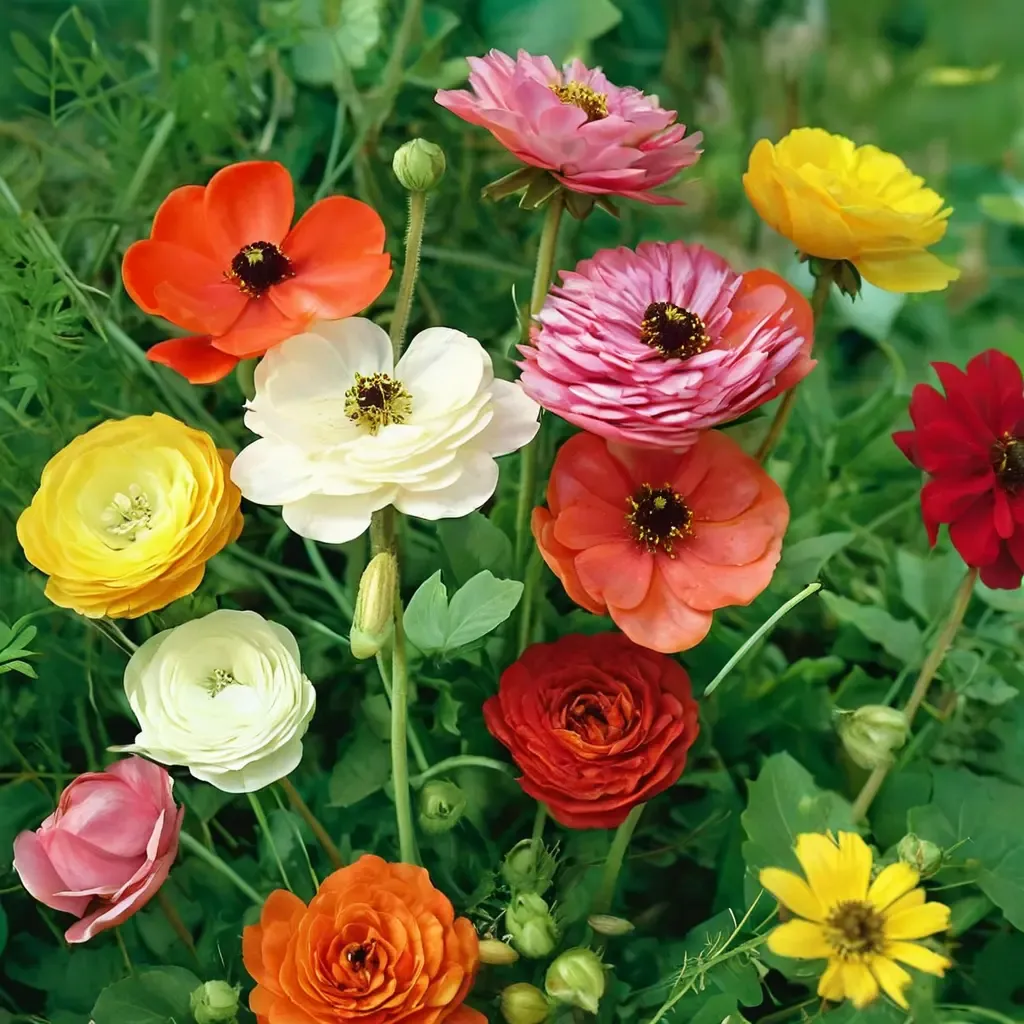
Persian Buttercup
Ranunculus asiaticus
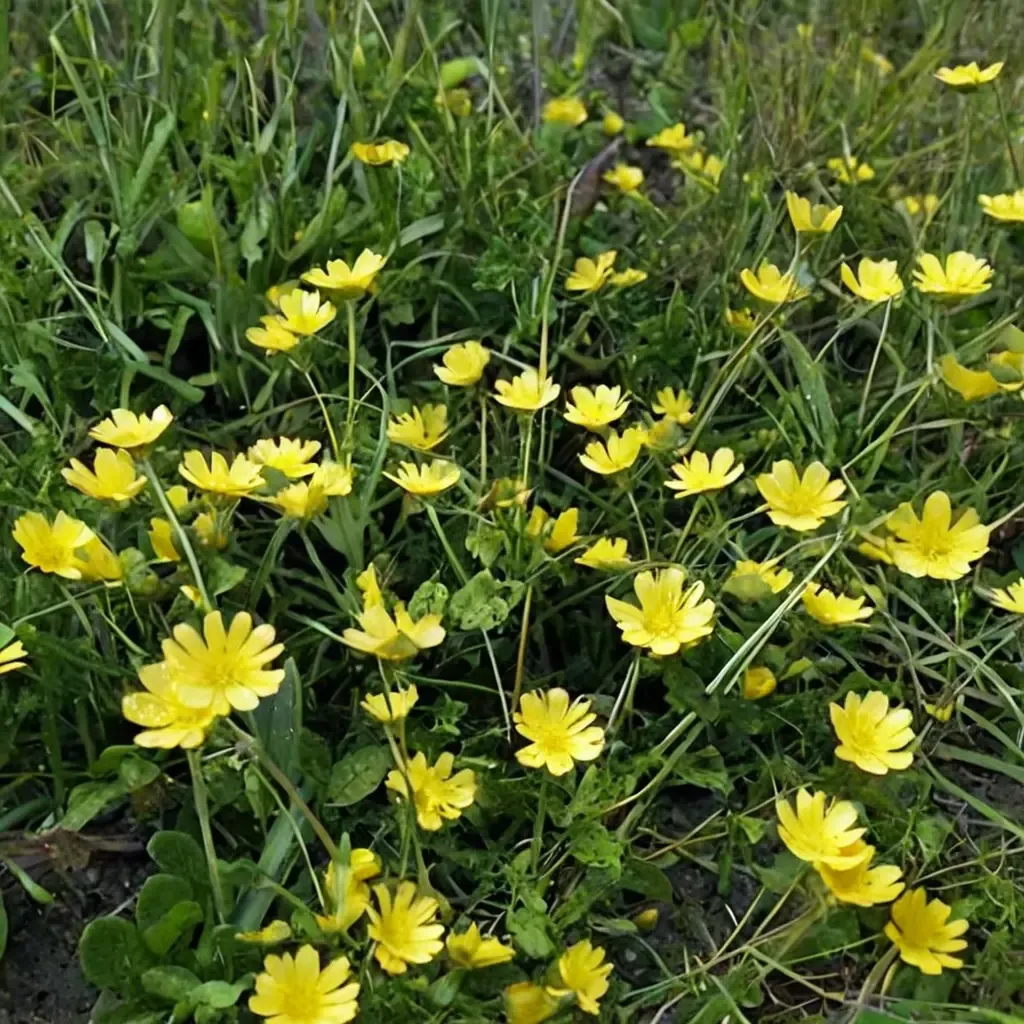
California Buttercup
Ranunculus californicus
Keep exploring
Explore the genus
Grow Grassy-Leaved Buttercup with confidence
See it in a design of your actual yard, get zone-matched care reminders, and track it season by season in your garden journal.