
The Story
Plant Bio
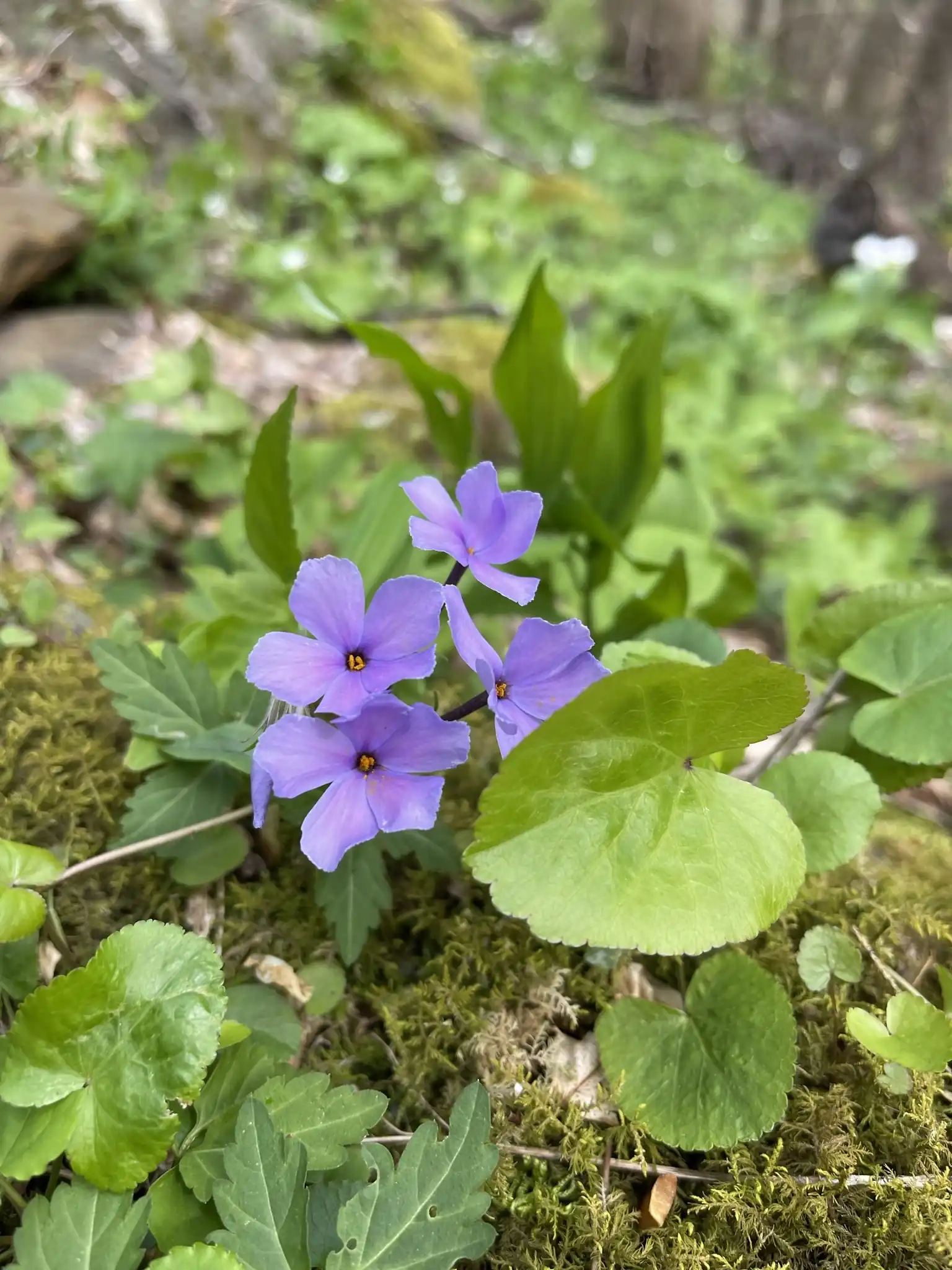
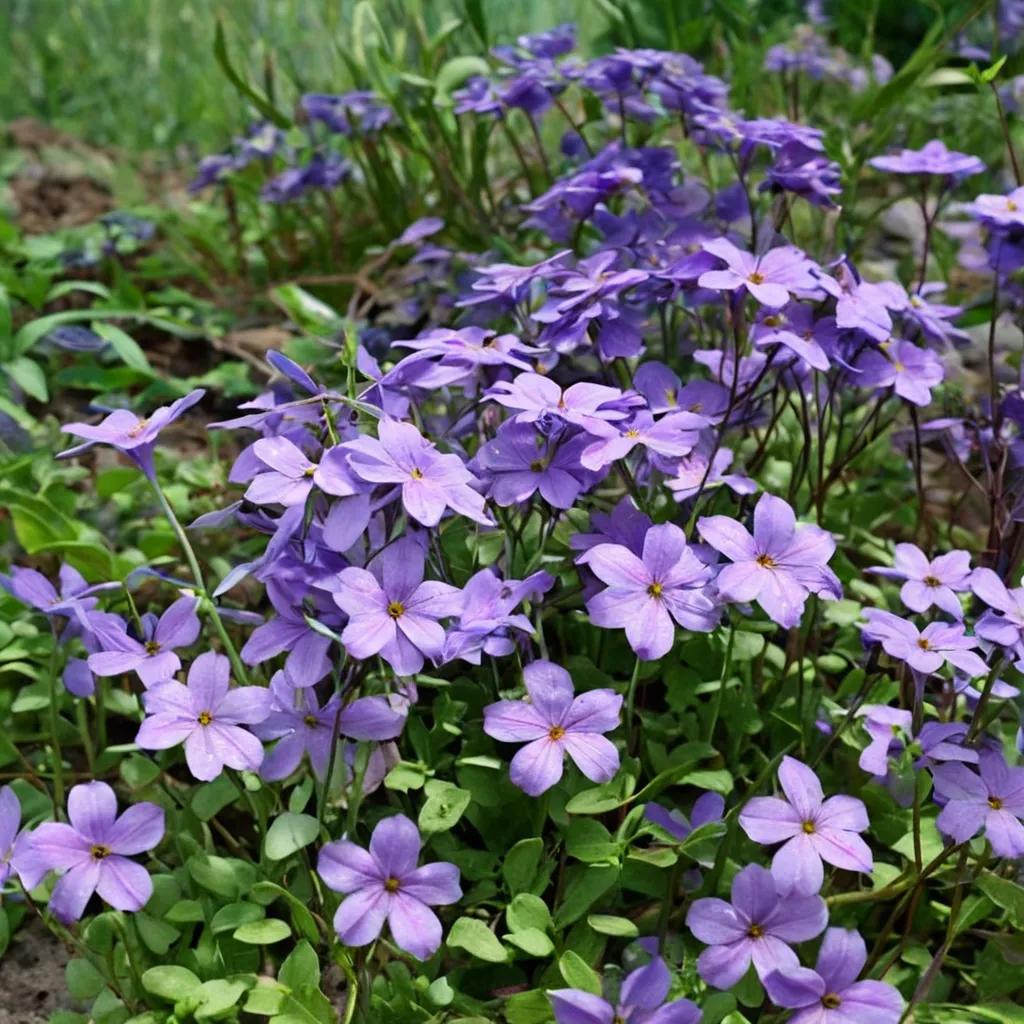
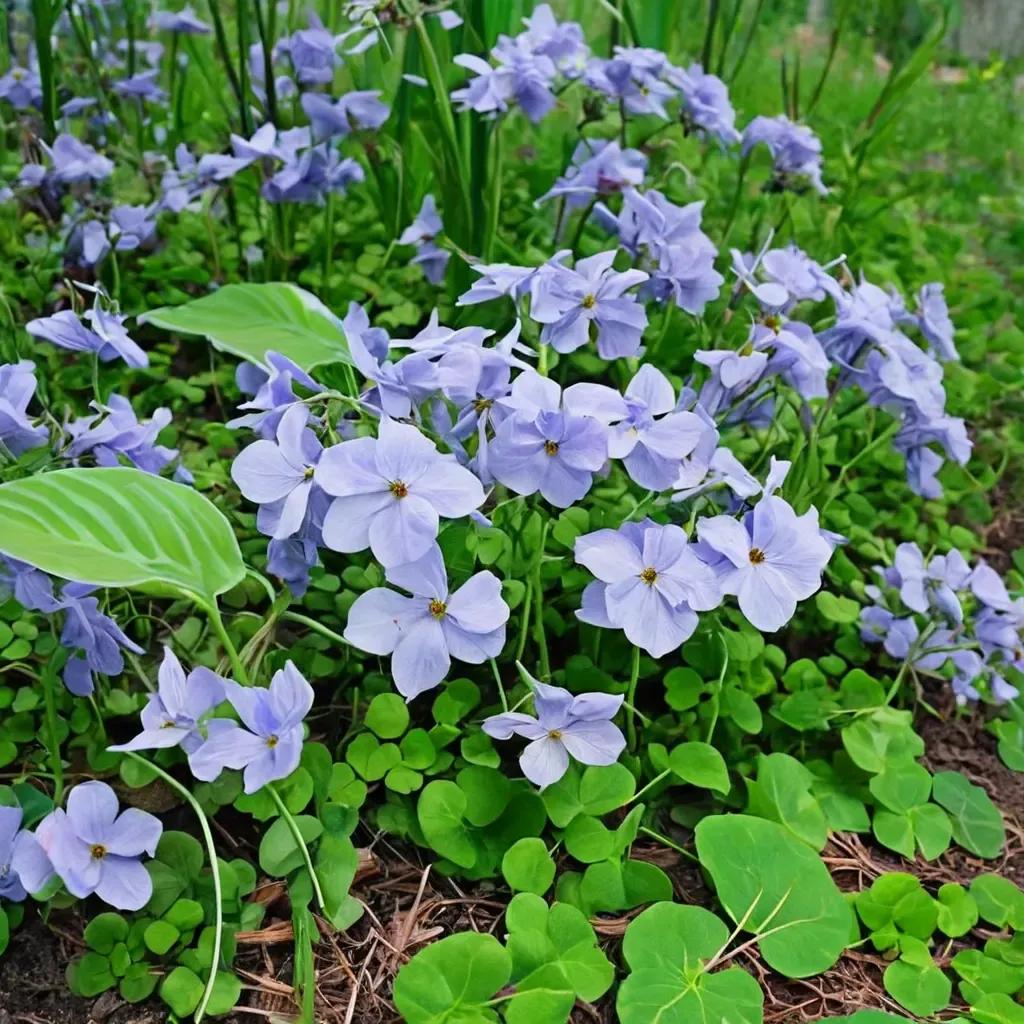
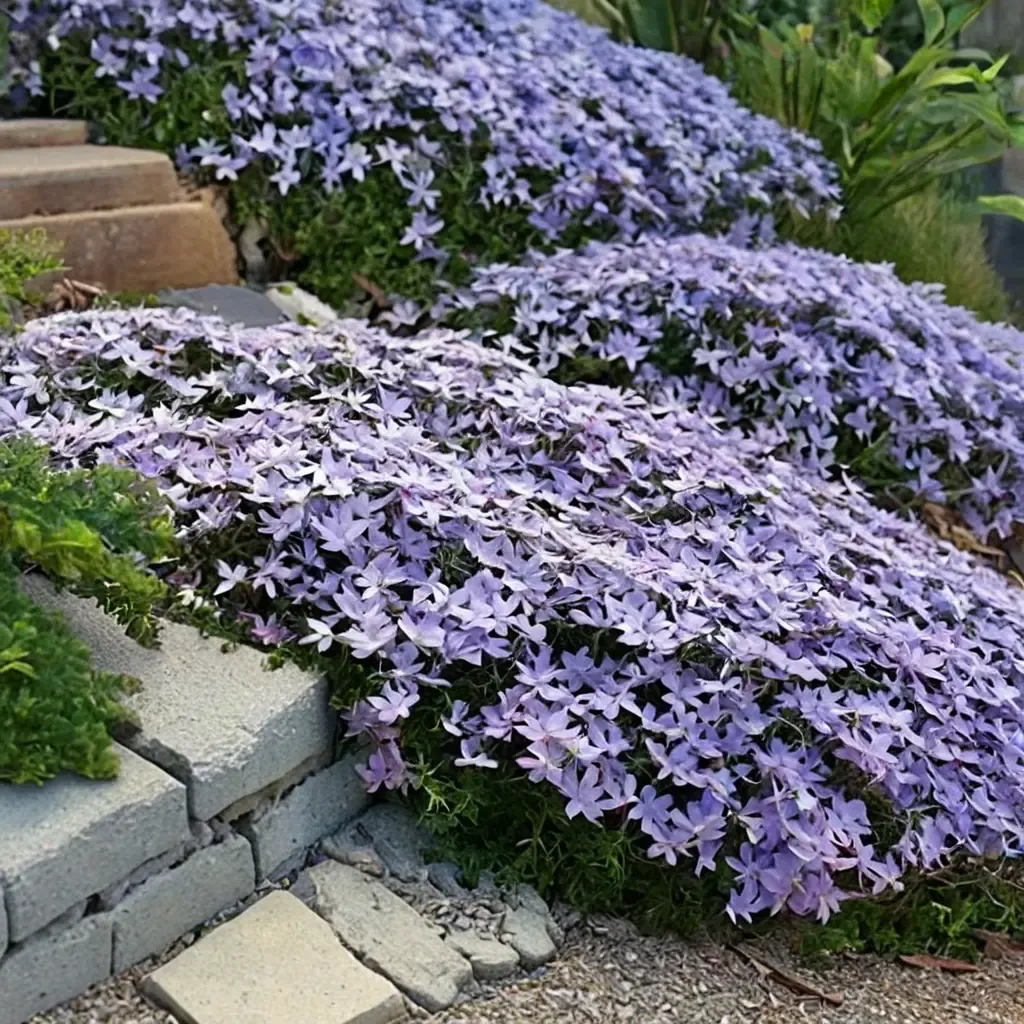
Phlox stolonifera, creeping phlox, is a low semi-evergreen groundcover native to the Appalachian mountains, reaching six to twelve inches. It spreads by above-ground runners into dense mats of oval leaves, and in mid-spring loose clusters of five-petalled flowers in blue, lavender, pink or white rise on short stems above the foliage.
Unlike the moss phlox often confused with it, this is a woodland plant that wants shade and moisture rather than a hot dry rock garden — the two are frequently mis-sold for each other. It roots as it runs, so an established patch knits into a solid weed-suppressing carpet without becoming aggressive.
Uses & Benefits:
Essentials
At a Glance
Plant Type
Groundcover
Height
9"
Width
15"
Light
Partial Sun, Shade
Zones
4, 5, 6, 7, 8
Water
Moderate
Humidity
Moderate
Lifespan
Perennial
Native To
Appalachian mountains
Toxicity
Non-toxic
Planting
How to Grow
- Plant in spring or autumn in moist, humus-rich soil.
- Choose partial shade; it tolerates deep shade and some sun.
- Space about a foot apart and let the runners knit.
- Keep the soil moist through the first season.
- Shear lightly after flowering to tidy the mat.
- Divide rooted runners every few years to spread it.
Pro Tip
Do not confuse it with moss phlox — this one wants woodland shade and moisture, and bakes to nothing in the hot dry rock garden the other prefers.
Keep It Thriving
Care Guide
Do
- Plant in moist woodland shade 🌱
- Let the runners knit into a mat 🌿
- Shear lightly after flowering ✂️
- Divide runners to spread it 🪴
Don't
- Plant it in a hot dry rock garden ❌
- Confuse it with moss phlox ❌
- Let it dry out while establishing ❌
Seasonal Care Calendar
| Task | Jan | Feb | Mar | Apr | May | Jun | Jul | Aug | Sep | Oct | Nov | Dec |
|---|---|---|---|---|---|---|---|---|---|---|---|---|
| Divide | ||||||||||||
| Prune |
Watch Out For
Pests & Diseases
Common Pests
Common Diseases
In the Garden
Landscape Uses & Companions
Landscape Uses
Companion Plants
Multiply
Propagation Methods
Good to Know
Common Questions
Creeping Phlox questions
What zones can Creeping Phlox grow in?
Creeping Phlox is hardy in USDA Zones 4–8. Inside that range it survives winter in the ground; outside it, grow it as an annual or a container plant you protect.
Is Creeping Phlox deer resistant?
Yes — Creeping Phlox is rated deer-resistant. Deer typically pass it over, though extreme hunger can override any plant's defenses.
When does Creeping Phlox bloom?
Creeping Phlox typically blooms in mid-spring through mid-spring. Exact timing shifts a week or two with your zone — Sow's bloom calendar maps it to your garden.
Does Creeping Phlox need full sun?
Creeping Phlox does best in part shade.
More Phlox to compare
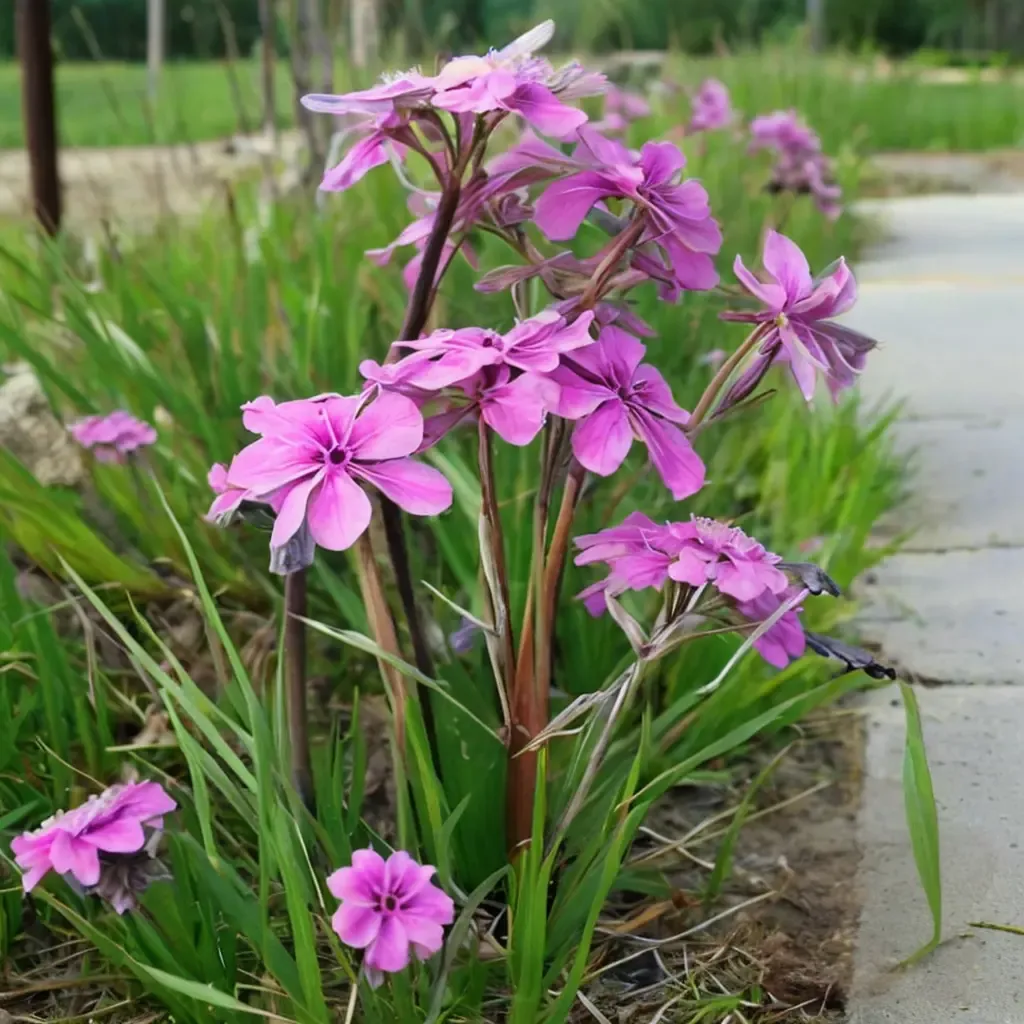
Prairie Phlox
Phlox pilosa
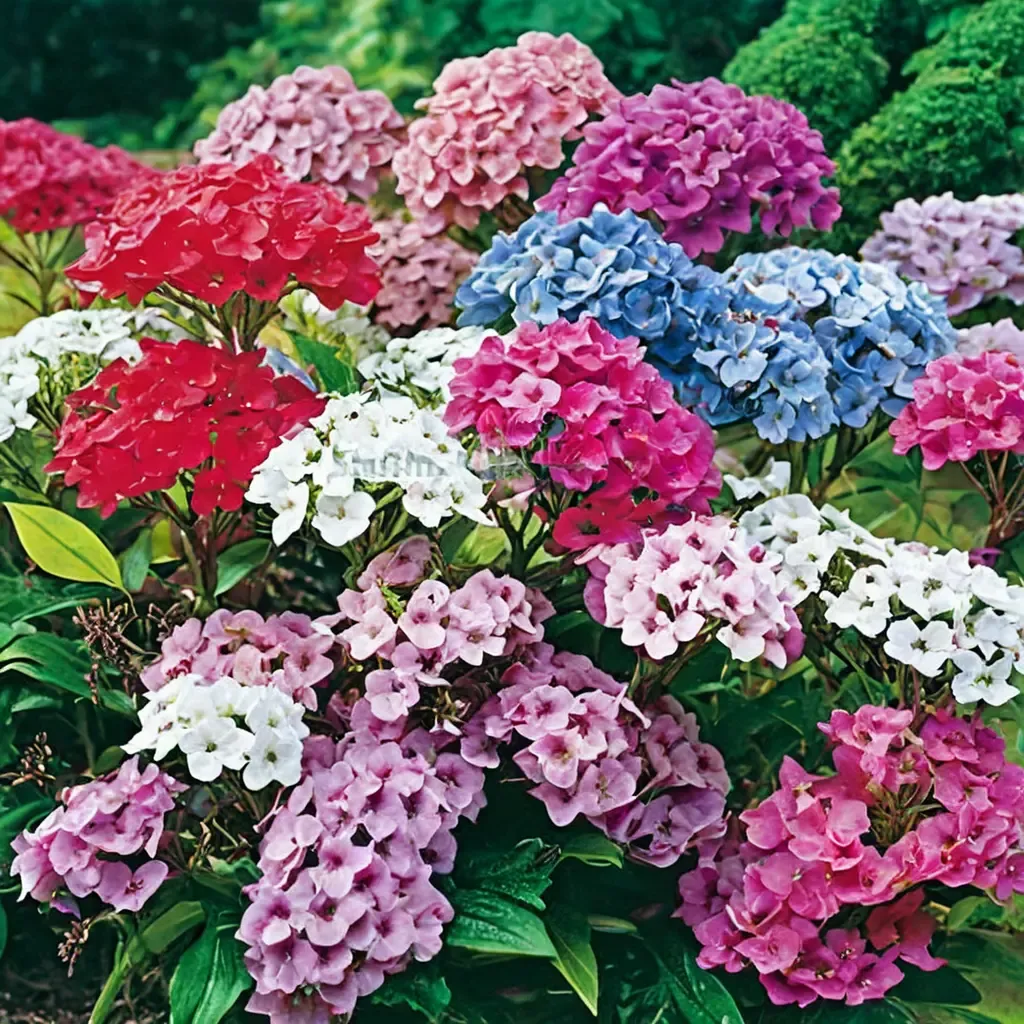
Garden Phlox
Phlox paniculata 'Mix'
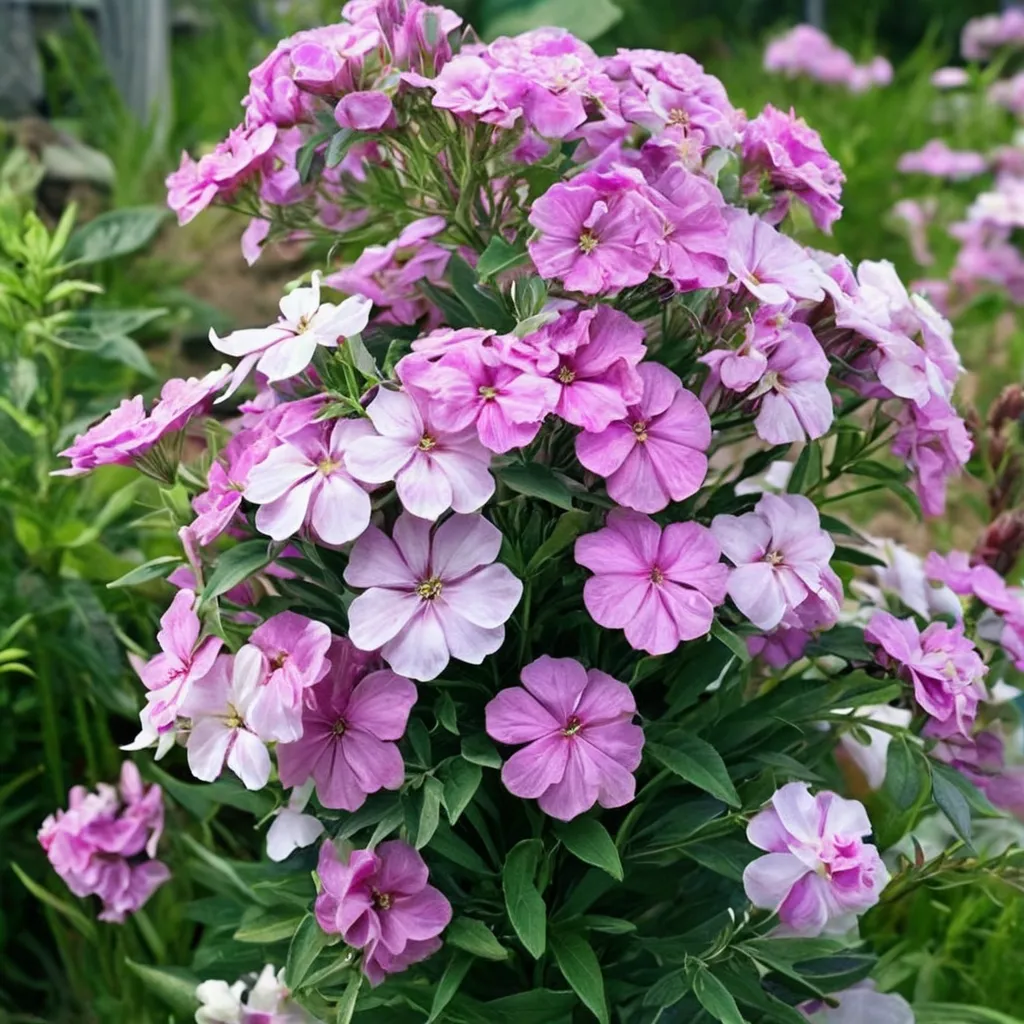
Garden Phlox 'Rene Duval'
Phlox paniculata 'Rene Duval'
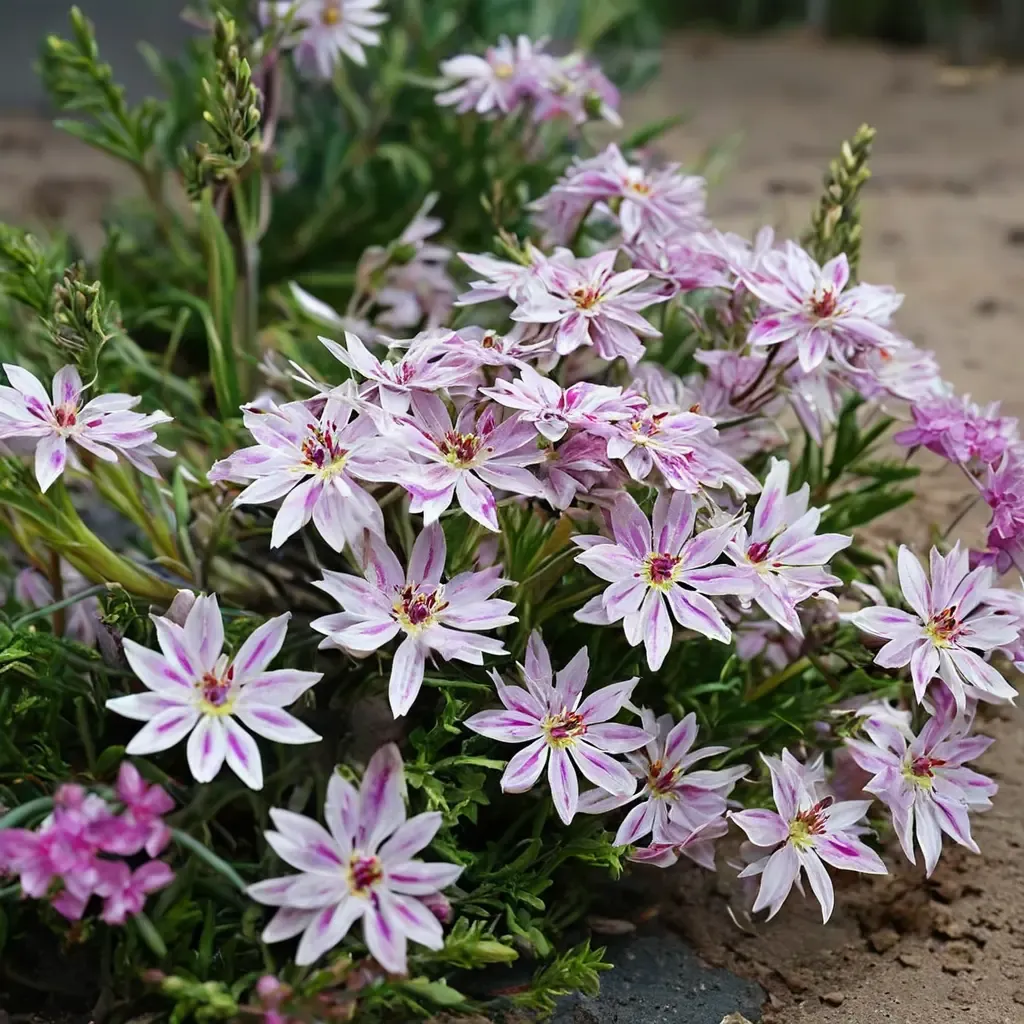
Candy Stripe Creeping Phlox
Phlox subulata 'Candy Stripe'
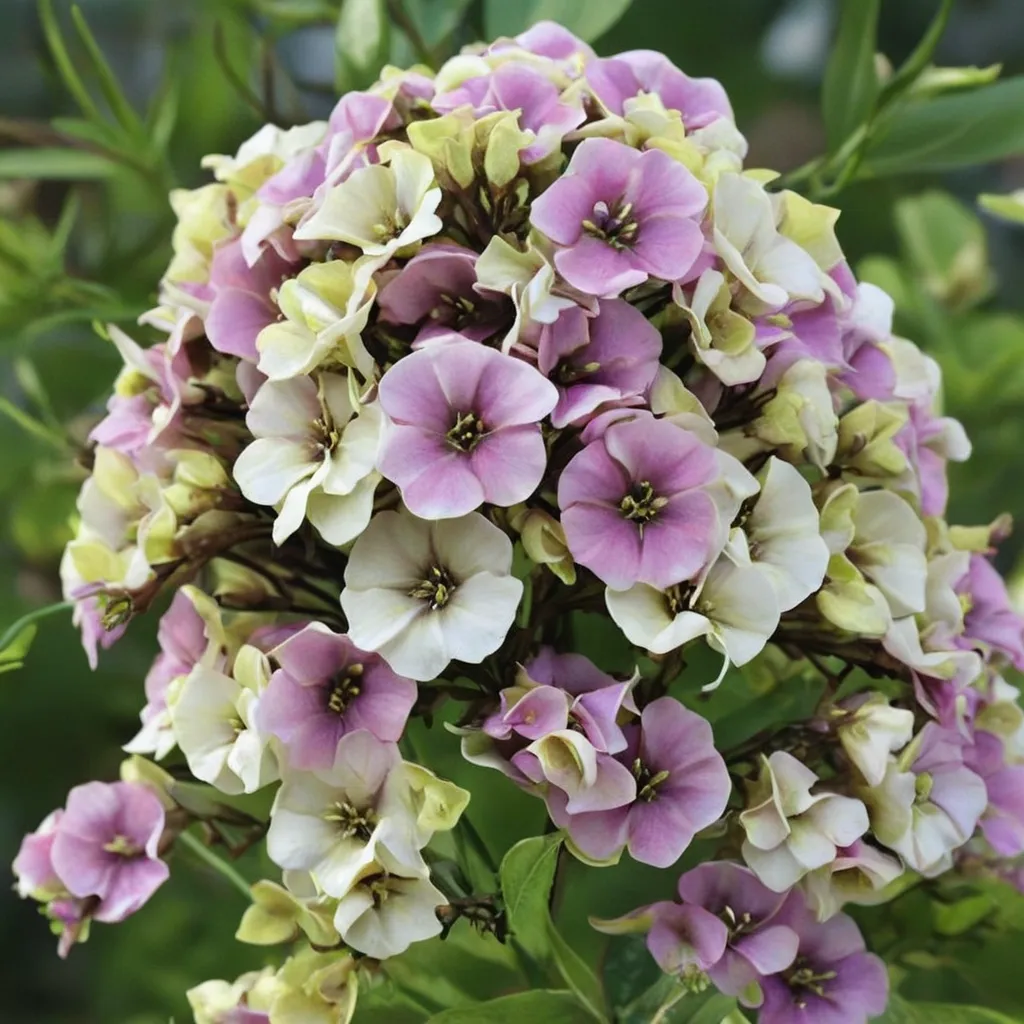
Sherbet Cocktail Garden Phlox
Phlox paniculata 'Sherbet Cocktail'
Emerald Blue Moss Phlox
Phlox subulata 'Emerald Blue'
Keep exploring
Explore the genus
Hardy in your zone?
Grow Creeping Phlox with confidence
See it in a design of your actual yard, get zone-matched care reminders, and track it season by season in your garden journal.