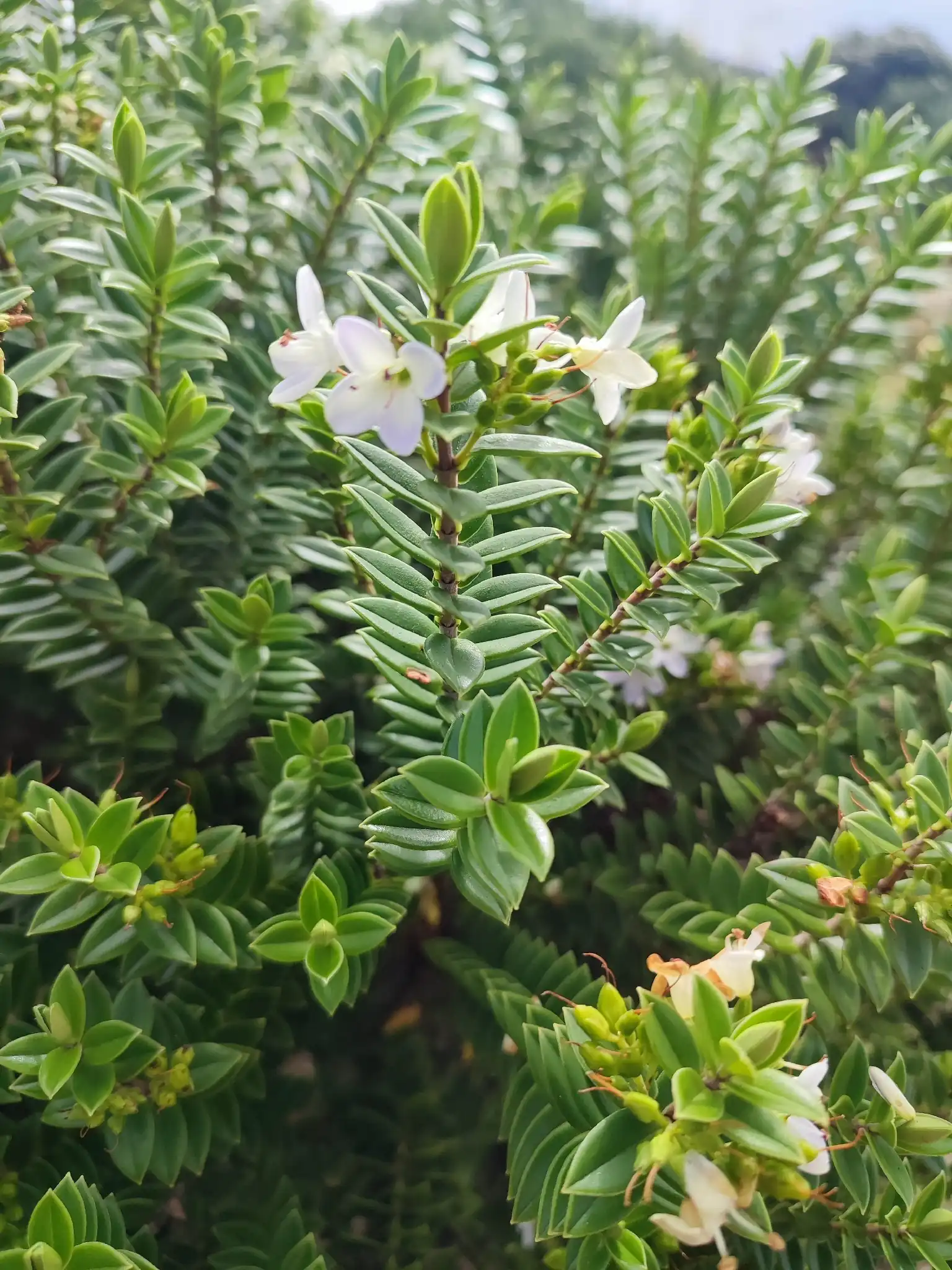
The Story
Plant Bio
Veronica elliptica, commonly known as shore hebe, is an evergreen, bushy shrub native to coastal habitats in New Zealand and southern South America that grows three to ten feet high and wide. Its robust framework carries thick, fleshy green leaves arranged in opposing pairs and produces upright spikes of white to pale lilac tubular flowers from summer into fall.
This species stands out for its exceptional resistance to salt spray and severe maritime winds, making it ideal for exposed coastal exposures. It features a distinct leaf bud sinus and offers nectar-rich floral spikes that attract bees and generalist insect pollinators.
Uses & Benefits:
Essentials
At a Glance
Plant Type
Shrub
Height
118"
Width
118"
Light
Full Sun, Partial Sun
Zones
8, 9
Water
Low to Moderate
Humidity
Moderate / Salt Tolerant
Lifespan
Perennial
Native To
New Zealand, Southern South America, Falkland Islands
Toxicity
Non-toxic
Bloom period
Summer – Fall
In flower about 6 months of the year
Planting
How to Grow
- Plant in a sunny to partially shaded site with light, well-drained loamy or sandy soil.
- Water regularly during the first growing season to establish a deep root system.
- Apply a mild, balanced fertilizer sparingly in early spring to prevent excess vegetative growth.
- Trim tip growth lightly after summer blooming to maintain a tight, bushy form.
Pro Tip
Prune lightly within the active leaf zone immediately after flowering; cutting back into old bare wood kills the stem because dormant buds are absent on bare stems.
Keep It Thriving
Care Guide
Do
- Plant in light, highly permeable soil to ensure free drainage.
- Prune lightly within green foliage immediately after flowers fade.
- Provide full sun or bright light to encourage dense flower spikes.
Don't
- Do not prune hard into bare, brown wood.
- Do not allow roots to sit in stagnant, saturated soil.
- Do not over-fertilize with heavy nitrogen formulations.
Seasonal Care Calendar
| Task | Jan | Feb | Mar | Apr | May | Jun | Jul | Aug | Sep | Oct | Nov | Dec |
|---|---|---|---|---|---|---|---|---|---|---|---|---|
| Fertilize | ||||||||||||
| Pest Check | ||||||||||||
| Propagate | ||||||||||||
| Prune |
Watch Out For
Pests & Diseases
Common Pests
Common Diseases
In the Garden
Landscape Uses & Companions
Landscape Uses
Multiply
Propagation Methods
Good to Know
Common Questions
Shore Hebe questions
What zones can Shore Hebe grow in?
Shore Hebe is hardy in USDA Zones 8–9: in that range it survives winter in the ground. Colder than Zone 8, grow it in a container you can move to shelter for the winter. Warmer than Zone 9, winter isn't the problem: it prefers colder winters, and summer heat can shorten its life.
When does Shore Hebe bloom?
Shore Hebe typically blooms from summer to fall. Exact timing shifts a week or two with your zone — Sow's bloom calendar maps it to your garden.
Does Shore Hebe need full sun?
Shore Hebe does best in full sun to part shade. In hot climates, afternoon shade keeps blooms fresher longer.
Is Shore Hebe drought tolerant?
Yes — once established (usually after the first full season), Shore Hebe handles dry spells with minimal watering. Water deeply its first year to build the root system that makes that possible.
More Veronica to compare
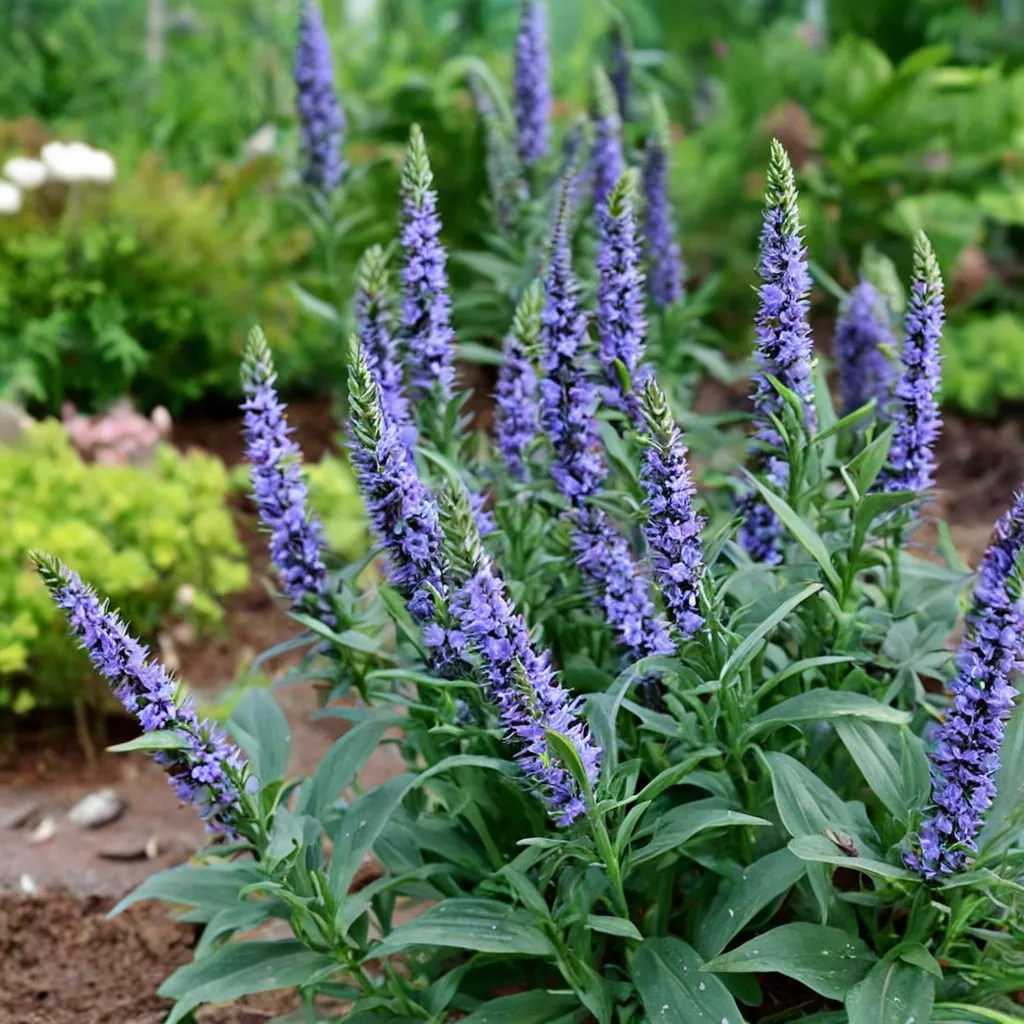
Moody Blues Sky Blue Veronica
Veronica spicata 'Moody Blues Sky Blue'
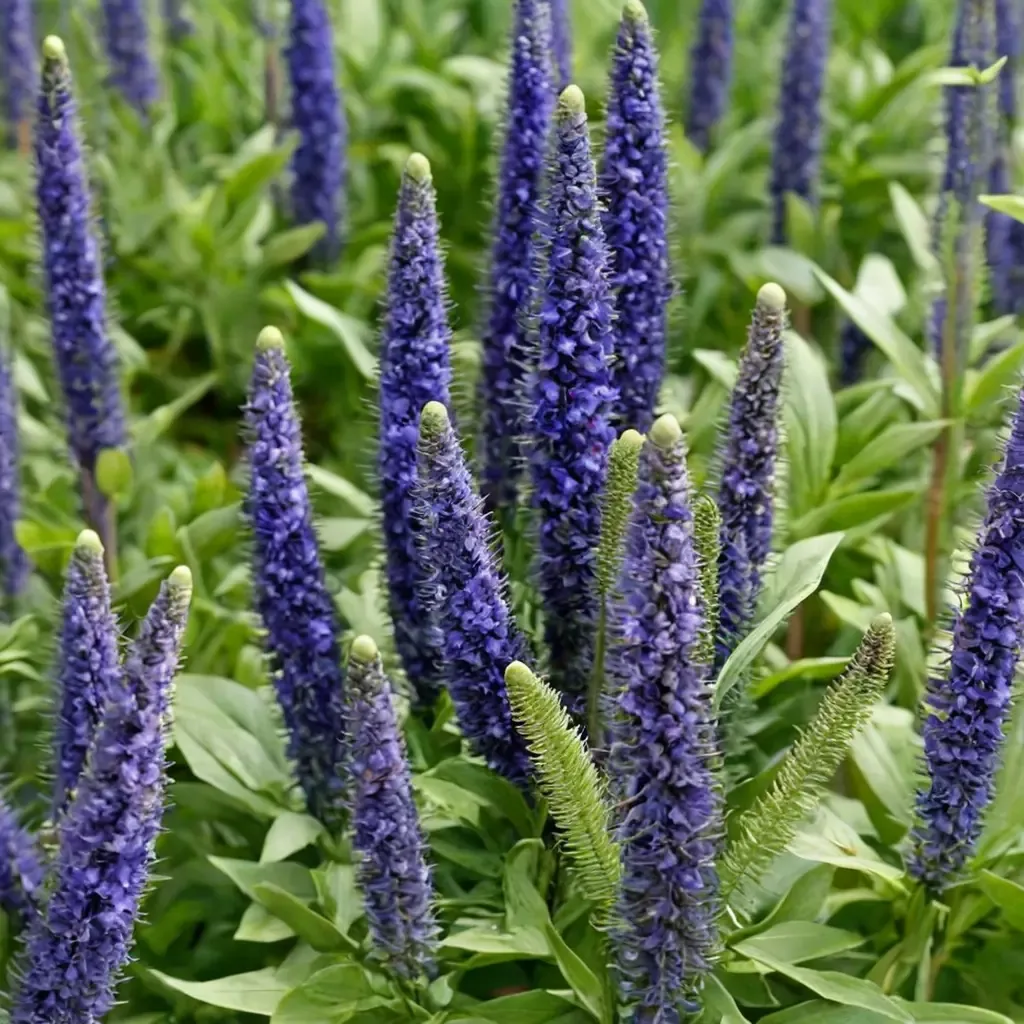
Royal Candles Speedwell
Veronica spicata 'Royal Candles'
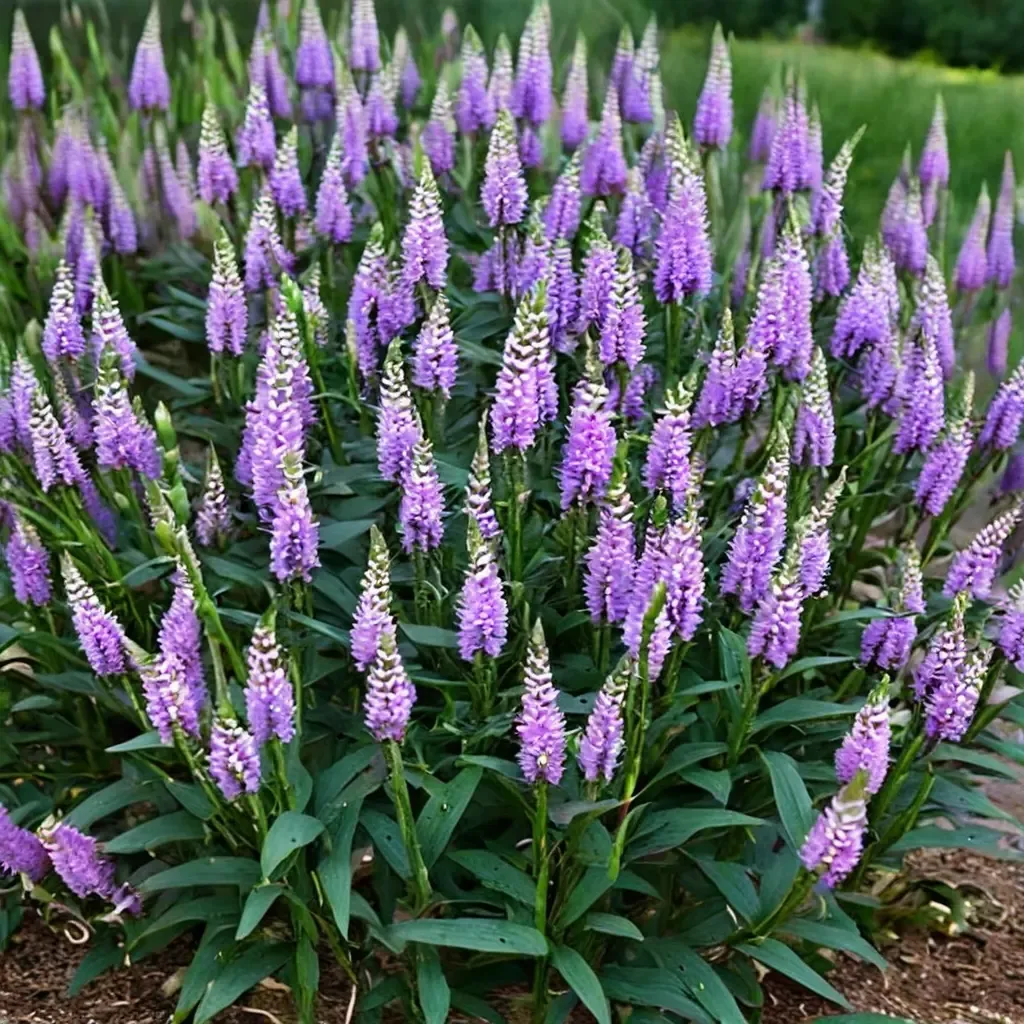
Lavender Lightsaber Speedwell
Veronica spicata 'Lavender Lightsaber'
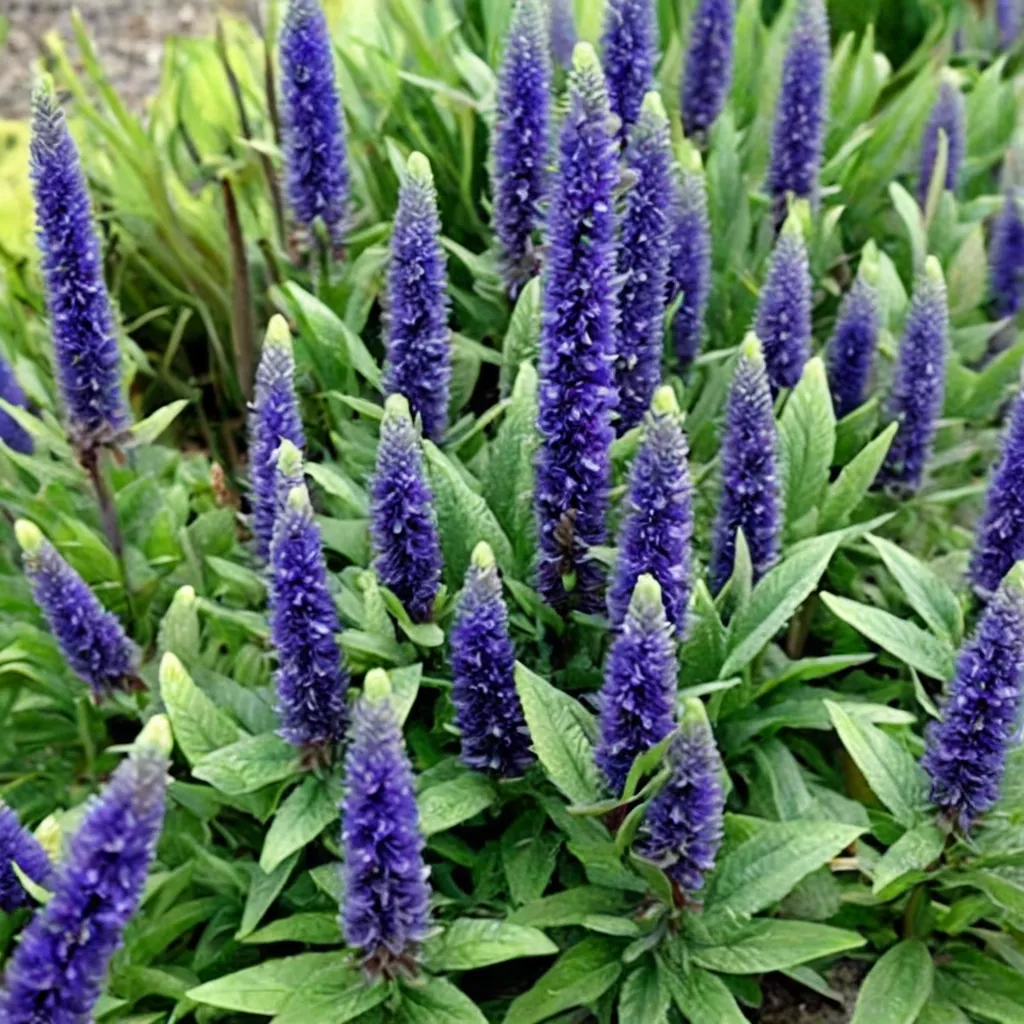
Royal Candles Spike Speedwell
Veronica spicata 'Glory'
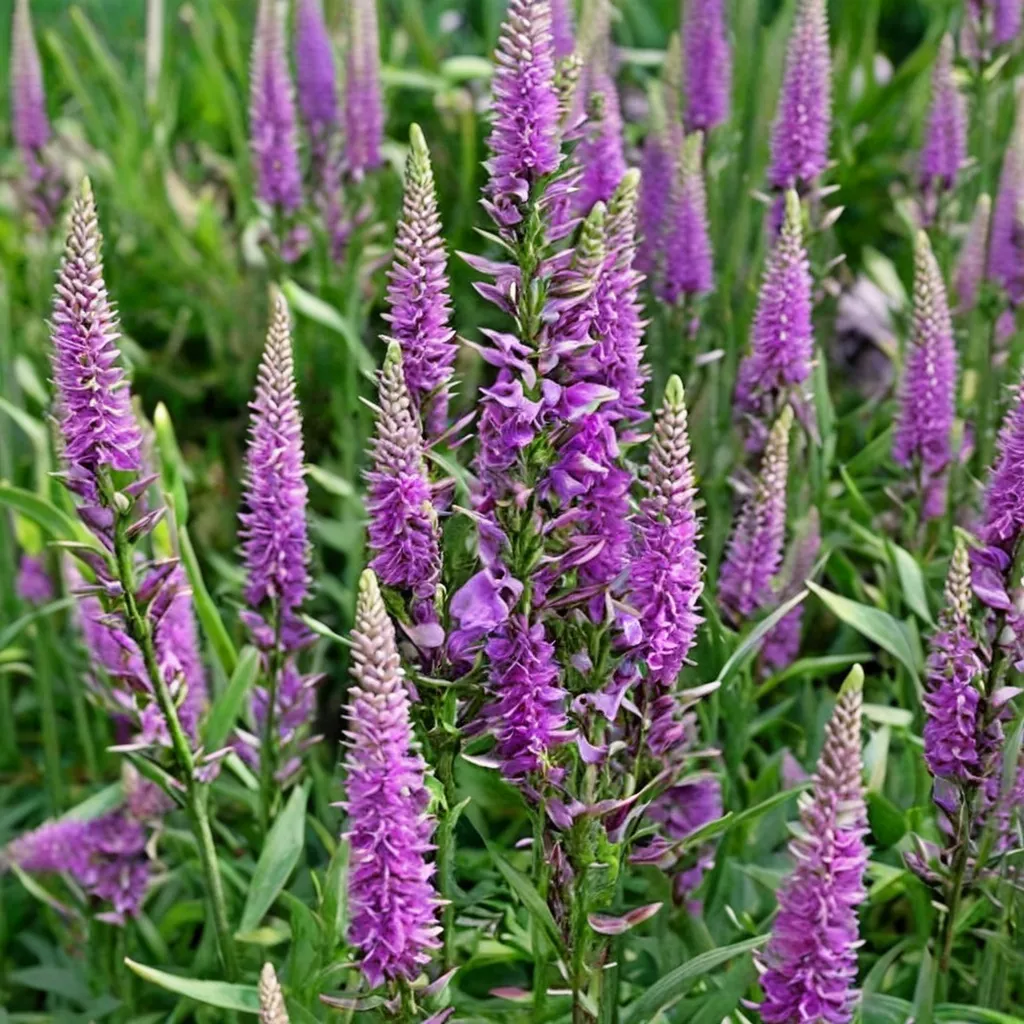
Longifolia Veronica Eveline
Veronica longifolia 'Eveline'
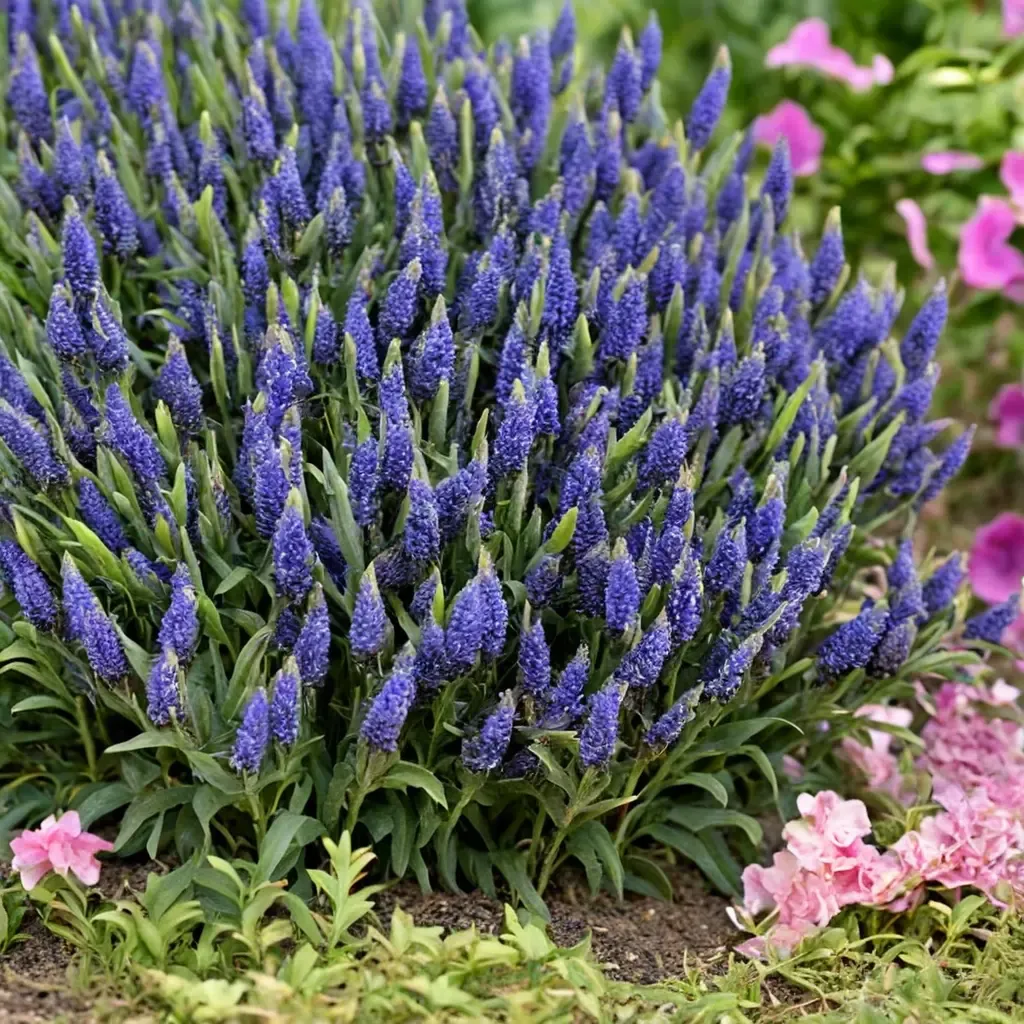
Wizard of Ahhs Speedwell
Veronica spicata 'Wizard Of Ahhs'
Keep exploring
Hardy in your zone?
Grow Shore Hebe with confidence
See it in a design of your actual yard, get zone-matched care reminders, and track it season by season in your garden journal.