
The Story
Plant Bio
Veronica cupressoides is a symmetrically rounded evergreen shrub growing three to five feet tall with branchlets that closely mimic a fine-textured dwarf cypress. The slim stems are completely encased in tiny, scale-like leaves that emit a resinous cedar scent when crushed, producing small white to pale blue flower heads at the tips in summer.
Distinguished by its whipcord foliage habit, the tiny stem-clasping leaves hide the branchlets to give the plant an authentic coniferous appearance. Unlike true conifers, it produces short clusters of delicate flowers in warm weather while maintaining a tight, architectural form year-round.
Uses & Benefits:
Essentials
At a Glance
Plant Type
Shrub
Height
48"
Width
48"
Light
Full Sun, Partial Sun
Zones
7, 8, 9
Water
Low to Moderate
Humidity
Low to Moderate
Lifespan
Perennial
Native To
New Zealand
Toxicity
Non-toxic
Bloom period
Summer – Late summer
In flower about 3 months of the year
Planting
How to Grow
- Select a planting site in full sun with sharp-draining, sandy or gravelly soil.
- Set the root ball so the crown sits slightly elevated above the surrounding soil level.
- Water thoroughly at planting, then allow the top two inches of soil to dry out between waterings.
- Apply a light top-dressing of grit around the base to prevent moisture retention near the crown.
- Lightly tip-prune green shoot ends after summer flowering to encourage dense growth.
Pro Tip
Never prune back into bare, brown interior stems; whipcord veronicas lack dormant buds on older wood and hard cuts will permanently kill those branches.
Keep It Thriving
Care Guide
Do
- Plant in gritty, sharply draining mineral soil.
- Position in full sun to maintain a tight, compact shape.
- Tip-prune light green growth immediately after flowering.
Don't
- Do not prune hard into brown, leafless interior wood.
- Do not plant in heavy clay or waterlogged garden beds.
- Do not over-fertilize with rich organic matter or high-nitrogen fertilizers.
Seasonal Care Calendar
| Task | Jan | Feb | Mar | Apr | May | Jun | Jul | Aug | Sep | Oct | Nov | Dec |
|---|---|---|---|---|---|---|---|---|---|---|---|---|
| Fertilize | ||||||||||||
| Pest Check | ||||||||||||
| Propagate | ||||||||||||
| Prune |
Watch Out For
Pests & Diseases
Common Pests
Common Diseases
In the Garden
Landscape Uses & Companions
Landscape Uses
Companion Plants
Multiply
Propagation Methods
Good to Know
Common Questions
Cypress Hebe questions
What zones can Cypress Hebe grow in?
Cypress Hebe is hardy in USDA Zones 7–9: in that range it survives winter in the ground. Colder than Zone 7, grow it in a container you can move to shelter for the winter. Warmer than Zone 9, winter isn't the problem: it prefers colder winters, and summer heat can shorten its life.
Is Cypress Hebe deer resistant?
Not reliably. Deer may browse Cypress Hebe, especially tender spring growth — plan on repellents or fencing where pressure is high.
When does Cypress Hebe bloom?
Cypress Hebe typically blooms in summer. Exact timing shifts a week or two with your zone — Sow's bloom calendar maps it to your garden.
Does Cypress Hebe need full sun?
Cypress Hebe does best in full sun to part shade. In hot climates, afternoon shade keeps blooms fresher longer.
Is Cypress Hebe drought tolerant?
Yes — once established (usually after the first full season), Cypress Hebe handles dry spells with minimal watering. Water deeply its first year to build the root system that makes that possible.
More Veronica to compare
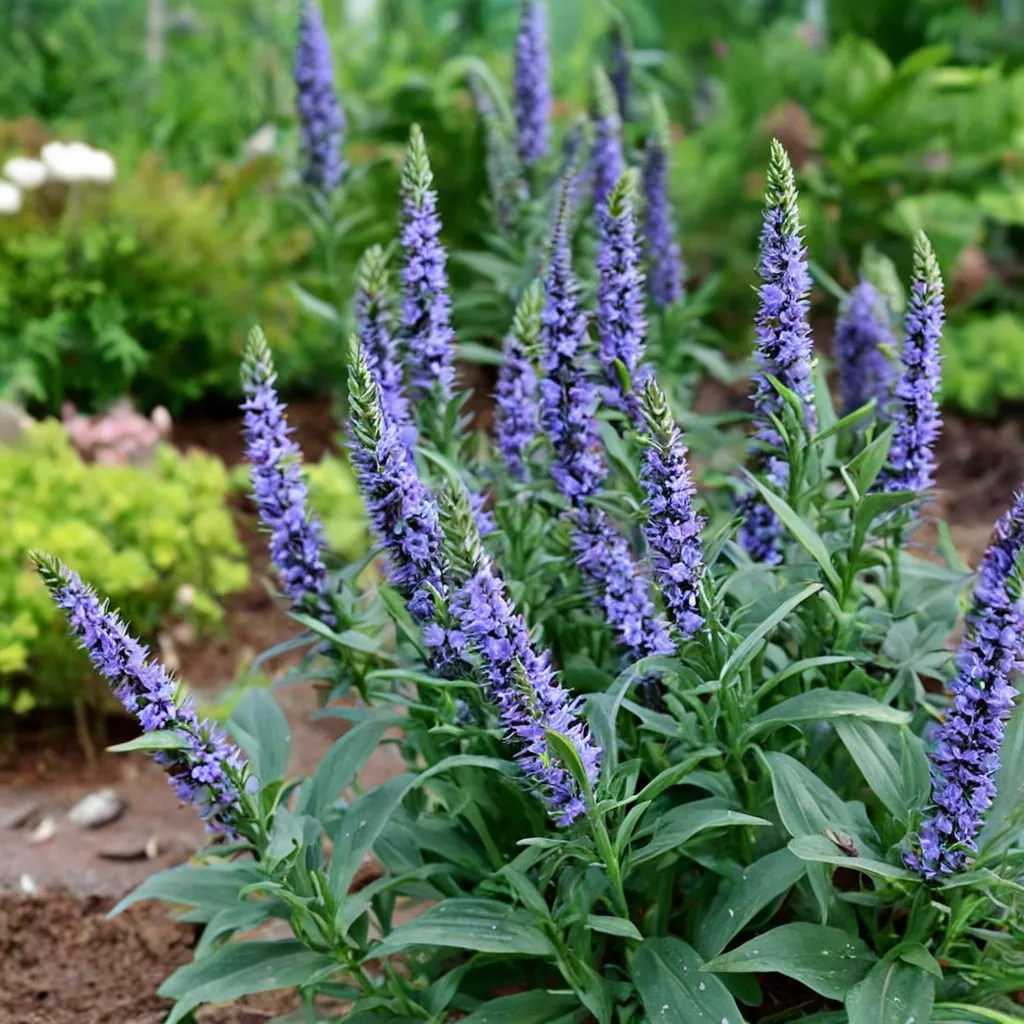
Moody Blues Sky Blue Veronica
Veronica spicata 'Moody Blues Sky Blue'
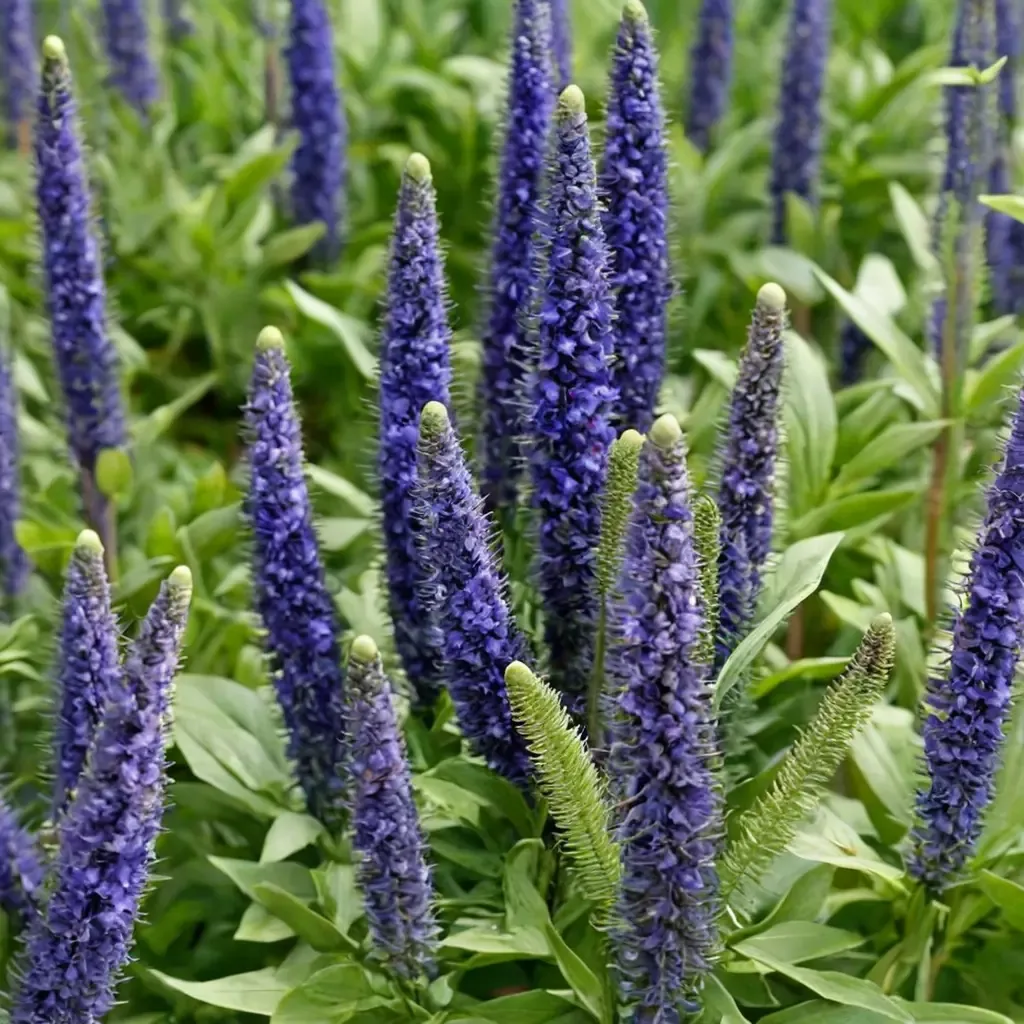
Royal Candles Speedwell
Veronica spicata 'Royal Candles'
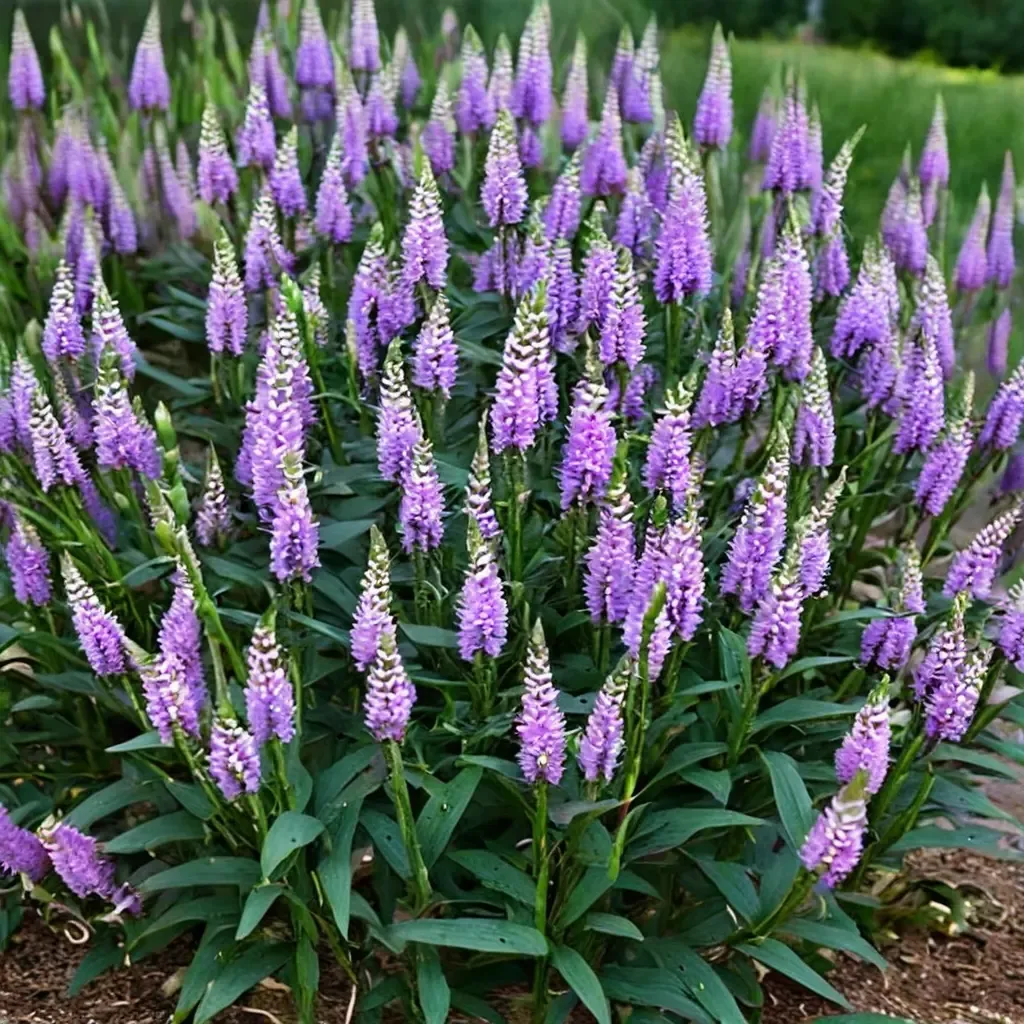
Lavender Lightsaber Speedwell
Veronica spicata 'Lavender Lightsaber'
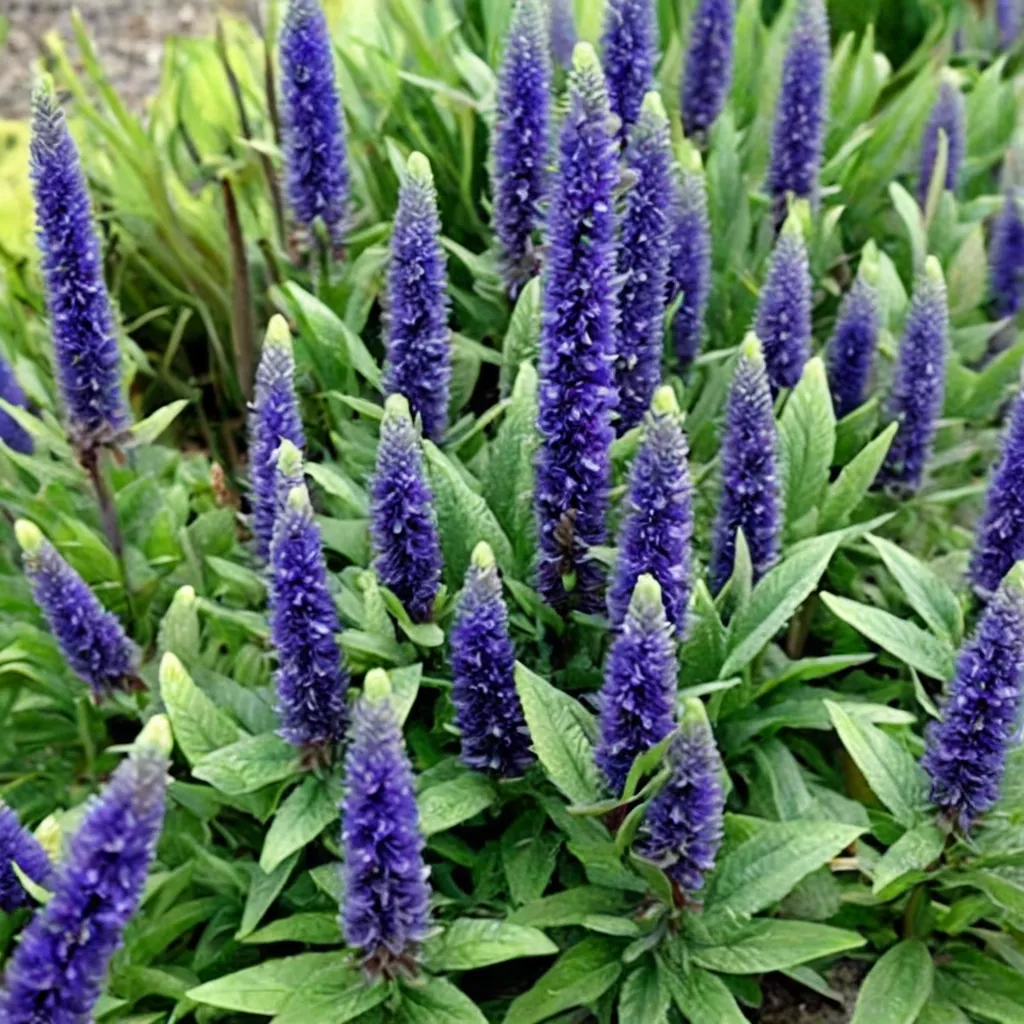
Royal Candles Spike Speedwell
Veronica spicata 'Glory'
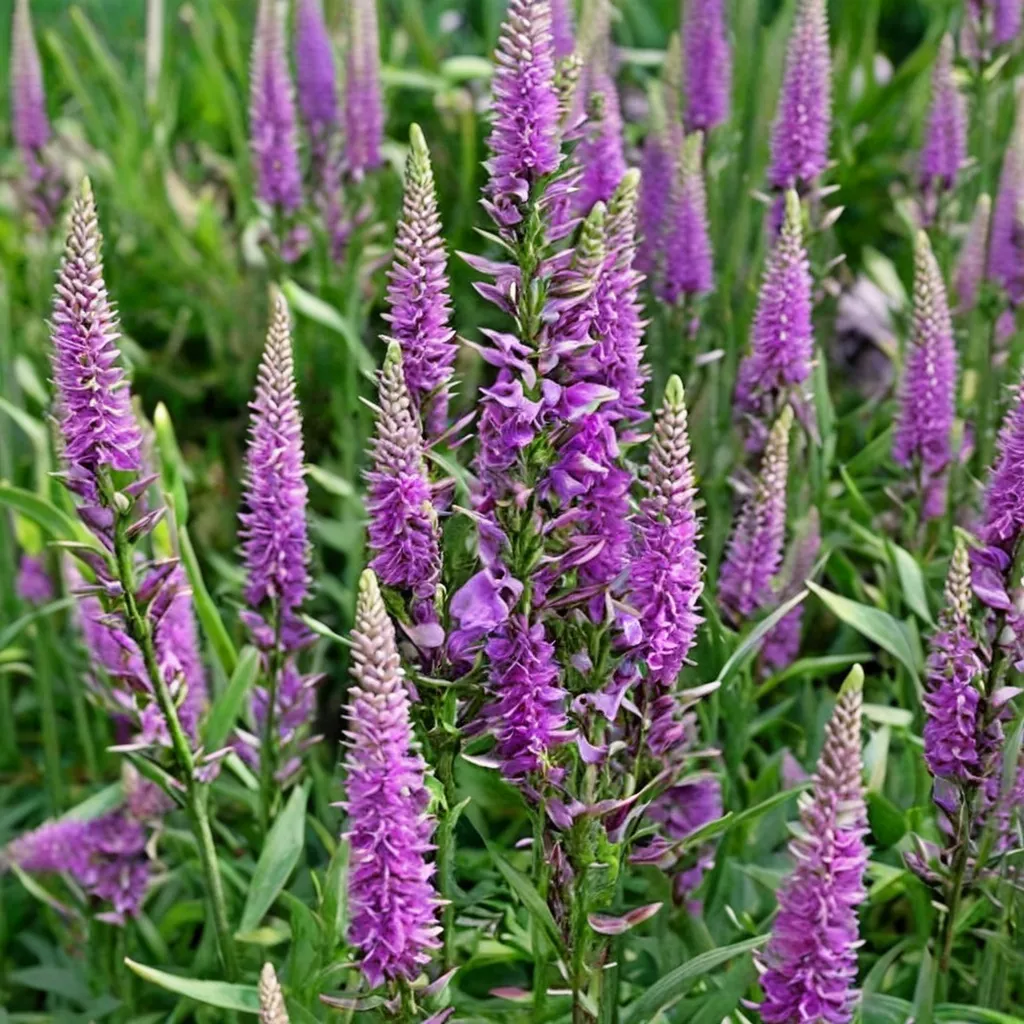
Longifolia Veronica Eveline
Veronica longifolia 'Eveline'
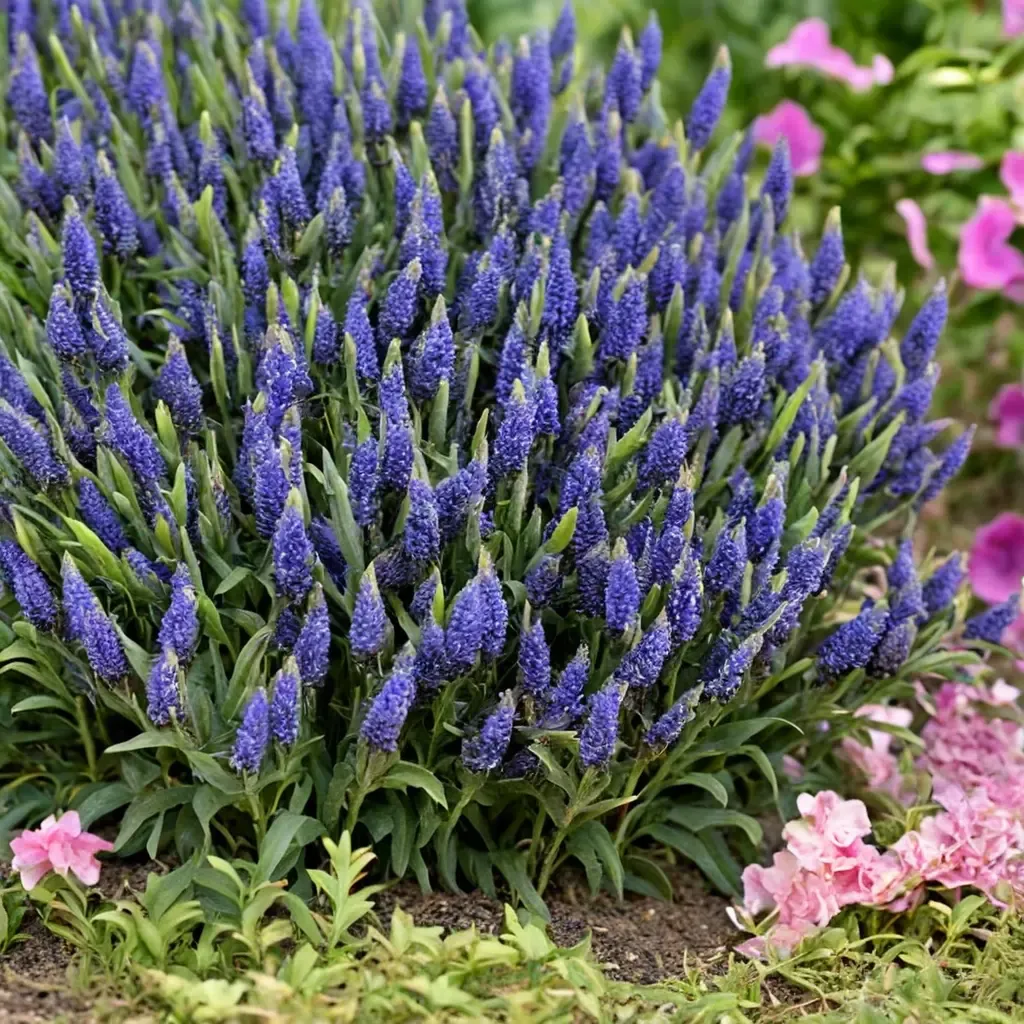
Wizard of Ahhs Speedwell
Veronica spicata 'Wizard Of Ahhs'
Keep exploring
Hardy in your zone?
Grow Cypress Hebe with confidence
See it in a design of your actual yard, get zone-matched care reminders, and track it season by season in your garden journal.