Also known as Rockrose · 8 saves
Halimium
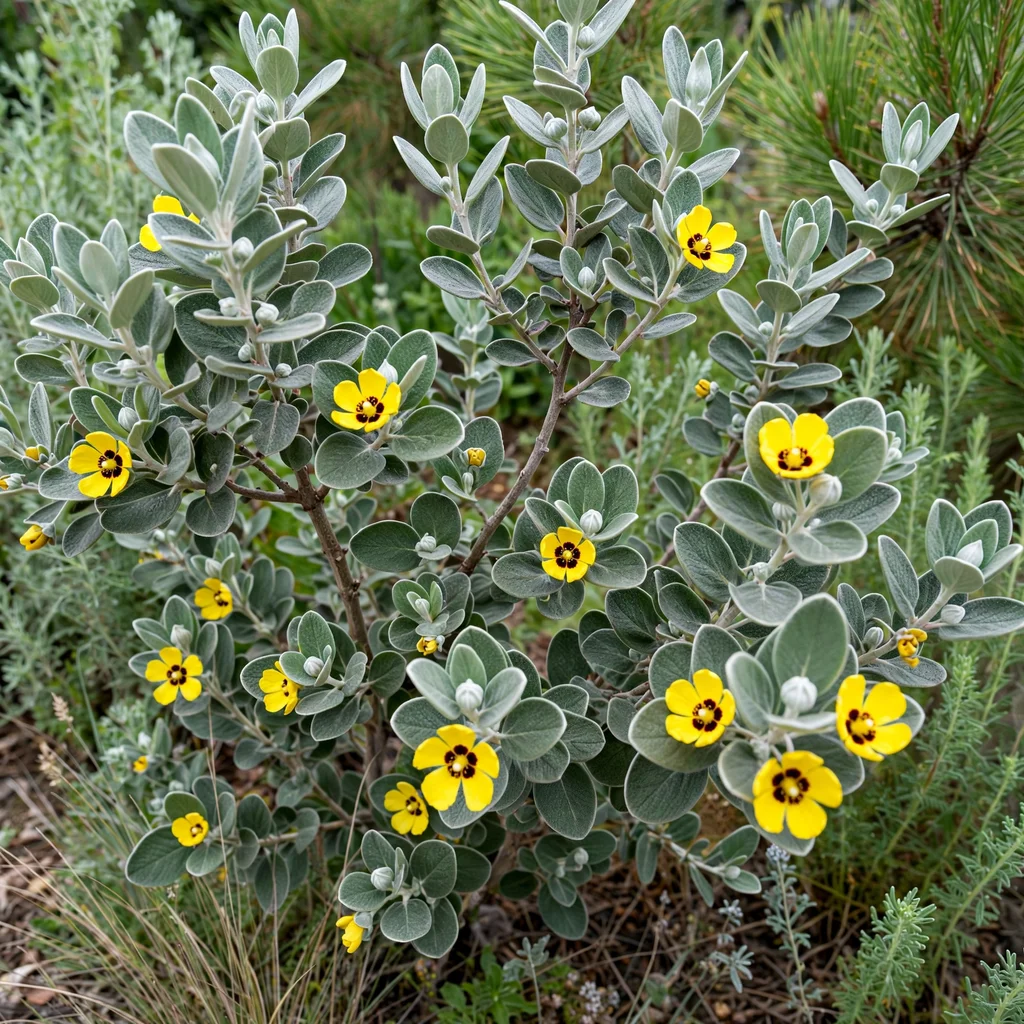
Halimium, the genus most gardeners know as rockrose. We track 5 varieties; the ones most used by real gardeners.
The 3 most-saved Halimium varieties
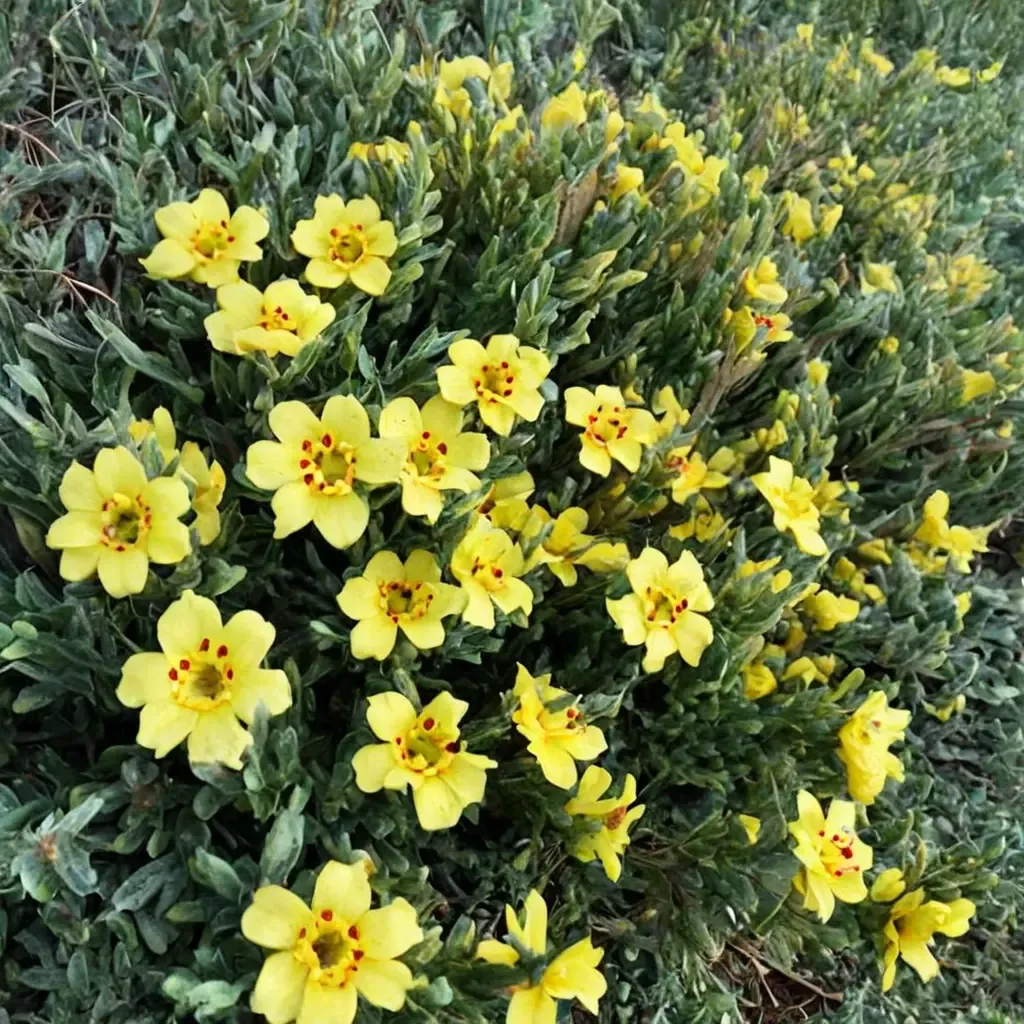
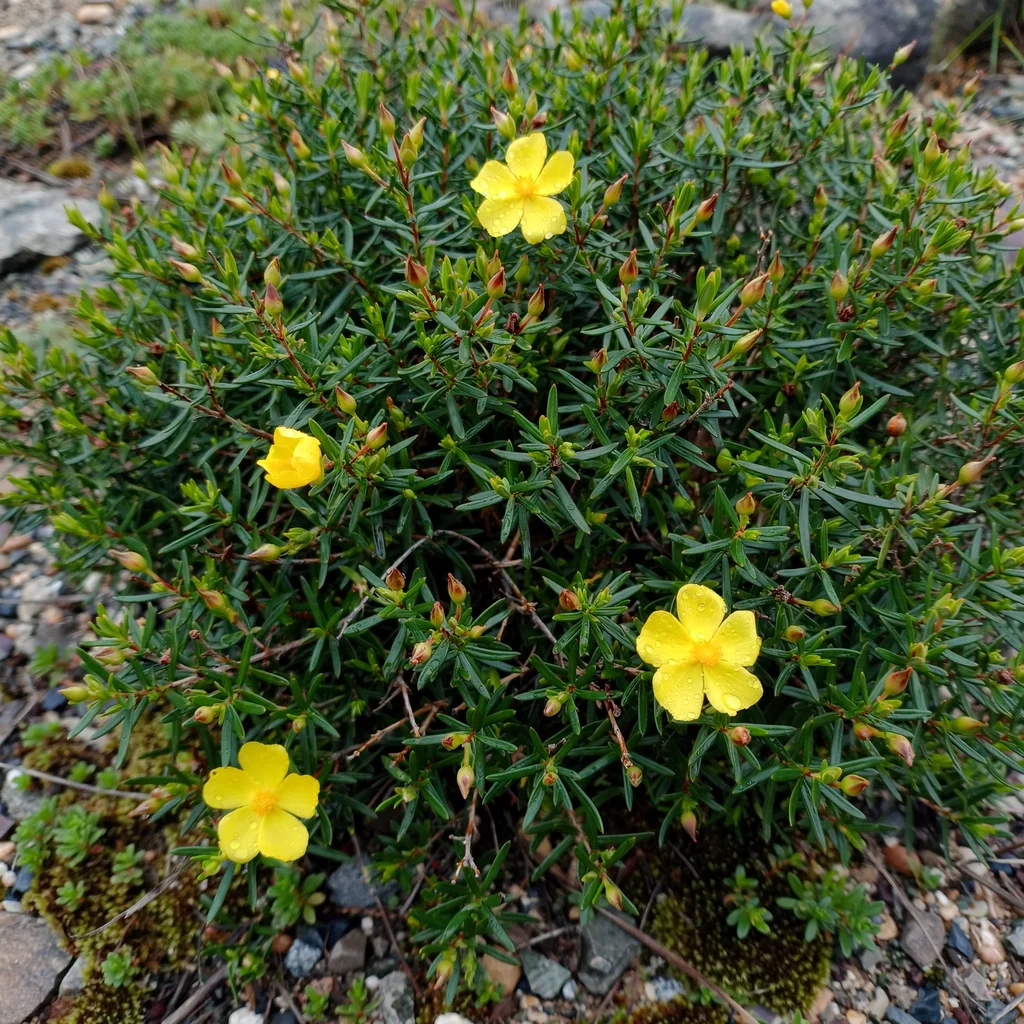
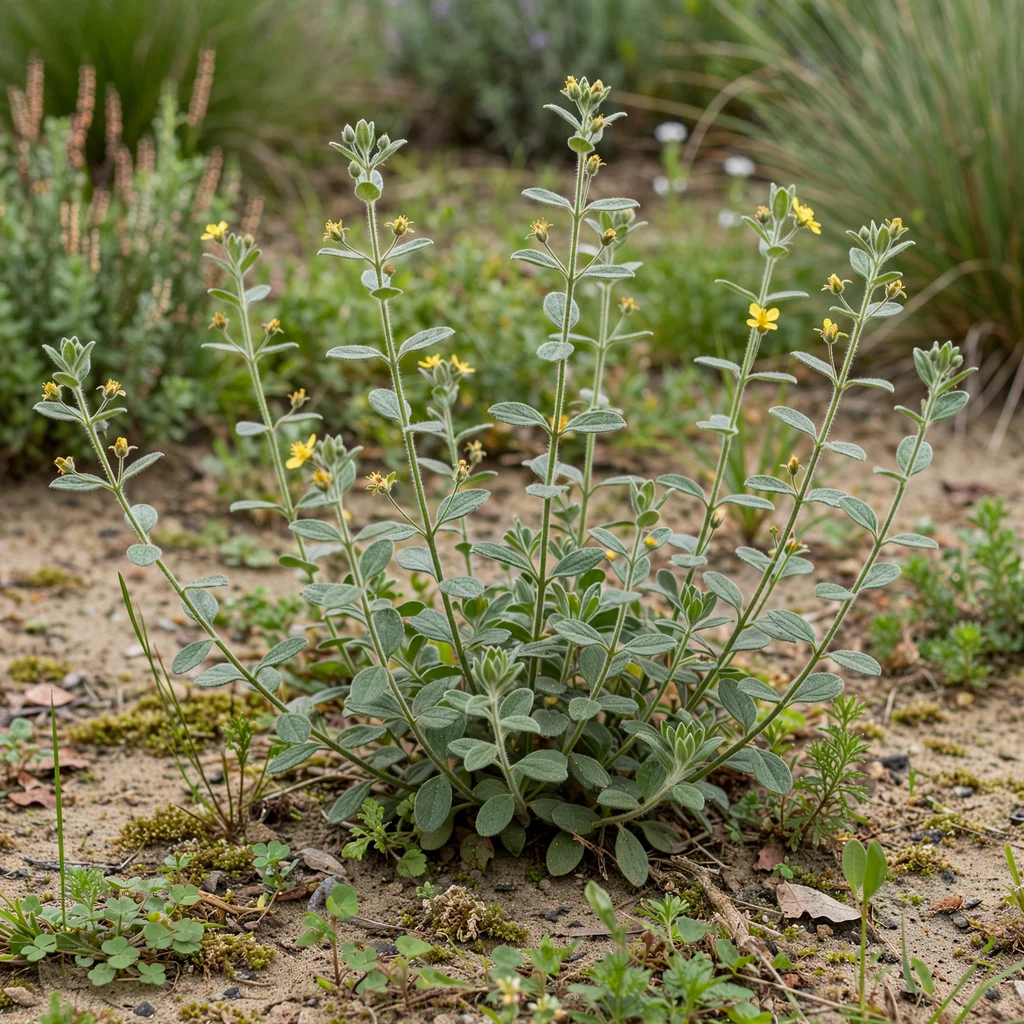
Browse all 5 Halimium varieties →
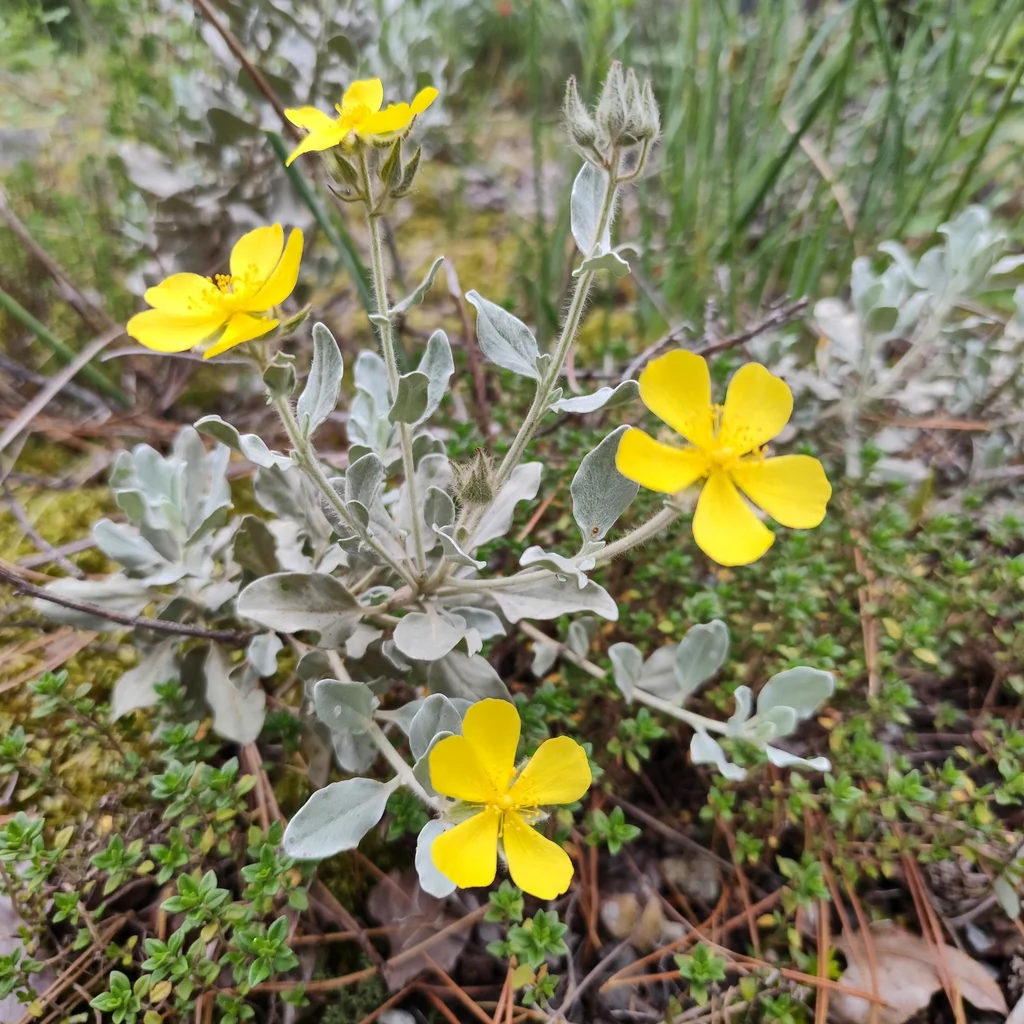
4 species of Halimium
Each one is a parent of the varieties above.
Track your Halimium in Sow
Save the Halimium you grow and get care reminders timed to your zone.
How to grow Halimium
Whats common across all Halimium varieties in our catalog — drawn from the care records of the 5 most-grown of them.
The Halimium year
- MulchMarch100% of varieties
Straw-mulch crowns in zone 8 where winter drops near -12C.
- PlantMarch, April and October100% of varieties
Set out potted plants after frost without disturbing the root ball.
- PruneJune, July and September100% of varieties
Tip back lightly after flowering and remove dead wood; do not cut into old leafless stems.
- Check for PestsJune and July80% of varieties
Check shoot tips for aphids and stippled leaves from mites.
- Winter PrepNovember40% of varieties
Stop watering and leave soil lean; do not fertilize before winter.


Do
- Plant on a slope or bank for sharp drainage
- Give full sun and lean alkaline soil
- Remove dead wood after flowering
- Plant on a slope in lean soil with sharp drainage.
- Water rarely but deeply only during the first dry season.
Avoid
- Do not overwater or plant in moisture-holding soil
- Do not fertilize or enrich with compost
- Do not cut back into old leafless stems
- Do not transplant once established
What goes wrong with Halimium
| Problem | What you'll see | What to do |
|---|---|---|
| Aphids | Clusters on shoot tips distort new growth | Blast off with water or apply insecticidal soap and improve airflow |
| Spider mites | Stippled pale leaves in hot dry weather | Jet leaf undersides with water and avoid dusty conditions |
| Scale insects | Small bumps on stems and leaves | Use horticultural oil or insecticidal soap for control |
| Root rot | Wilting, yellowing and stem collapse in wet or humid soil | Plant in sharply drained sand, keep the crown dry in summer, and do not overwater |
| Root and stem rot | Stems wilt and collapse in wet soil | Plant in perfectly drained soil, water at the base only, remove affected wood |
| Powdery mildew | White film on leaves in humid weather | Space for airflow, avoid overhead watering, remove affected leaves |
Making more Halimium
Softwood cuttings
- Take 3-inch tip cuttings after flowering
- Strip lower leaves and insert in gritty sand
- Keep barely moist in bright shade until rooted
- Pot on without disturbing roots and plant out in spring
Seed
- Collect ripe reddish-brown capsules when dry and shake out small dark seed.
- Sow shallow in a lean gritty mineral mix with sharp drainage.
- Keep barely moist in full sun with good airflow until germination.
- Pot on small and set out on a slope without burying the crown.
Halimium questions
How many types of Halimium are there?
The Sow catalog tracks 5 distinct Halimium varieties. The most popular — ranked by 8 real gardeners — are shown first above.
What zones does Halimium grow in?
Across its varieties, Halimium covers USDA Zones 6–10. Individual varieties differ — each plant page lists its exact range, and Sow filters the catalog to your zone automatically.
When does Halimium bloom?
Most Halimium varieties bloom from late spring to late summer.
Which Halimium should I choose?
Start from the most-saved varieties above — popularity across thousands of gardens is a strong signal of reliability — then filter by your zone and sun. In the Sow app you can preview any of them in a photo of your actual yard before you buy.