
The Story
Plant Bio
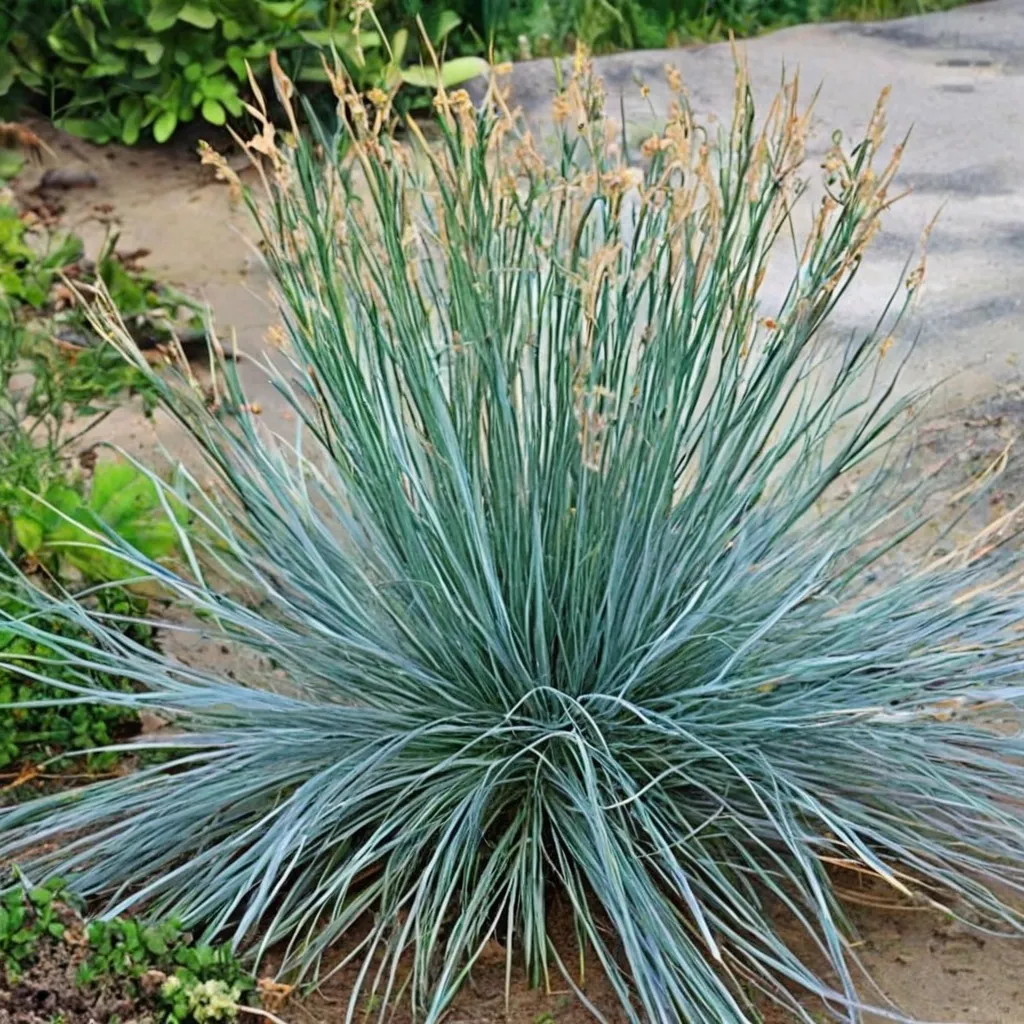
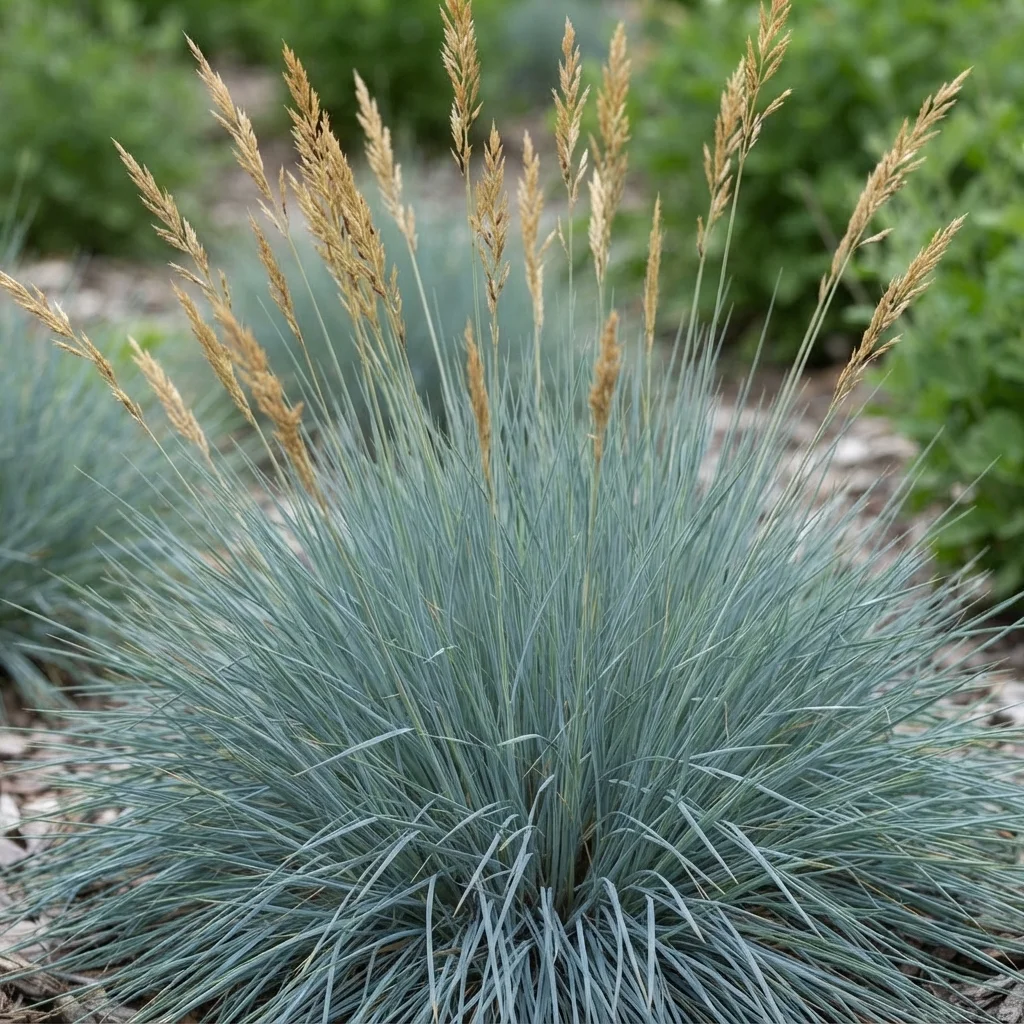
Festuca amethystina is a cool-season evergreen tussock grass forming a dense mound of very fine rolled leaves. The foliage holds blue-green to silver-blue through winter, with wiry culms rising well above the mound in summer.
This species is distinguished by its tight needle-like tuft and purple-flushed panicles that bleach to near-white above the foliage. Clumps are short-lived and hollow from the center without regular lifting and division, and fail in wet winter soil or hot humid summers.
Uses & Benefits:
Essentials
At a Glance
Plant Type
Grass
Height
18"
Width
10"
Light
Full Sun
Zones
4, 5, 6, 7, 8
Water
Low
Humidity
Intolerant of hot humidity
Lifespan
Short-lived perennial
Native To
Central, southern and eastern Europe to western Asia
Toxicity
Non-toxic
Bloom period
Early summer – Summer
In flower about 3 months of the year
Planting
How to Grow
- Choose full sun with sharp drainage and lean soil; raise the crown slightly above grade.
- Space 10 to 12 inches apart and water in once, then water sparingly while roots establish.
- Comb out dead leaves in spring rather than shearing the tuft hard.
- Lift and divide every 2 to 3 years when the center thins, replanting vigorous outer fans.
Pro Tip
Plant high in lean gritty soil in full sun and keep winter wet off the crown; lift and divide as soon as the center thins rather than nursing an old clump.
Keep It Thriving
Care Guide
Do
- Do plant in sharply drained, gritty soil in full sun.
- Do divide every 2 to 3 years to renew vigor.
- Do comb out dead foliage in spring.
- Do allow soil to dry between waterings once established.
Don't
- Don't plant in heavy clay or low spots that stay wet in winter.
- Don't overwater in summer or in humid heat.
- Don't cut hard into old leafless crown wood.
- Don't expect an undivided clump to live long.
Seasonal Care Calendar
| Task | Jan | Feb | Mar | Apr | May | Jun | Jul | Aug | Sep | Oct | Nov | Dec |
|---|---|---|---|---|---|---|---|---|---|---|---|---|
| Divide | ||||||||||||
| Pest Check | ||||||||||||
| Plant | ||||||||||||
| Spring Cleanup | ||||||||||||
| Winter Prep |
Watch Out For
Pests & Diseases
Common Pests
Common Diseases
In the Garden
Landscape Uses & Companions
Landscape Uses
Multiply
Propagation Methods
Good to Know
Common Questions
Large Blue Fescue questions
What zones can Large Blue Fescue grow in?
Large Blue Fescue is hardy in USDA Zones 4–8: in that range it survives winter in the ground. Warmer than Zone 8, winter isn't the problem: it prefers colder winters, and summer heat can shorten its life.
When does Large Blue Fescue bloom?
Large Blue Fescue typically blooms in summer. Exact timing shifts a week or two with your zone — Sow's bloom calendar maps it to your garden.
Does Large Blue Fescue need full sun?
Large Blue Fescue does best in full sun (6+ hours).
Is Large Blue Fescue drought tolerant?
Yes — once established (usually after the first full season), Large Blue Fescue handles dry spells with minimal watering. Water deeply its first year to build the root system that makes that possible.
More Festuca to compare
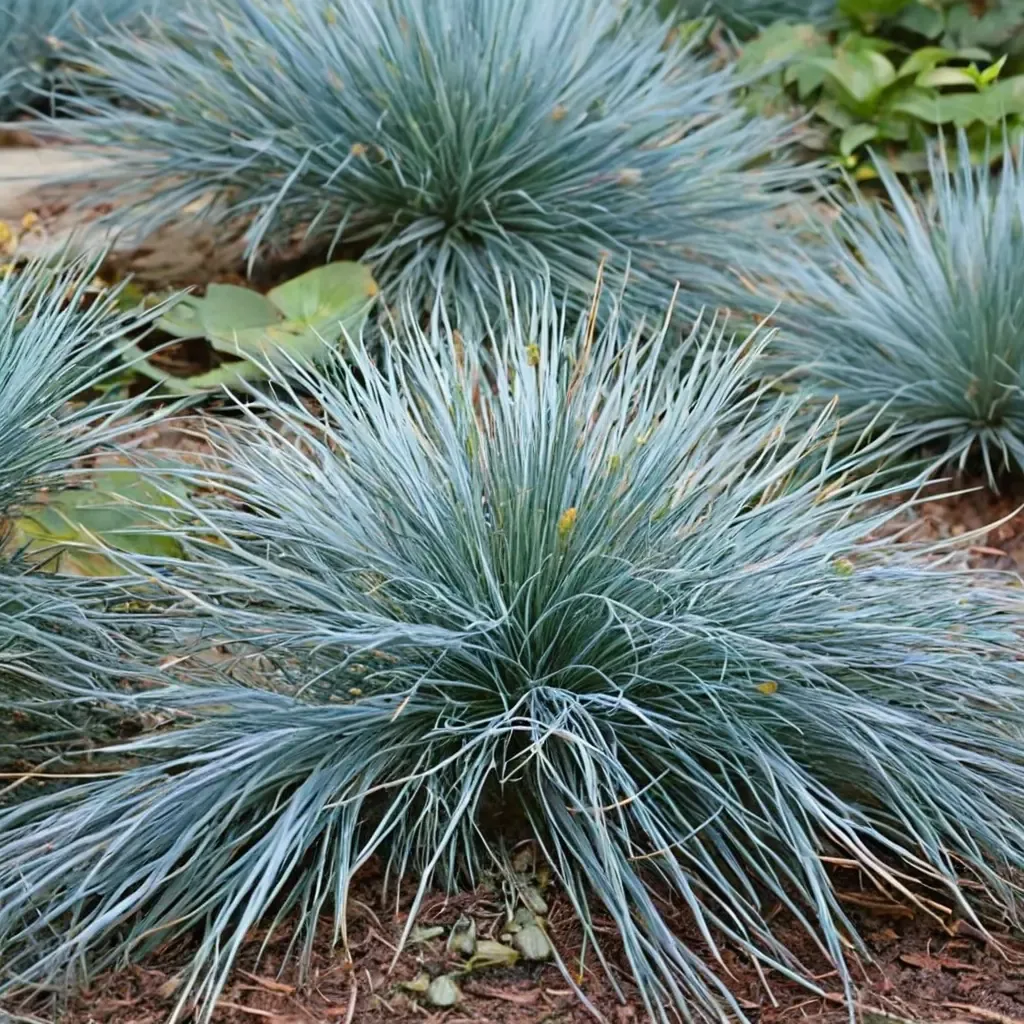
Elijah Blue Fescue
Festuca glauca 'Elijah Blue'
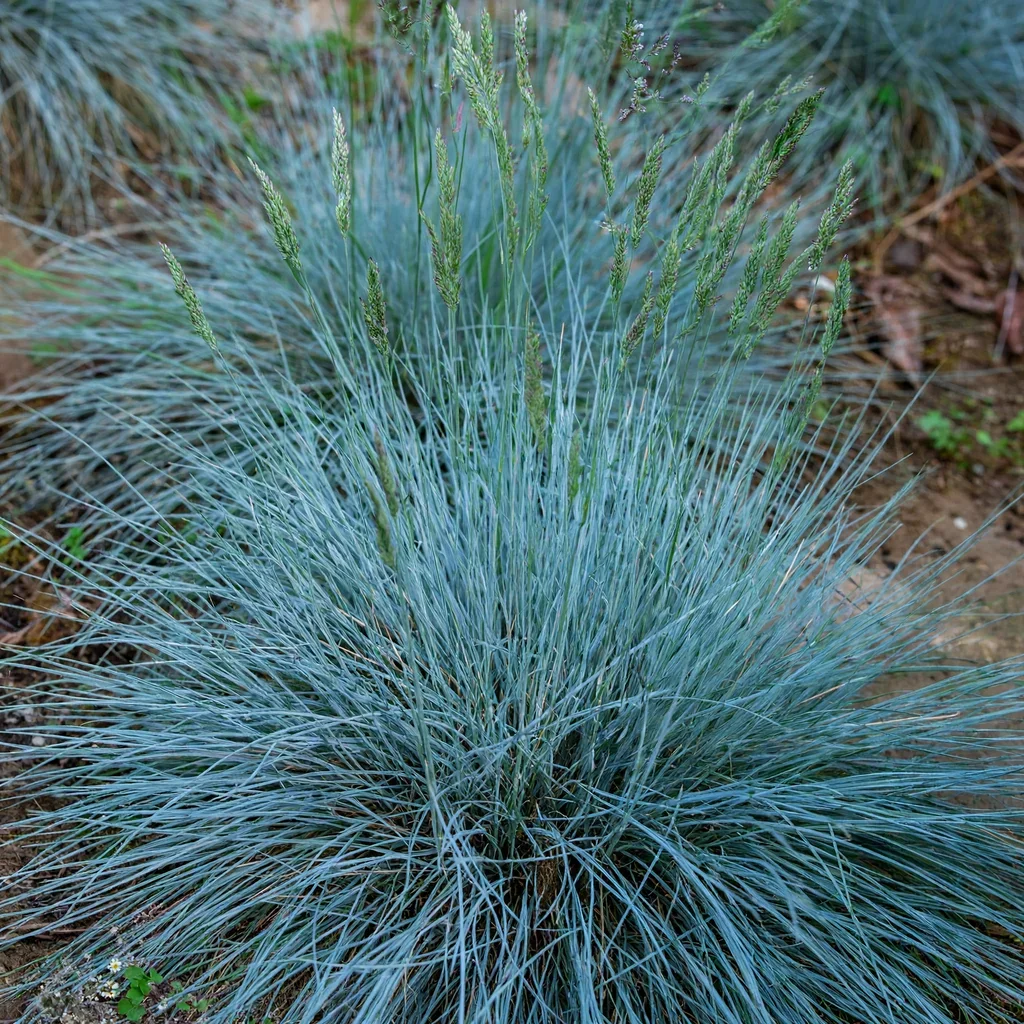
Blue Fescue
Festuca glauca
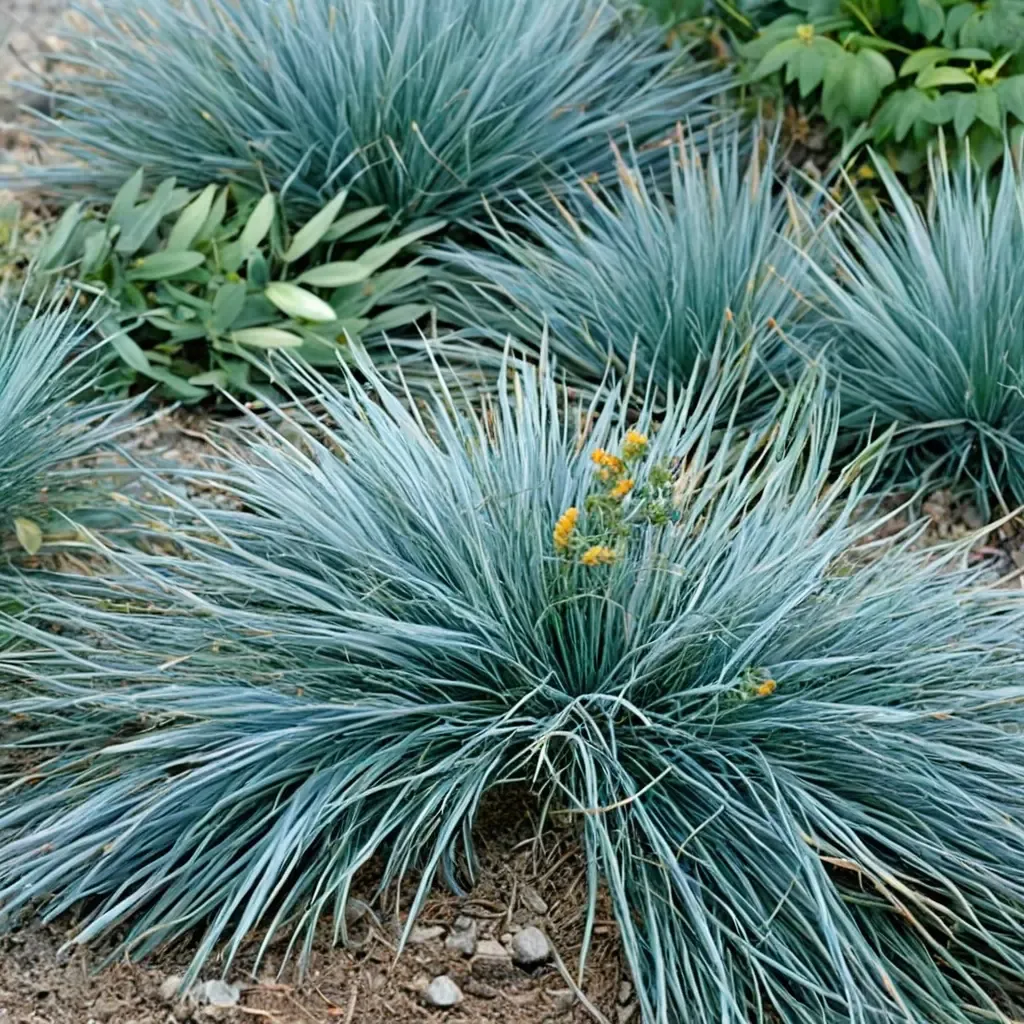
Blue Fox Fescue
Festuca glauca 'Blaufuchs'
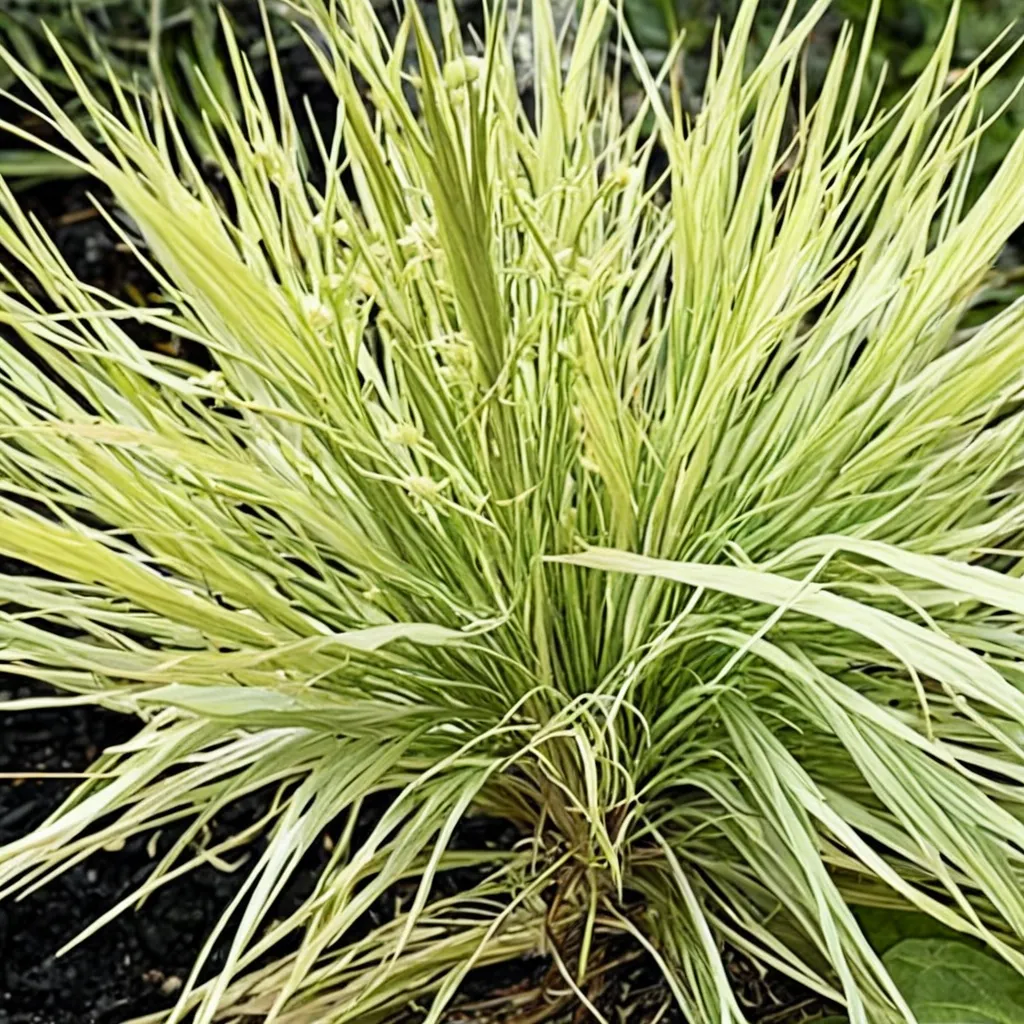
Golden Toupee Fescue
Festuca glauca 'Golden Toupee'
Festuca Mix
Festuca x hybrida 'Mix'
Cool as Ice Blue Fescue
Festuca glauca 'Cool as Ice'
Keep exploring
Explore the genus
Hardy in your zone?
Grow Large Blue Fescue with confidence
See it in a design of your actual yard, get zone-matched care reminders, and track it season by season in your garden journal.