
The Story
Plant Bio
Ipomoea sinuata, now botanically Distimake dissectus, is a deciduous twining perennial vine from rhizomatous roots that sends stems to 12 feet in a season. The foliage is dark green and intricately dissected into narrow lobes, and the white flaring trumpets about 2 inches across open from midday into afternoon with a dark burgundy throat.
Unlike morning-opening morning glories, the flowers open at midday and close by evening, followed by brown capsules that shed viable seed freely. It is heat tolerant and drought tolerant once established, forming dense cover fast, and all seed is poisonous if ingested by people, pets or cattle.
Uses & Benefits:
Essentials
At a Glance
Plant Type
Vine
Height
144"
Width
144"
Light
Full Sun, Partial Sun
Zones
7, 8, 9, 10
Water
Low-medium
Humidity
Unknown
Lifespan
Perennial vine
Native To
South-central and southeastern U.S. to Argentina
Toxicity
Toxic if ingested - seeds
Bloom period
Spring – Fall
In flower about 9 months of the year
Planting
How to Grow
- Plant in full sun to part shade after last frost in dry to moist open soil.
- Set a stout 10- to 12-foot trellis, fence or arbor at planting; stems twine and need support.
- Water to establish, then water low to medium; established plants handle heat and dry spells.
- Train shoots onto support and cut back wandering stems before capsules ripen to limit reseeding.
Pro Tip
Give it a heavy trellis and cut stems back before capsules brown; seed germinates in under a week and one plant reseeds a fence line.
Keep It Thriving
Care Guide
Do
- Do train to a strong support rated for a heavy perennial vine.
- Do remove brown capsules before they split to reduce reseeding.
- Do wear gloves when handling seed; it is poisonous if ingested.
Don't
- Do not plant near natural areas or waterways in the Southeast where it escapes.
- Do not let stems root into adjacent shrubs; it overtops slower plants.
- Do not ingest seed and keep seed packets away from children and pets.
Seasonal Care Calendar
| Task | Jan | Feb | Mar | Apr | May | Jun | Jul | Aug | Sep | Oct | Nov | Dec |
|---|---|---|---|---|---|---|---|---|---|---|---|---|
| Deadhead | ||||||||||||
| Pest Check | ||||||||||||
| Plant | ||||||||||||
| Propagate | ||||||||||||
| Prune |
Watch Out For
Pests & Diseases
Common Pests
Common Diseases
In the Garden
Landscape Uses & Companions
Landscape Uses
Companion Plants
Multiply
Propagation Methods
Good to Know
Common Questions
Alamo Vine questions
What zones can Alamo Vine grow in?
Alamo Vine is hardy in USDA Zones 7–10: in that range it survives winter in the ground. Colder than Zone 7, grow it in a container you can move to shelter for the winter, or as an annual.
Is Alamo Vine deer resistant?
Not reliably. Deer may browse Alamo Vine, especially tender spring growth — plan on repellents or fencing where pressure is high.
When does Alamo Vine bloom?
Alamo Vine typically blooms from spring to fall. Exact timing shifts a week or two with your zone — Sow's bloom calendar maps it to your garden.
Does Alamo Vine need full sun?
Alamo Vine does best in full sun to part shade. In hot climates, afternoon shade keeps blooms fresher longer.
Is Alamo Vine drought tolerant?
Yes — once established (usually after the first full season), Alamo Vine handles dry spells with minimal watering. Water deeply its first year to build the root system that makes that possible.
More Ipomoea to compare
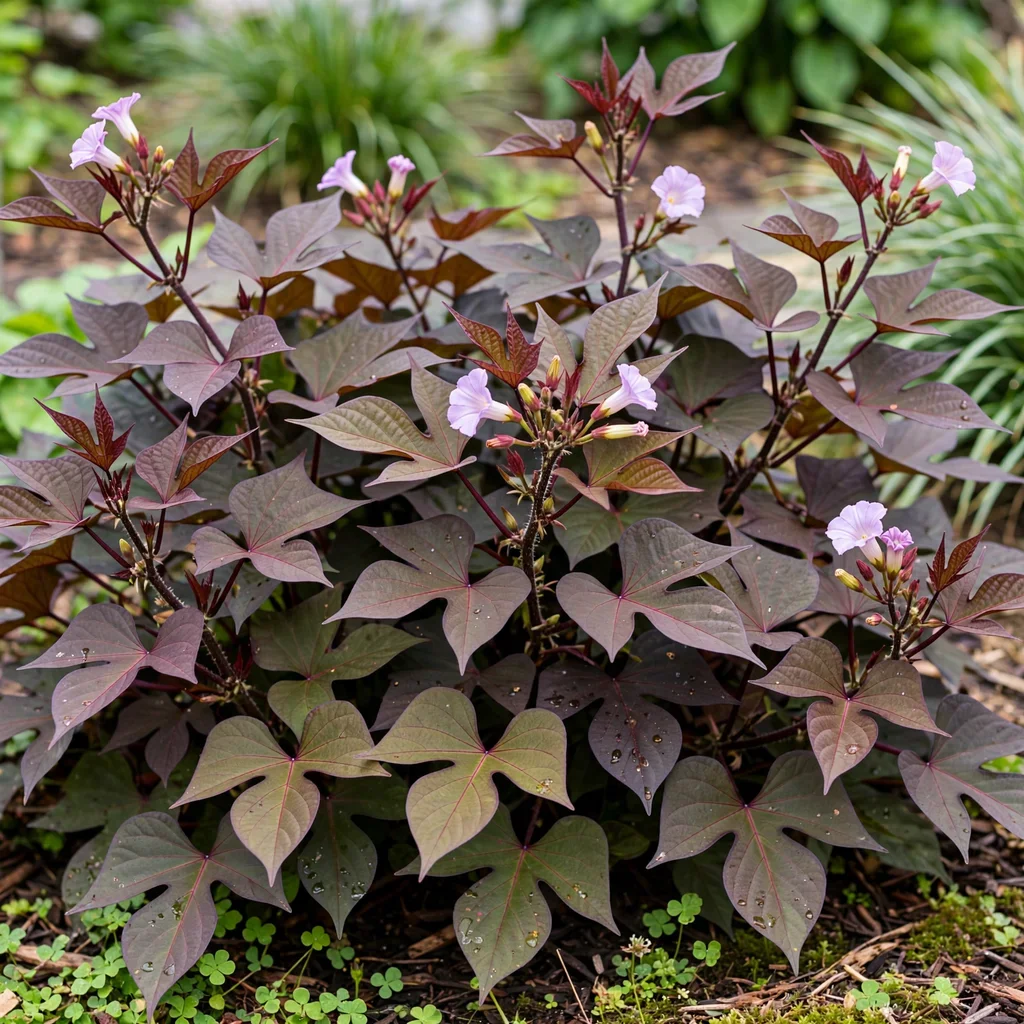
Sweet Potato
Ipomoea batatas 'Sweet Georgia Bronze'
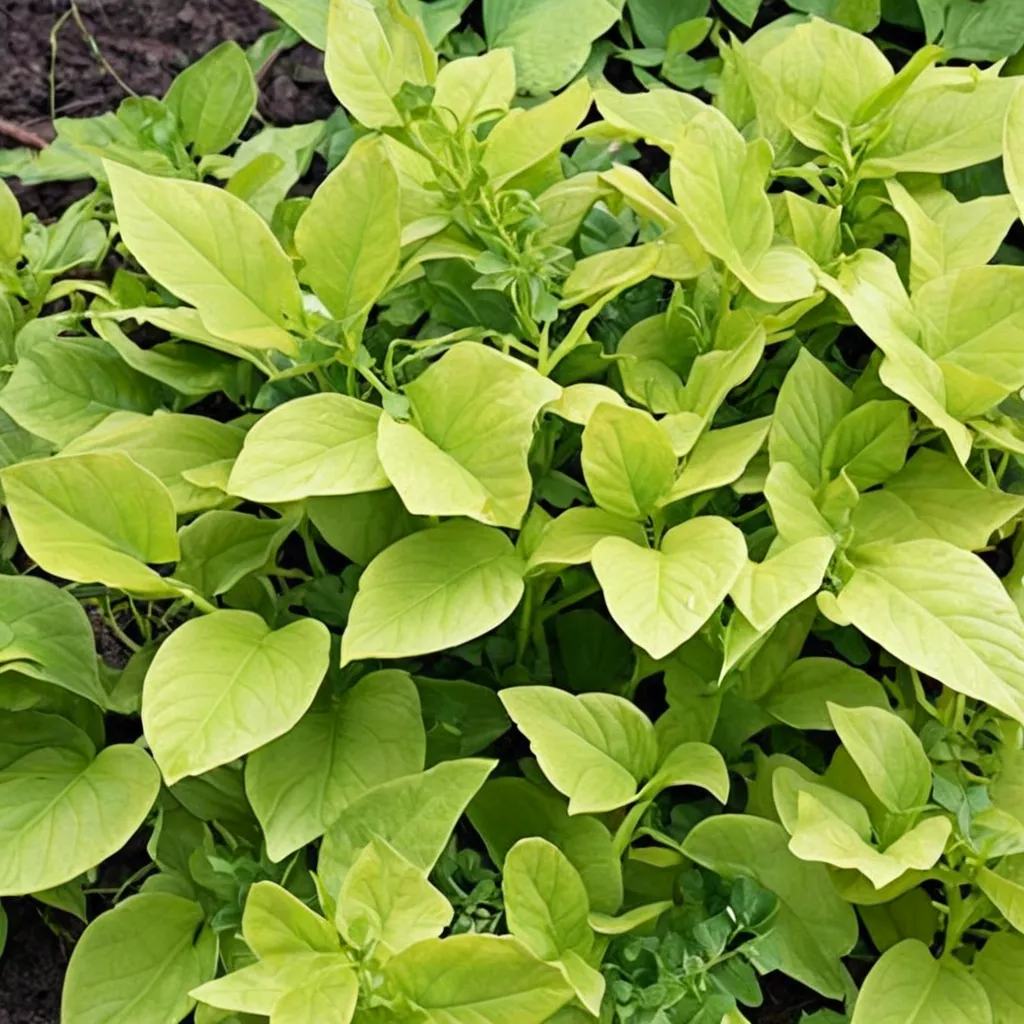
Margarita Sweet Potato Vine
Ipomoea batatas 'Margarita'
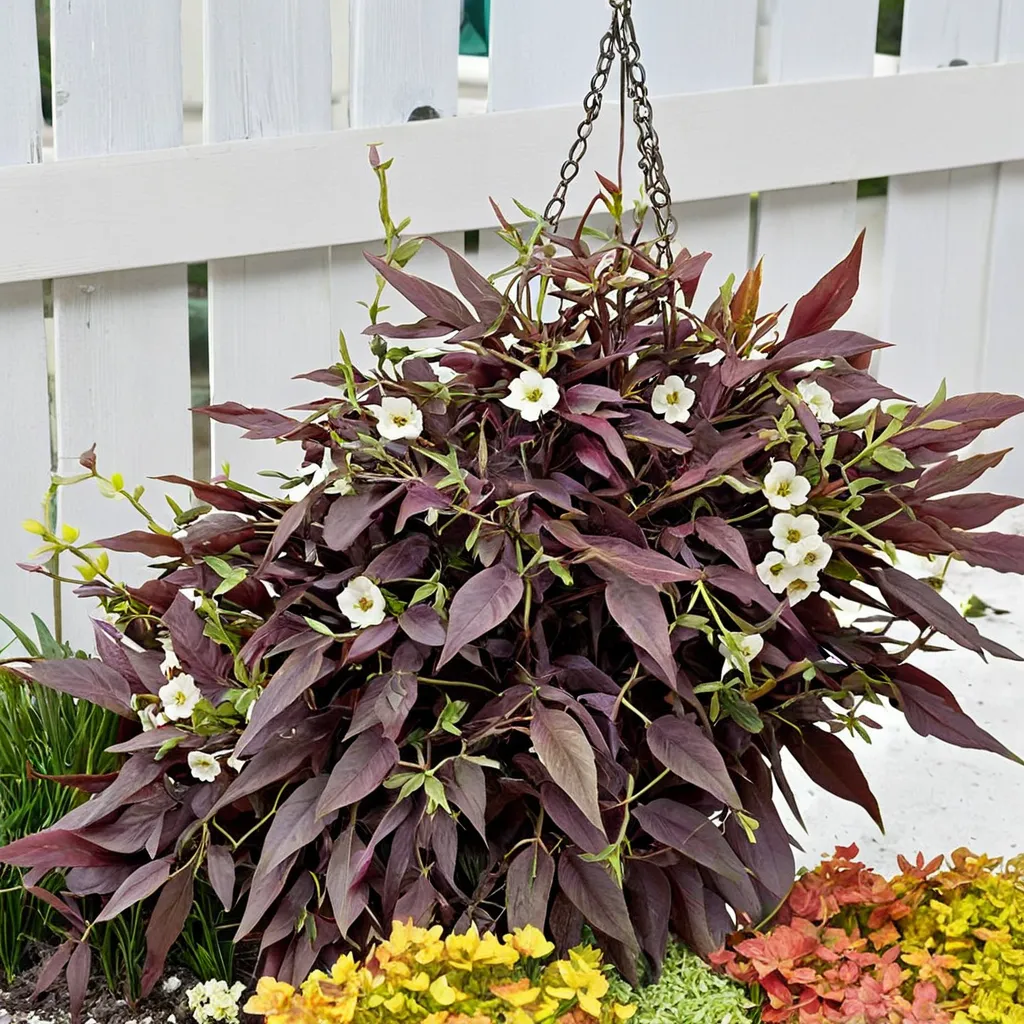
Sweet Caroline Upside Black Coffee Sweet Potato Vine
Ipomoea batatas 'Sweet Caroline Upside Black Coffee'
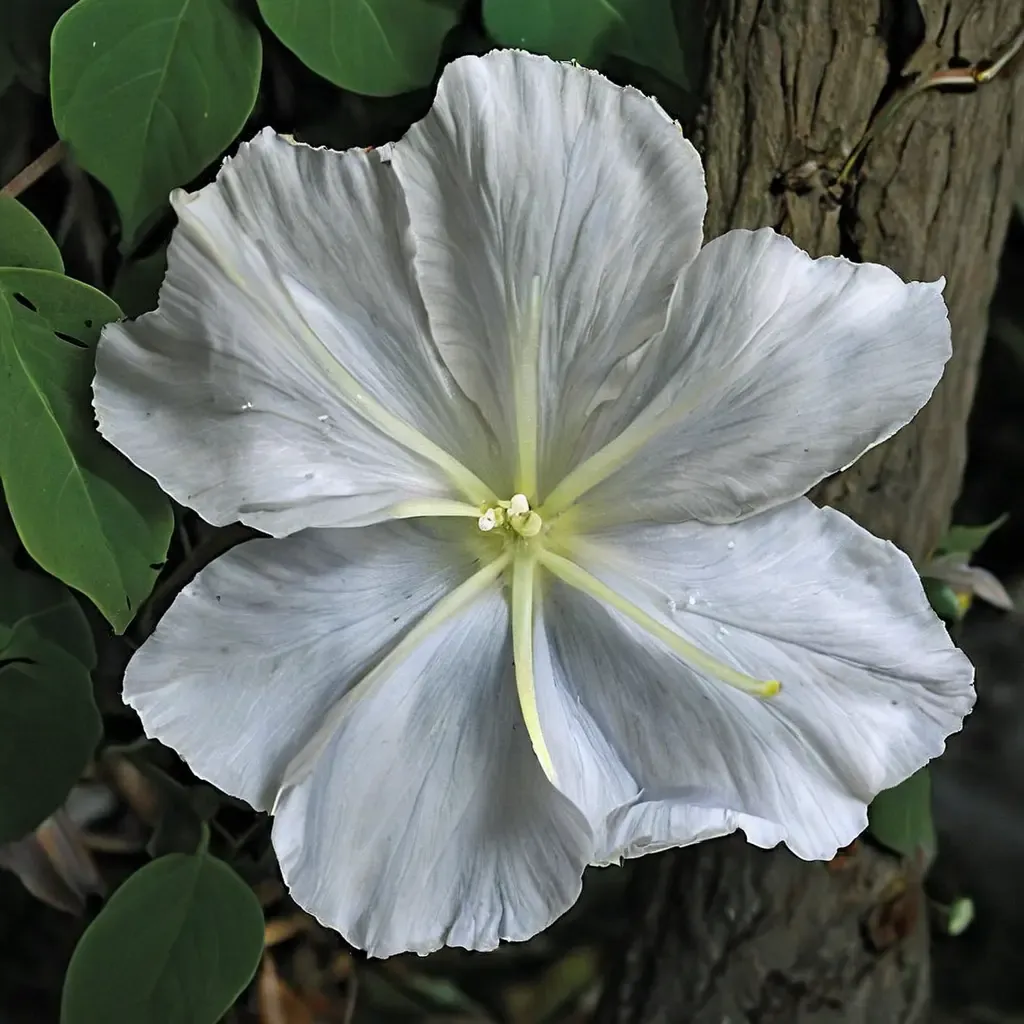
Moonflower
Ipomoea alba
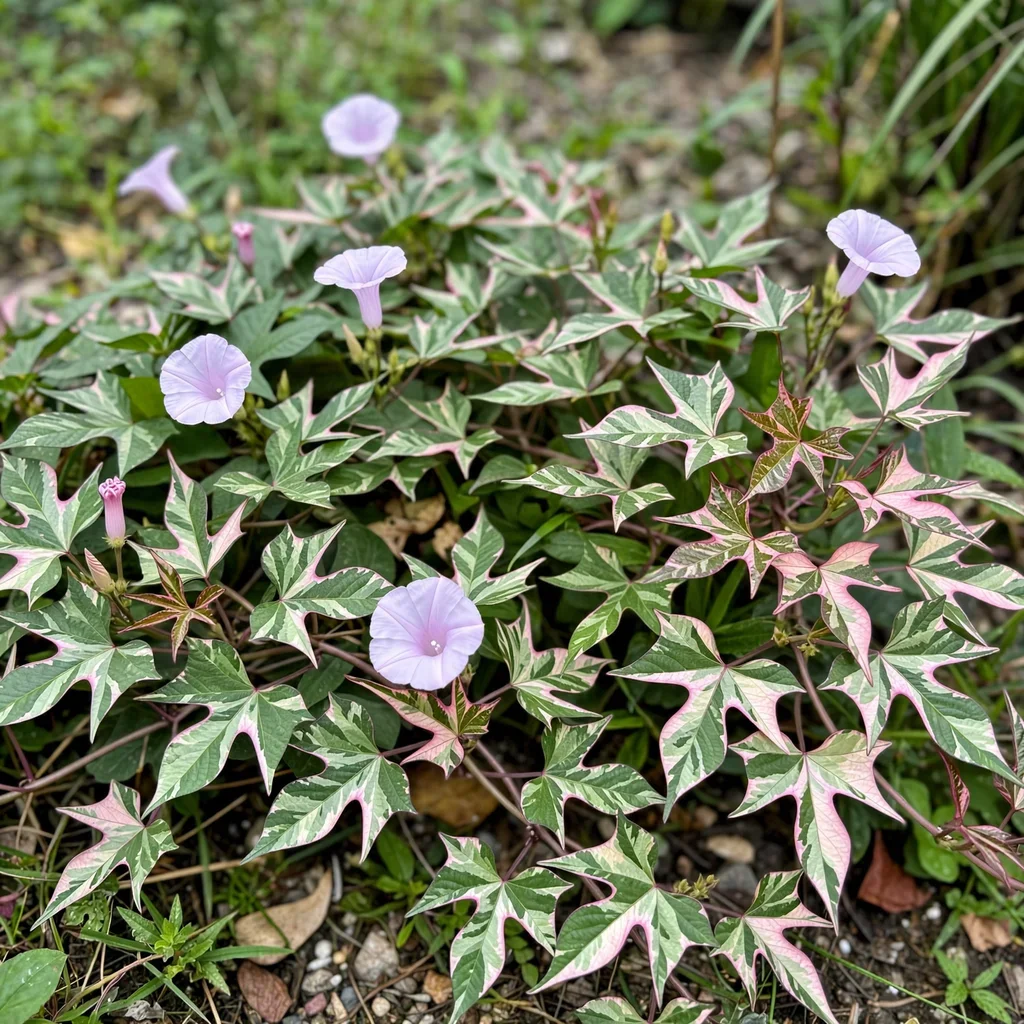
Tricolor Sweet Potato Vine
Ipomoea batatas 'Tricolor'
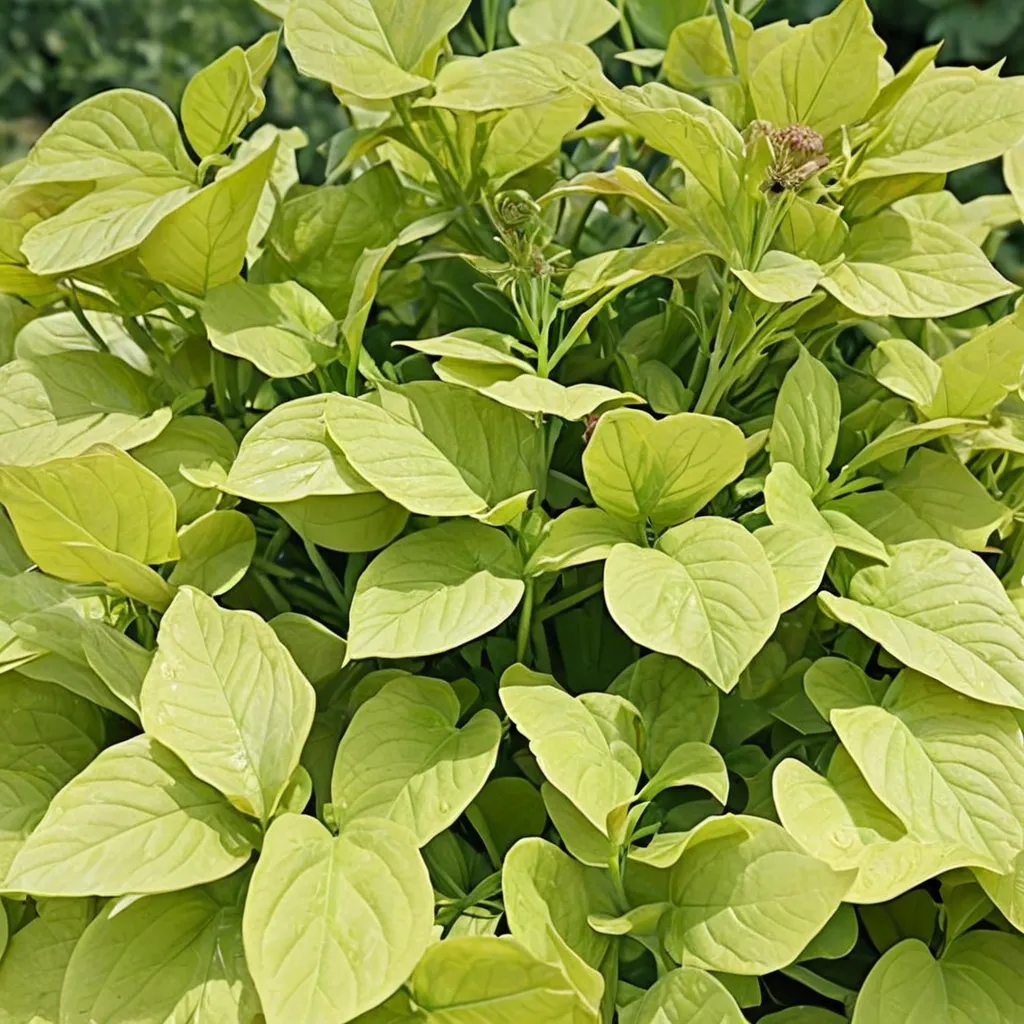
Sweet Potato Vine 'Sweet Caroline Sweetheart Lime'
Ipomoea batatas 'Sweet Caroline Sweetheart Lime'
Keep exploring
Explore the genus
Hardy in your zone?
Grow Alamo Vine with confidence
See it in a design of your actual yard, get zone-matched care reminders, and track it season by season in your garden journal.