The Story
Plant Bio
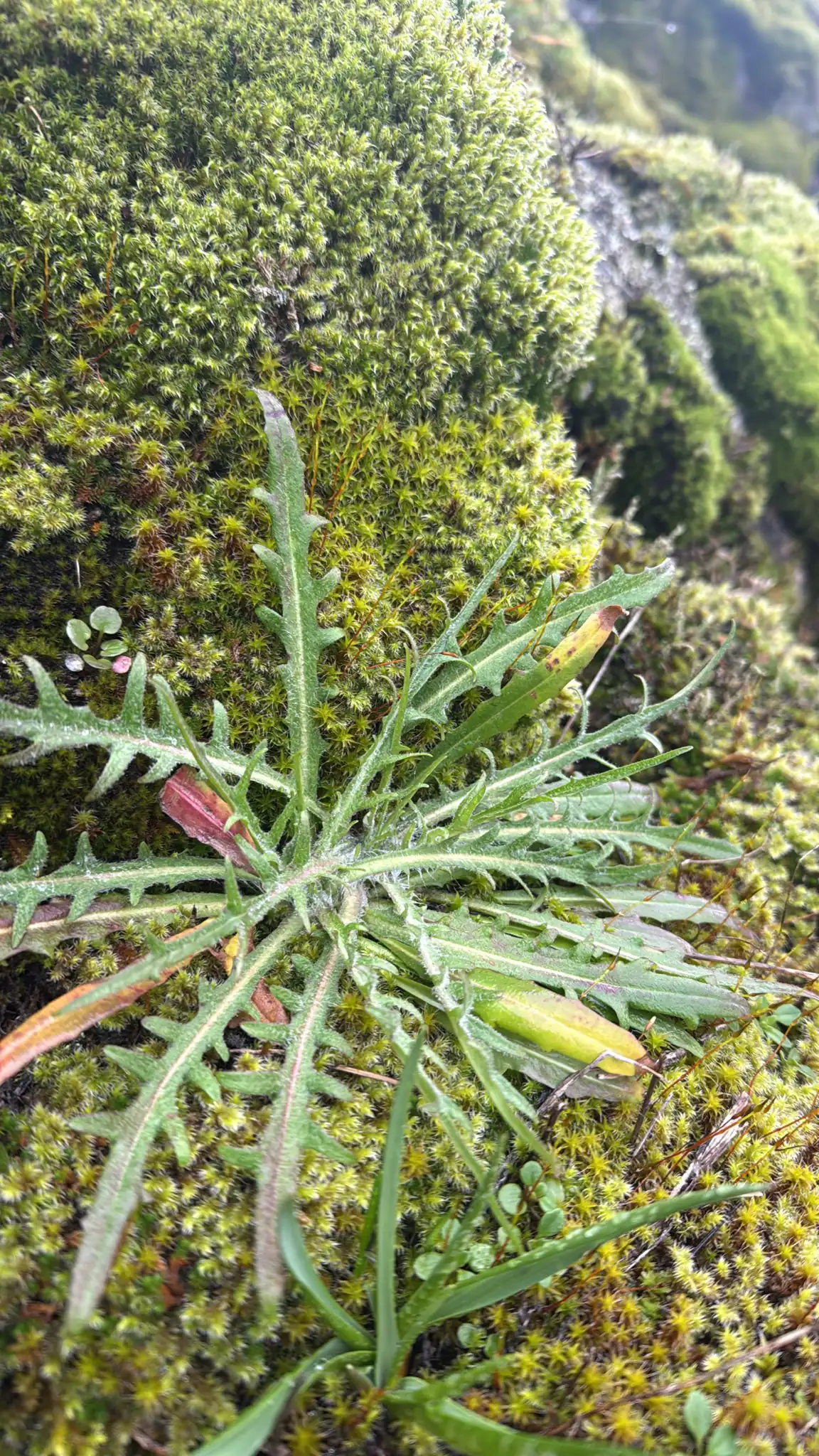
Agoseris grandiflora is a herbaceous perennial native to western North America, forming a low basal rosette of deeply lobed or linear leaves anchored by a thick taproot. Solitary yellow dandelion-like flower heads rise above the foliage on leafless stems from late spring through early summer.
The bright ray-floret heads open in the morning and close by midday, turning a pale pinkish color as they dry. Soft white hairs coat the emerging foliage, which ages to a grayish-green hue.
Uses & Benefits:
Essentials
At a Glance
Plant Type
Perennial
Height
35"
Width
12"
Light
Full Sun, Partial Sun
Zones
5, 6, 7, 8, 9
Water
Low
Humidity
Low
Lifespan
Perennial
Native To
Western North America
Toxicity
Skin Irritant (Latex Sap)
Bloom period
Late spring – Early summer
In flower about 2 months of the year
Planting
How to Grow
- Plant in full sun to bright dappled shade in sharply draining sandy or gravelly soil.
- Water lightly to establish young plants, then cease irrigation completely as summer heat arrives.
- Allow the plant to enter its natural summer dormancy without adding summer fertilizers or extra water.
- Leave seed heads intact if naturalized re-seeding is desired in dry prairie or rock garden sites.
Pro Tip
Do not increase watering when foliage withers in midsummer, as the plant is entering natural summer dormancy and excessive soil moisture causes fatal root rot.
Keep It Thriving
Care Guide
Do
- Ensure sharp soil drainage to prevent crown saturation
- Allow the plant to die back completely during summer dry periods
- Clear away dead basal foliage during late winter maintenance
Don't
- Irrigate during midsummer dormancy
- Plant in heavy clay or waterlogged soils
- Prune into the central root crown
Seasonal Care Calendar
| Task | Jan | Feb | Mar | Apr | May | Jun | Jul | Aug | Sep | Oct | Nov | Dec |
|---|---|---|---|---|---|---|---|---|---|---|---|---|
| Deadhead | ||||||||||||
| Pest Check | ||||||||||||
| Plant | ||||||||||||
| Spring Cleanup |
Watch Out For
Pests & Diseases
Common Pests
Common Diseases
In the Garden
Landscape Uses & Companions
Landscape Uses
Multiply
Propagation Methods
Good to Know
Common Questions
Bigflower Agoseris questions
What zones can Bigflower Agoseris grow in?
Bigflower Agoseris is hardy in USDA Zones 5–9: in that range it survives winter in the ground. Colder than Zone 5, grow it in a container you can move to shelter for the winter, or as an annual. Warmer than Zone 9, winter isn't the problem: it prefers colder winters, and summer heat can shorten its life.
Is Bigflower Agoseris deer resistant?
Yes — Bigflower Agoseris is rated deer-resistant. Deer typically pass it over, though extreme hunger can override any plant's defenses.
When does Bigflower Agoseris bloom?
Bigflower Agoseris typically blooms from late spring to early summer. Exact timing shifts a week or two with your zone — Sow's bloom calendar maps it to your garden.
Does Bigflower Agoseris need full sun?
Bigflower Agoseris does best in full sun to part shade. In hot climates, afternoon shade keeps blooms fresher longer.
Is Bigflower Agoseris drought tolerant?
Yes — once established (usually after the first full season), Bigflower Agoseris handles dry spells with minimal watering. Water deeply its first year to build the root system that makes that possible.
Keep exploring
Explore the genus
Hardy in your zone?
Grow Bigflower Agoseris with confidence
See it in a design of your actual yard, get zone-matched care reminders, and track it season by season in your garden journal.