The Story
Plant Bio
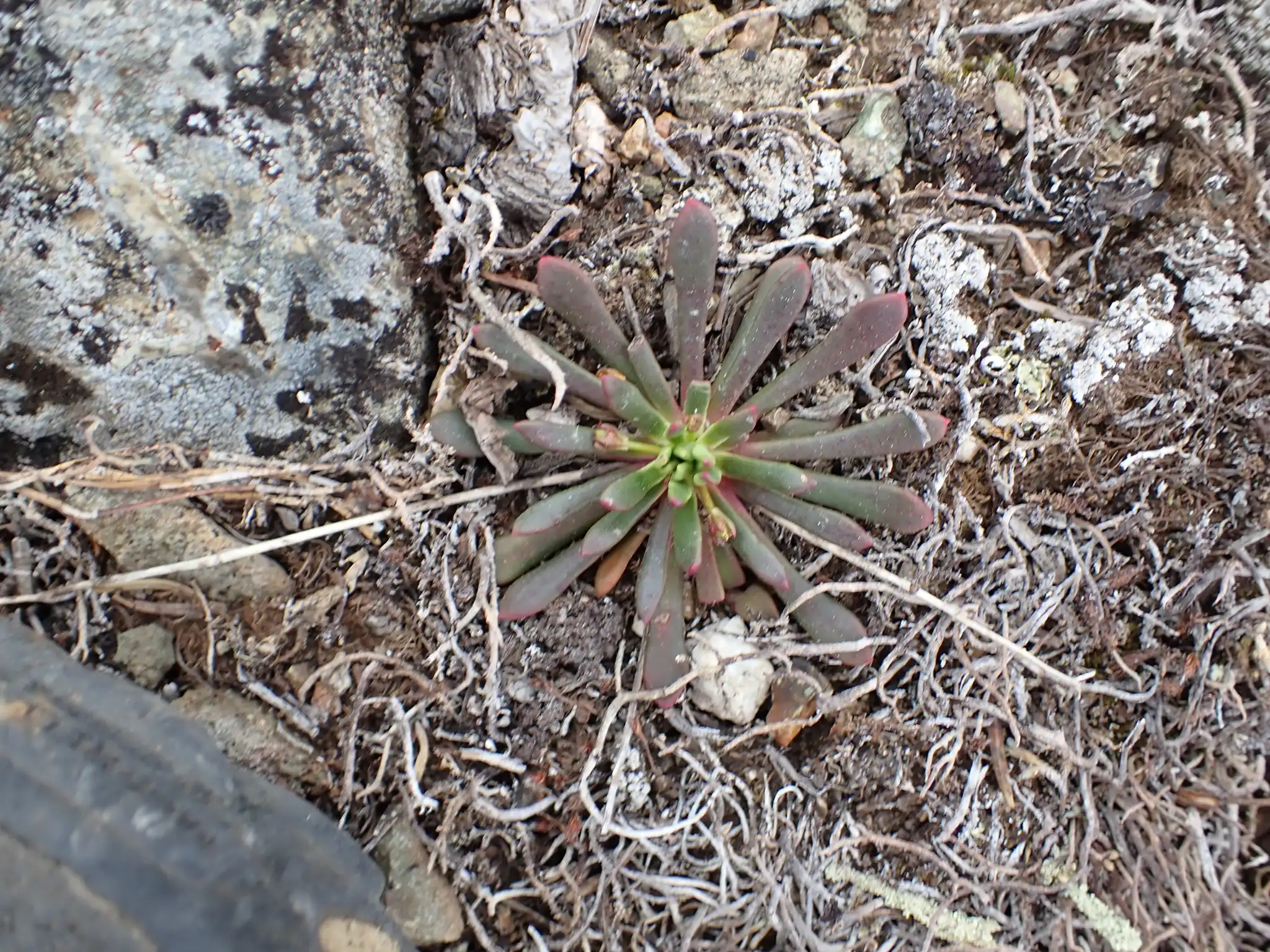
Lewisia columbiana, the Columbian lewisia, is an evergreen succulent perennial forming mats of narrow fleshy almost cylindrical basal leaves from a thick branched taproot. In flower it sends up several branched stems 4 to 12 inches tall topped with open panicles carrying up to 100 small blooms.
This species carries white to rose petals veined in deep pink to magenta-rose, seven to nine egg-shaped petals per flower with two small gland-toothed sepals beneath. It comes from exposed gravelly banks and rock crevices on montane to alpine slopes from southern British Columbia to Washington, Oregon, Idaho, Montana and California, and persists only where the crown stays lean, gritty and dry in winter.
Uses & Benefits:
Essentials
At a Glance
Plant Type
Perennial
Height
12"
Width
6"
Light
Full Sun, Partial Sun
Zones
4, 5, 6, 7, 8
Water
Low to moderate, dry in winter
Humidity
Low, needs dry air and winter-dry crown
Lifespan
Perennial
Native To
Western North America - S. British Columbia to WA, OR, CA, ID, MT
Toxicity
Uncertain - root edible when cooked and peeled; genus flagged as potentially harmful
Bloom period
Late spring – Summer
In flower about 4 months of the year
Planting
How to Grow
- Plant in spring into lean sandy grit with the taproot straight down and the crown one-half inch above soil level.
- Ring the neck with fine gravel top-dress to shed water away from the leaves.
- Give full sun to part shade with open airflow and shelter from hot afternoon sun in warm zones.
- Water through spring growth, then taper off and keep nearly dry through winter dormancy.
Pro Tip
Set the crown proud of the soil on a collar of fine gravel in a scree or crevice and keep it dry in winter; rich soil and winter wet rot the crown and no spray cures it.
Keep It Thriving
Care Guide
Do
- Plant high in a raised scree, crevice garden or trough for sharp drainage
- Top-dress with grit to keep the crown dry
- Give part afternoon shade and airflow in heat
Don't
- Do not bury the crown or mulch with bark or compost
- Do not fertilize richly or overhead-water in winter
- Do not cut into the caudex or taproot
Seasonal Care Calendar
| Task | Jan | Feb | Mar | Apr | May | Jun | Jul | Aug | Sep | Oct | Nov | Dec |
|---|---|---|---|---|---|---|---|---|---|---|---|---|
| Mulch | ||||||||||||
| Pest Check | ||||||||||||
| Plant | ||||||||||||
| Propagate | ||||||||||||
| Winter Prep |
Watch Out For
Pests & Diseases
Common Pests
Common Diseases
In the Garden
Landscape Uses & Companions
Landscape Uses
Companion Plants
Multiply
Propagation Methods
Good to Know
Common Questions
Columbian Lewisia questions
What zones can Columbian Lewisia grow in?
Columbian Lewisia is hardy in USDA Zones 4–8: in that range it survives winter in the ground. Warmer than Zone 8, winter isn't the problem: it prefers colder winters, and summer heat can shorten its life.
When does Columbian Lewisia bloom?
Columbian Lewisia typically blooms from late spring to late summer. Exact timing shifts a week or two with your zone — Sow's bloom calendar maps it to your garden.
Does Columbian Lewisia need full sun?
Columbian Lewisia does best in full sun to part shade. In hot climates, afternoon shade keeps blooms fresher longer.
Is Columbian Lewisia drought tolerant?
Yes — once established (usually after the first full season), Columbian Lewisia handles dry spells with minimal watering. Water deeply its first year to build the root system that makes that possible.
More Lewisia to compare
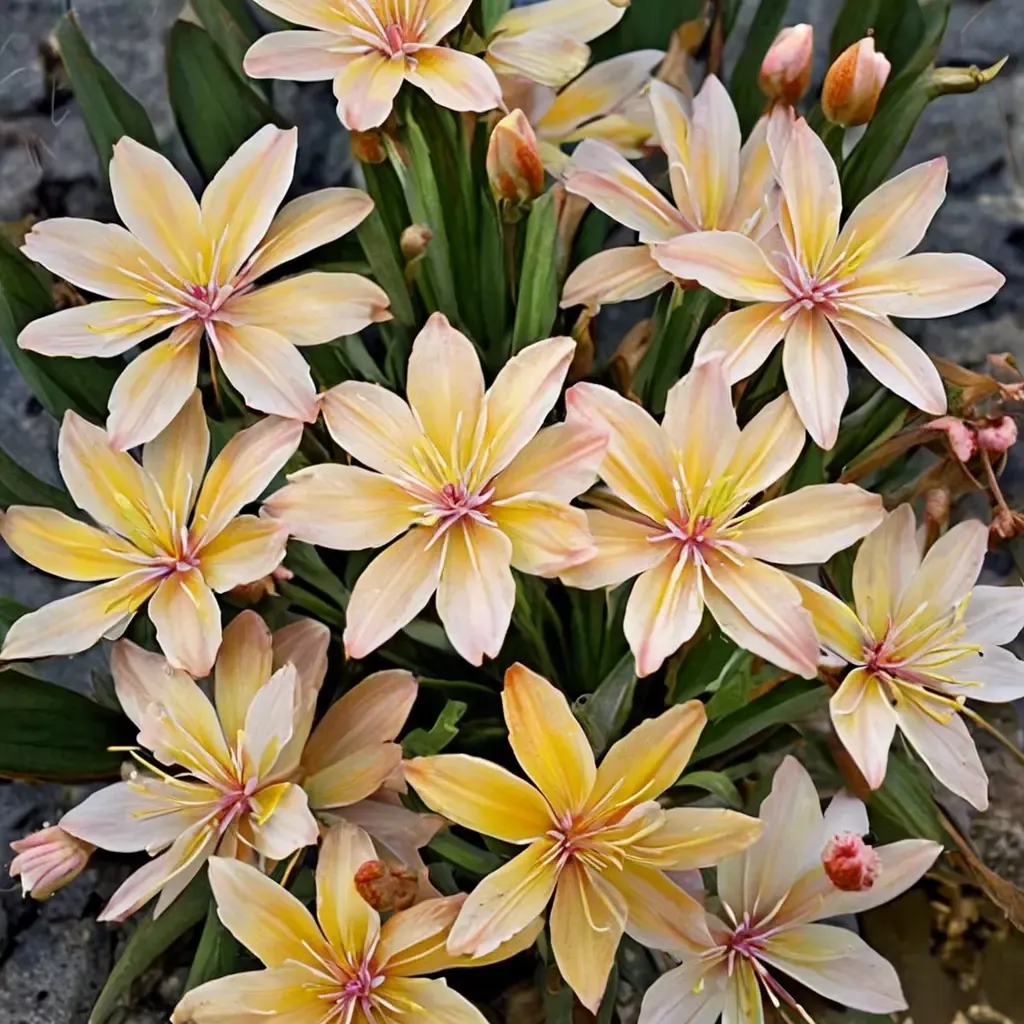
Little Peach Lewisia
Lewisia longipetala 'Little Peach'
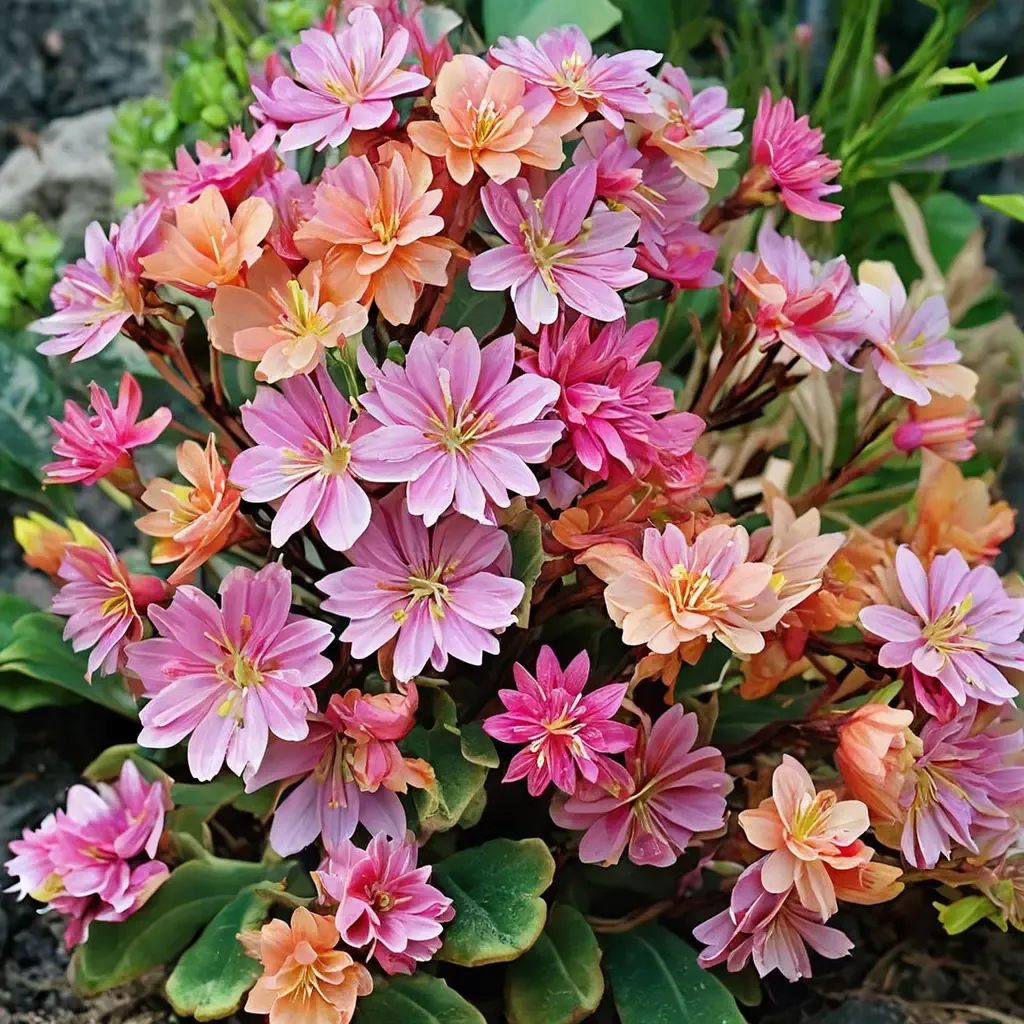
Siskiyou Lewisia 'Sunset Strain'
Lewisia cotyledon 'Sunset Strain'
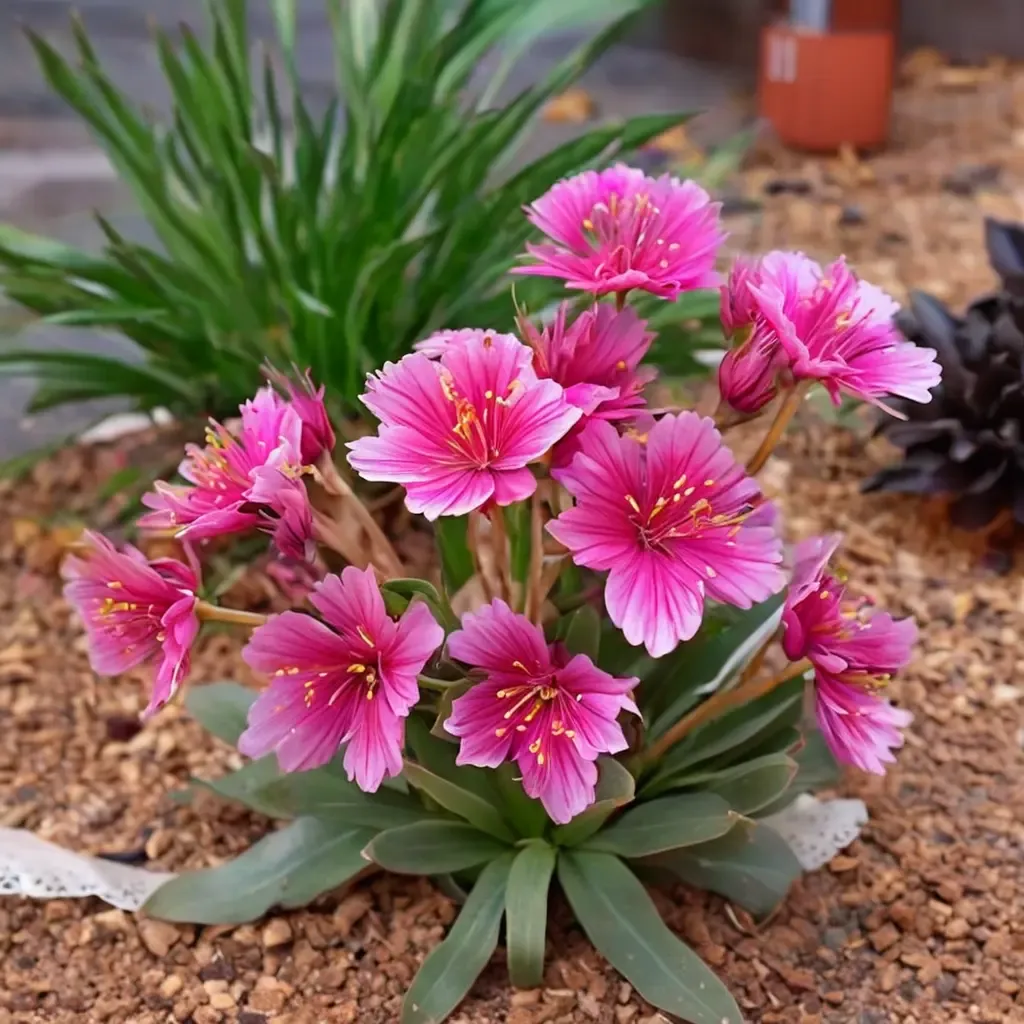
Little Raspberry Lewisia
Lewisia longipetala 'Little Raspberry'
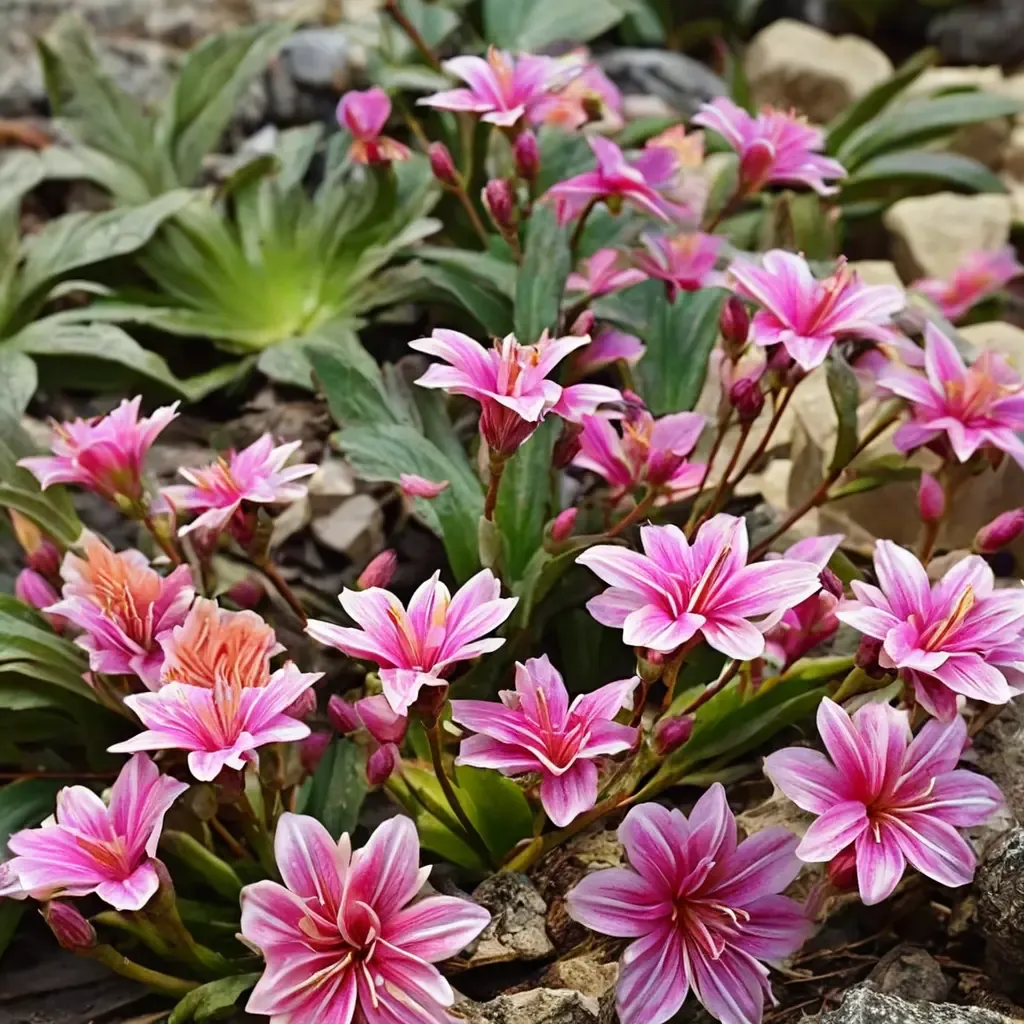
Little Plum Lewisia
Lewisia longipetala 'Little Plum'
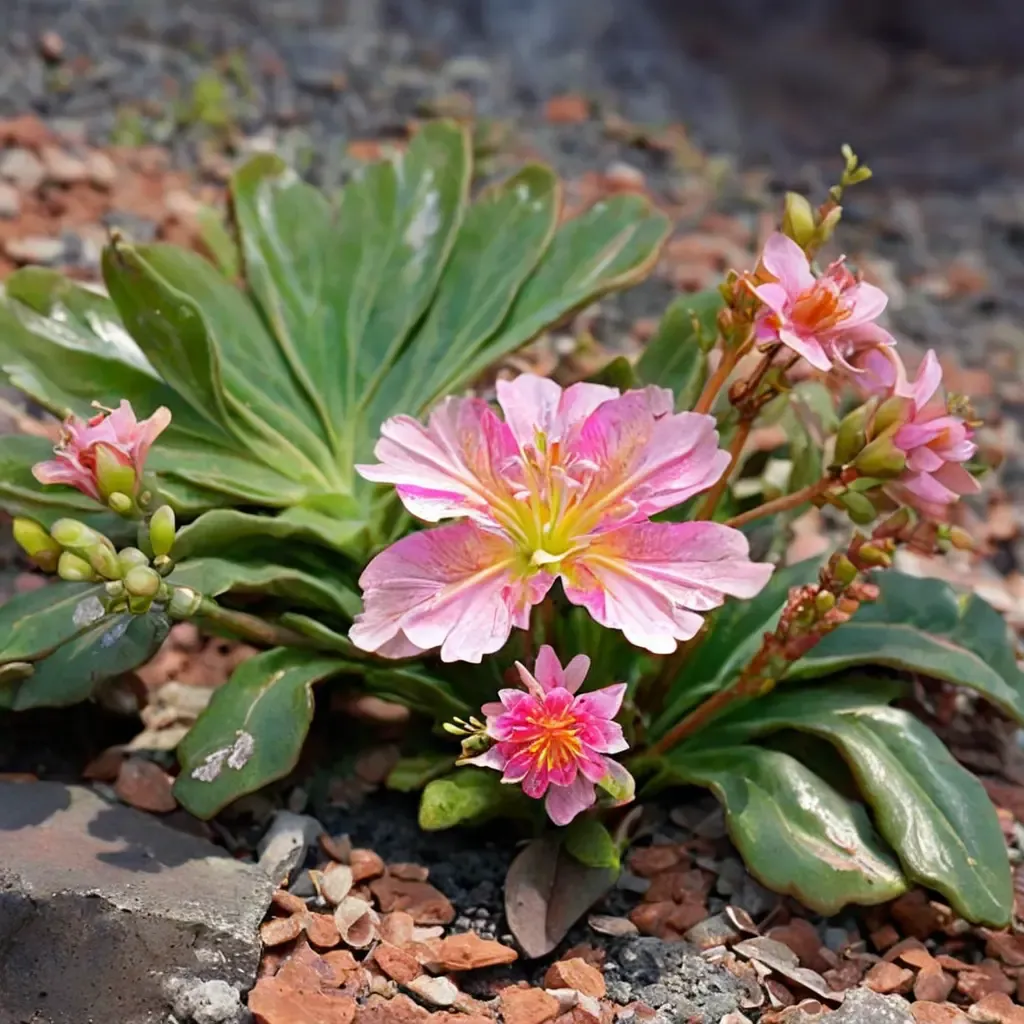
Bitterroot
Lewisia rediviva 'Cliff Maids'
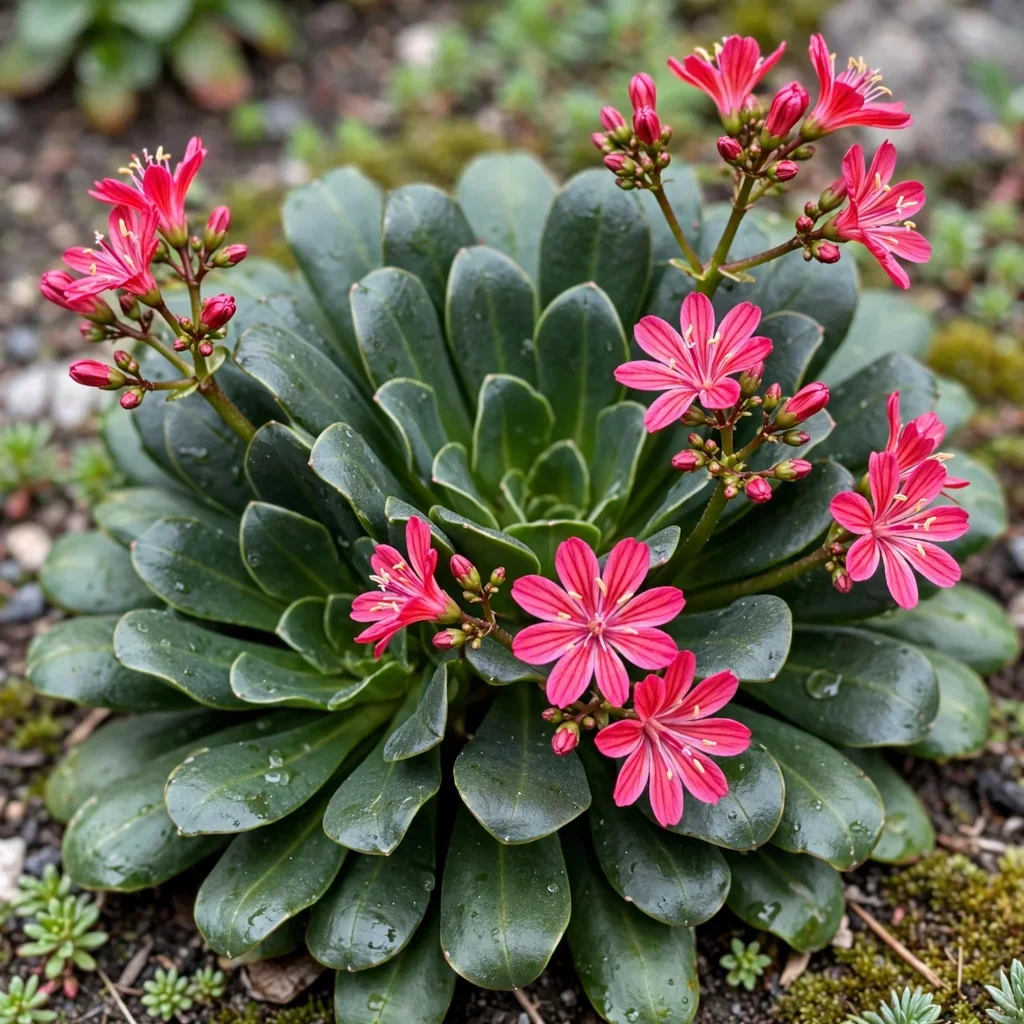
Elise Ruby Red Lewisia
Lewisia cotyledon 'Elise Ruby Red'
Keep exploring
Explore the genus
Hardy in your zone?
Grow Columbian Lewisia with confidence
See it in a design of your actual yard, get zone-matched care reminders, and track it season by season in your garden journal.