The Story
Plant Bio
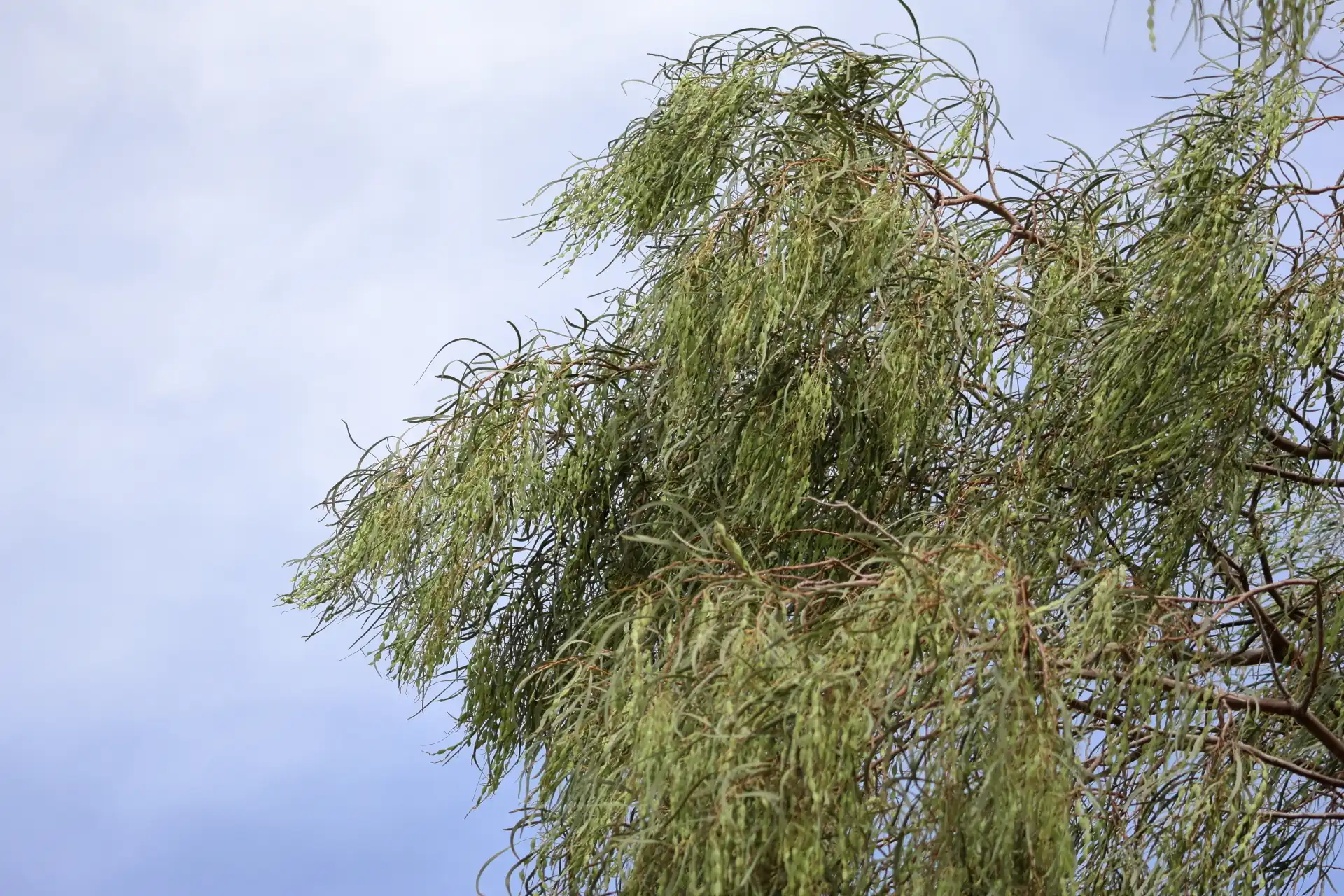
Acacia stenophylla is an evergreen Australian tree reaching 30 to 40 feet in cultivation, with a narrow upright crown and dark fissured bark. What look like long gray-green leaves are flattened phyllodes 6 to 16 inches long, each marked with many fine parallel veins.
It carries its phyllodes pendulously on weeping branchlets, giving a willow-like effect without thorns or true leaves. Cream-white puffball heads about half an inch across open in fall and again in late winter to spring, followed by woody beaded pods 4 to 8 inches long.
Uses & Benefits:
Essentials
At a Glance
Plant Type
Tree
Height
480"
Width
360"
Light
Full Sun
Zones
8, 9, 10
Water
Low
Humidity
Unknown
Lifespan
Long-lived tree
Native To
Inland Australia
Toxicity
Unknown
Bloom period
Fall – Spring
In flower about 9 months of the year
Planting
How to Grow
- Plant in full sun with reflected heat in spring or fall, spacing 20 to 30 feet from structures to allow the narrow weeping crown.
- Dig the hole as deep as the container and twice as wide, set the root crown level with grade, and backfill with native soil.
- Water deeply at planting and through the first summer, then reduce to occasional deep soakings once established.
- Spread 2 to 3 inches of mulch under the canopy, kept 6 inches from the trunk, to conserve moisture.
- Remove suckers and shape lightly after spring bloom; no staking is needed beyond the establishment year.
Pro Tip
Give it sun and room for a deep root run; it tolerates flood, clay and salt where many trees fail but drops litter and self-seeds where water is constant.
Keep It Thriving
Care Guide
Do
- Do plant in full sun in heavy clay, alkaline or saline soil where drainage is slow.
- Do water deeply during establishment to build drought and heat tolerance.
- Do remove root suckers and fallen pods where reseeding is unwanted.
Don't
- Do not plant over pools or patios where litter and seed pods require constant cleanup.
- Do not overwater mature trees or feed heavily; as a nitrogen-fixer it needs no rich fertilizer program.
- Do not cut back into old leafless wood to control size; thin and tip-prune instead.
Seasonal Care Calendar
| Task | Jan | Feb | Mar | Apr | May | Jun | Jul | Aug | Sep | Oct | Nov | Dec |
|---|---|---|---|---|---|---|---|---|---|---|---|---|
| Mulch | ||||||||||||
| Pest Check | ||||||||||||
| Plant | ||||||||||||
| Prune |
Watch Out For
Pests & Diseases
Common Pests
Common Diseases
In the Garden
Landscape Uses & Companions
Landscape Uses
Multiply
Propagation Methods
Good to Know
Common Questions
Shoestring Acacia questions
What zones can Shoestring Acacia grow in?
Shoestring Acacia is hardy in USDA Zones 8–10: in that range it survives winter in the ground. Colder than Zone 8, winters are too cold for it to survive outdoors.
When does Shoestring Acacia bloom?
Shoestring Acacia typically blooms from fall to spring. Exact timing shifts a week or two with your zone — Sow's bloom calendar maps it to your garden.
Does Shoestring Acacia need full sun?
Shoestring Acacia does best in full sun (6+ hours).
Is Shoestring Acacia drought tolerant?
Yes — once established (usually after the first full season), Shoestring Acacia handles dry spells with minimal watering. Water deeply its first year to build the root system that makes that possible.
More Acacia to compare
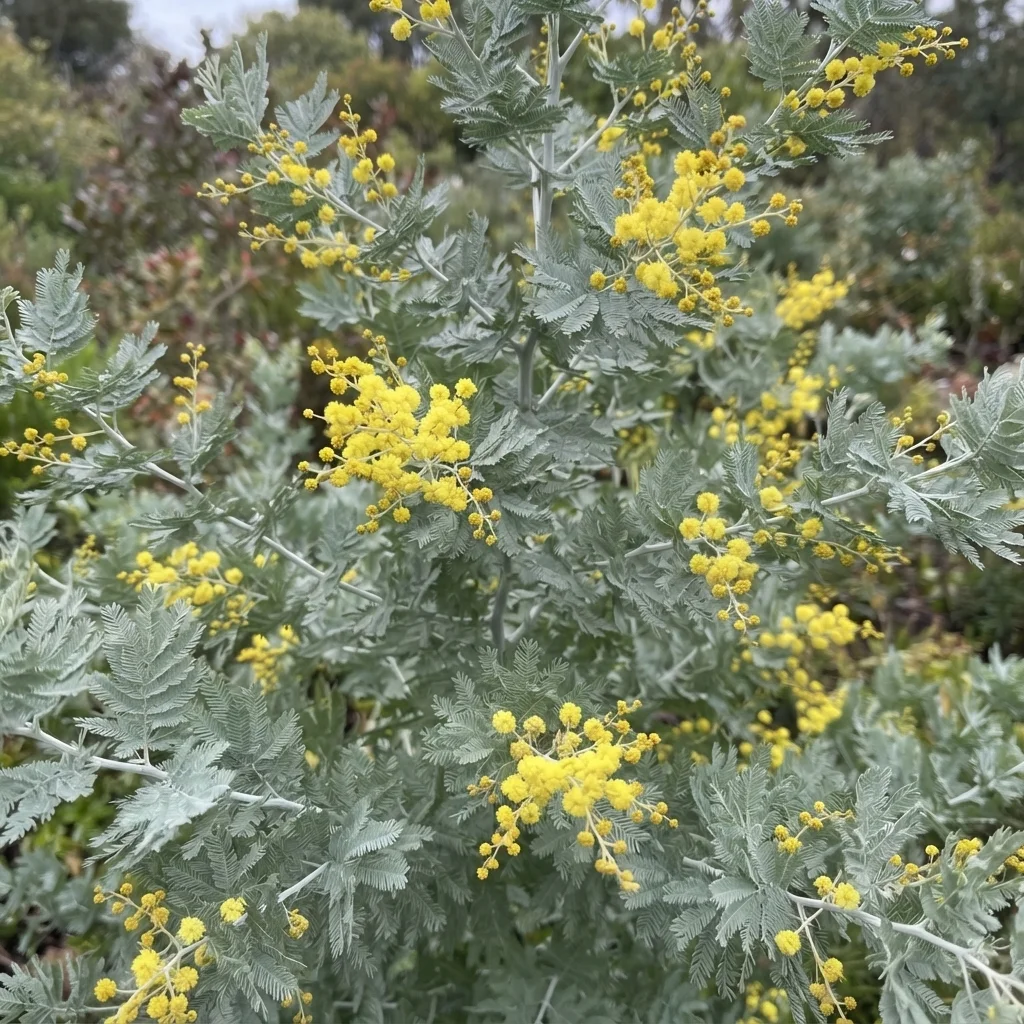
Silver wattle
Acacia dealbata
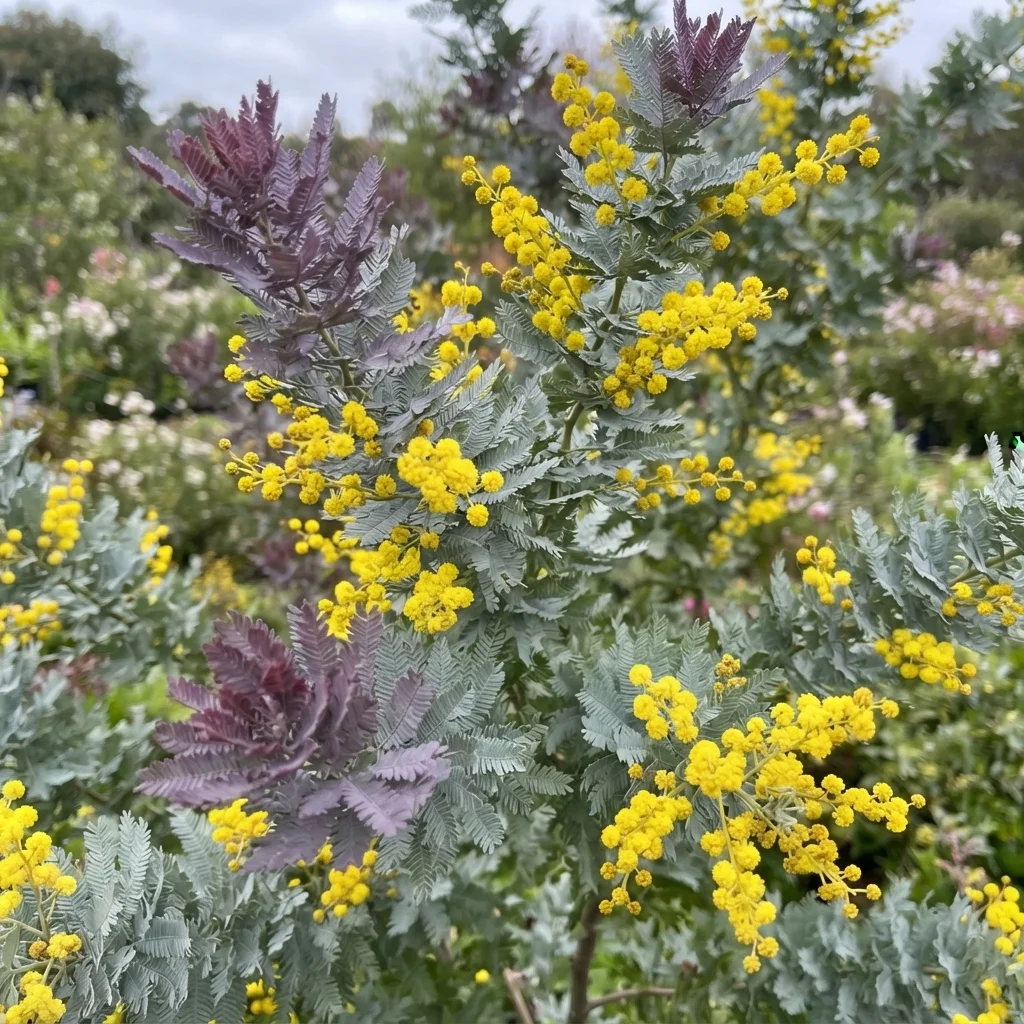
Cootamundra Wattle 'Purpurea'
Acacia baileyana 'Purpurea'
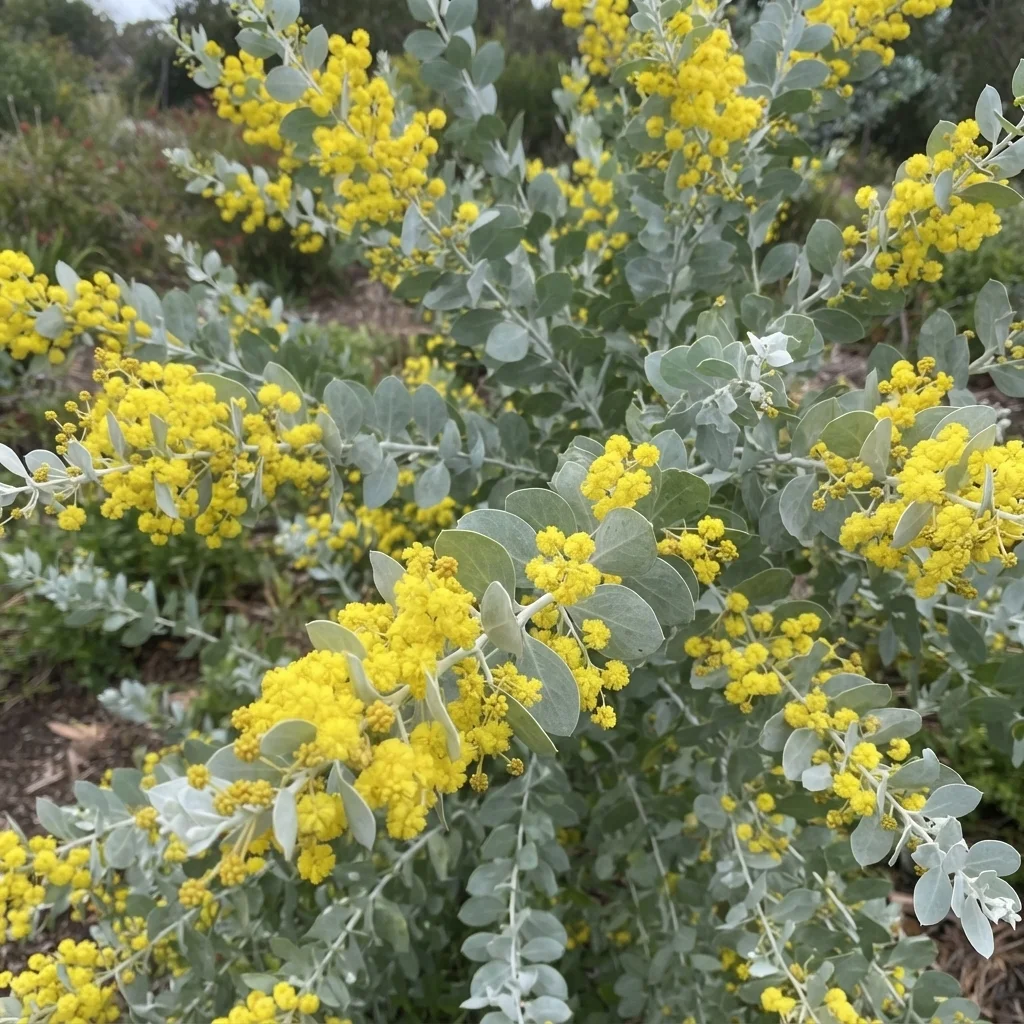
Pearl Acacia
Acacia podalyriifolia
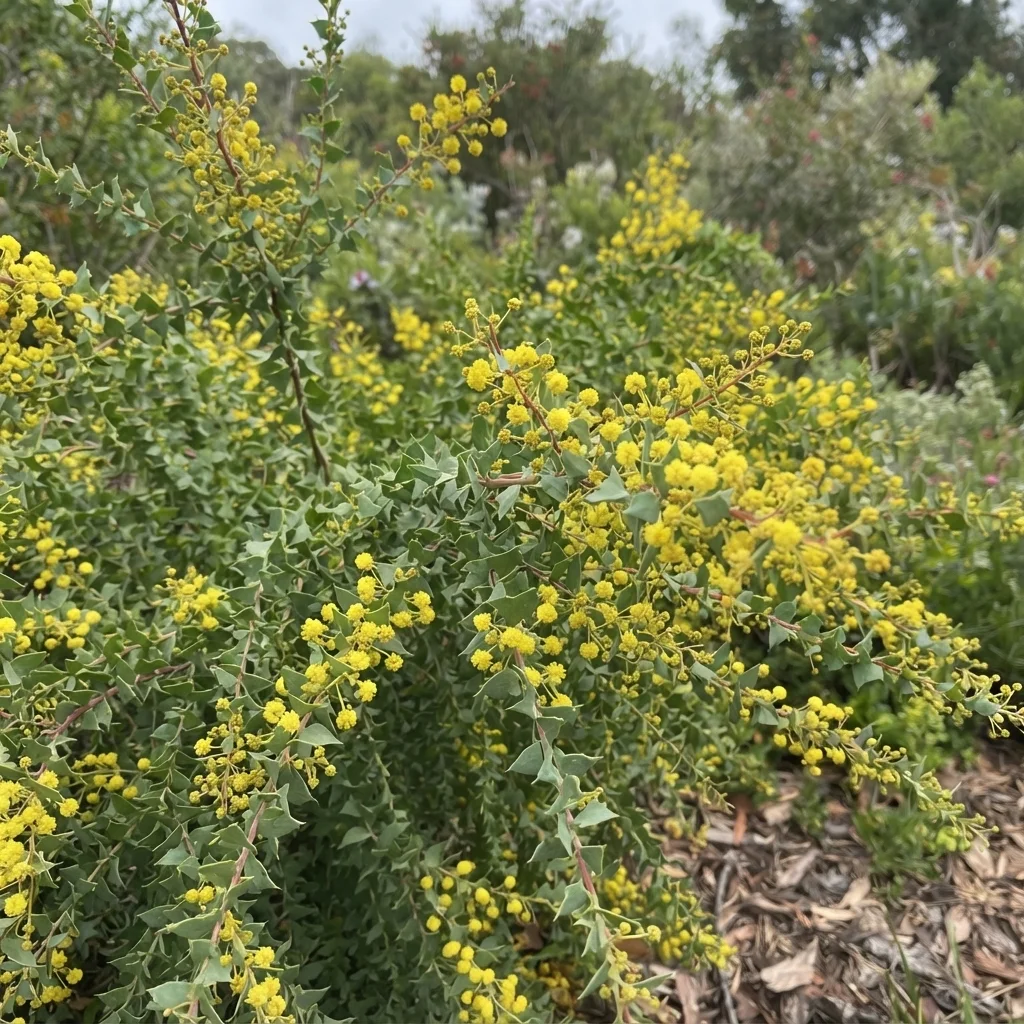
Ovens Wattle
Acacia pravissima
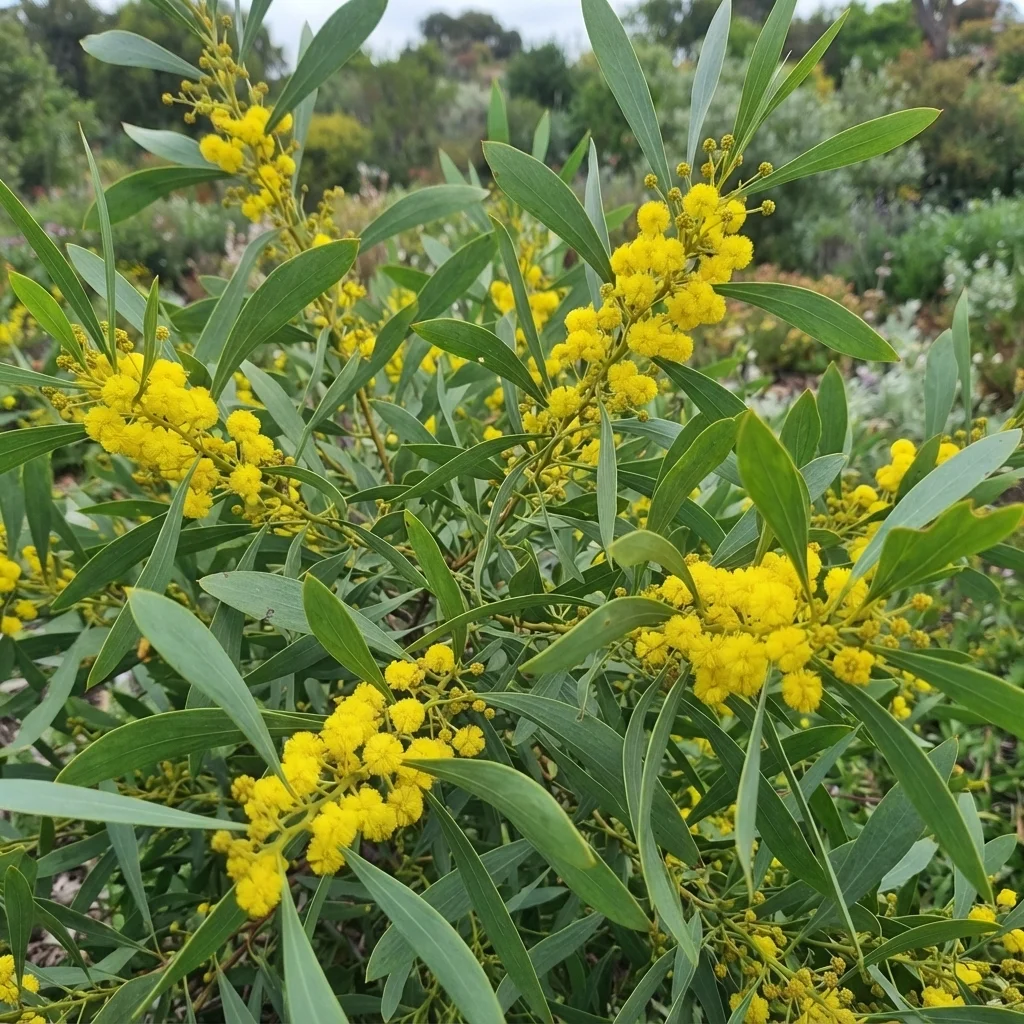
Golden Wreath Wattle
Acacia saligna
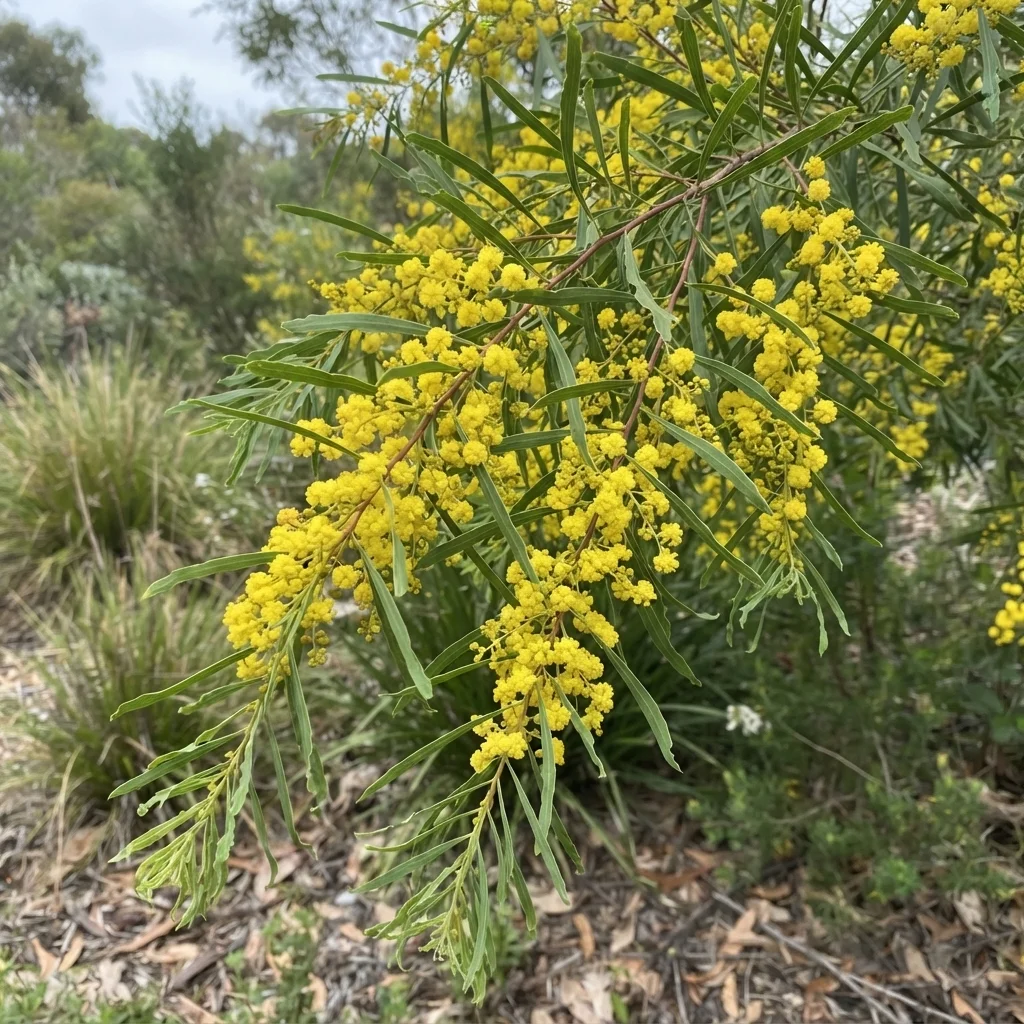
Fringed Wattle
Acacia fimbriata
Keep exploring
Explore the genus
Hardy in your zone?
Grow Shoestring Acacia with confidence
See it in a design of your actual yard, get zone-matched care reminders, and track it season by season in your garden journal.