The Story
Plant Bio
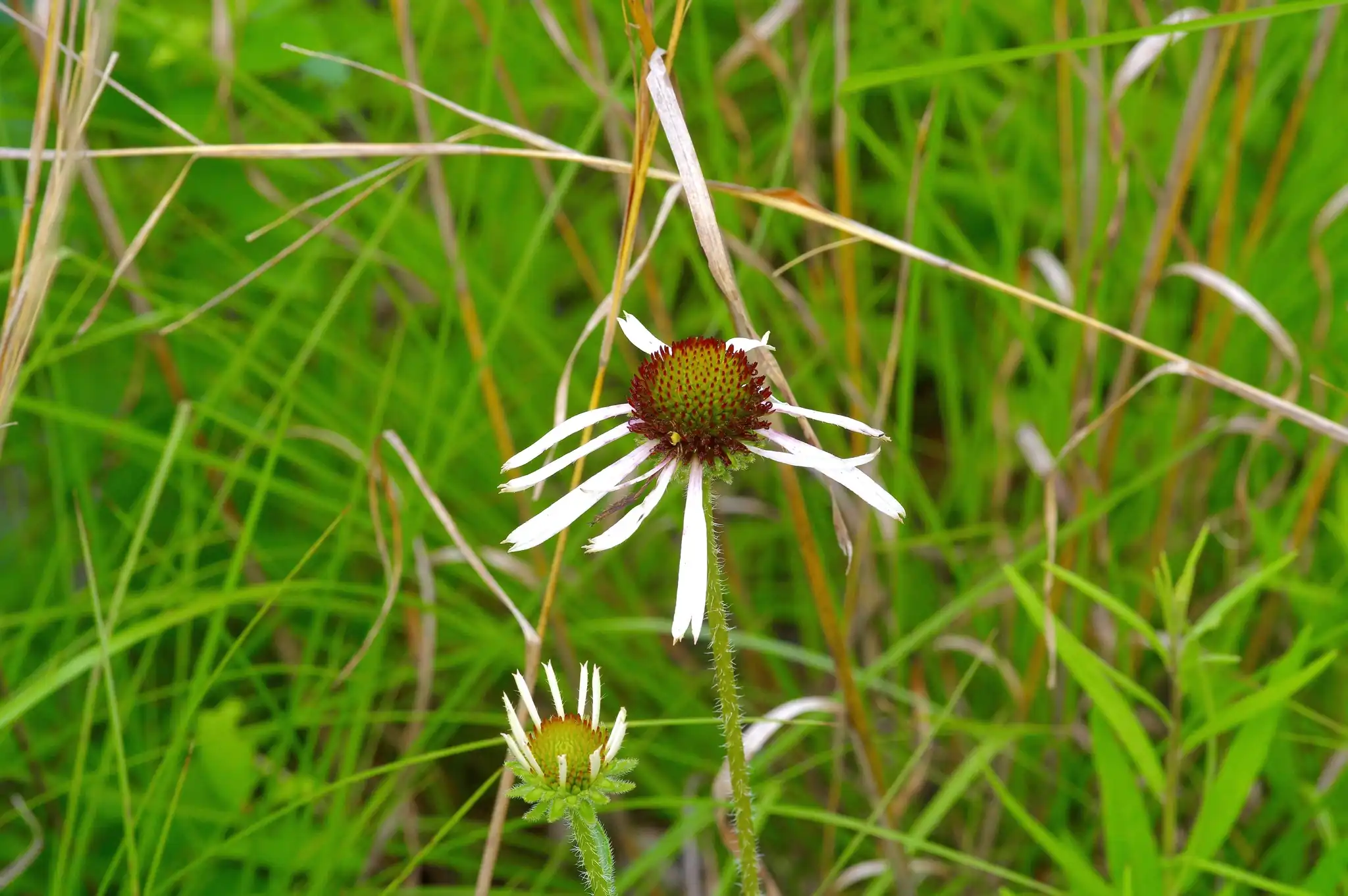
Echinacea sanguinea is a taprooted herbaceous perennial from the south-central United States, forming a clump of stiff slender upright stems 18 to 48 inches tall. Each stem carries a coneflower head with drooping rose-pink to pale purple rays around a prominent purplish-brown cone.
It is the southernmost coneflower, endemic to sandy prairies and open pine woods in eastern Texas, western Louisiana, southeastern Oklahoma and southwestern Arkansas. It flowers from late spring into early summer on unbranched stems, earlier than the widespread purple coneflower, and requires sharp drainage to avoid stem and root rot.
Uses & Benefits:
Essentials
At a Glance
Plant Type
Perennial
Height
48"
Width
24"
Light
Full Sun, Partial Sun
Zones
4, 5, 6, 7, 8, 9
Water
Low to medium
Humidity
Unknown
Lifespan
Perennial
Native To
South-central USA: TX, LA, OK, AR
Toxicity
Unknown
Bloom period
Late spring – Summer
In flower about 4 months of the year
Planting
How to Grow
- Plant in spring in well-drained sandy or loamy soil, including clay or shallow rocky ground that drains freely.
- Set crowns at the same depth they grew in the pot and space to allow air circulation.
- Water to establish, then water sparingly; established clumps tolerate dry soil.
- Remove dead leaves through the season and leave late seedheads for birds if desired.
Pro Tip
Space plants for air movement and remove dead leaves promptly; crowding and wet soil lead to stem and root rot.
Keep It Thriving
Care Guide
Do
- Plant in well-drained soil that never stays wet.
- Give full sun and open spacing for air flow.
- Remove dead leaves to reduce disease.
Don't
- Do not overwater or plant in soggy ground.
- Do not overcrowd or disturb the taprooted clump.
- Do not substitute purple coneflower culture wholesale for this narrow endemic.
Seasonal Care Calendar
| Task | Jan | Feb | Mar | Apr | May | Jun | Jul | Aug | Sep | Oct | Nov | Dec |
|---|---|---|---|---|---|---|---|---|---|---|---|---|
| Deadhead | ||||||||||||
| Pest Check | ||||||||||||
| Plant | ||||||||||||
| Spring Cleanup | ||||||||||||
| Winter Prep |
Watch Out For
Pests & Diseases
Common Pests
Common Diseases
In the Garden
Landscape Uses & Companions
Landscape Uses
Multiply
Propagation Methods
Good to Know
Common Questions
Sanguine Purple Coneflower questions
What zones can Sanguine Purple Coneflower grow in?
Sanguine Purple Coneflower is hardy in USDA Zones 4–9: in that range it survives winter in the ground. Warmer than Zone 9, winter isn't the problem: it prefers colder winters, and summer heat can shorten its life.
Is Sanguine Purple Coneflower deer resistant?
Yes — Sanguine Purple Coneflower is rated deer-resistant. Deer typically pass it over, though extreme hunger can override any plant's defenses.
When does Sanguine Purple Coneflower bloom?
Sanguine Purple Coneflower typically blooms from late spring to late summer. Exact timing shifts a week or two with your zone — Sow's bloom calendar maps it to your garden.
Does Sanguine Purple Coneflower need full sun?
Sanguine Purple Coneflower does best in full sun to part shade. In hot climates, afternoon shade keeps blooms fresher longer.
Is Sanguine Purple Coneflower drought tolerant?
Yes — once established (usually after the first full season), Sanguine Purple Coneflower handles dry spells with minimal watering. Water deeply its first year to build the root system that makes that possible.
More Echinacea to compare
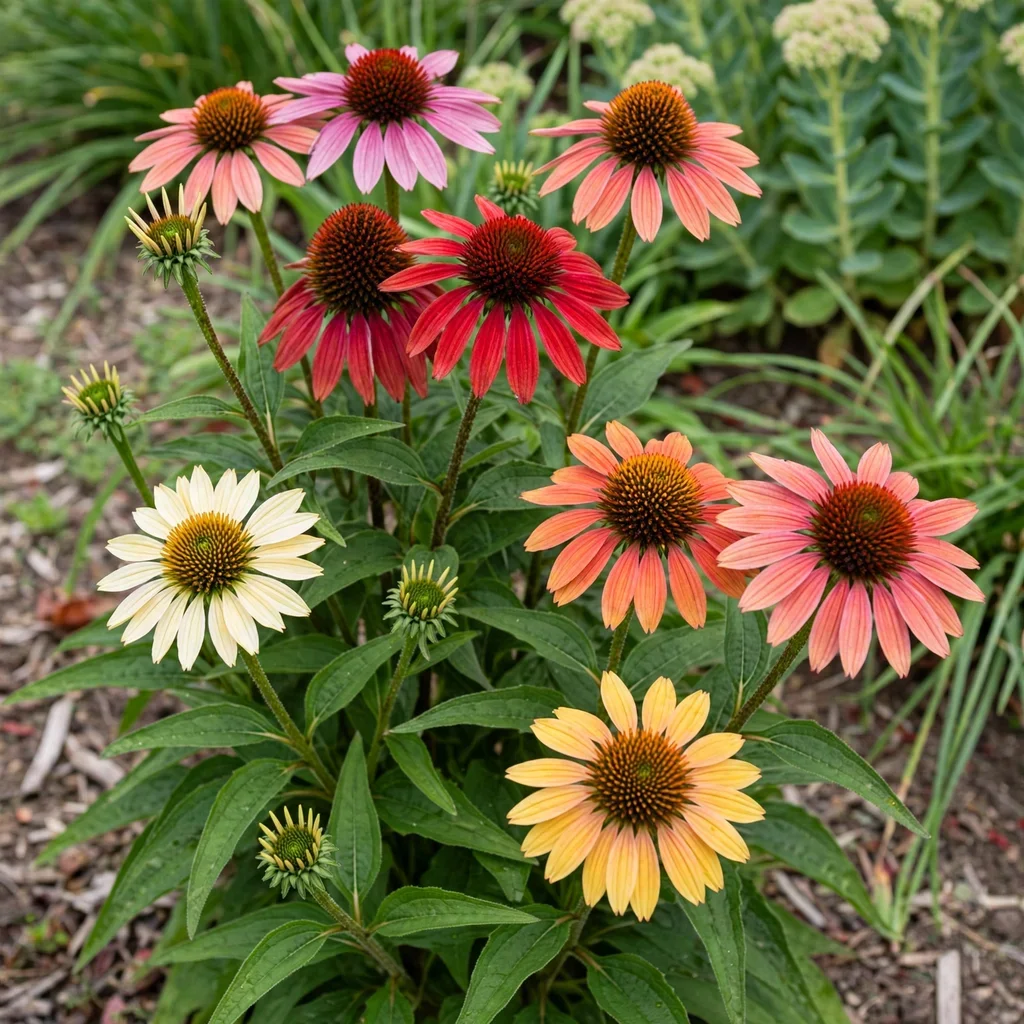
Cheyenne Spirit Coneflower
Echinacea purpurea 'Cheyenne Spirit'
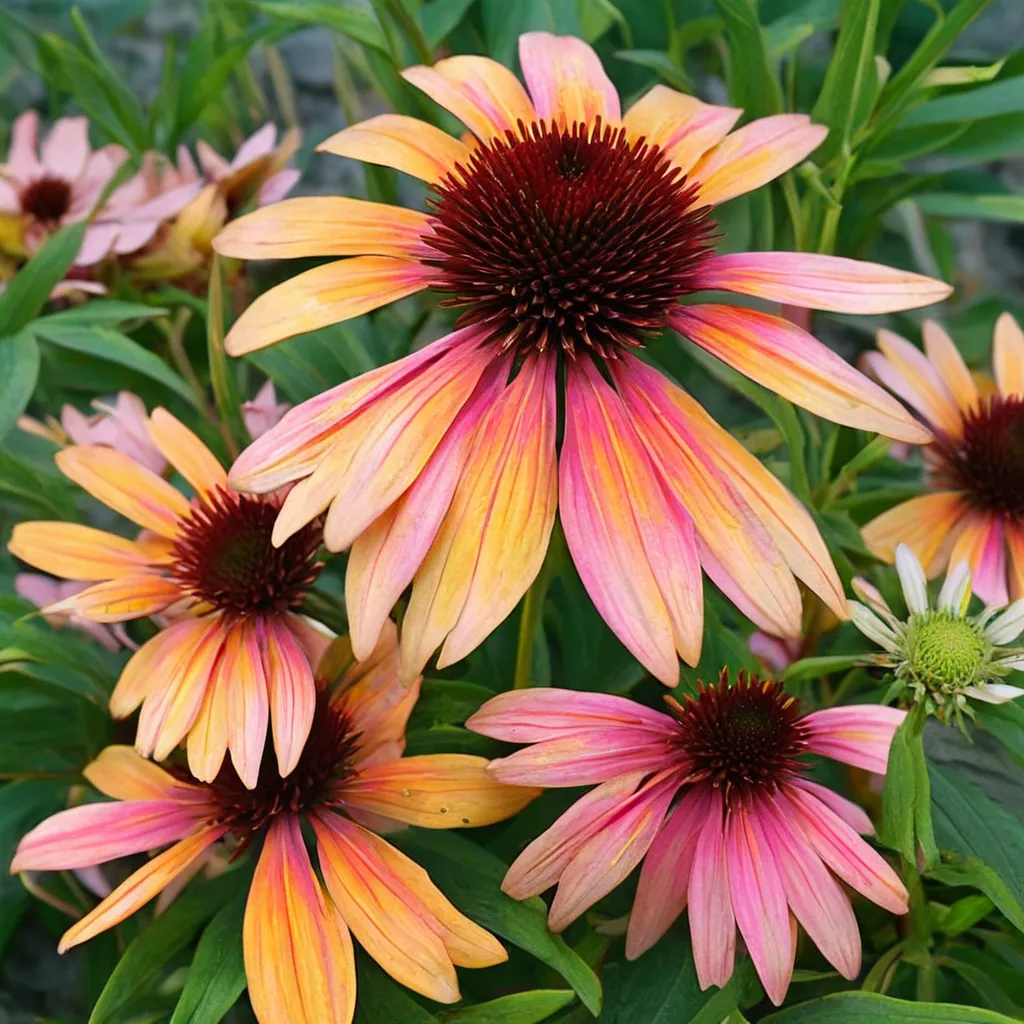
Purple Coneflower Rainbow
Echinacea purpurea 'Rainbow'
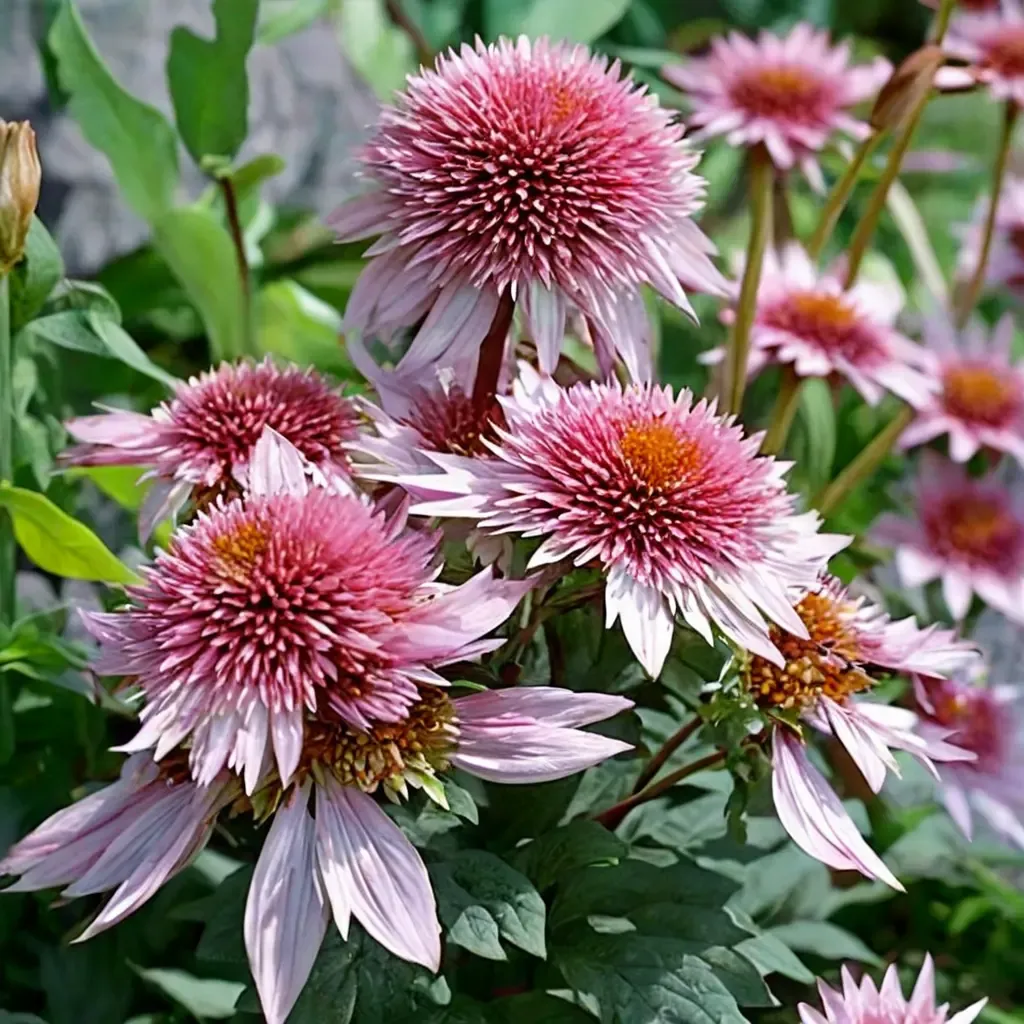
Butterfly Kisses Coneflower
Echinacea purpurea 'Butterfly Kisses'
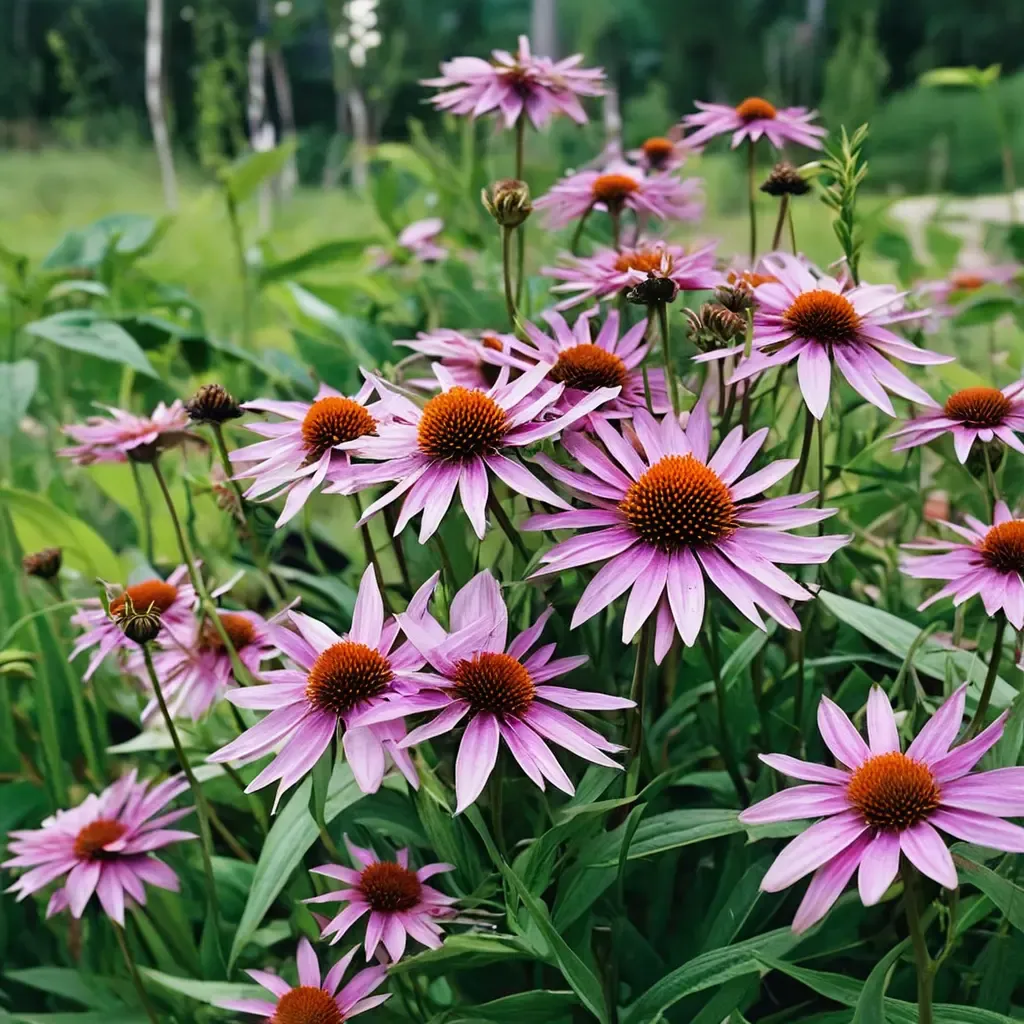
Purple Coneflower
Echinacea purpurea
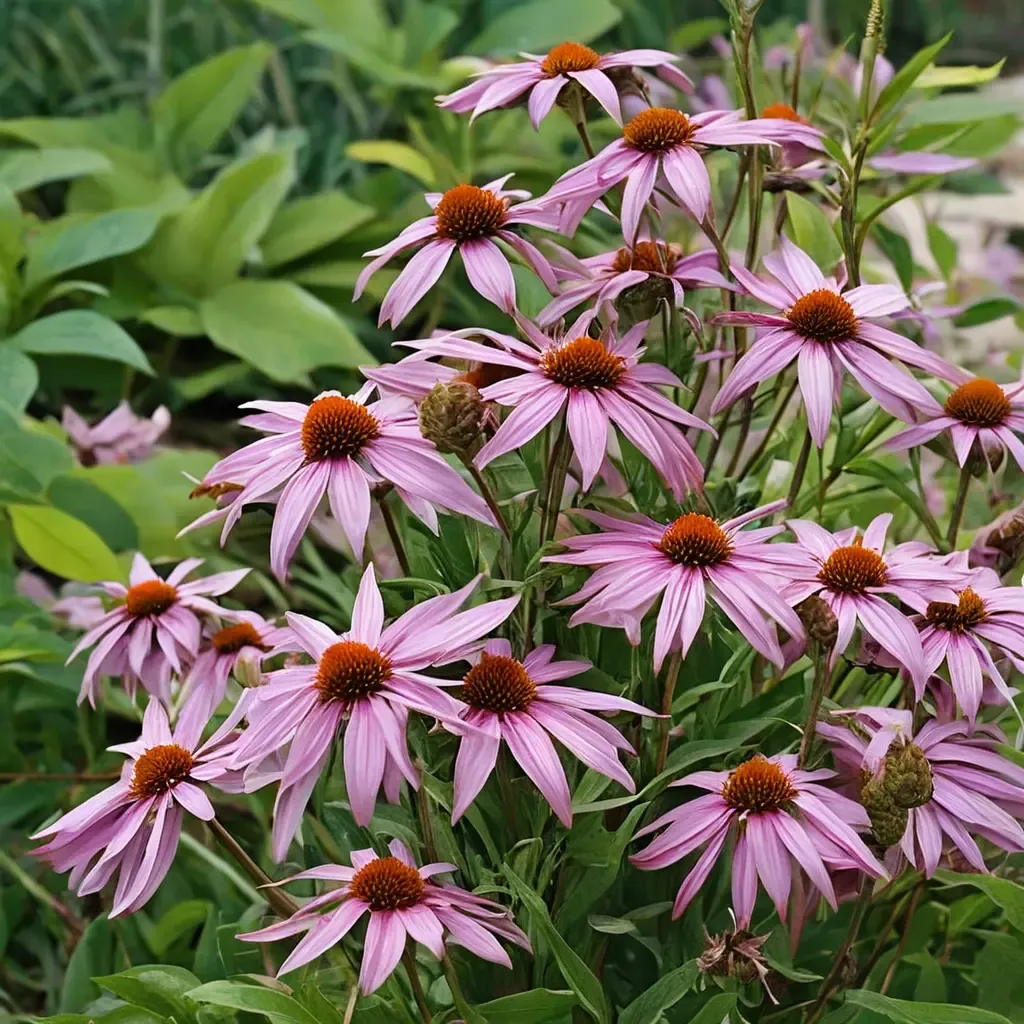
Magnus Coneflower
Echinacea purpurea 'Magnus'
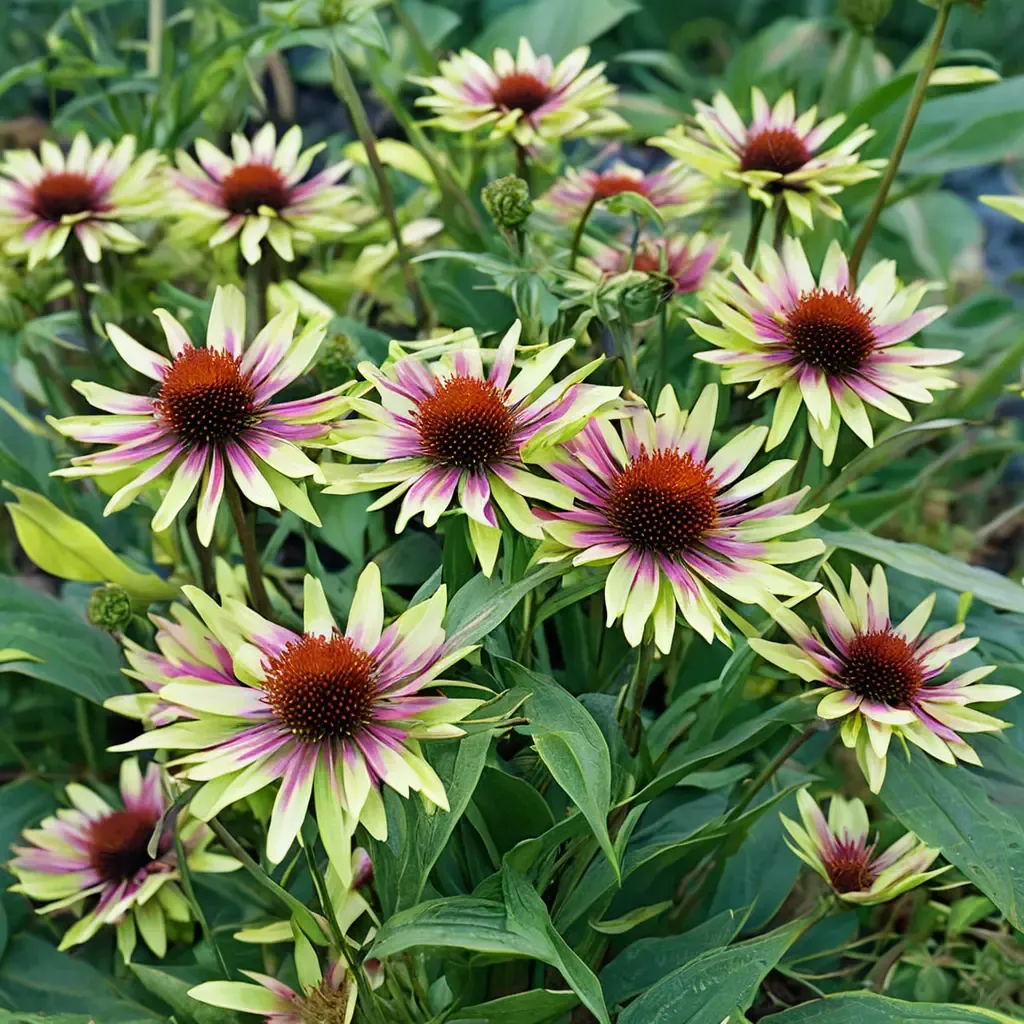
Green Twister Coneflower
Echinacea purpurea 'Green Twister'
Keep exploring
Grow Sanguine Purple Coneflower with confidence
See it in a design of your actual yard, get zone-matched care reminders, and track it season by season in your garden journal.