The Story
Plant Bio
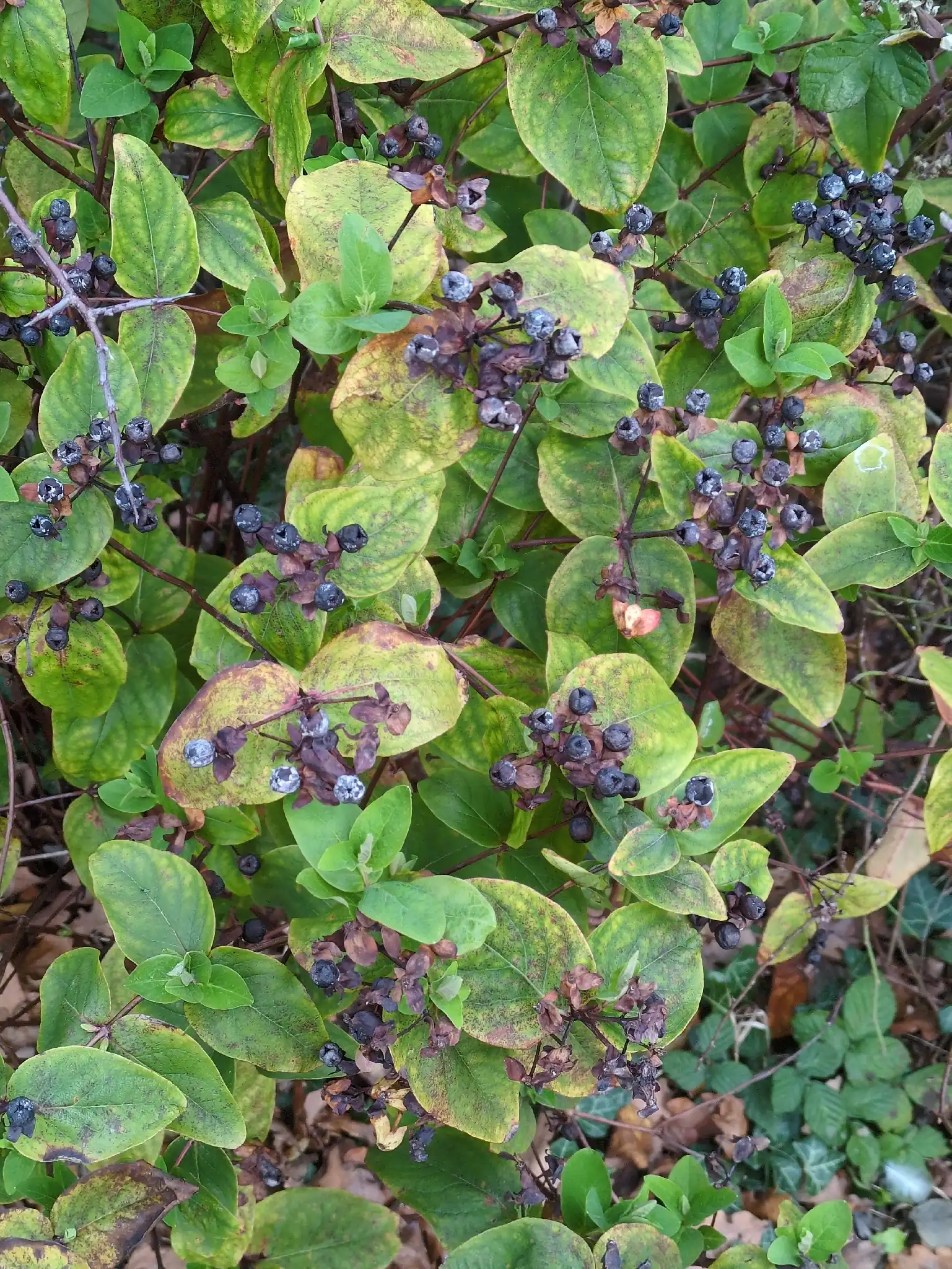
Hypericum androsaemum is a multi-stemmed, bushy semi-evergreen shrub native to Western and Southern Europe, North Africa, and the Middle East. It forms two-lined stems clothed in broad, blue-green leaves that release a distinct curry scent when crushed.
Yellow star-shaped flowers with prominent stamen bundles bloom in summer terminal cymes, followed by fleshy berries that shift from red to glossy black into fall. The persistent fruit crop provides sustained visual interest and attracts fruit-eating birds.
Uses & Benefits:
Essentials
At a Glance
Plant Type
Shrub
Height
36"
Width
36"
Light
Full Sun, Partial Sun
Zones
6, 7, 8, 9
Water
Moderate
Humidity
Moderate
Lifespan
Perennial
Native To
Western & Southern Europe, North Africa, Middle East
Toxicity
Toxic to livestock if ingested in quantity
Bloom period
Summer – Fall
In flower about 6 months of the year
Planting
How to Grow
- Plant in a location receiving full sun or partial shade, prioritizing bright light for optimal berry production.
- Incorporate organic matter into well-drained loam, clay, or sandy soil prior to planting.
- Water regularly during the first growing season to establish a deep, drought-tolerant root system.
- Apply a light layer of organic mulch around the root zone each spring to retain soil moisture.
- Cut back stems hard in late winter or early spring before active bud break.
Pro Tip
Prune hard in late winter before new shoots emerge to force strong flowering stems; cutting into old leafless wood results in weak, slow regrowth.
Keep It Thriving
Care Guide
Do
- Plant in moist, well-drained soils with good air circulation.
- Prune back hard every spring to maintain a dense, heavily flowering habit.
- Provide supplemental water during prolonged dry spells to protect berry development.
Don't
- Do not allow soil to remain waterlogged, which promotes root rot.
- Do not cut deep into old, leafless woody stems during maintenance pruning.
- Do not over-fertilize, as excess nitrogen leads to leggy growth and fewer blooms.
Seasonal Care Calendar
| Task | Jan | Feb | Mar | Apr | May | Jun | Jul | Aug | Sep | Oct | Nov | Dec |
|---|---|---|---|---|---|---|---|---|---|---|---|---|
| Fertilize | ||||||||||||
| Mulch | ||||||||||||
| Pest Check | ||||||||||||
| Prune |
Watch Out For
Pests & Diseases
Common Pests
Common Diseases
In the Garden
Landscape Uses & Companions
Landscape Uses
Companion Plants
Multiply
Propagation Methods
Good to Know
Common Questions
Tutsan questions
What zones can Tutsan grow in?
Tutsan is hardy in USDA Zones 6–9: in that range it survives winter in the ground. Colder than Zone 6, grow it in a container you can move to shelter for the winter. Warmer than Zone 9, winter isn't the problem: it prefers colder winters, and summer heat can shorten its life.
Is Tutsan deer resistant?
Not reliably. Deer may browse Tutsan, especially tender spring growth — plan on repellents or fencing where pressure is high.
When does Tutsan bloom?
Tutsan typically blooms from summer to fall. Exact timing shifts a week or two with your zone — Sow's bloom calendar maps it to your garden.
Does Tutsan need full sun?
Tutsan does best in full sun to part shade. In hot climates, afternoon shade keeps blooms fresher longer.
Is Tutsan drought tolerant?
Yes — once established (usually after the first full season), Tutsan handles dry spells with minimal watering. Water deeply its first year to build the root system that makes that possible.
More Hypericum to compare
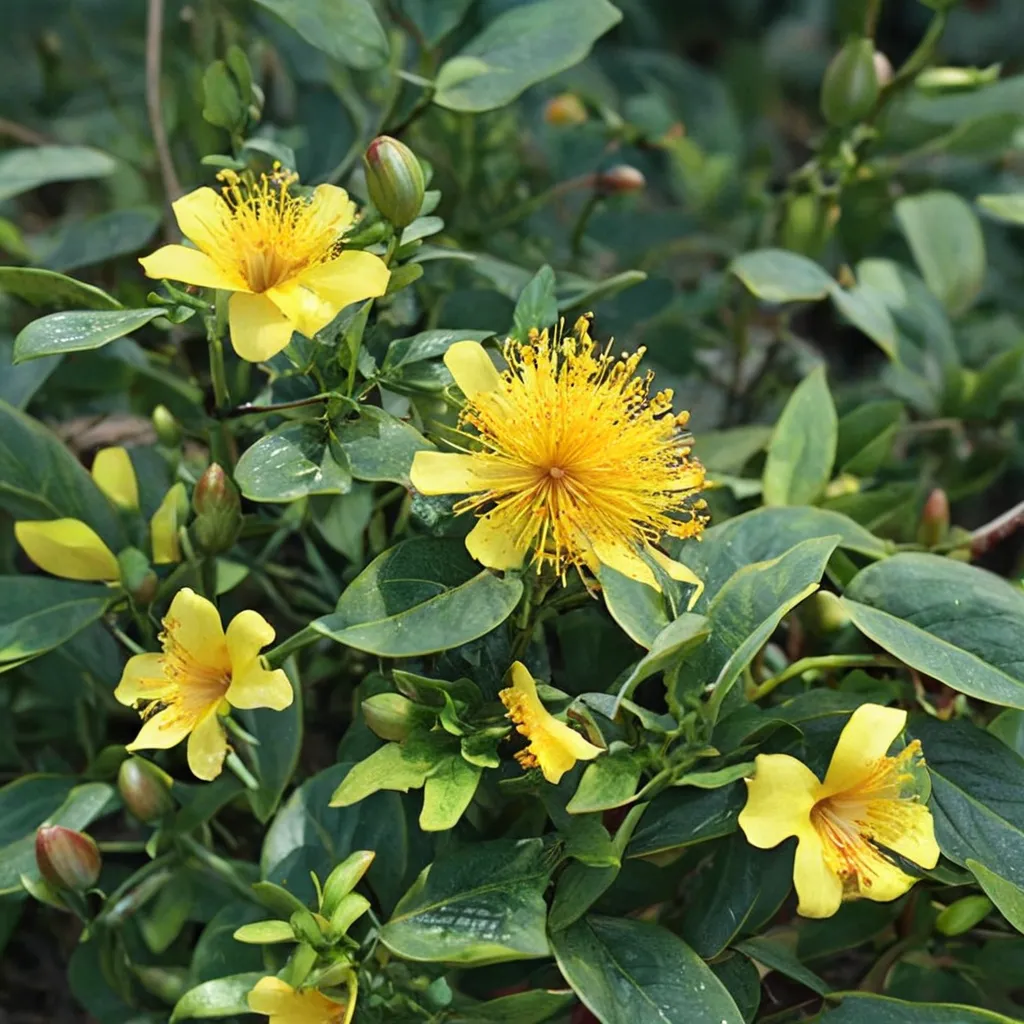
Hypericum frondosum Goldmound
Hypericum frondosum
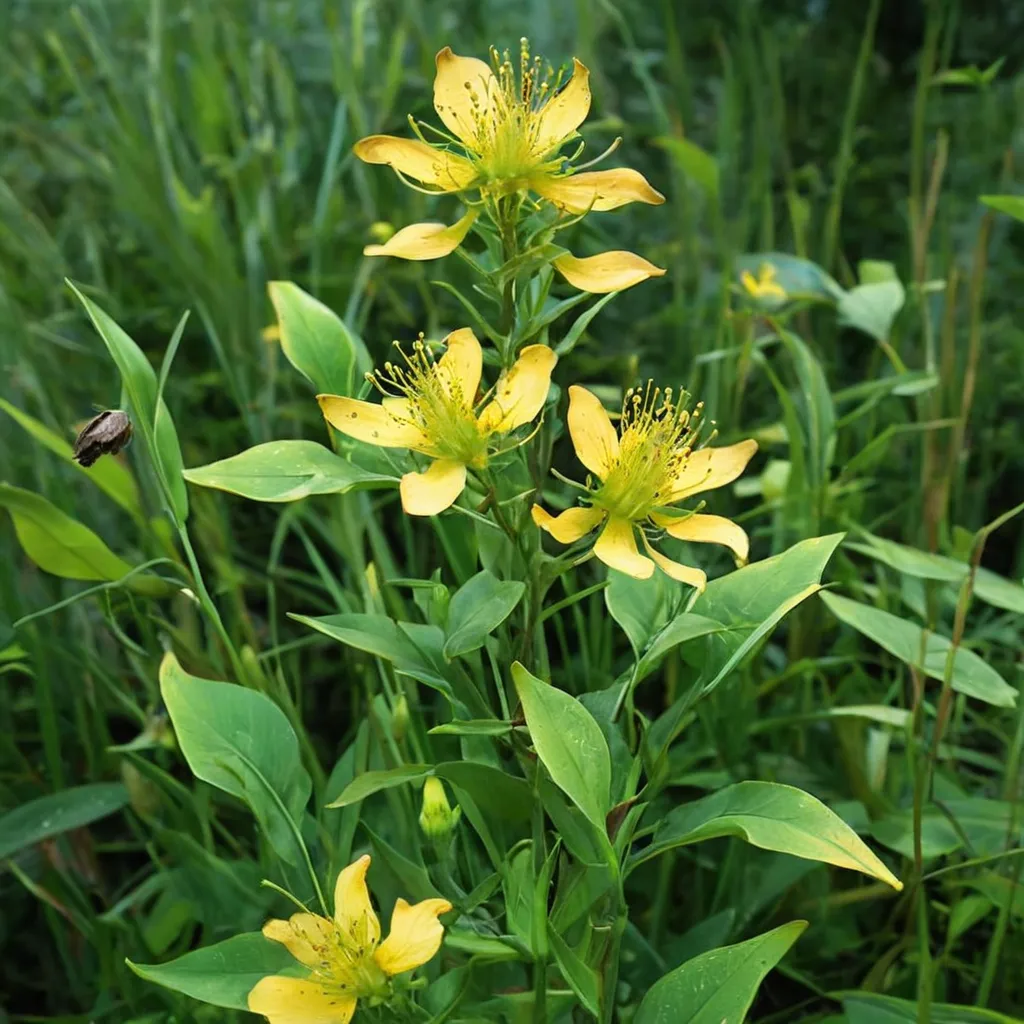
Great St. John's Wort
Hypericum ascyron
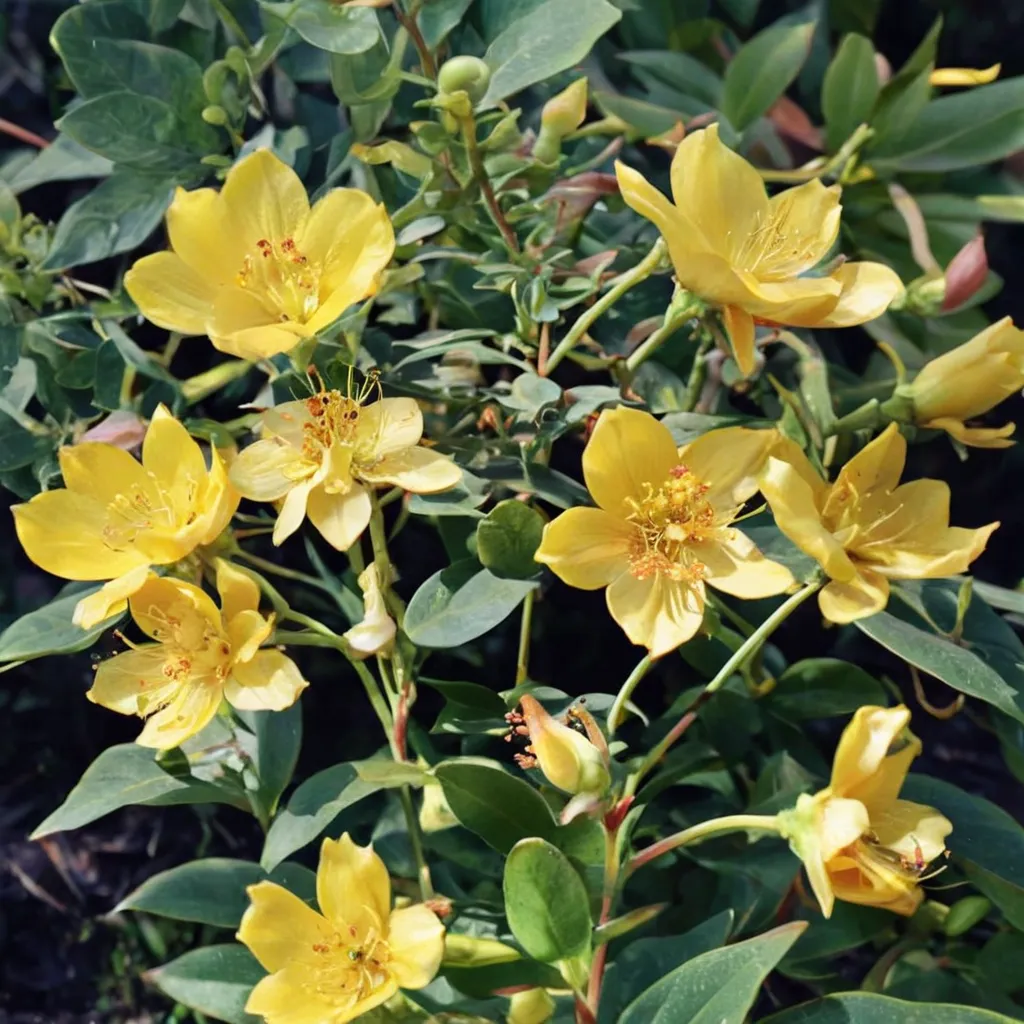
Variegated Hypericum
Hypericum patulum 'Hidcote Variegated'
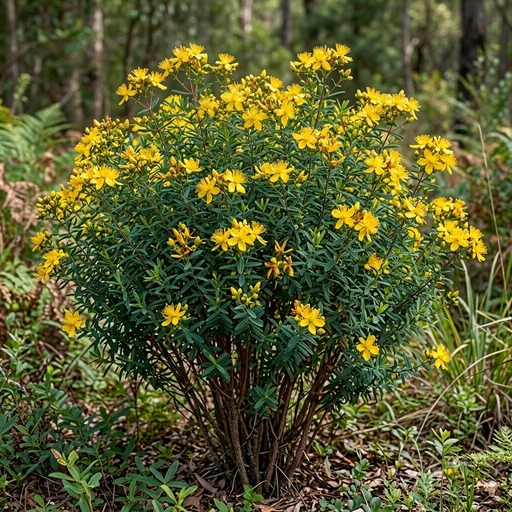
Shrubby St. Johnswort
Hypericum prolificum
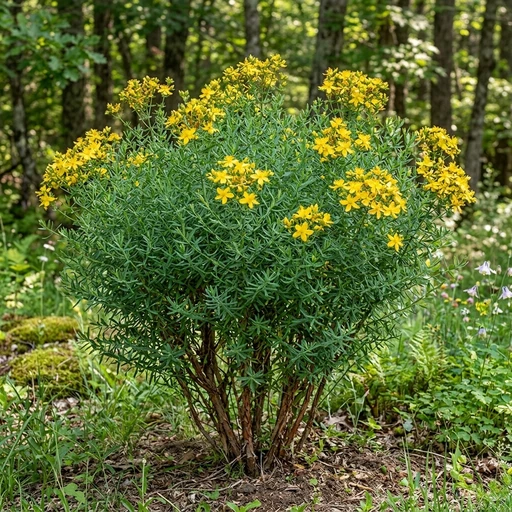
Gemo St. Johnswort
Hypericum kalmianum 'Gemo'
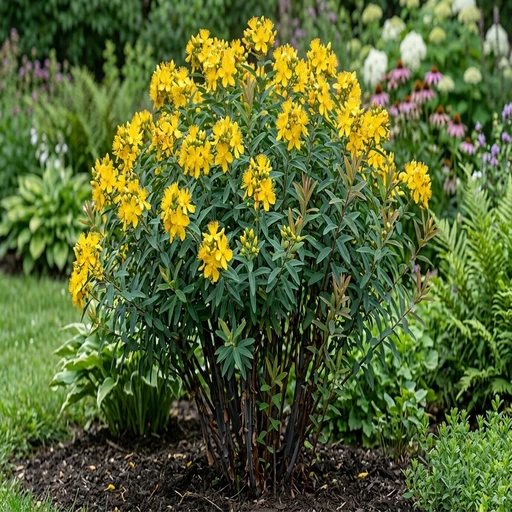
Kalm's St. John's Wort
Hypericum kalmianum
Keep exploring
Explore the genus
Hardy in your zone?
Grow Tutsan with confidence
See it in a design of your actual yard, get zone-matched care reminders, and track it season by season in your garden journal.