The Story
Plant Bio
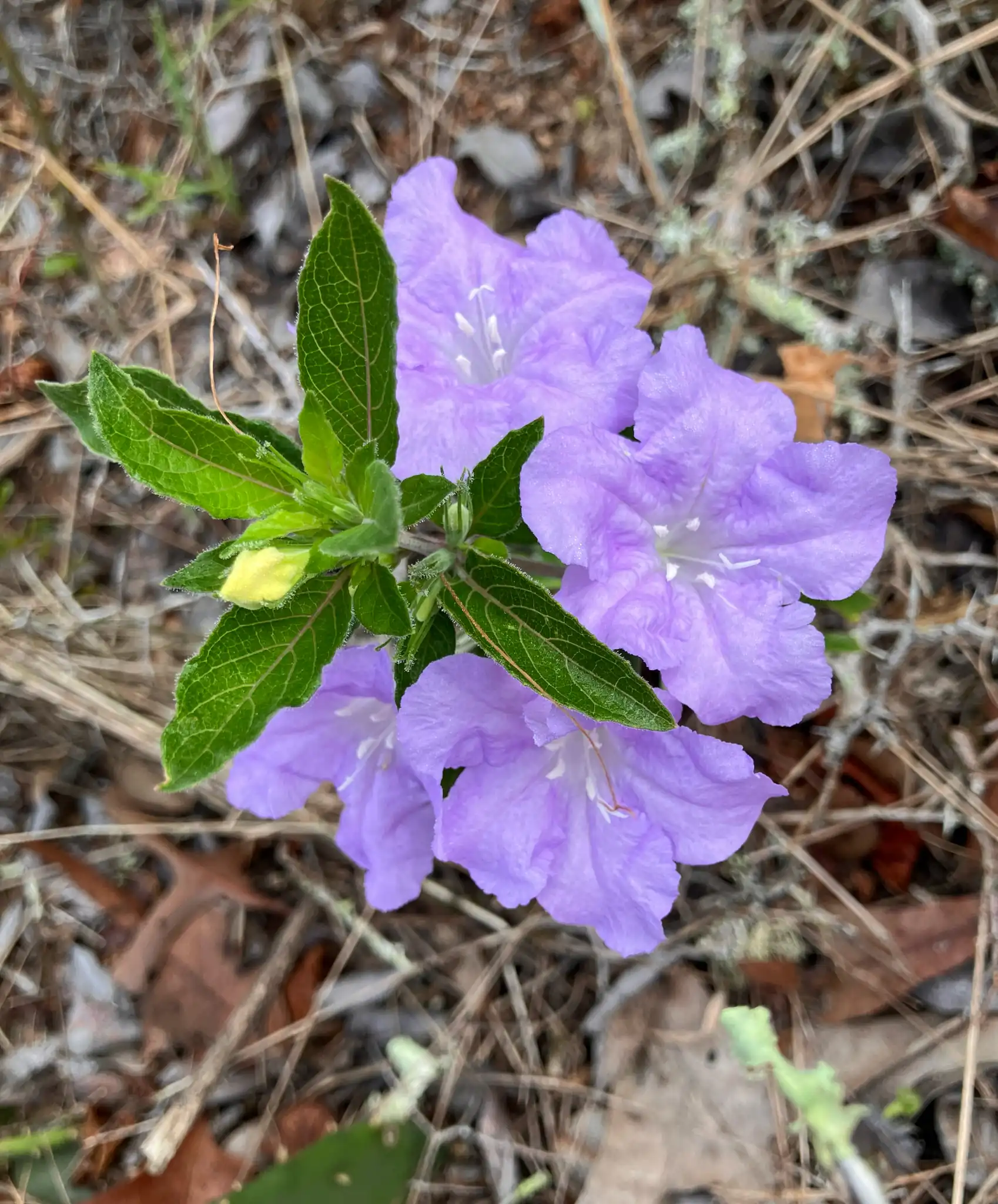
Ruellia caroliniensis is an erect, clump-forming perennial of eastern North American woodlands, rising one to three feet on sparingly hairy stems crowded with opposite oval leaves. Its axillary flowers are slender-tubed trumpets with five spreading lobes in blue to violet-purple, each lasting a single day and replaced daily through a long season.
It carries its flowers in stalkless clusters of three to four in the upper leaf axils, with only one or two open at a time and narrow flattened capsules following from June onward. Unlike the commonly sold Mexican petunia, Ruellia simplex, it is a shorter, clump-forming woodlander that self-sows where happy rather than spreading by aggressive rhizomes.
Uses & Benefits:
Essentials
At a Glance
Plant Type
Perennial
Height
36"
Width
12"
Light
Full Sun, Partial Sun
Zones
6, 7, 8, 9, 10
Water
Medium
Humidity
Unknown
Lifespan
Long-lived perennial
Native To
Eastern USA
Toxicity
Unknown
Bloom period
Spring – Fall
In flower about 9 months of the year
Planting
How to Grow
- Plant in partial shade with two to six hours of sun, in moist acid sand.
- Space 12 inches apart to allow clump formation and airflow.
- Water to establish, then water during dry spells; plants tolerate occasional dry soil once rooted.
- Leave seed capsules to mature if naturalizing is wanted; remove seedlings where not wanted.
Pro Tip
Check the label for caroliniensis, not simplex; one-day flowers are normal and the plant replaces them daily for months.
Keep It Thriving
Care Guide
Do
- Plant provenance seed-grown stock suited to your state.
- Mulch lightly to hold moisture in sandy soil.
- Allow capsules to ripen for songbirds and self-sowing.
Don't
- Do not substitute Ruellia simplex for this species.
- Do not cut back hard to force rebloom; daily flowers replace themselves.
- Do not plant in alkaline or constantly waterlogged soil.
Seasonal Care Calendar
| Task | Jan | Feb | Mar | Apr | May | Jun | Jul | Aug | Sep | Oct | Nov | Dec |
|---|---|---|---|---|---|---|---|---|---|---|---|---|
| Mulch | ||||||||||||
| Pest Check | ||||||||||||
| Plant | ||||||||||||
| Propagate | ||||||||||||
| Spring Cleanup |
Watch Out For
Pests & Diseases
Common Pests
Common Diseases
In the Garden
Landscape Uses & Companions
Landscape Uses
Multiply
Propagation Methods
Good to Know
Common Questions
Carolina Wild Petunia questions
What zones can Carolina Wild Petunia grow in?
Carolina Wild Petunia is hardy in USDA Zones 6–10: in that range it survives winter in the ground. Colder than Zone 6, grow it in a container you can move to shelter for the winter, or as an annual.
When does Carolina Wild Petunia bloom?
Carolina Wild Petunia typically blooms from spring to fall. Exact timing shifts a week or two with your zone — Sow's bloom calendar maps it to your garden.
Does Carolina Wild Petunia need full sun?
Carolina Wild Petunia does best in full sun to part shade. In hot climates, afternoon shade keeps blooms fresher longer.
Is Carolina Wild Petunia drought tolerant?
Yes — once established (usually after the first full season), Carolina Wild Petunia handles dry spells with minimal watering. Water deeply its first year to build the root system that makes that possible.
More Ruellia to compare
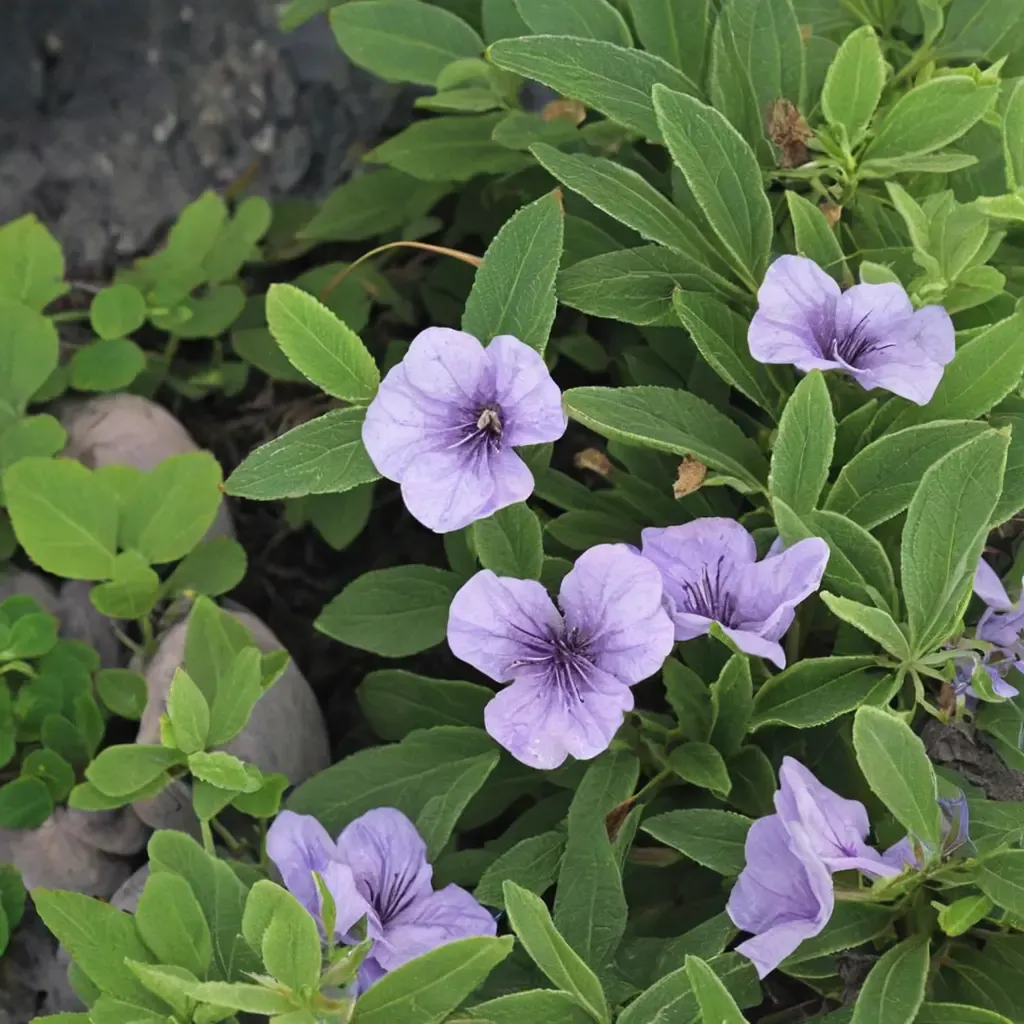
Wild Petunia
Ruellia humilis
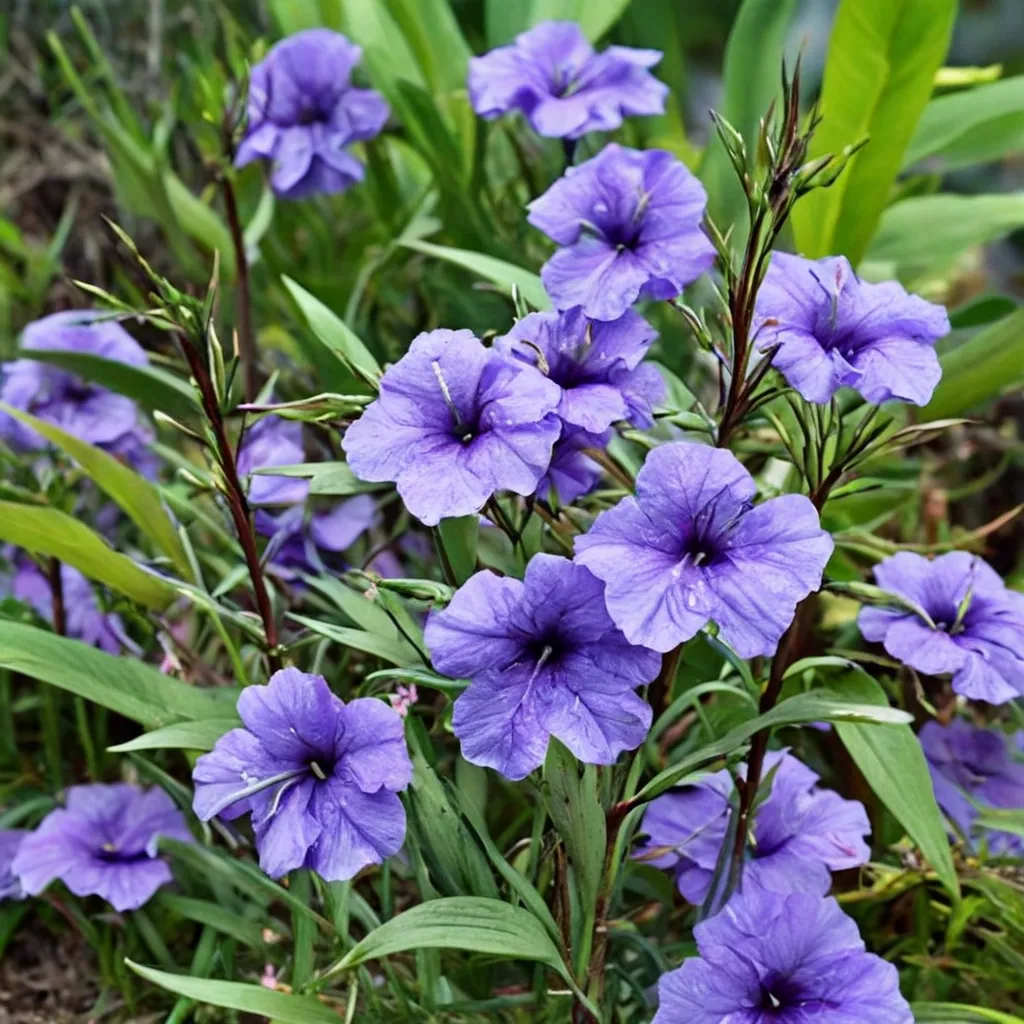
Tall Purple Ruellia
Ruellia brittoniana 'Tall Purple Form'
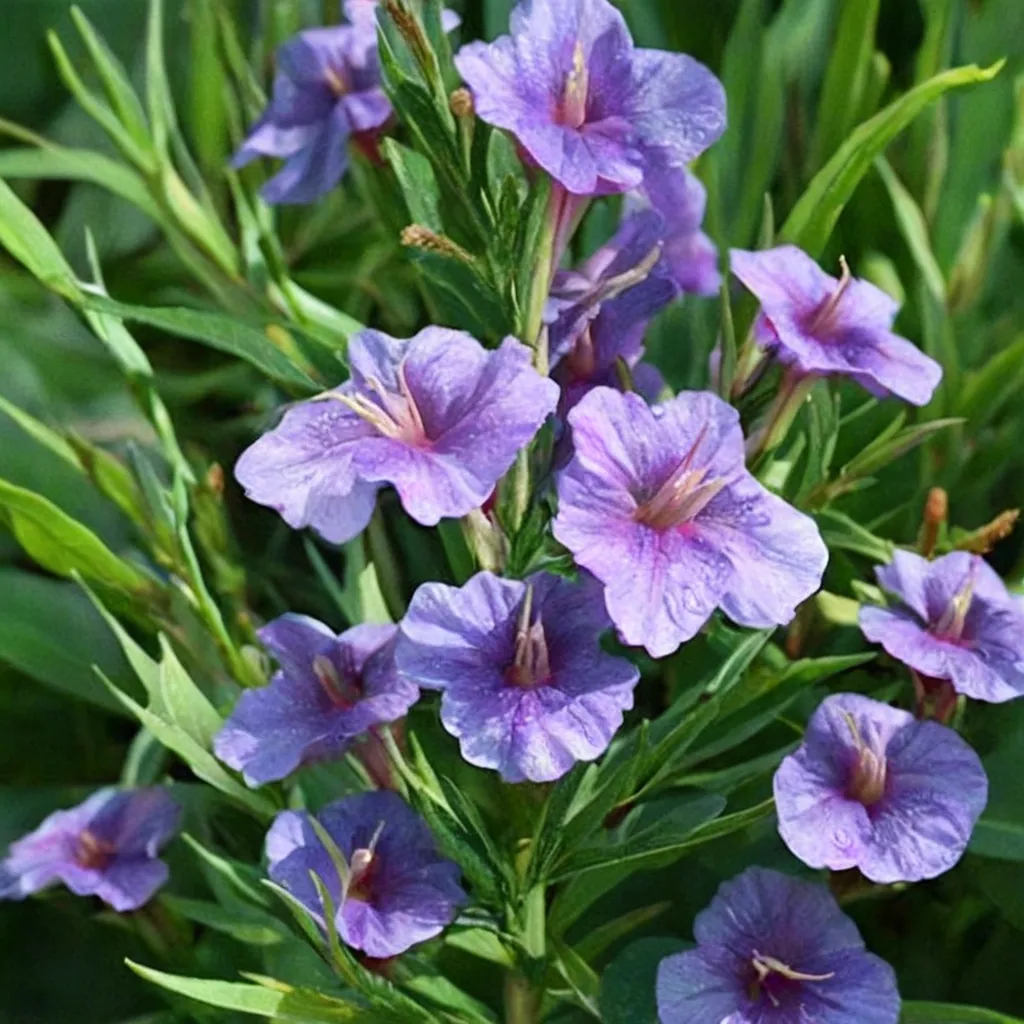
Ruellia Strawberries and Cream
Ruellia brittoniana 'Strawberries and Cream'
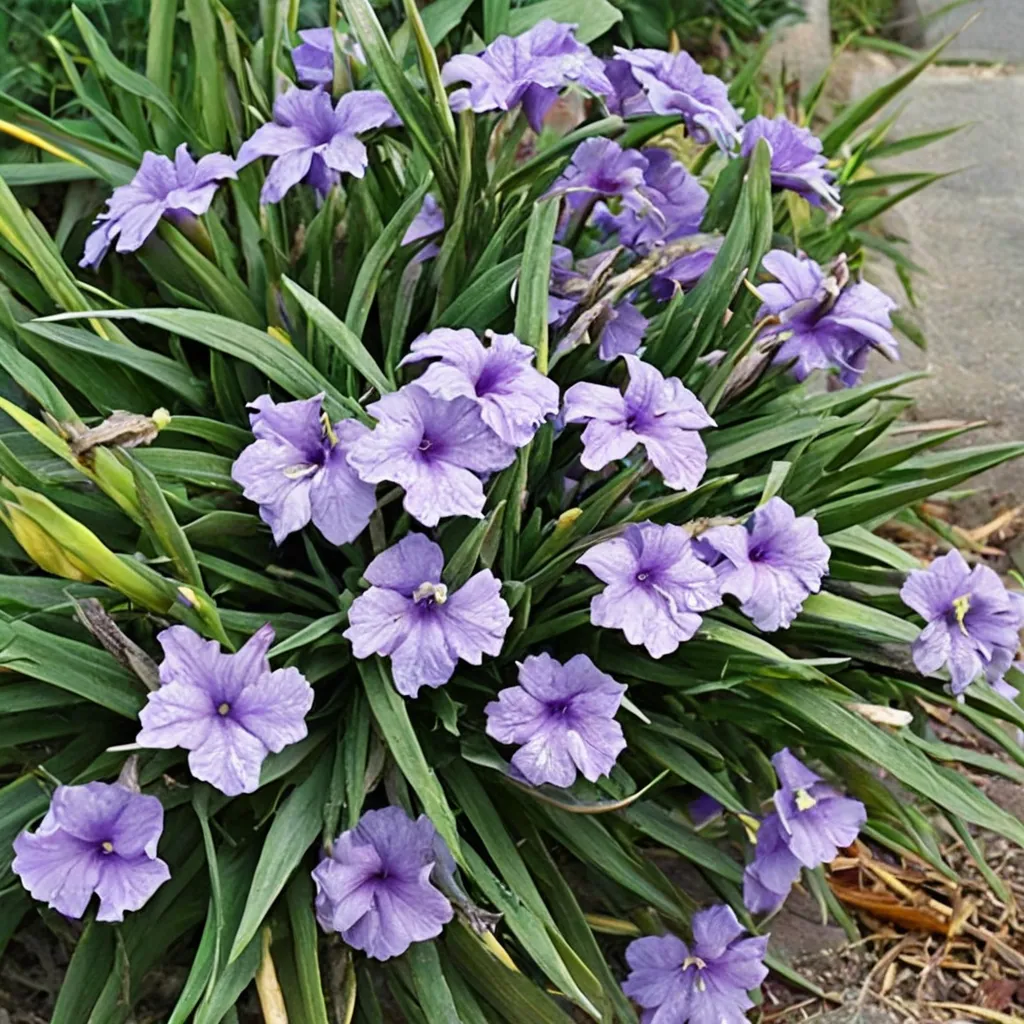
Katie Ruellia
Ruellia brittoniana 'Katie'
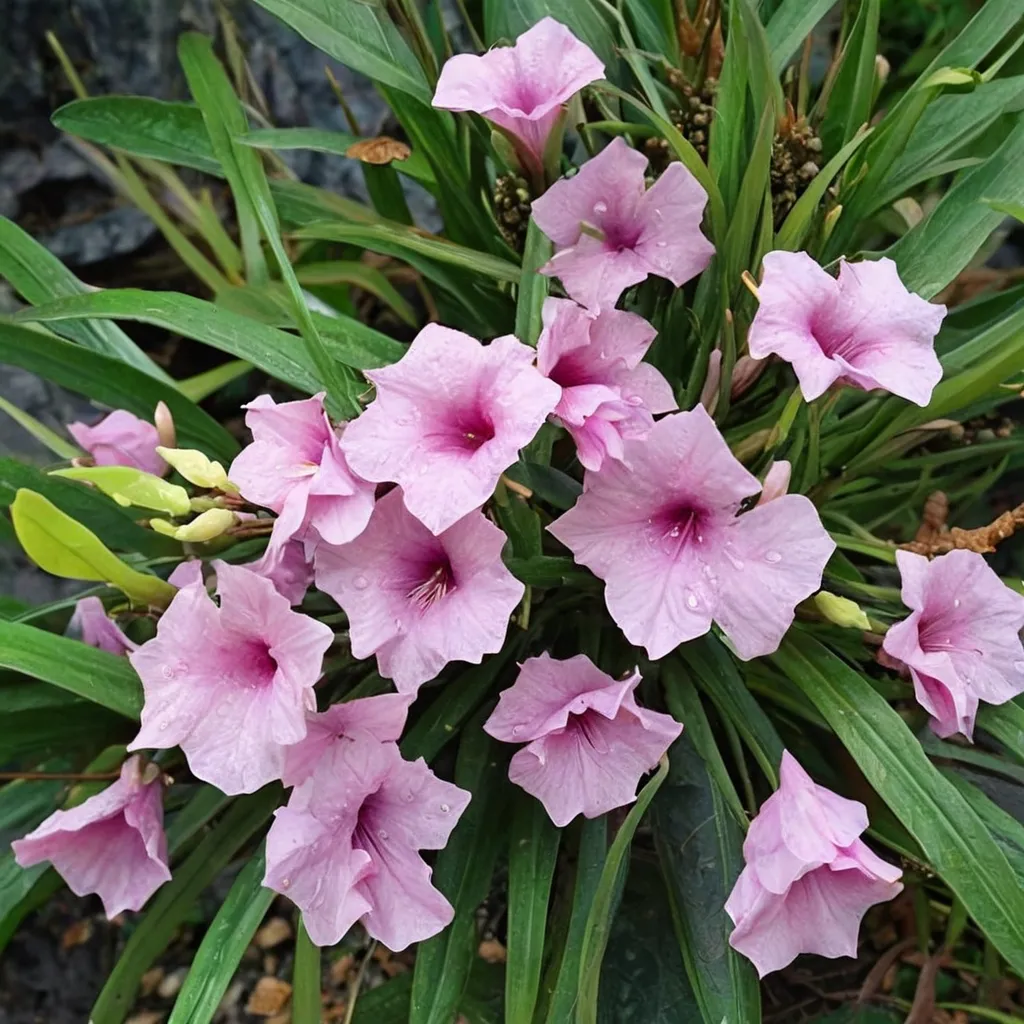
Pink Mexican Petunia
Ruellia brittoniana 'Colobe Pink'
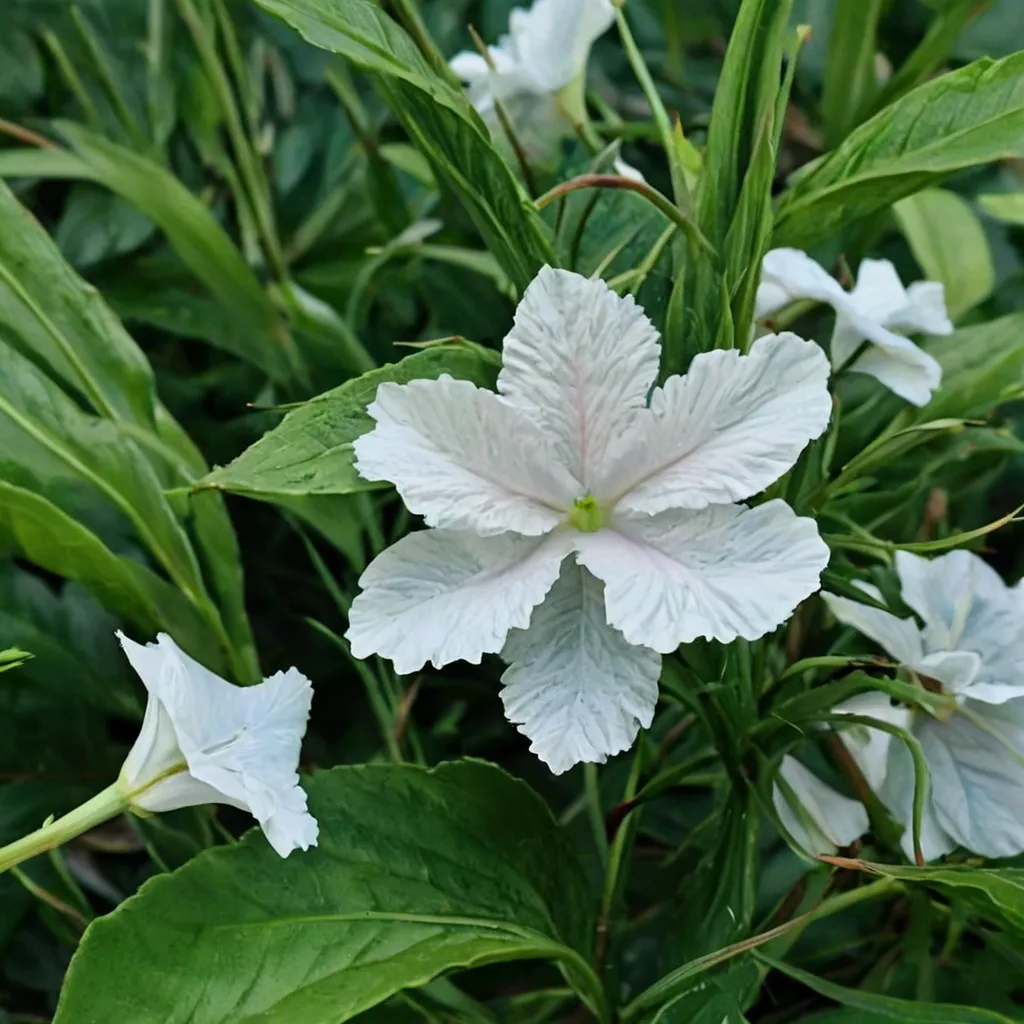
White Wild Petunia
Ruellia malacosperma 'White Flower Form'
Keep exploring
Explore the genus
Hardy in your zone?
Grow Carolina Wild Petunia with confidence
See it in a design of your actual yard, get zone-matched care reminders, and track it season by season in your garden journal.