The Story
Plant Bio
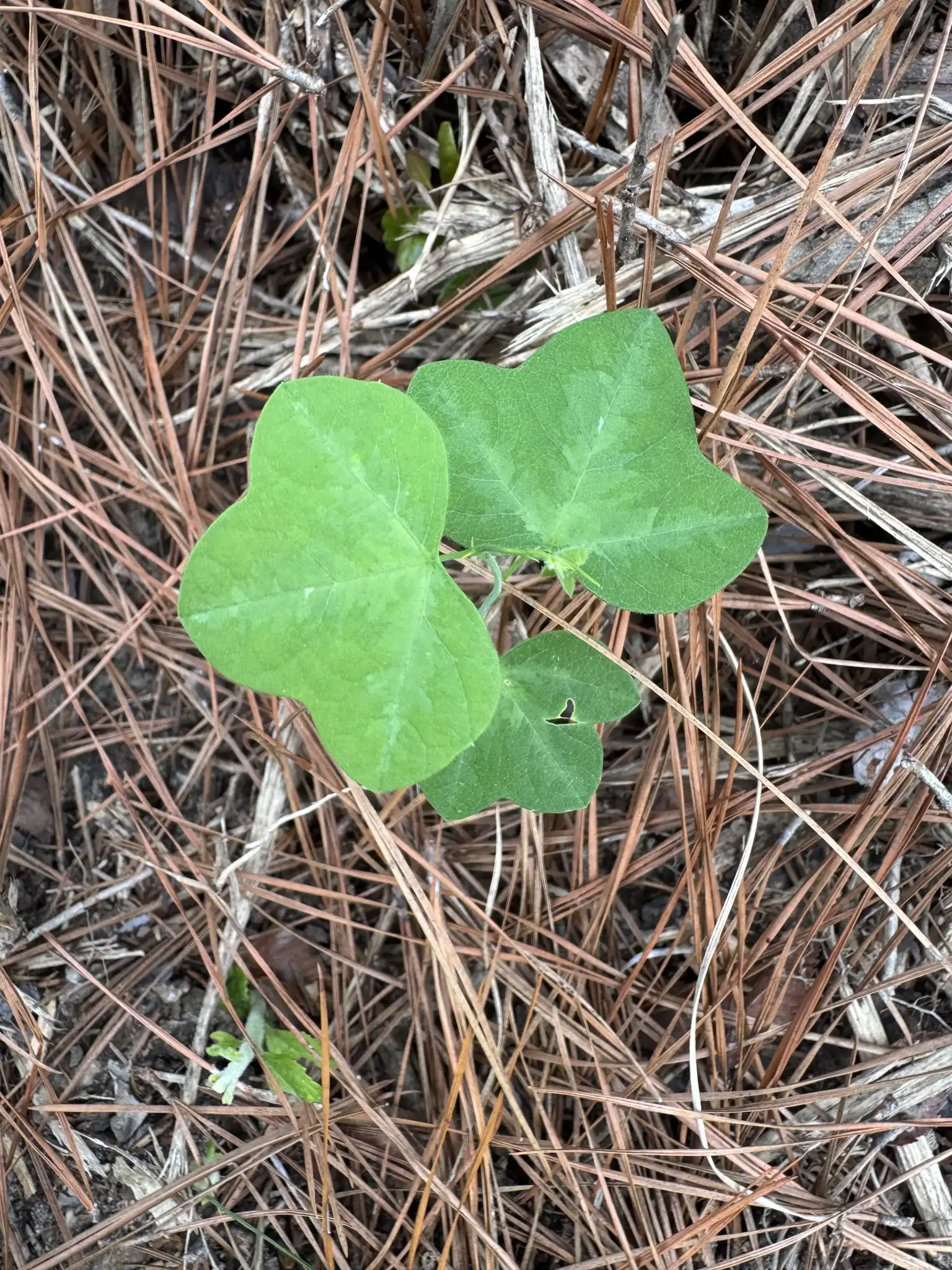
Passiflora lutea is a deciduous herbaceous perennial vine that climbs by tendrils, dying to the ground each winter and resprouting from the crown in spring. It carries three-lobed leaves on wiry stems that trail or climb 5 to 12 feet, fastening to supports without damaging them.
It is the northernmost passionflower, smaller than Passiflora incarnata, with solitary miniature blooms barely an inch across in pale greenish yellow. The blooms are followed by frosted black berries, and the consistently three-lobed leaves separate it from Canada moonseed with three to seven lobes and no tendrils.
Uses & Benefits:
Essentials
At a Glance
Plant Type
Vine
Height
144"
Width
72"
Light
Full Sun, Partial Sun, Shade
Zones
5, 6, 7, 8, 9
Water
Medium
Humidity
Tolerant
Lifespan
Perennial
Native To
Eastern and south-central USA
Toxicity
Toxic if ingested
Bloom period
Summer – Fall
In flower about 6 months of the year
Planting
How to Grow
- Set the plant at the base of a trellis, fence, or shrub in full sun to part shade after last frost.
- Plant in moist to medium-dry, well-drained soil with the crown at soil level and water in deeply.
- Mulch 2 inches to hold moisture, keeping mulch back from the crown.
- Water regularly the first season, then only during extended dry spells.
- Guide new tendrils onto the support in spring; leave room for annual dieback and resprouting.
Pro Tip
Mark the crown and leave dead vines standing through winter; new shoots emerge late in spring, and clearing or digging early mistakes dormancy for death.
Keep It Thriving
Care Guide
Do
- Plant in part shade with good air flow and well-drained soil.
- Train new growth onto a trellis early in the season.
- Leave fall leaf litter for fritillary chrysalises and ground-nesting bees.
Don't
- Do not dig or replant the crown in winter when tops are gone.
- Do not keep soil soggy or overhead water late in the day.
- Do not eat leaves; they contain cyanogenic compounds toxic to people and pets.
Seasonal Care Calendar
| Task | Jan | Feb | Mar | Apr | May | Jun | Jul | Aug | Sep | Oct | Nov | Dec |
|---|---|---|---|---|---|---|---|---|---|---|---|---|
| Mulch | ||||||||||||
| Pest Check | ||||||||||||
| Plant | ||||||||||||
| Spring Cleanup | ||||||||||||
| Winter Prep |
Watch Out For
Pests & Diseases
Common Pests
Common Diseases
In the Garden
Landscape Uses & Companions
Landscape Uses
Multiply
Propagation Methods
Good to Know
Common Questions
Yellow Passionflower questions
What zones can Yellow Passionflower grow in?
Yellow Passionflower is hardy in USDA Zones 5–9: in that range it survives winter in the ground. Colder than Zone 5, grow it in a container you can move to shelter for the winter, or as an annual. Warmer than Zone 9, winter isn't the problem: it prefers colder winters, and summer heat can shorten its life.
When does Yellow Passionflower bloom?
Yellow Passionflower typically blooms from summer to fall. Exact timing shifts a week or two with your zone — Sow's bloom calendar maps it to your garden.
Does Yellow Passionflower need full sun?
Yellow Passionflower does best in full sun to part shade. In hot climates, afternoon shade keeps blooms fresher longer.
Is Yellow Passionflower drought tolerant?
Yes — once established (usually after the first full season), Yellow Passionflower handles dry spells with minimal watering. Water deeply its first year to build the root system that makes that possible.
More Passiflora to compare
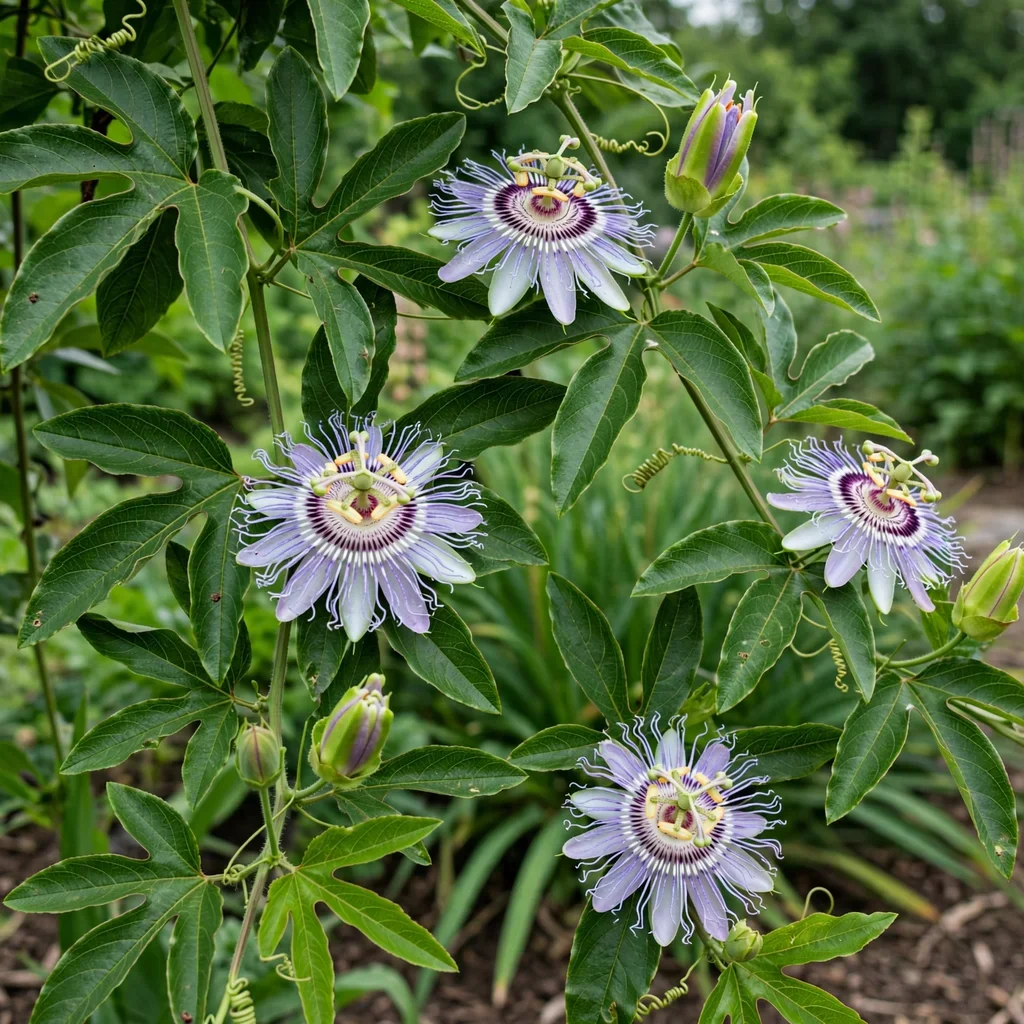
Purple Passionflower
Passiflora incarnata
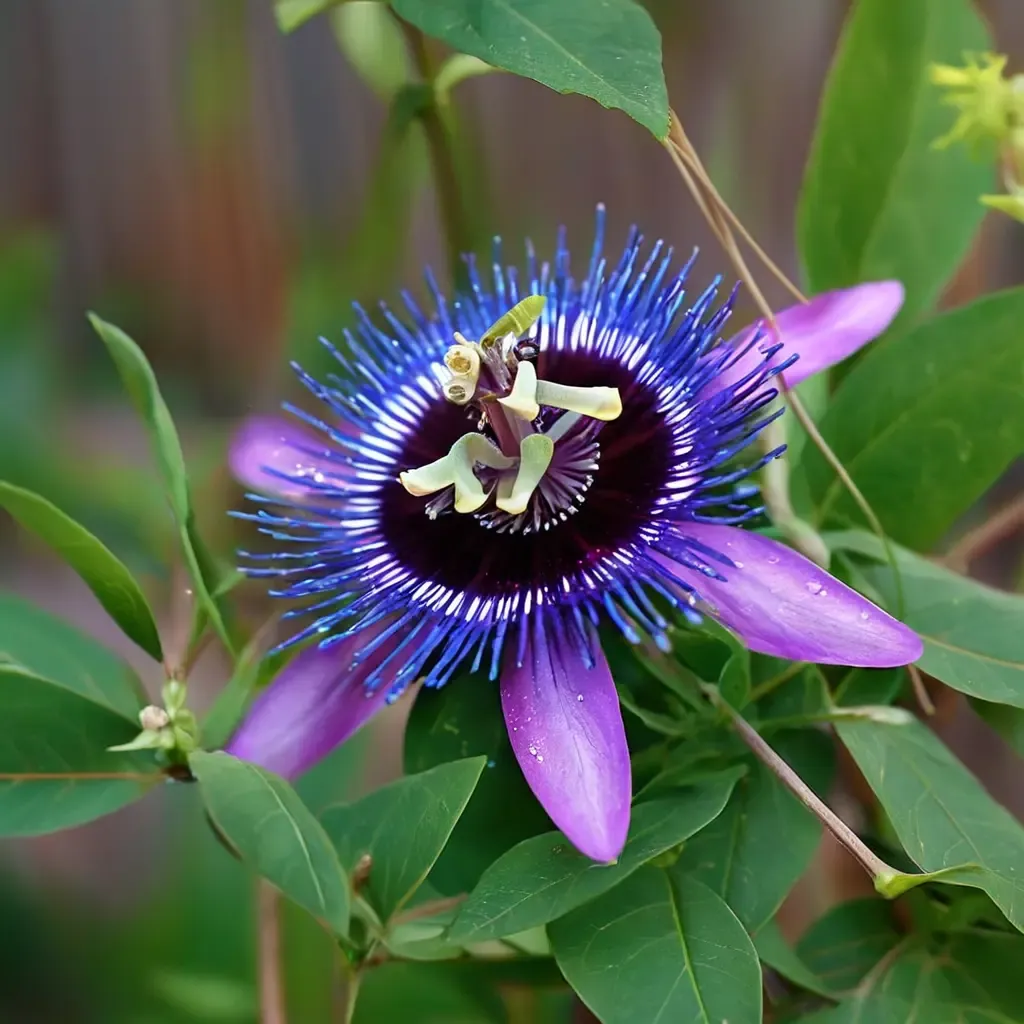
Blue Passionflower
Passiflora loefgrenii
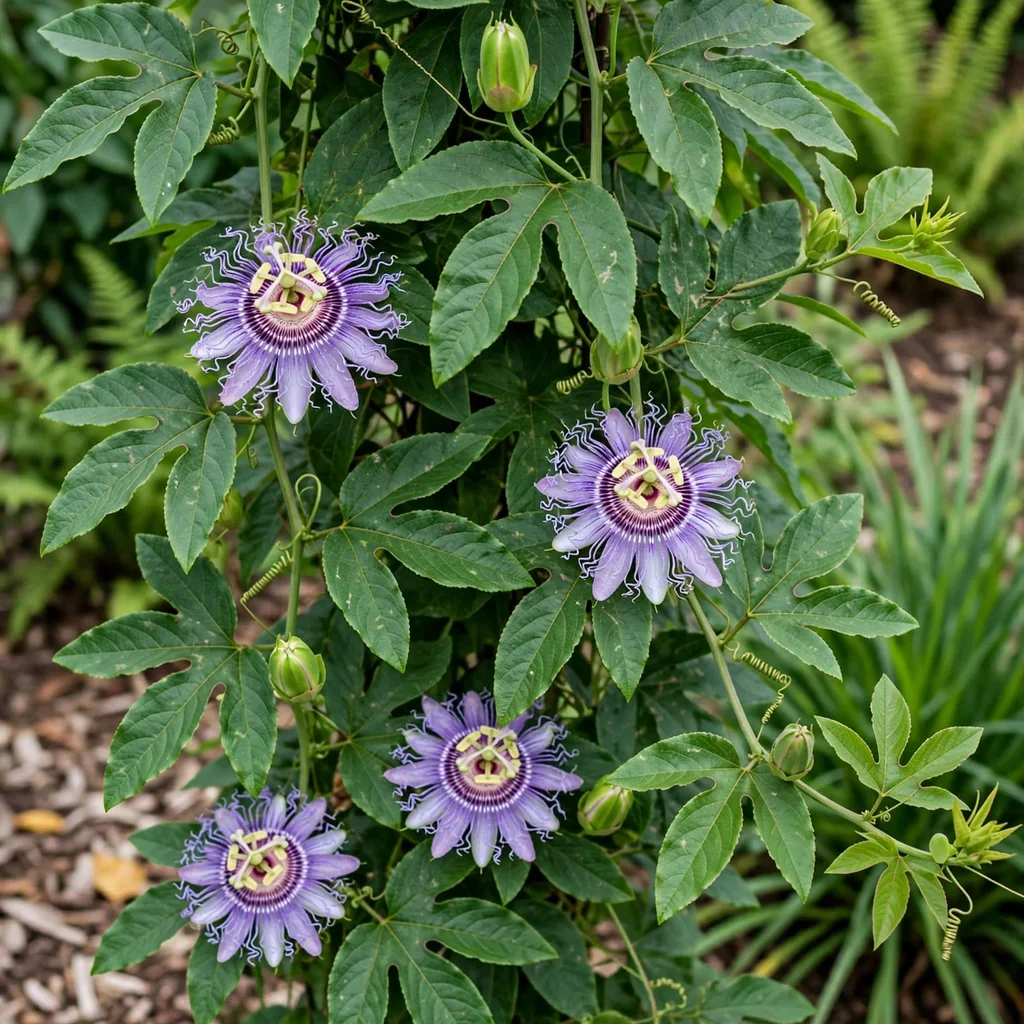
Butterfly Flower Purple Passionflower
Passiflora incarnata 'Butterfly Flower'
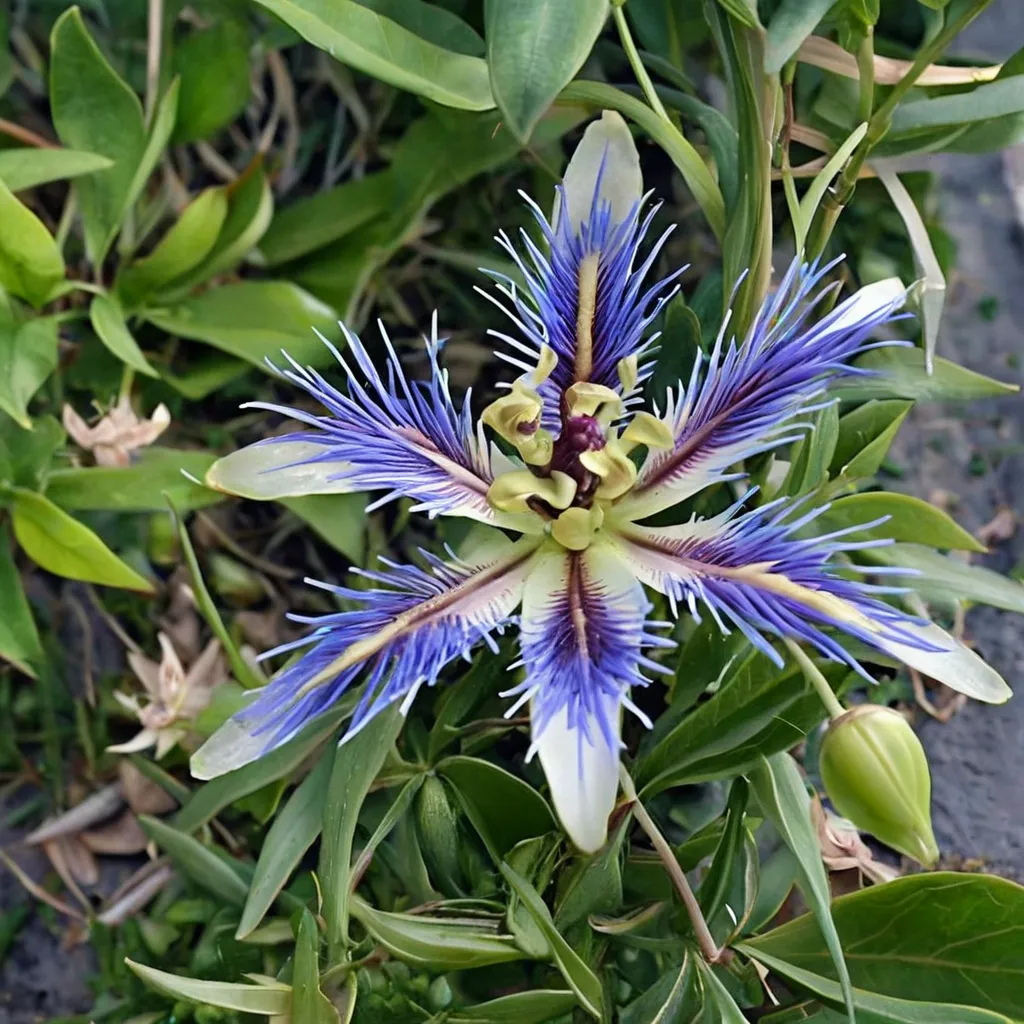
Waterloo Blue Passionflower
Passiflora caerulea 'Waterloo Blue'
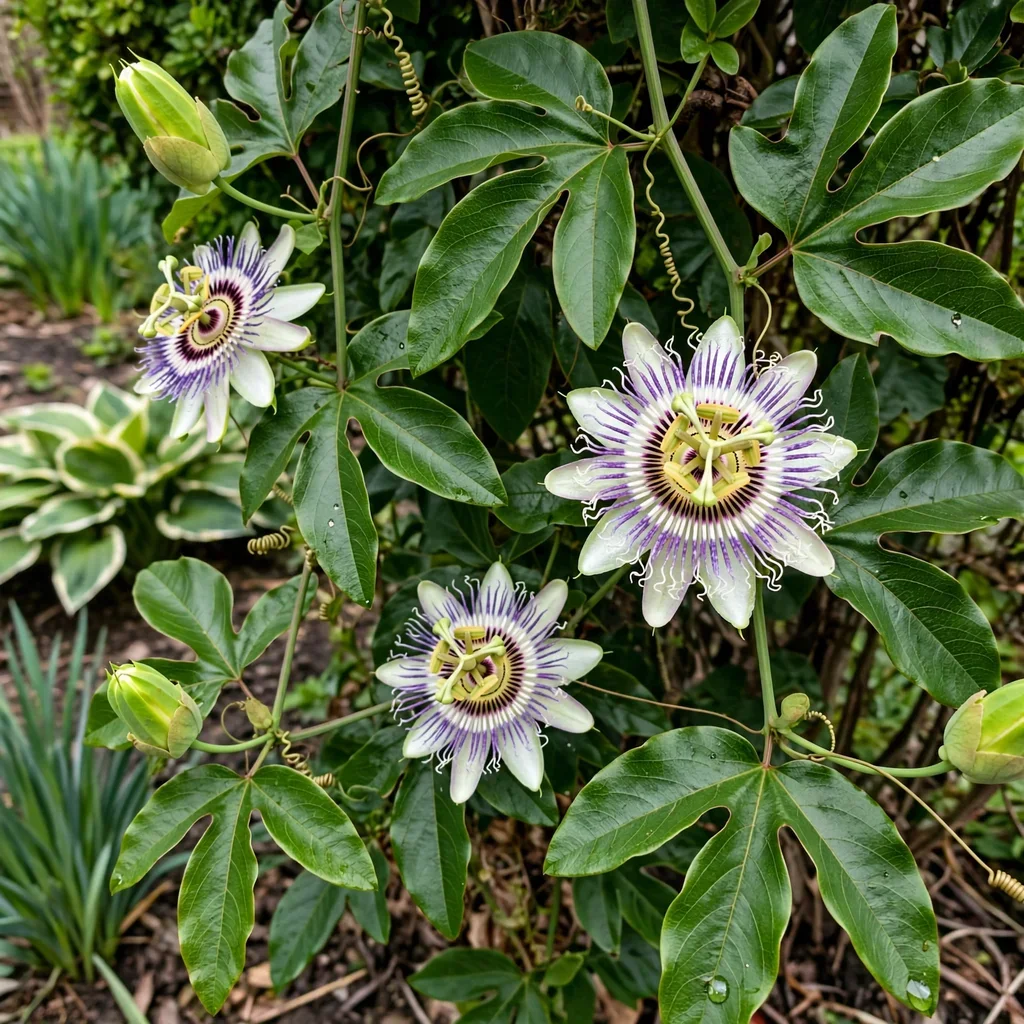
Sea Anemone Passion Flower
Passiflora actinia
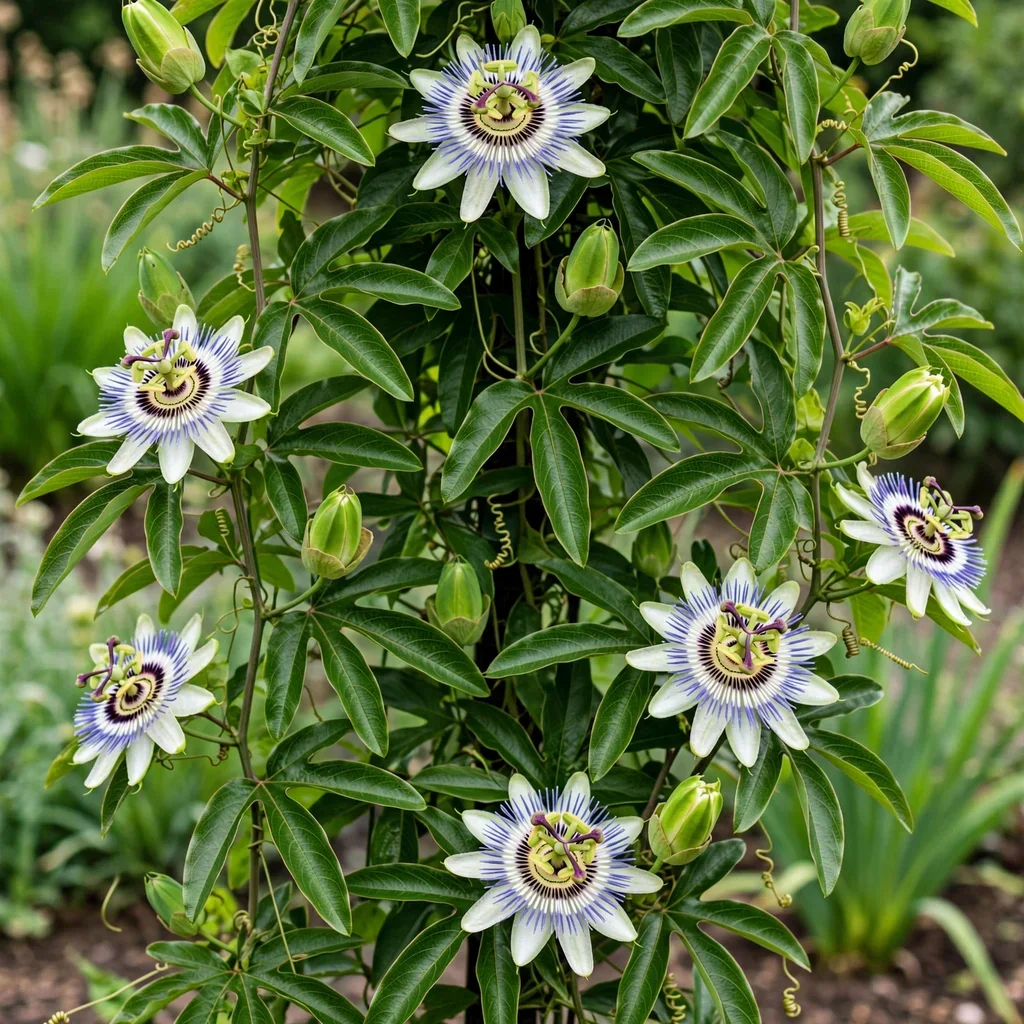
White Passionflower
Passiflora alba 'Blue Horizon'
Keep exploring
Explore the genus
Hardy in your zone?
Grow Yellow Passionflower with confidence
See it in a design of your actual yard, get zone-matched care reminders, and track it season by season in your garden journal.