
The Story
Plant Bio
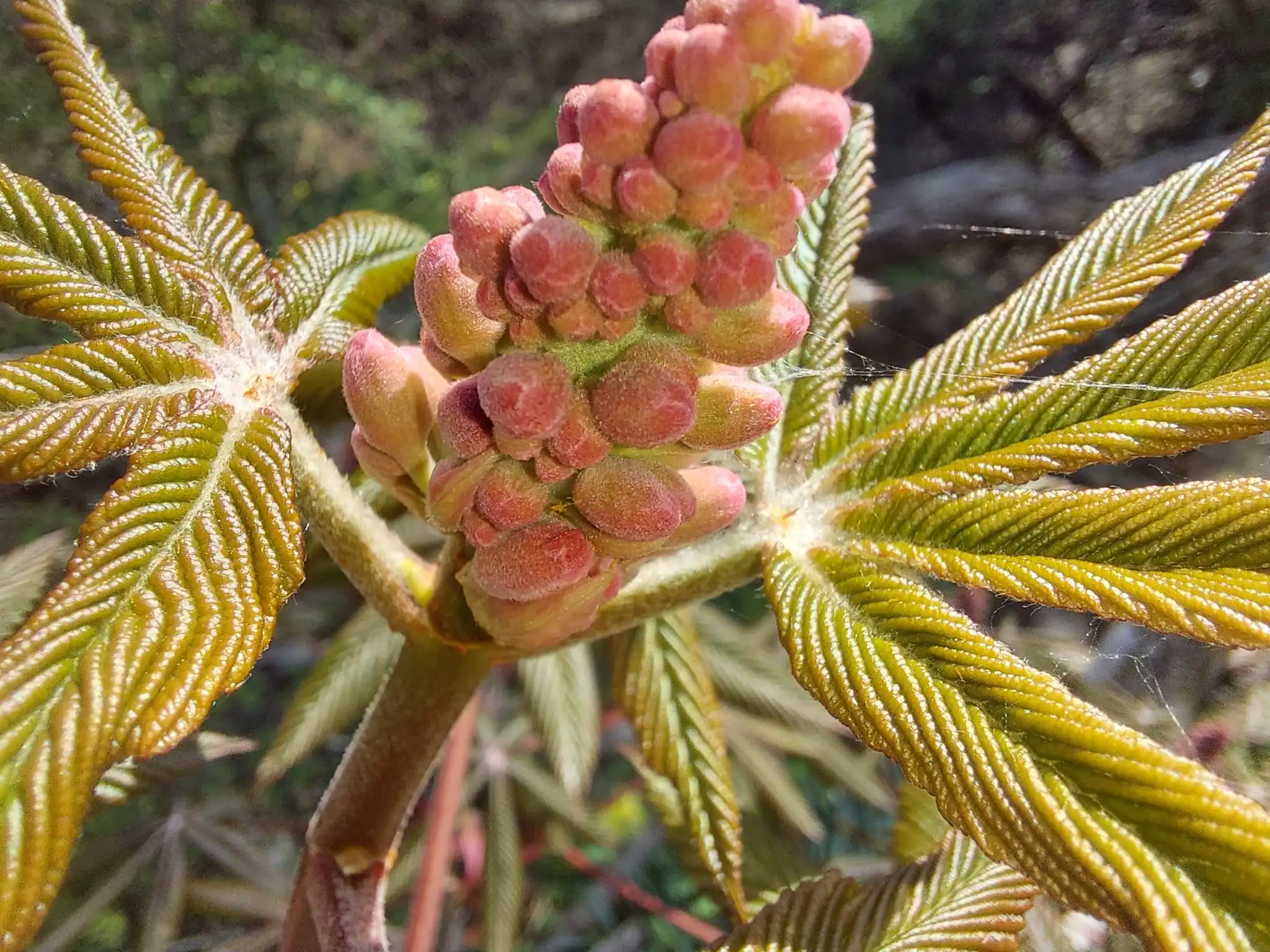
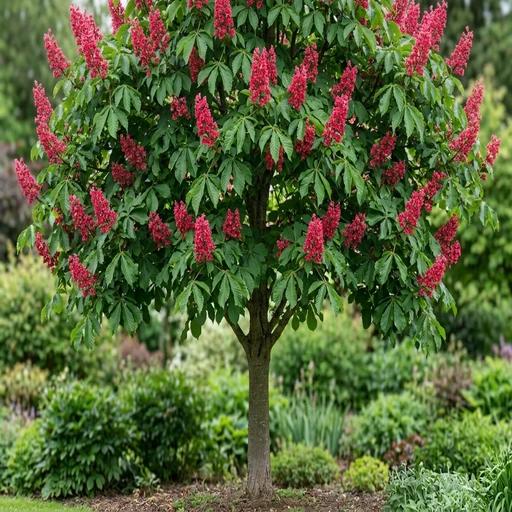
Aesculus x carnea, the red horse chestnut, is a dense rounded deciduous tree of hybrid origin raised in Europe, reaching thirty to forty feet with a spread of twenty-five to thirty-five. Coarse palmate leaves cover a heavy branch framework, and upright panicles over six inches long carry funnel-shaped rose-pink flowers in late spring.
It is far less prone to the leaf blotch and scorch that disfigure common horse chestnut by midsummer, which is the main reason to choose it. The prickly seed pods contain glossy brown conkers that are toxic if eaten, and a mature tree drops a great many of them, so think carefully before planting over a path, drive or play area.
Uses & Benefits:
Essentials
At a Glance
Plant Type
Tree
Height
390"
Width
360"
Light
Full Sun, Partial Sun
Zones
4, 5, 6, 7, 8
Water
Moderate
Humidity
Moderate
Lifespan
Perennial
Native To
Garden hybrid raised in Europe
Toxicity
Seeds are toxic if eaten
Planting
How to Grow
- Allow twenty-five to thirty-five feet of spread.
- Plant in full sun or partial shade in moist, drained soil.
- Keep it away from paths, drives and play areas.
- Water deeply through the first few summers.
- Mulch the root zone, keeping mulch off the trunk.
- Prune only to remove dead or crossing wood.
Pro Tip
It holds clean foliage into autumn where common horse chestnut is brown by August — that resistance is the reason to plant it.
Keep It Thriving
Care Guide
Do
- Allow it thirty feet of spread 📏
- Plant it well clear of paths 🚶
- Mulch the root zone each spring 🍂
- Water deeply while establishing 💧
Don't
- Plant it over a drive or play area ❌
- Let anyone eat the conkers ❌
- Prune it heavily; it heals slowly ❌
Seasonal Care Calendar
| Task | Jan | Feb | Mar | Apr | May | Jun | Jul | Aug | Sep | Oct | Nov | Dec |
|---|---|---|---|---|---|---|---|---|---|---|---|---|
| Clear | ||||||||||||
| Mulch |
Watch Out For
Pests & Diseases
Common Pests
Common Diseases
In the Garden
Landscape Uses & Companions
Landscape Uses
Companion Plants
Multiply
Propagation Methods
Good to Know
Common Questions
Red Horsechestnut questions
What zones can Red Horsechestnut grow in?
Red Horsechestnut is hardy in USDA Zones 4–8. Inside that range it survives winter in the ground; outside it, grow it as an annual or a container plant you protect.
Is Red Horsechestnut deer resistant?
Yes — Red Horsechestnut is rated deer-resistant. Deer typically pass it over, though extreme hunger can override any plant's defenses.
When does Red Horsechestnut bloom?
Red Horsechestnut typically blooms in late spring through early summer. Exact timing shifts a week or two with your zone — Sow's bloom calendar maps it to your garden.
Does Red Horsechestnut need full sun?
Red Horsechestnut does best in full sun to part shade. In hot climates, afternoon shade keeps blooms fresher longer.
More Aesculus to compare
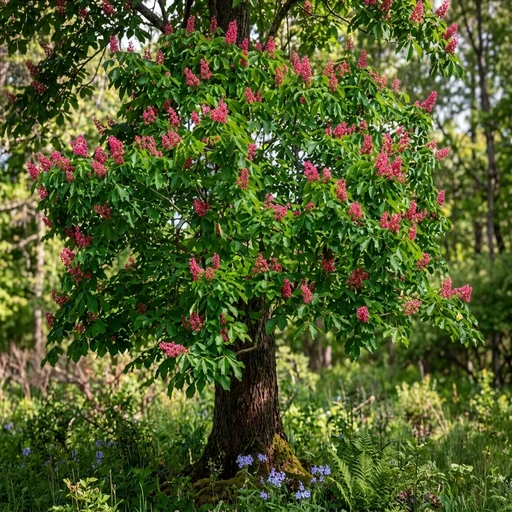
Fort McNair Red Horse Chestnut
Aesculus carnea 'Fort Mcnair'
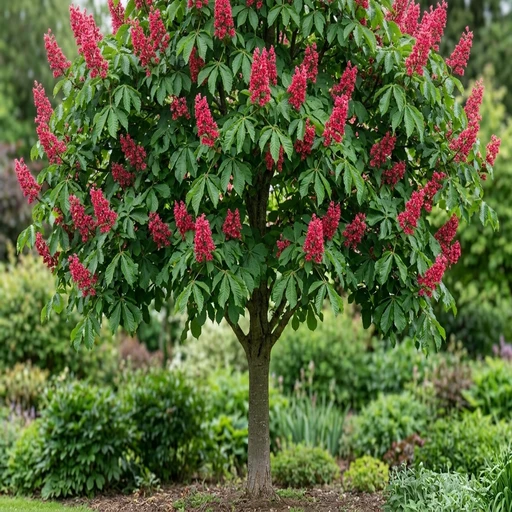
Briotii Red Horsechestnut
Aesculus carnea 'Briotii'
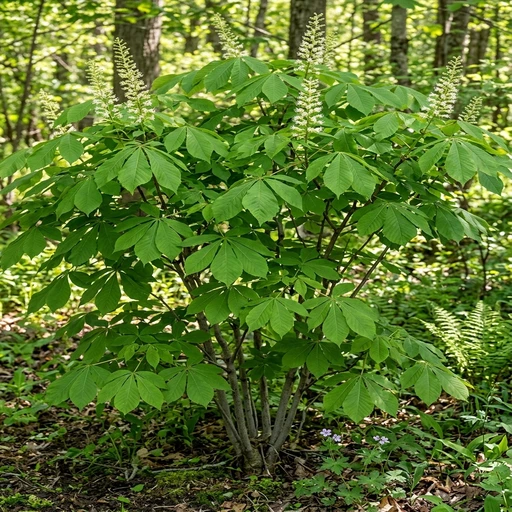
Bottlebrush Buckeye
Aesculus parviflora
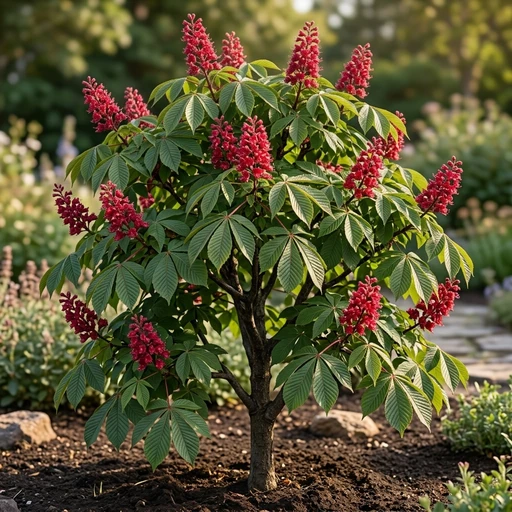
Red Buckeye
Aesculus pavia
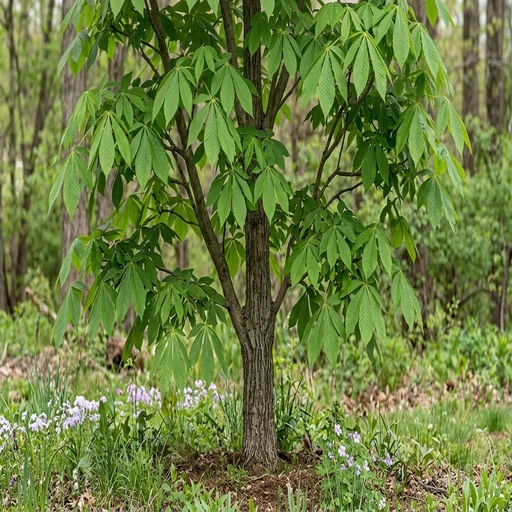
Early Glow Ohio Buckeye
Aesculus glabra 'Early Glow'
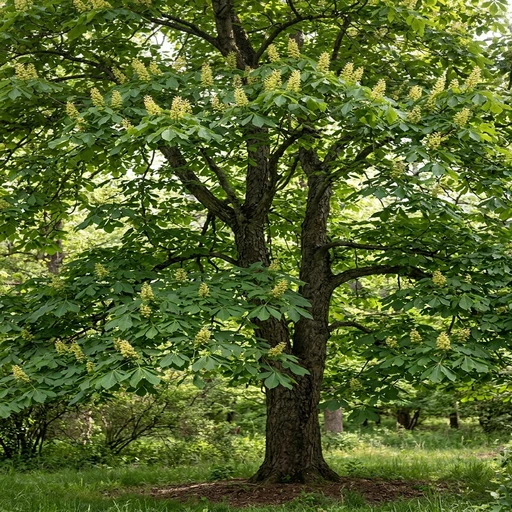
Yellow Buckeye
Aesculus flava
Keep exploring
Explore the genus
Hardy in your zone?
Grow Red Horsechestnut with confidence
See it in a design of your actual yard, get zone-matched care reminders, and track it season by season in your garden journal.