The Story
Plant Bio
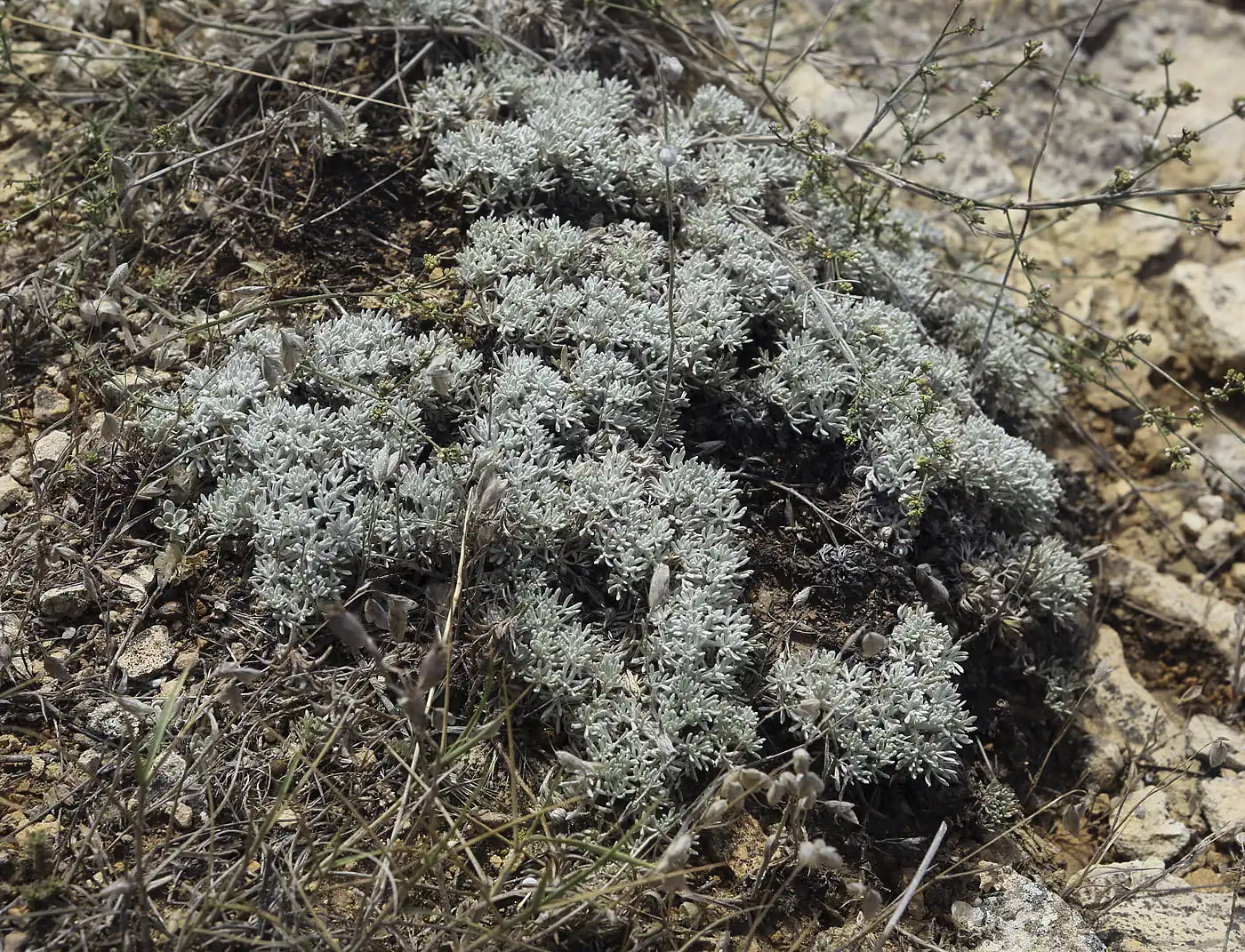
Artemisia alpina is a low mat-forming evergreen perennial in the daisy family, with finely divided foliage coated in silky silver hairs that reduce water loss. Like other wormwoods it is strongly aromatic and wind-pollinated, bearing small nodding heads without showy petals.
Still sold as Artemisia caucasica, this Caucasus form makes a tight prostrate mound 3 to 8 inches tall and up to 2 feet wide, with silvery-green heavily dissected leaves. In summer it lifts pale yellow panicles just above the foliage, and it holds its shape only in lean sharply drained soil with no fertilizer.
Uses & Benefits:
Essentials
At a Glance
Plant Type
Groundcover
Height
8"
Width
24"
Light
Full Sun, Partial Sun
Zones
4, 5, 6, 7
Water
Low
Humidity
Unknown
Lifespan
Perennial
Native To
Caucasus, Eurasia
Toxicity
Mildly toxic if ingested in quantity
Bloom period
Summer – Late summer
In flower about 3 months of the year
Planting
How to Grow
- Plant in full sun in lean, sharply drained sand to clay; set the crown at soil level and water in once.
- Space 18 to 24 inches apart to let the mats knit without burying crowns.
- Water only until rooted, then only in prolonged dry spells; established mats take drought.
- Give no fertilizer; rich soil makes soft growth that rots.
- Shear spent flower stems after bloom and cut back woody stems in spring to keep the mound tight.
Pro Tip
Withhold fertilizer and summer water; wet fertility rots the crown faster than cold ever will.
Keep It Thriving
Care Guide
Do
- Plant in full sun with sharp drainage
- Water deeply but infrequently only in long dry spells
- Shear flower stems after summer bloom to keep the mat tight
Don't
- Do not overwater or plant in wet heavy soil
- Do not fertilize or enrich with compost
- Do not mulch heavily over the crown
Seasonal Care Calendar
| Task | Jan | Feb | Mar | Apr | May | Jun | Jul | Aug | Sep | Oct | Nov | Dec |
|---|---|---|---|---|---|---|---|---|---|---|---|---|
| Fertilize | ||||||||||||
| Pest Check | ||||||||||||
| Plant | ||||||||||||
| Prune | ||||||||||||
| Spring Cleanup |
Watch Out For
Pests & Diseases
Common Pests
Common Diseases
In the Garden
Landscape Uses & Companions
Landscape Uses
Companion Plants
Multiply
Propagation Methods
Good to Know
Common Questions
Silver Spreader questions
What zones can Silver Spreader grow in?
Silver Spreader is hardy in USDA Zones 4–7: in that range it survives winter in the ground. Warmer than Zone 7, winter isn't the problem: it prefers colder winters, and summer heat can shorten its life.
When does Silver Spreader bloom?
Silver Spreader typically blooms in summer. Exact timing shifts a week or two with your zone — Sow's bloom calendar maps it to your garden.
Does Silver Spreader need full sun?
Silver Spreader does best in full sun to part shade. In hot climates, afternoon shade keeps blooms fresher longer.
Is Silver Spreader drought tolerant?
Yes — once established (usually after the first full season), Silver Spreader handles dry spells with minimal watering. Water deeply its first year to build the root system that makes that possible.
More Artemisia to compare
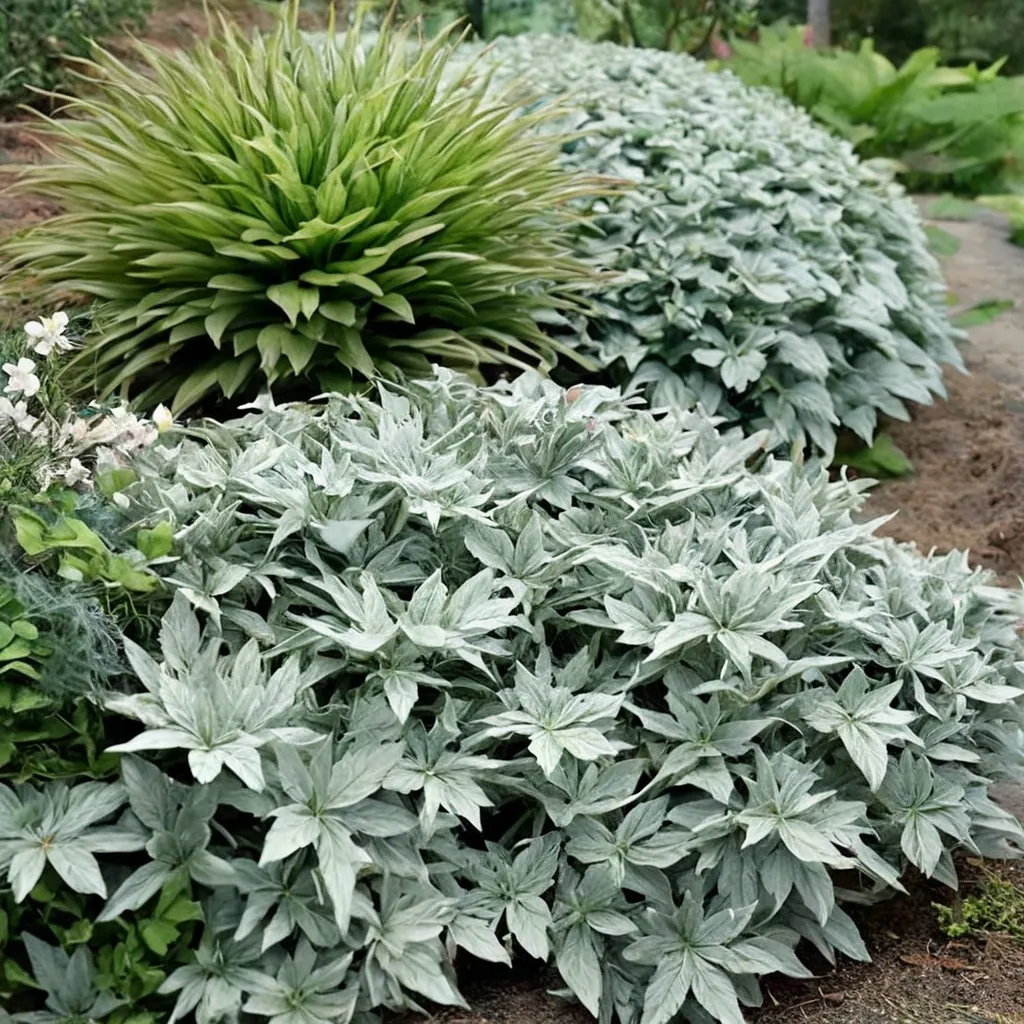
Artemisia Silver Lining
Artemisia x hybrida 'Silver Lining'
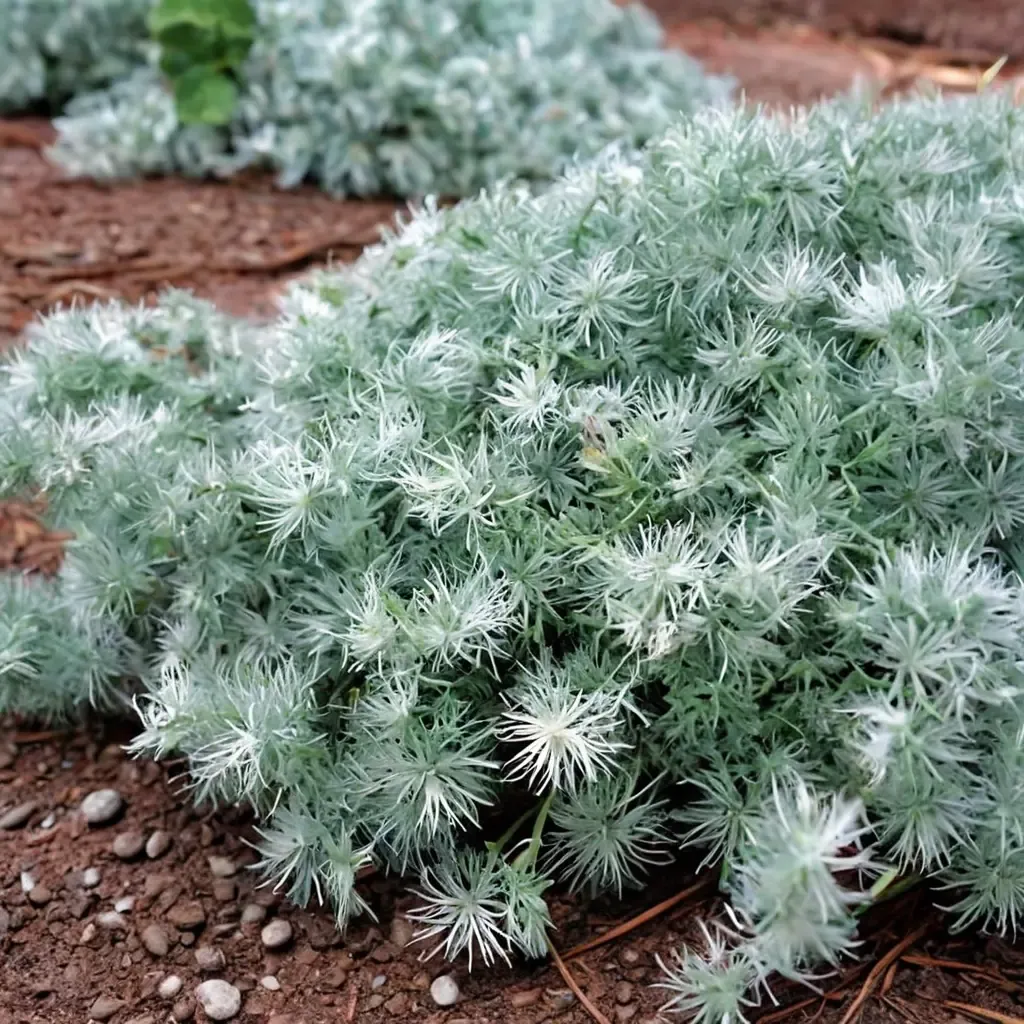
Silver Mound Wormwood
Artemisia schmidtiana 'Silver Mound'
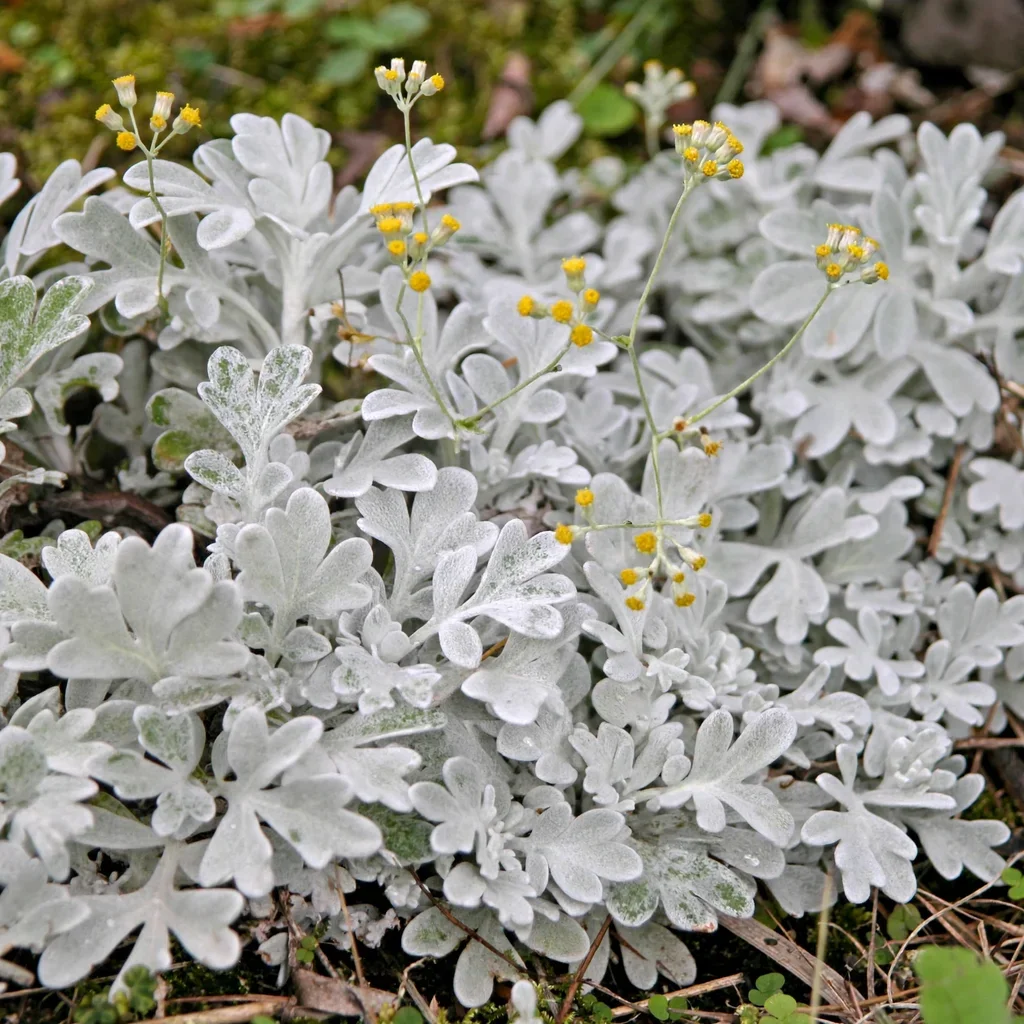
Silver Brocade Beach Wormwood
Artemisia stelleriana 'Silver Brocade'
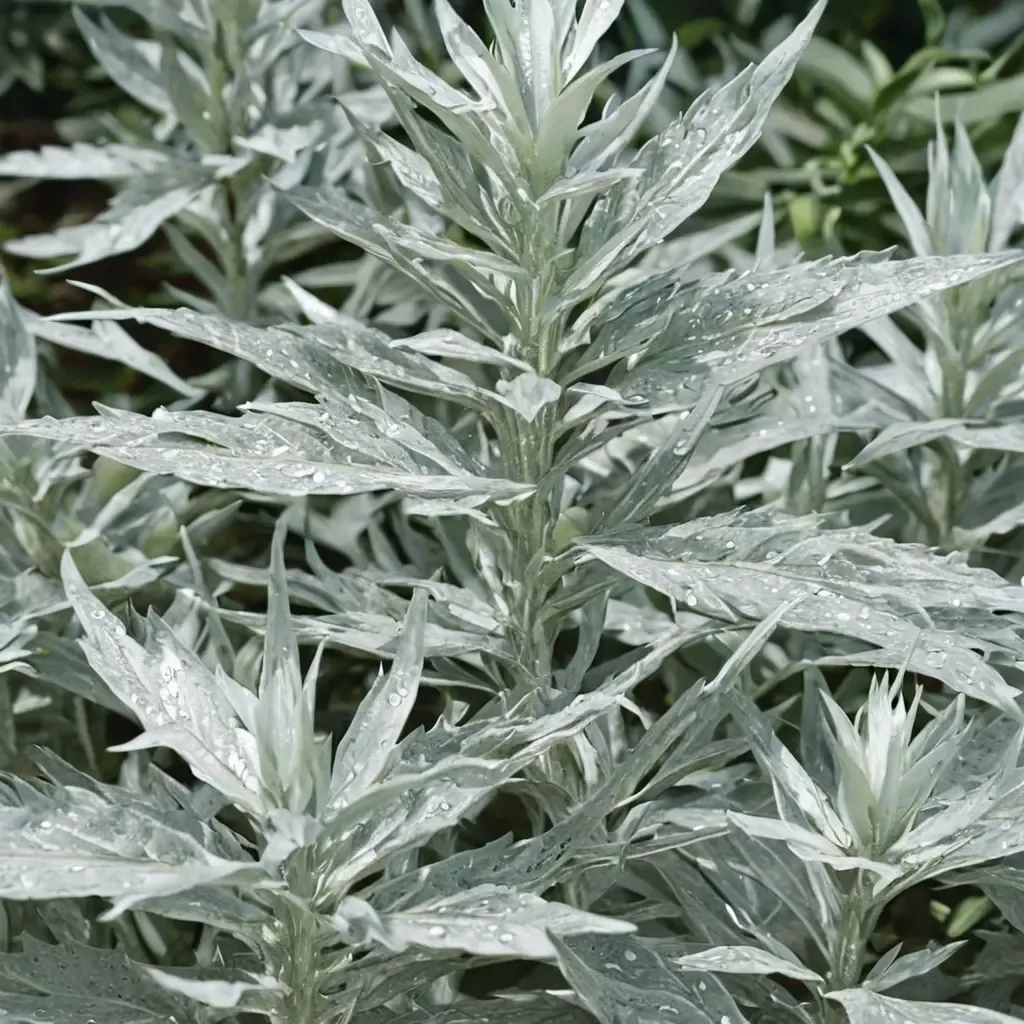
Silver King Artemisia
Artemisia ludoviciana 'Silver King'
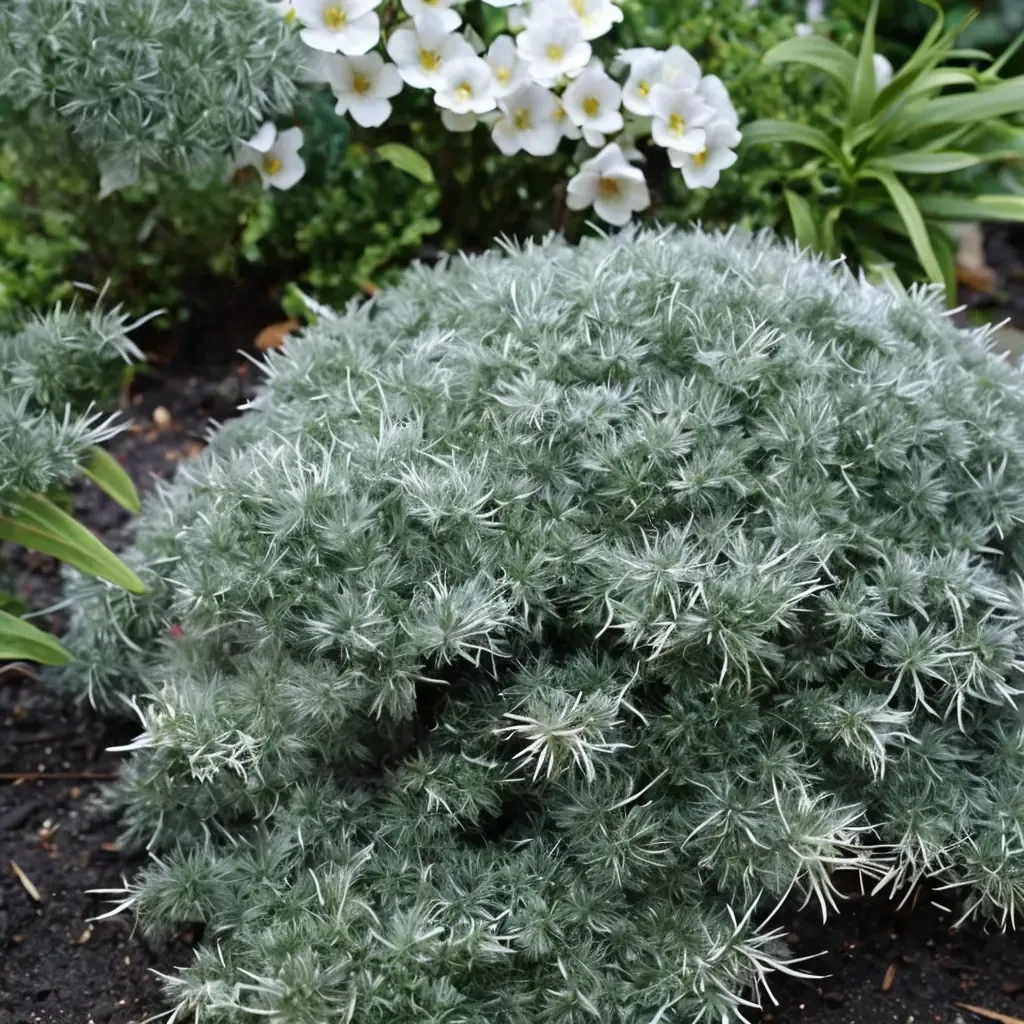
Silver Mound Artemisia
Artemisia schmidtiana 'Nana'
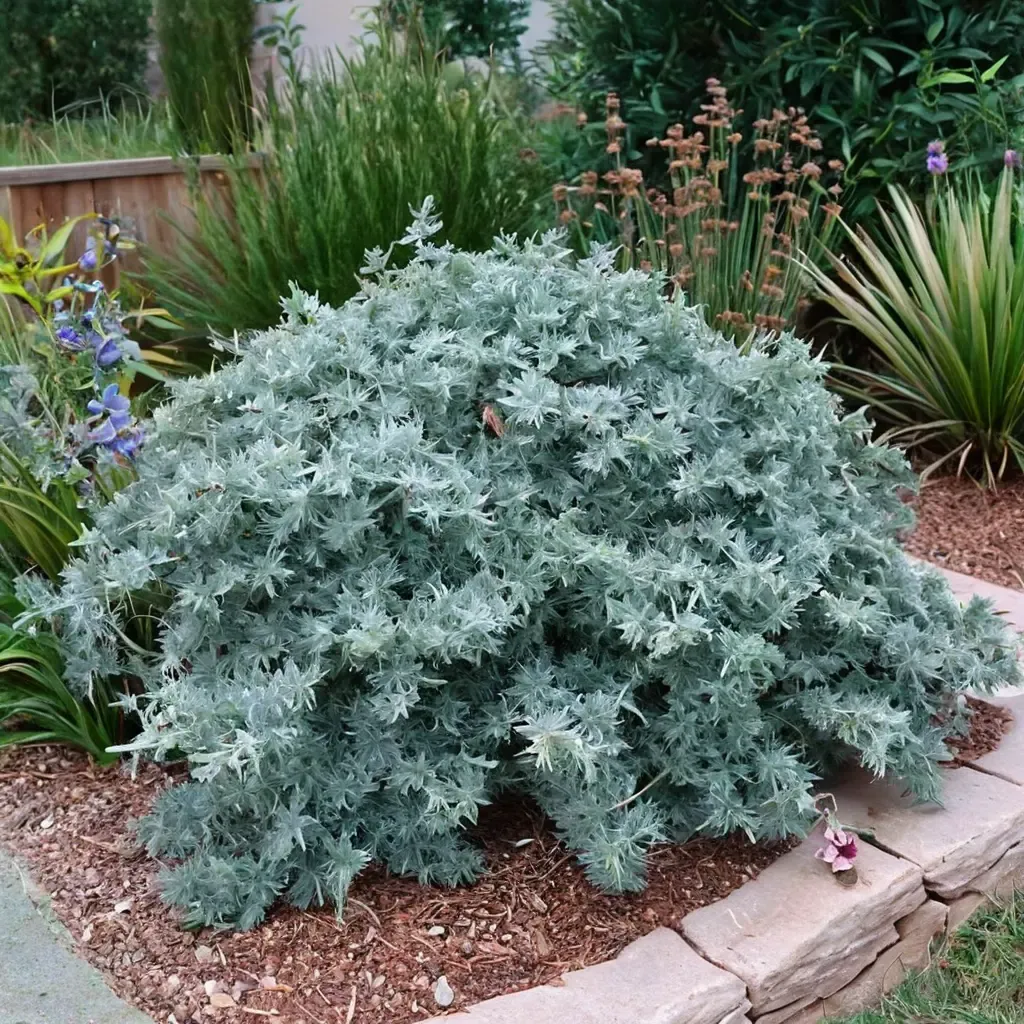
Powis Castle wormwood
Artemisia x hybrida 'Powis Castle'
Keep exploring
Explore the genus
Hardy in your zone?
Grow Silver Spreader with confidence
See it in a design of your actual yard, get zone-matched care reminders, and track it season by season in your garden journal.