The Story
Plant Bio
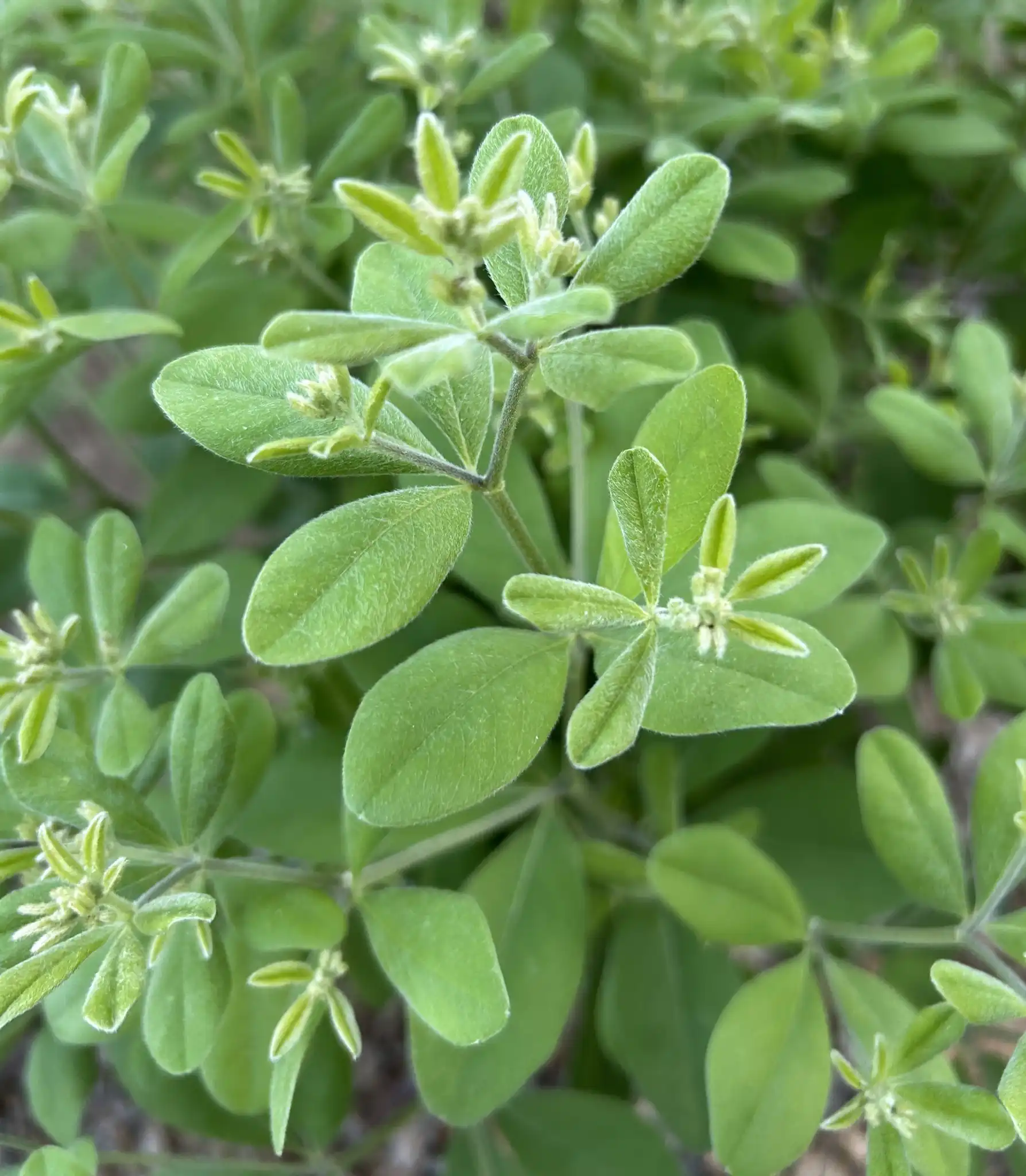
Baptisia nuttalliana is a long-lived taprooted herbaceous perennial forming a neat rounded shrub-like clump from a heavy woody crown. The alternate trifoliate leaves are olive- to blue-tinged green, and the soft primrose-yellow pea flowers give way to inflated legume pods.
Unlike most wild indigos that carry showy terminal racemes, this species bears most of its flowers singly in the leaf axils along bushy-branched stems. It holds at two to three feet tall and about as wide, and persists for decades in dry sandy sun if left undisturbed.
Uses & Benefits:
Essentials
At a Glance
Plant Type
Perennial
Height
36"
Width
30"
Light
Full Sun, Partial Sun
Zones
5, 6, 7, 8, 9
Water
Low
Humidity
Unknown
Lifespan
Long-lived perennial
Native To
South-central USA: AR, LA, MS, OK, TX
Toxicity
Toxic if ingested
Bloom period
Spring – Early summer
In flower about 4 months of the year
Planting
How to Grow
- Choose a full sun to part shade spot with sandy to sandy-loam soil that drains fast.
- Dig a deep hole, set the young plant so the crown sits at soil level, and backfill without amending heavily.
- Water in once to settle soil, then water sparingly through the first summer only.
- Leave the clump in place; do not move or divide once the taproot is established.
Pro Tip
Plant it once in dry sandy sun and leave it alone; the taproot resents moving and extra water shortens its life.
Keep It Thriving
Care Guide
Do
- Leave the crown undisturbed year after year.
- Grow in lean, well-drained sandy soil in sun.
- Cut dead stems to the base after dormancy.
Don't
- Do not divide or transplant an established clump.
- Do not overwater or fertilize heavily.
- Do not cut back green growth during the growing season.
Seasonal Care Calendar
| Task | Jan | Feb | Mar | Apr | May | Jun | Jul | Aug | Sep | Oct | Nov | Dec |
|---|---|---|---|---|---|---|---|---|---|---|---|---|
| Pest Check | ||||||||||||
| Plant | ||||||||||||
| Prune | ||||||||||||
| Spring Cleanup |
Watch Out For
Pests & Diseases
Common Pests
Common Diseases
In the Garden
Landscape Uses & Companions
Landscape Uses
Multiply
Propagation Methods
Good to Know
Common Questions
Nuttall's Wild Indigo questions
What zones can Nuttall's Wild Indigo grow in?
Nuttall's Wild Indigo is hardy in USDA Zones 5–9: in that range it survives winter in the ground. Colder than Zone 5, grow it in a container you can move to shelter for the winter, or as an annual. Warmer than Zone 9, winter isn't the problem: it prefers colder winters, and summer heat can shorten its life.
When does Nuttall's Wild Indigo bloom?
Nuttall's Wild Indigo typically blooms from early spring to early summer. Exact timing shifts a week or two with your zone — Sow's bloom calendar maps it to your garden.
Does Nuttall's Wild Indigo need full sun?
Nuttall's Wild Indigo does best in full sun to part shade. In hot climates, afternoon shade keeps blooms fresher longer.
Is Nuttall's Wild Indigo drought tolerant?
Yes — once established (usually after the first full season), Nuttall's Wild Indigo handles dry spells with minimal watering. Water deeply its first year to build the root system that makes that possible.
More Baptisia to compare
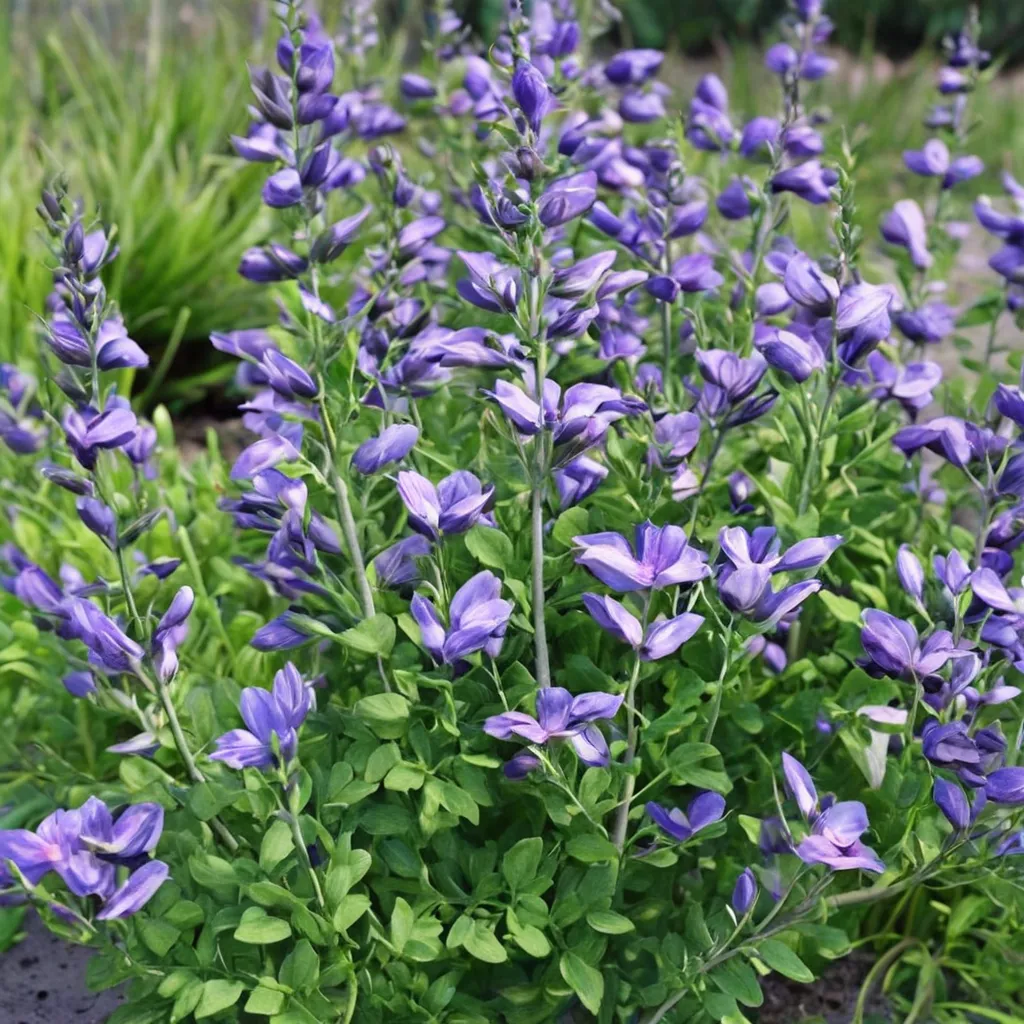
Dwarf Wild Indigo
Baptisia minor
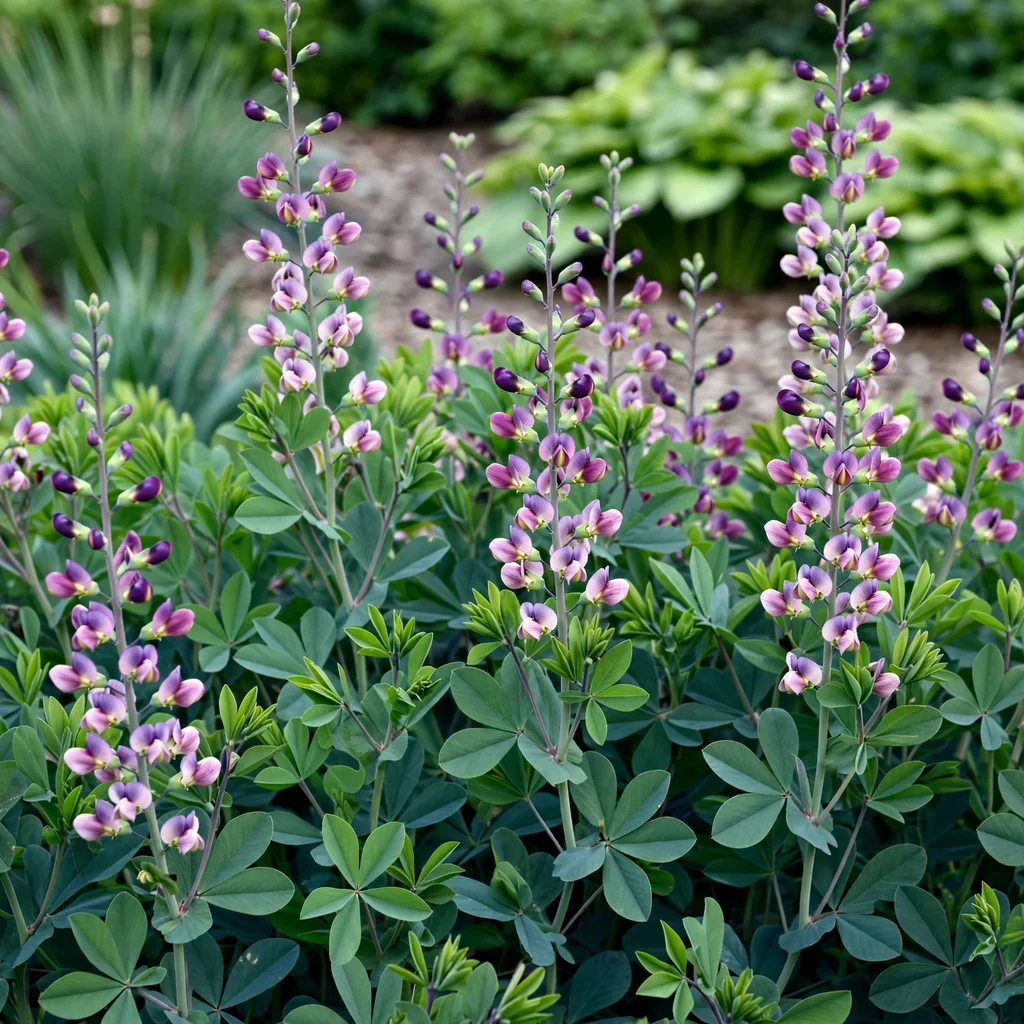
Plum Rosy False Indigo
Baptisia x hybrida 'Plum Rosy'
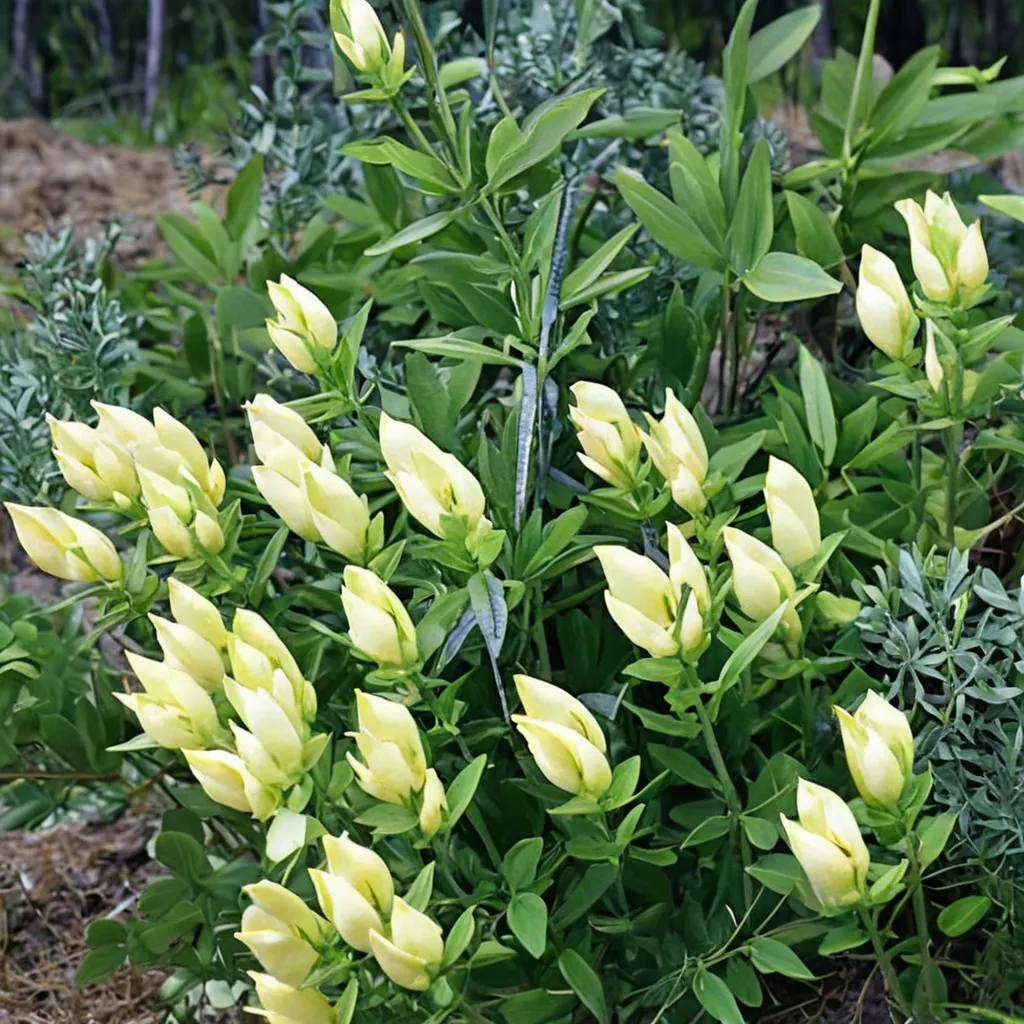
Little Texas False Indigo
Baptisia leucophaea 'Little Texas'
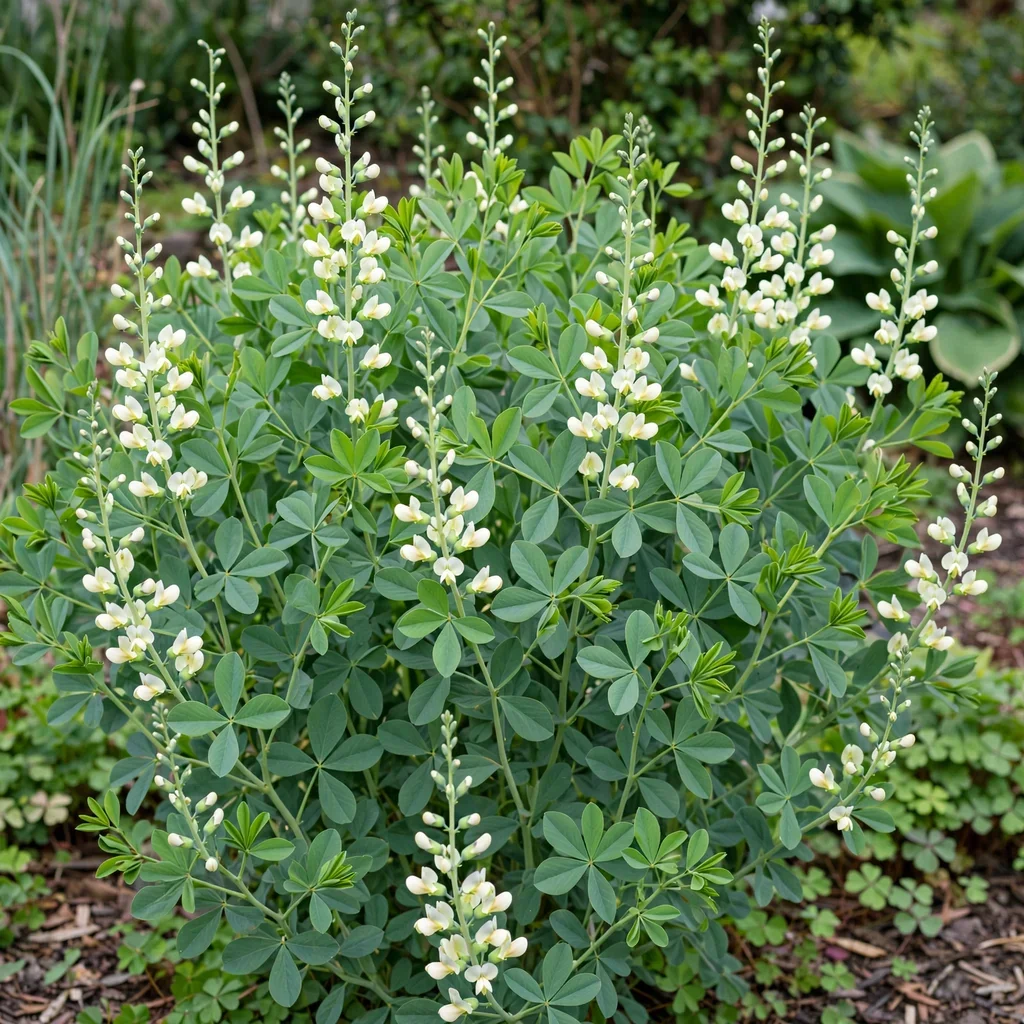
A1T-011 Cream Wild Indigo
Baptisia leucophaea 'A1T-011'
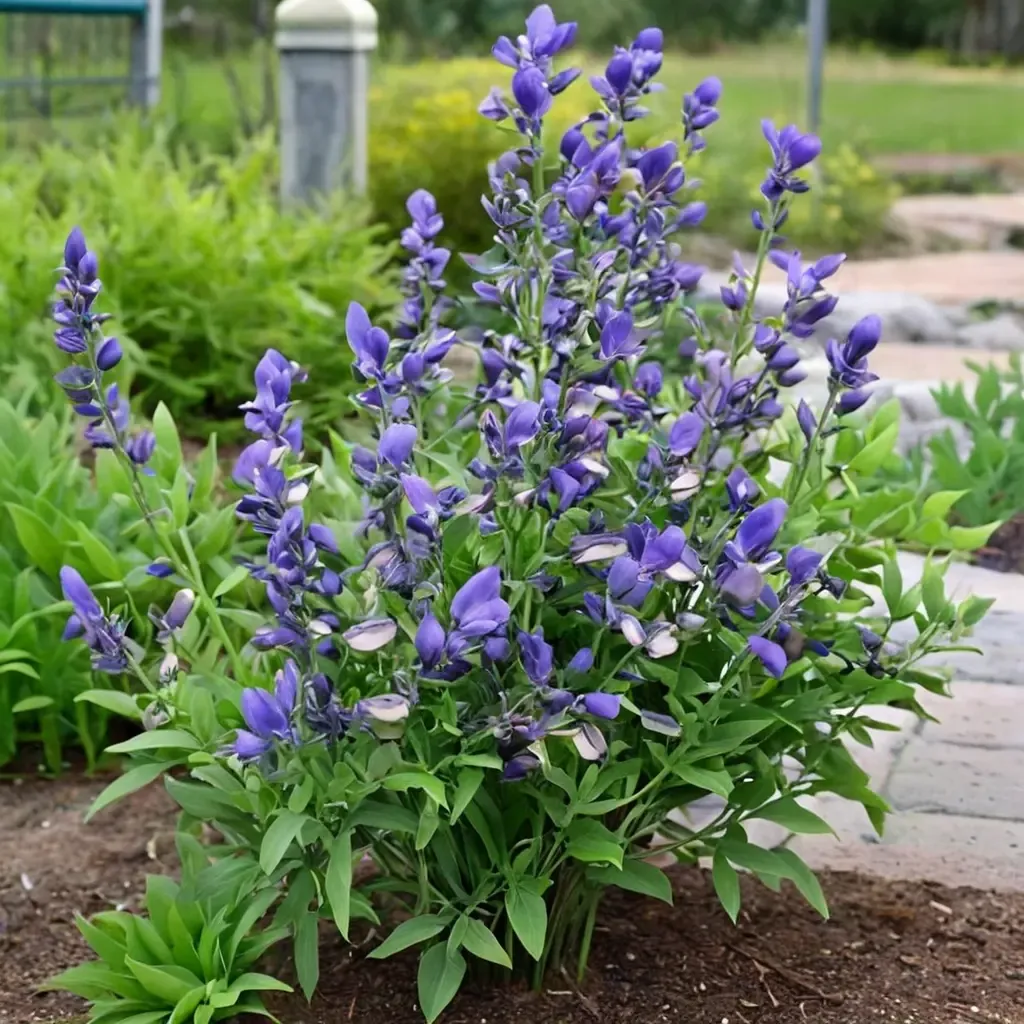
Blue Wild Indigo
Baptisia australis
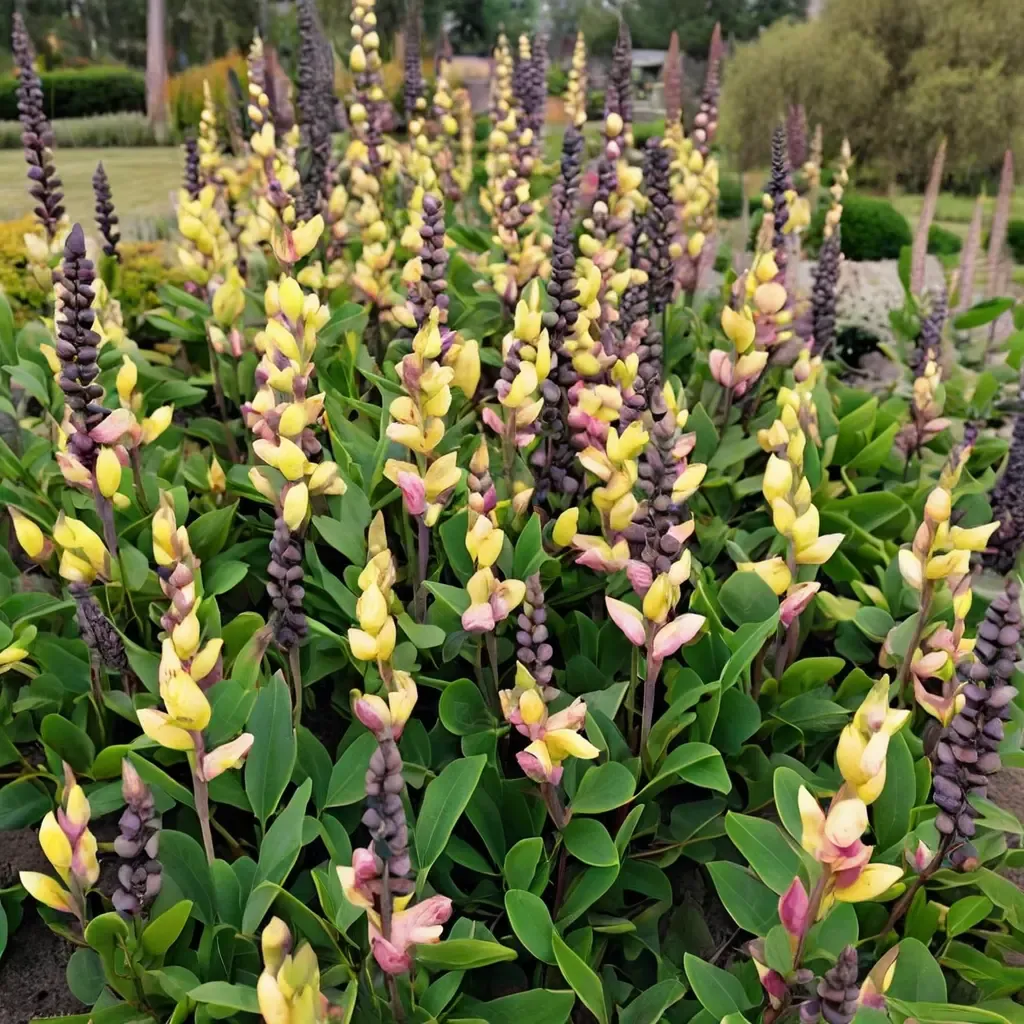
Pink Lemonade False Indigo
Baptisia australis 'Pink Lemonade'
Keep exploring
Explore the genus
Hardy in your zone?
Grow Nuttall's Wild Indigo with confidence
See it in a design of your actual yard, get zone-matched care reminders, and track it season by season in your garden journal.