The Story
Plant Bio
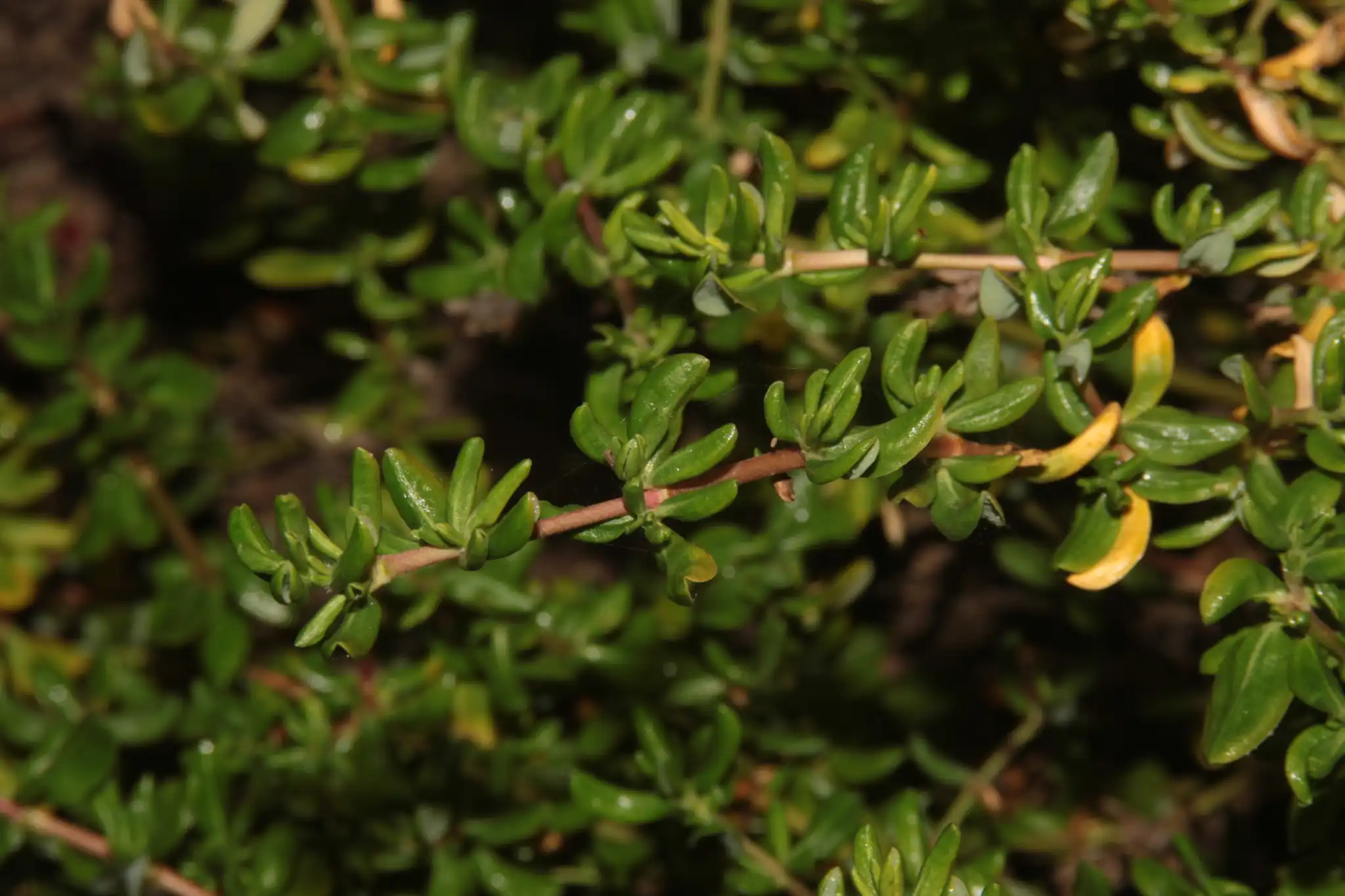
Frankenia salina is an evergreen, creeping subshrub native to saline coastal marshes and interior alkali flats of western North America and central Chile. It spreads through underground rhizomes to form dense, low-growing mats of fine reddish stems and small, fleshy green leaves.
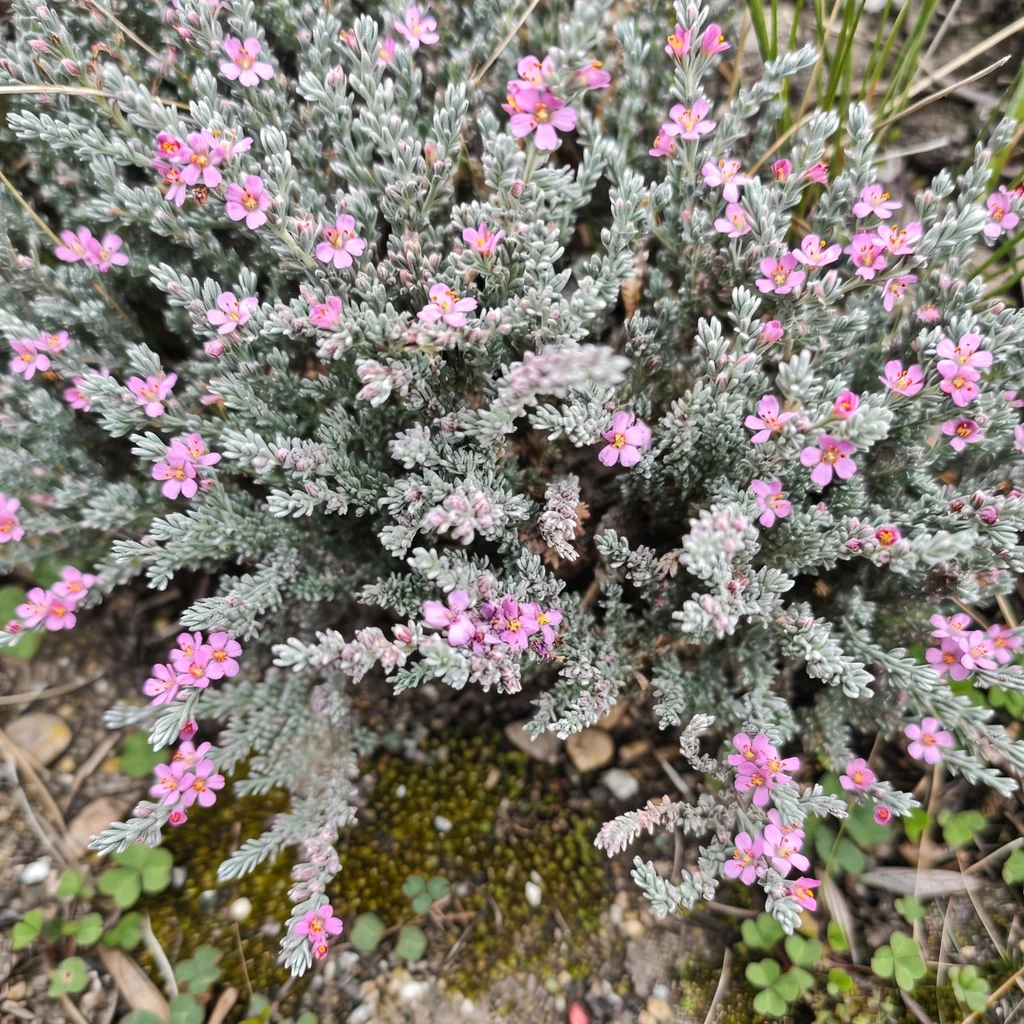
Specialized salt glands on the leaves excrete excess minerals, often leaving a visible dusting of white salt crystals across the foliage. Pink to magenta five-petalled flowers bloom individually from the leaf axils from spring through late summer.
Uses & Benefits:
Essentials
At a Glance
Plant Type
Groundcover
Height
24"
Width
48"
Light
Full Sun, Partial Sun
Zones
7, 8, 9, 10
Water
Low to Moderate
Humidity
Coastal / Arid Saline
Lifespan
Perennial
Native To
North America, South America
Toxicity
Non-toxic
Bloom period
Spring – Autumn
In flower about 9 months of the year
Planting
How to Grow
- Select a site in full sun or light partial shade with clay, sand, or saline soil.
- Plant container stock or plugs at the same soil level as they were in nursery pots.
- Water regularly during the first growing season to establish the rhizome system.
- Reduce irrigation once established, allowing the soil surface to dry between waterings.
Pro Tip
Grow in saline, alkaline, or poor mineral soils, as over-pampering with rich amendments and constant fresh water causes the plant to become floppy and succumb to aggressive weeds.
Keep It Thriving
Care Guide
Do
- Provide full sun to maximize flower production and keep growth tight.
- Allow soil to dry out seasonally once plants are established.
- Trim lightly in early spring to maintain neat carpet margins.
Don't
- Do not prune heavily into old, leafless woody stem bases.
- Do not heavily fertilize or over-amend soil with rich organic matter.
- Do not overwater with fresh water in poorly draining, non-saline conditions.
Seasonal Care Calendar
| Task | Jan | Feb | Mar | Apr | May | Jun | Jul | Aug | Sep | Oct | Nov | Dec |
|---|---|---|---|---|---|---|---|---|---|---|---|---|
| Fertilize | ||||||||||||
| Pest Check | ||||||||||||
| Propagate | ||||||||||||
| Prune |
Watch Out For
Pests & Diseases
Common Pests
Common Diseases
In the Garden
Landscape Uses & Companions
Landscape Uses
Multiply
Propagation Methods
Good to Know
Common Questions
Alkali Heath questions
What zones can Alkali Heath grow in?
Alkali Heath is hardy in USDA Zones 7–10: in that range it survives winter in the ground. Colder than Zone 7, grow it in a container you can move to shelter for the winter, or as an annual.
When does Alkali Heath bloom?
Alkali Heath typically blooms from spring to fall. Exact timing shifts a week or two with your zone — Sow's bloom calendar maps it to your garden.
Does Alkali Heath need full sun?
Alkali Heath does best in full sun to part shade. In hot climates, afternoon shade keeps blooms fresher longer.
Is Alkali Heath drought tolerant?
Yes — once established (usually after the first full season), Alkali Heath handles dry spells with minimal watering. Water deeply its first year to build the root system that makes that possible.
More Frankenia to compare
Keep exploring
Explore the genus
Hardy in your zone?
Grow Alkali Heath with confidence
See it in a design of your actual yard, get zone-matched care reminders, and track it season by season in your garden journal.