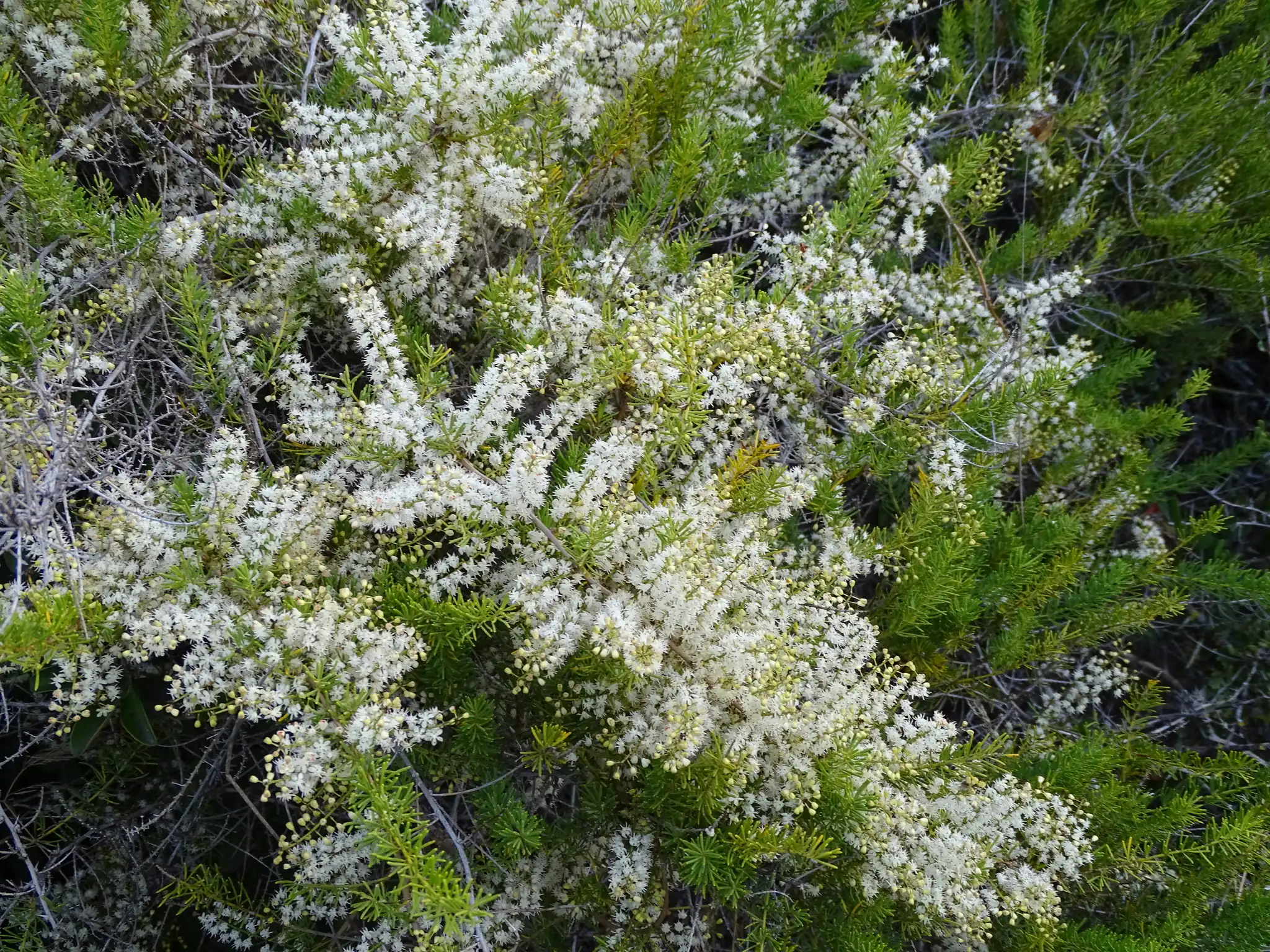
2 named cultivars

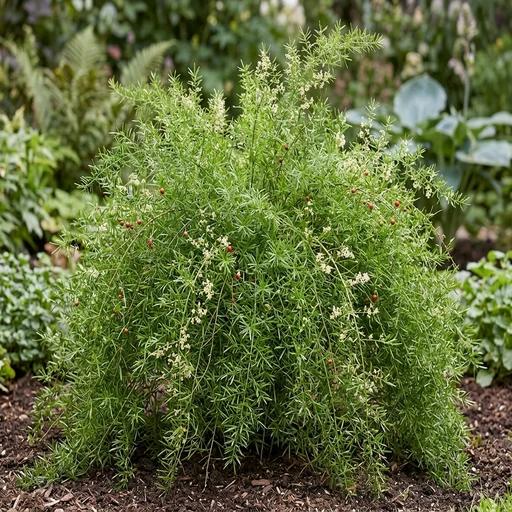
The Story
Plant Bio
A sprawling, evergreen perennial with arching stems of fine, needle-like foliage (cladodes), often grown as a houseplant or annual. It is not a true fern but belongs to the lily family.
This plant is prized for its tough nature and graceful, feathery texture, which makes it an excellent 'spiller' in container arrangements and hanging baskets. It produces small, fragrant white flowers followed by attractive but toxic red berries.
Uses & Benefits:
Essentials
At a Glance
Plant Type
Perennial
Height
24"
Width
48"
Light
Full Sun, Partial Sun
Zones
9, 10
Water
Low to moderate
Humidity
Moderate to high
Lifespan
Long-lived perennial
Native To
South Africa
Toxicity
Berries are toxic if ingested; sap may cause skin irritation
Marketplace
Where to Buy
Shipping costs Year-round shipping Free shipping
Planting
How to Grow
- Select a location with bright, indirect light or morning sun.
- Use a well-draining potting mix.
- Plant at the same depth it was in its nursery pot.
- Water thoroughly after planting.
- Allow the top inch of soil to dry out between waterings.
- Feed regularly during the spring and summer.
Pro Tip
To rejuvenate an old, pot-bound plant, remove it from its container and use a sharp knife to slice off the bottom third of the root ball before repotting.
Keep It Thriving
Care Guide
Do
- Provide bright, indirect light for best performance.
- Prune out any yellowed stems to encourage new growth.
- Repot every 1-2 years as it grows quickly.
- Keep away from children and pets due to toxic berries.
- Mist occasionally if grown indoors to increase humidity.
Don't
- Do not overwater, as the tuberous roots can rot.
- Avoid placing in deep shade, which leads to sparse growth.
- Don't expose to direct, hot afternoon sun which can scorch the foliage.
- Do not let it freeze.
- Avoid planting it outdoors in regions where it is considered invasive (e.g., Florida, California).
Seasonal Care Calendar
| Task | Jan | Feb | Mar | Apr | May | Jun | Jul | Aug | Sep | Oct | Nov | Dec |
|---|---|---|---|---|---|---|---|---|---|---|---|---|
| Fertilize | ||||||||||||
| Plant | ||||||||||||
| Prune | ||||||||||||
| Winter Prep |
Watch Out For
Pests & Diseases
Common Pests
Common Diseases
In the Garden
Landscape Uses & Companions
Landscape Uses
Companion Plants
Multiply
Propagation Methods
Good to Know
Common Questions
Sprenger's Asparagus Fern questions
What zones can Sprenger's Asparagus Fern grow in?
Sprenger's Asparagus Fern is hardy in USDA Zones 9–10. Inside that range it survives winter in the ground; outside it, grow it as an annual or a container plant you protect.
Is Sprenger's Asparagus Fern deer resistant?
Yes — Sprenger's Asparagus Fern is rated deer-resistant. Deer typically pass it over, though extreme hunger can override any plant's defenses.
When does Sprenger's Asparagus Fern bloom?
Sprenger's Asparagus Fern typically blooms in late spring through early summer. Exact timing shifts a week or two with your zone — Sow's bloom calendar maps it to your garden.
Does Sprenger's Asparagus Fern need full sun?
Sprenger's Asparagus Fern does best in full sun to part shade. In hot climates, afternoon shade keeps blooms fresher longer.
Is Sprenger's Asparagus Fern drought tolerant?
Yes — once established (usually after the first full season), Sprenger's Asparagus Fern handles dry spells with minimal watering. Water deeply its first year to build the root system that makes that possible.
More Asparagus to compare
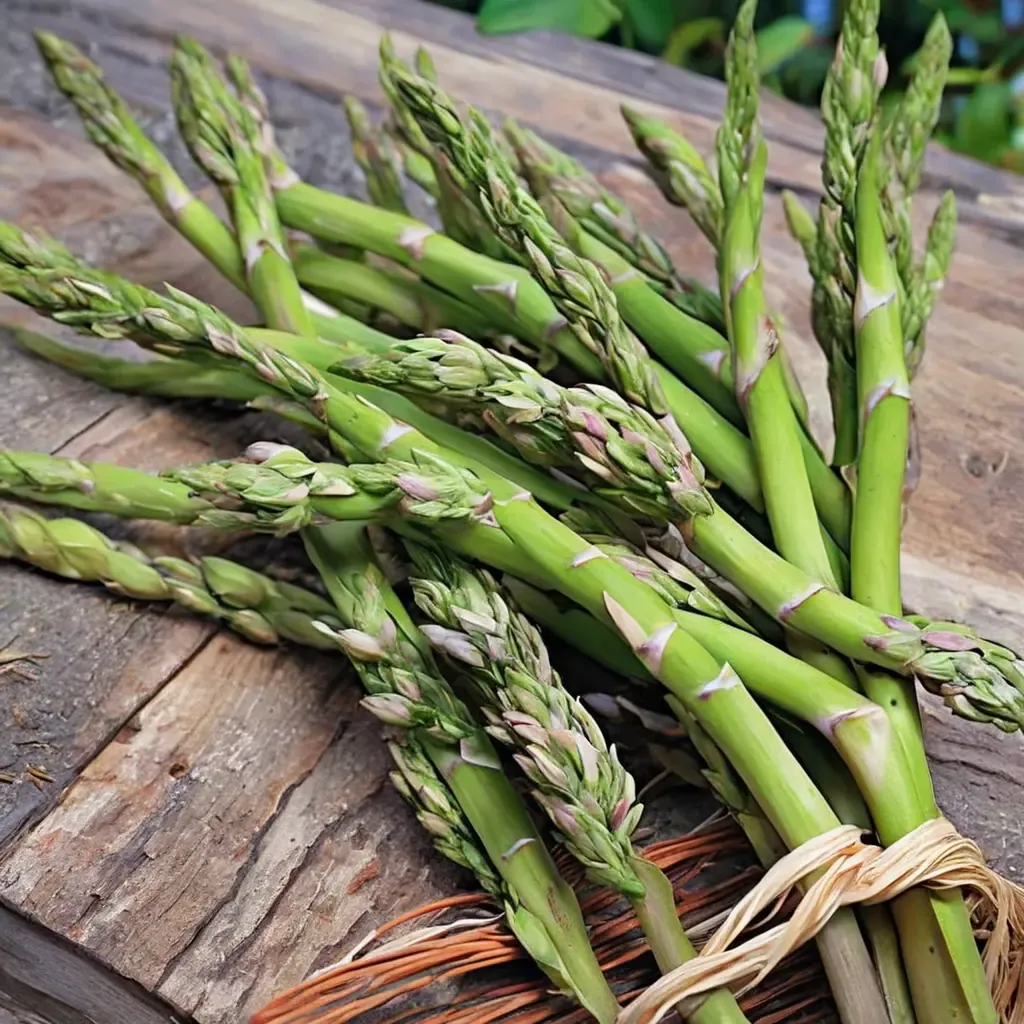
Jersey Supreme Asparagus
Asparagus officinalis 'Jersey Supreme'
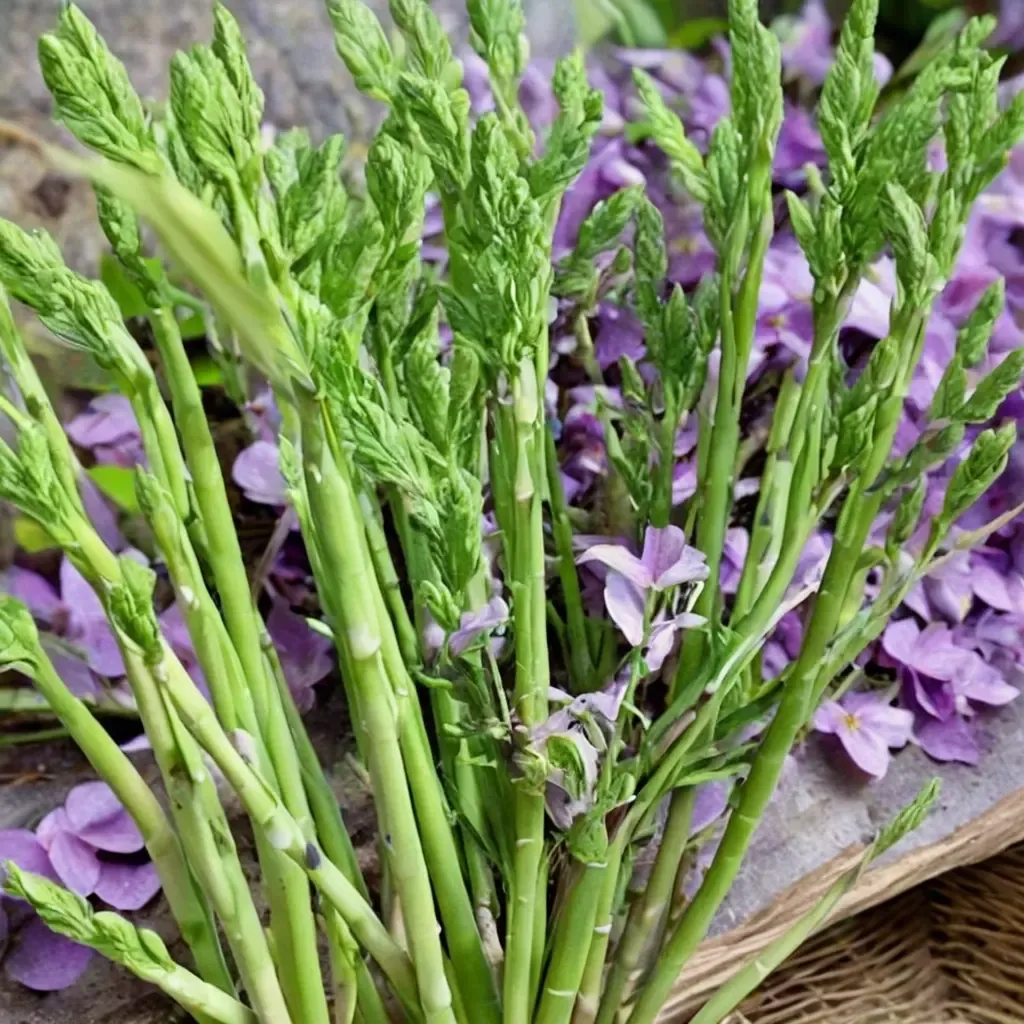
Mary Washington Asparagus
Asparagus officinalis 'Mary Washington'
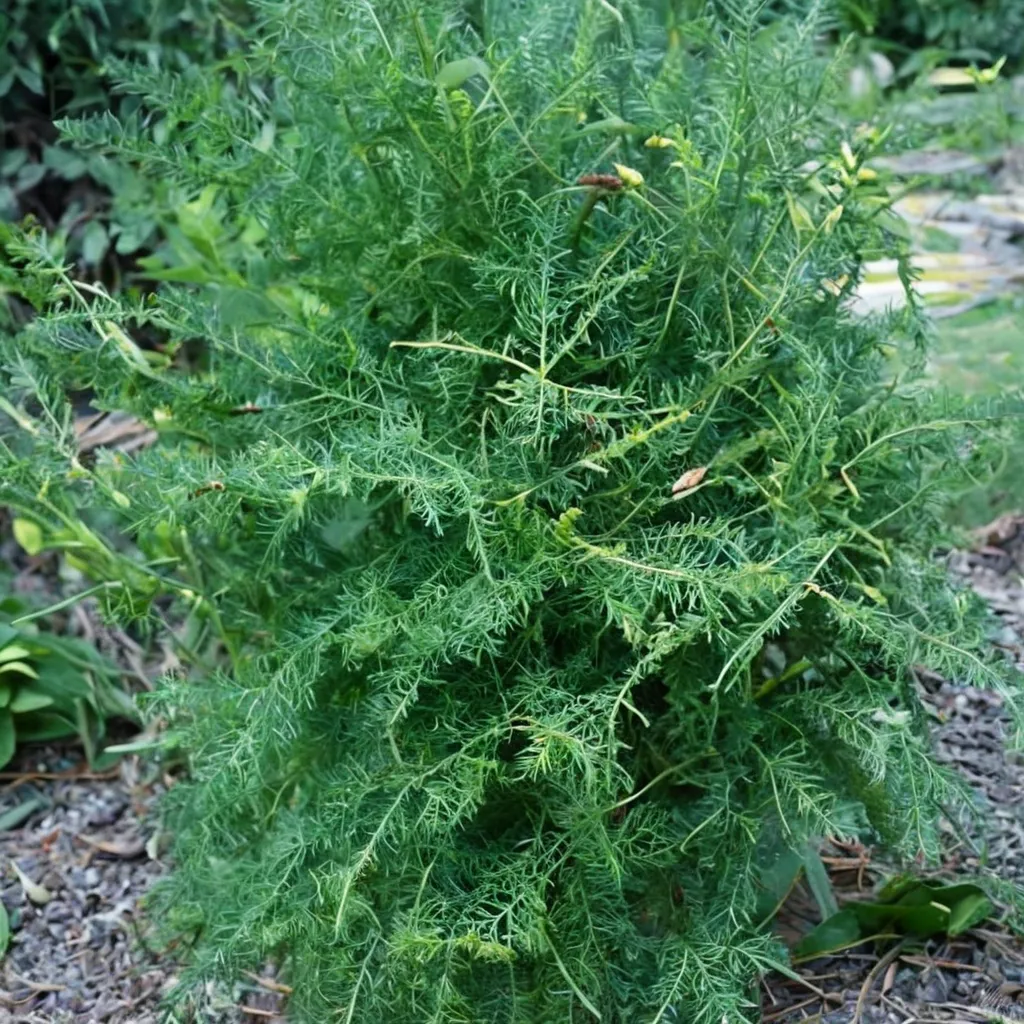
Chinese Asparagus 'Chuwang'
Asparagus cochinchinensis 'Chuwang'
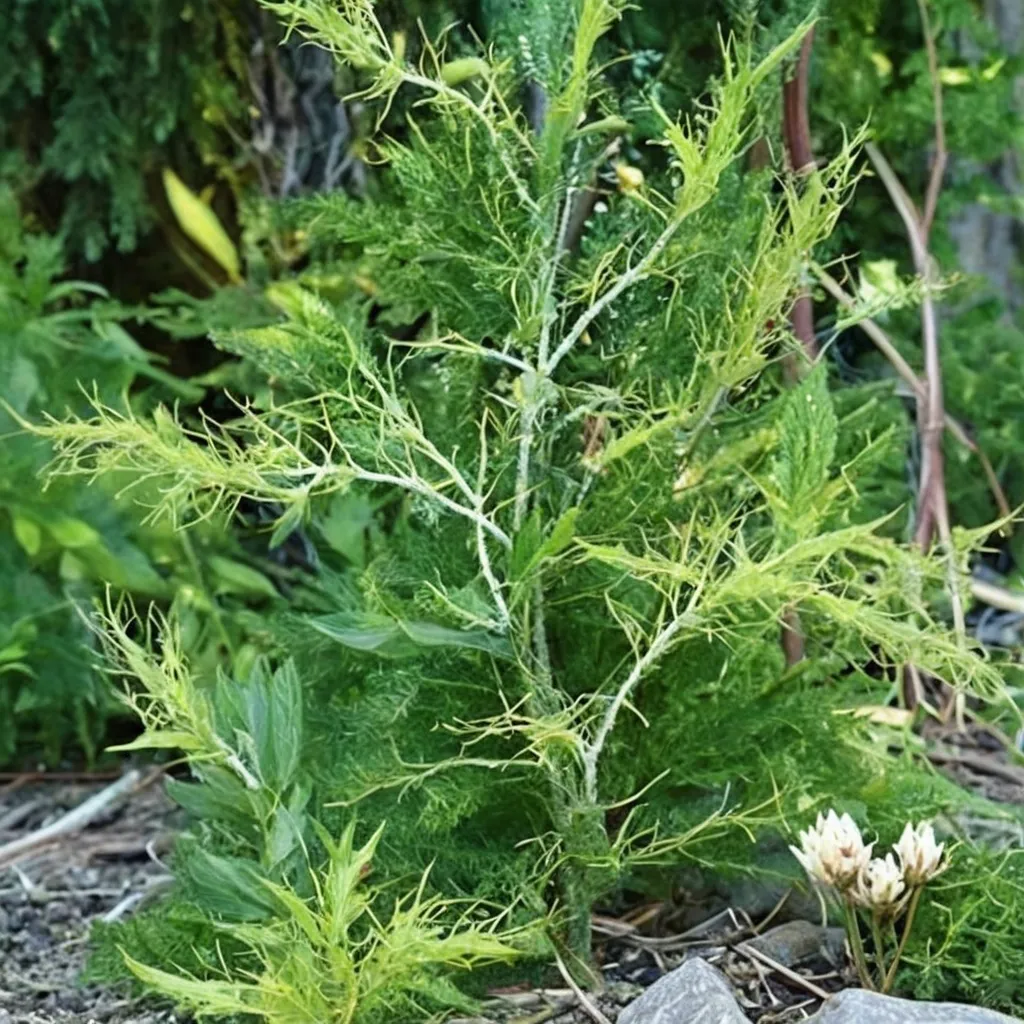
Asparagus officinalis Pseudoscaber
Asparagus officinalis 'pseudoscaber'
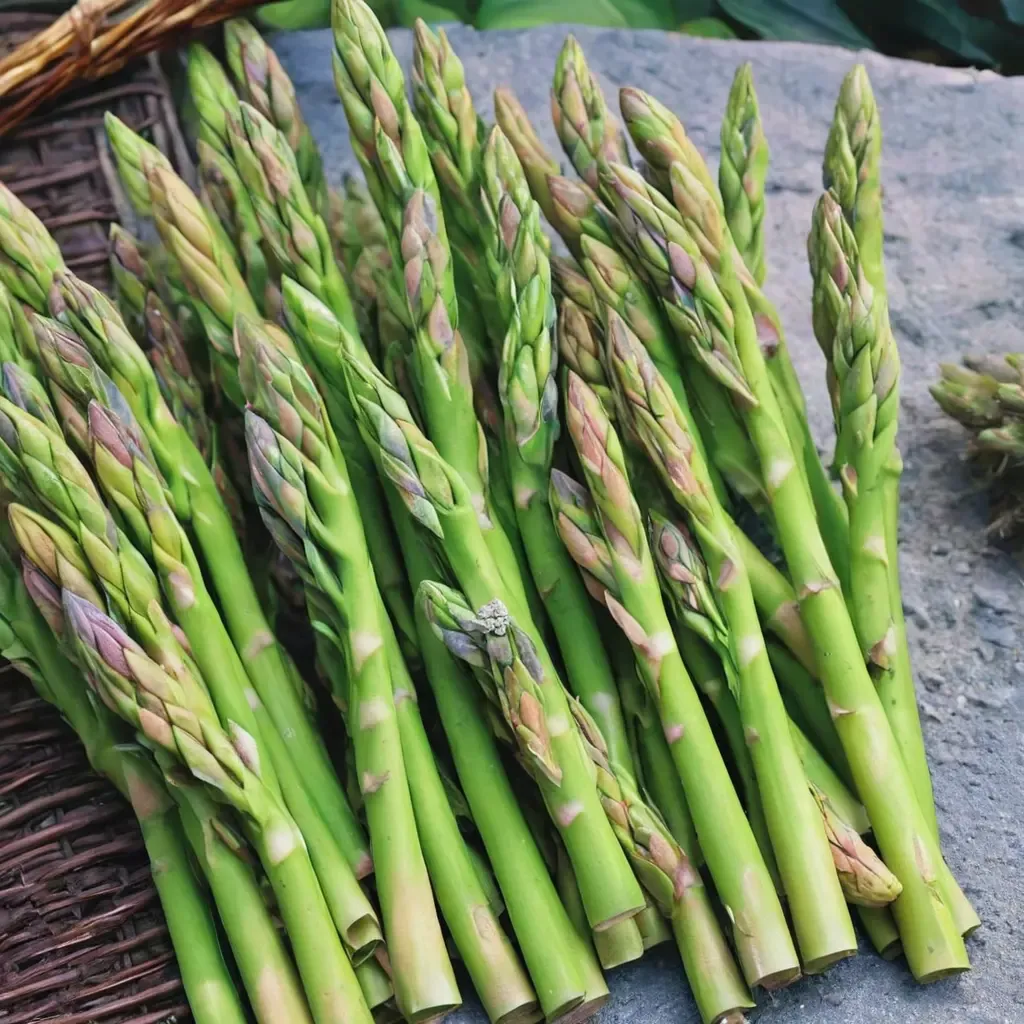
Jersey Knight Asparagus
Asparagus officinalis 'Jersey Knight'
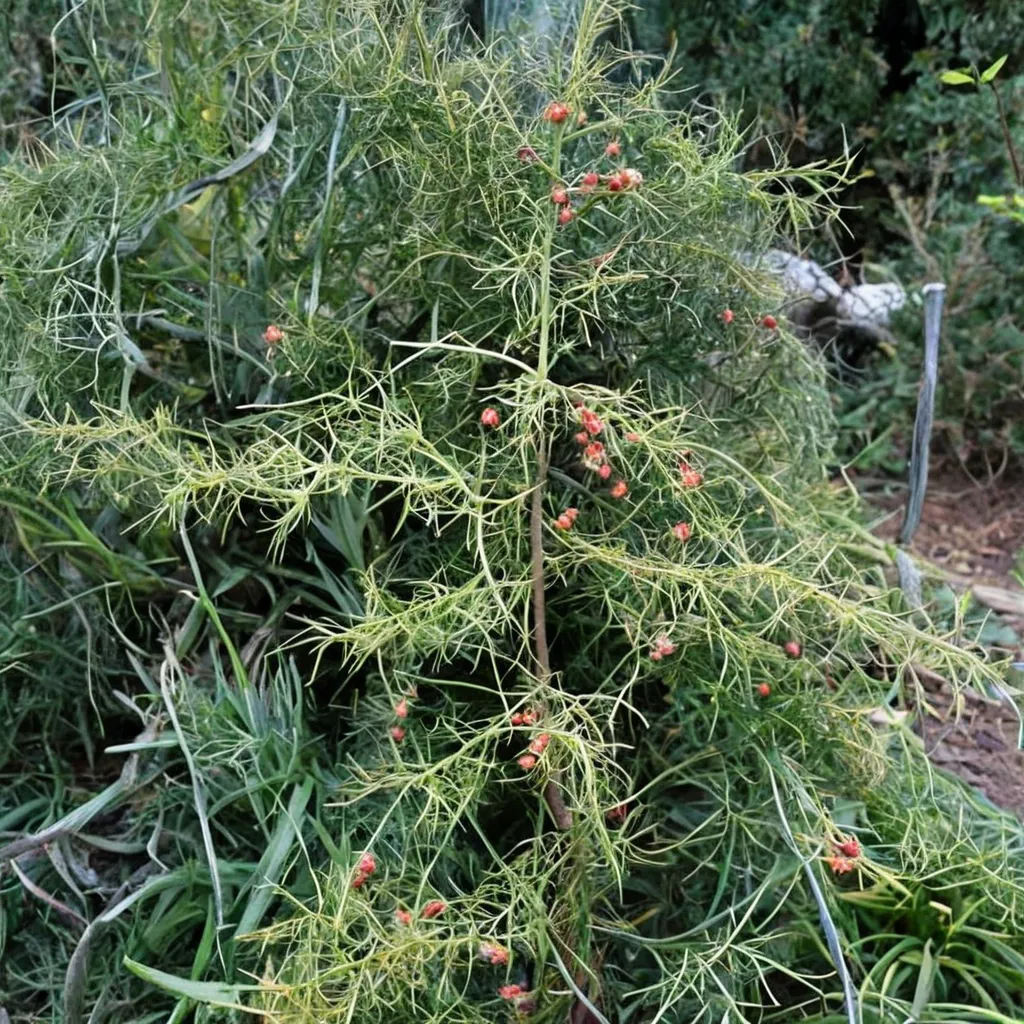
Climbing Asparagus Fern
Asparagus verticillatus
Keep exploring
Explore the genus
Hardy in your zone?
Grow Sprenger's Asparagus Fern with confidence
See it in a design of your actual yard, get zone-matched care reminders, and track it season by season in your garden journal.