The Story
Plant Bio
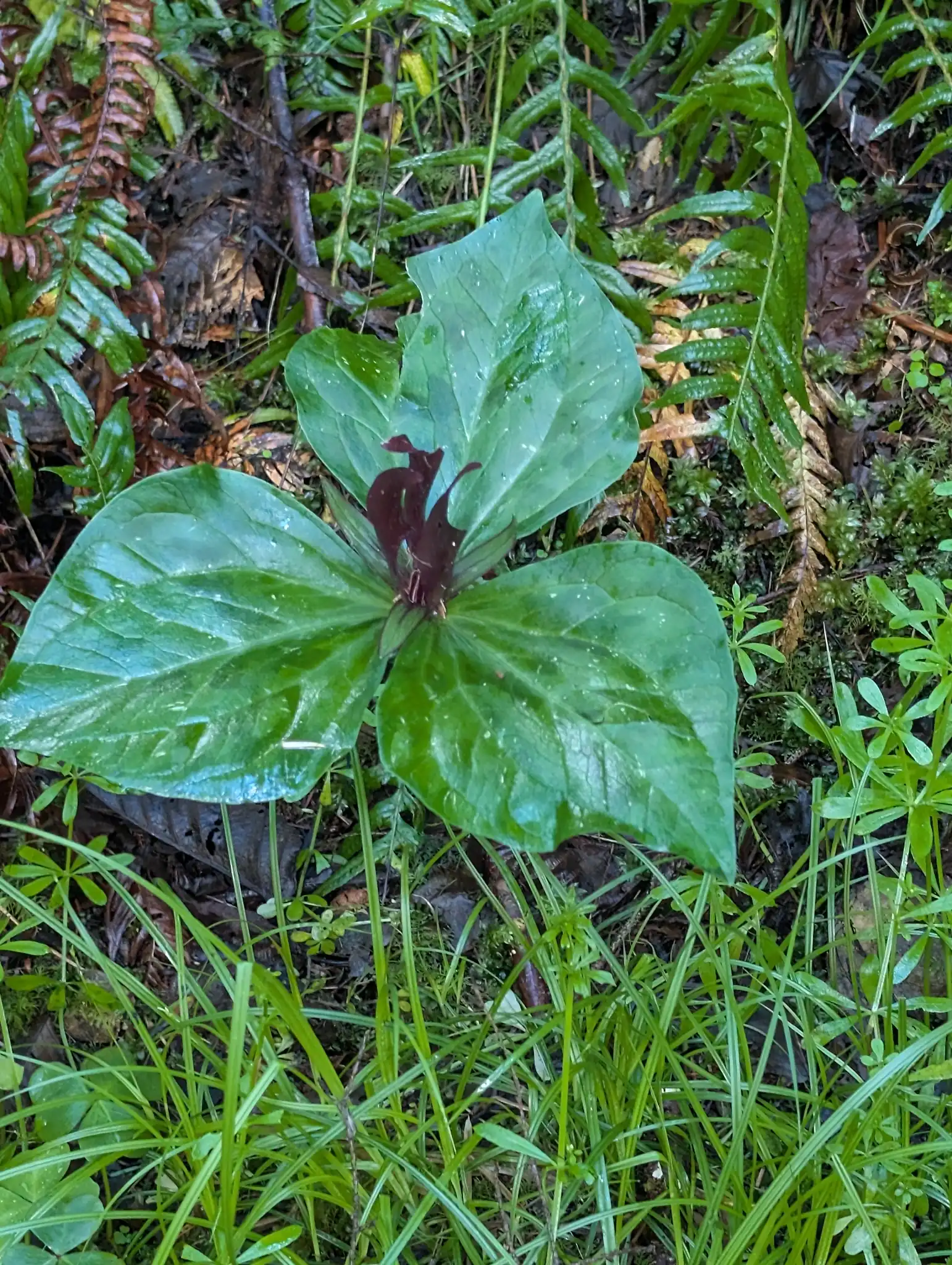
Trillium kurabayashii, known as giant purple wakerobin, is a woodland herbaceous perennial native to the western United States. It forms clumps of stout stems topped by a single whorl of three broadly ovate, glossy leaves heavily mottled with dark green and purplish spots.
In mid-to-late spring, upright sessile flowers emerge directly from the center of the foliage whorl without stalks, displaying three dark maroon-red to purple petals that enclose the stamens. Fresh blooms emit a spicy fragrance that gradually turns musky as the flowers age.
Uses & Benefits:
Essentials
At a Glance
Plant Type
Perennial
Height
22"
Width
30"
Light
Partial Sun, Shade
Zones
6, 7, 8, 9
Water
Moist, well-drained
Humidity
Moderate
Lifespan
Perennial
Native To
Western North America
Toxicity
Toxic if ingested, skin irritant
Bloom period
Spring – Late spring
In flower about 3 months of the year
Marketplace
Where to Buy
Shipping costs Year-round shipping Free shipping
Planting
How to Grow
- Plant rhizomes 2 to 3 inches deep in organic-rich, well-draining forest soil in partial to full shade.
- Keep the soil uniformly moist during active spring growth and flowering.
- Allow foliage to die back completely in early summer without cutting green leaves.
- Apply an autumn mulch of leaf mold to feed the soil and protect dormant roots.
Pro Tip
Leave dormant rhizomes undisturbed once established, and never remove green leaves before they wither naturally, as premature defoliation deprives the root system of energy for the following spring.
Keep It Thriving
Care Guide
Do
- Maintain high organic matter in well-drained soil.
- Keep soil moist during active spring growth.
- Top-dress with leaf mold annually in fall.
Don't
- Do not cut back green foliage prematurely while photosynthesizing.
- Do not disturb deep root systems once established.
- Do not overwater dormant rhizomes during hot summer months.
Seasonal Care Calendar
| Task | Jan | Feb | Mar | Apr | May | Jun | Jul | Aug | Sep | Oct | Nov | Dec |
|---|---|---|---|---|---|---|---|---|---|---|---|---|
| Mulch | ||||||||||||
| Pest Check | ||||||||||||
| Propagate | ||||||||||||
| Spring Cleanup |
Watch Out For
Pests & Diseases
Common Pests
Common Diseases
In the Garden
Landscape Uses & Companions
Landscape Uses
Multiply
Propagation Methods
Good to Know
Common Questions
Giant Purple Wakerobin questions
What zones can Giant Purple Wakerobin grow in?
Giant Purple Wakerobin is hardy in USDA Zones 6–9: in that range it survives winter in the ground. Colder than Zone 6, grow it in a container you can move to shelter for the winter, or as an annual. Warmer than Zone 9, winter isn't the problem: it prefers colder winters, and summer heat can shorten its life.
Is Giant Purple Wakerobin deer resistant?
Not reliably. Deer may browse Giant Purple Wakerobin, especially tender spring growth — plan on repellents or fencing where pressure is high.
When does Giant Purple Wakerobin bloom?
Giant Purple Wakerobin typically blooms in spring. Exact timing shifts a week or two with your zone — Sow's bloom calendar maps it to your garden.
Does Giant Purple Wakerobin need full sun?
Giant Purple Wakerobin does best in part shade.
More Trillium to compare
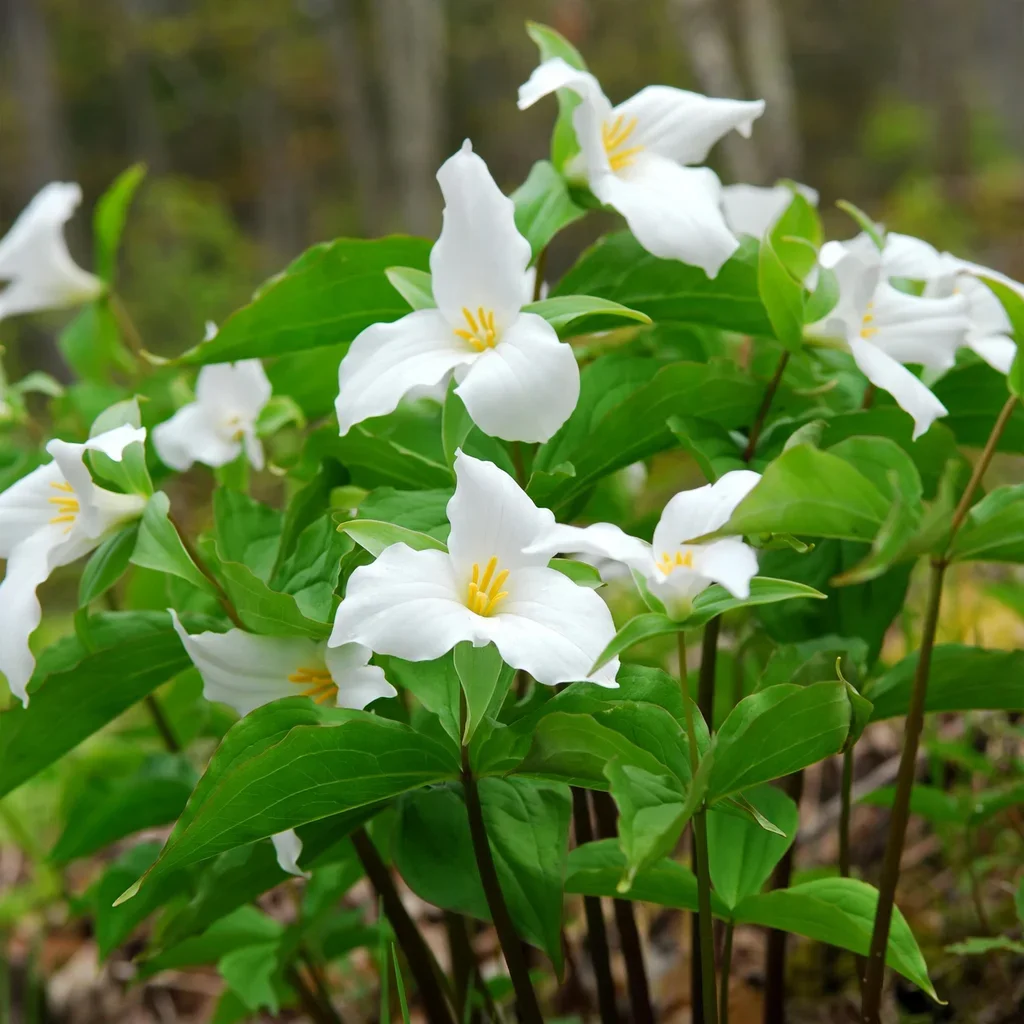
Great White Trillium
Trillium grandiflorum
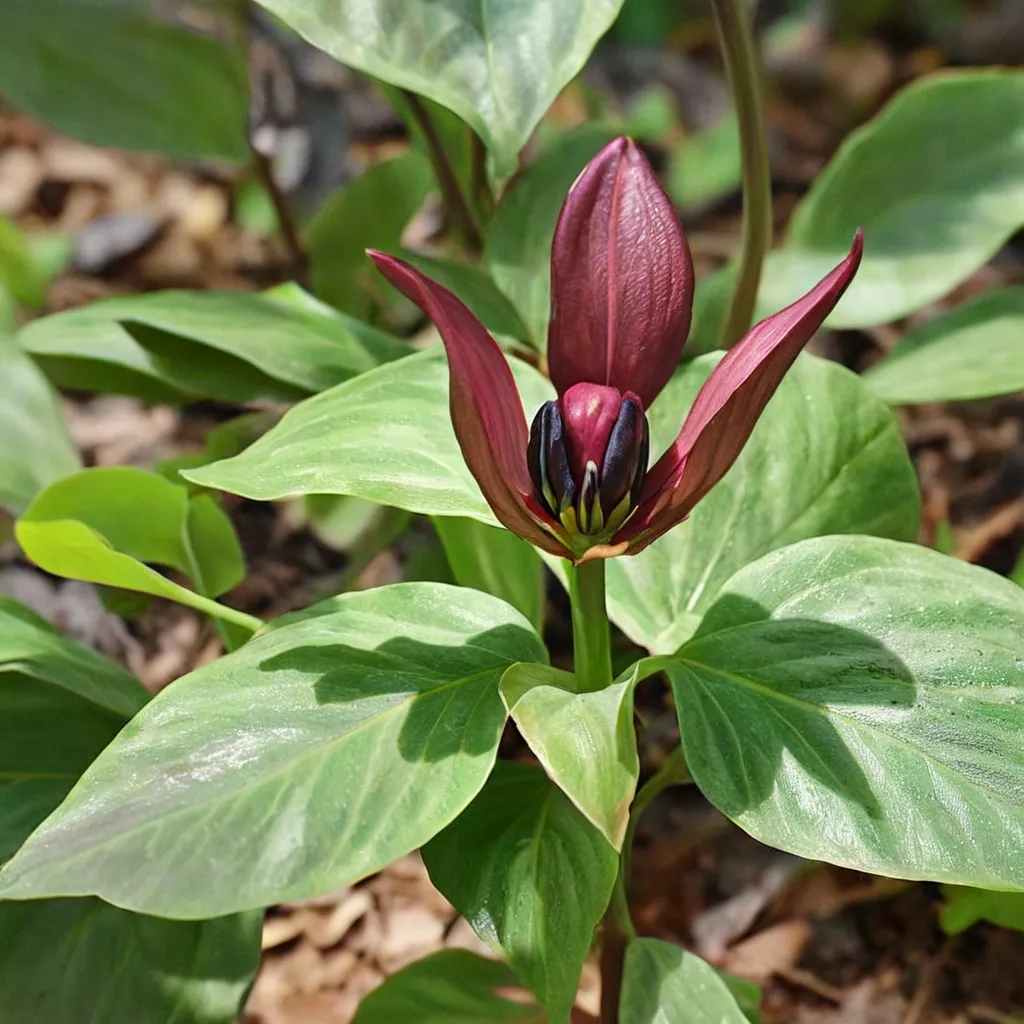
Missouri form Large-flowered Trillium
Trillium recurvatum 'Missouri form'
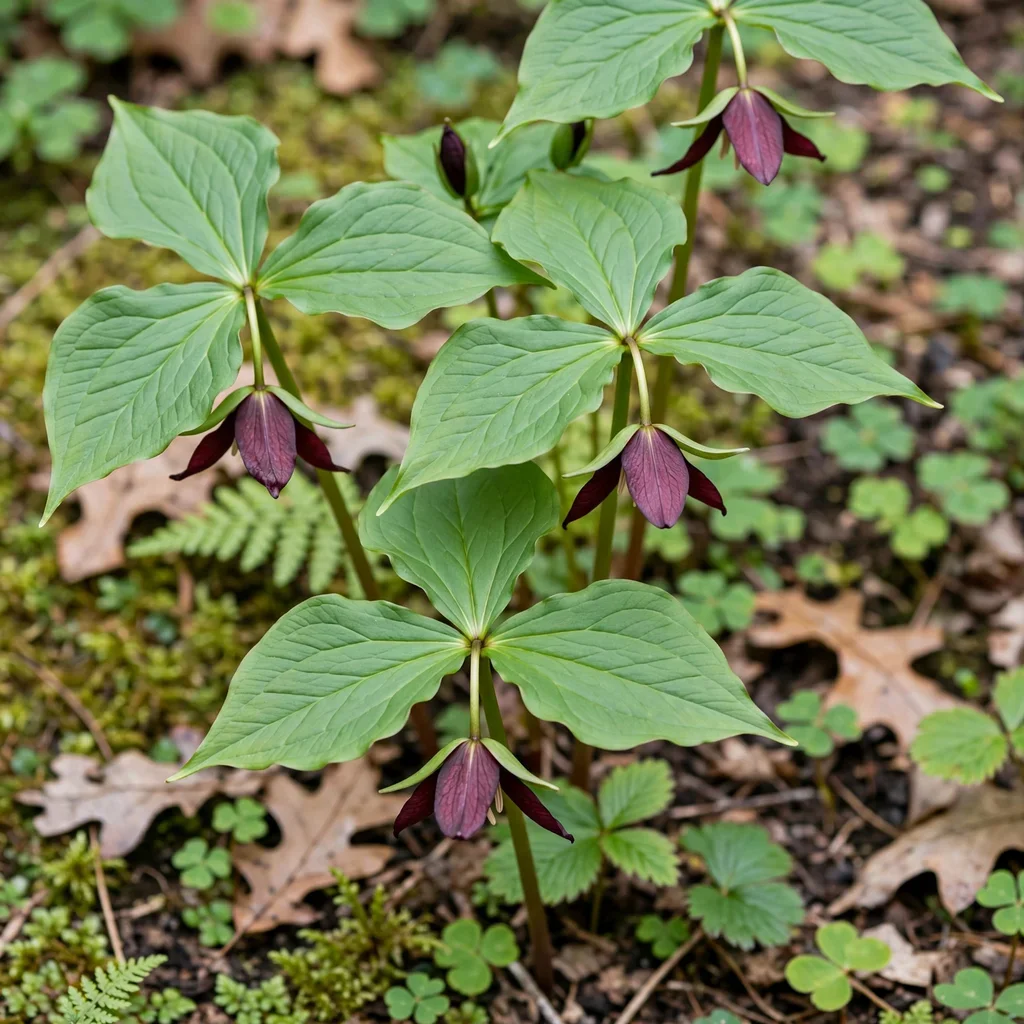
Vasey's Trillium
Trillium vaseyi
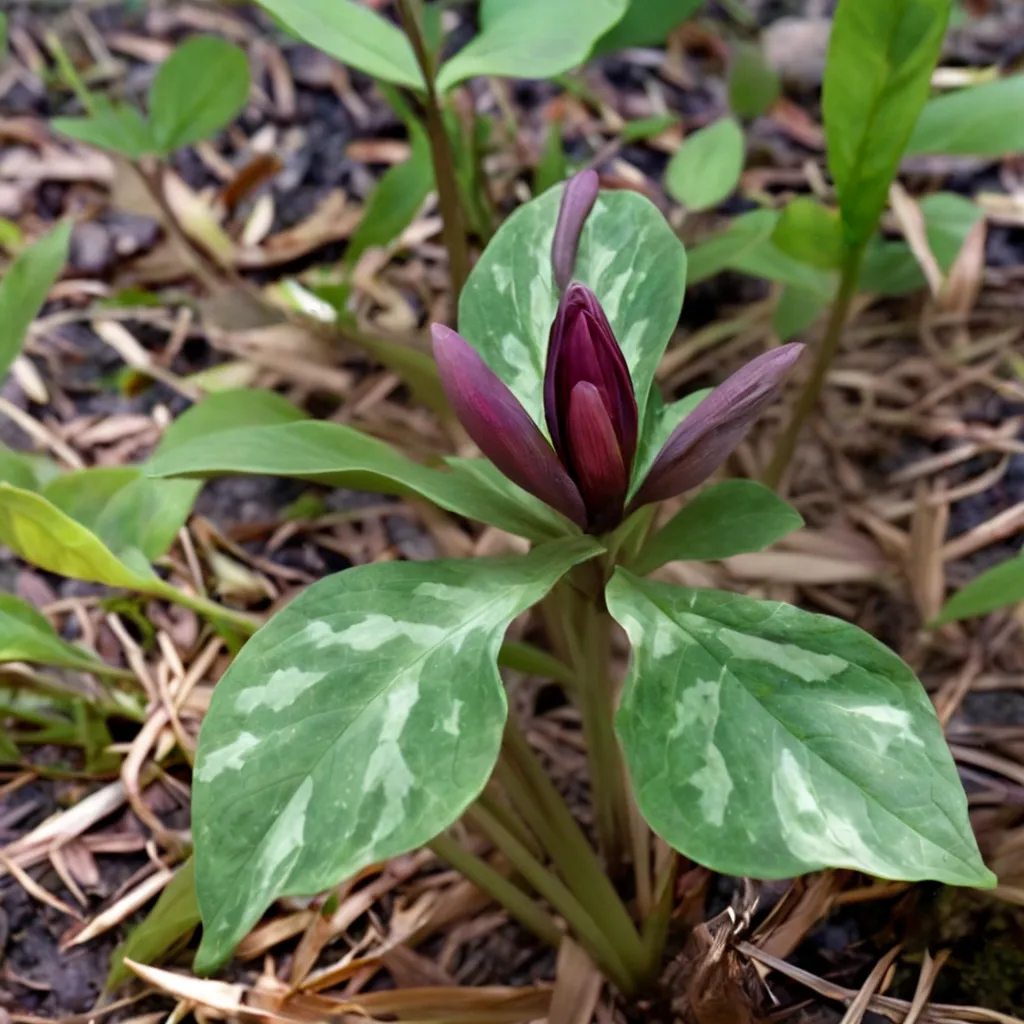
Toadshade
Trillium cuneatum
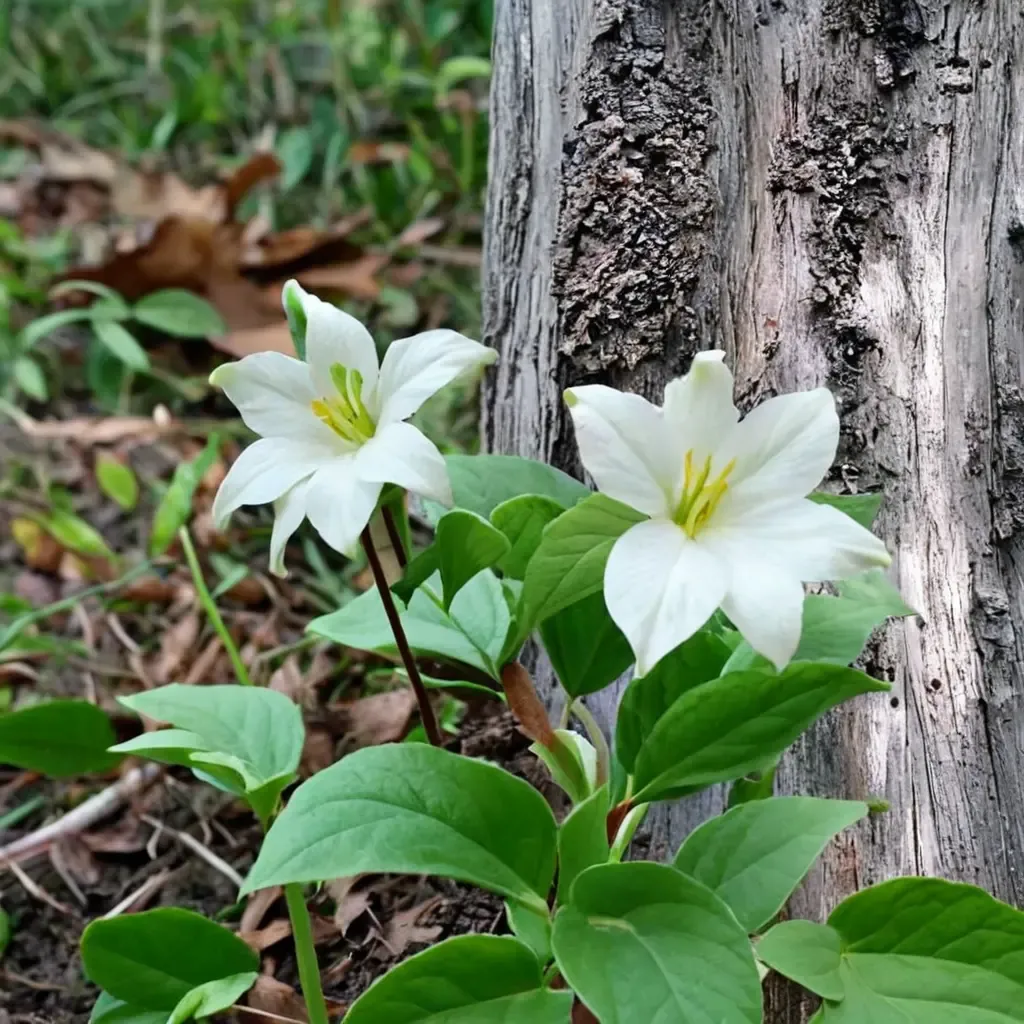
Large-flowered Trillium
Trillium grandiflorum 'Mix'
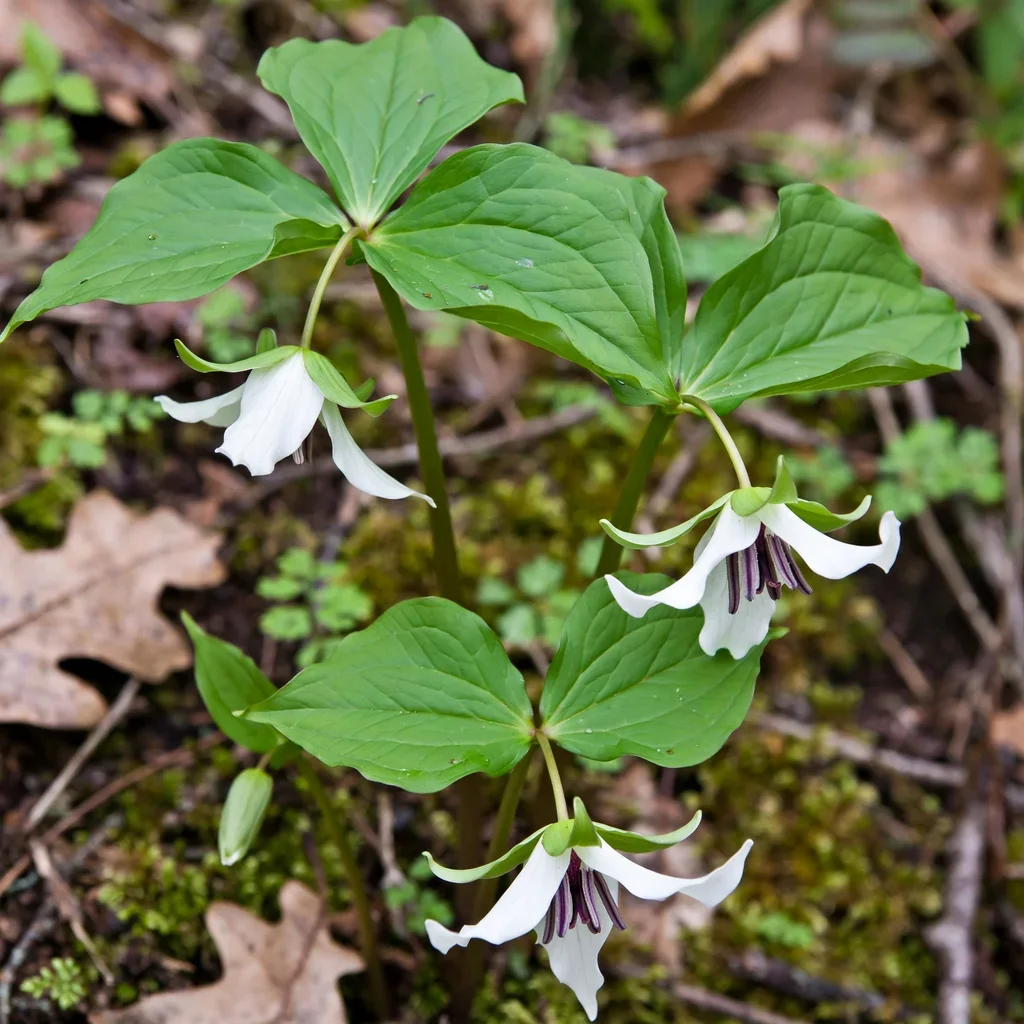
Rugel's Trillium
Trillium rugelii
Keep exploring
Explore the genus
Hardy in your zone?
Grow Giant Purple Wakerobin with confidence
See it in a design of your actual yard, get zone-matched care reminders, and track it season by season in your garden journal.