The Story
Plant Bio
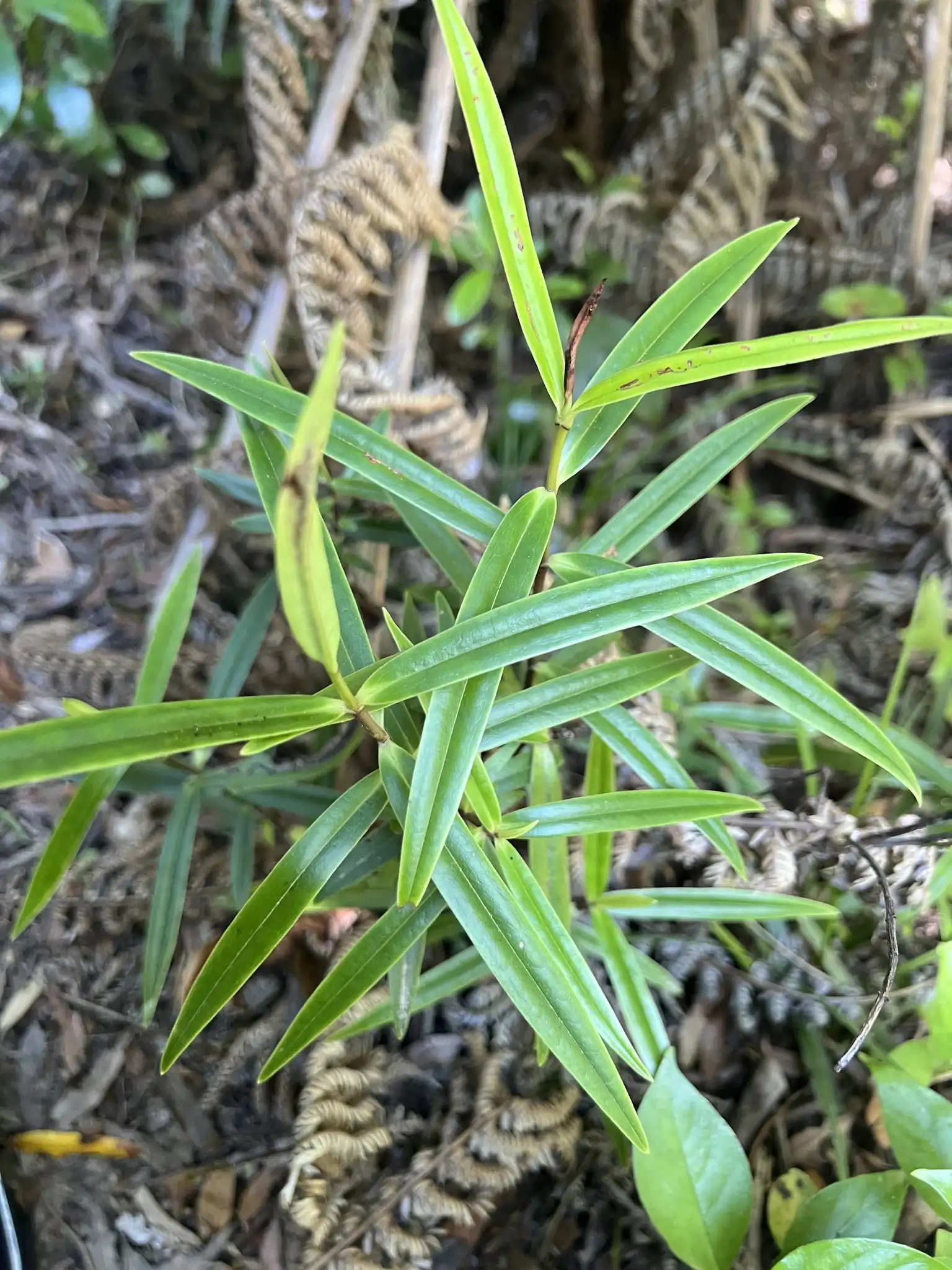
Veronica macrocarpa is an evergreen shrub native to New Zealand, growing five to ten feet tall with upright stems and smooth greyish-brown mature bark. Its leathery, dark green leaves lack a leaf-bud sinus and frame dense racemes of white blossoms produced across multiple seasons.
Distinguished by its broad corolla tubes and unusually large seed capsules, this species produces stout floral spikes that occasionally open with pale mauve or pink tints. The glossy lanceolate foliage handles strong coastal winds and salt spray without leaf scorch.
Uses & Benefits:
Essentials
At a Glance
Plant Type
Shrub
Height
118"
Width
98"
Light
Full Sun, Partial Sun
Zones
8, 9, 10
Water
Low to Moderate
Humidity
Moderate to High
Lifespan
Perennial
Native To
New Zealand
Toxicity
Non-toxic
Bloom period
Spring – Fall
In flower about 9 months of the year
Planting
How to Grow
- Select a planting site in full sun or light shade with sandy or loamy, fast-draining soil.
- Dig a hole twice as wide as the root ball and set the plant level with the surrounding soil.
- Water thoroughly at planting and maintain moderate soil moisture until established.
- Apply a light top-dressing of low-phosphorus fertilizer in early spring.
Pro Tip
Prune lightly into leafy green wood immediately after flowering; cutting back into bare, old woody stems destroys dormant buds and causes branch dieback.
Keep It Thriving
Care Guide
Do
- Plant in light, gritty soils that allow water to drain rapidly away from the crown.
- Trim soft shoot tips annually after flowering to maintain a bushy shape.
- Protect containerized plants from hard freezing conditions.
Don't
- Do not cut back into old, bare wood lacking green foliage.
- Do not allow soil to remain waterlogged or heavy with clay.
- Do not over-fertilize, which causes weak and leggy stem growth.
Seasonal Care Calendar
| Task | Jan | Feb | Mar | Apr | May | Jun | Jul | Aug | Sep | Oct | Nov | Dec |
|---|---|---|---|---|---|---|---|---|---|---|---|---|
| Fertilize | ||||||||||||
| Pest Check | ||||||||||||
| Prune | ||||||||||||
| Winter Prep |
Watch Out For
Pests & Diseases
Common Pests
Common Diseases
In the Garden
Landscape Uses & Companions
Landscape Uses
Companion Plants
Multiply
Propagation Methods
Good to Know
Common Questions
Large-Fruited Hebe questions
What zones can Large-Fruited Hebe grow in?
Large-Fruited Hebe is hardy in USDA Zones 8–10: in that range it survives winter in the ground. Colder than Zone 8, grow it in a container you can move to shelter for the winter.
Is Large-Fruited Hebe deer resistant?
Not reliably. Deer may browse Large-Fruited Hebe, especially tender spring growth — plan on repellents or fencing where pressure is high.
When does Large-Fruited Hebe bloom?
Large-Fruited Hebe typically blooms from spring to fall. Exact timing shifts a week or two with your zone — Sow's bloom calendar maps it to your garden.
Does Large-Fruited Hebe need full sun?
Large-Fruited Hebe does best in full sun to part shade. In hot climates, afternoon shade keeps blooms fresher longer.
Is Large-Fruited Hebe drought tolerant?
Yes — once established (usually after the first full season), Large-Fruited Hebe handles dry spells with minimal watering. Water deeply its first year to build the root system that makes that possible.
More Veronica to compare
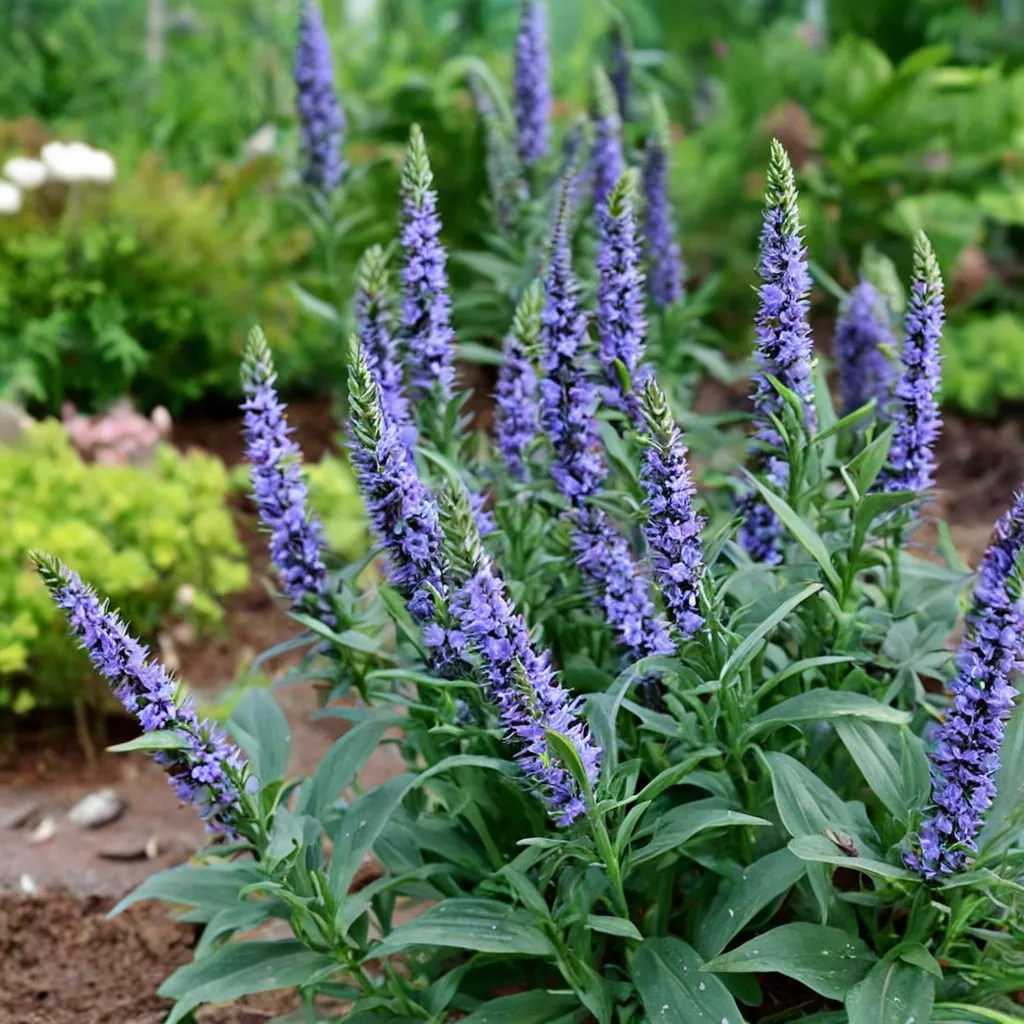
Moody Blues Sky Blue Veronica
Veronica spicata 'Moody Blues Sky Blue'
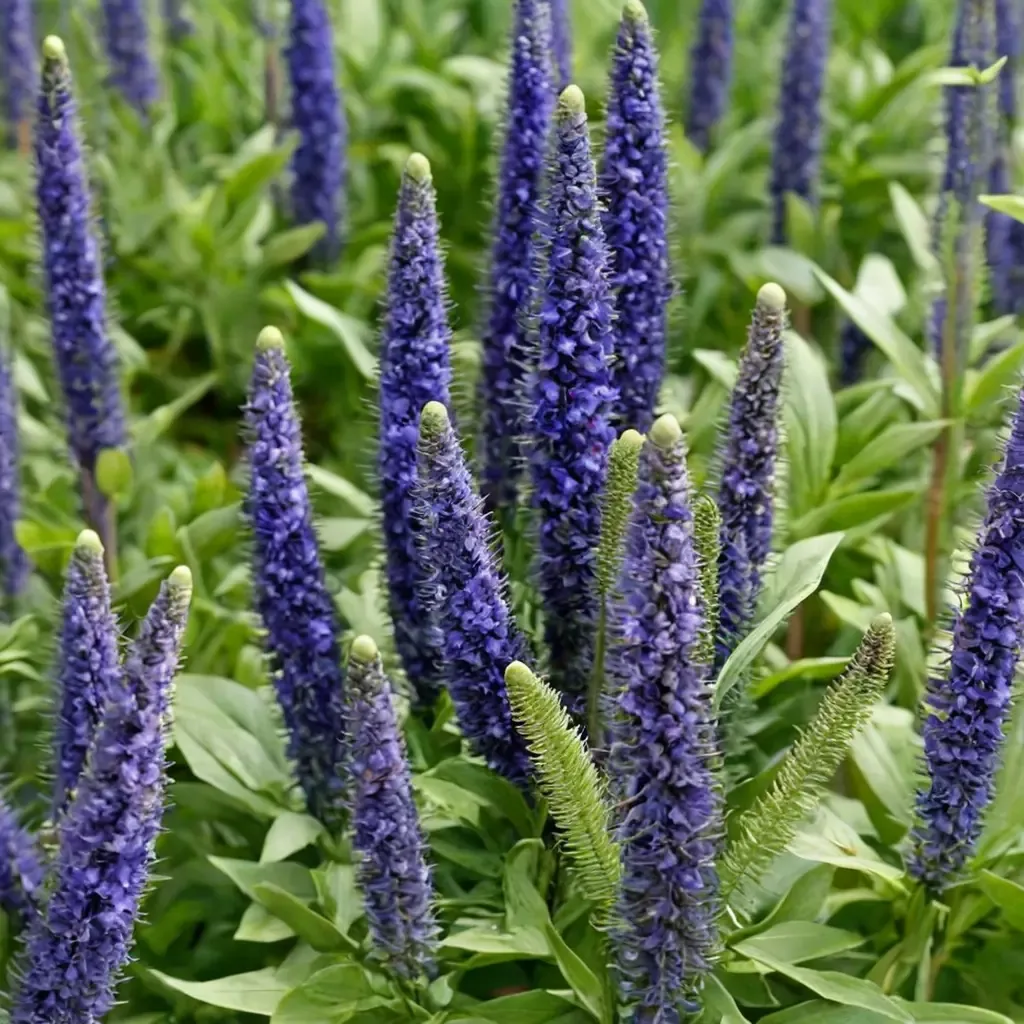
Royal Candles Speedwell
Veronica spicata 'Royal Candles'
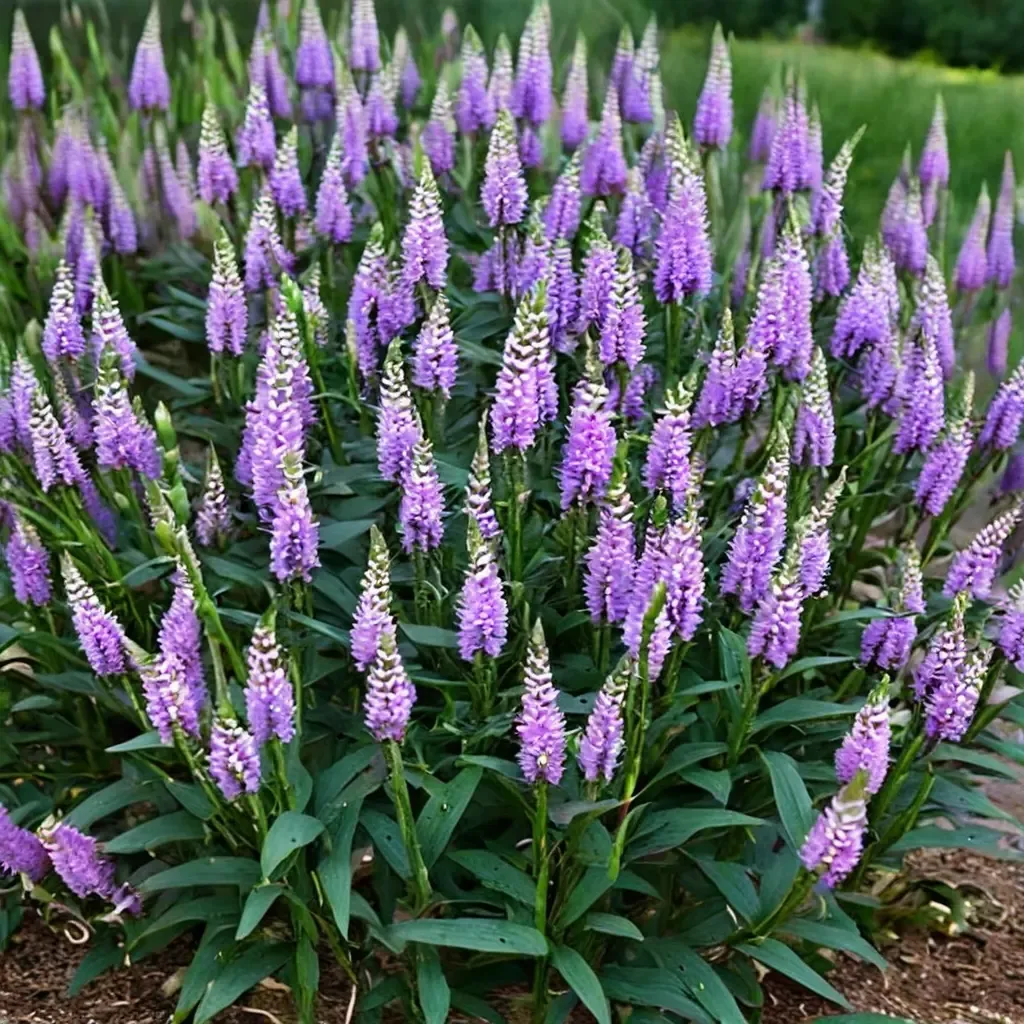
Lavender Lightsaber Speedwell
Veronica spicata 'Lavender Lightsaber'
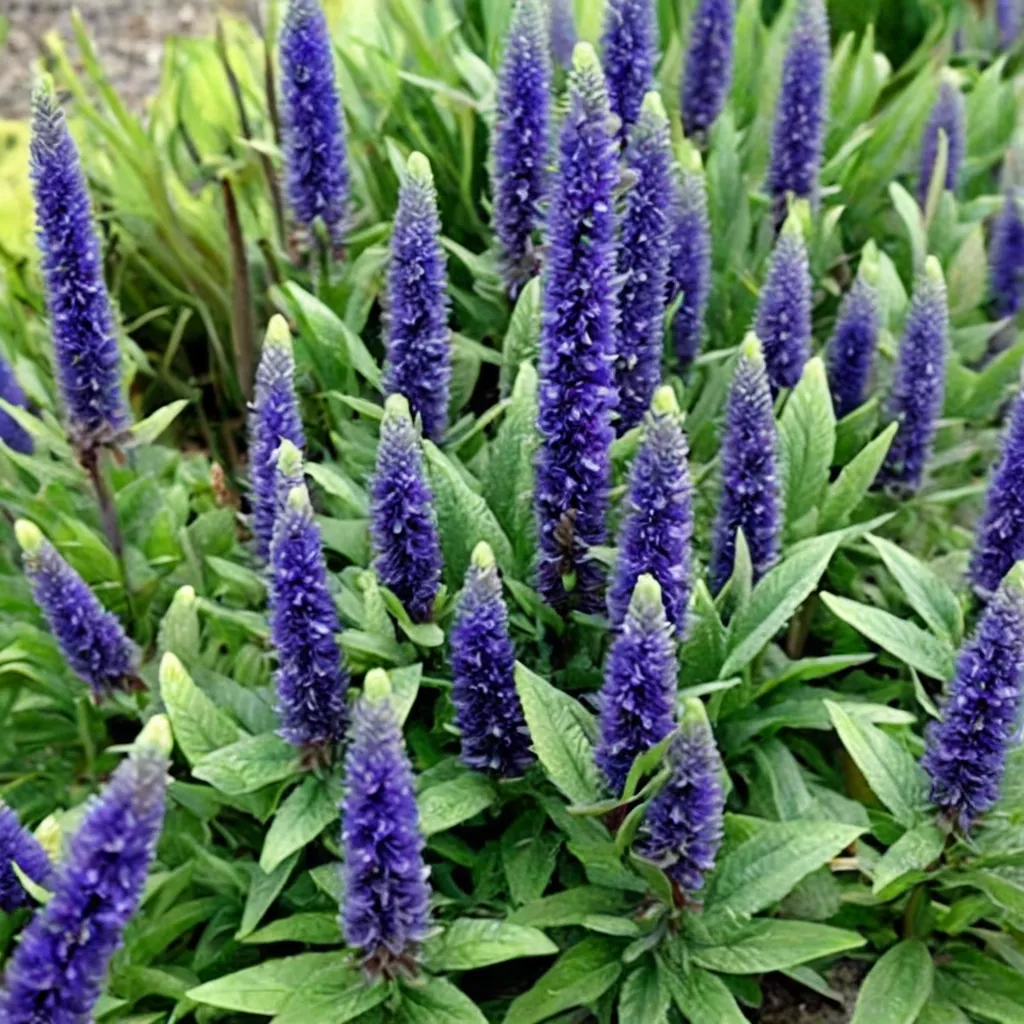
Royal Candles Spike Speedwell
Veronica spicata 'Glory'
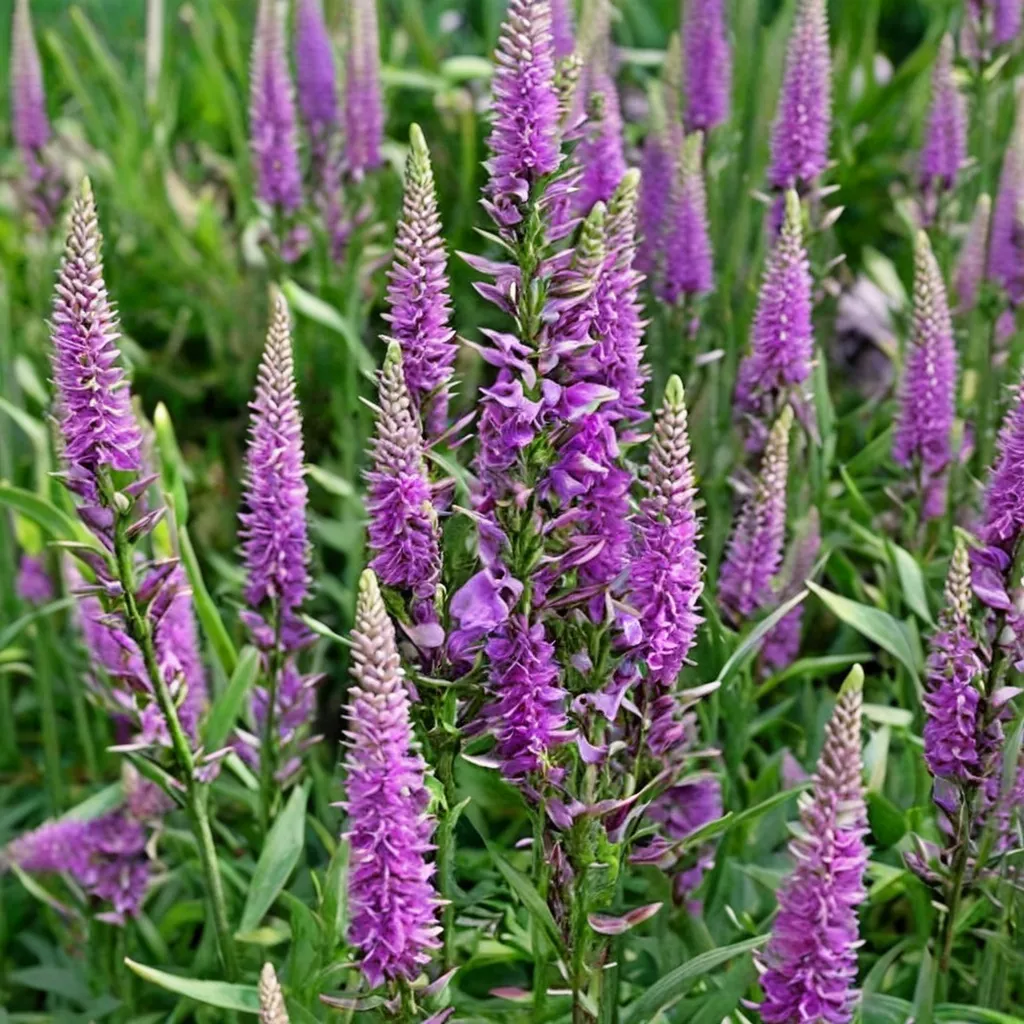
Longifolia Veronica Eveline
Veronica longifolia 'Eveline'
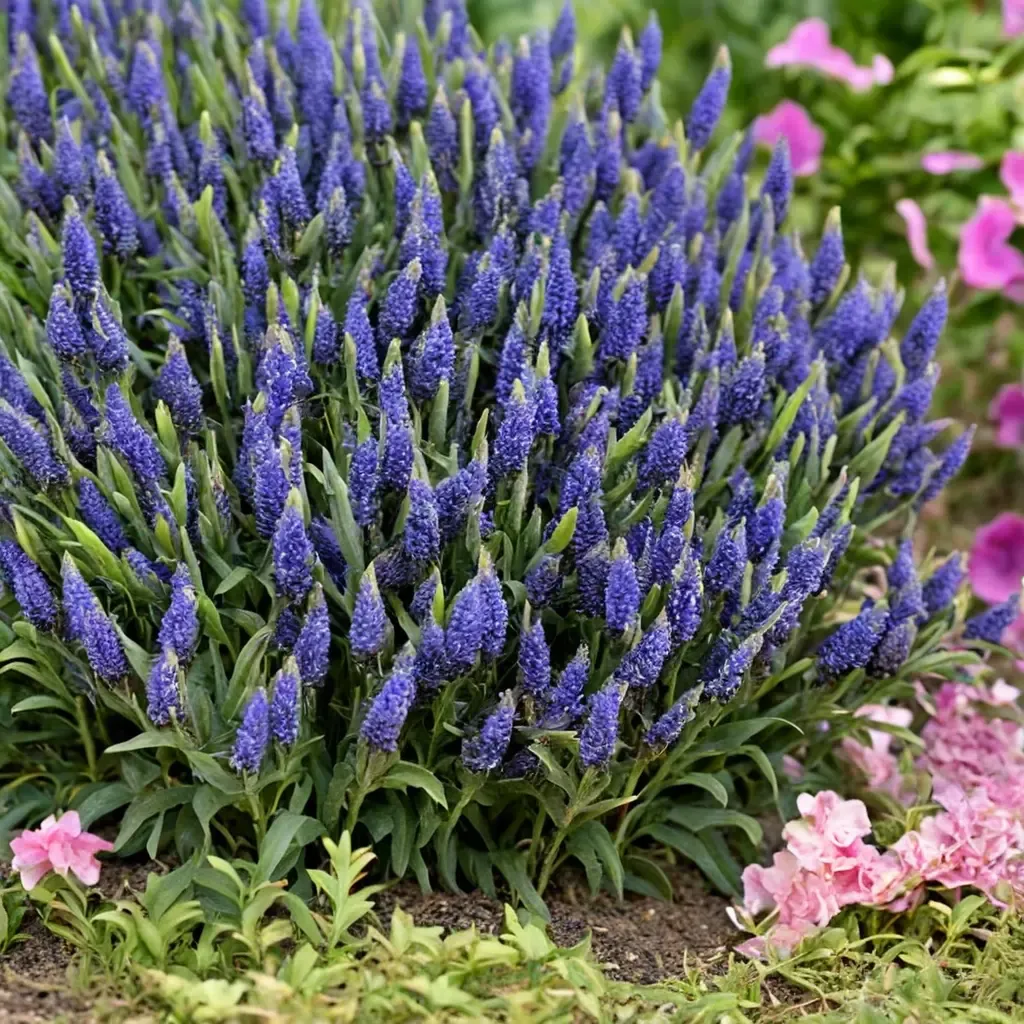
Wizard of Ahhs Speedwell
Veronica spicata 'Wizard Of Ahhs'
Keep exploring
Hardy in your zone?
Grow Large-Fruited Hebe with confidence
See it in a design of your actual yard, get zone-matched care reminders, and track it season by season in your garden journal.