Also known as New Zealand Broadleaf · 8 saves
Griselinia
Griselinia, the genus most gardeners know as new zealand broadleaf. We track 3 varieties; the ones most used by real gardeners.
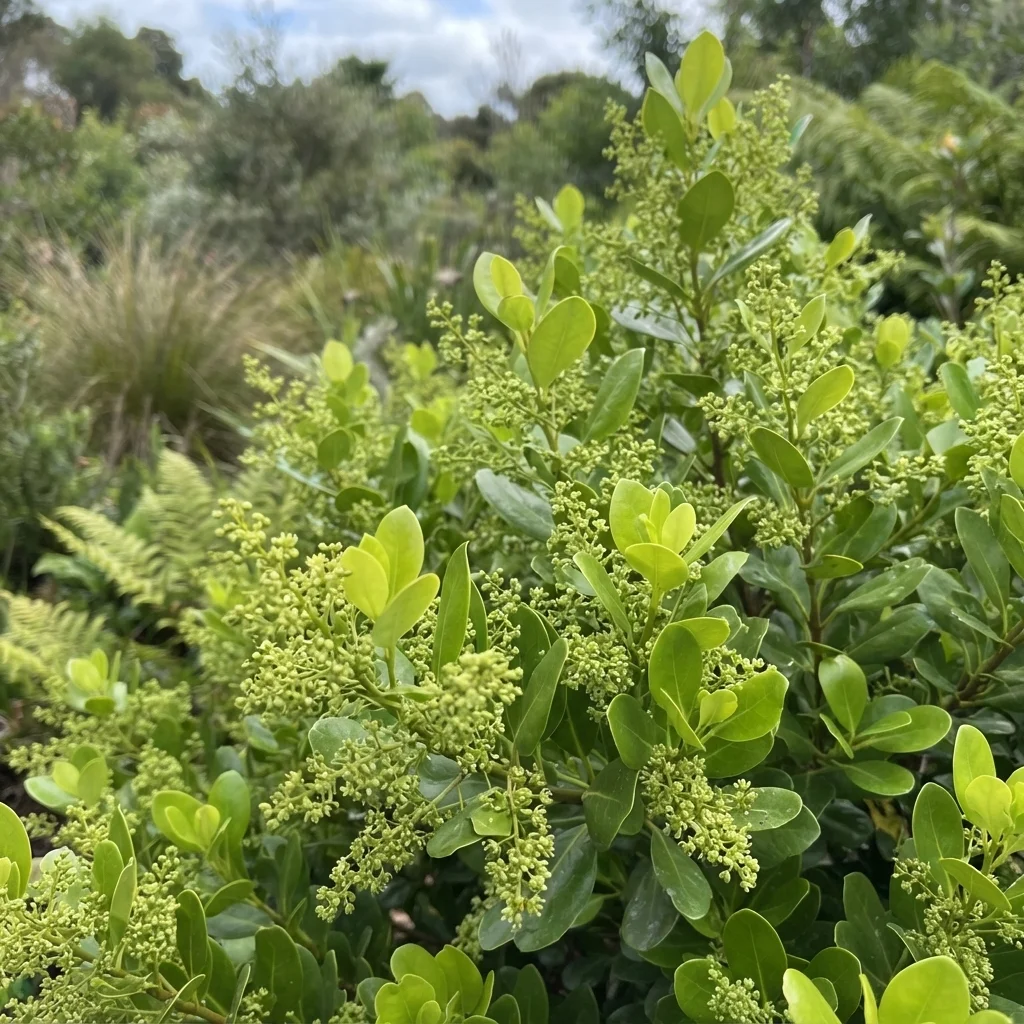
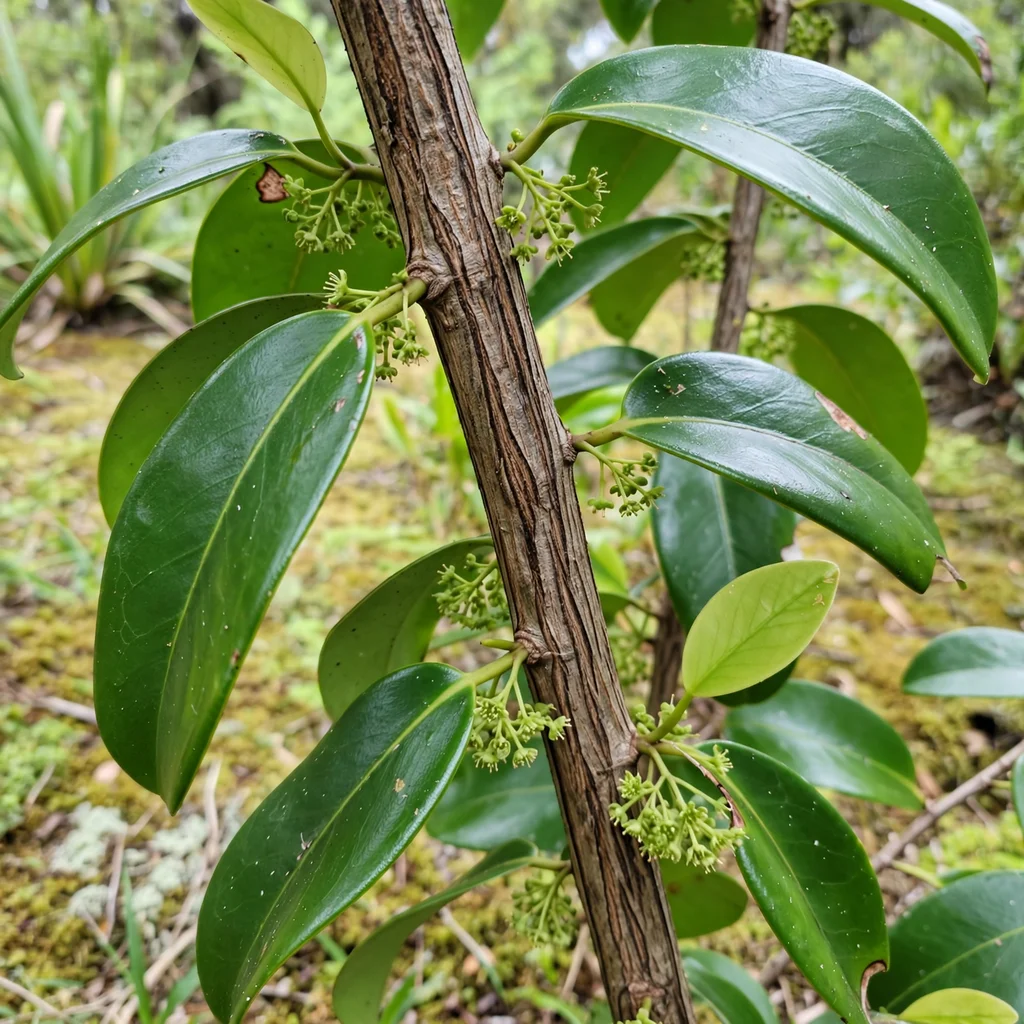
The 2 most-saved Griselinia varieties
Browse all 3 Griselinia varieties →
2 species of Griselinia
Each one is a parent of the varieties above.
Track your Griselinia in Sow
Save the Griselinia you grow and get care reminders timed to your zone.
How to grow Griselinia
Whats common across all Griselinia varieties in our catalog — drawn from the care records of the 3 most-grown of them.
The Griselinia year
- PruneMay100% of varieties
Lightly trim foliage in late spring or mid-summer to build hedge density.
- FertilizeMarch and April100% of varieties
Apply a balanced slow-release fertilizer at the start of spring growth.
- Check for PestsJune and July100% of varieties
Inspect stems and undersides of leaves for scale insects and aphids.
- Winter PrepNovember67% of varieties
Mulch the root zone to insulate roots before low winter temperatures arrive.


Do
- Plant in light, free-draining soil to protect against root rot.
- Trim light flushes 1 to 2 times a year to encourage dense foliage.
- Provide supplementary irrigation during extended dry summer periods.
- Ensure soil drains quickly to prevent root diseases.
- Plant in coastal positions exposed to salt spray and high air humidity.
Avoid
- Do not plant in heavy clay soils or low spots where water collects.
- Do not hard-prune past leaf-bearing stems into old wood.
- Do not leave young plants exposed to severe freezing winds without shelter.
- Do not plant in heavy clay or waterlogged soils.
What goes wrong with Griselinia
| Problem | What you'll see | What to do |
|---|---|---|
| Scale insects | Small waxy scales along green stems and leaf undersides. | Apply horticultural oil during mild weather or wipe small infestations with insecticidal soap. |
| Aphids | Distorted leaves on new growth shoots accompanied by sticky honeydew. | Rinse off with a hard stream of water or apply insecticidal soap. |
| Spider mites | Fine webbing and stippled foliage during hot, dry periods. | Mist foliage to increase humidity and apply neem oil if damage persists. |
| Deer and rabbit browsing | Torn leaf margins and nipped tender stem tips on accessible growth. | Protect young specimens with physical wire barriers until established. |
| Powdery mildew | White dusty spots on young foliage. | Improve air movement around the plant and prune dense interior branches. |
| Root rot | Wilting, yellowing foliage, and decaying roots in wet conditions. | Ensure fast drainage and avoid overwatering or planting in poorly drained soil. |
| Root rot (Phytophthora) | Wilting, yellowing foliage, and sudden plant collapse due to poor drainage. | Improve soil drainage, avoid overwatering, and plant in raised beds if necessary. |
Making more Griselinia
Semi-hardwood cuttings
- Take 4- to 6-inch semi-hardwood cuttings from non-flowering shoots in late summer.
- Strip leaves from the bottom half of each stem.
- Dip the cut base in rooting hormone powder.
- Insert into a perlite and peat propagation mix and keep under humid conditions until rooted.
Griselinia questions
How many types of Griselinia are there?
The Sow catalog tracks 3 distinct Griselinia varieties. The most popular — ranked by 8 real gardeners — are shown first above.
What zones does Griselinia grow in?
Across its varieties, Griselinia covers USDA Zones 8–10. Individual varieties differ — each plant page lists its exact range, and Sow filters the catalog to your zone automatically.
When does Griselinia bloom?
Most Griselinia varieties bloom from early spring to mid-summer.
Which Griselinia should I choose?
Start from the most-saved varieties above — popularity across thousands of gardens is a strong signal of reliability — then filter by your zone and sun. In the Sow app you can preview any of them in a photo of your actual yard before you buy.