The Story
Plant Bio
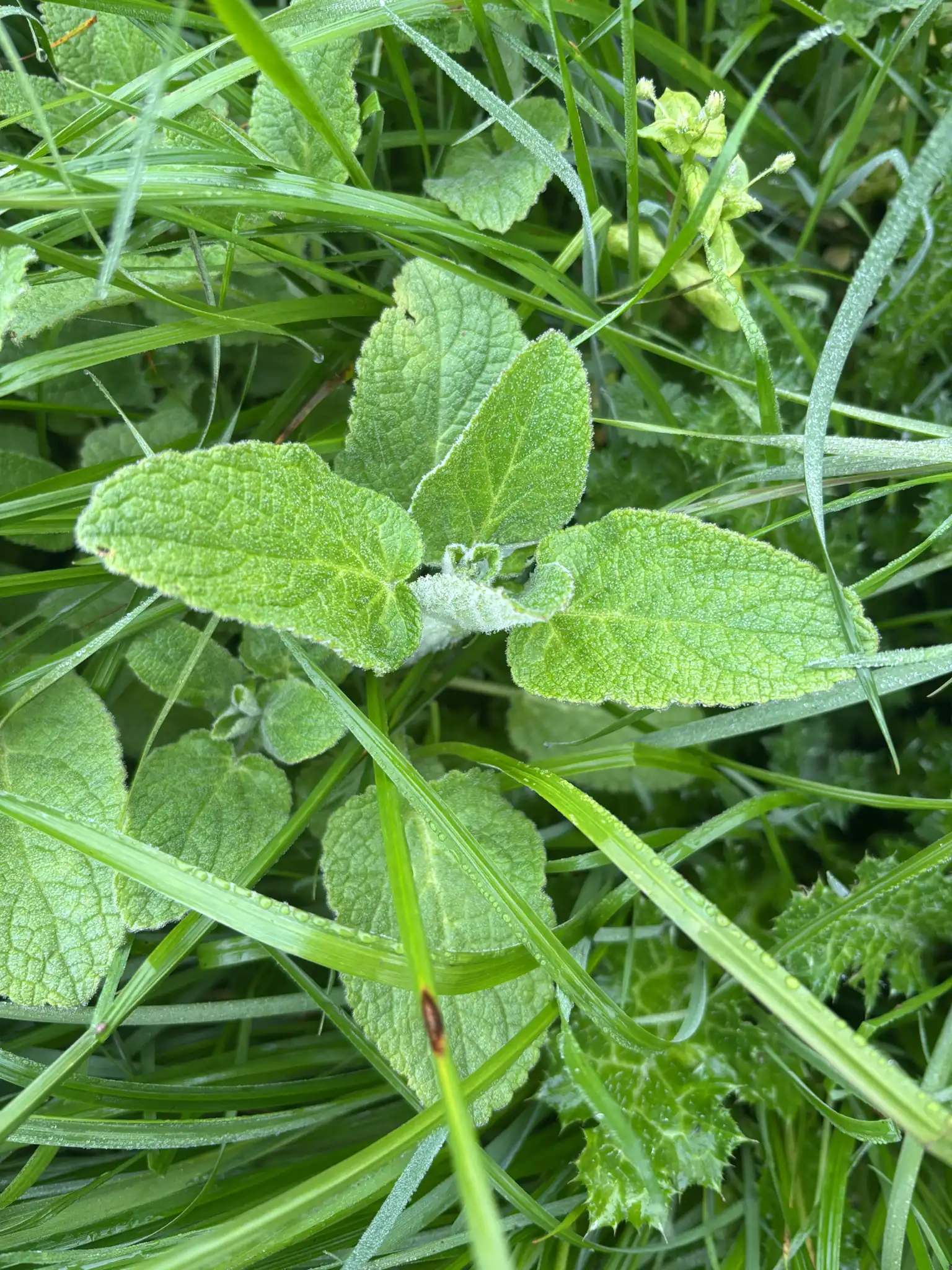
Stachys albens is an upright perennial herb native to California stream banks and wet meadows, growing with four-sided stems and dense cobwebby foliage. The grey-green leaves release a strong minty fragrance when bruised, and terminal spikes produce layered whorls of small white-to-pink flowers.
Unlike dryland mints, this wetland species relies on high water tables and constant soil moisture to maintain its silver-white indumentum. It creeps steadily via underground rhizomes, making it effective for stabilizing saturated banks and wetland margins.
Uses & Benefits:
Essentials
At a Glance
Plant Type
Perennial
Height
36"
Width
60"
Light
Full Sun, Partial Sun
Zones
7, 8, 9, 10
Water
High
Humidity
Moderate
Lifespan
Perennial
Native To
North America (California, Nevada, Utah)
Toxicity
Non-toxic
Bloom period
Late spring – Early fall
In flower about 5 months of the year
Planting
How to Grow
- Select a site in full sun or partial shade with naturally moist or boggy soil.
- Plant containerized stock or rhizome divisions in well-watered soil with the crown flush with the soil surface.
- Water deeply at installation and maintain persistent moisture throughout the establishing season.
- Mulch around the base to preserve soil moisture and regulate root temperature.
Pro Tip
Do not treat this plant like drought-tolerant lamb's ears; failure to provide regular moisture causes foliage drop and forces early summer dormancy.
Keep It Thriving
Care Guide
Do
- Keep soil consistently moist or wet, especially in hot interior climates.
- Cut spent stems back to ground level in winter after foliage dies back.
- Divide rhizomes every three to four years to control garden boundaries.
Don't
- Do not allow the root zone to dry out completely during summer.
- Do not apply heavy fertilizer, which causes weak, leggy stems and excessive spreading.
- Do not plant in stagnant, oxygen-starved water without occasional movement.
Seasonal Care Calendar
| Task | Jan | Feb | Mar | Apr | May | Jun | Jul | Aug | Sep | Oct | Nov | Dec |
|---|---|---|---|---|---|---|---|---|---|---|---|---|
| Divide | ||||||||||||
| Fertilize | ||||||||||||
| Pest Check | ||||||||||||
| Prune |
Watch Out For
Pests & Diseases
Common Pests
Common Diseases
In the Garden
Landscape Uses & Companions
Landscape Uses
Companion Plants
Multiply
Propagation Methods
Good to Know
Common Questions
Whitestem Hedgenettle questions
What zones can Whitestem Hedgenettle grow in?
Whitestem Hedgenettle is hardy in USDA Zones 7–10: in that range it survives winter in the ground. Colder than Zone 7, grow it in a container you can move to shelter for the winter, or as an annual.
Is Whitestem Hedgenettle deer resistant?
Yes — Whitestem Hedgenettle is rated deer-resistant. Deer typically pass it over, though extreme hunger can override any plant's defenses.
When does Whitestem Hedgenettle bloom?
Whitestem Hedgenettle typically blooms from late spring to early fall. Exact timing shifts a week or two with your zone — Sow's bloom calendar maps it to your garden.
Does Whitestem Hedgenettle need full sun?
Whitestem Hedgenettle does best in full sun to part shade. In hot climates, afternoon shade keeps blooms fresher longer.
More Stachys to compare
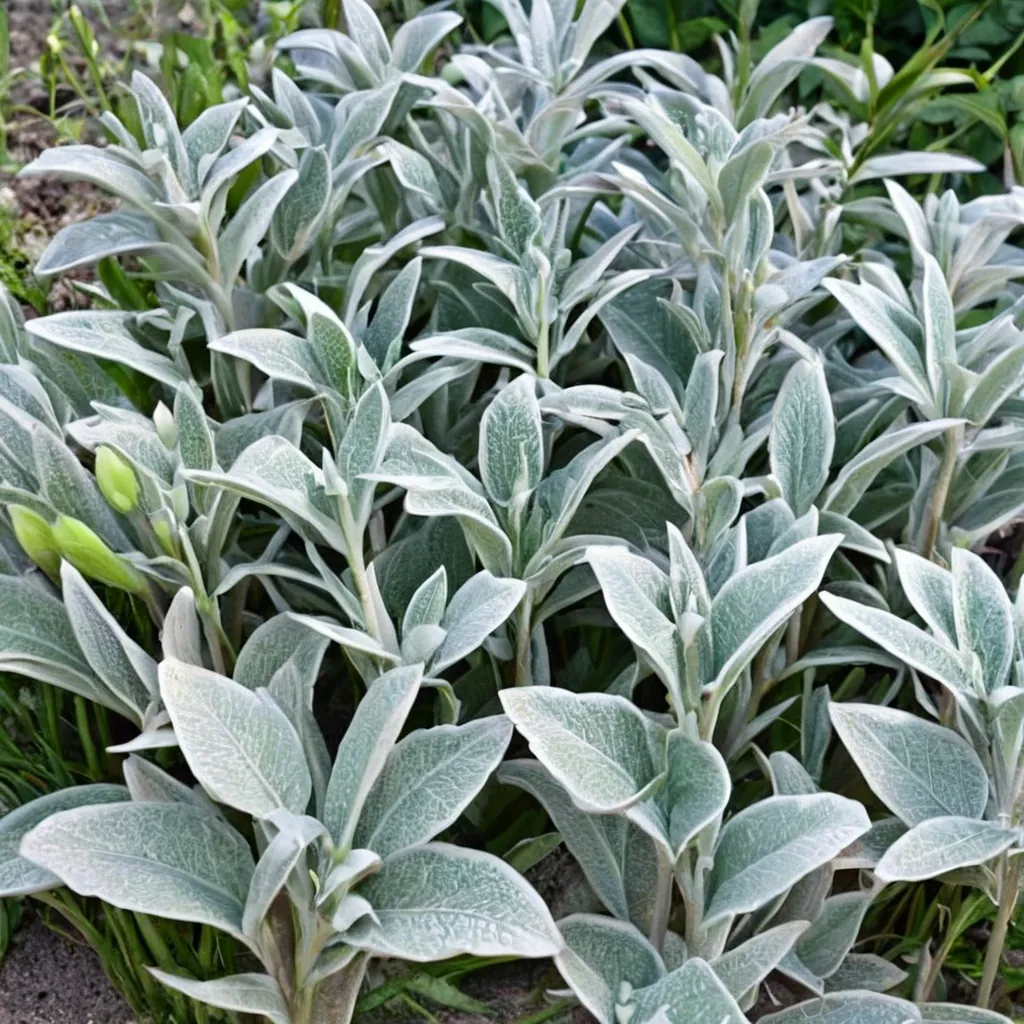
Lamb's Ear
Stachys lanata
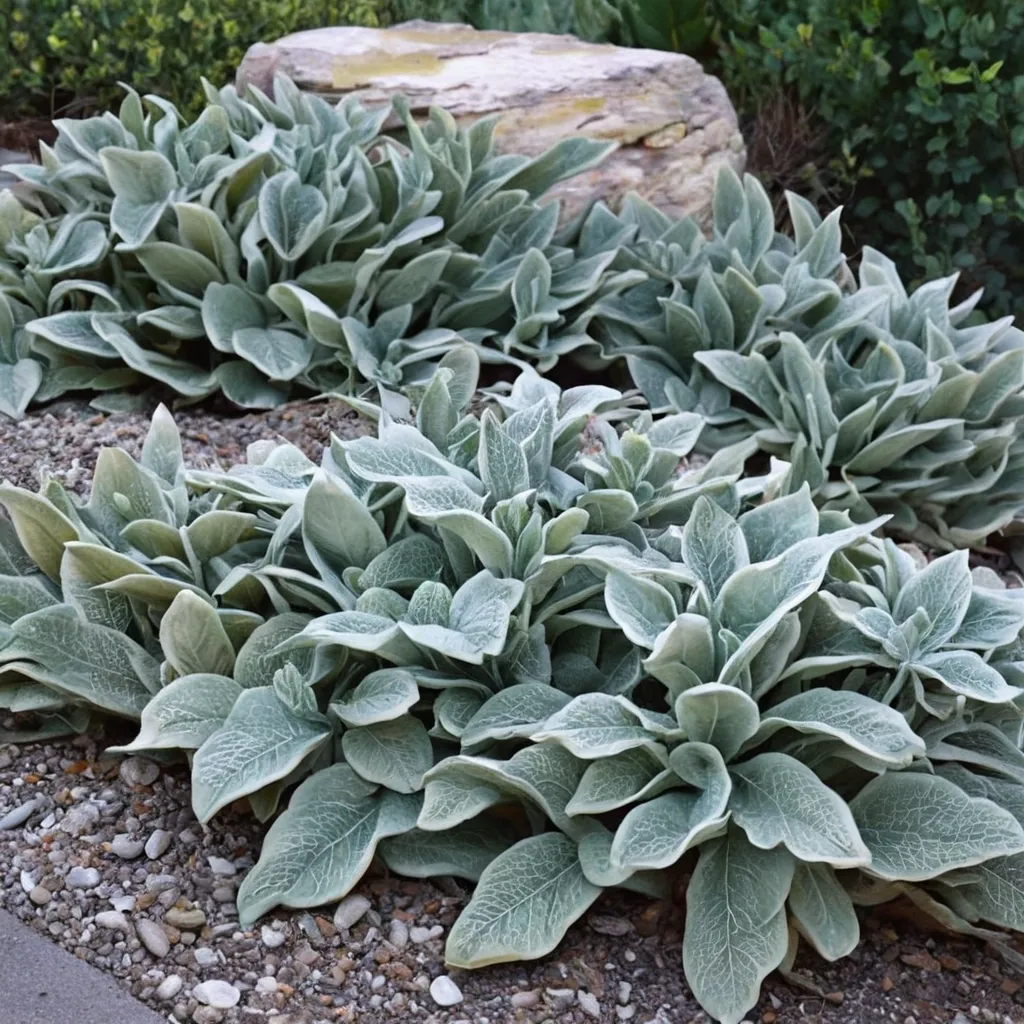
Silver Carpet Lamb's Ear
Stachys lanata 'Silver Carpet'
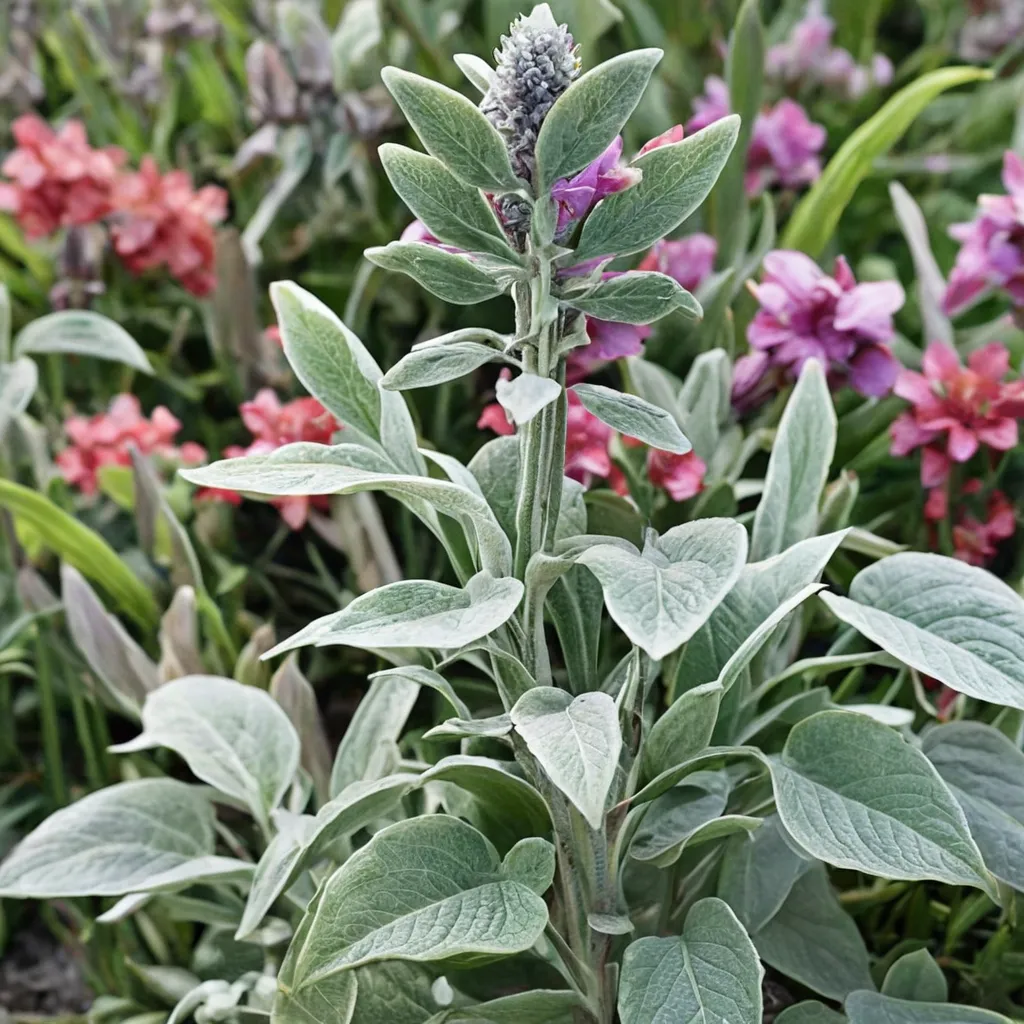
Fuzzy Wuzzy Lamb's Ear
Stachys byzantina 'Fuzzy Wuzzy'
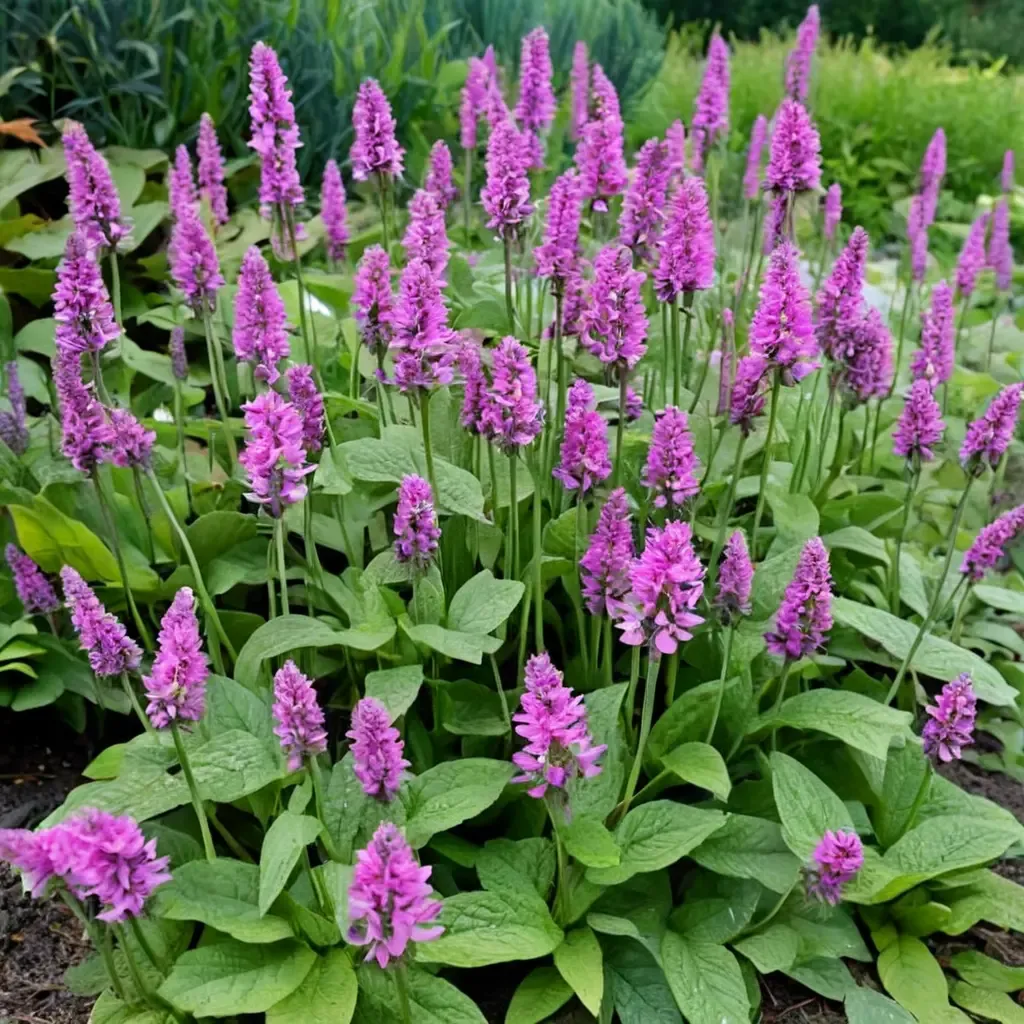
Hummelo Betony
Stachys officinalis 'Hummelo'
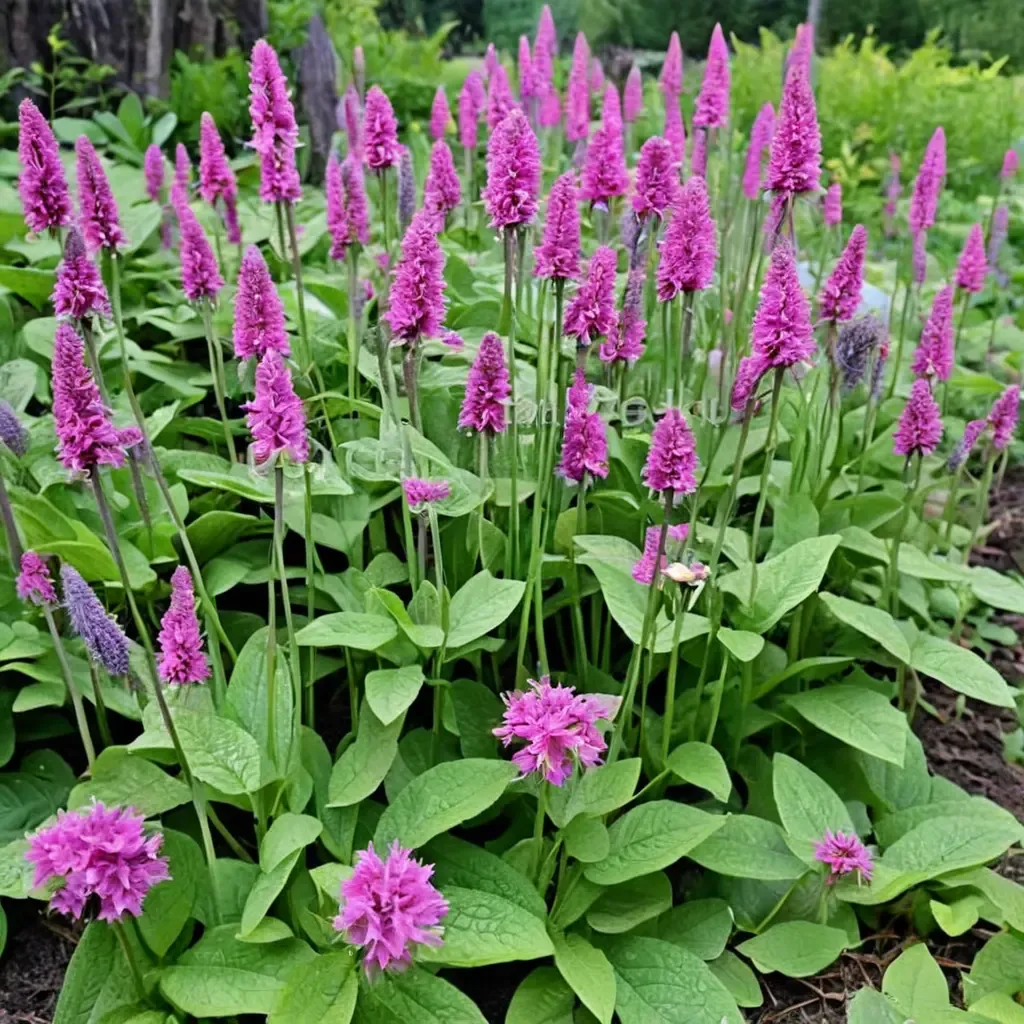
Wood Betony
Stachys officinalis
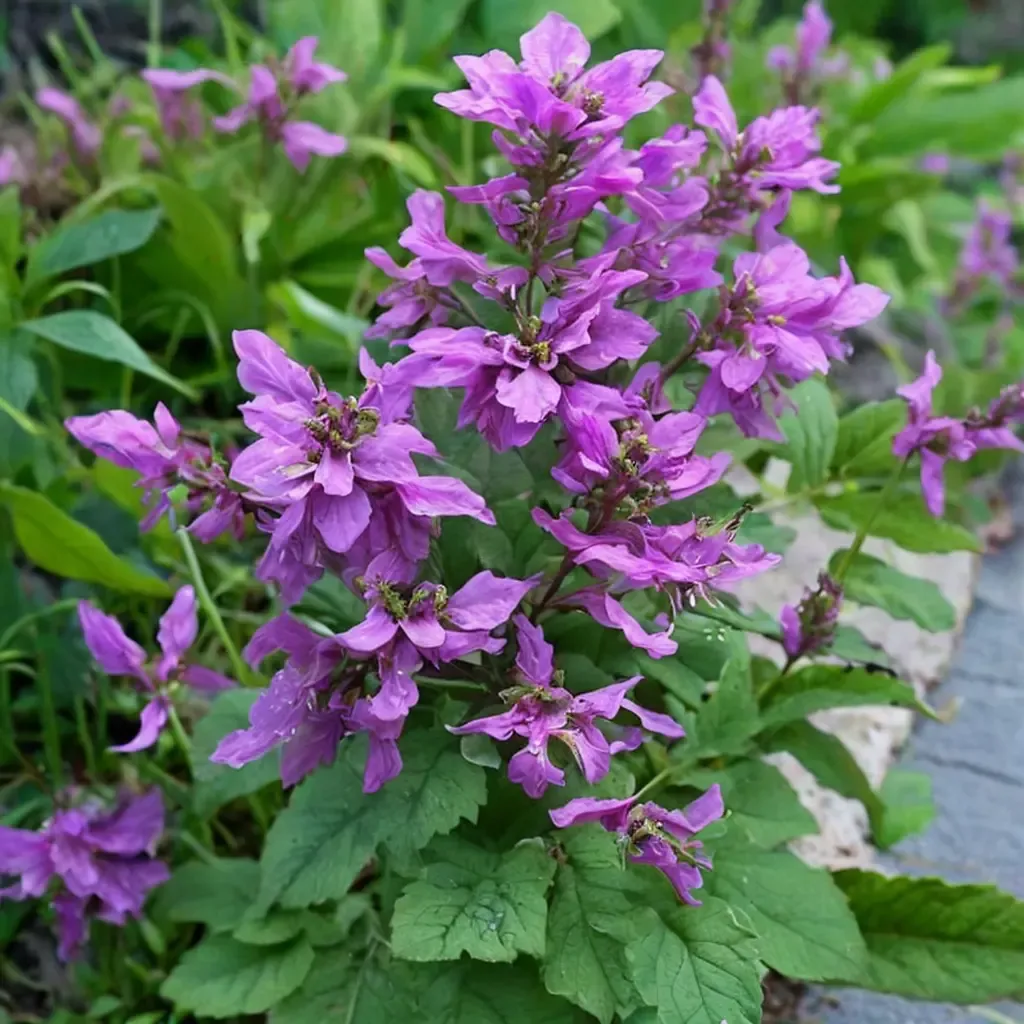
Big Betony 'Superba'
Stachys macrantha 'Superba'
Keep exploring
Explore the genus
Hardy in your zone?
Grow Whitestem Hedgenettle with confidence
See it in a design of your actual yard, get zone-matched care reminders, and track it season by season in your garden journal.