The Story
Plant Bio
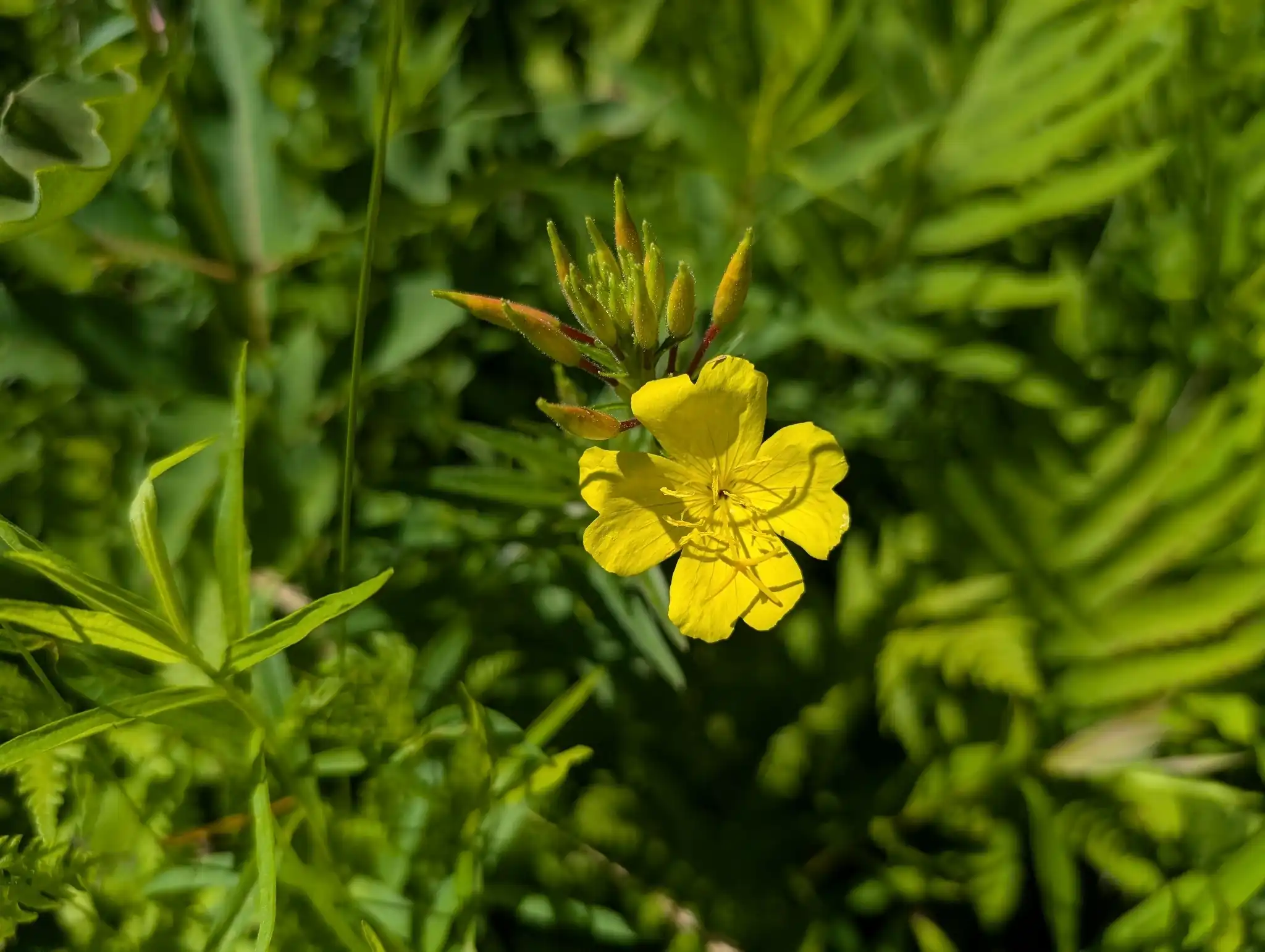
Oenothera tetragona, northern sundrops, is an eastern North American perennial that overwinters as a low rosette before sending up erect reddish-green hairy stems to two to three feet. The narrow elliptic to lance-shaped leaves are stalkless and slightly wavy-toothed, and each cup-shaped flower carries four yellow petals, four sepals and eight stamens around a cross-shaped stigma.
It is separated from the closely confused Oenothera fruticosa by distinctly four-angled stems and slightly hairy glaucous foliage on green to red-burgundy stems. Red-tinged buds open in the evening in multi-flowered terminal panicles, each flower two and a half to five centimeters across and closing by the next day.
Uses & Benefits:
Essentials
At a Glance
Plant Type
Perennial
Height
36"
Width
18"
Light
Full Sun, Partial Sun
Zones
4, 5, 6, 7, 8, 9
Water
Medium
Humidity
Average
Lifespan
Perennial
Native To
Eastern North America
Toxicity
Unknown
Bloom period
Late spring – Summer
In flower about 4 months of the year
Planting
How to Grow
- Plant rosettes in full sun to partial shade in clay, loam or sand with good drainage.
- Space 12 to 18 inches apart to allow dense clump fill and air flow.
- Water consistently to establish, then back off; plants tolerate dry soil once rooted.
- Deadhead after each flush if self-seeding is unwanted.
- Leave basal rosettes in place over winter; new erect stems rise in spring.
Pro Tip
Deadhead spent panicles promptly; plants self-seed freely and turn weedy if seed is allowed to ripen.
Keep It Thriving
Care Guide
Do
- Plant in good-drainage soil that stays consistently moist but never soggy.
- Give full sun for heaviest bloom and sturdiest stems.
- Deadhead to limit self-seeding and extend the display.
- Allow space and air circulation to reduce leaf spot and mildew.
Don't
- Do not overwater or keep crowns wet; established plants prefer drier conditions.
- Do not expect spotless summer foliage in humid weather.
- Do not let seed ripen across the whole clump unless naturalizing is wanted.
Seasonal Care Calendar
| Task | Jan | Feb | Mar | Apr | May | Jun | Jul | Aug | Sep | Oct | Nov | Dec |
|---|---|---|---|---|---|---|---|---|---|---|---|---|
| Deadhead | ||||||||||||
| Pest Check | ||||||||||||
| Plant | ||||||||||||
| Propagate | ||||||||||||
| Spring Cleanup |
Watch Out For
Pests & Diseases
Common Pests
Common Diseases
In the Garden
Landscape Uses & Companions
Landscape Uses
Multiply
Propagation Methods
Good to Know
Common Questions
Northern Sundrops questions
What zones can Northern Sundrops grow in?
Northern Sundrops is hardy in USDA Zones 4–9: in that range it survives winter in the ground. Warmer than Zone 9, winter isn't the problem: it prefers colder winters, and summer heat can shorten its life.
When does Northern Sundrops bloom?
Northern Sundrops typically blooms from late spring to late summer. Exact timing shifts a week or two with your zone — Sow's bloom calendar maps it to your garden.
Does Northern Sundrops need full sun?
Northern Sundrops does best in full sun to part shade. In hot climates, afternoon shade keeps blooms fresher longer.
Is Northern Sundrops drought tolerant?
Yes — once established (usually after the first full season), Northern Sundrops handles dry spells with minimal watering. Water deeply its first year to build the root system that makes that possible.
More Oenothera to compare
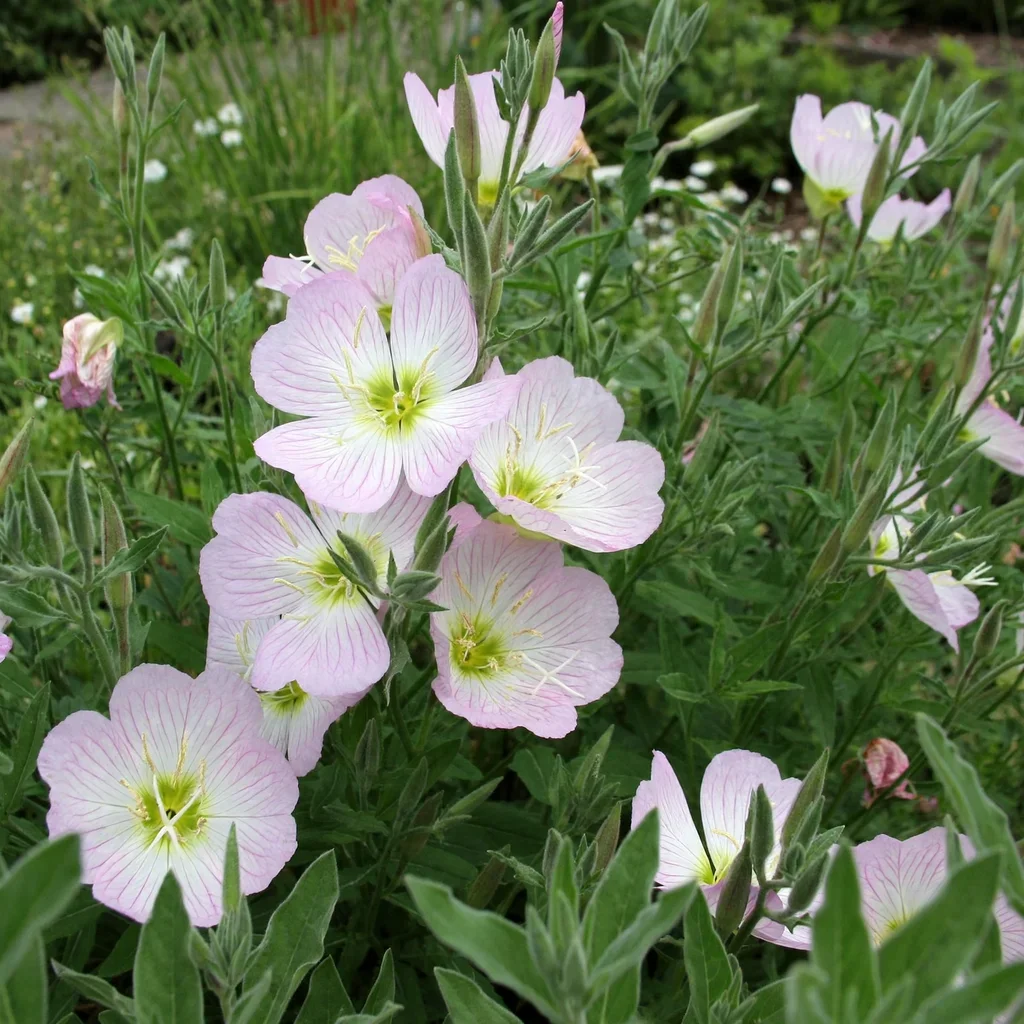
Pink Evening Primrose
Oenothera speciosa
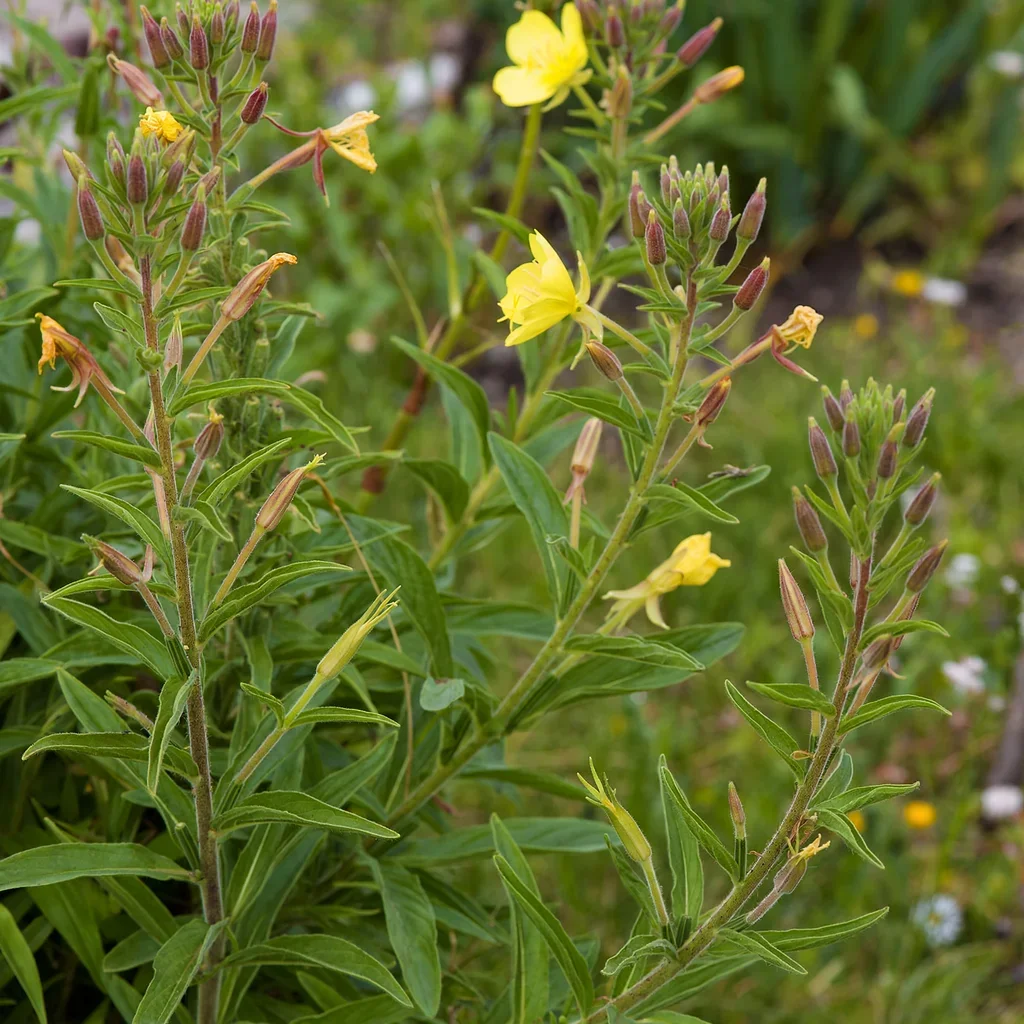
Evening Primrose
Oenothera biennis
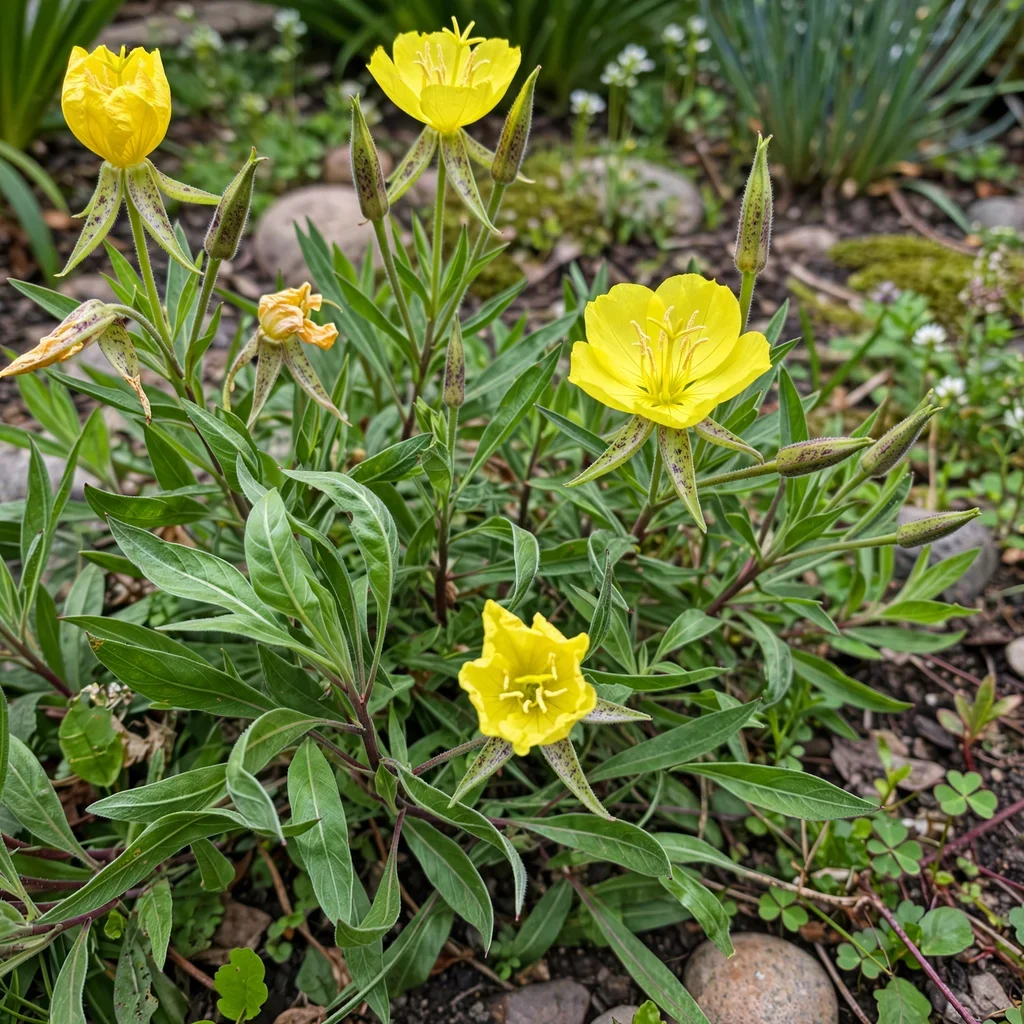
Missouri Evening Primrose Giant Evening Primrose
Oenothera macrocarpa
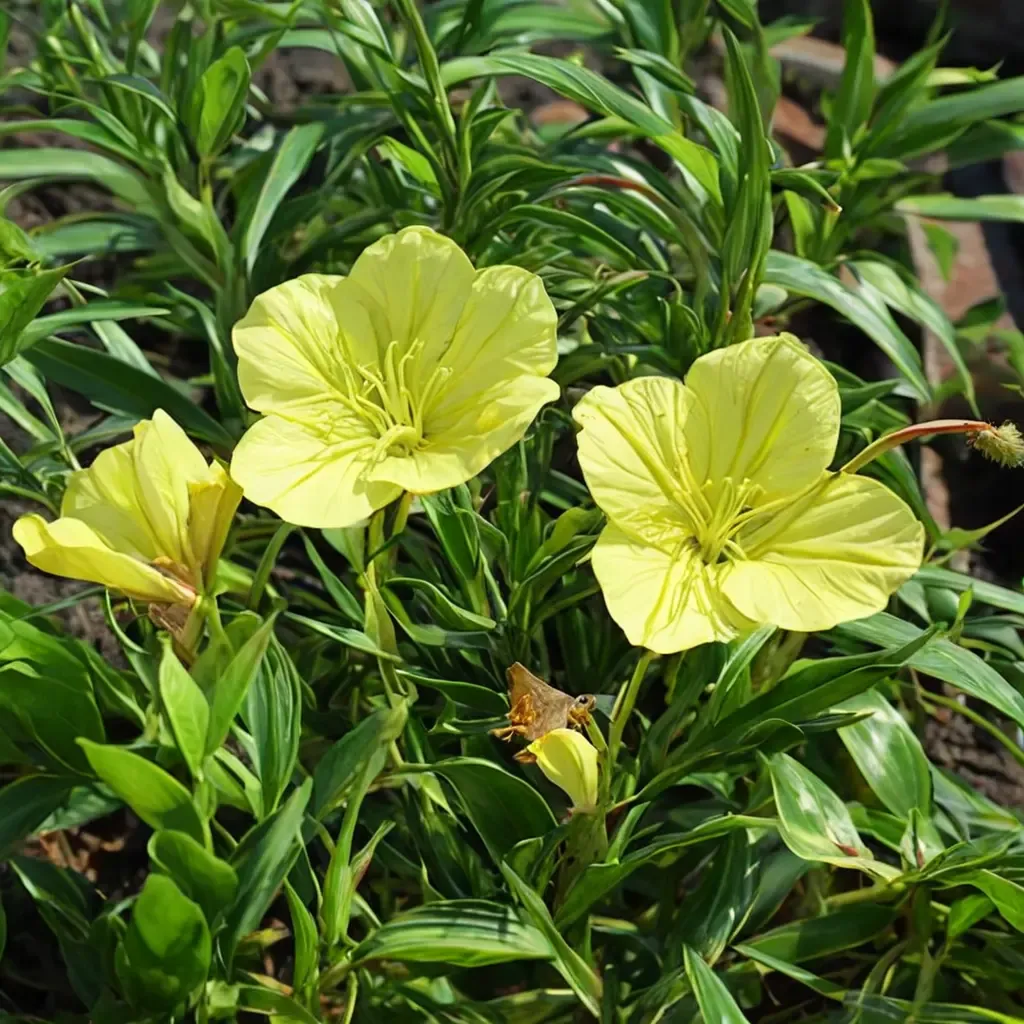
Ozark Sundrop
Oenothera missouriensis 'Ozark Sundrop'
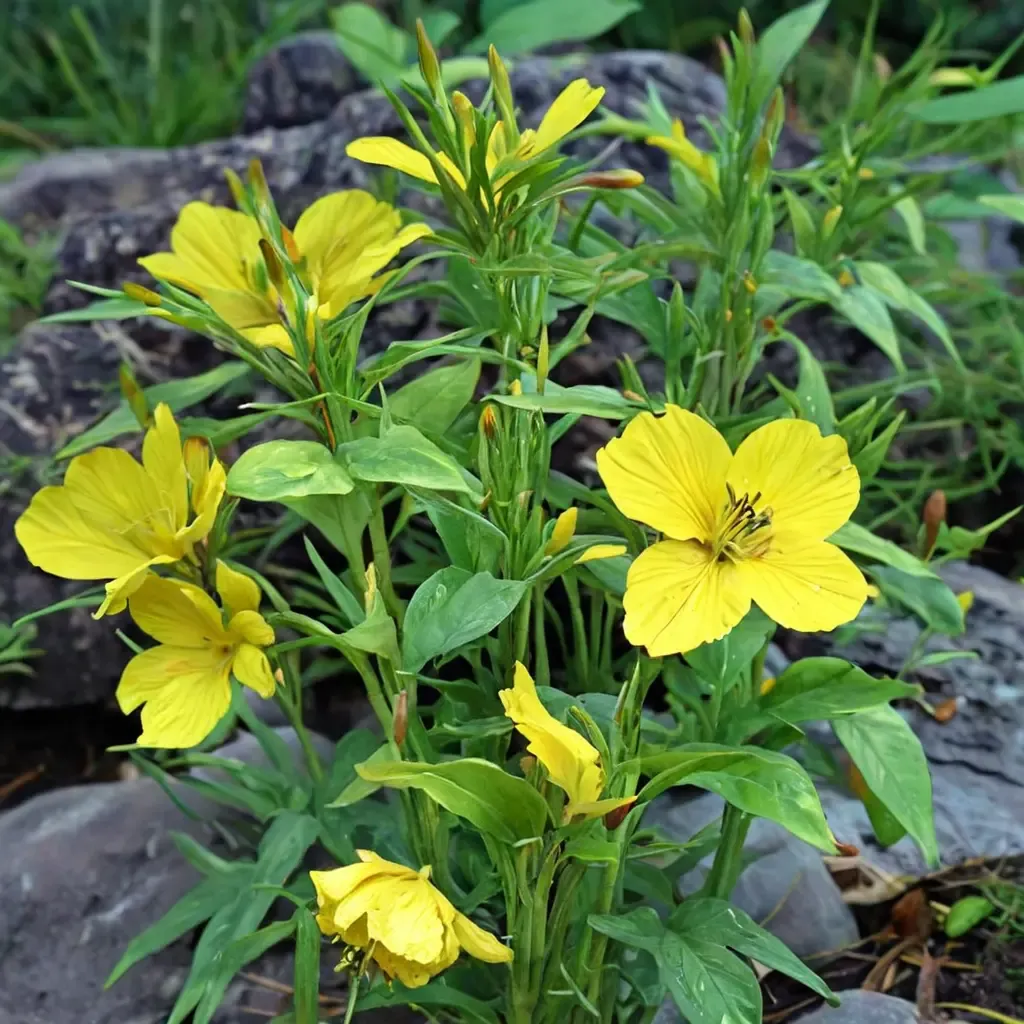
Native Yellow Sundrops
Oenothera fruticosa 'Native Yellow Bellflower'
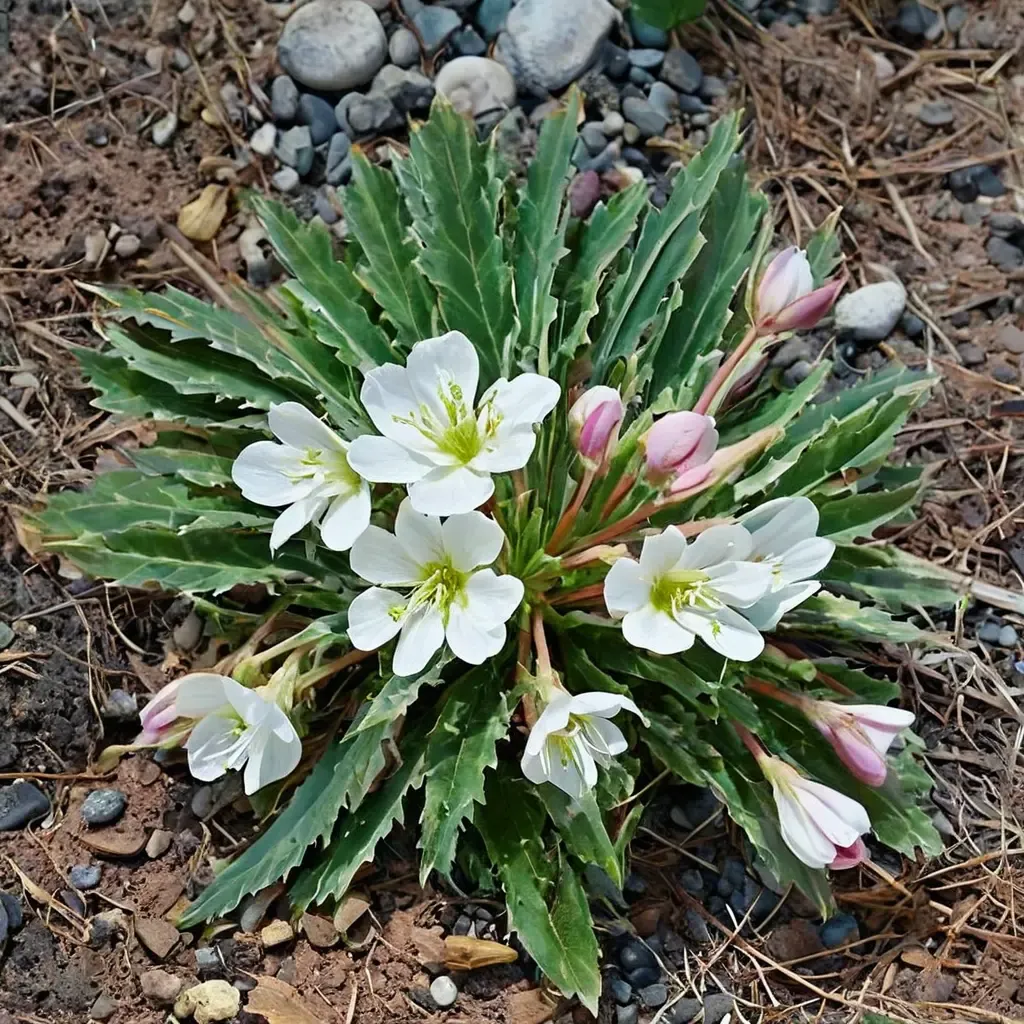
Tufted Evening Primrose
Oenothera caespitosa
Keep exploring
Explore the genus
Grow Northern Sundrops with confidence
See it in a design of your actual yard, get zone-matched care reminders, and track it season by season in your garden journal.