The Story
Plant Bio
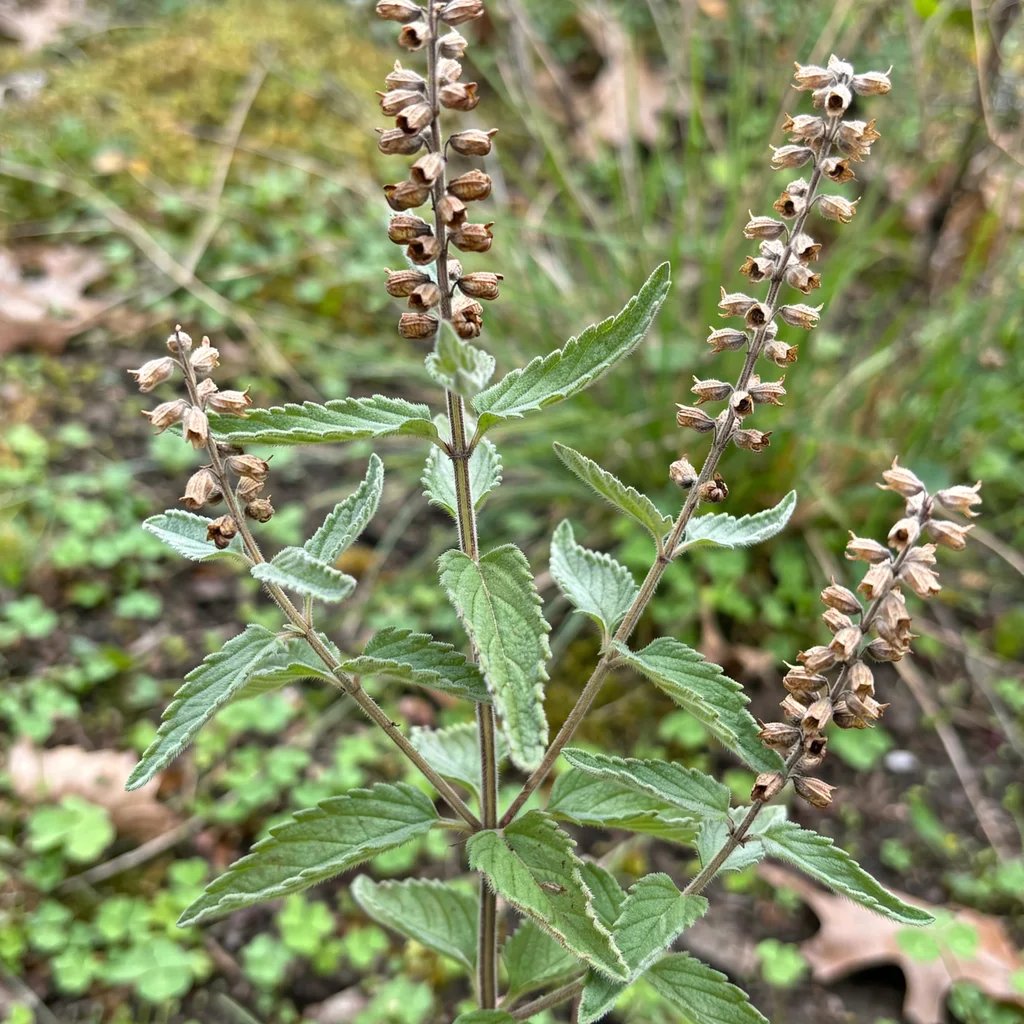
Teucrium canadense, American germander, is a woody-based rhizomatous perennial in the mint family reaching 18 inches to 3 feet, with square hairy stems and opposite lanceolate to narrow-ovate coarsely toothed leaves that are soft-hairy above and gray-hairy beneath. The summer display is a dense spikelike raceme of cream to pink-purple flowers with four arched stamens exserted from the cleft upper lip, followed by four small nutlets.
It forms expanding colonies from slender pale rhizomes and fibrous roots and overwhelms neighboring perennials in moist rich soil if left undivided, behaving more like an aggressive mint than a clump perennial. It is valued for wet meadows, shorelines and rain gardens as a deer-resistant bee, hummingbird-moth and hummingbird plant, but all parts contain hepatotoxic neoclerodane diterpenoids that cause liver injury and must never be eaten or brewed.
Uses & Benefits:
Essentials
At a Glance
Plant Type
Perennial
Height
36"
Width
24"
Light
Full Sun, Partial Sun
Zones
4, 5, 6, 7, 8, 9
Water
High - moist to wet
Humidity
Average
Lifespan
Perennial
Native To
North America - 48 contiguous US states and southern Canada
Toxicity
Toxic if ingested - causes liver damage
Bloom period
Summer – Early fall
In flower about 4 months of the year
Planting
How to Grow
- Plant in spring in full sun to part shade in moist rich loam, sandy loam or clay that stays damp.
- Set crowns at soil level 18 to 24 inches apart inside a barrier or confined bed.
- Water deeply weekly to keep soil evenly moist through summer.
- Shear spent flower spikes after bloom and cut dead stems to the base in early spring.
- Lift and divide the rhizome mat every 1 to 2 years to control spread.
Pro Tip
Set it inside a root barrier in moist soil and lift and divide the rhizome mat every year or two, shearing spent spikes to limit seed and keep the clump dense.
Keep It Thriving
Care Guide
Do
- Plant in a contained wet pocket with room to colonize.
- Keep soil consistently moist with weekly deep watering.
- Divide established clumps regularly to control rhizome spread.
Don't
- Do not ingest leaves or brew tea; it causes liver damage.
- Do not plant uncontained beside delicate perennials.
- Do not let stressed plantings go dry; remove mildewed leaves promptly.
Seasonal Care Calendar
| Task | Jan | Feb | Mar | Apr | May | Jun | Jul | Aug | Sep | Oct | Nov | Dec |
|---|---|---|---|---|---|---|---|---|---|---|---|---|
| Divide | ||||||||||||
| Pest Check | ||||||||||||
| Plant | ||||||||||||
| Prune | ||||||||||||
| Spring Cleanup |
Watch Out For
Pests & Diseases
Common Pests
Common Diseases
In the Garden
Landscape Uses & Companions
Landscape Uses
Multiply
Propagation Methods
Good to Know
Common Questions
American Germander questions
What zones can American Germander grow in?
American Germander is hardy in USDA Zones 4–9: in that range it survives winter in the ground. Warmer than Zone 9, winter isn't the problem: it prefers colder winters, and summer heat can shorten its life.
Is American Germander deer resistant?
Yes — American Germander is rated deer-resistant. Deer typically pass it over, though extreme hunger can override any plant's defenses.
When does American Germander bloom?
American Germander typically blooms from early summer to early fall. Exact timing shifts a week or two with your zone — Sow's bloom calendar maps it to your garden.
Does American Germander need full sun?
American Germander does best in full sun to part shade. In hot climates, afternoon shade keeps blooms fresher longer.
More Teucrium to compare
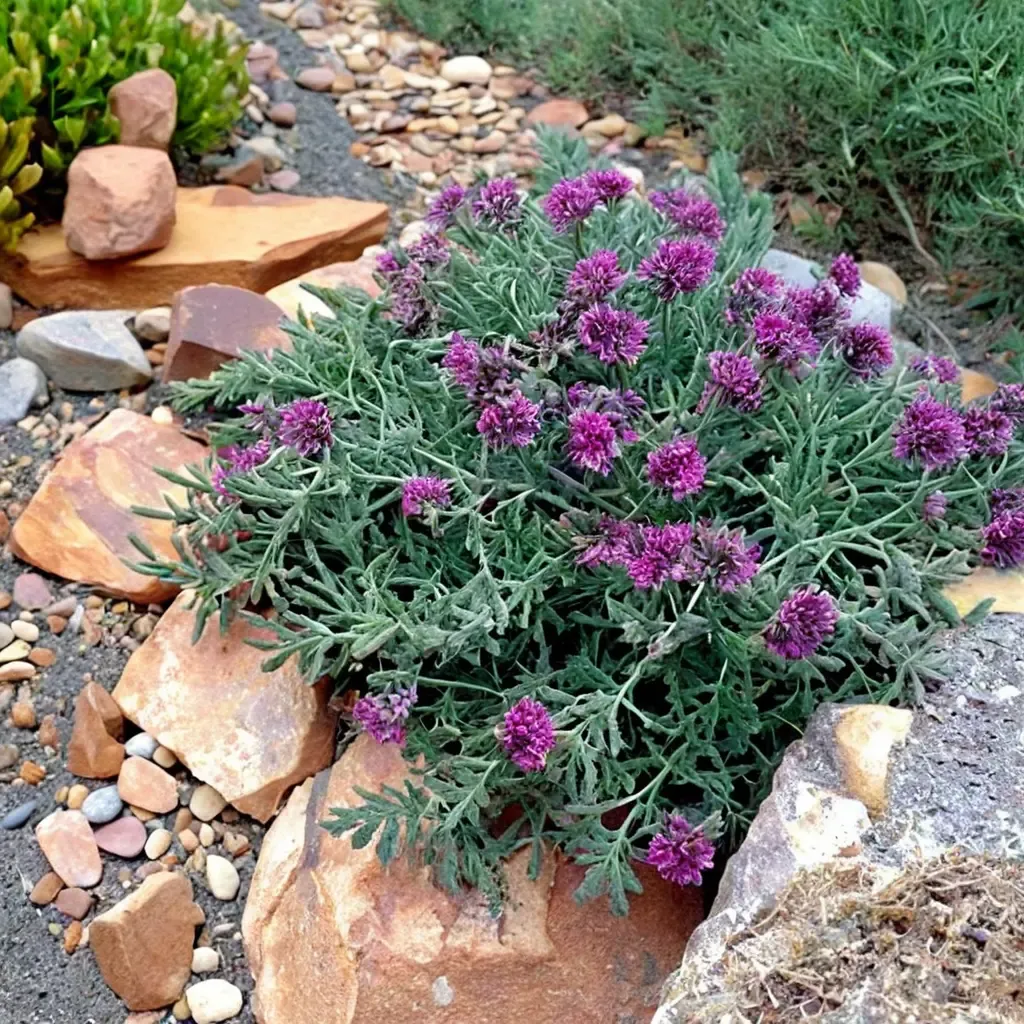
Grey Germander
Teucrium aroanium
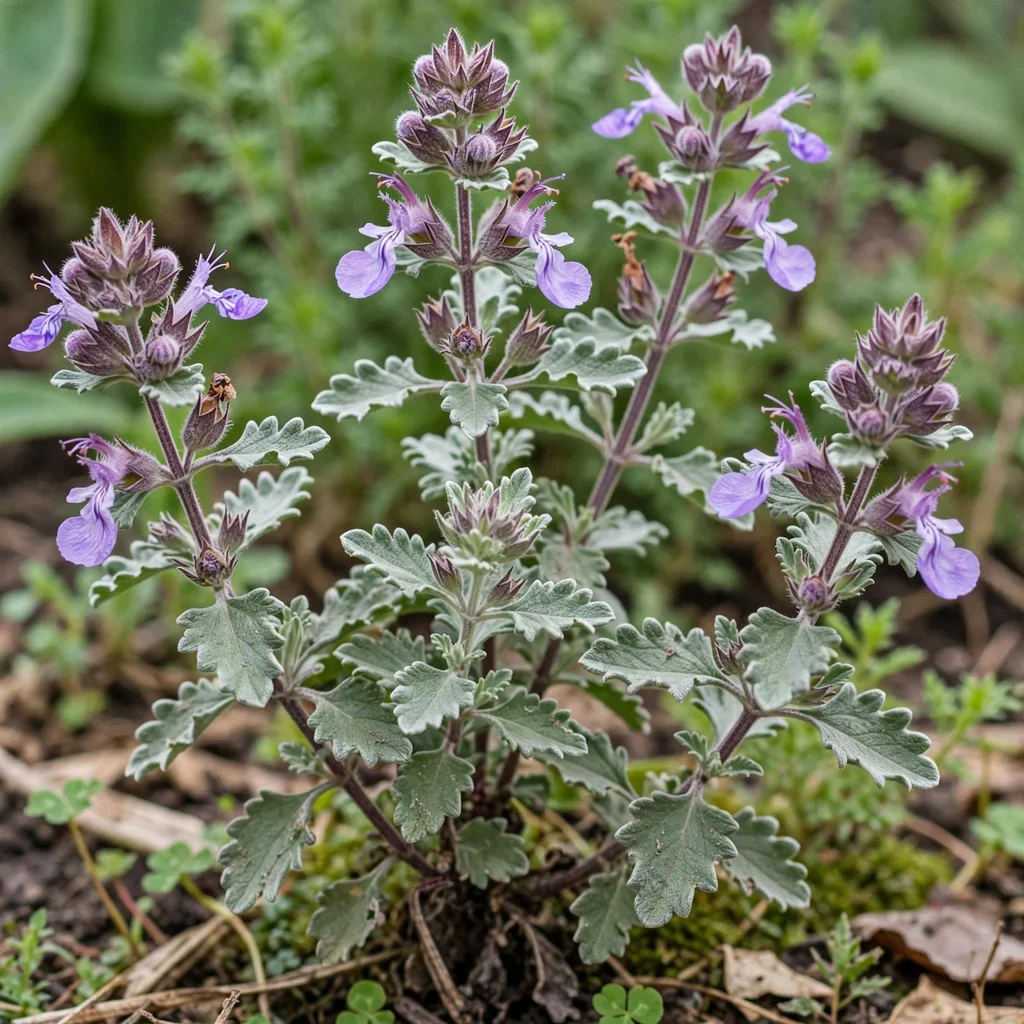
Wall Germander
Teucrium chamaedrys
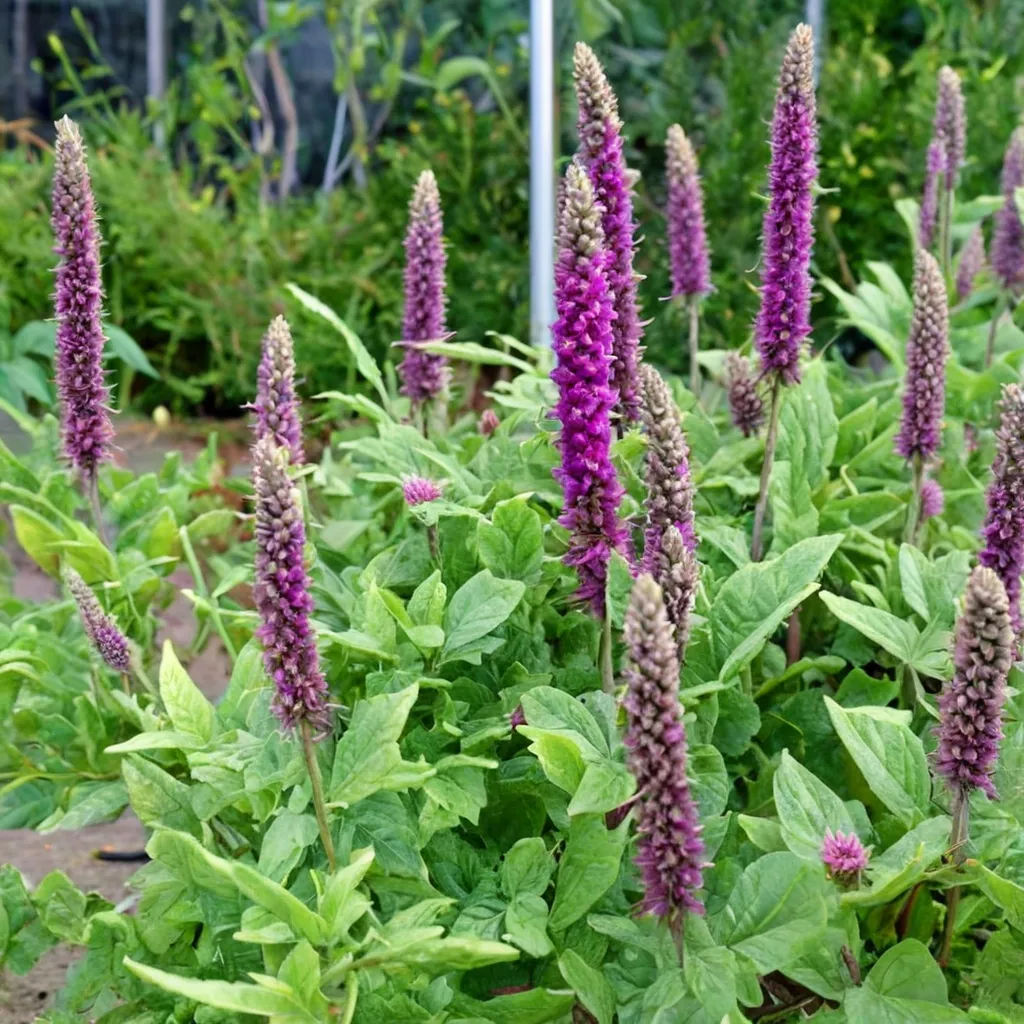
Caucasian Germander
Teucrium hircanicum
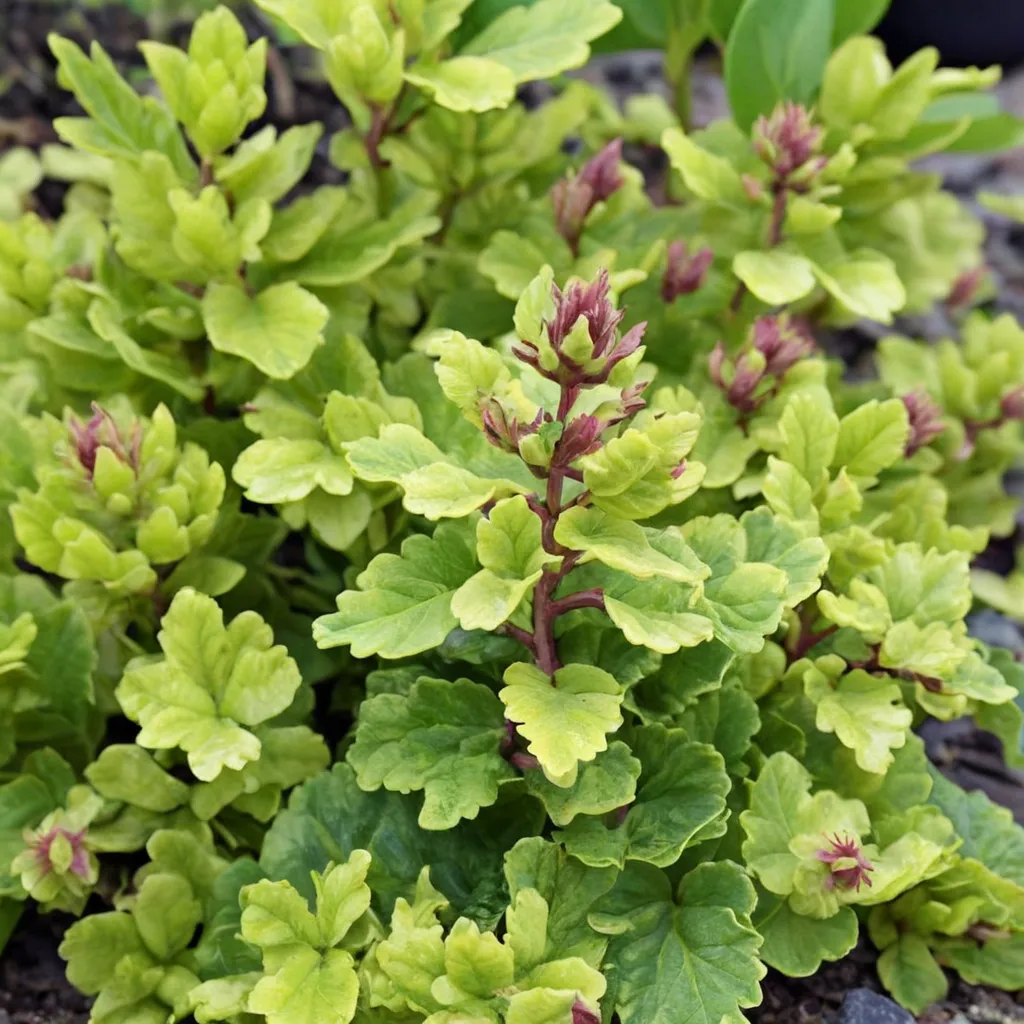
Summer Sunshine Germander
Teucrium chamaedrys 'Summer Sunshine'
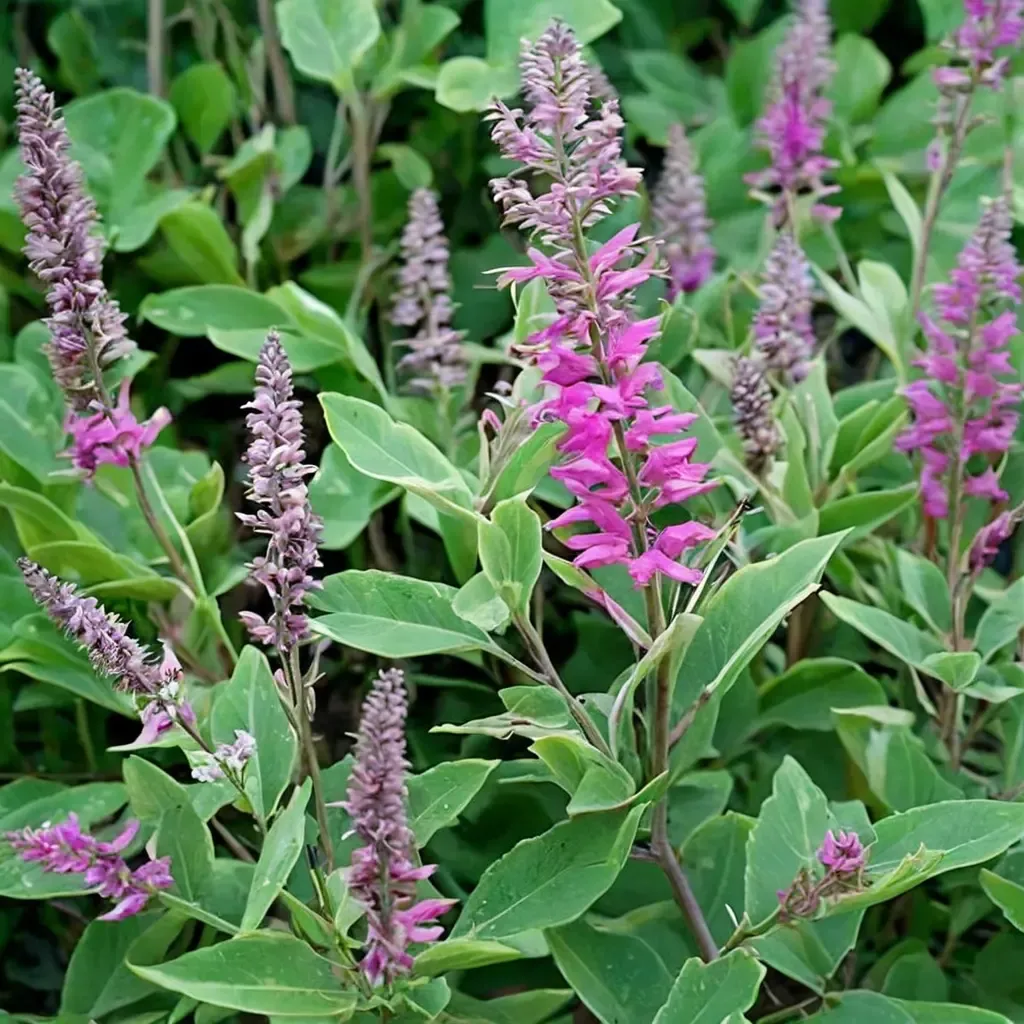
Betony Germander
Teucrium betonicum
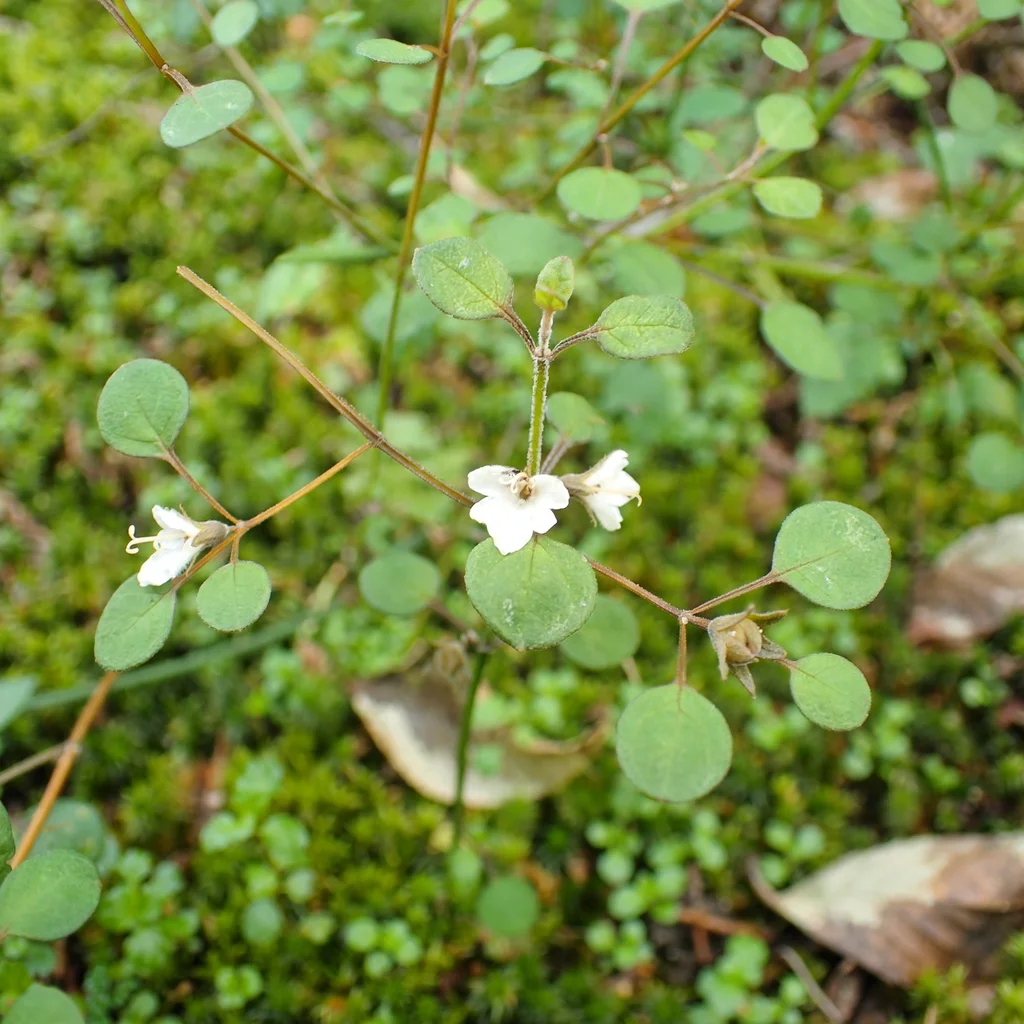
New Zealand Germander
Teucrium parvifolium
Keep exploring
Explore the genus
Grow American Germander with confidence
See it in a design of your actual yard, get zone-matched care reminders, and track it season by season in your garden journal.