Ranked by real gardeners
The Best Climbing Vines
A vine turns a fence, arbor, or bare wall into something alive. These are the climbers gardeners plant to cover, screen, and soften — ranked by real saves.
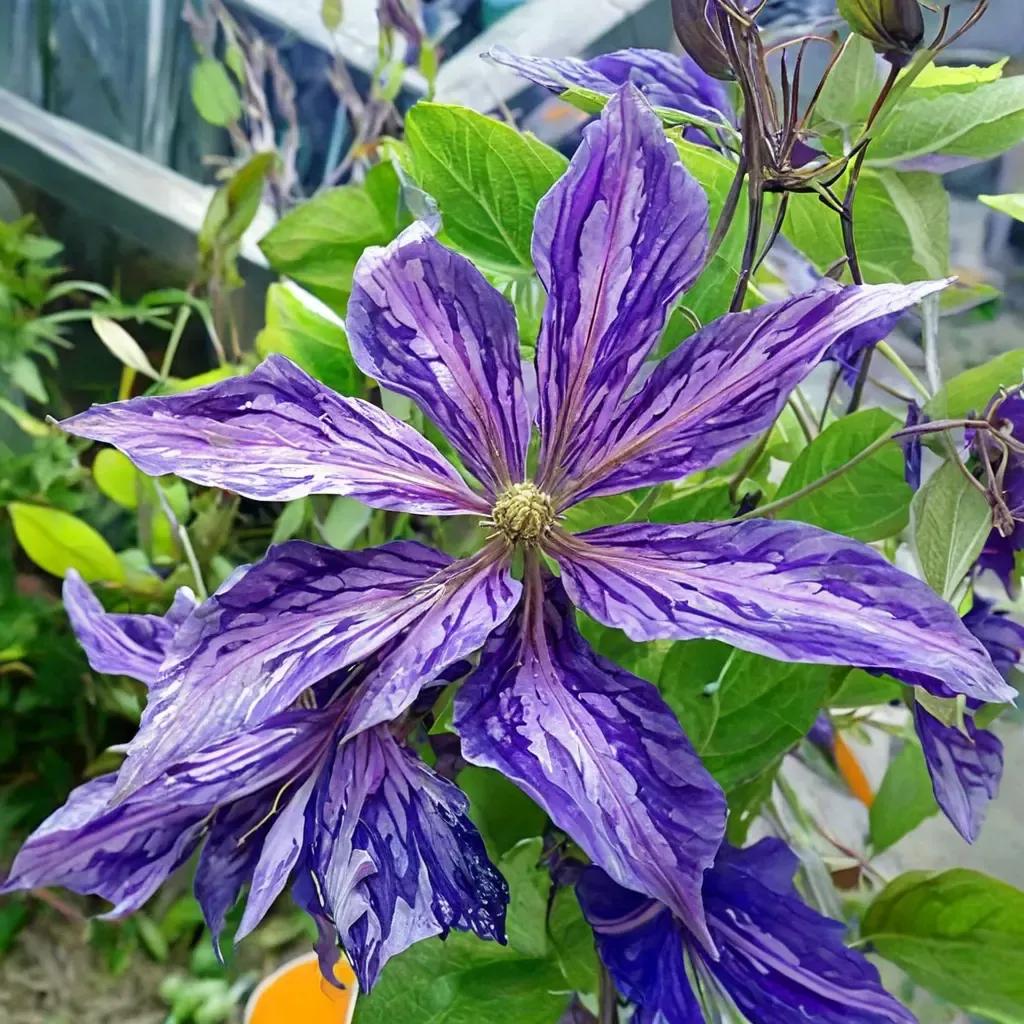
The most-saved genus here, with 226 varieties in the full catalog. A remarkable range of flower forms brings vertical color without a heavy footprint.
Zones 4–9All 226 varieties →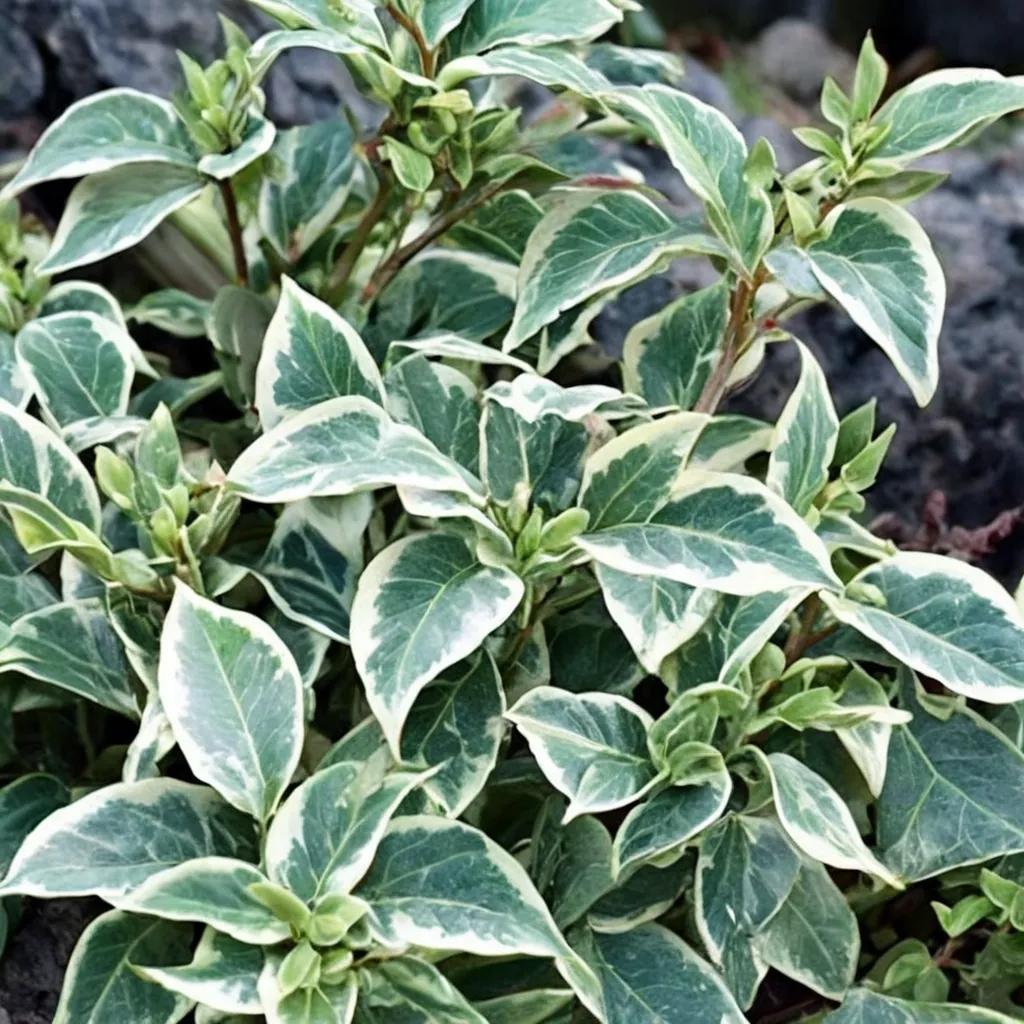
Ivy
The full catalog includes 37 varieties. Evergreen leaves cover walls and ground rapidly, where its vigorous spread can be contained.
Zones 4–10All 37 varieties →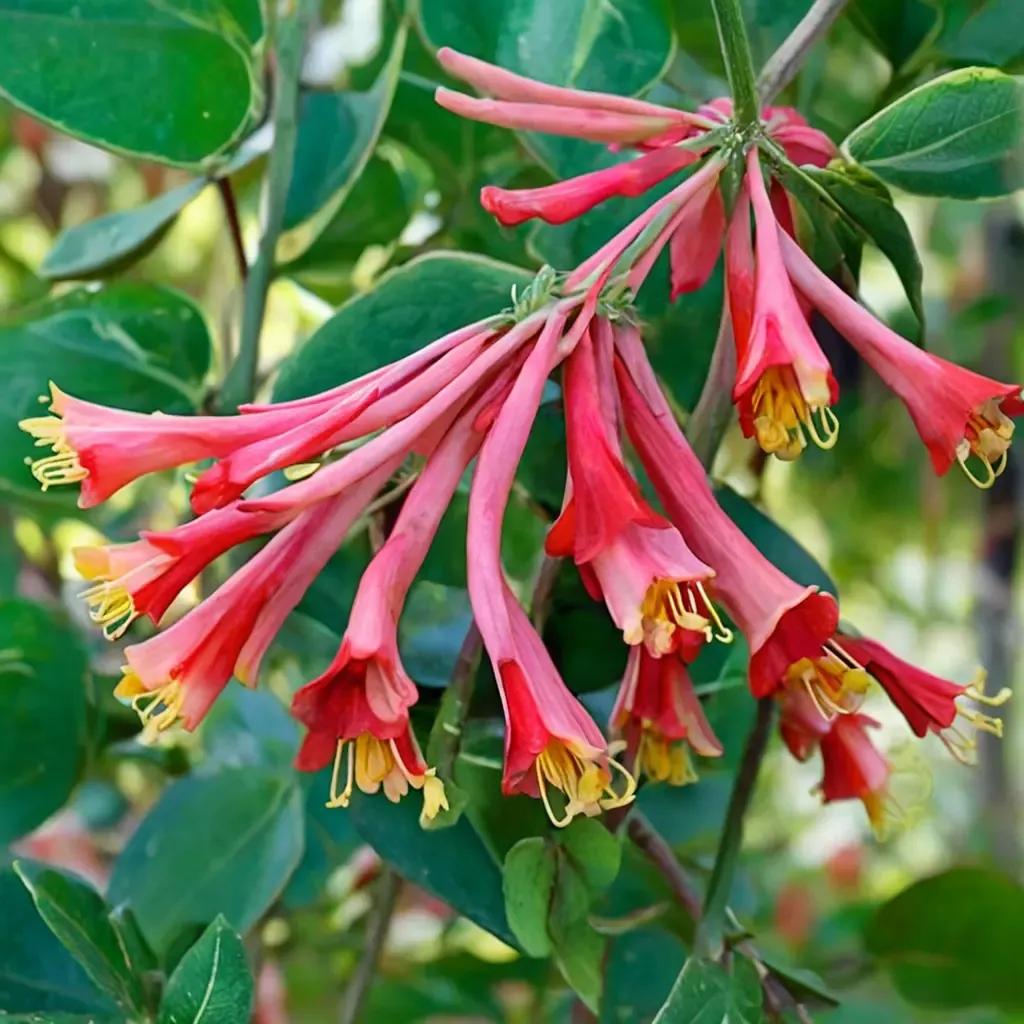
Honeysuckle
Choose from 19 varieties across the full catalog. Tubular, often fragrant flowers turn fences into nectar-rich habitat.
Zones 4–10All 19 varieties →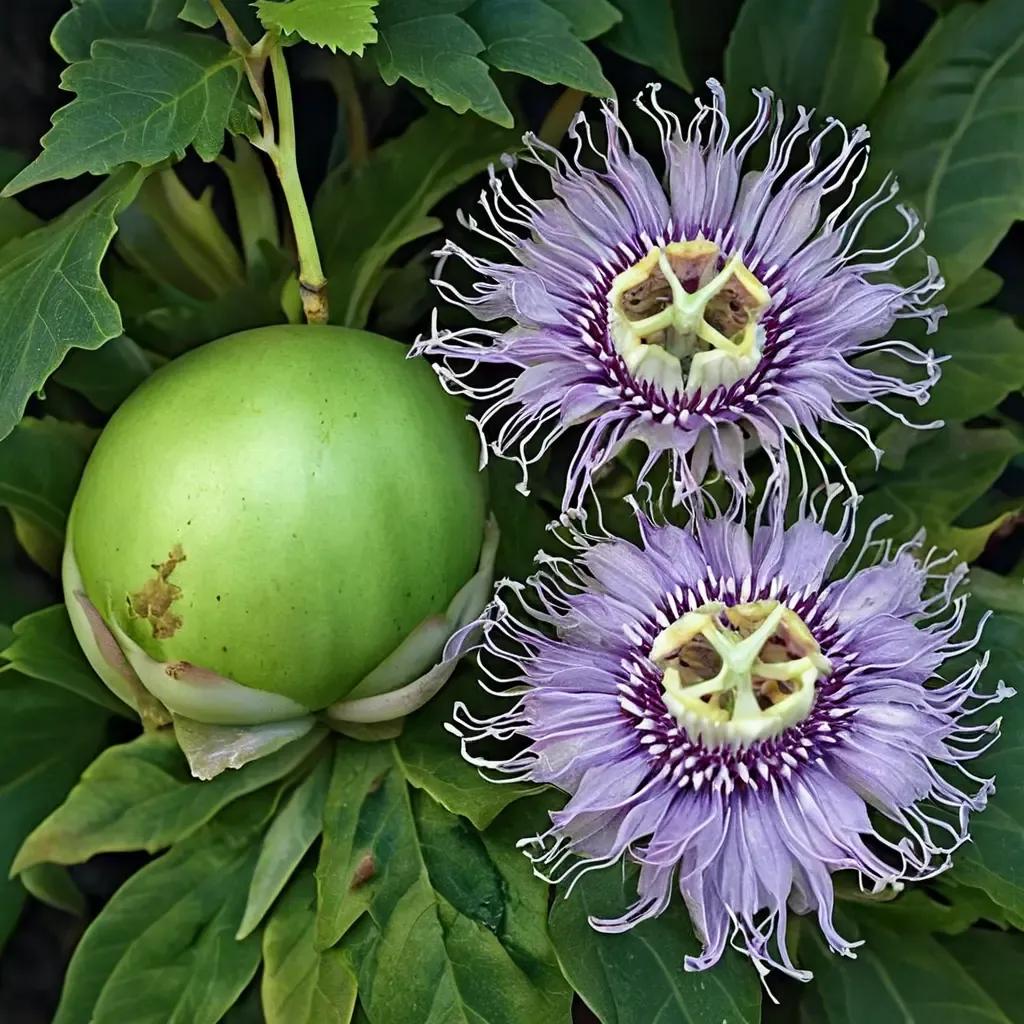
Passion Flower
Catalog-wide, this genus spans 14 varieties. Intricate flowers look almost engineered, followed by fruit on many species.
Zones 5–10All 14 varieties →
This genus has 11 varieties in the full catalog. Pendant, fragrant flower clusters create a remarkable canopy on a very strong support.
Zones 5–9All 11 varieties → 6
6Rosa
Rose
The full catalog includes 292 varieties. No other shrub matches roses for range of habit, fragrance, color, and repeat bloom.
Zones 5–10All 292 varieties →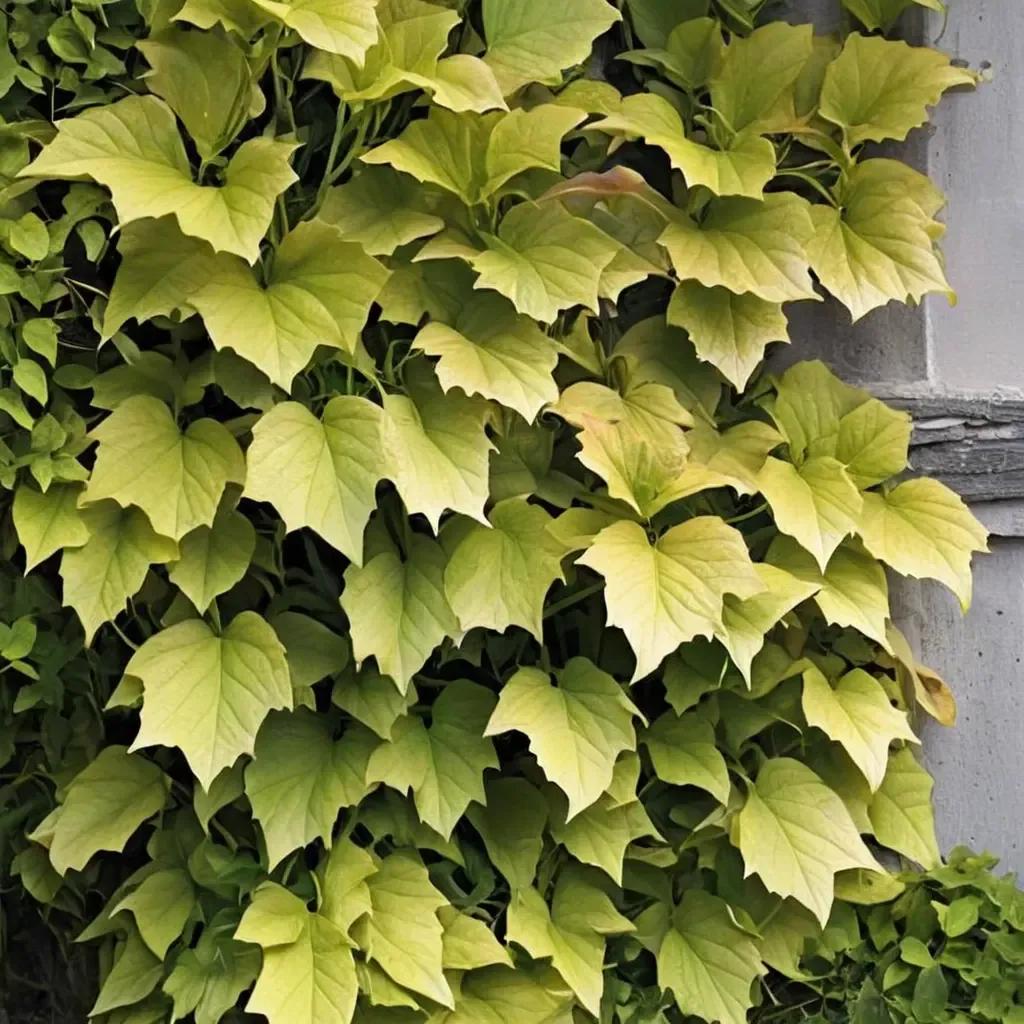
Virginia Creeper
Choose from 4 varieties across the full catalog. Self-clinging foliage covers broad surfaces and finishes with brilliant fall color.
Zones 4–8All 4 varieties →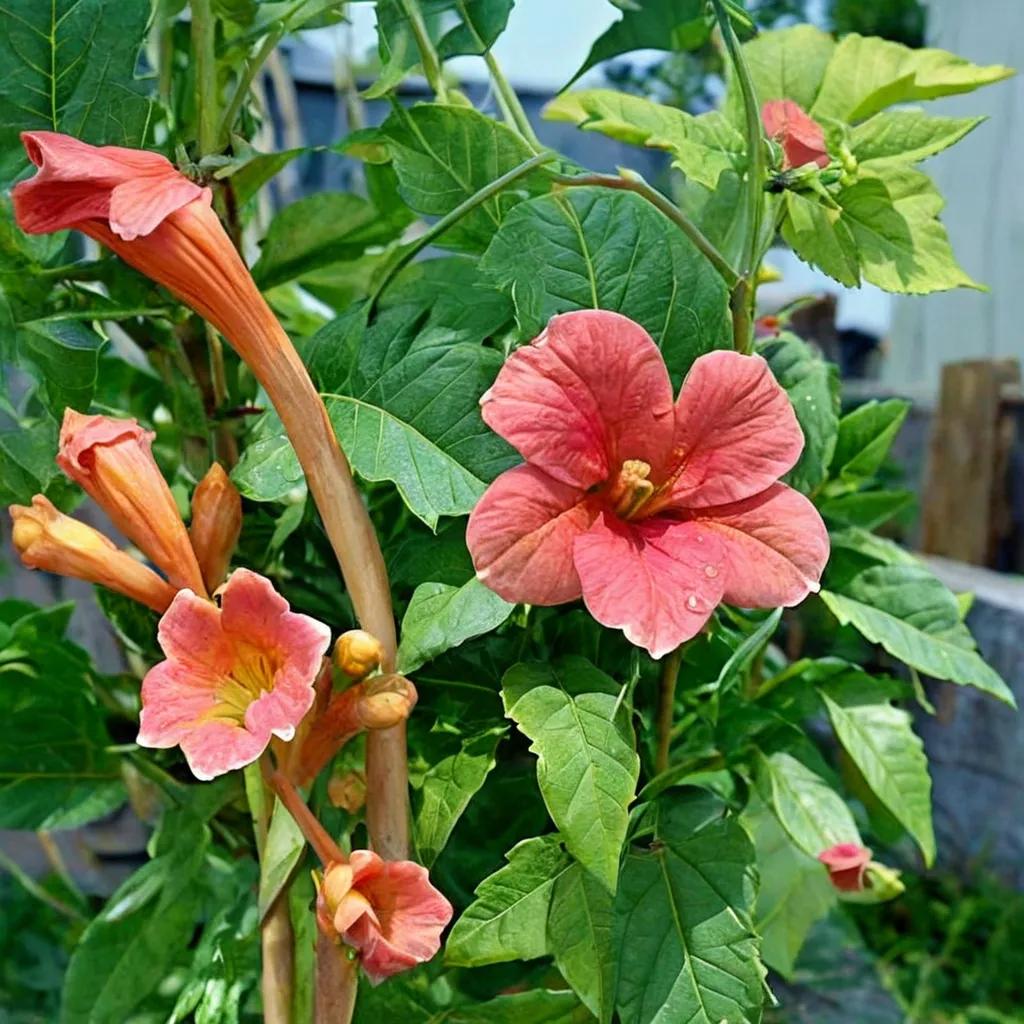
Trumpet Vine
Catalog-wide, this genus spans 4 varieties. Trumpet-shaped summer flowers turn a sturdy support into a hummingbird destination.
Zones 4–9All 4 varieties →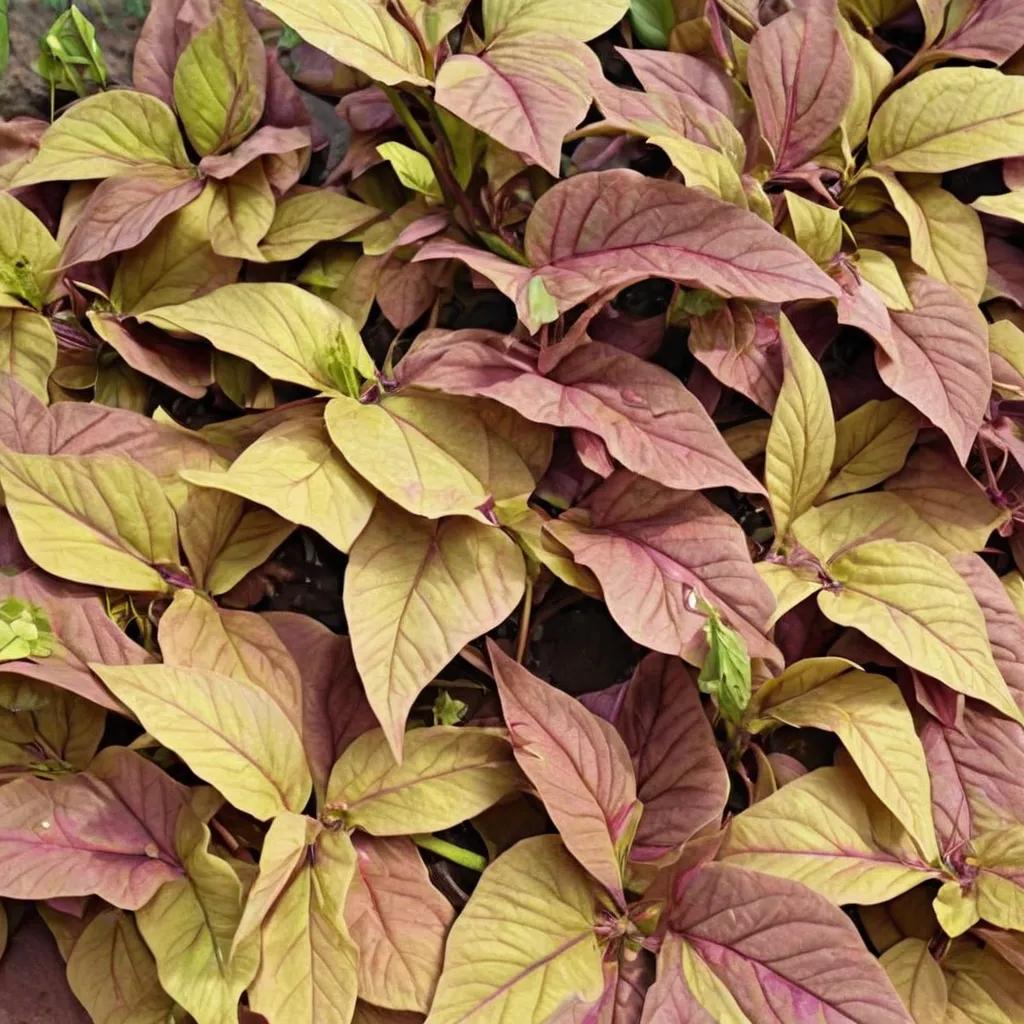
Morning Glory
This genus has 13 varieties in the full catalog. Heart-shaped leaves and trumpet flowers rapidly dress a sunny vertical surface.
Zones 4–9All 13 varieties →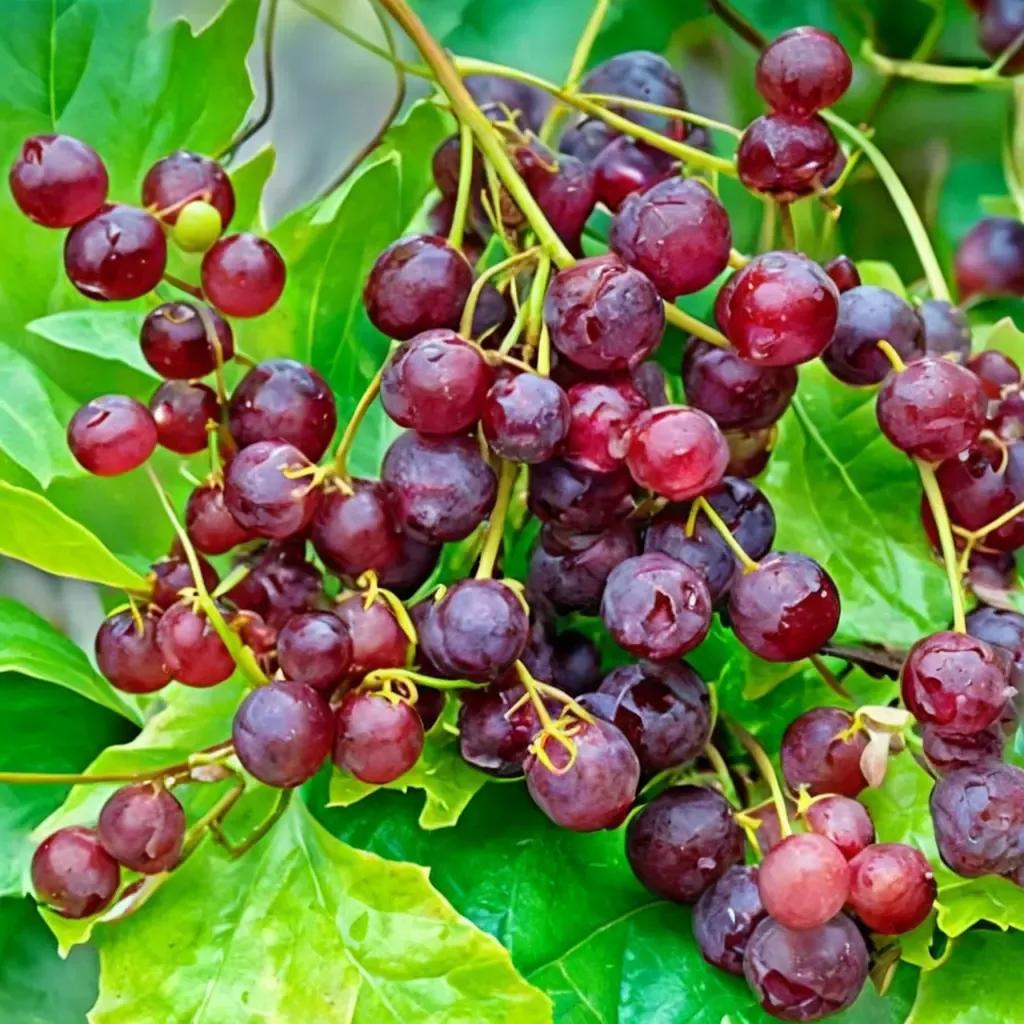 10
10Vitis
Grape
The full catalog includes 7 varieties. Grapevines combine generous shade, sculptural trunks, fall color, and edible clusters.
Zones 6–10All 7 varieties →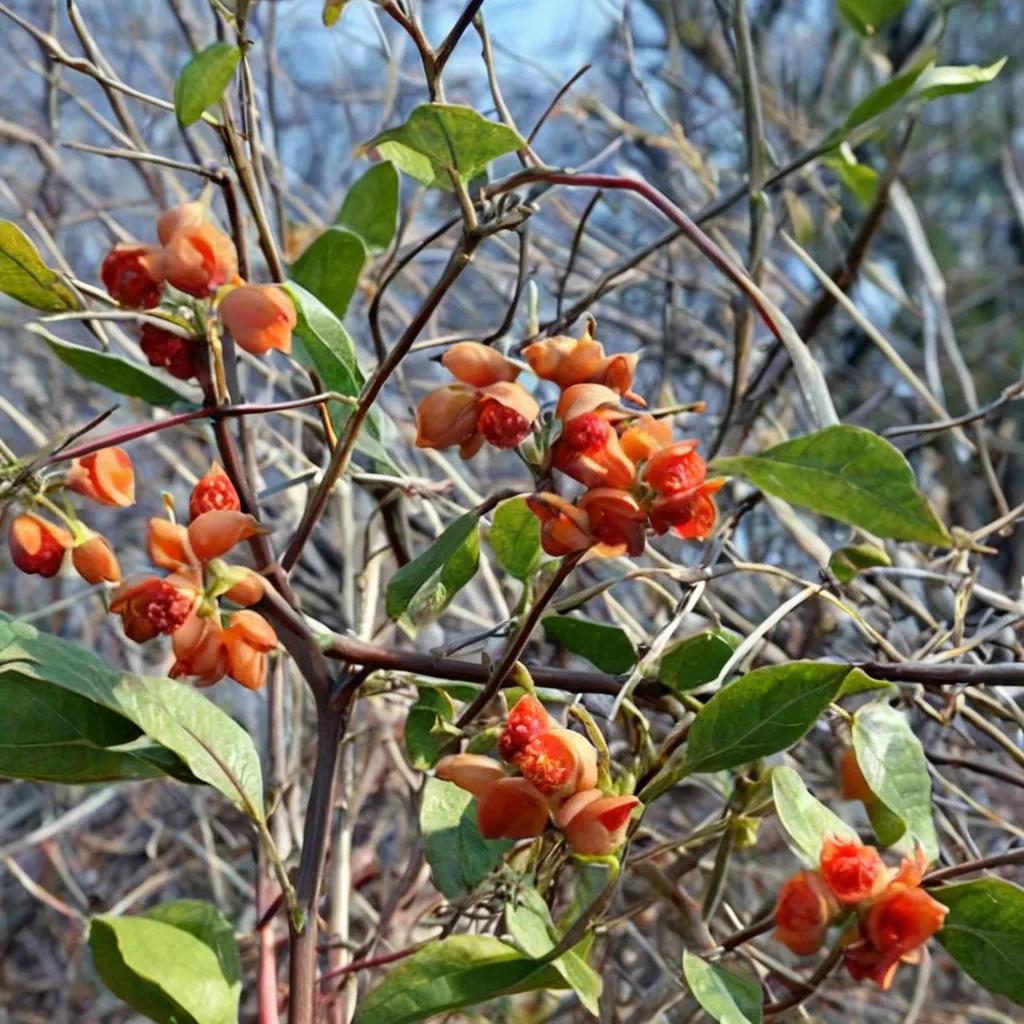
Bittersweet
Choose from 4 varieties across the full catalog. Twining stems and colorful fruit make a strong seasonal screen, where spread is managed.
Zones 4–8All 4 varieties →
Bean
Catalog-wide, this genus spans 4 varieties. Climbing beans turn vertical space into edible pods while enriching garden variety.
Zones 5–8All 4 varieties →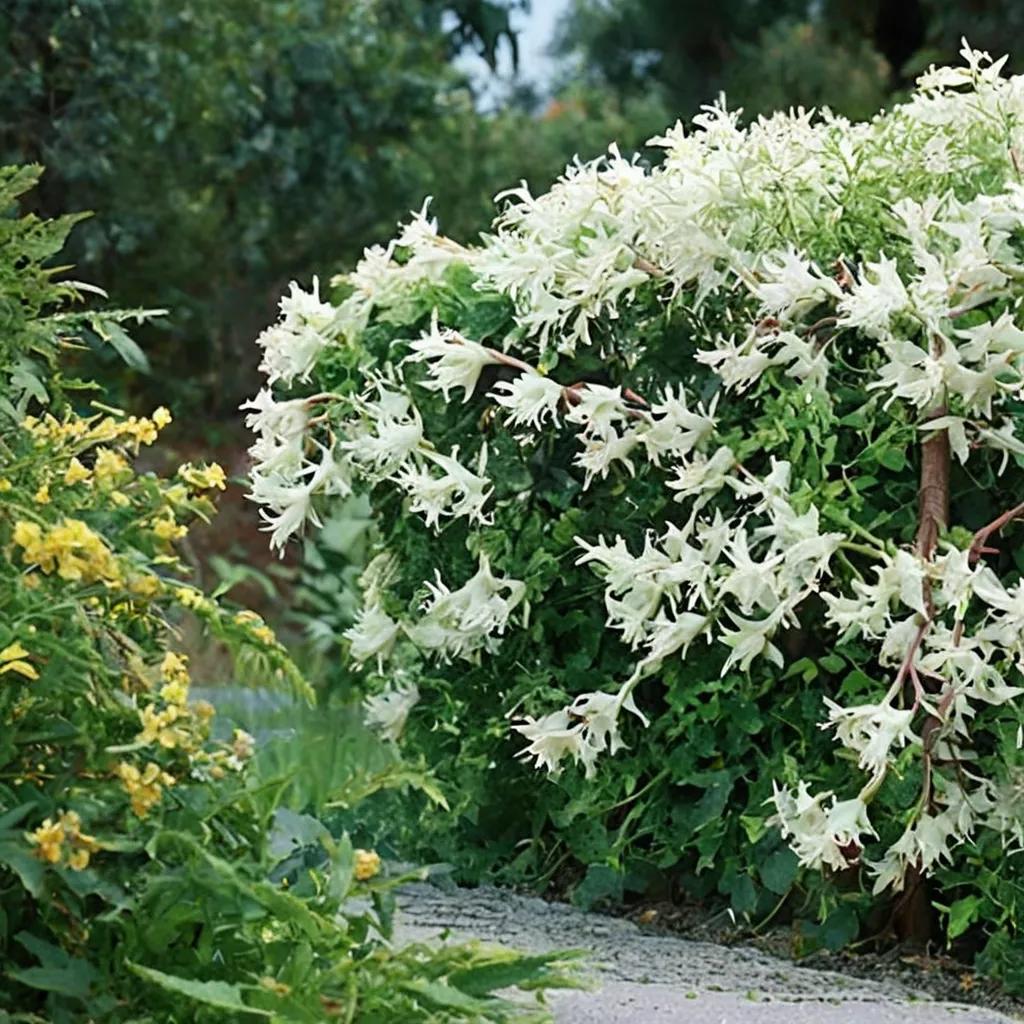
Knotweed
This genus has 4 varieties in the full catalog. Fast twining growth can cover large structures quickly, where spread is carefully managed.
Zones 4–8All 4 varieties →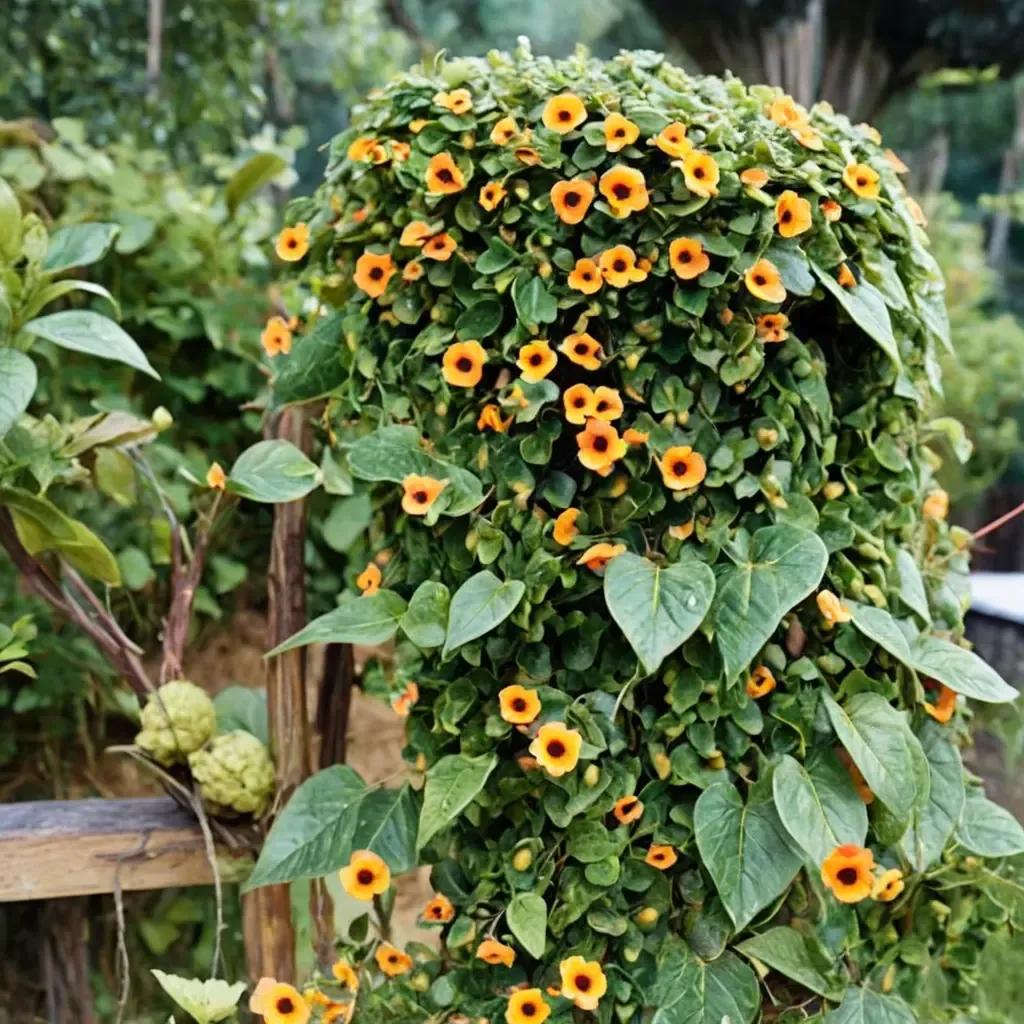
Black-eyed Susan Vine
The full catalog includes 8 varieties. Bright, dark-eyed flowers race up a support for quick seasonal cover.
Zone 10All 8 varieties →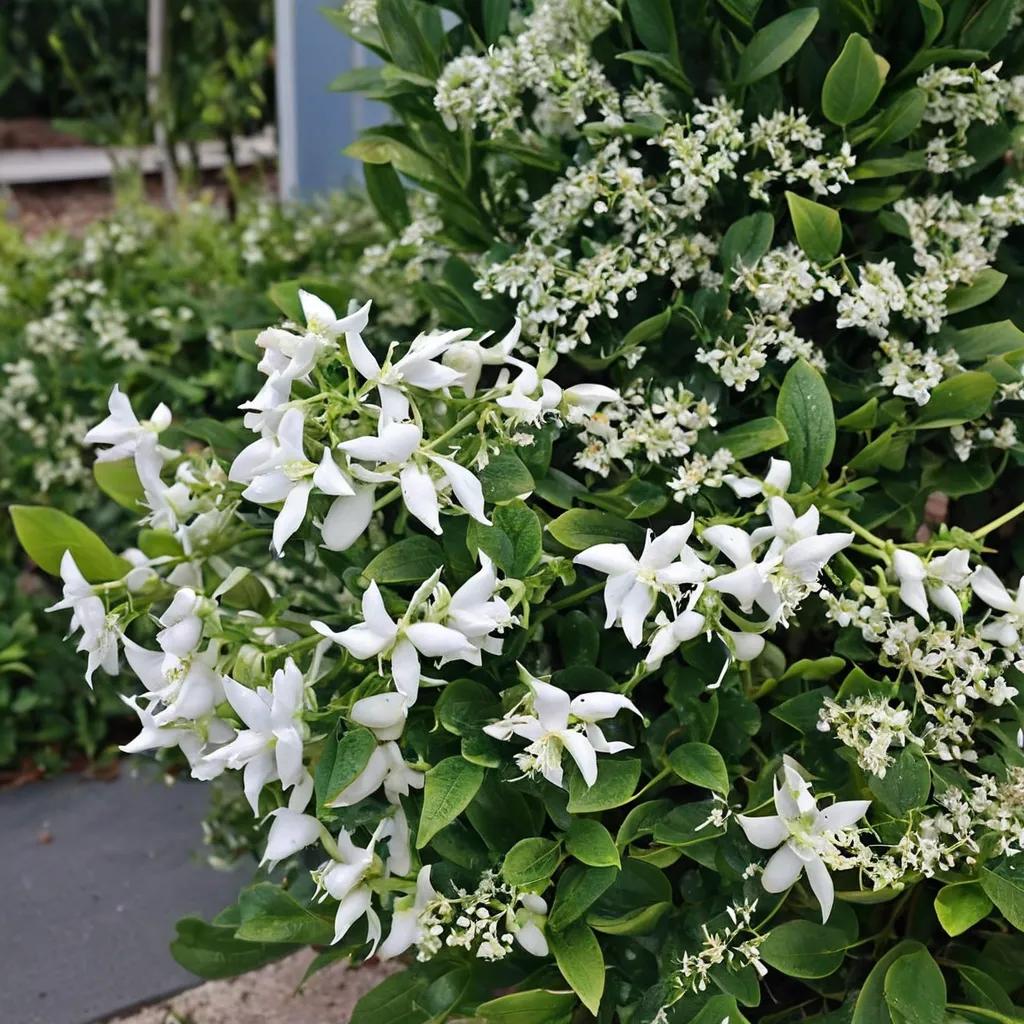
Star Jasmine
Choose from 4 varieties across the full catalog. Glossy evergreen leaves and intensely fragrant white flowers refine a warm wall.
Zones 8–10All 4 varieties →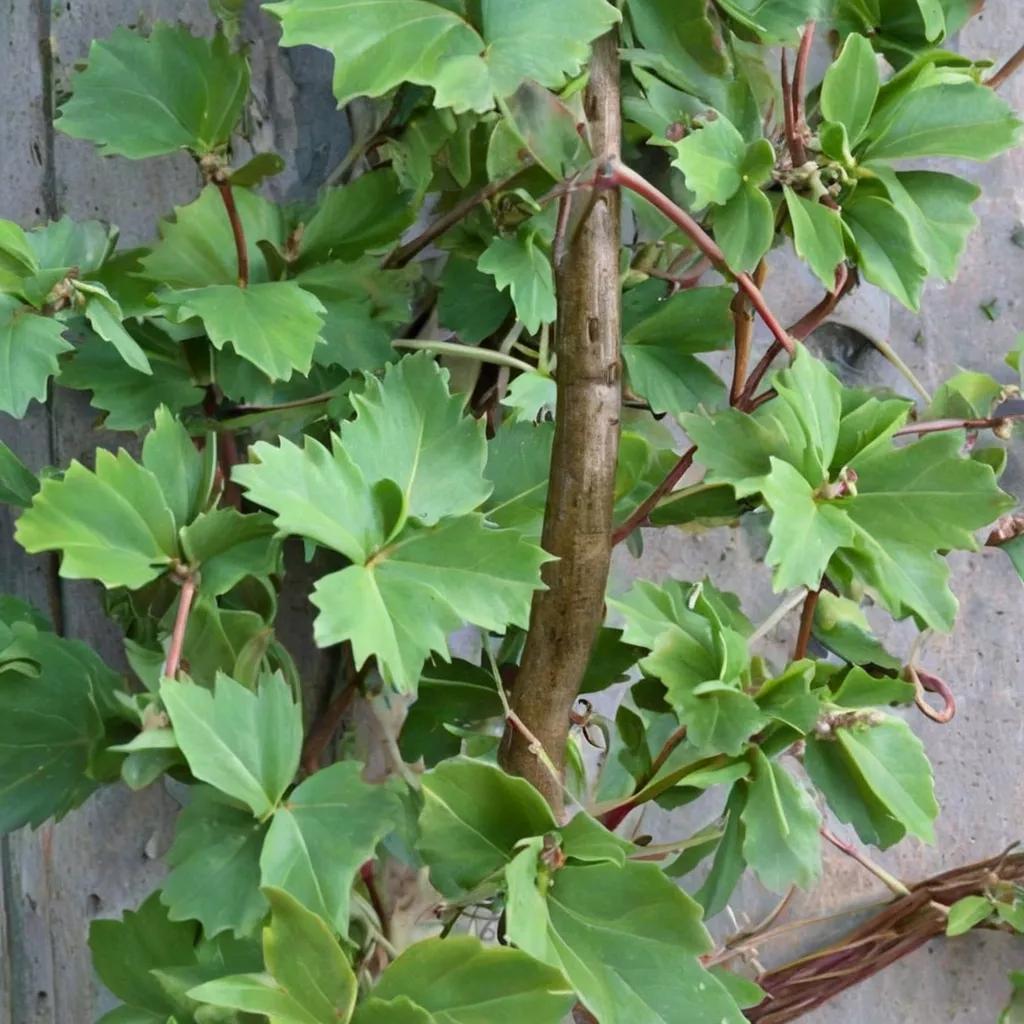 16
16Cissus
Grape Ivy
Catalog-wide, this genus spans 1 variety. Glossy divided leaves quickly clothe a trellis with a grapevine-like texture.
Zones 4–9All 1 variety →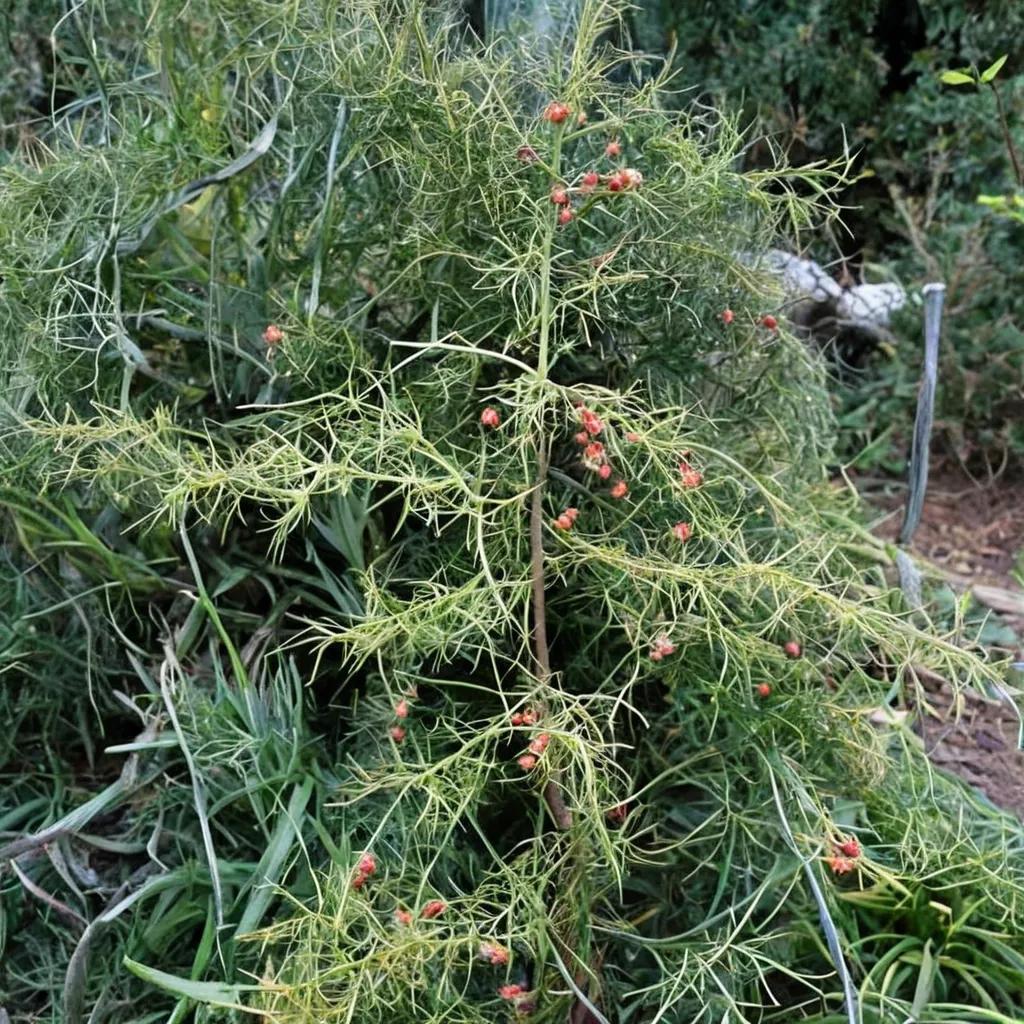
This genus has 19 varieties in the full catalog. One established crown can produce spring spears for many years.
Zones 4–9All 19 varieties → 18
18Apios
Groundnut
The full catalog includes 1 variety. This native vine pairs fragrant pea-like flowers with edible underground tubers.
Zones 5–8All 1 variety → 19
19Akebia
Choose from 1 variety across the full catalog. Fine leaflets and unusual chocolate-scented flowers soften screens and pergolas.
Zones 4–8All 1 variety →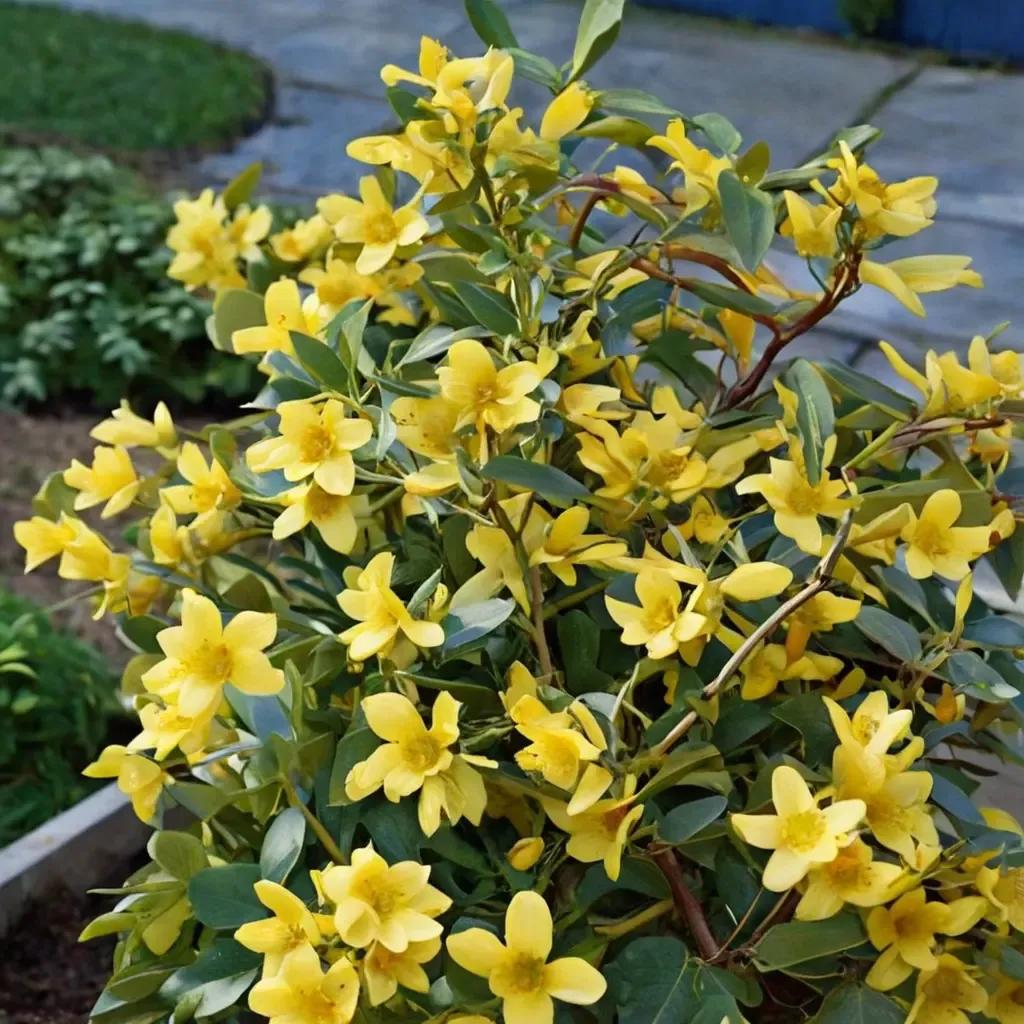
Jessamine
Catalog-wide, this genus spans 2 varieties. Its representative is notable for being North American native and dry-spell tolerant.
Zones 6–10All 2 varieties →
About this list
How was this the best climbing vines list ranked?
By how many gardeners actually saved and planted each one in Sow — 13k saves across this list. Each entry is a genus, shown by its most-saved variety, so no single plant appears twice. Nobody paid to appear here, and no nursery sponsors the order.
How do vines climb — do they need support?
It depends how they grip: twiners (clematis, honeysuckle) need something thin to wrap; tendril climbers (passionflower) need wire or trellis; clingers (climbing hydrangea, ivy) attach to masonry on their own — great on stone, risky on wood or siding.
Which vines are aggressive?
Wisteria, trumpet vine, and some honeysuckles can overwhelm structures and neighbors if unmanaged. Give them a sturdy support and a yearly prune, or choose a better-behaved clematis for smaller spaces.
Keep exploring
See these in your own yard before you buy
Snap a photo of your space and Sow places any of these in it at true mature size — so you know it fits before the nursery run.