From 2.2k gardeners
What to plant with Carex
These are what gardeners actually planted. We looked at everyone who designed with Carex in Sow and ranked the plants they most consistently put beside it.
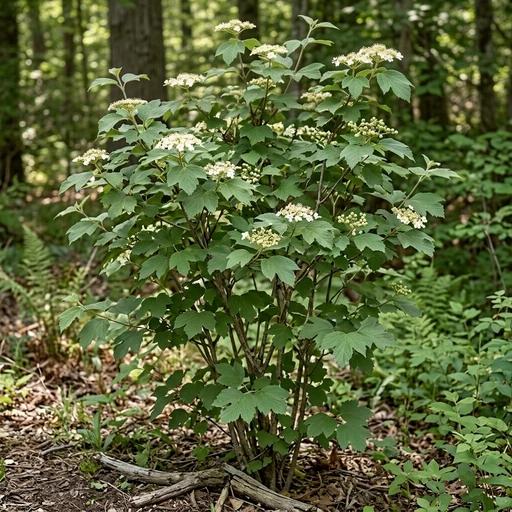
Paired with Carex by 25 gardeners, 2.69× as often as it appears in gardens generally.
Why it works: shares Zones 4–8 with Carex; takes the same shade; adds height behind Carex.
Zones 4–8See plant →
Paired with Carex by 31 gardeners, 1.93× as often as it appears in gardens generally.
Why it works: shares Zones 4–8 with Carex; takes the same shade; blooms early fall to Carex's late spring; adds height behind Carex.
Zones 4–8See plant →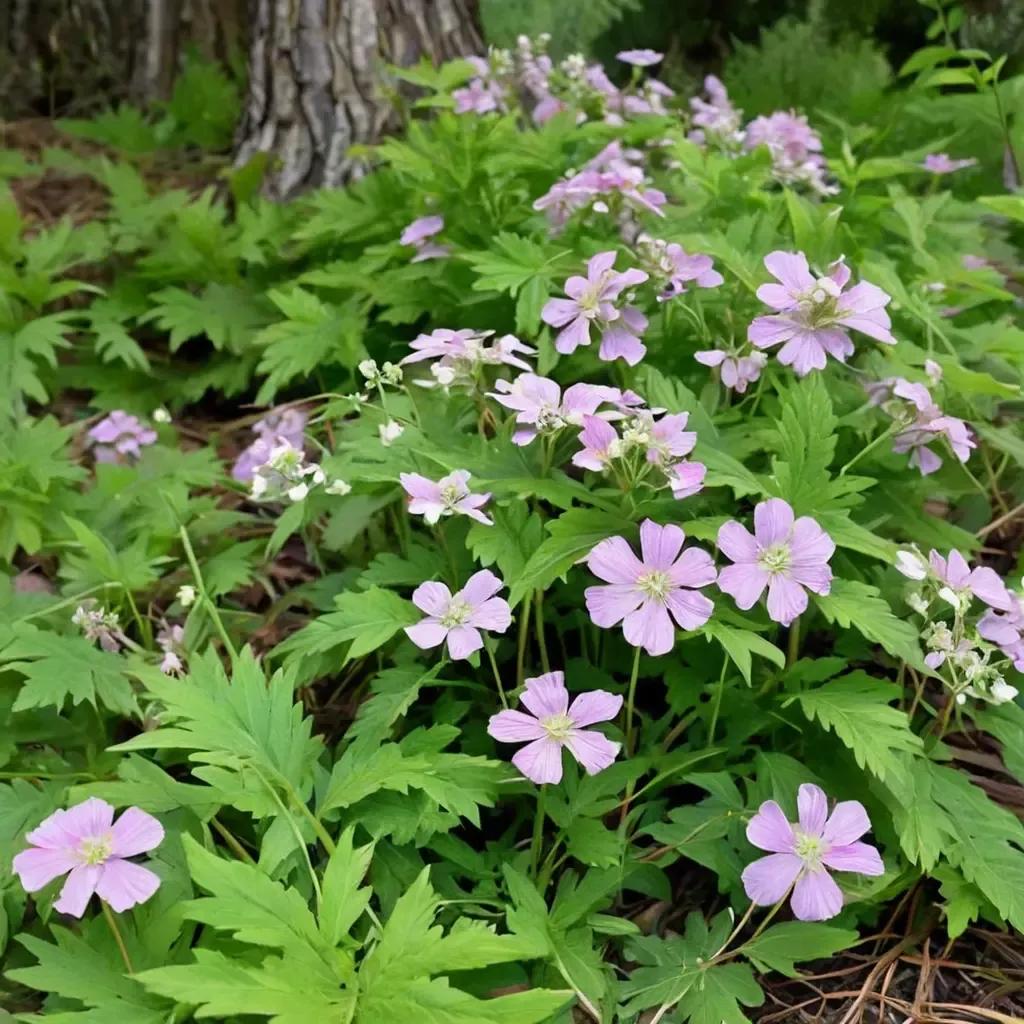
Paired with Carex by 20 gardeners, 1.69× as often as it appears in gardens generally.
Why it works: shares Zones 4–8 with Carex; blooms mid-spring to Carex's late spring.
Zones 4–8See plant →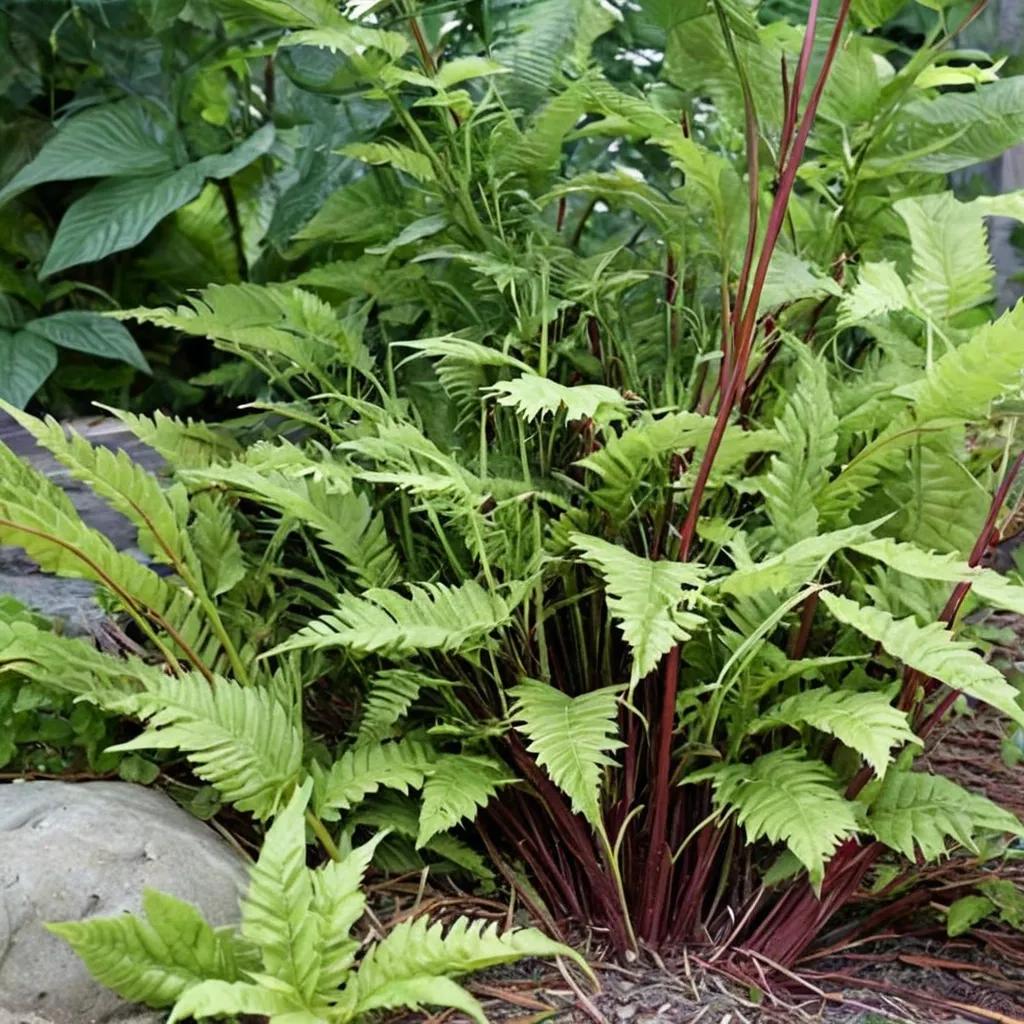
Paired with Carex by 24 gardeners, 1.3× as often as it appears in gardens generally.
Why it works: shares Zones 4–9 with Carex; takes the same shade.
Zones 4–9See plant →
Paired with Carex by 20 gardeners, 1.3× as often as it appears in gardens generally.
Why it works: shares Zones 4–8 with Carex; takes the same shade.
Zones 4–8See plant →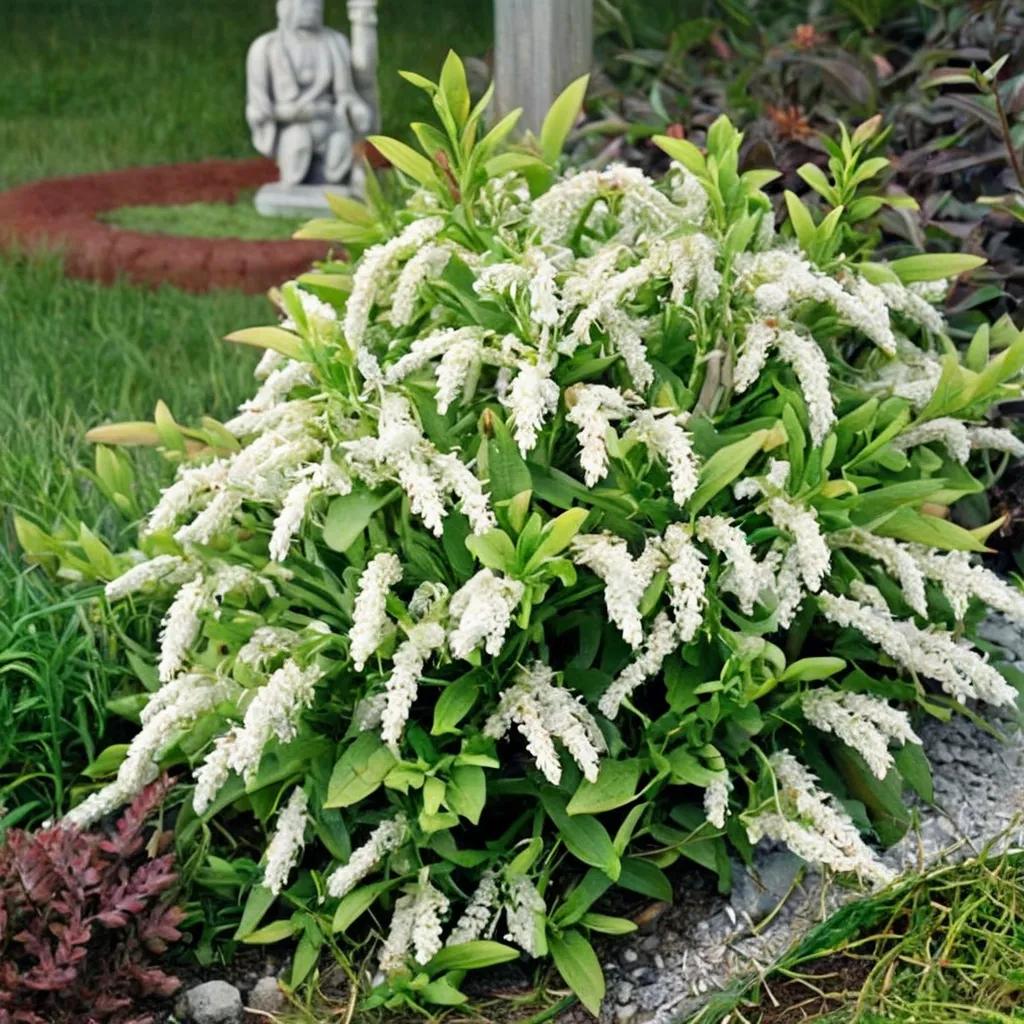
Paired with Carex by 61 gardeners.
Why it works: shares Zones 5–9 with Carex; blooms late spring to early summer to Carex's late spring; adds height behind Carex.
Zones 5–9See plant →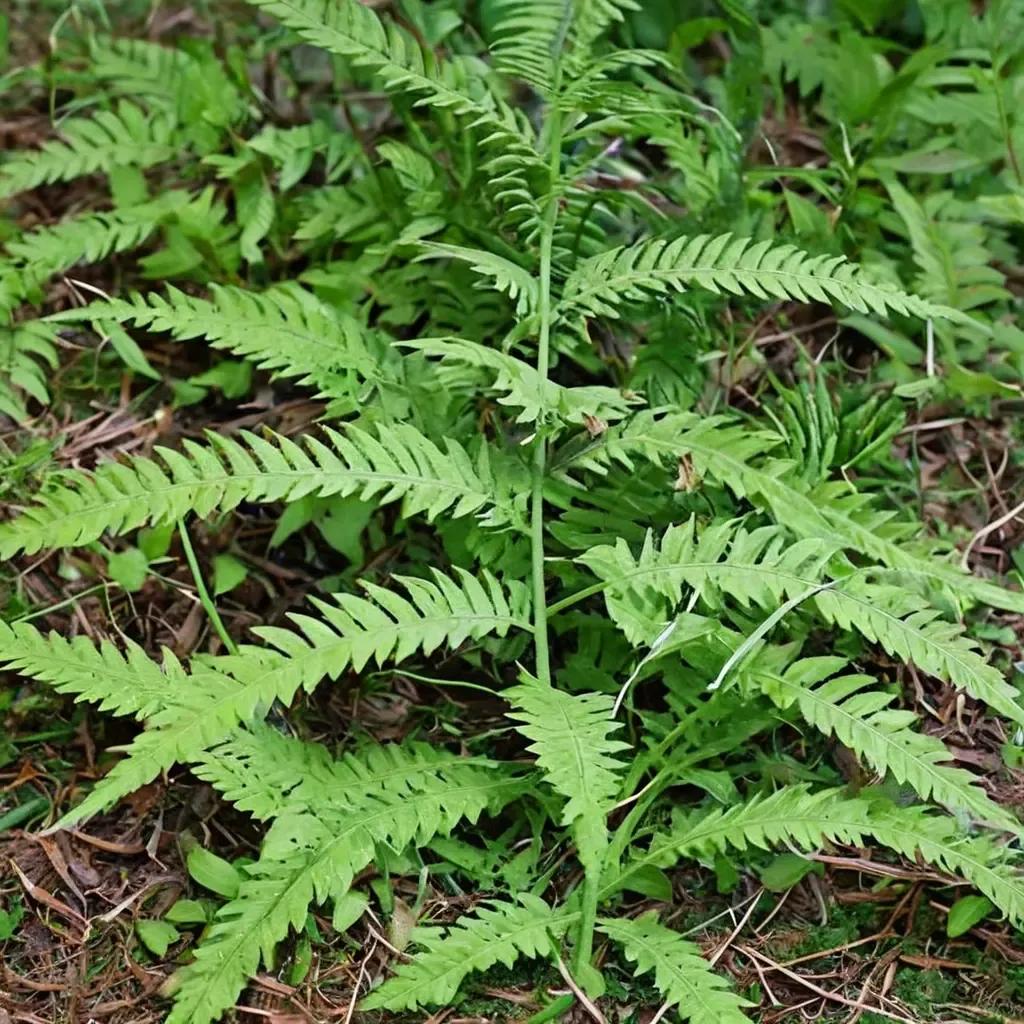
Paired with Carex by 32 gardeners.
Why it works: shares Zones 4–8 with Carex; takes the same shade.
Zones 4–8See plant →
Paired with Carex by 33 gardeners.
Why it works: shares Zones 5–9 with Carex; blooms early summer to Carex's late spring; adds height behind Carex.
Zones 5–9See plant →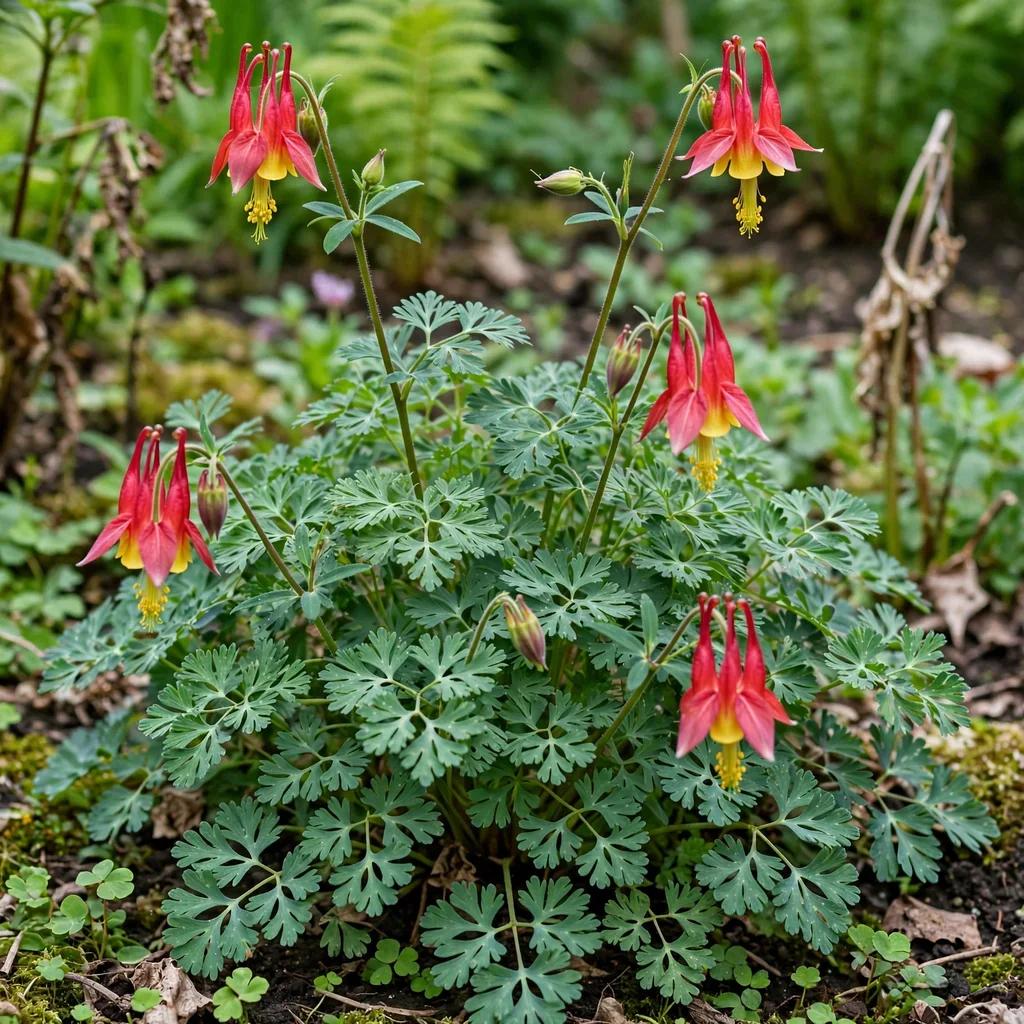
Method: we counted the gardeners who designed with Carex in Sow (2.2k of them), each once however many designs they made, and scored every other plant by how much more often those gardeners put it in the same design than gardeners generally use it (lift). A partner needs at least 20 different gardeners, and the ranking favors pairings that hold up across many people, which is what stops the list collapsing into “the most popular plants” or one person’s favorite combination.
Carex pairing questions
What should I plant with Carex?
Among the 2.2k gardeners who designed with Carex in Sow, the partner they pair with it most consistently is Mapleleaf Viburnum. The full ranked list is above.
How was this companion list decided?
From what gardeners did, not opinion. We count gardeners rather than designs, so one person reworking a design many times counts once. A partner has to share a design with Carex for at least 20 different gardeners and turn up beside it at least as often as chance would predict, and the list is ranked by how reliably that holds, so a pairing seen by a handful of people cannot outrank one seen by hundreds.
Do companion plants need the same conditions as Carex?
Yes — that is the first filter. A companion has to share the hardiness range and light exposure, or one of the two will struggle. Each entry above states the zones it shares with Carex and whether it wants the same light; pairings that differ in bloom time or height are noted, because that contrast is usually the point.
Keep exploring
Try these pairings in your own yard
Snap a photo of your space and place Carex and its companions in it at true mature size — before you buy any of them.