Imagine a garden without color—the thought alone feels incomplete! The joy of gardening lies significantly in the vibrant, ever-changing hues that our plants offer. Just as musicians study melodies, gardeners can greatly benefit from understanding color theory, enhancing the beauty and impact of their plantings.
Color and Garden Structure
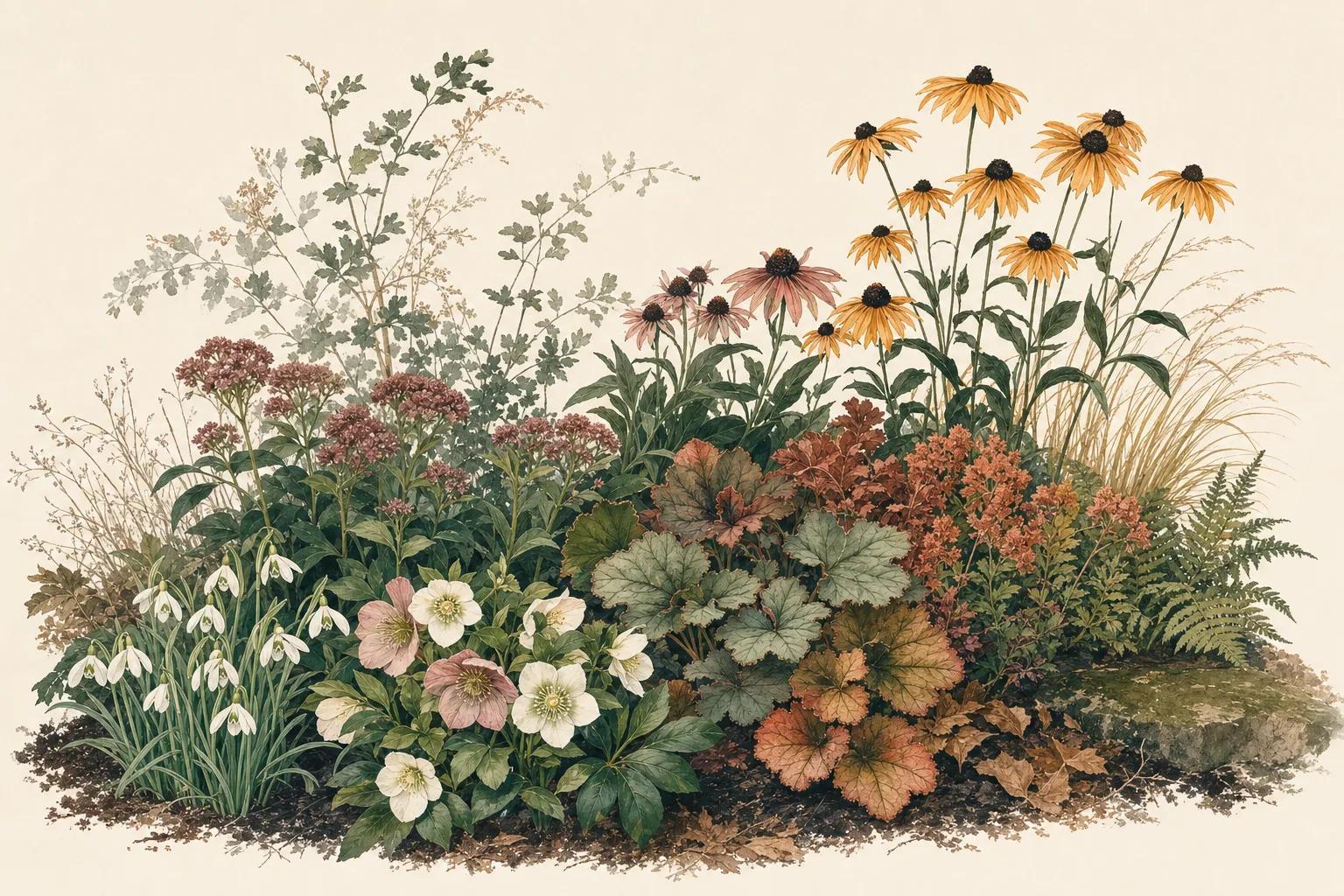
In perennial gardening, color doesn't exist in isolation—it intertwines closely with plant structure and form. Flowers and foliage shapes directly affect how we perceive color combinations.
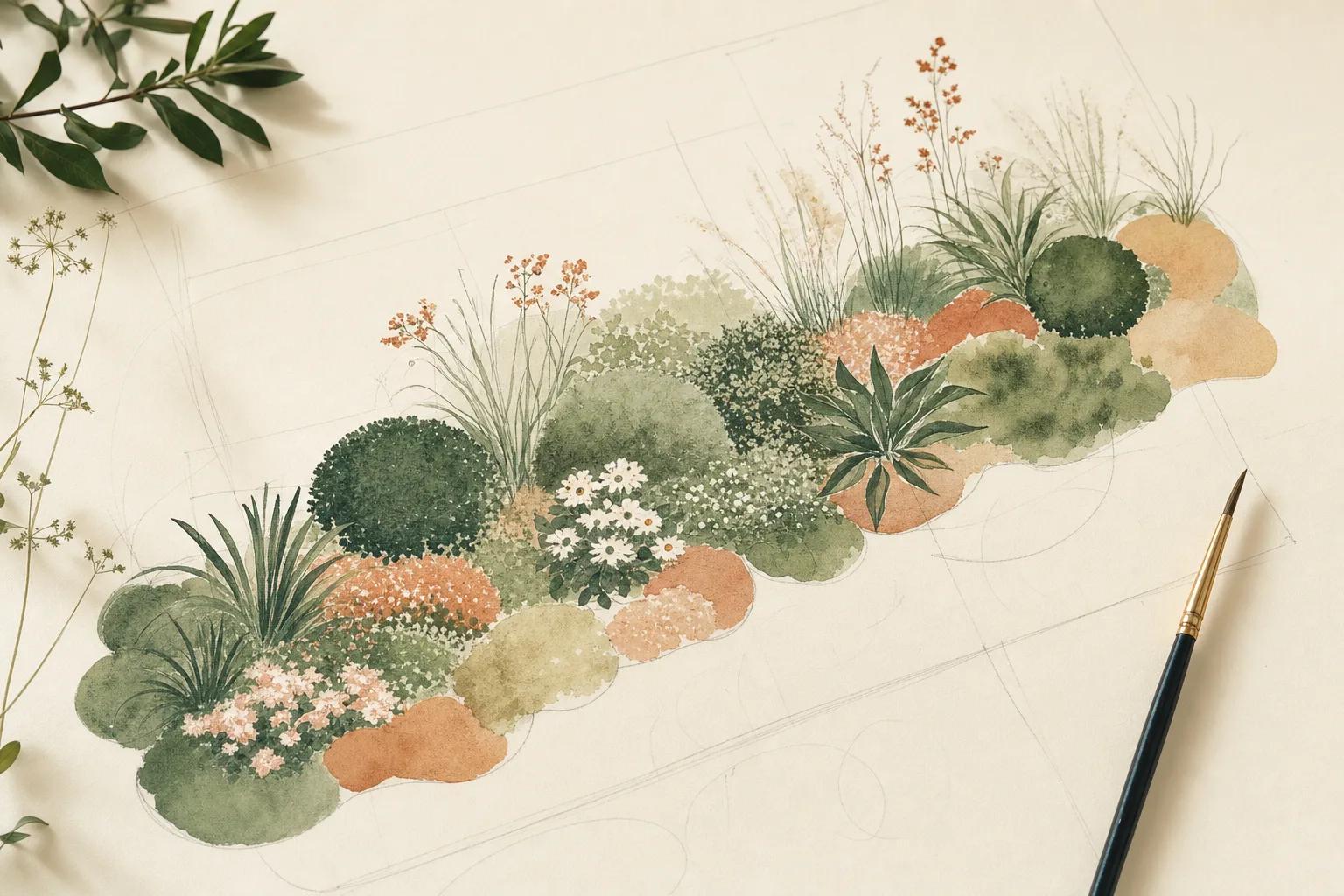
A well-designed garden acts like a mosaic, carefully combining sculptural plants and flat elements. Thus, deciding the size and placement of colored groups significantly influences overall harmony.
Bright, luminous colors (like white and vivid reds) look spectacular from afar, whereas softer hues (like pastel irises and daylilies) are best enjoyed up close.
Planning for Color Success
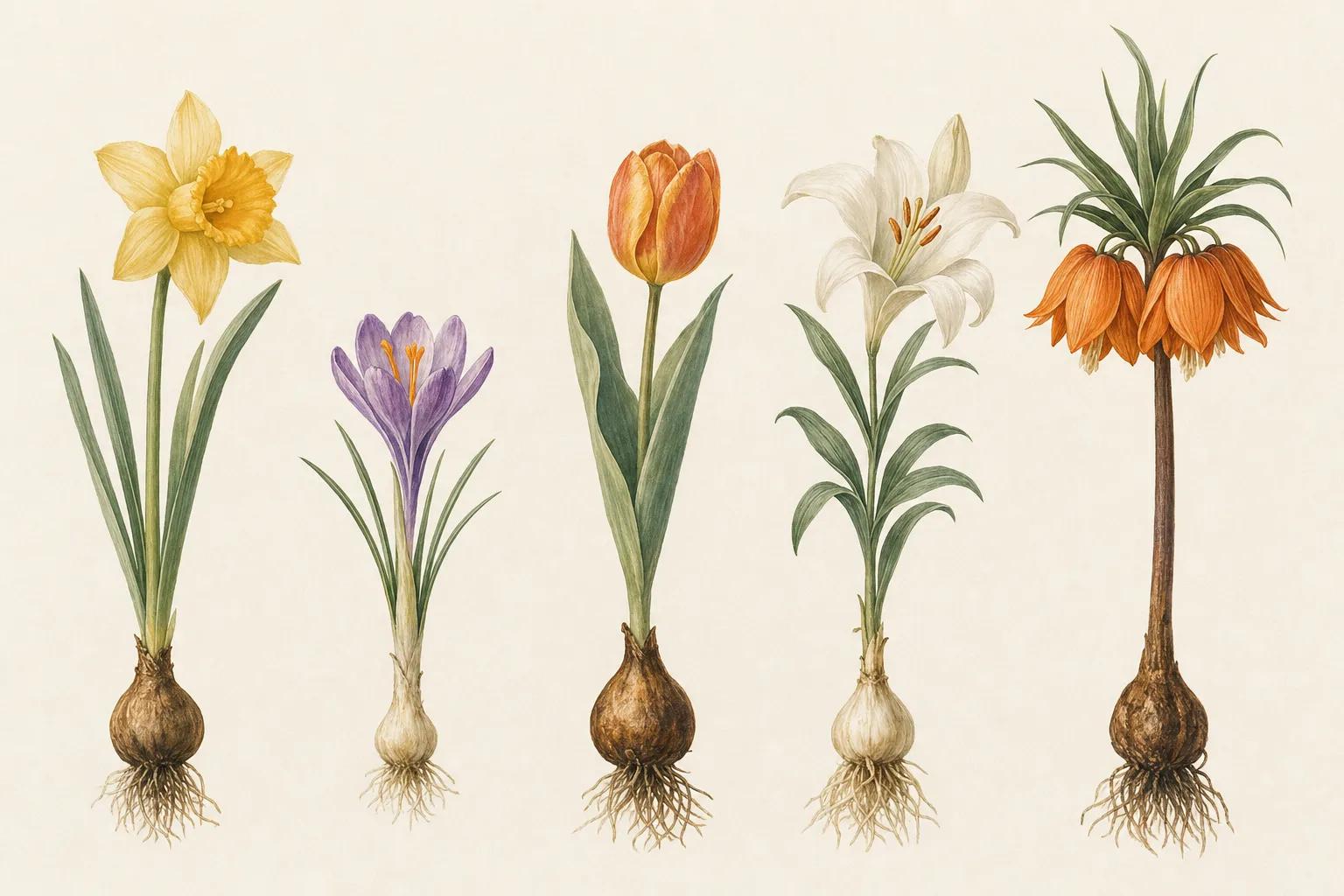
To avoid disappointment, carefully consider blooming times when selecting plants intended to flower simultaneously. Subtle shifts in blooming schedules, even by a few days, can alter the intended color harmony.
Ideal planting partners often include complementary pairs like:
- Blue and Yellow
- Purple and Orange
- Triadic Harmonies: Blue-Yellow-Red or White-Orange-Blue
Harmonizing Garden Colors
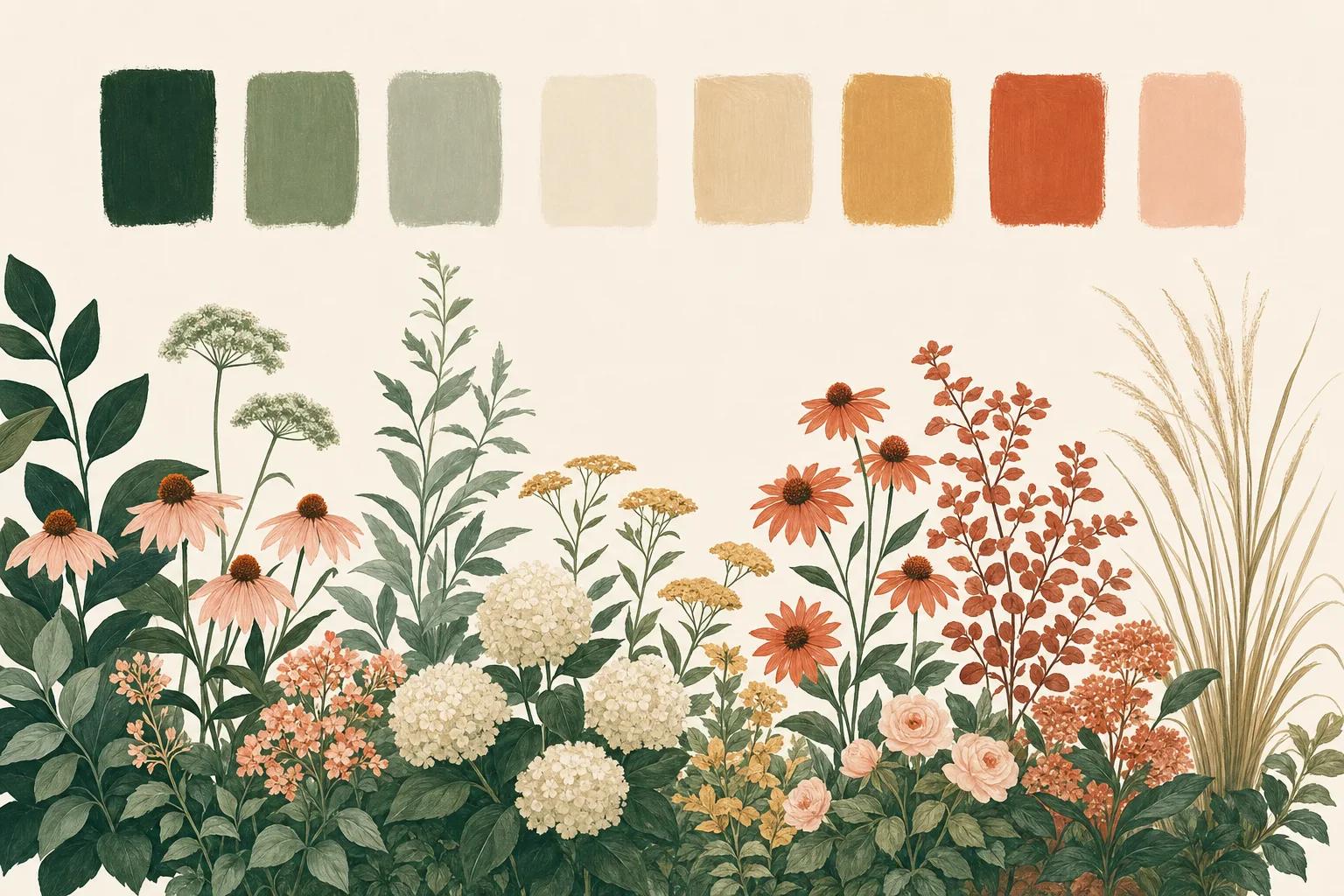
While there's no strict formula for color arrangement—given the wide variations in site conditions and flower hues—there are helpful guidelines:
- Soft Yellows blend beautifully with purples and blues, requiring larger groupings for visual impact.
- Bright Blues (e.g., delphiniums) introduce tranquility but can feel cold in excess. Balance them with warmer accents like coppery reds or warm pinks.
- Vibrant Reds and Yellows create dynamic tension, easily moderated by cool blues.
The Power of White
White holds a special place in garden design. It acts as a visual moderator, enhancing neighboring colors and preventing clashes. Scattering white flowers throughout your garden beds creates harmony and cohesiveness.
Be wary of overly vibrant colors like brick-red or salmon—they can overpower a planting and disrupt harmony. These tones work better against rock features or walls.
The Influence of Surroundings
Always consider nearby structures, like house walls, fences, or even rocks. Their colors significantly impact your garden’s appearance. Additionally, coordinating the bloom of nearby trees and shrubs with your perennials further enriches your color schemes.
Enhancing Colors with Light
The angle and quality of sunlight dramatically affect color perception. Plants illuminated from behind, like tulips or iris, showcase their hues differently, often more vibrantly.
Expect the Unexpected
Perfecting color combinations rarely happens overnight. Expect—and embrace—some trial and error. Each adjustment moves you closer to memorable, harmonious displays that make gardening a continually rewarding pursuit.
Happy gardening!

Sarah Johnson
Master Gardener with 15 years of experience in sustainable gardening practices