Quick answer
Plant a milkweed native to your region: common milkweed, swamp milkweed and butterfly weed in the East and Midwest, green antelopehorn (Asclepias viridis) and antelope horns (Asclepias asperula) in Texas and Oklahoma, and showy or narrowleaf milkweed in the West. Skip tropical milkweed. Sow seed in fall, or set out insecticide-free plugs after the last frost, at least 10 plants of two species in full sun.
Key facts
- East and Midwest
- Common and swamp milkweed and butterfly weed
- Texas and Oklahoma
- Green antelopehorn (Asclepias viridis) and antelope horns (Asclepias asperula), the spring hosts
- West and California
- Showy milkweed; narrowleaf leads in California
- Do not plant
- Tropical milkweed: invasive in Florida, and it lets a monarch parasite build up where winters are mild
- Seed
- Sow in fall, or refrigerate damp seed 4 to 6 weeks before spring sowing
- Patch size
- 10 or more plants of 2 or more species, 18 to 24 in (45 to 60 cm) apart, 6+ hours of sun
- Safety
- Toxic to dogs, cats, horses and livestock; keep the sap off skin and out of eyes
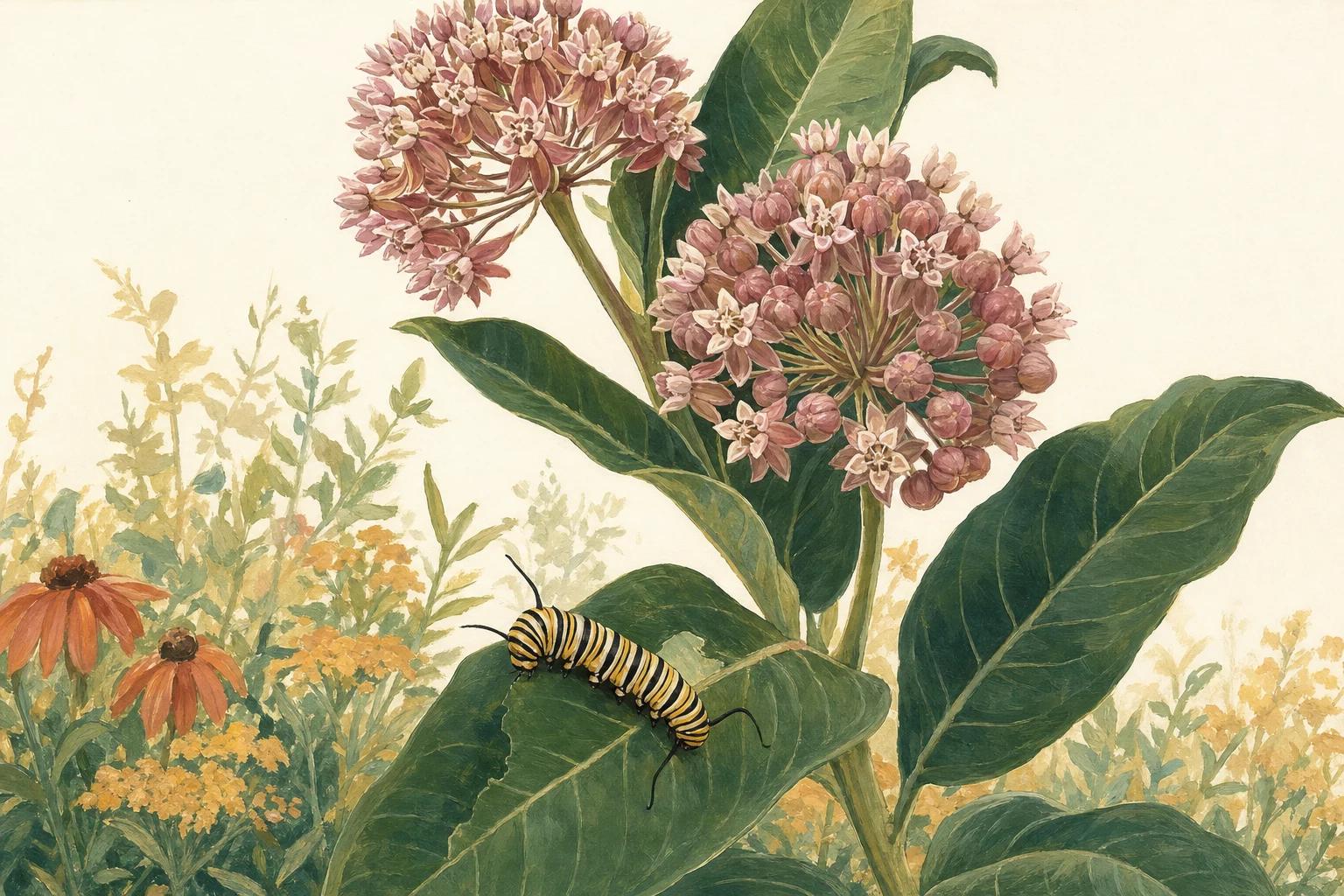
Monarch caterpillars feed on milkweed and almost nothing else, so the most useful thing you can plant for monarchs is a milkweed that grows wild where you live. East of the Rockies that means common milkweed, swamp milkweed and butterfly weed (Asclepias tuberosa), with green antelopehorn (Asclepias viridis) and antelope horns (Asclepias asperula) taking over in Texas and Oklahoma; across the West it means showy milkweed, and narrowleaf milkweed in California.
About 70 milkweed species are native to the United States, yet monarchs use only about 30 of them with any regularity, and the milkweed many nurseries stock most readily does more harm than good. The 16 natives below are grouped by region, followed by the plants to skip, how to start a patch from seed or plugs, and how to handle a plant that is poisonous to pets and livestock.
How these milkweeds were chosen
Every pick is an Asclepias native to part of the lower 48 states that appears on a regional monarch conservation list or is a documented monarch host. Each also had to have its height and bloom season on record, so you can picture it in a real bed and know when it will carry leaves.
Zones are USDA hardiness ranges. Where the table shows a dash, go by native range instead: most western milkweeds are chosen that way. Every entry closes with its main caution, whether that is spread, toxicity, or a state where the plant itself is rare and should not be planted.
| Milkweed | Zones | Height | Light and soil | Best for |
|---|---|---|---|---|
| Common | 3–9 | 3–7 ft (0.9–2.1 m) | Full sun; sandy, clay or rocky | Meadows and large beds |
| Swamp | 3–9 | 2–5 ft (0.6–1.5 m) | Sun to part shade; moist to wet | Rain gardens, borders |
| Butterfly weed | 3–9 | 1–3 ft (0.3–0.9 m) | Full sun; well-drained | Small sunny beds |
| Whorled | 4–9 | 1–3 ft (0.3–0.9 m) | Sun to part shade; well-drained | Poor, dry ground |
| Purple | 3–8 | 2–4 ft (0.6–1.2 m) | Sun to part shade; moist, drained | Larger beds, East and Midwest |
| Poke | — | to 6 ft (1.8 m) | Shade | Shady beds |
| Prairie | — | to 4 ft (1.2 m) | Sun; moist | Midwest prairies |
| Pinewoods | 8–9 | under 3 ft (0.9 m) | Sun; dry sand | Southeast sandhills |
| Aquatic | 8–9 | 1–2 ft (0.3–0.6 m) | Shade to part sun; wet | Wet, sandy sites |
| Green antelopehorn | 4–9 | 1.5–2.5 ft (0.5–0.8 m) | Sun; well-drained | Texas, Oklahoma |
| Antelope horns | — | to 3 ft (0.9 m) | Sun; rocky or sandy | Texas to the Southwest |
| Showy | — | to 3–6 ft (0.9–1.8 m) | Sun; moist | Most of the West |
| Narrowleaf | — | to 3 ft (0.9 m) | Sun; dry to moist | California, Northwest |
| Heartleaf | — | to 3 ft (0.9 m) | Dry, rocky woodland | Northern California |
| Woollypod | — | to 3 ft (0.9 m) | Dry, rocky | California foothills |
| Rush | — | to 6 ft (1.8 m) | Sun; dry desert ground | Low deserts |
Zones are USDA hardiness ranges; where a dash appears, choose by native range instead. Showy milkweed height varies with climate.
How monarchs use milkweed, region by region
A female monarch lays her eggs on milkweed and a few close relatives, and her caterpillars eat little else, so your plants need fresh leaves in the months monarchs pass through your area. She tastes leaves with her feet before laying, usually leaves a single egg under a leaf in the plant's upper growth, and can lay 300 to 500 eggs in her lifetime.
The egg hatches in about four days. The caterpillar then feeds almost nonstop for about two weeks, passing through five growth stages and reaching almost 2,000 times its starting weight. Big caterpillars often chew a shallow notch in a leaf stalk so the leaf hangs down while they eat. The chrysalis stage lasts 8 to 15 days. Caterpillars store bitter cardenolides from the leaves, and the adult carries them too, which is why many birds learn to leave monarchs alone.
Migration sets the calendar. Monarchs that emerge in the East after about mid-August stop breeding and fly up to 3,000 miles (4,800 km) to central Mexico, arriving from early November. In March they move north into Texas and the southern states to breed, and their offspring emerge from late April to early June and carry on north. West of the Rockies, monarchs reach the California coast around late October and leave in February and March, while some Florida monarchs never migrate and breed all year.
Milkweed in gardens matters because so much has vanished from farmland. Common milkweed fell 90% in Iowa corn and soybean fields between 1999 and 2009, and Midwest milkweed fell an estimated 58% between 1999 and 2010, with an 81% drop in monarch production. In the West, the overwintering count hit an all-time low of 1,901 butterflies in 2020 and was still only about 12,260 in 2025, against low millions in the 1980s.
| Region | Plant these natives | When monarchs are there |
|---|---|---|
| Northeast and New England | Common, swamp, butterfly weed (not in New Hampshire or Vermont) | May to about early September |
| Mid-Atlantic | Common, swamp, butterfly weed | April to October |
| Great Lakes | Common, swamp, butterfly weed, whorled, poke | May to about early September |
| Midwest (Iowa, Missouri, Illinois, Indiana) | Common, swamp, butterfly weed, whorled, prairie; purple | Spring and summer breeding |
| Southeast | Butterfly weed, whorled; common and swamp in Kentucky and Tennessee; pinewoods in the south; aquatic in wet soil | Spring breeding peaks March and April |
| Florida | Pinewoods, aquatic, butterfly weed; swamp, whorled, fewflower by range | Spring breeding; some breed all year |
| Southern Plains (Texas, Oklahoma, Kansas, Arkansas, eastern Colorado) | Green antelopehorn, antelope horns, butterfly weed, whorled | Spring breeding, and late summer to early fall if leaves are fresh |
| Northern Plains | Swamp, showy, common, whorled | Spring and summer, mostly in the east |
| Rocky Mountains | Showy; butterfly weed in the southern Rockies only | Summer, sometimes into fall |
| Great Basin and Inland Northwest | Showy, narrowleaf | Summer; into fall in the Great Basin |
| Maritime Northwest | Narrowleaf, showy; heartleaf in southwestern Oregon | Late spring through fall |
| California | Narrowleaf, showy, heartleaf, woollypod | Year-round |
| Desert Southwest | Antelope horns, broadleaf, rush, Arizona; showy up high | Most of the year in Arizona, peaking in fall |
Priority species and monarch timing from regional milkweed conservation summaries.
Best milkweeds for the East and Midwest
Common milkweed, swamp milkweed and butterfly weed carry the load from Minnesota to Maine and south to the Carolinas. Whorled, purple, poke and prairie milkweed fill the dry, shady and prairie sites those three miss.
Common milkweed (Asclepias syriaca)
Common milkweed is the host that matters most east of the Rockies: 85 to 92% of the monarchs wintering in Mexico fed on it as caterpillars. It stands 3 to 5 feet (90 to 150 cm), sometimes up to 7 feet (2.1 m), with fragrant flowers from late spring through August. Give it full sun; it grows in sandy, clay or rocky soil and tolerates poor, dry ground. It is hardy in Zones 3–9, and deer tend to pass it by. The catch is its roots: it spreads more than any other milkweed, sending up shoots several feet from the parent plant, and its taproot can pass 6 feet (1.8 m) deep after one year. Give it a meadow or a large bed, not a small border.
Swamp milkweed (Asclepias incarnata)
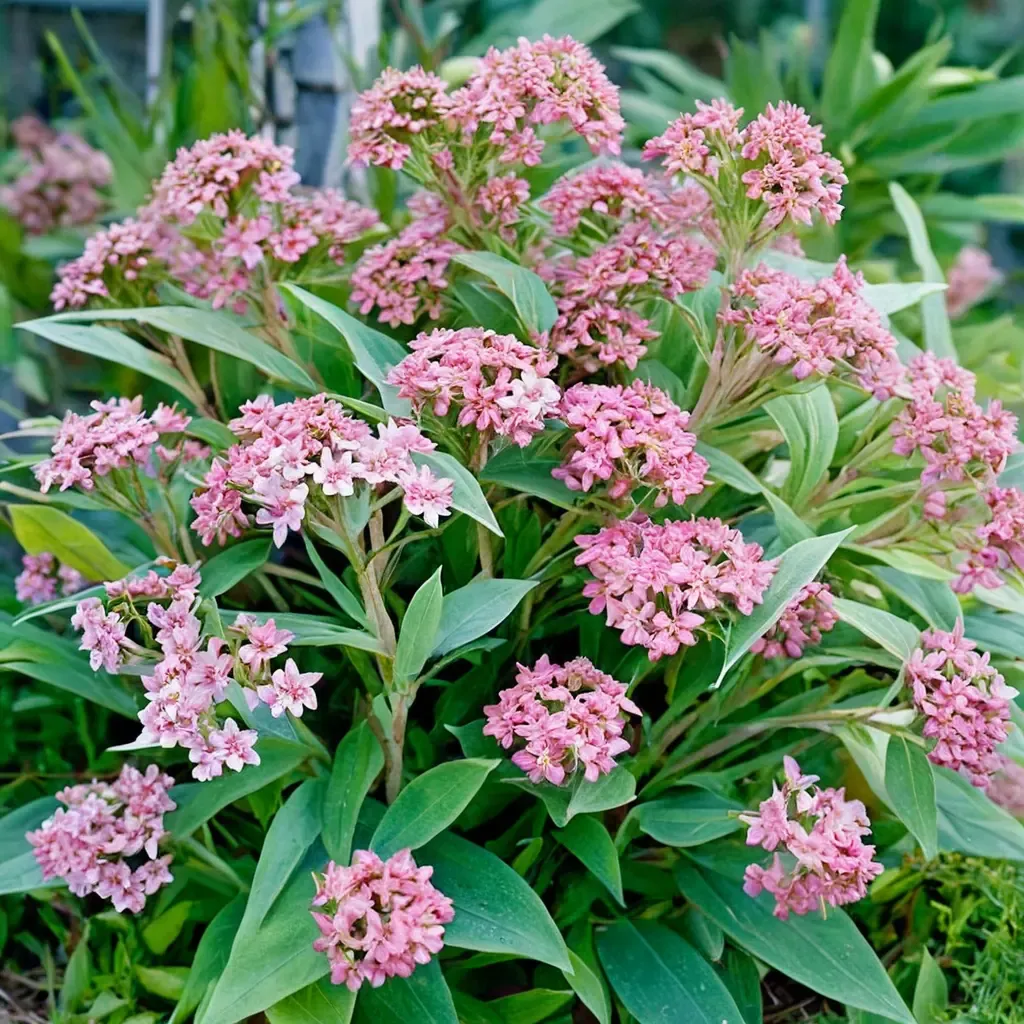
Swamp milkweed is one of the easiest milkweeds for an ordinary garden: monarchs use it often, and it grows in a clump instead of running. Plants reach 2 to 4 feet (60 to 120 cm), occasionally 5 feet (1.5 m), and spread 1 to 3 feet (30 to 90 cm) in Zones 3–9, flowering from June into September or October. It prefers wet to consistently moist soil in sun or part shade, which makes it the natural pick for a rain garden, but it tolerates somewhat drier beds. Its leaves are among the lowest in cardenolides, though it is still toxic to eat.
Garden selections such as Ice Ballet swamp milkweed and 'Cinderella' work in beds, but plants bred for flower color may make less nectar or differ in leaf chemistry from wild plants. Grow the straight species anywhere near natural areas, where cultivars could cross with wild stands.
Butterfly weed (Asclepias tuberosa)
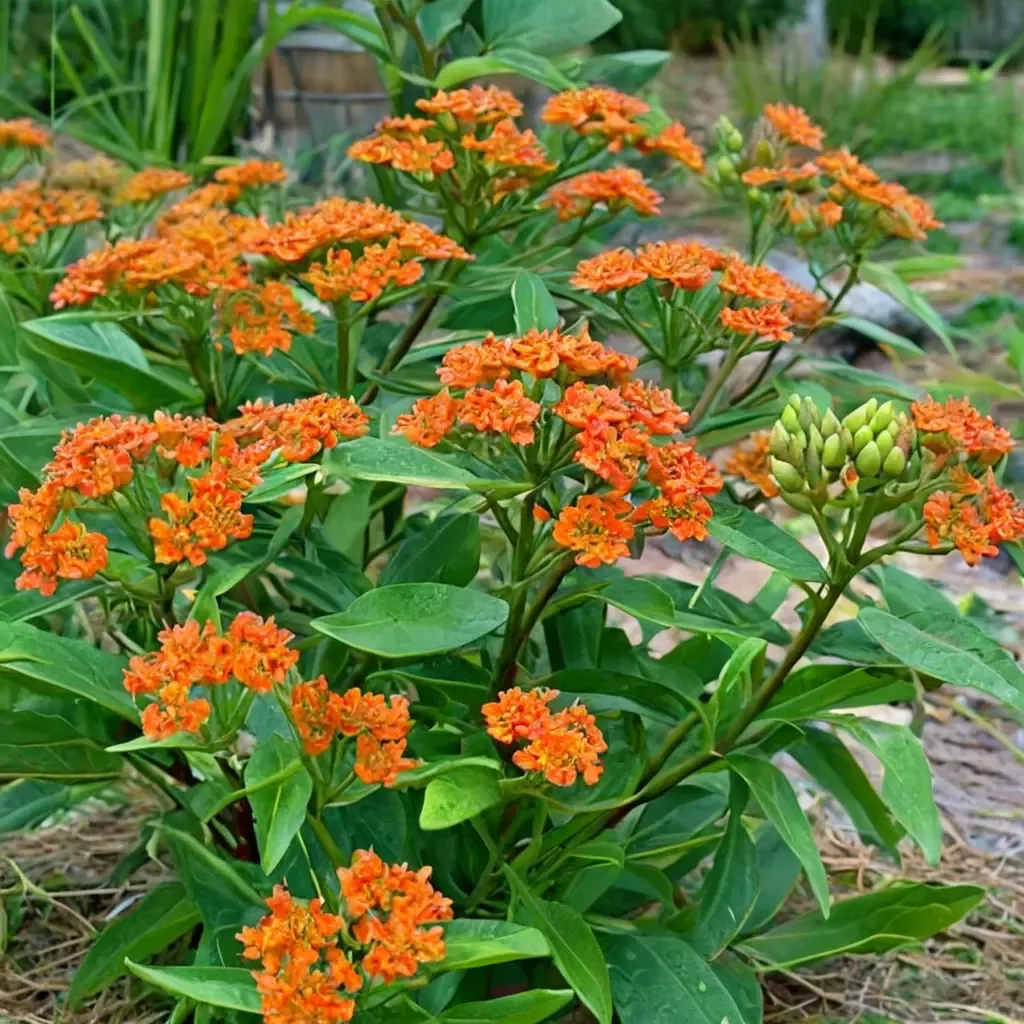
Butterfly weed is the compact, orange-flowered milkweed for hot, dry, sunny beds, and an important nectar source. It grows 1 to 3 feet (30 to 90 cm) tall in Zones 3–9, blooms from late spring through August, and needs well-drained soil, since it gets crown rot where water sits; deer seldom touch it. Its sap is clear rather than milky, unlike other milkweeds. Females may be less keen to lay eggs on it than on common or swamp milkweed, so pair it with one of those. Do not plant it in New Hampshire, where it is endangered, or Vermont, where it is threatened, and note that it is not native to California. The selection 'Hello Yellow' carries the same cultivar caution as the swamp milkweed selections.
Whorled milkweed (Asclepias verticillata)
Whorled milkweed has narrow leaves in whorls around the stem and handles tough sites: sandy, clay or rocky soil in prairies, glades and dry open woods, in sun or part shade with good drainage. It reaches 1 to 2½ feet (30 to 75 cm), rarely 3 feet (90 cm), blooms from late spring through September, and is hardy in Zones 4–9. Deer leave it alone and it shrugs off drought. It spreads by roots and can colonize a bed. It is one of the more toxic milkweeds to livestock, so keep it away from grazing animals.
Purple milkweed (Asclepias purpurascens)
Purple milkweed carries deep rose-purple flowers from May into July. Plants usually grow 2 to 3 feet (60 to 90 cm) tall and wide, occasionally 4 feet (1.2 m), in Zones 3–8, in sun or part shade and moist, well-drained soil, and deer tend to skip it. It is broadly distributed across the Midwest. It can spread aggressively by seed and roots, so it is a poor fit for a small garden. It is endangered in Massachusetts and Wisconsin.
Poke milkweed (Asclepias exaltata)
Poke milkweed is the milkweed for the shaded parts of a garden, where sun-loving species sulk. It sends up tall, slender stems to about 6 feet (1.8 m) with drooping flower clusters from May to August, so it works at the back of a bed. It is a priority species around the Great Lakes, and in North Carolina it grows mostly at higher elevations. For more plants that hold up under trees, see these shade plants.
Prairie milkweed (Asclepias sullivantii)
Prairie milkweed is a Midwest species with large pink flowers and smooth, hairless leaves and stems, blooming June through August. It reaches about 4 feet (1.2 m) in full sun and grows naturally in moist prairies, wet meadows and creek banks. It spreads by roots into colonies, so give it room in a larger planting rather than a tight border.
Best milkweeds for the Southeast, Florida and Texas
In Texas and Oklahoma, green antelopehorn and antelope horns matter most, because they feed the monarchs breeding there each spring. Across the Southeast, butterfly weed and whorled milkweed suit dry ground, while pinewoods and aquatic milkweed fill sandhills and wet sites.
The Southeast is an important spring breeding area, with activity peaking in March and April, so leaves need to be up early. Common and swamp milkweed are also good choices in Kentucky and Tennessee, though they adapt poorly to the southeastern coastal plain.
Pinewoods milkweed (Asclepias humistrata)
Pinewoods milkweed, also called sandhill milkweed, grows on Florida's dunes, sandhills and roadsides, and it is a good choice in southern Mississippi, Alabama, Georgia and South Carolina too. It sprawls under 3 feet (90 cm) tall, flowers in spring and summer, and needs full sun and sandy, well-drained soil in Zones 8–9, where it handles drought well. After summer rain it can put out a second flush of leaves. It is among the milkweeds highest in cardenolides, so site it away from pets.
Aquatic milkweed (Asclepias perennis)
Aquatic milkweed belongs in ground that never dries out, from the Gulf states north through the Mississippi valley to Illinois and Indiana. It grows 1 to 2 feet (30 to 60 cm) tall and up to 3 feet (90 cm) wide, flowers from May to September, and prefers shade while tolerating part sun, in Zones 8–9. It is the only US milkweed whose seeds have no silky floss, because water rather than wind carries them. It has little drought tolerance, so water it through dry spells.
Green antelopehorn (Asclepias viridis)
Green antelopehorn is one of the main hosts for monarchs breeding in spring across the south-central states, and the butterflies raised there go on to repopulate the North. Plants grow 1½ to 2½ feet (45 to 75 cm) tall in Zones 4–9 and bloom from April or May into August. Give it full sun in well-drained or occasionally dry soil. After summer rain or a summer burn it can send up fresh growth for later monarchs. Seed is sold by only a few vendors.
Antelope horns (Asclepias asperula)
Antelope horns is mainly a spring host, and it is most abundant in Texas, thinning out north through Oklahoma, Kansas and Nebraska. A western subspecies, often called spider milkweed, ranges from Texas and Colorado to Idaho, Nevada and California. It forms low clumps up to 3 feet (90 cm) tall and flowers from March into July or August. Plant it in full sun in rocky, sandy or clay soil. With a wet summer it may hold leaves into fall.
In Texas and Oklahoma, zizotes milkweed and broadleaf milkweed are also main hosts, though seed and plants are harder to find. Swamp milkweed grows naturally in river bottoms there and butterfly weed along roadsides.
Best milkweeds for the West and Southwest
Showy milkweed is the first choice across most of the West, narrowleaf milkweed leads in California, and the low deserts have species of their own.
California alone has 15 native milkweeds, and monarchs can turn up there in any month.
Showy milkweed (Asclepias speciosa)
Showy milkweed is the most widespread and abundant milkweed of the western states, and its range reaches into Oklahoma, Kansas and Nebraska. It has the largest flowers of any milkweed, from May into August or September. Height depends on climate: about 3 feet (90 cm) at most in the Maritime Northwest and northern Great Plains, and 5 to 6 feet (1.5 to 1.8 m) in California. Give it full sun and soil that stays moist for most of the season. It can spread by roots, though less than common milkweed.
Narrowleaf milkweed (Asclepias fascicularis)
Narrowleaf milkweed is the most widespread milkweed in California and, with showy milkweed, the most widely suitable species for plantings there. It grows to about 3 feet (90 cm), flowers from May to October, and takes full sun in dry to moist soil. Native from Washington and Idaho south through Oregon, Nevada and Utah to California, it tolerates dry conditions once established but needs water its first year. It forms local stands from spreading roots, and its narrow leaves put it among the more toxic species for livestock.
Heartleaf milkweed (Asclepias cordifolia)
Heartleaf milkweed is a dry-woodland and chaparral species of northern California and southwestern Oregon, absent from the southern third of California. It reaches roughly a yard (90 cm) and blooms May to July on dry, rocky ground in the North Coast Ranges, the Klamath Mountains and the Sierra and Cascade foothills. Plant it only within that range.
Woollypod milkweed (Asclepias eriocarpa)
Woollypod milkweed grows in dry, rocky grassland, chaparral and foothill woodland across much of California, though its distribution is patchy. It blooms from May to October on stems up to a yard (90 cm) tall. It is among the most toxic milkweeds to livestock despite its broad leaves. Plant it only well away from horses, sheep and goats.
Rush milkweed (Asclepias subulata)
Rush milkweed is the low-desert choice: dense clumps of nearly leafless gray-green stems rising from a woody crown. The stems reach up to 6 feet (1.8 m), stay green all year, and flower on and off through the year after rain. It needs full sun and dry ground. It suits the low deserts of southeastern California, western Arizona and southern Nevada, and it is not native to eastern Arizona or West Texas. Its cardenolide levels are high, so site it away from pets and livestock.
Arizona milkweed is the other low-desert species recommended for propagation, and monarchs also use pineneedle milkweed at low elevations. Butterfly weed grows at middle elevations and showy milkweed higher up.
Milkweeds and look-alikes to avoid
Skip tropical milkweed wherever winters are mild, leave out balloon plant, African milkweed and the swallow-worts everywhere, and keep horsetail milkweed away from livestock.
Tropical milkweed (Asclepias curassavica)
Tropical milkweed is not native to the United States, and it has been assessed as invasive in Florida. Where winters are mild, as in coastal Georgia, Florida, Louisiana, Texas and parts of California, it keeps leaves and flowers into fall and winter. That fresh growth can keep monarchs breeding when they should migrate, and it lets a protozoan parasite, Ophryocystis elektroscirrha (OE), build up on the leaves.
OE spreads when infected females scatter spores on milkweed as they lay eggs and the caterpillars eat them. Badly infected monarchs may fail to emerge from the chrysalis or emerge with crumpled wings, and infected butterflies are less likely to finish the migration. Fewer than 8% of wild eastern monarchs sampled from 1968 to 1997 were heavily infected. Monarchs breeding through winter in the southern states showed more than five times the infection rate of migrants, reaching 100% at some sites. Where frost kills tropical milkweed every winter, it acts as an annual and spores cannot carry over.
If you already grow it, replace it with a native milkweed for your region. If you keep it anywhere it stays green, cut the stalks to the ground in early fall. South of about Orlando, where some monarchs breed all year anyway, the cut-back matters less, but the plant is still invasive there.
Tropical milkweed looks much like butterfly weed, and nurseries often sell both as butterfly garden plants. Read the botanical name on the tag before you buy: you want Asclepias tuberosa, not Asclepias curassavica.
Balloon plant and African milkweed
Balloon plant, also sold as swan plant (Gomphocarpus physocarpus), raises the same disease and migration concerns as tropical milkweed. African milkweed (Asclepias fruticosa) is another introduced species. Plant a native instead.
Black and pale swallow-wort
These two introduced vines are milkweed relatives that fool monarchs: females lay eggs on them, and the caterpillars die within a few days of hatching. Never plant them. One of the very few non-Asclepias plants that can raise monarchs is the native honey vine (Cynanchum laeve).
Horsetail milkweed near livestock
Horsetail milkweed, also called western whorled milkweed (Asclepias subverticillata), is among the commonest wild milkweeds in the Southwest and probably supports monarchs, but it has been tied to livestock poisonings. Do not plant it where horses, sheep, goats or cattle can reach it.
How to plant milkweed for monarchs
Sow seed in fall, or plant insecticide-free plugs once frost danger has passed, in a sunny patch of at least 10 plants and two species.
Seed, plugs or rhizomes
Each starting method trades cost against speed and survival.
| Method | Cost | Survival | When to plant | Best for |
|---|---|---|---|---|
| Seed | Lowest | Lowest | Fall and winter, or spring after cold treatment | Large areas on a budget |
| Plugs | Middle | Middle | After last frost | Small gardens |
| Rhizome pieces | Highest | Highest | Fall to early winter, while the soil is still workable | Quick, sure establishment |
Rhizome pieces go 2 to 6 inches (5 to 15 cm) deep; seed goes ¼ to ½ inch (6 to 13 mm) deep.
Seed needs patience. Butterfly weed grows easily from seed but can take two to three years to settle in and flower, so buy plugs if you want blooms sooner. For broadcasting seed into a meadow, the timing rules in when to plant wildflower seeds apply.
Planting step by step
- Choose the species and the spot. Match the plant to your region and your soil: swamp milkweed or aquatic milkweed for wet ground, butterfly weed or whorled milkweed for dry ground, poke milkweed for shade. Give it at least six hours of sun and keep it away from busy roads, where monarchs risk cars and spray drift. In California, keep all milkweed at least 1 mile (1.6 km) from an overwintering grove.
- Buy clean plants and seed. Ask the nursery whether plants were treated with systemic insecticides. Neonicotinoids such as imidacloprid, dinotefuran, clothianidin and thiamethoxam move through the whole plant and can kill caterpillars that eat the leaves.
- Cold-treat seed for spring sowing. Mix seed with one to three times its volume of damp sand, perlite or vermiculite and seal it in a plastic bag. Refrigerate it at about 40 to 41°F (4 to 5°C) for 4 to 6 weeks without letting it freeze, then sow at once and keep the soil moist. Unchilled seed still sprouts, but slowly and unevenly.
- Sow or plant at the right time. Untreated seed goes out from late fall through winter, which chills it naturally; in Iowa that window runs from mid-November through March. Sow chilled seed in spring, ¼ to ½ inch (6 to 13 mm) deep; it germinates best at 65 to 80°F (18 to 27°C). Seedlings resent root disturbance, so start any indoors in biodegradable peat pots and set them out once frost danger has passed. Where winters are mild, dormant plugs can go in during late winter or early spring once frost danger has passed.
- Plant a patch, not a single stem. Space most species 18 to 24 inches (45 to 60 cm) apart. Aim for 10 or more plants of at least two species in about 100 square feet (9.3 m²); in a small garden, start with two or three. Different species leaf out and flower at different times, which spreads food across the season.
- Water through the first season. Water transplants regularly through their first growing season and mulch to save moisture and smother weeds. Once established, native milkweeds need no extra water except in a long drought.
- Keep sprays away. Never use insecticides, insecticidal soap included, on or near the patch: caterpillars are vulnerable to every insecticide product, and the ones that kill aphids kill monarch eggs and caterpillars too.
Label the spot where you sow or plant milkweed. Native milkweeds die back after they drop their seed and come up again from the roots in spring, and a bare patch is easy to dig into by mistake.
Nectar plants to pair with milkweed
Adult monarchs need flowers from spring through fall, so pair milkweed with native nectar plants that bloom in sequence. Spring flowers, roughly March 20 to June 1, fuel the trip north; summer flowers, June 2 to August 15, feed breeding adults; and fall flowers, August 16 to October 30, fuel the flight to the wintering grounds and the winter that follows.
Among the most valuable natives are asters, goldenrods, blazing stars, Joe-Pye weeds, ironweeds, cardinal flower and native thistles. Choose species native to your area, mix early, middle and late bloomers so their flowering overlaps, and plant several of each in an open, sunny spot. Monarchs will sip from non-native flowers, but natives do far more for the wider ecosystem. For summer color that also feeds butterflies, see these perennials that bloom all summer.
Toxicity, pests and seasonal care
Every part of every milkweed is poisonous to some degree, so plant it where pets, small children and grazing animals will not eat it, and wear gloves when you cut it.
Milkweed is toxic to dogs, cats and horses. Signs start with vomiting, diarrhea, weakness, depression and loss of appetite and can progress to seizures, breathing trouble, kidney or liver failure and death. Roots, leaves, stems, sap and seeds stay toxic fresh or dried, all year. Call your veterinarian or an animal poison hotline at once if a pet eats any.
People. The milky sap can irritate skin, and the plant is toxic if eaten in quantity, so keep small children from chewing it. Wear gloves when you handle the stems, keep the sap away from your eyes and mouth, and wash your hands afterward.
Livestock. Sheep and goats are most at risk, and with some species a fresh-plant dose under 1% of body weight can be fatal. Narrow-leaved and whorled species are generally more toxic than broad-leaved ones, with woollypod milkweed a broad-leaved exception. Animals avoid bitter milkweed while other forage lasts; losses come from hungry or overcrowded stock and from milkweed baled into hay, where it stays toxic.
Deer. Common milkweed, butterfly weed, whorled and purple milkweed all resist deer. No plant is browse-proof; for the rest of the garden, see these deer resistant plants.
Aphids. Aphids often cluster at the top of the plant. Leave light infestations, which draw the insects that eat them. If you hose off a heavy one, first check the leaves for eggs and small caterpillars, and skip any stems where they are feeding; repeat every few days for about a week.
Caterpillar damage. Ragged, half-eaten plants mean the patch is doing its job. Leave caterpillars where they are; fewer than 10% of eggs survive to adulthood, and ladybug and lacewing larvae, ants, spiders and wasps take many of them.
Fall and winter. Native milkweeds die back after their seed disperses and regrow from the roots in spring. To save seed, pick pods as the seam just starts to split and the seeds inside have turned brown, and skip pods crawling with milkweed bugs, whose feeding ruins the seed.
To work out where a 100-square-foot (9.3 m²) monarch patch fits around your beds, sketch it with Sow's garden design studio.
From the Sow catalog
Perennials in the Sow catalog
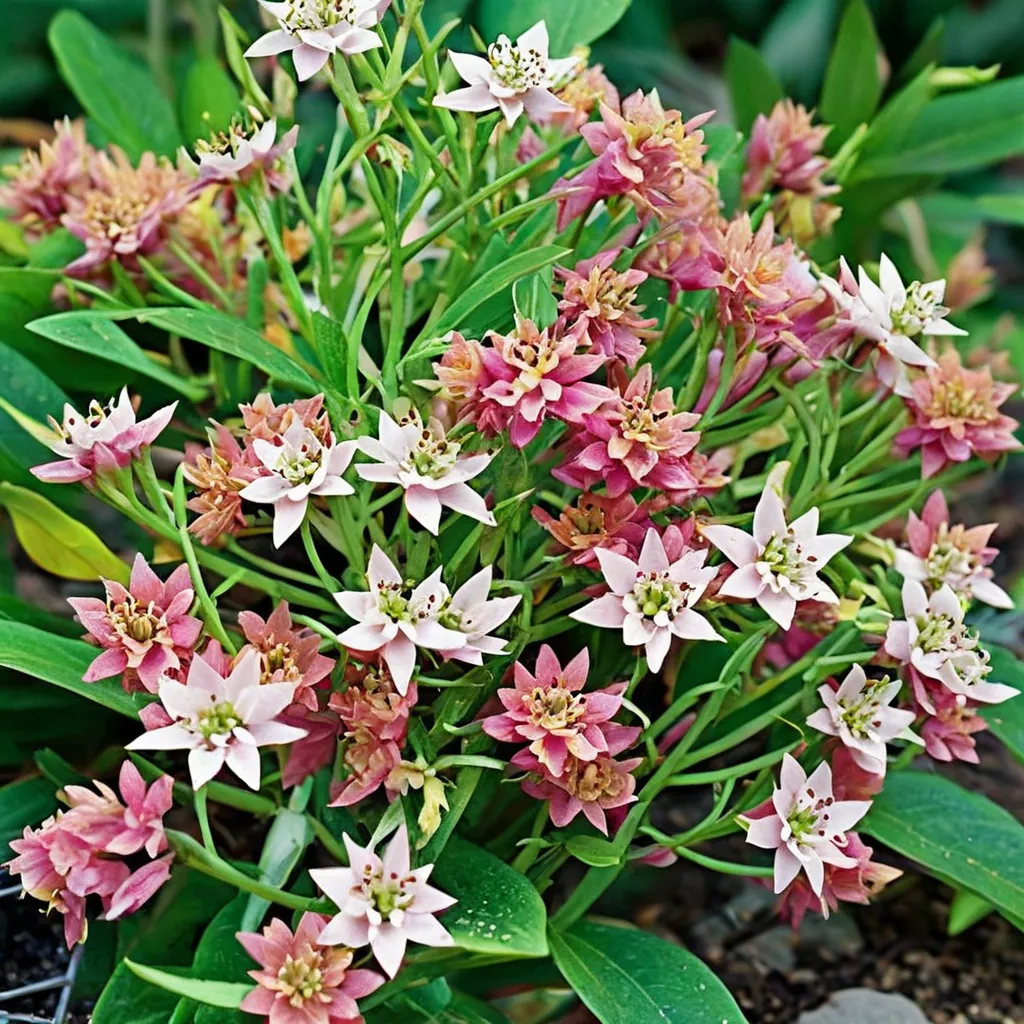
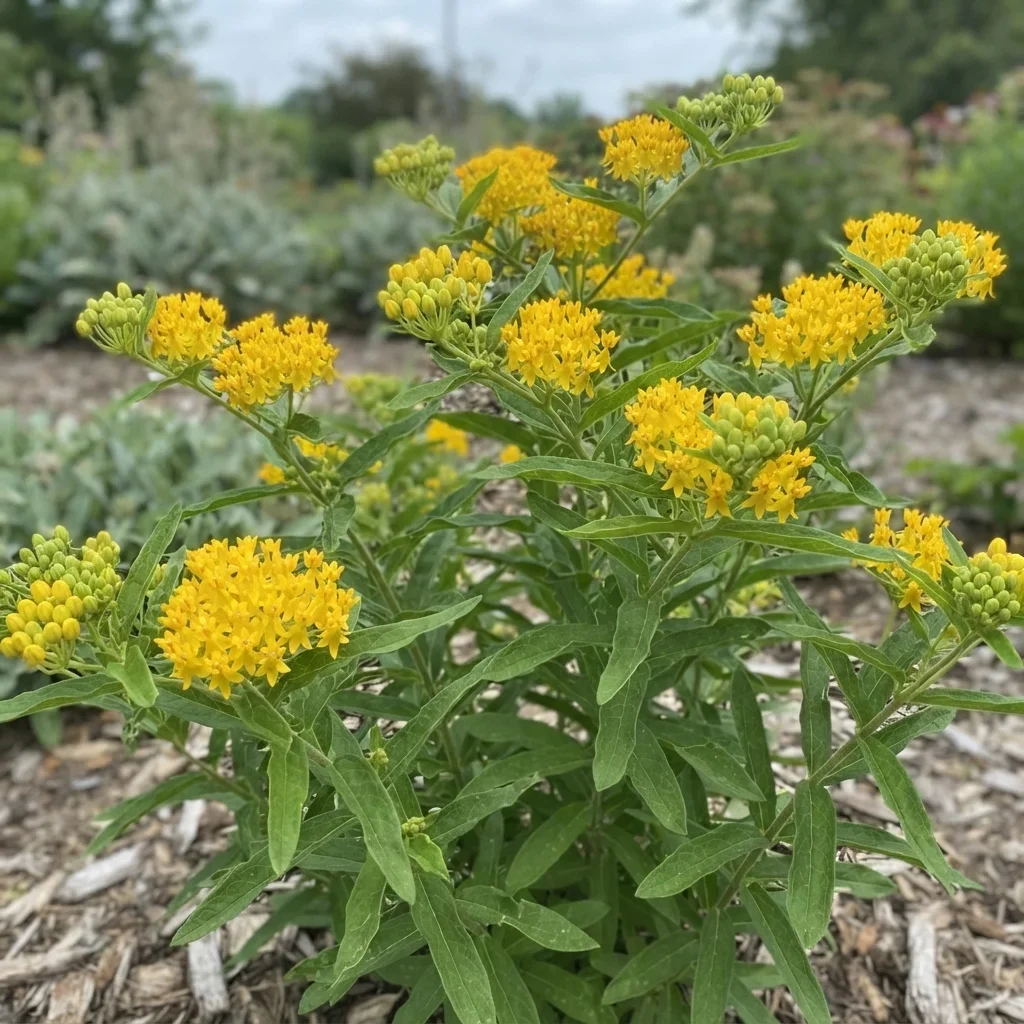
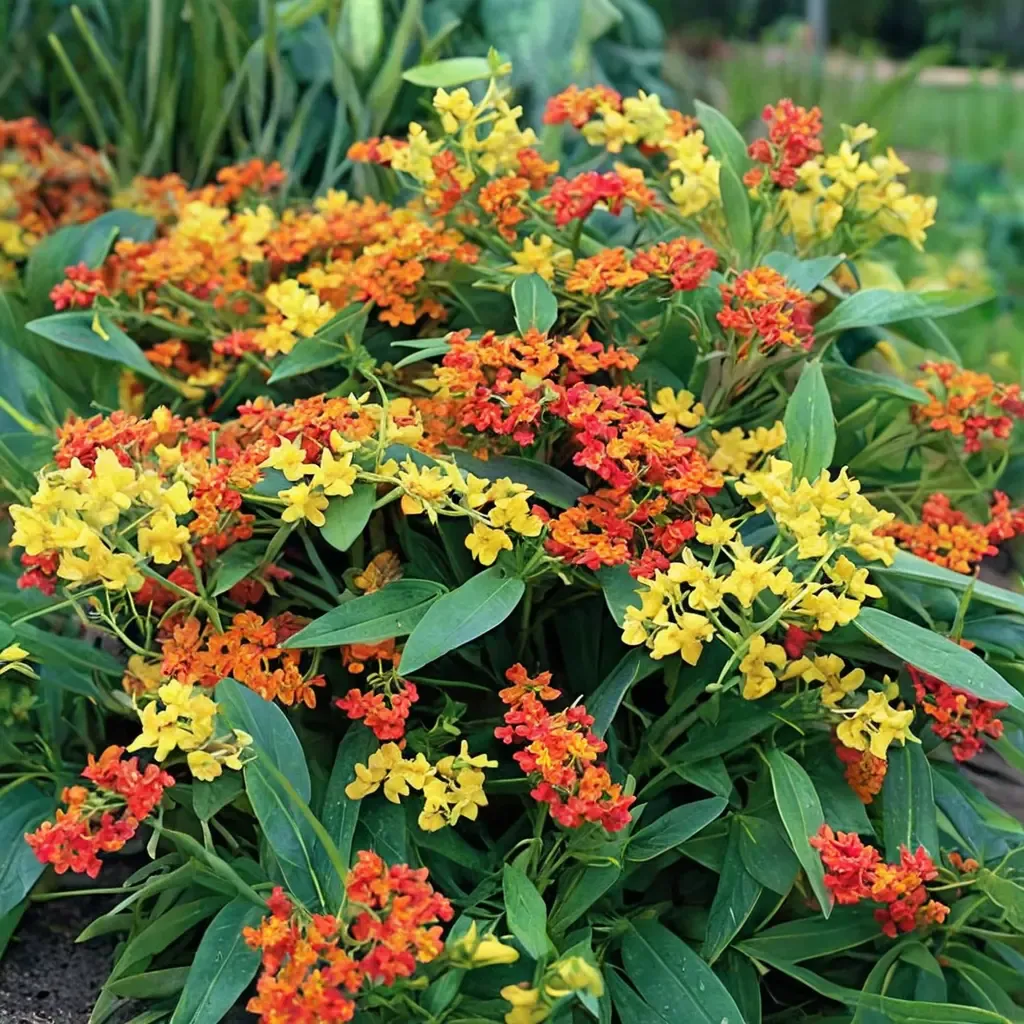
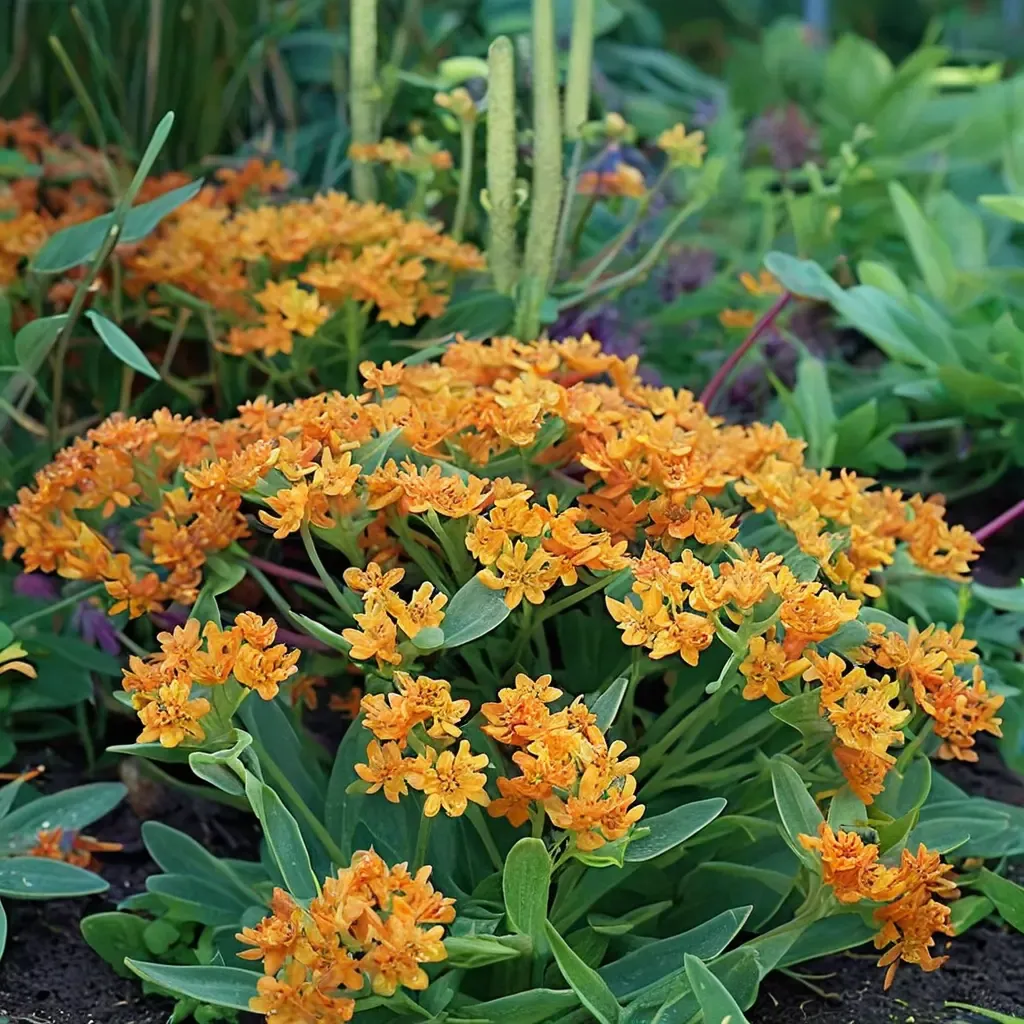
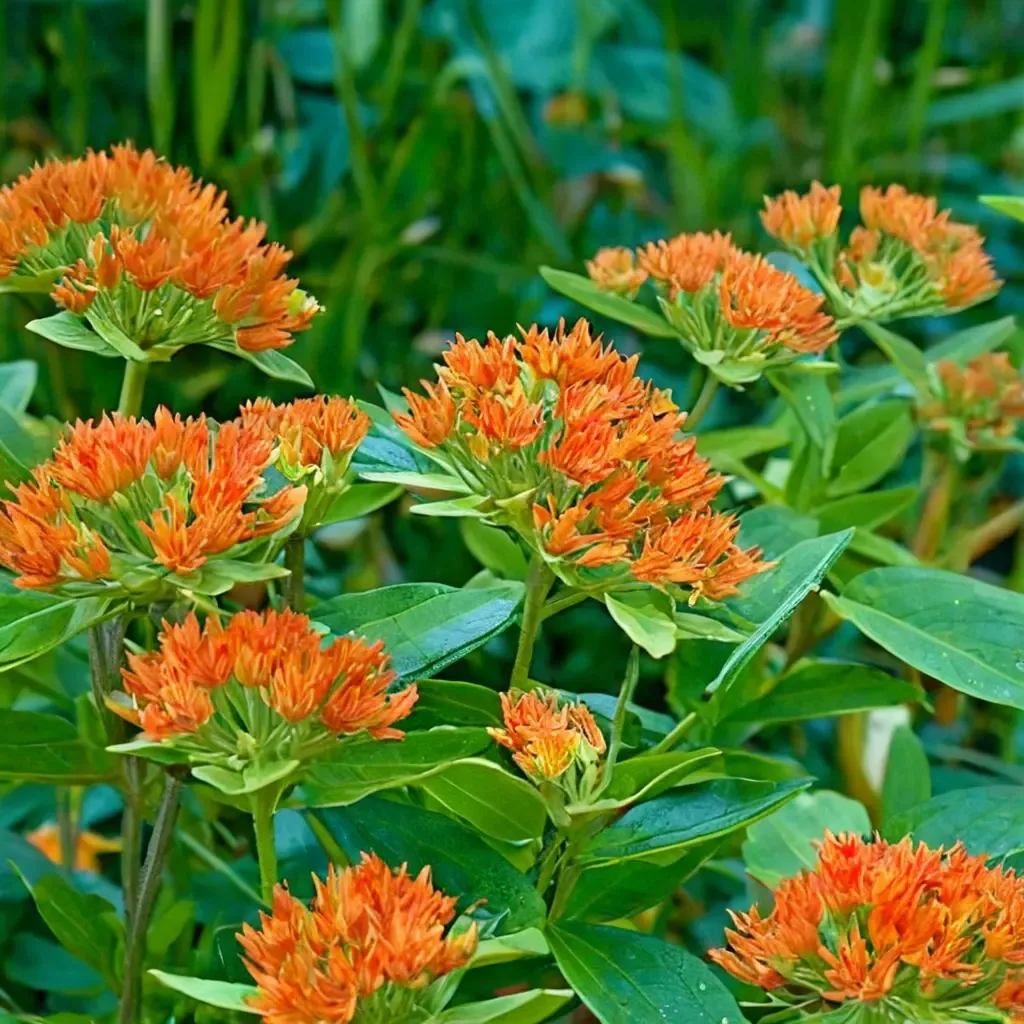
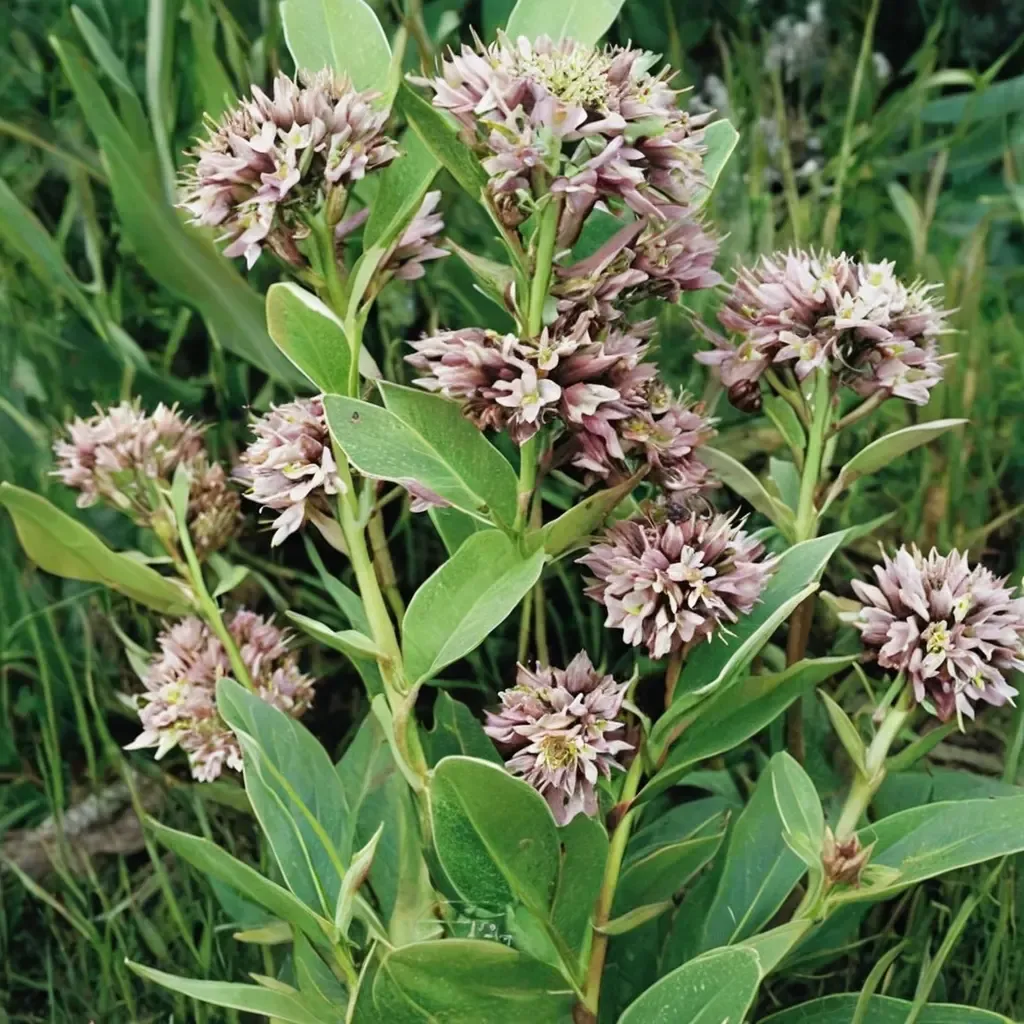
Sow tracks 21 Asclepias varieties, hardy across USDA Zones 4 to 10 between them. These are the 8 gardeners save most. Each one opens its own page with its zone range, sun, mature size and, where a nursery lists it, today's price.
Prices across nurseries
11 Asclepias varieties are listed by the online nurseries Sow checks every day, from $11.32 to $25.00, with a median of $15.99. The cheapest listing is usually the smallest pot, so compare sizes as well as prices.
Frequently asked questions
What type of milkweed is best for monarchs?
The best milkweed is whichever species grows wild in your area, because monarchs pass through each region at different times. East of the Rockies, common milkweed matters most: it is the host most of the butterflies wintering in Mexico grew up on. Swamp milkweed and butterfly weed are among the easiest to grow in that range. In Texas plant green antelopehorn and antelope horns, and in the West plant showy or narrowleaf milkweed.
Is swamp or common milkweed better for monarchs?
Both are excellent, and they suit different spots. Common milkweed is the main host in the Midwest and Northeast, with swamp milkweed next in how often monarchs use it. Common spreads by its roots into large colonies, so it belongs in a meadow or a big bed. Swamp grows as a clump and handles wet soil, which suits rain gardens and borders. If you have room, plant both.
When should you plant milkweed for monarch butterflies?
Sow seed outdoors from late fall through winter so cold, wet weather breaks its dormancy, or keep it damp in the refrigerator for 4 to 6 weeks and sow in spring. Nursery plugs go in once frost danger has passed; where winters are mild, that can mean setting out dormant plugs in late winter or early spring. Plant early enough that leaves are up when monarchs arrive.
Where should you not plant milkweed?
Keep it out of pastures, paddocks and hay fields, since milkweed poisons sheep, goats, cattle and horses and stays toxic when dried. In California, plant none within 1 mile (1.6 km) of a monarch overwintering grove. Avoid busy roadsides, where egg-laying females risk cars and spray drift, and plant only species native to your area.
Why are there no monarch caterpillars on my milkweed?
Eggs may have been laid and eaten before you noticed them. Look for single off-white eggs on leaf undersides near the top of the plant. Nursery plants treated with systemic insecticides can poison caterpillars, so ask how plants were grown. Butterfly weed on its own may draw fewer egg-laying females than common or swamp milkweed, and a bigger patch of several species gives monarchs more to use.
What should you not plant next to milkweed?
Leave out tropical milkweed and balloon plant, which can spread a monarch parasite and disrupt migration, and never let black or pale swallow-wort near the patch: females lay eggs on these vines but the caterpillars die within a few days. Avoid neighbors that you plan to spray, since caterpillars are vulnerable to every insecticide. Pair milkweed with native asters, goldenrods and blazing stars instead.
What eats monarch butterflies and caterpillars?
Vertebrates such as birds and mice are the bigger threat to older caterpillars, chrysalises and adult butterflies, and wasps have been seen feeding on adults at a California wintering site. The milkweed toxins a caterpillar stores protect it through adulthood: captive blue jays vomit after eating monarchs high in cardenolides, and wild monarchs with high levels are attacked less by birds and mice. Small caterpillars fall mostly to insects, mites and spiders.
Is milkweed poisonous to dogs and cats?
Yes, though the toxins differ by species: some milkweeds carry heart toxins called cardenolides and others nerve toxins. Among cardenolide species, butterfly weed, swamp and whorled milkweed contain relatively low levels, while rush, tropical, woollypod and pinewoods milkweed are high. Low does not mean safe, so put any milkweed where a dog that chews plants cannot reach it.
Does milkweed spread?
Some species do. Common milkweed spreads from its roots more than any other species, sending up new shoots several feet from the parent plant, and purple, prairie, showy, whorled and narrowleaf milkweeds also creep, though less. Swamp milkweed and butterfly weed grow as clumps from a single crown and spread only by seed, which makes them the better choice for small borders.
How many milkweed plants do monarchs need?
Two or three plants are a reasonable start in a small garden, but 10 or more of at least two species is a better target. With only a few stems, more caterpillars end up on each plant, so they compete for leaves and pass disease to one another. A caterpillar eats almost constantly for about two weeks, so a larger patch keeps food on hand.
References
- Xerces Society for Invertebrate Conservation. Milkweeds: A Conservation Practitioner's Guide. Accessed October 16, 2026.
- Xerces Society and USDA Natural Resources Conservation Service. Native Milkweeds: Pollinator Plants of the Central United States. Accessed October 16, 2026.
- Xerces Society, USDA NRCS and Monarch Joint Venture. Native Milkweeds: California Pollinator Plants. Accessed October 16, 2026.
- Xerces Society for Invertebrate Conservation. Western Monarch Numbers Remain at Historic Low. Accessed October 16, 2026.
- Xerces Society for Invertebrate Conservation. Tropical Milkweed: A No-Grow. Accessed October 16, 2026.
- Monarch Watch, University of Kansas. Milkweed Regions and Seed Needs. Accessed October 16, 2026.
- Monarch Watch, University of Kansas. Monarch Waystation Program. Accessed October 16, 2026.
- Monarch Joint Venture. Monarch Life Cycle. Accessed October 16, 2026.
- Monarch Joint Venture. Monarch Migration. Accessed October 16, 2026.
- Monarch Joint Venture. Frequently Asked Questions. Accessed October 16, 2026.
- Monarch Joint Venture. Monarch Habitat Needs. Accessed October 16, 2026.
- Monarch Joint Venture. Create Habitat for Monarchs. Accessed October 16, 2026.
- Monarch Joint Venture. Why Milkweed?. Accessed October 16, 2026.
- Iowa Monarch Conservation Consortium, Iowa State University. Milkweed 101. Accessed October 16, 2026.
- ASPCA Animal Poison Control. Milkweed (Asclepias species). Accessed October 16, 2026.
- UF/IFAS Gardening Solutions. Milkweed. Accessed October 16, 2026.
- UF/IFAS Gardening Solutions. Native Milkweeds. Accessed October 16, 2026.
- NC State Extension Gardener Plant Toolbox. Asclepias tuberosa (Butterfly Weed). Accessed October 16, 2026.
- NC State Extension Gardener Plant Toolbox. Asclepias syriaca (Common Milkweed). Accessed October 16, 2026.
- NC State Extension Gardener Plant Toolbox. Asclepias purpurascens (Purple Milkweed). Accessed October 16, 2026.
Sow Editorial
Written by the Sow team from university extension services, botanical gardens, USDA and NOAA data and plant breeders. Every source is listed under References.
The plants Sow gardeners save most