1 named cultivar
The Story
Plant Bio
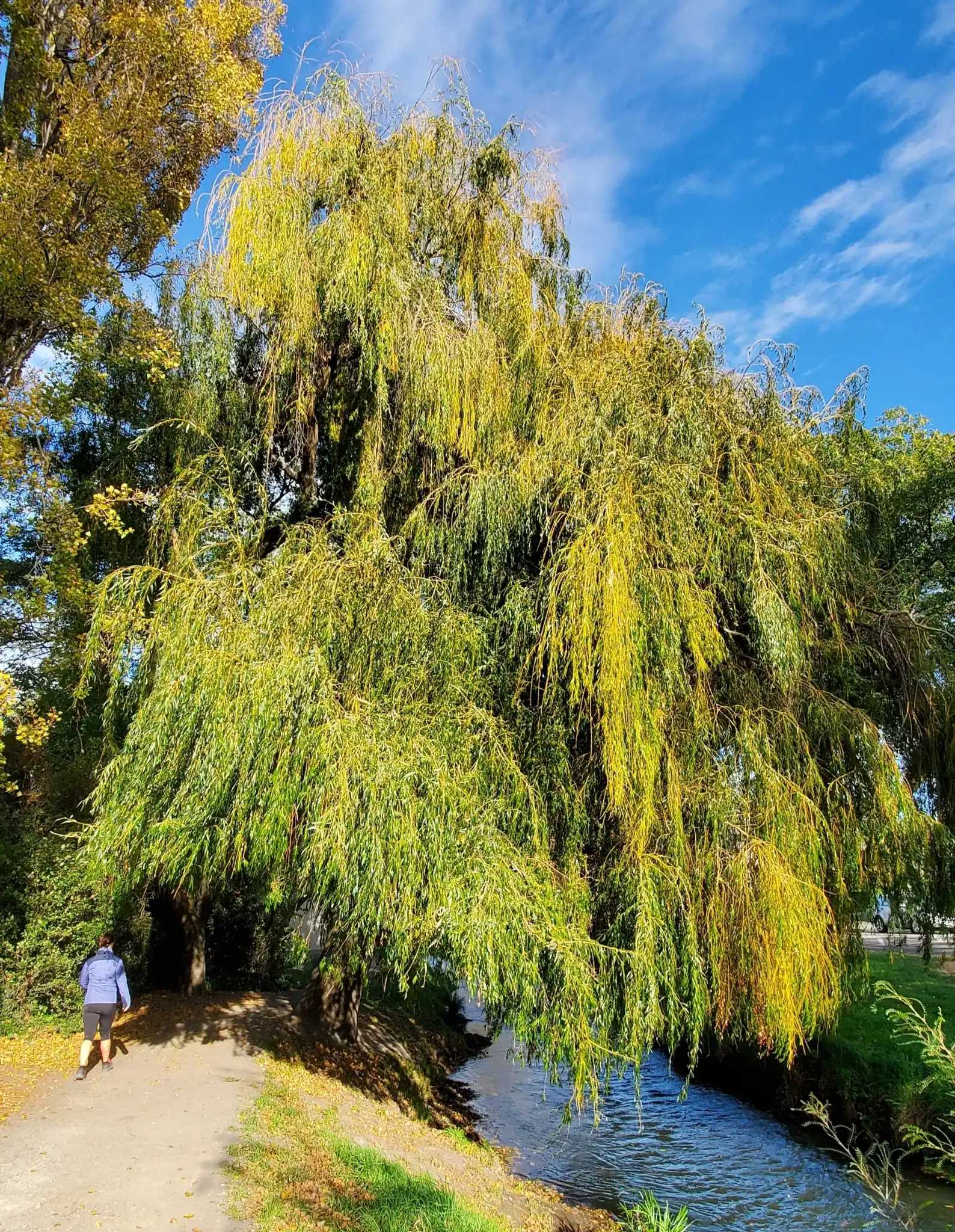
Salix babylonica, weeping willow, is a fast-growing deciduous tree from China, thirty to forty feet in both directions, with the long pendulous branches that give it its name. Slender reddish-brown twigs hang almost to the ground, narrow leaves flush early and hold late, and small catkins open with the new foliage in spring.
Its roots seek water aggressively and are a well-documented cause of blocked drains, lifted paving and damaged foundations — plant it at least fifty feet from any pipe, wall or septic field. It is also short-lived and brittle, dropping limbs in storms. Beside a large pond with nothing to damage it is superb; anywhere near a house it is a liability.
Uses & Benefits:
Essentials
At a Glance
Plant Type
Tree
Height
420"
Width
420"
Light
Full Sun, Partial Sun
Zones
4, 5, 6, 7, 8
Water
High
Humidity
Moderate
Lifespan
Perennial
Native To
China
Toxicity
Non-toxic
Marketplace
Where to Buy
Shipping costs Year-round shipping Free shipping
Planting
How to Grow
- Plant at least fifty feet from drains and buildings.
- Choose a site with moist soil or beside water.
- Allow thirty to forty feet in both directions.
- Expect a short life and brittle limbs.
- Remove storm-damaged wood promptly.
- Do not plant it in a small garden.
Pro Tip
Fifty feet from any pipe is the rule — willow roots find drains from further away than almost any other garden tree.
Keep It Thriving
Care Guide
Do
- Plant it well away from drains 🚱
- Site it beside a pond or stream 💧
- Allow it forty feet of spread 📏
- Clear fallen limbs after storms 🌬️
Don't
- Plant it near a house or septic field ❌
- Squeeze it into a small garden ❌
- Expect it to be long-lived ❌
Seasonal Care Calendar
| Task | Jan | Feb | Mar | Apr | May | Jun | Jul | Aug | Sep | Oct | Nov | Dec |
|---|---|---|---|---|---|---|---|---|---|---|---|---|
| Inspect | ||||||||||||
| Prune |
Watch Out For
Pests & Diseases
Common Pests
Common Diseases
In the Garden
Landscape Uses & Companions
Landscape Uses
Companion Plants
Multiply
Propagation Methods
Good to Know
Common Questions
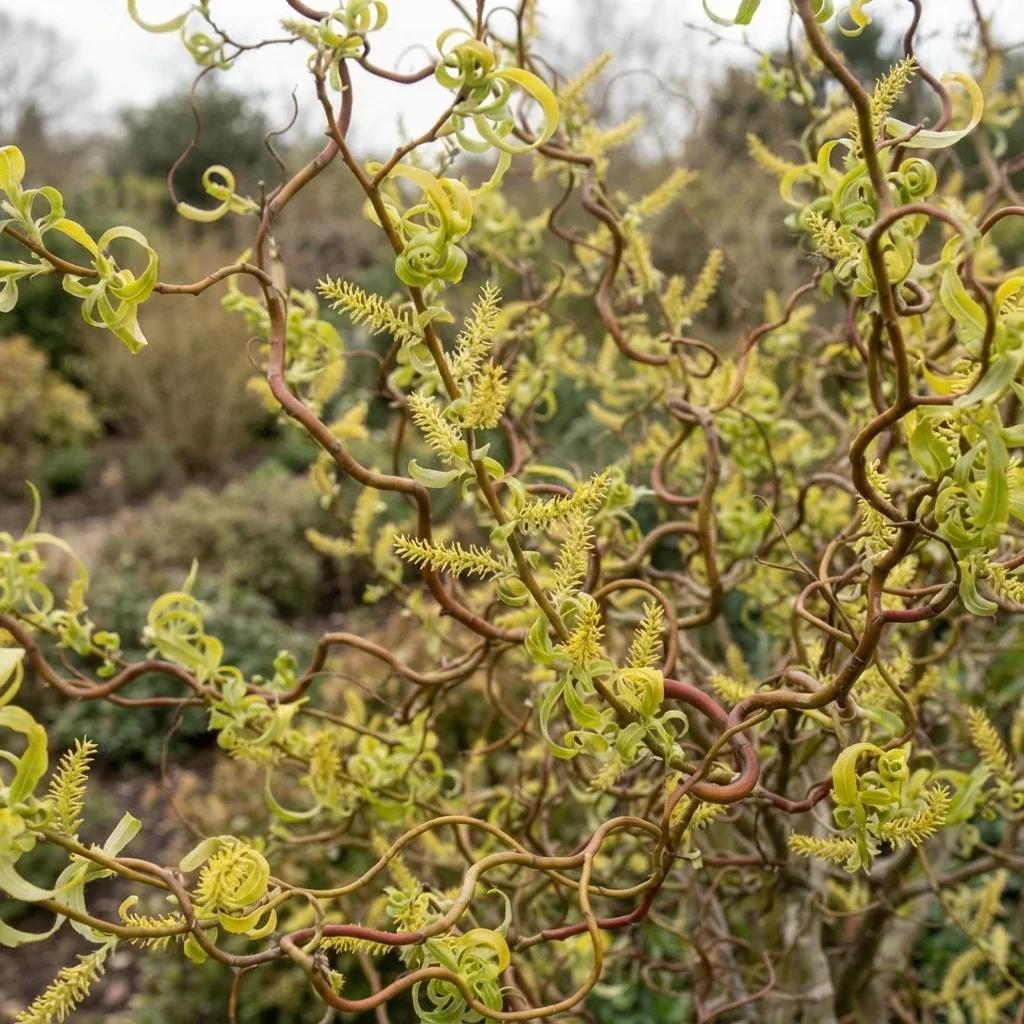
Corkscrew Willow questions
What zones can Corkscrew Willow grow in?
Corkscrew Willow is hardy in USDA Zones 4–8. Inside that range it survives winter in the ground; outside it, grow it as an annual or a container plant you protect.
Is Corkscrew Willow deer resistant?
Yes — Corkscrew Willow is rated deer-resistant. Deer typically pass it over, though extreme hunger can override any plant's defenses.
When does Corkscrew Willow bloom?
Corkscrew Willow typically blooms in early spring through mid-spring. Exact timing shifts a week or two with your zone — Sow's bloom calendar maps it to your garden.
Does Corkscrew Willow need full sun?
Corkscrew Willow does best in full sun to part shade. In hot climates, afternoon shade keeps blooms fresher longer.
More Salix to compare
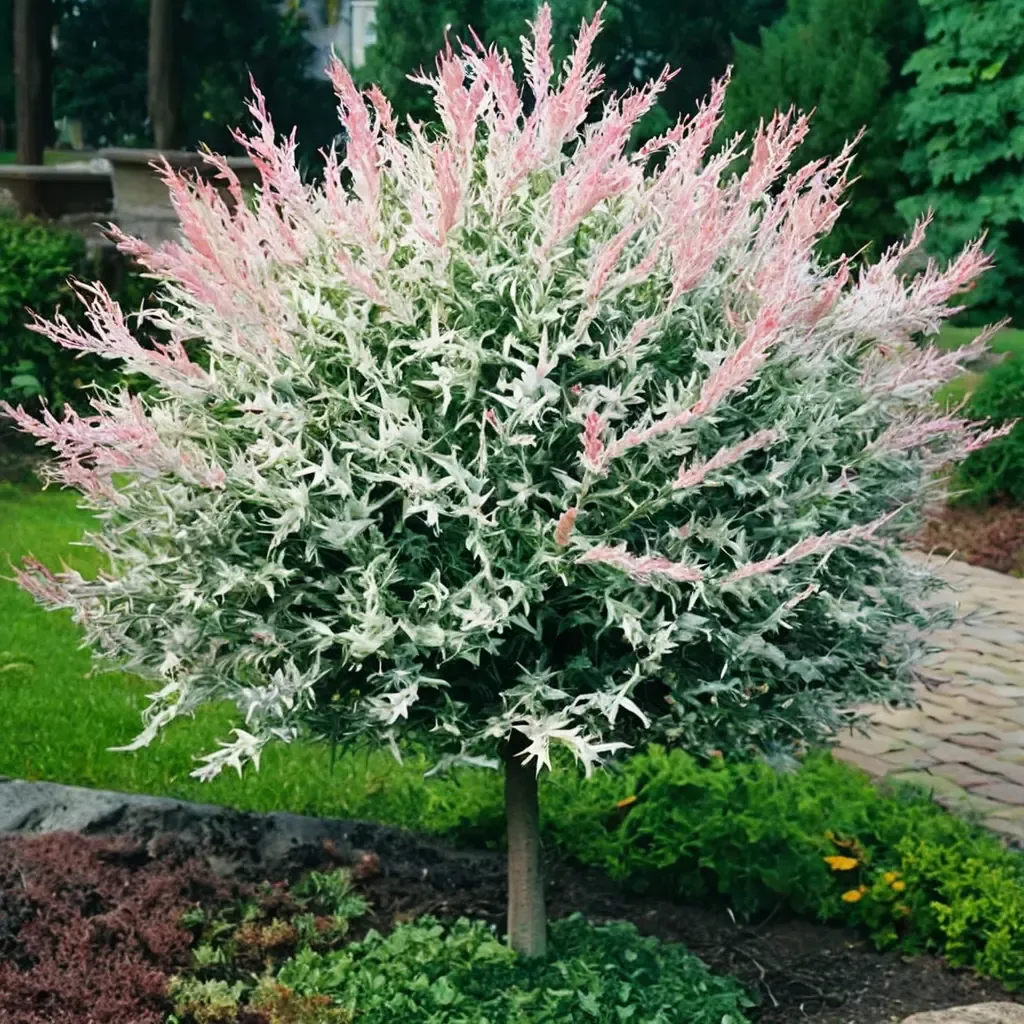
Dappled Willow
Salix integra 'Hakuro-nishiki'
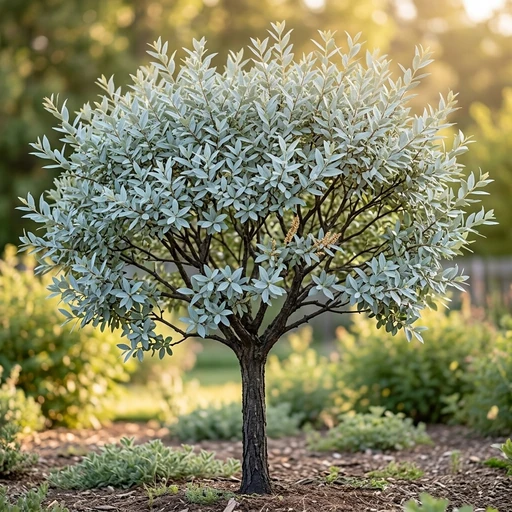
Black Willow
Salix nigra
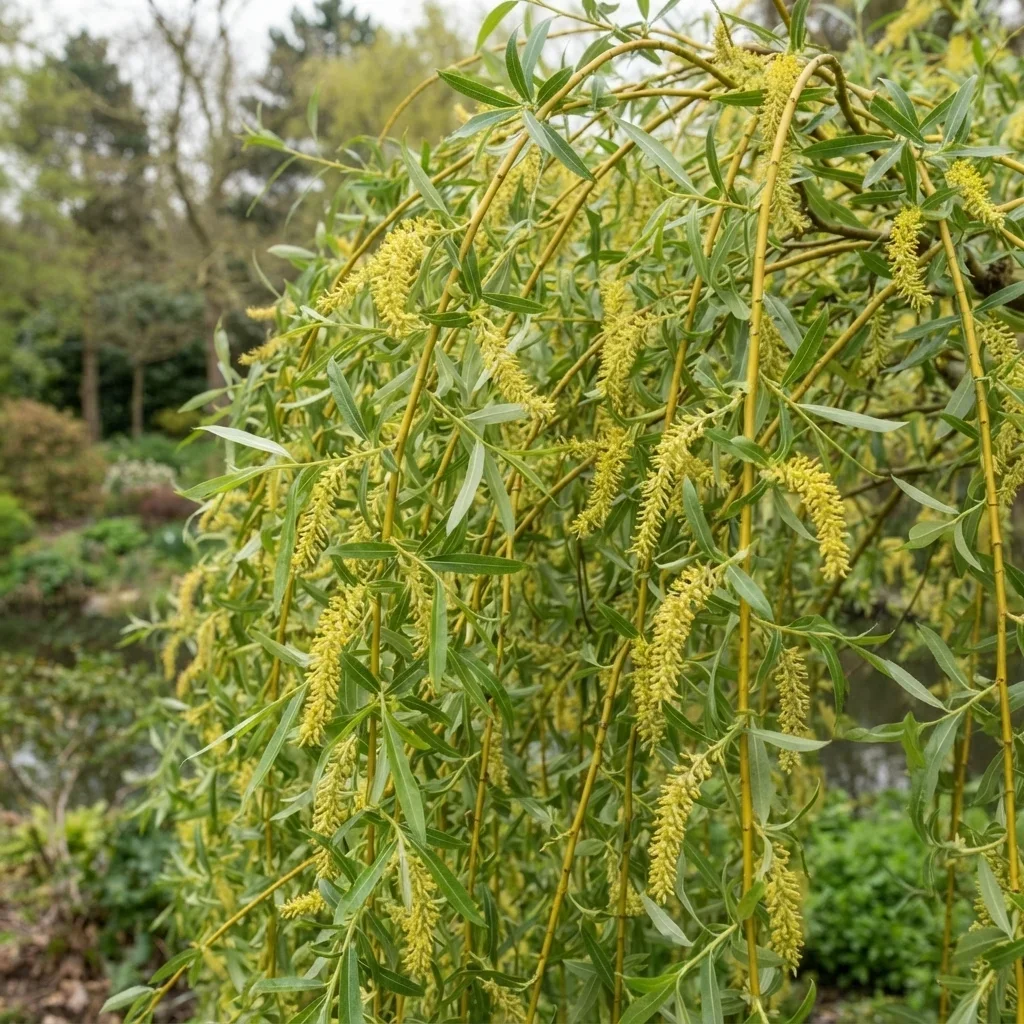
Weeping Willow
Salix x sepulcralis 'Mix'
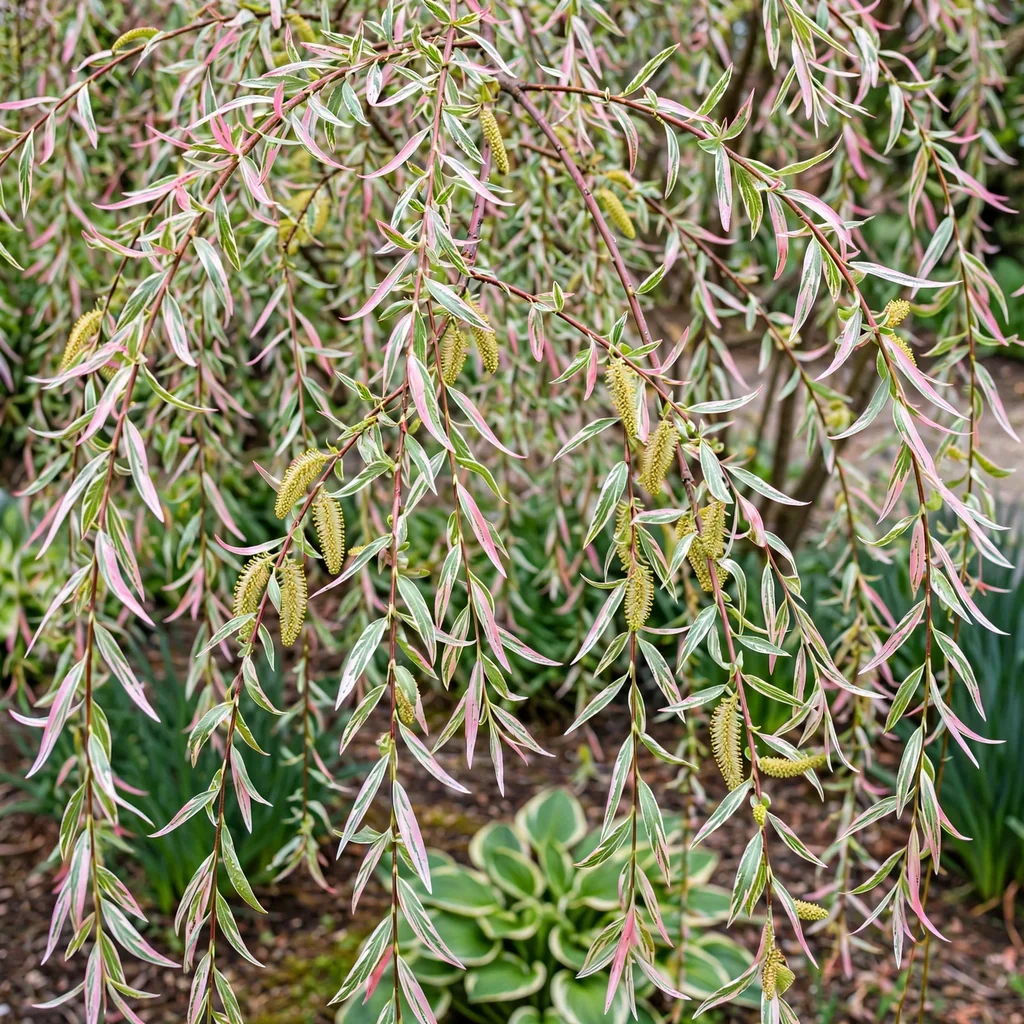
Flamingo Dappled Willow
Salix integra 'Flamingo'
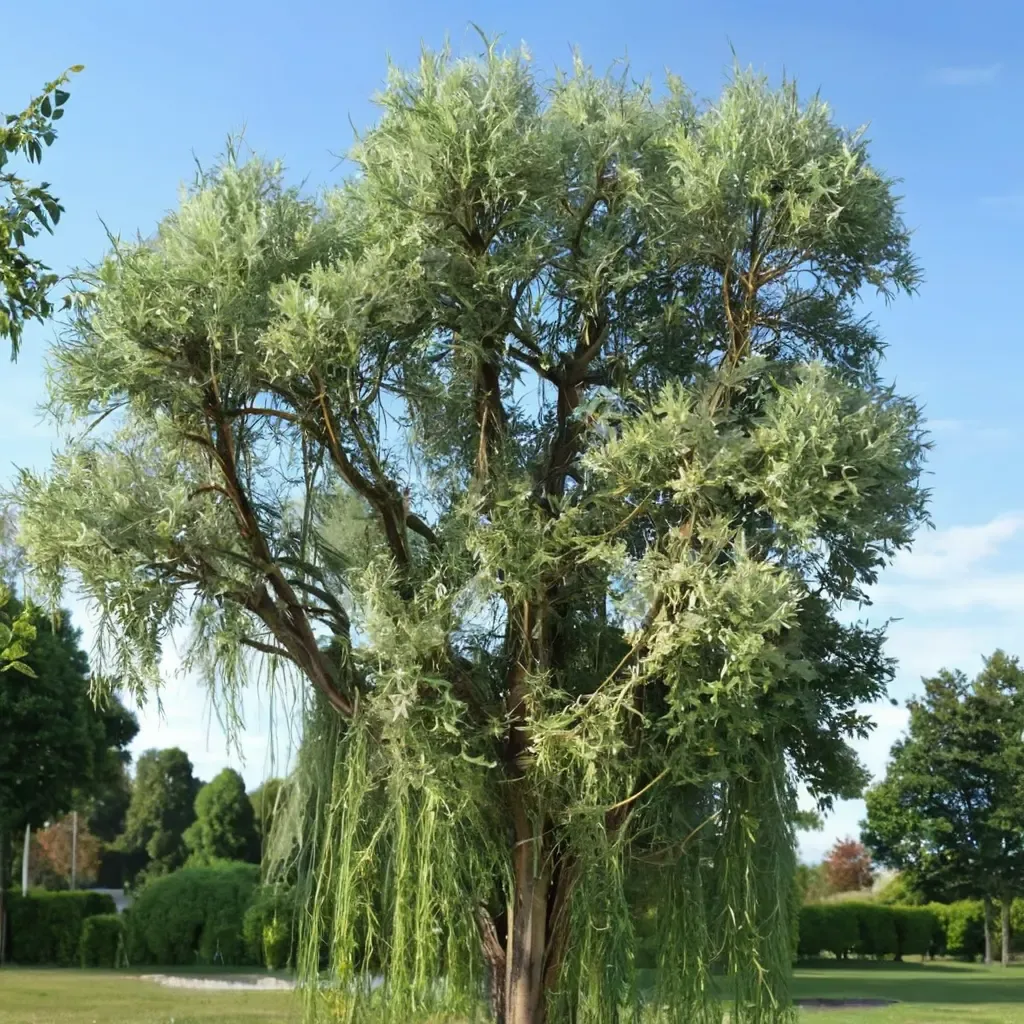
White Willow
Salix alba
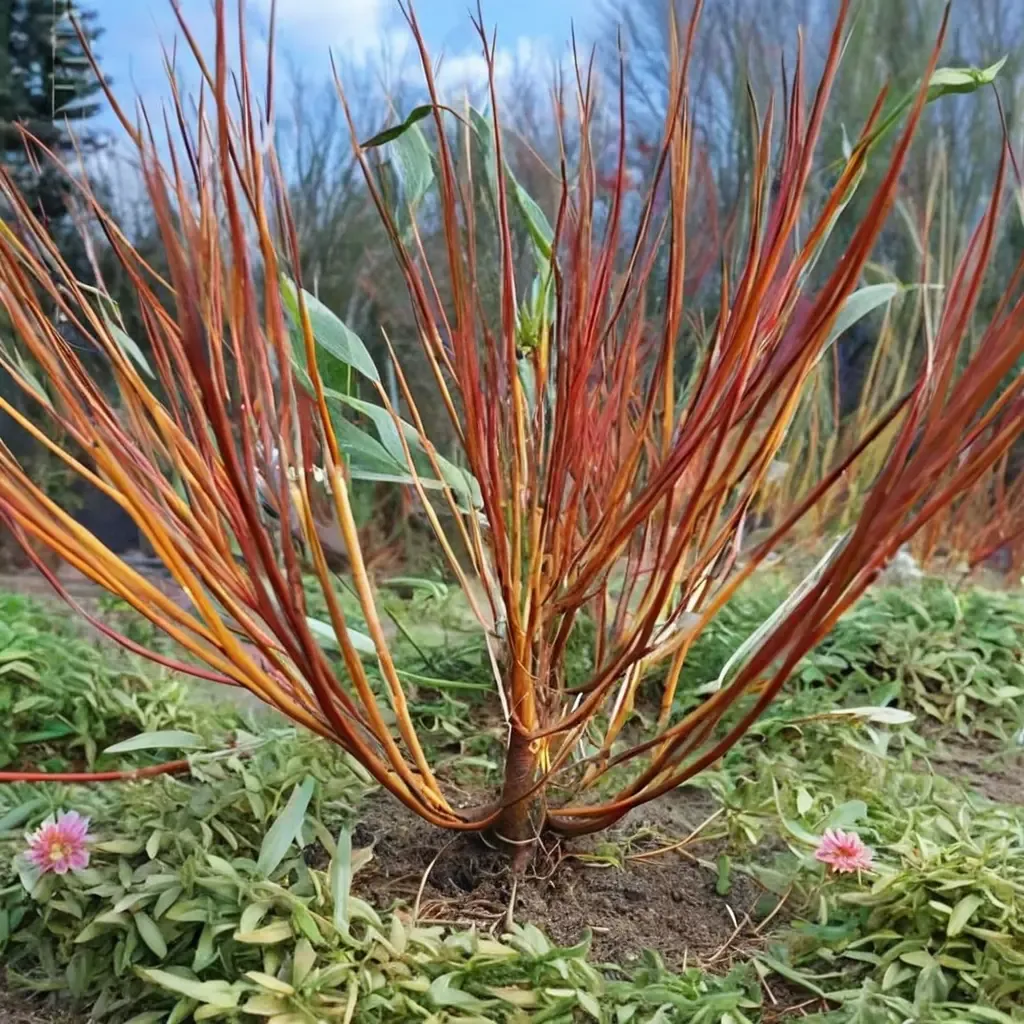
Coral Bark Willow
Salix alba 'Britzensis'
Keep exploring
Explore the genus
Hardy in your zone?
Grow Corkscrew Willow with confidence
See it in a design of your actual yard, get zone-matched care reminders, and track it season by season in your garden journal.