The Story
Plant Bio
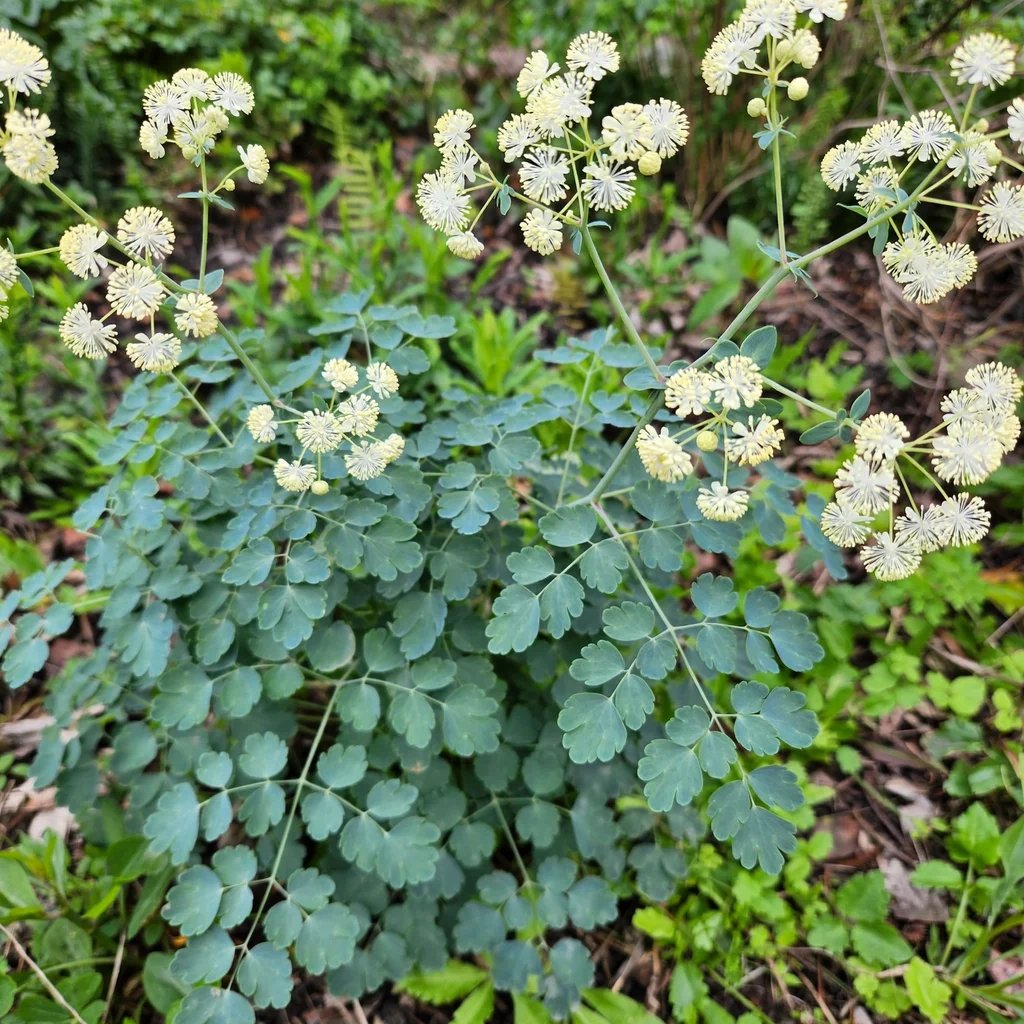
Thalictrum polycarpum, commonly known as tall western meadow-rue, is an upright herbaceous perennial native to moist woodlands and shaded stream banks across western North America. Its delicate, finely divided blue-green foliage closely resembles columbine, forming clumps that reach two to six feet in height.
This dioecious species produces separate male and female plants, with male specimens displaying dangling tassel-like cream stamens and female plants bearing brush-like reddish pistils. Bruised foliage releases a pleasant scent, though the sap contains protoanemonin which can cause mild skin irritation.
Uses & Benefits:
Essentials
At a Glance
Plant Type
Perennial
Height
71"
Width
39"
Light
Partial Sun, Shade
Zones
6, 7, 8, 9, 10
Water
Moderate to high
Humidity
Moderate
Lifespan
Perennial
Native To
Western North America
Toxicity
Mild skin and gastric irritant
Bloom period
Spring – Summer
In flower about 6 months of the year
Planting
How to Grow
- Select a location in partial to full shade with rich, well-draining soil high in organic matter.
- Set dormant crowns or container plants at soil level in early spring, spacing them 12 to 36 inches apart.
- Water regularly during the first growing season to keep the soil consistently damp while roots establish.
- Mulch annually with leaf mold or compost in spring to retain soil moisture and supply light nutrients.
Pro Tip
Plant in dappled or full shade with organic leaf mold; exposing the crown to direct sun and dry summer soil triggers premature summer dormancy and leaf scorch.
Keep It Thriving
Care Guide
Do
- Keep soil damp in hot weather to prevent early summer dormancy.
- Wear gloves when handling bruised stems to avoid mild skin irritation.
- Cut back spent stems clean to ground level after winter dormancy sets in.
Don't
- Do not plant in direct afternoon sun without continuous root moisture.
- Do not over-fertilize, as excess nitrogen weakens upright stem stability.
- Do not dig into or disturb established crown centers unnecessarily.
Seasonal Care Calendar
| Task | Jan | Feb | Mar | Apr | May | Jun | Jul | Aug | Sep | Oct | Nov | Dec |
|---|---|---|---|---|---|---|---|---|---|---|---|---|
| Divide | ||||||||||||
| Mulch | ||||||||||||
| Prune | ||||||||||||
| Spring Cleanup |
Watch Out For
Pests & Diseases
Common Pests
Common Diseases
In the Garden
Landscape Uses & Companions
Landscape Uses
Multiply
Propagation Methods
Good to Know
Common Questions
Tall Western Meadow-rue questions
What zones can Tall Western Meadow-rue grow in?
Tall Western Meadow-rue is hardy in USDA Zones 6–10: in that range it survives winter in the ground. Colder than Zone 6, grow it in a container you can move to shelter for the winter, or as an annual.
Is Tall Western Meadow-rue deer resistant?
Yes — Tall Western Meadow-rue is rated deer-resistant. Deer typically pass it over, though extreme hunger can override any plant's defenses.
When does Tall Western Meadow-rue bloom?
Tall Western Meadow-rue typically blooms from spring to summer. Exact timing shifts a week or two with your zone — Sow's bloom calendar maps it to your garden.
Does Tall Western Meadow-rue need full sun?
Tall Western Meadow-rue does best in part shade.
Is Tall Western Meadow-rue drought tolerant?
Yes — once established (usually after the first full season), Tall Western Meadow-rue handles dry spells with minimal watering. Water deeply its first year to build the root system that makes that possible.
More Thalictrum to compare
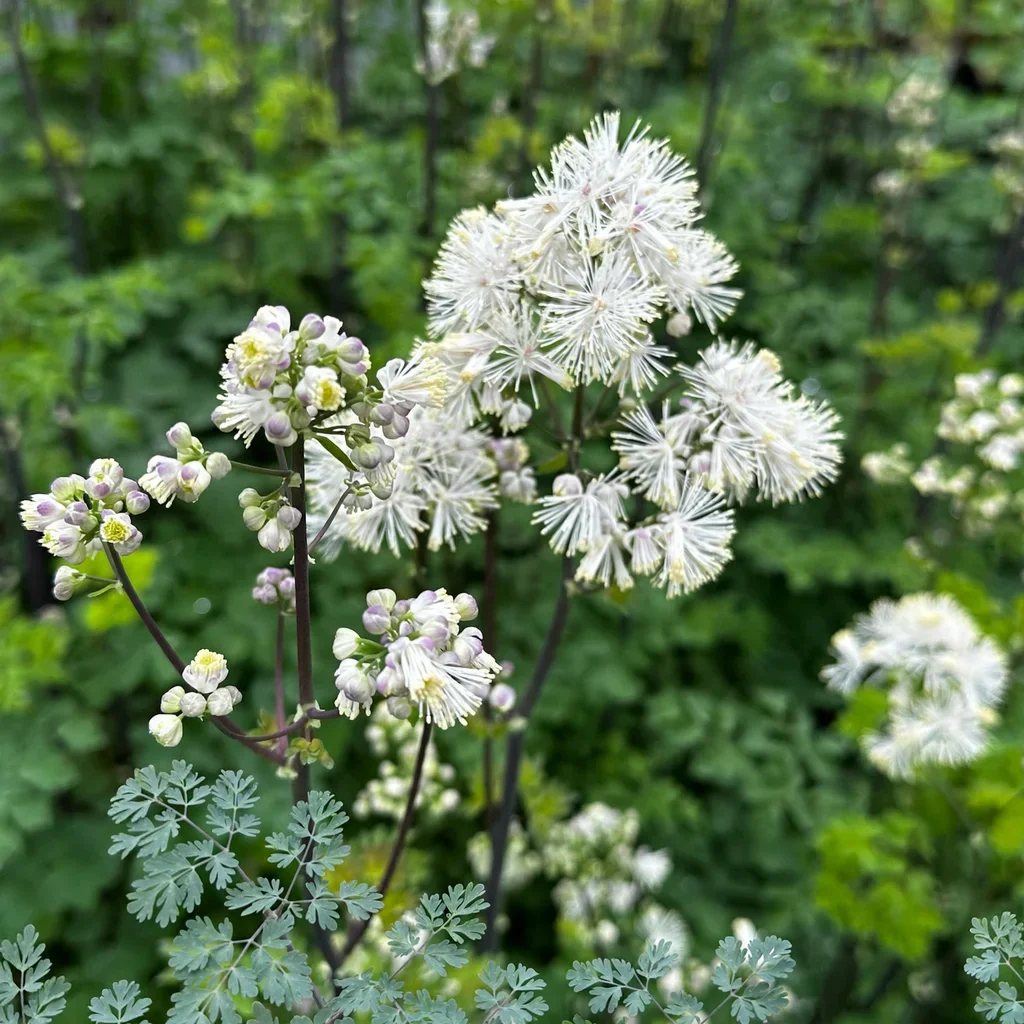
Nimbus White Meadow-rue
Thalictrum aquilegiifolium 'Nimbus White'
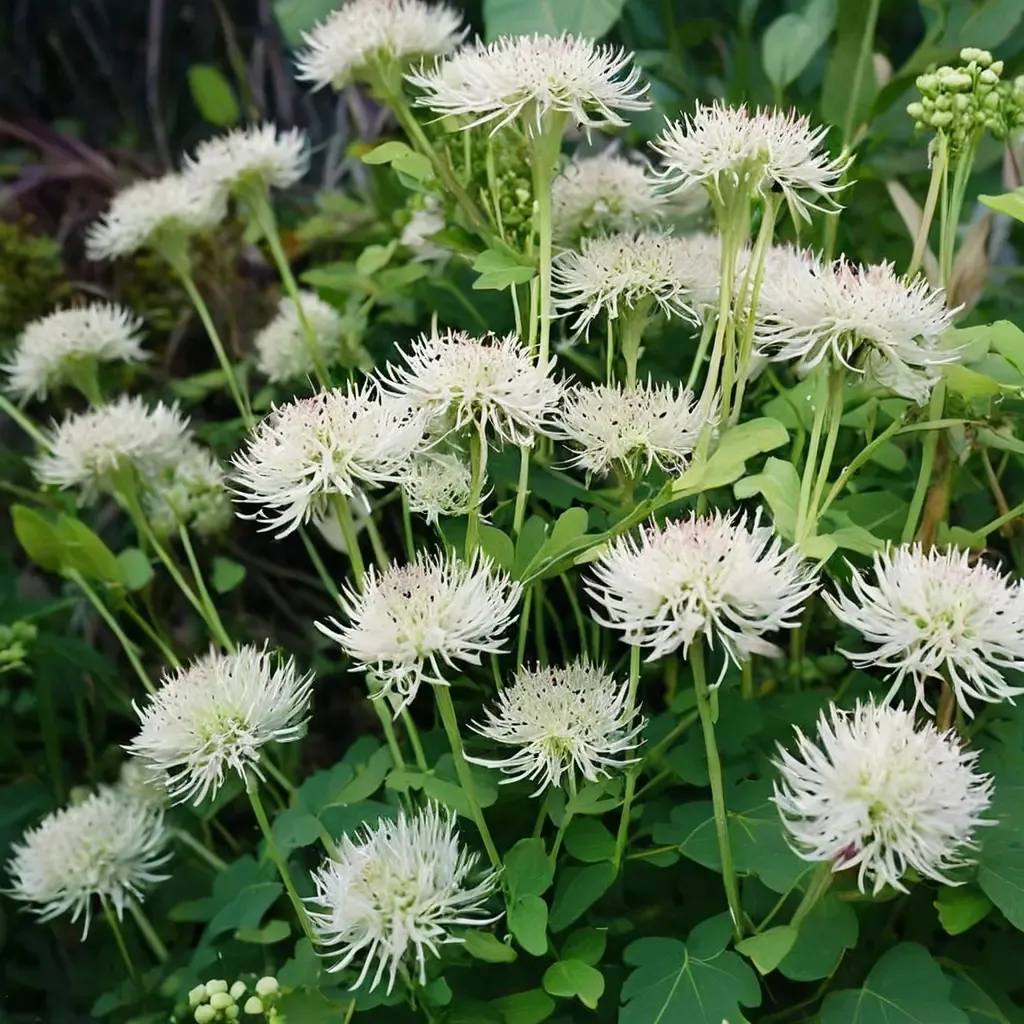
Album White Meadow Rue
Thalictrum aquilegiifolium 'Album'
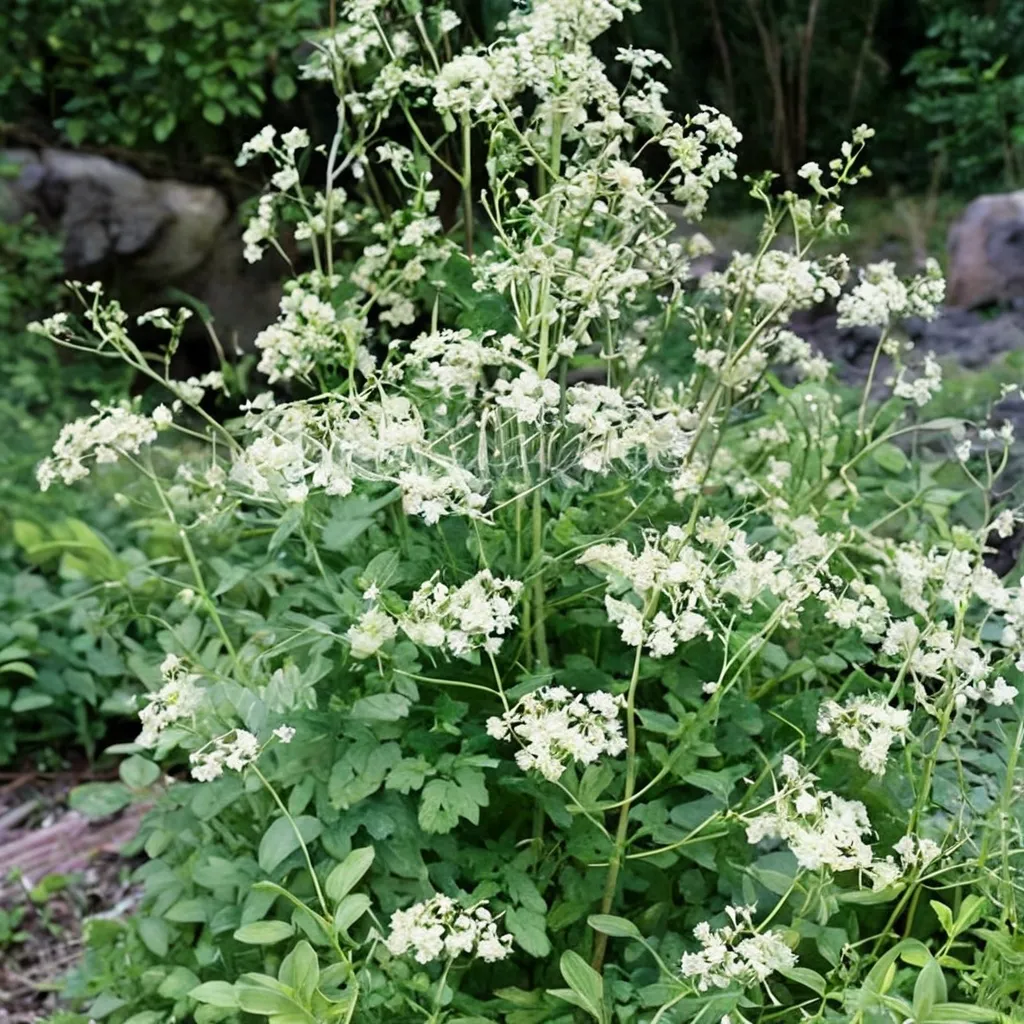
Tall Meadow-rue
Thalictrum polygamum
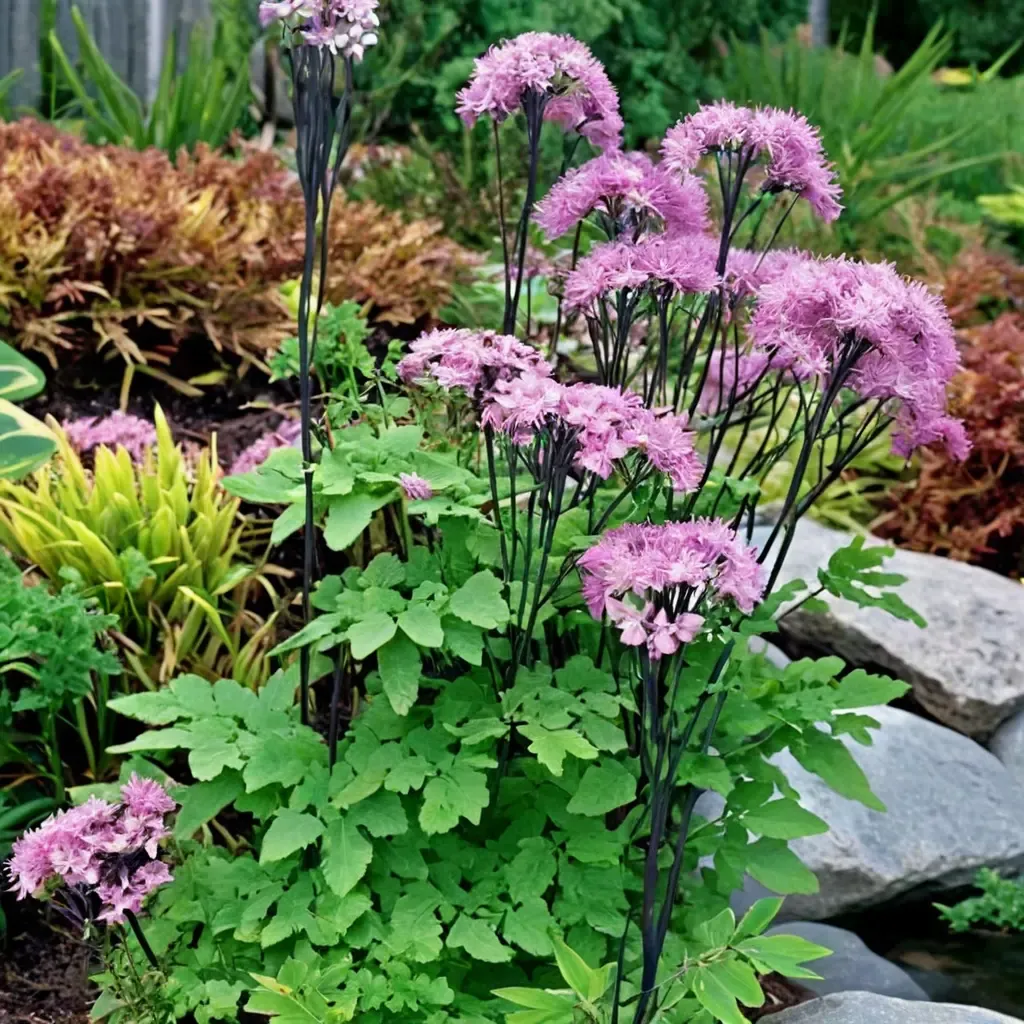
Black Stockings Meadow Rue
Thalictrum x hybrida 'Black Stockings'
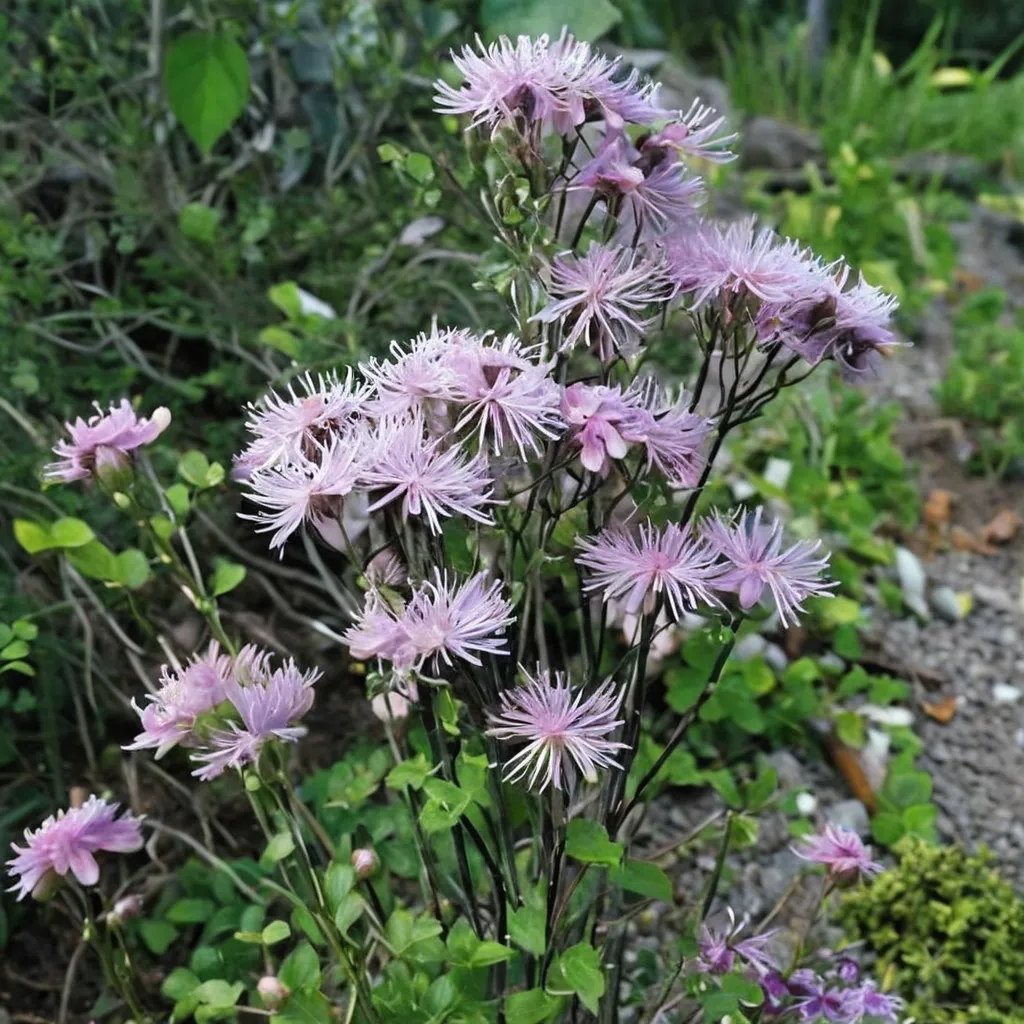
Hybrid Meadow Rue
Thalictrum x hybrida 'HH-03CH196'
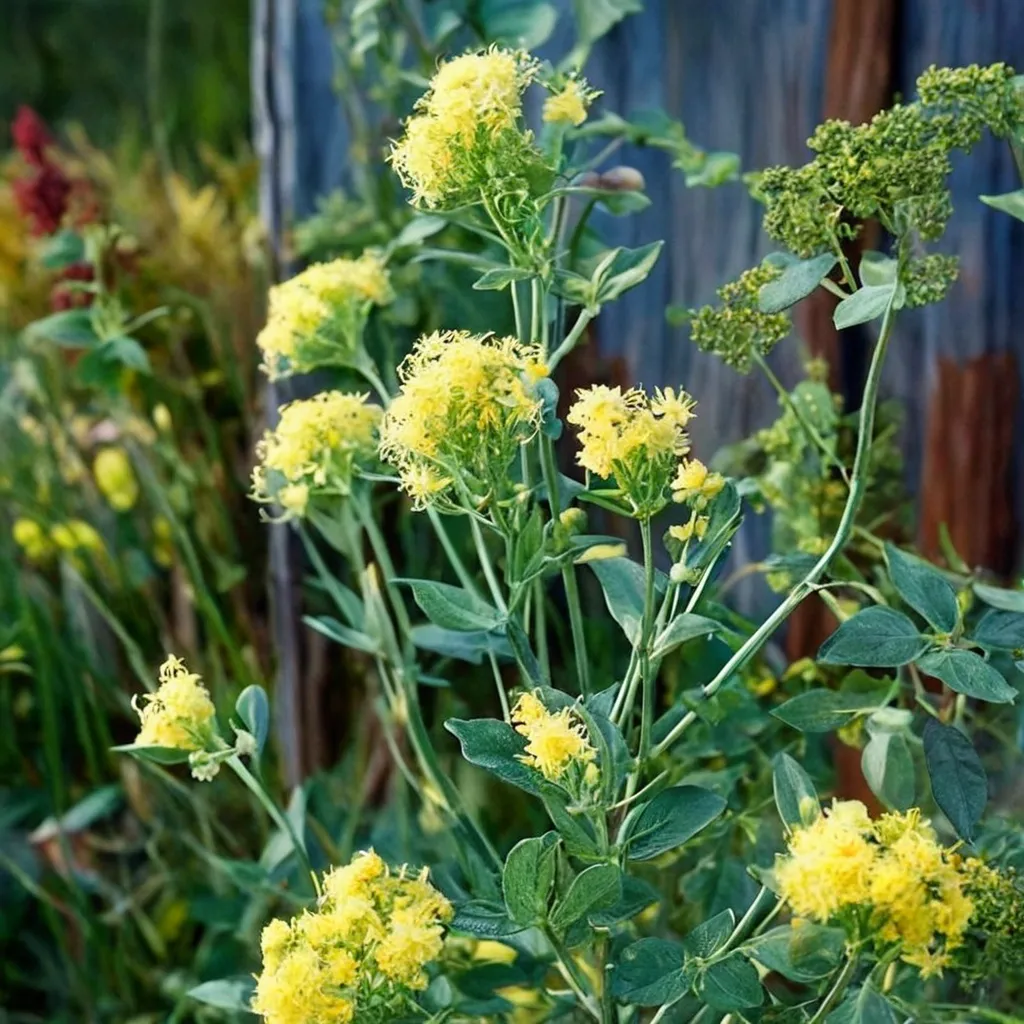
True Blue Yellow Meadow Rue
Thalictrum flavum 'True Blue'
Keep exploring
Explore the genus
Hardy in your zone?
Grow Tall Western Meadow-rue with confidence
See it in a design of your actual yard, get zone-matched care reminders, and track it season by season in your garden journal.