The Story
Plant Bio
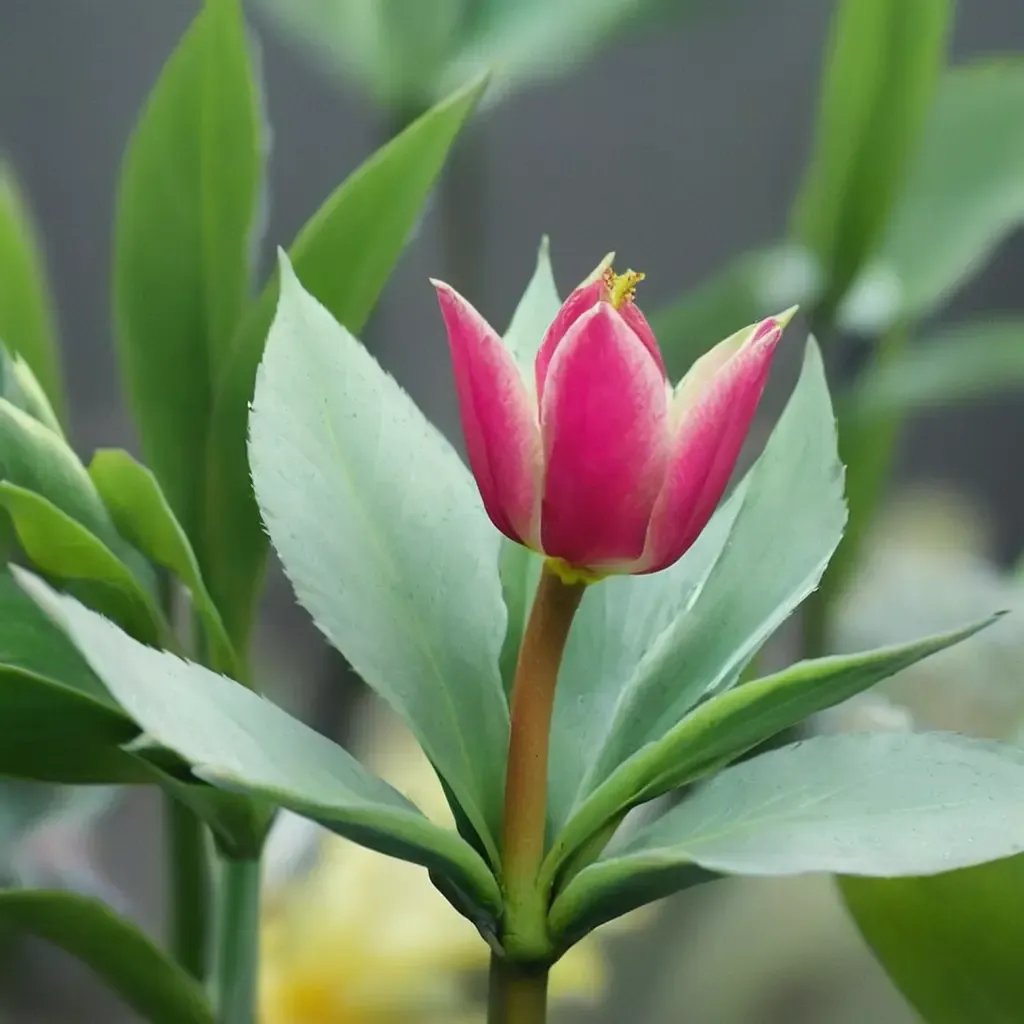
A genus of spring-blooming perennial bulbs, celebrated for their large, showy, and brightly colored, cup-shaped flowers. They are a staple of spring gardens worldwide, as the provided species 'Tulipa tulipana' is not a recognized botanical name.
Garden tulips are complex hybrids available in a vast array of colors, forms, and bloom times. For the most reliable and spectacular display, many modern cultivars are best treated as short-lived perennials or annuals.
Uses & Benefits:
Essentials
At a Glance
Plant Type
Bulb Corm Tuber
Height
18"
Width
6"
Light
Full Sun, Partial Sun
Zones
4, 5, 6, 7, 8
Water
Medium
Humidity
Average
Lifespan
Perennial
Native To
Central Asia
Toxicity
Toxic to humans and pets if ingested
Bloom period
Early spring – Mid-spring
In flower about 2 months of the year
Planting
How to Grow
- Tuck bulbs 6 inches deep into well-draining soil in fall.
- Water thoroughly after planting to settle soil around bulbs.
- Ensure full sun exposure for vibrant blooms.
- Mulch lightly to protect from extreme cold.
- Remove spent flowers to encourage bulb strength.
- Allow foliage to yellow naturally before removing.
Pro Tip
Plant tulips in clusters for a stunning display and better visual impact.
Keep It Thriving
Care Guide
Do
- Plant in full sun for best flowering 🌞
- Water regularly during active growth
- Apply a balanced fertilizer in early spring
Don't
- Avoid overwatering to prevent bulb rot ❌
- Don’t cut back foliage prematurely
- Skip planting in poorly drained soil
Seasonal Care Calendar
| Task | Jan | Feb | Mar | Apr | May | Jun | Jul | Aug | Sep | Oct | Nov | Dec |
|---|---|---|---|---|---|---|---|---|---|---|---|---|
| Deadhead | ||||||||||||
| Divide | ||||||||||||
| Fertilize | ||||||||||||
| Pest Check | ||||||||||||
| Plant |
Watch Out For
Pests & Diseases
Common Pests
Common Diseases
In the Garden
Landscape Uses & Companions
Landscape Uses
Companion Plants
Multiply
Propagation Methods
Good to Know