The Story
Plant Bio
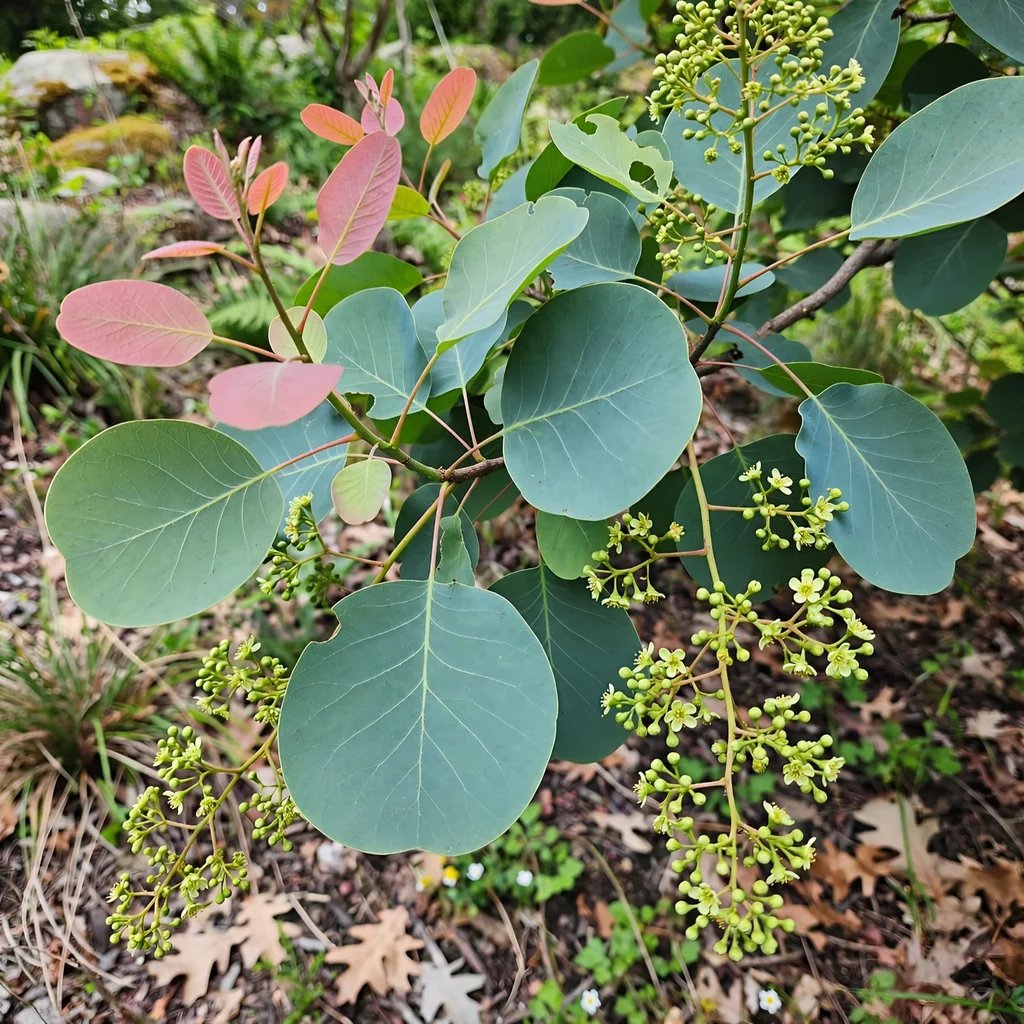
Cotinus obovatus, the American smoketree, is a deciduous small tree or large multi-stemmed shrub reaching twenty to thirty feet tall and wide, with large obovate bluish-green leaves. In late spring it bears six- to ten-inch open terminal panicles of tiny yellowish-green male and female flowers on separate plants.
The summer display comes not from petals but from elongated pink to purplish-pink hairs on the spent flower stalks that form smoky puffs. New growth unfolds silky pink and fall foliage turns yellow, orange, red, scarlet and reddish-purple with the strongest fall color in the genus.
Uses & Benefits:
Essentials
At a Glance
Plant Type
Tree
Height
300"
Width
300"
Light
Full Sun
Zones
4, 5, 6, 7, 8
Water
Medium
Humidity
Average
Lifespan
Long-lived deciduous tree
Native To
Southeastern United States
Toxicity
Skin irritant - sap may cause dermatitis
Bloom period
Late spring – Summer
In flower about 4 months of the year
Planting
How to Grow
- Choose full sun with well-drained average loam, rocky clay or shallow limestone soil; avoid low wet ground.
- Dig the hole as deep as the root ball and twice as wide, and set the crown level with the soil surface.
- Backfill with native soil without enrichment, water deeply to settle, then mulch 2 to 3 inches while keeping mulch off the trunk.
- Water through the first summer to establish, then reduce; do not fertilize routinely.
Pro Tip
Grow it hard in full sun in average to infertile well-drained loam; rich soil, fertilizer and wet feet produce soft leafy growth with little smoke and more root disease.
Keep It Thriving
Care Guide
Do
- Plant in full sun with sharp drainage
- Use average to infertile loam, including rocky or clay ground
- Mulch to conserve moisture while keeping the crown dry
Don't
- Do not plant in wet low areas or constantly irrigated lawns
- Do not overwater or overfertilize to force growth
- Do not shear for shape in spring; it removes the smoke display
Seasonal Care Calendar
| Task | Jan | Feb | Mar | Apr | May | Jun | Jul | Aug | Sep | Oct | Nov | Dec |
|---|---|---|---|---|---|---|---|---|---|---|---|---|
| Mulch | ||||||||||||
| Pest Check | ||||||||||||
| Plant | ||||||||||||
| Prune |
Watch Out For
Pests & Diseases
Common Pests
Common Diseases
In the Garden
Landscape Uses & Companions
Landscape Uses
Multiply
Propagation Methods
Good to Know
Common Questions
American Smoketree questions
What zones can American Smoketree grow in?
American Smoketree is hardy in USDA Zones 4–8: in that range it survives winter in the ground. Warmer than Zone 8, winter isn't the problem: it prefers colder winters, and summer heat can shorten its life.
Is American Smoketree deer resistant?
Yes — American Smoketree is rated deer-resistant. Deer typically pass it over, though extreme hunger can override any plant's defenses.
When does American Smoketree bloom?
American Smoketree typically blooms from late spring to late summer. Exact timing shifts a week or two with your zone — Sow's bloom calendar maps it to your garden.
Does American Smoketree need full sun?
American Smoketree does best in full sun (6+ hours).
Is American Smoketree drought tolerant?
Yes — once established (usually after the first full season), American Smoketree handles dry spells with minimal watering. Water deeply its first year to build the root system that makes that possible.
More Cotinus to compare
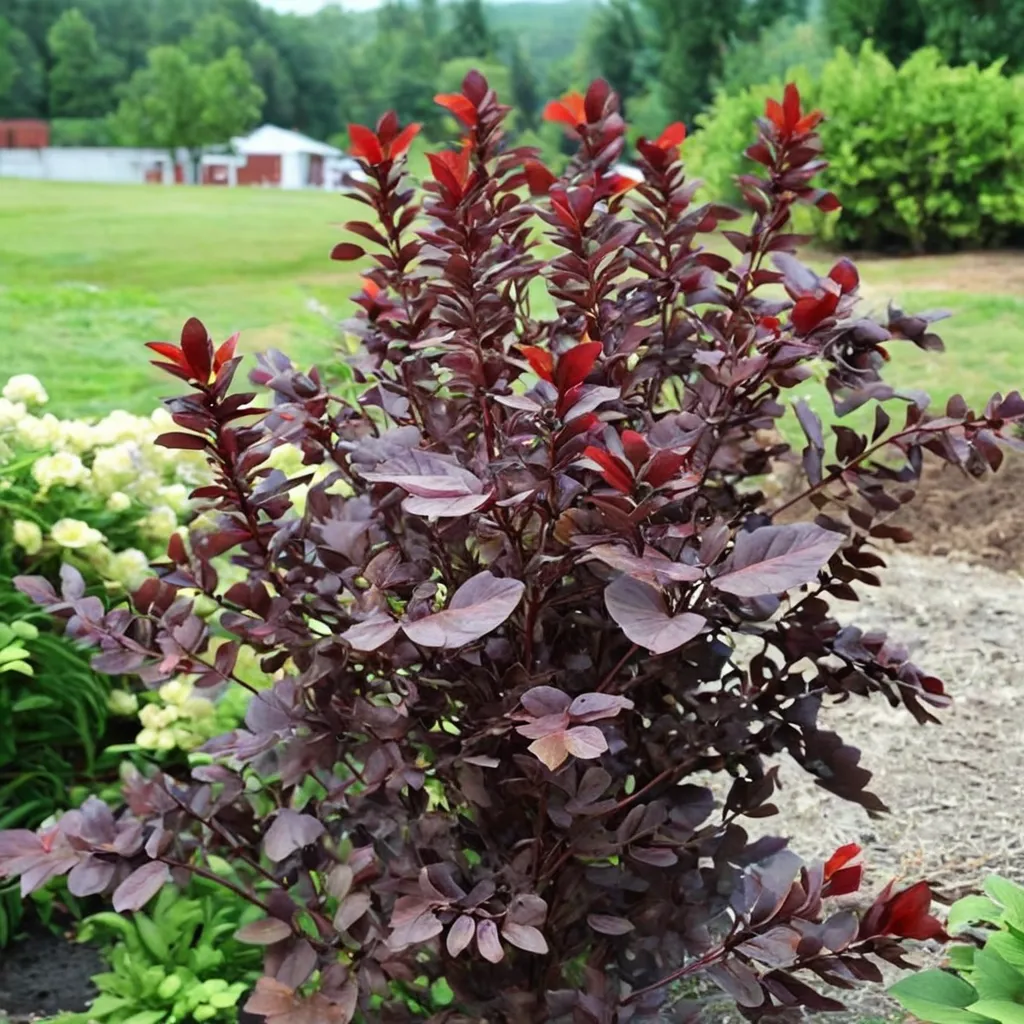
Winecraft Black Smokebush
Cotinus coggygria 'Winecraft Black'
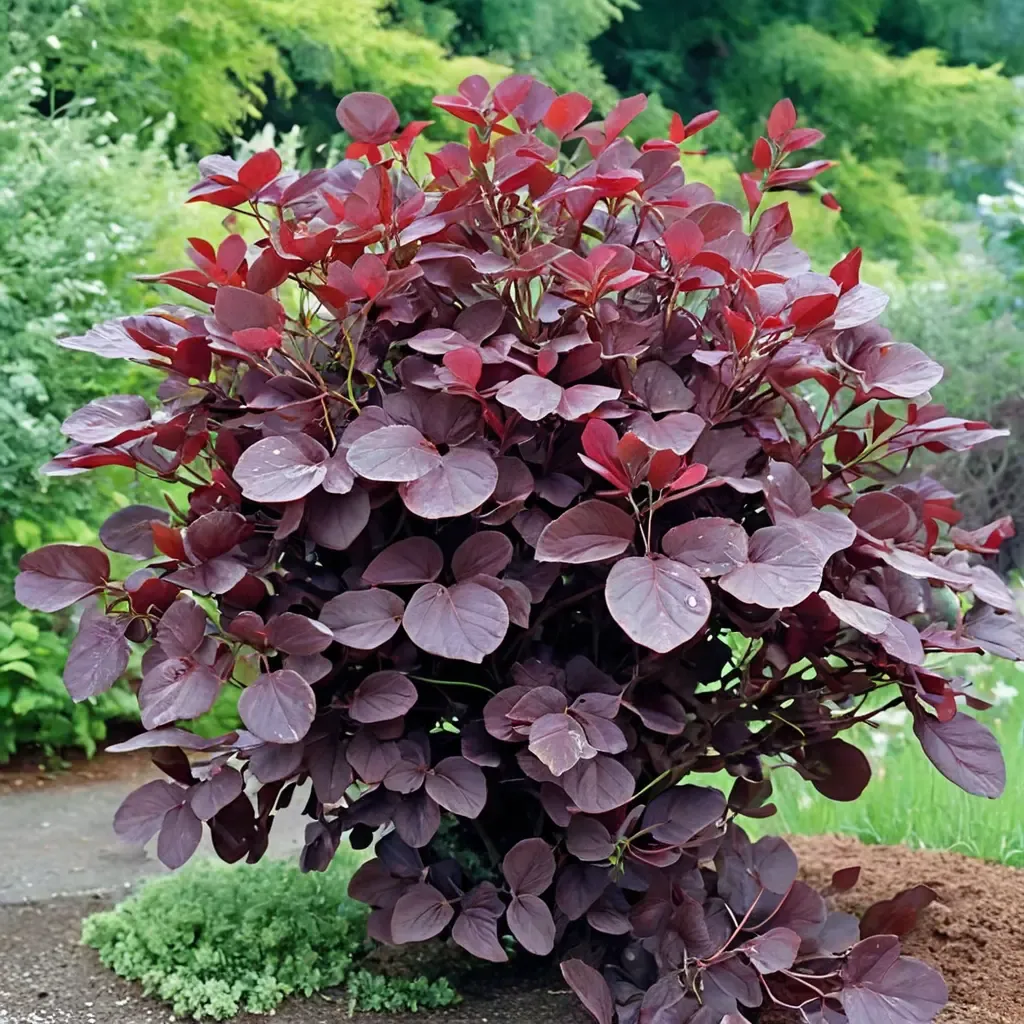
Royal Purple Smoke Tree
Cotinus coggygria 'Royal Purple'
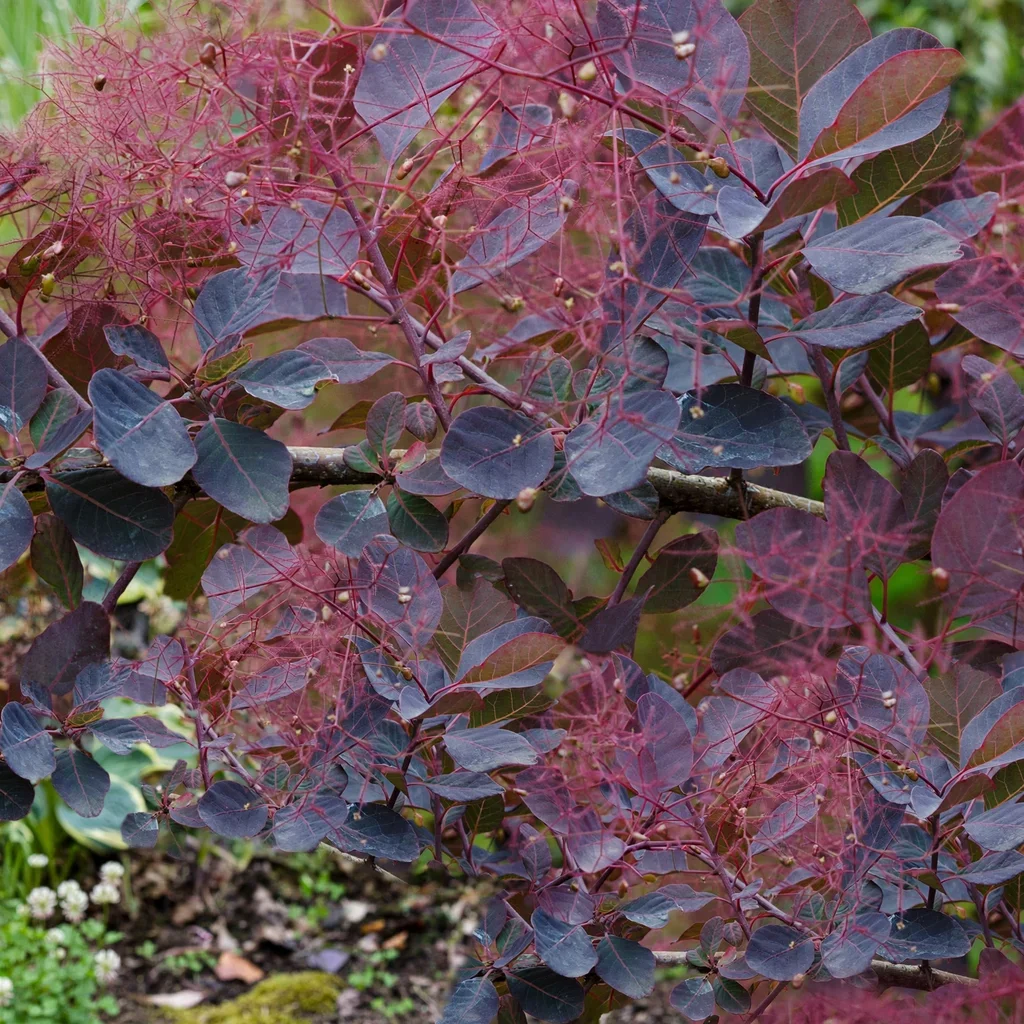
Dusky Maiden Smoke Tree
Cotinus coggygria 'Dusky Maiden'
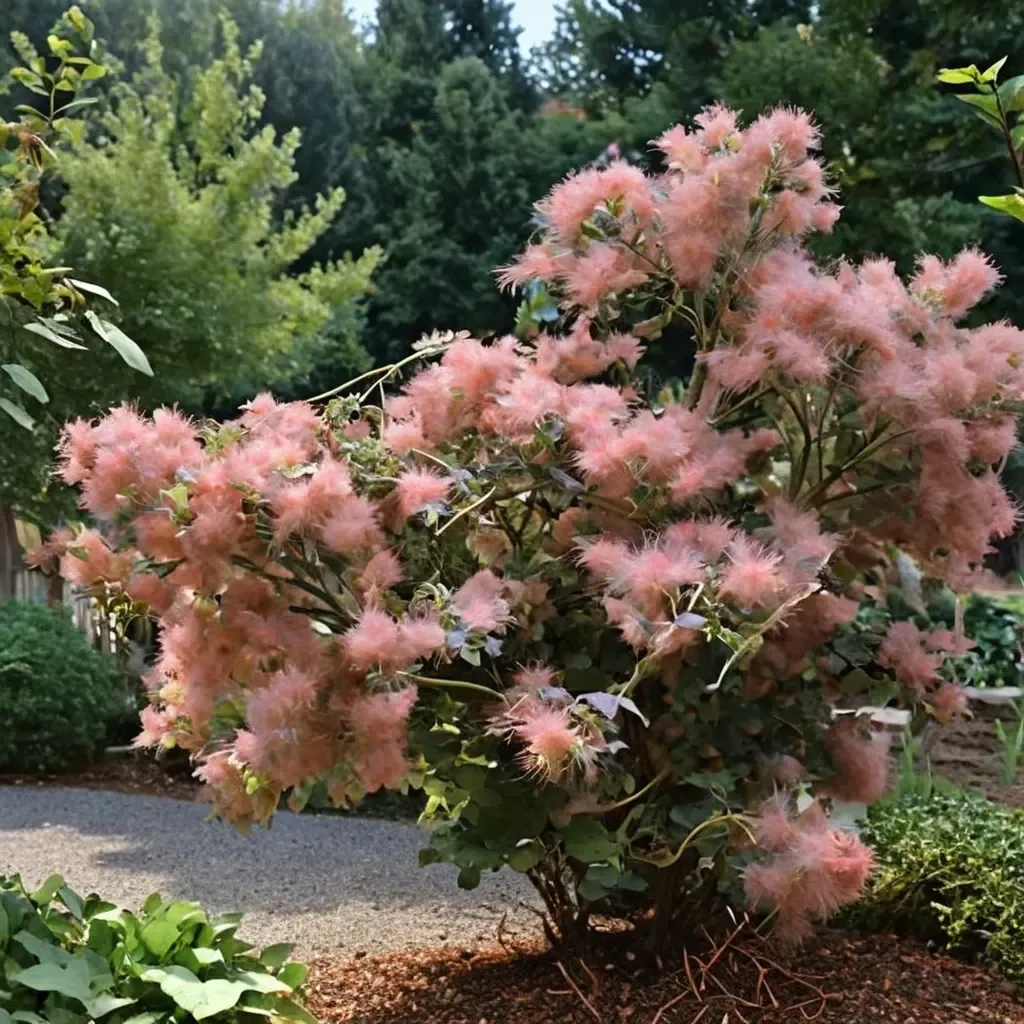
Grace Smokebush
Cotinus x hybrida 'Grace'
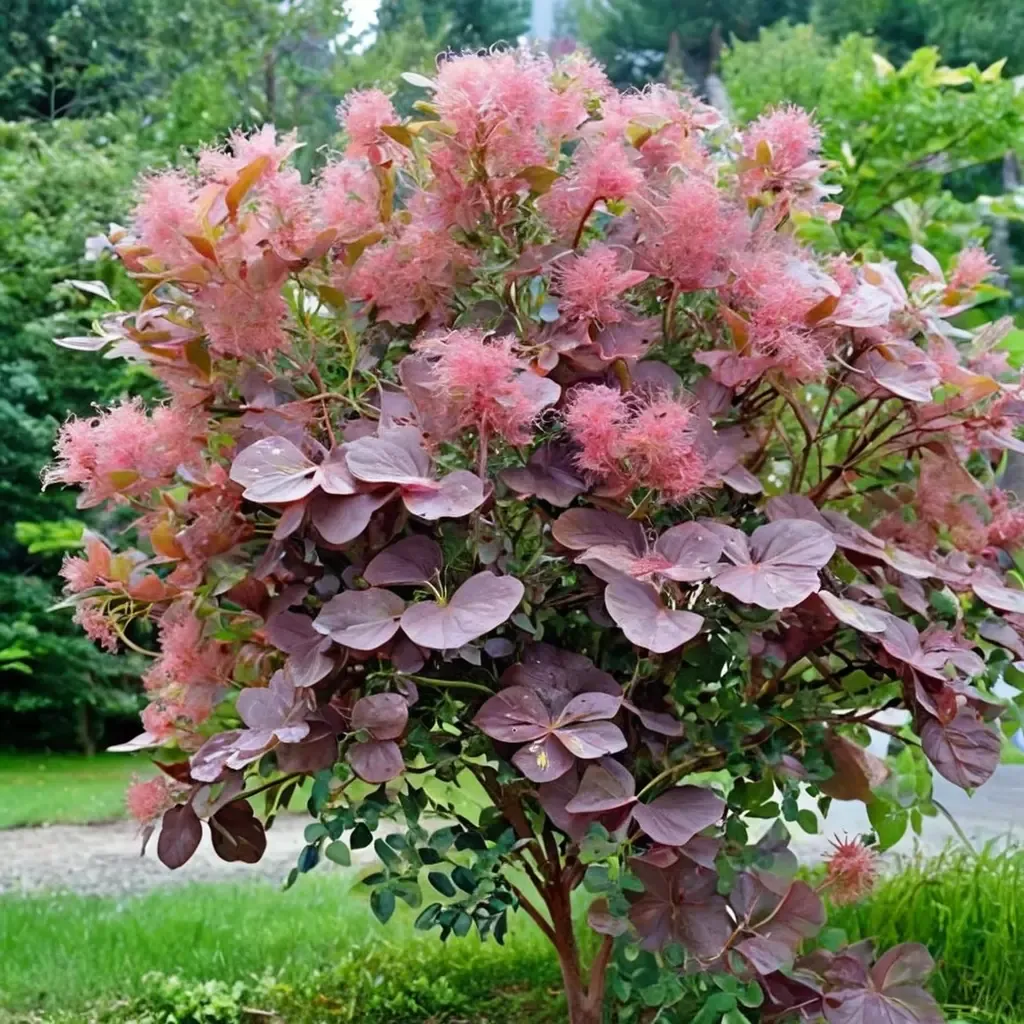
Smoketree
Cotinus coggygria
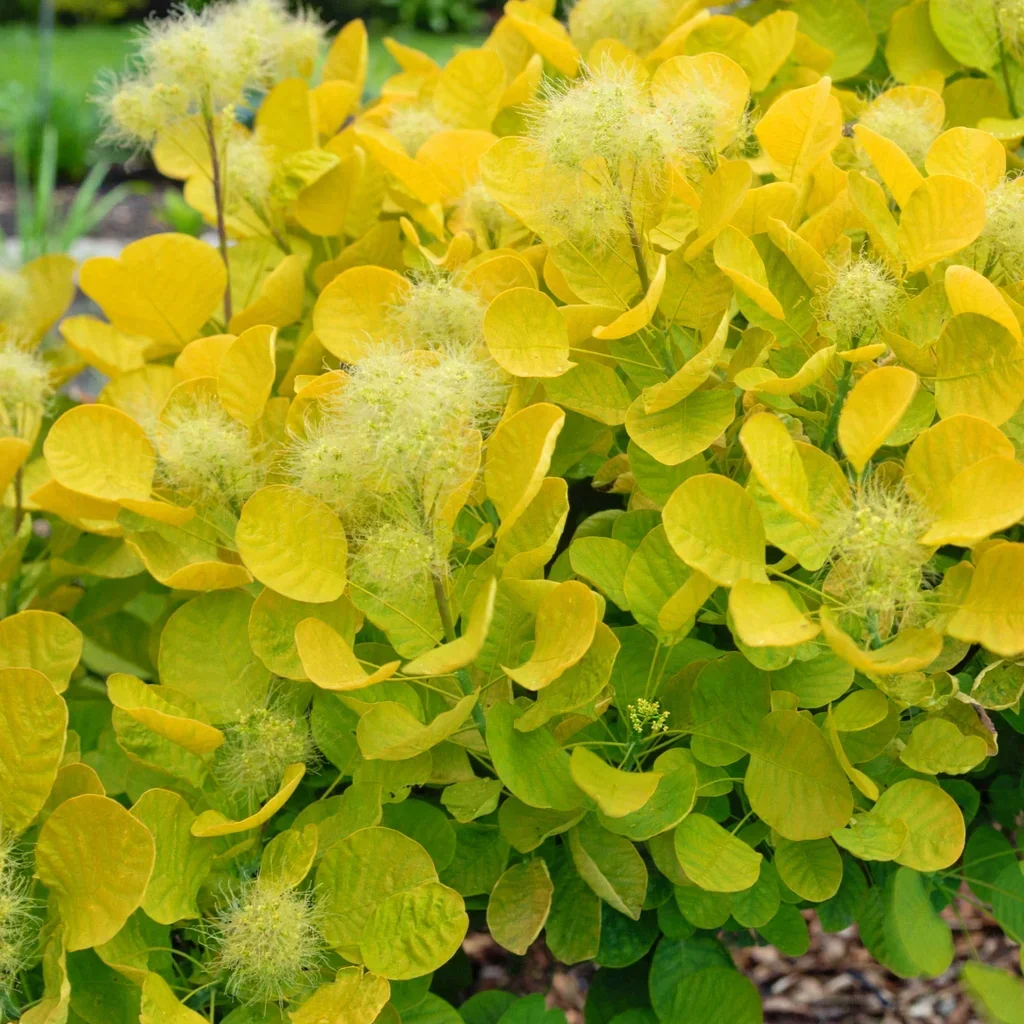
Golden Spirit Smoke Tree
Cotinus coggygria 'Golden Spirit'
Keep exploring
Explore the genus
Hardy in your zone?
Grow American Smoketree with confidence
See it in a design of your actual yard, get zone-matched care reminders, and track it season by season in your garden journal.