The Story
Plant Bio
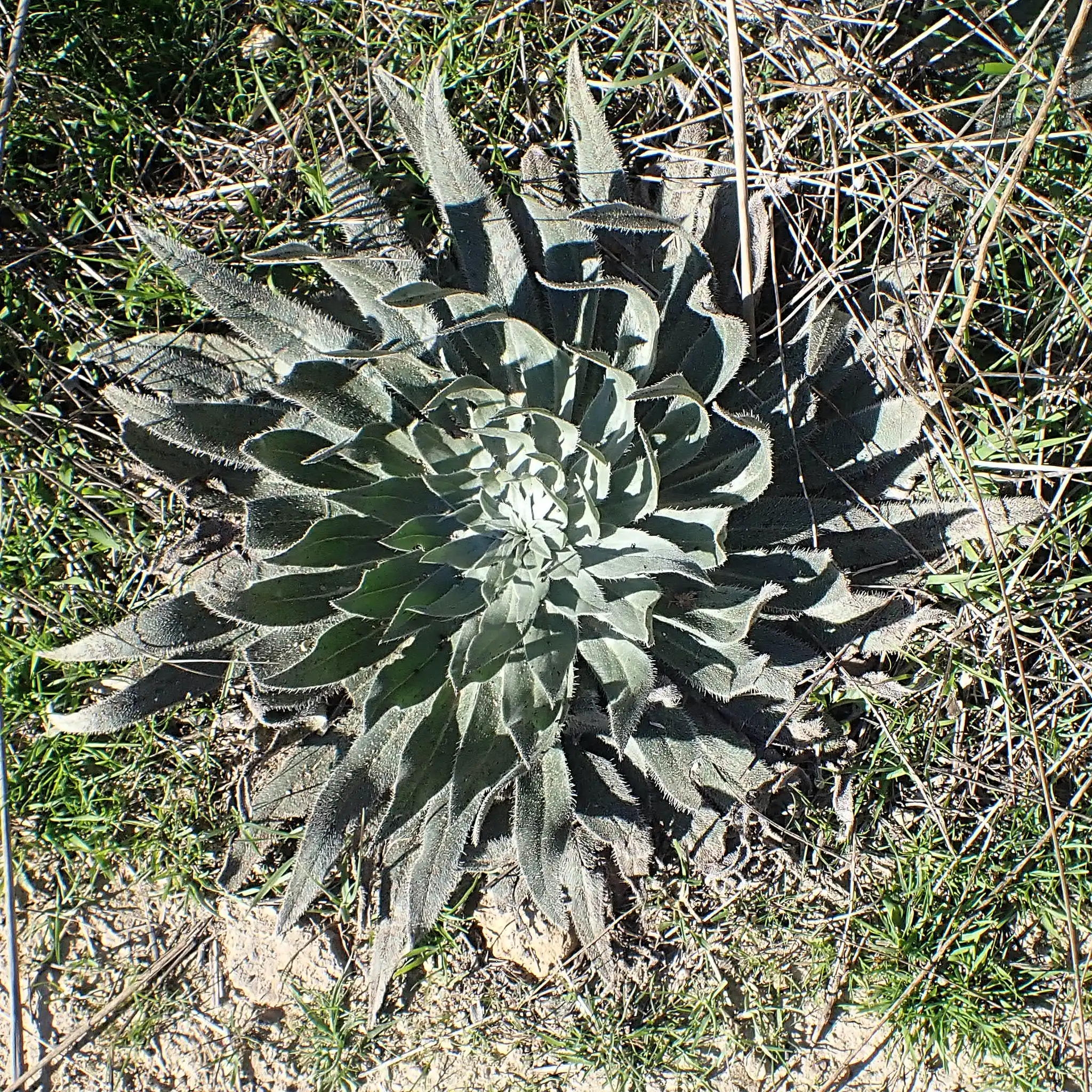
Echium boissieri is a tall biennial bugloss from rocky ground in Spain, Portugal, Morocco and Algeria, forming a low silver-woolly rosette the first year and stout bristly stems the second. The foliage is dark to gray-green and densely bristly-hairy, and the small hairy pink flowers are packed into a long dense spike with exserted red stamens.
Second-year plants reach four to eight feet tall, with the flowering spike occupying more than half the stem and opening pale rose to creamy-apricot pink with sky-blue pollen. Plants are still sold as Echium albicans, and the flat silver first-year rosette is often mistaken for failure before the spike elongates.
Uses & Benefits:
Essentials
At a Glance
Plant Type
Perennial
Height
59"
Width
31"
Light
Full Sun, Partial Sun
Zones
8, 9, 10
Water
Moderate
Humidity
Low
Lifespan
Biennial
Native To
Spain, Portugal, Morocco, Algeria
Toxicity
Toxic if ingested; skin irritant
Bloom period
Mid-spring – Early summer
In flower about 3 months of the year
Planting
How to Grow
- Sow or set plants in full sun to light part sun in sharply drained rocky or sandy soil.
- Surface-sow seed in place and press into moist soil without covering, keeping it lightly moist until germination.
- Thin or space to about 31 inches to allow air movement around the bristly rosettes.
- Water sparingly once established, about once a week in dry weather, and avoid wet winter soil.
- Leave the second-year spike to set seed if you want replacement plants, as the parent dies after flowering.
Pro Tip
Sow fresh seed where it is to grow in full sun and sharply drained soil, and leave first-year rosettes undisturbed to overwinter.
Keep It Thriving
Care Guide
Do
- Do grow in full sun with sharp drainage.
- Do leave first-year rosettes in place over winter.
- Do use fresh seed for the best germination.
Don't
- Do not expect repeat flowering from the same crown; it is biennial.
- Do not overwater or plant in heavy wet soil.
- Do not handle bristly foliage without gloves if your skin is sensitive.
Seasonal Care Calendar
| Task | Jan | Feb | Mar | Apr | May | Jun | Jul | Aug | Sep | Oct | Nov | Dec |
|---|---|---|---|---|---|---|---|---|---|---|---|---|
| Deadhead | ||||||||||||
| Pest Check | ||||||||||||
| Plant | ||||||||||||
| Propagate | ||||||||||||
| Stake |
Watch Out For
Pests & Diseases
Common Pests
Common Diseases
In the Garden
Landscape Uses & Companions
Landscape Uses
Multiply
Propagation Methods
Good to Know
Common Questions
Boissier's Bugloss questions
What zones can Boissier's Bugloss grow in?
Boissier's Bugloss is hardy in USDA Zones 8–10: in that range it survives winter in the ground. Colder than Zone 8, grow it in a container you can move to shelter for the winter, or as an annual.
When does Boissier's Bugloss bloom?
Boissier's Bugloss typically blooms from mid-spring to early summer. Exact timing shifts a week or two with your zone — Sow's bloom calendar maps it to your garden.
Does Boissier's Bugloss need full sun?
Boissier's Bugloss does best in full sun to part shade. In hot climates, afternoon shade keeps blooms fresher longer.
More Echium to compare
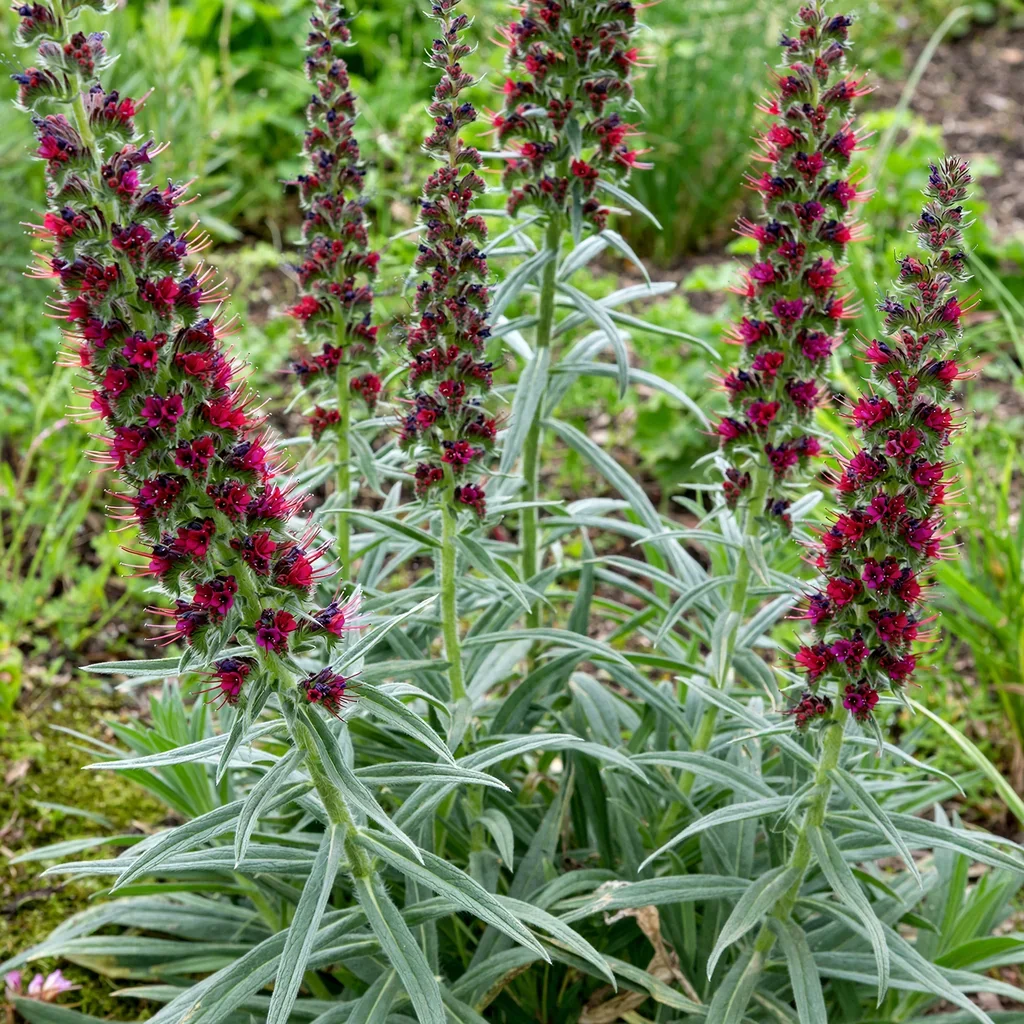
Russian Viper's Bugloss
Echium russicum
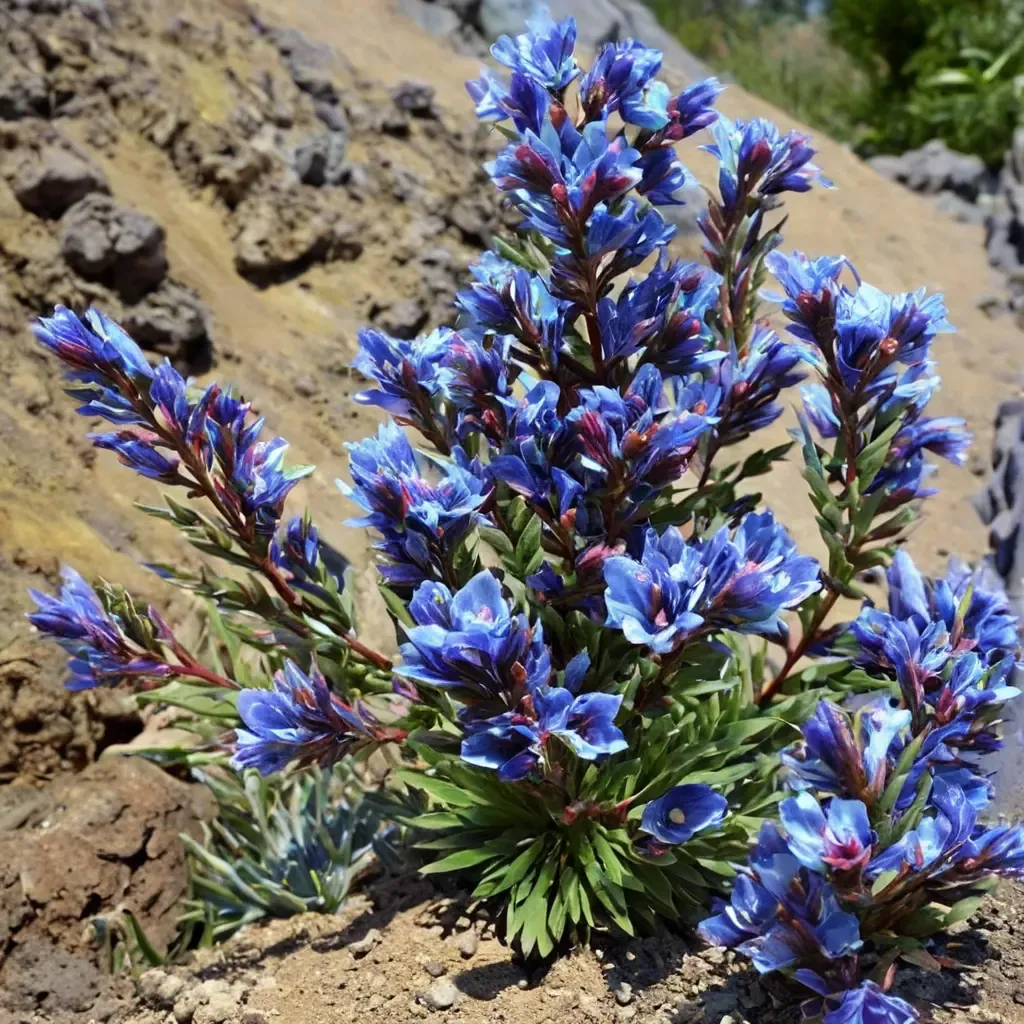
Pride of Gran Canaria
Echium gentianoides
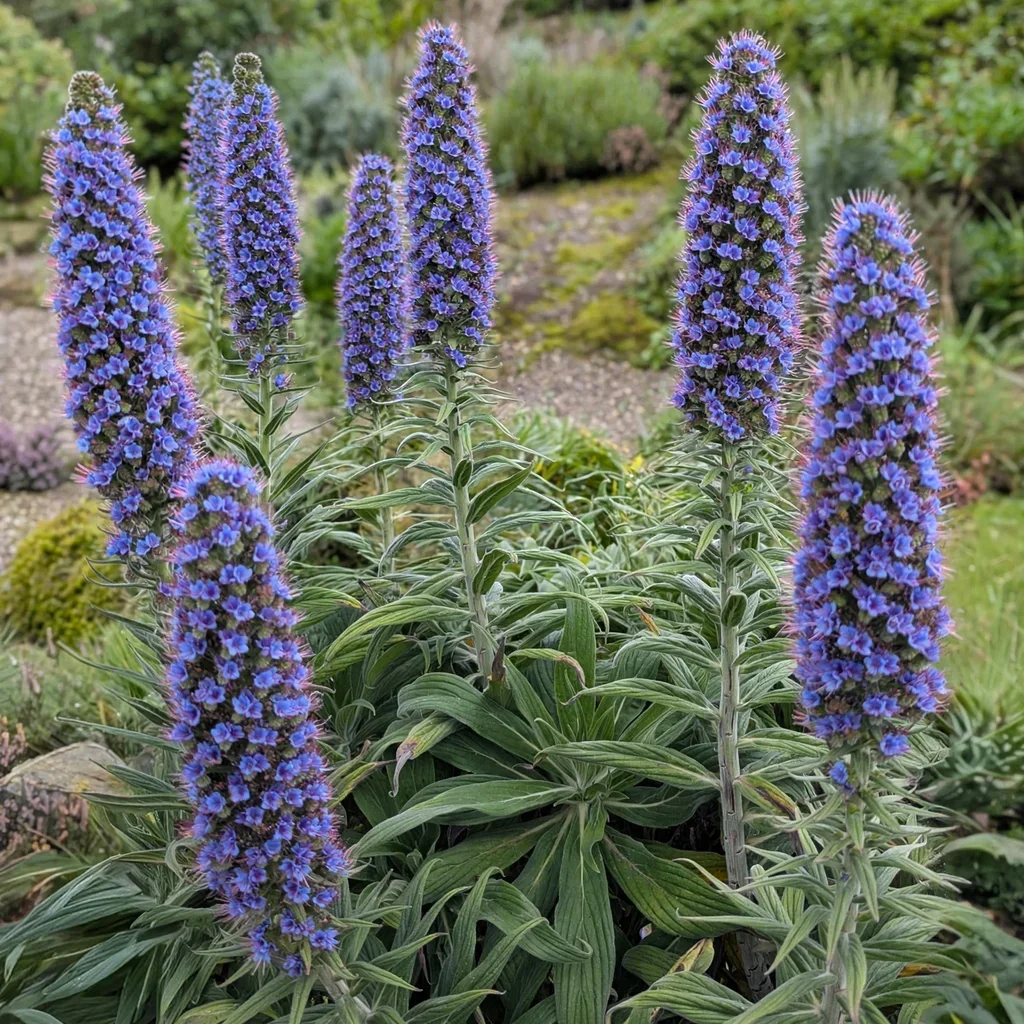
Webb's Viper's Bugloss
Echium webbii
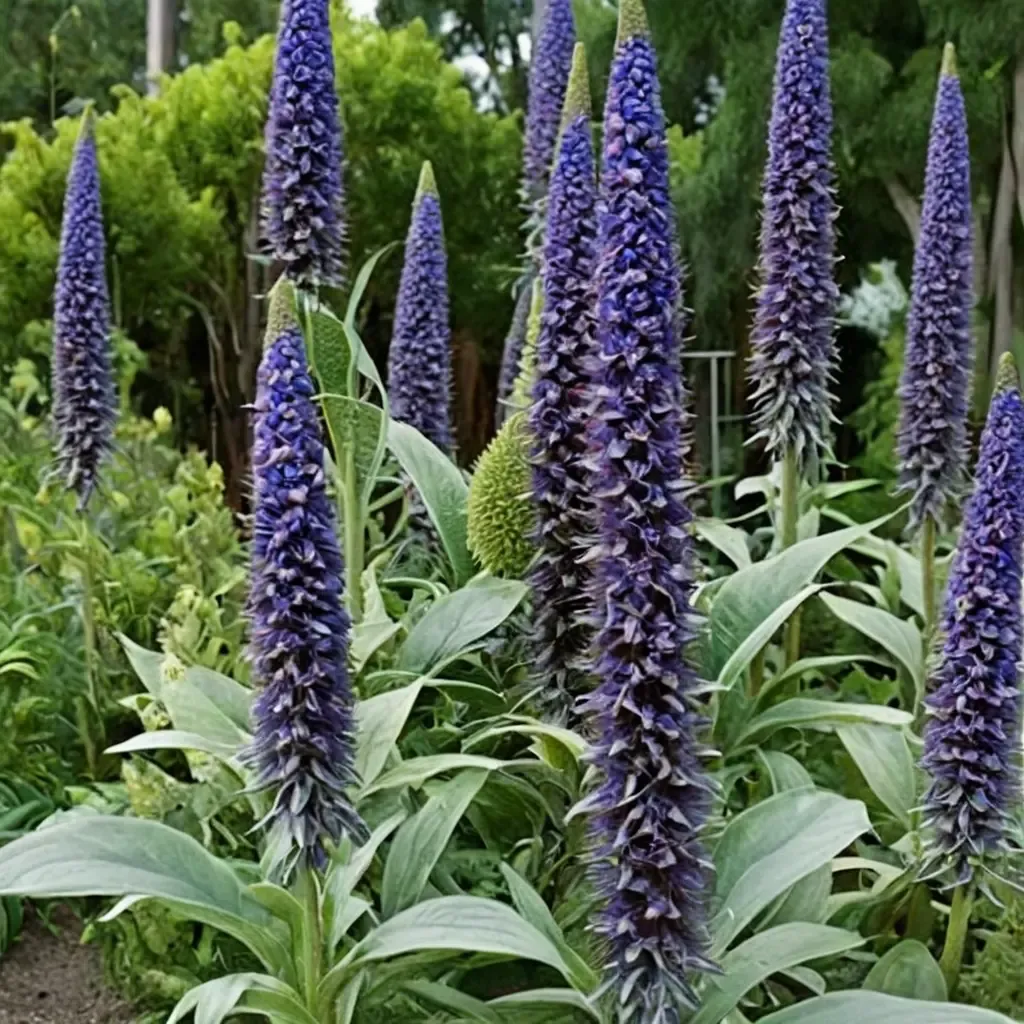
Tower of Jewels
Echium pininana 'Blue Steeple'
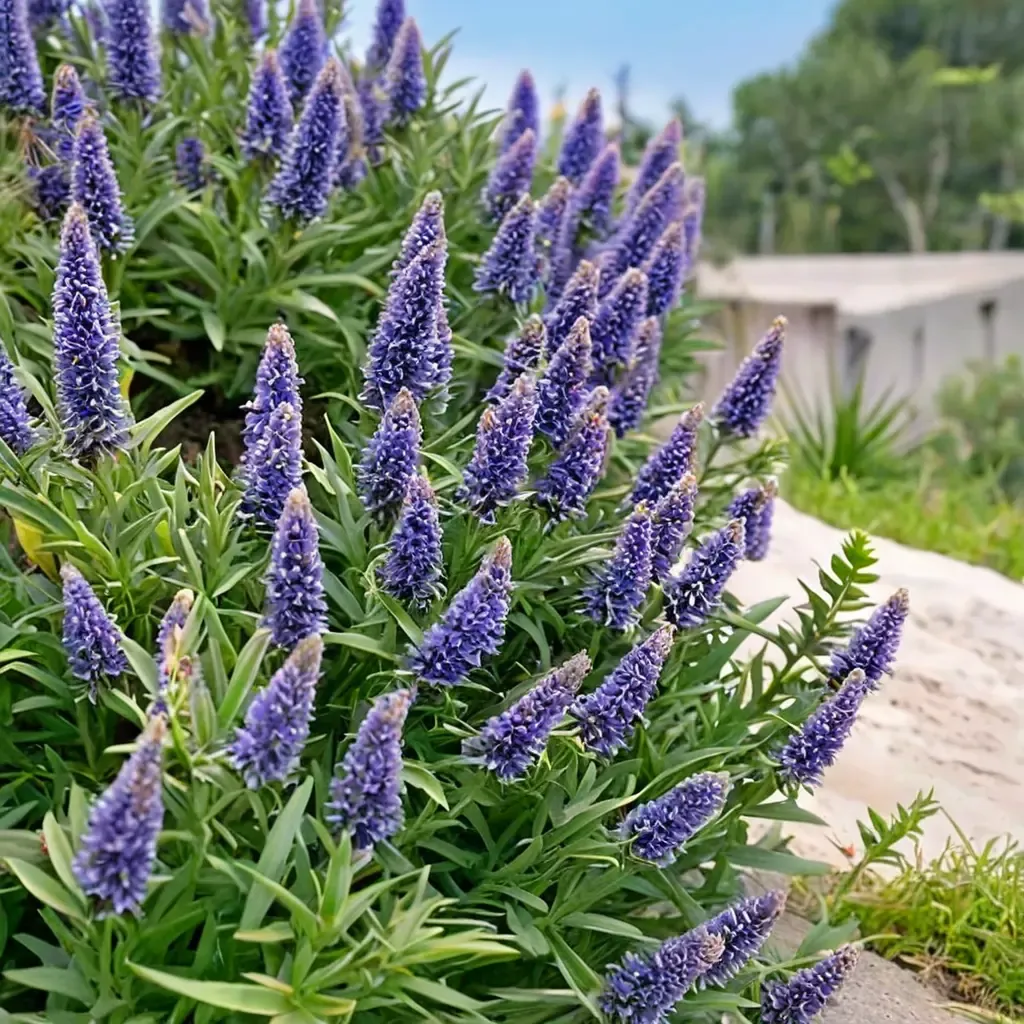
Pride of Madeira
Echium fastuosum
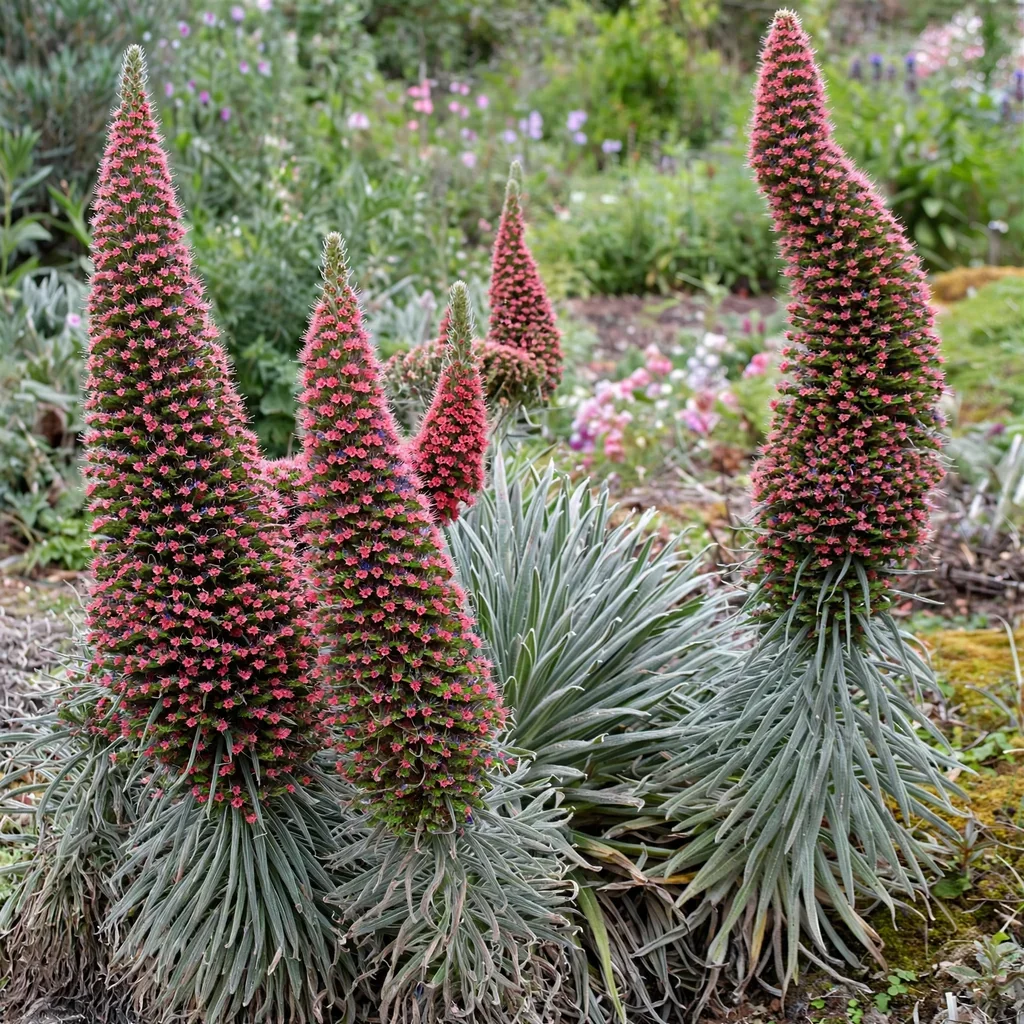
Tenerife bugloss
Echium wildpretii
Keep exploring
Explore the genus
Hardy in your zone?
Grow Boissier's Bugloss with confidence
See it in a design of your actual yard, get zone-matched care reminders, and track it season by season in your garden journal.