The Story
Plant Bio
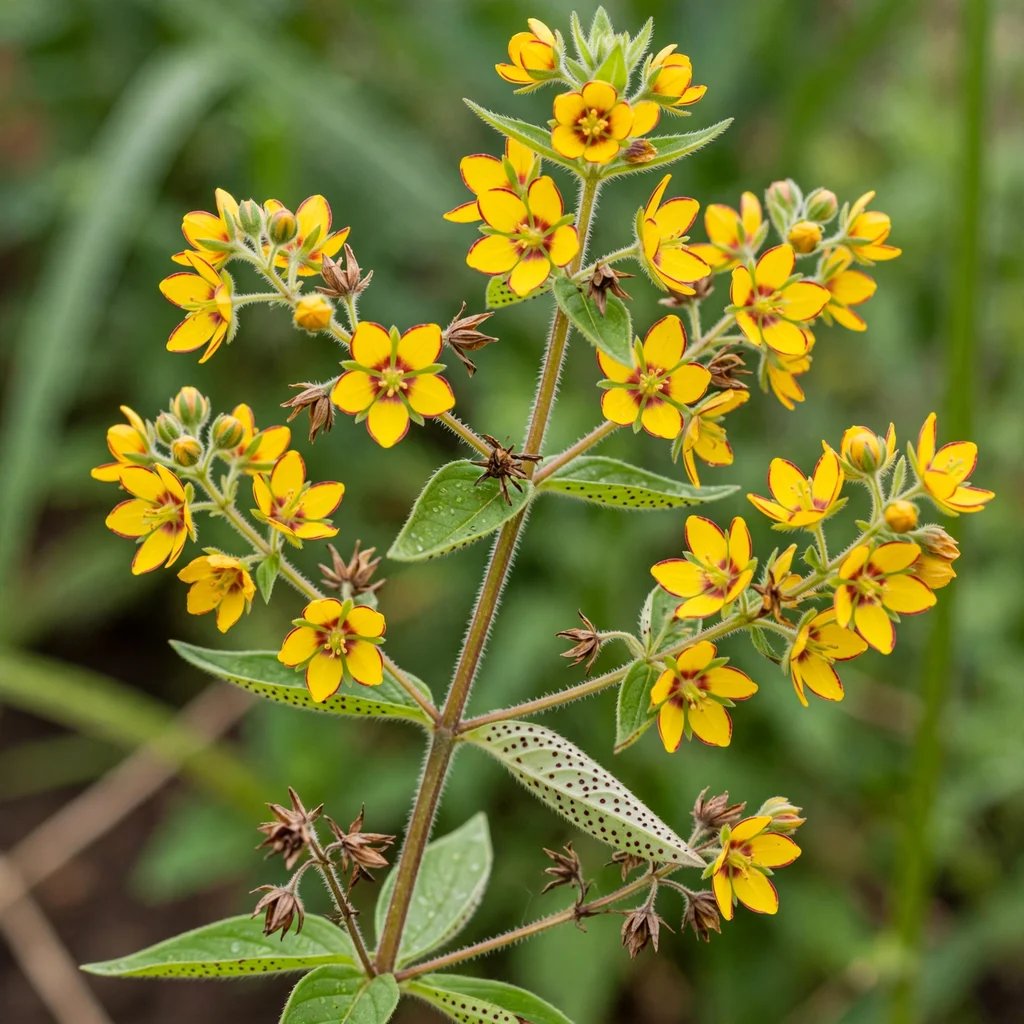
Lysimachia vulgaris is an upright, rhizomatous herbaceous perennial native to damp habitats across Europe, temperate Asia, and North Africa. It produces erect, soft-hairy stems clothed in whorled foliage and topped with leafy terminal panicles of bright golden-yellow flowers through summer.
Each five-petaled flower features reddish-brown margins along the petals and dark glandular dots on the undersides of the leaves. The plant spreads relentlessly via underground rhizomes to form dense colonies in moist, low-lying ground.
Uses & Benefits:
Essentials
At a Glance
Plant Type
Perennial
Height
72"
Width
48"
Light
Full Sun, Partial Sun
Zones
4, 5, 6, 7, 8
Water
High
Humidity
High
Lifespan
Perennial
Native To
Europe, Temperate Asia, North Africa
Toxicity
Non-toxic
Bloom period
Summer – Autumn
In flower about 6 months of the year
Planting
How to Grow
- Select a planting site in full sun to partial shade with rich, consistently moist or boggy soil.
- Install an 18-inch deep physical root barrier around the perimeter of the bed to restrict rhizome spread.
- Plant root crowns flush with the soil surface, spacing multiple plants 3 feet apart.
- Water deeply at planting and maintain continuous moisture throughout the growing season.
Pro Tip
Sink deep physical root barriers around planting beds or grow in submerged, non-drained containers to prevent subterranean rhizomes from escaping into surrounding soil.
Keep It Thriving
Care Guide
Do
- Keep soil consistently moist to saturated, especially in full sun.
- Contain lateral rhizome expansion annually with physical barriers or edge spading.
- Cut dead stems to ground level in late fall after frost dieback.
Don't
- Do not allow soil to dry out completely, which causes rapid foliage wilting.
- Do not plant in uncontained open garden beds near natural wetlands or stream banks.
- Do not over-fertilize, as excess nutrients encourage aggressive rhizomatous spreading.
Seasonal Care Calendar
| Task | Jan | Feb | Mar | Apr | May | Jun | Jul | Aug | Sep | Oct | Nov | Dec |
|---|---|---|---|---|---|---|---|---|---|---|---|---|
| Divide | ||||||||||||
| Pest Check | ||||||||||||
| Prune | ||||||||||||
| Spring Cleanup |
Watch Out For
Pests & Diseases
Common Pests
Common Diseases
In the Garden
Landscape Uses & Companions
Landscape Uses
Multiply
Propagation Methods
Good to Know
Common Questions
Garden Yellow Loosestrife questions
What zones can Garden Yellow Loosestrife grow in?
Garden Yellow Loosestrife is hardy in USDA Zones 4–8: in that range it survives winter in the ground. Warmer than Zone 8, winter isn't the problem: it prefers colder winters, and summer heat can shorten its life.
Is Garden Yellow Loosestrife deer resistant?
Not reliably. Deer may browse Garden Yellow Loosestrife, especially tender spring growth — plan on repellents or fencing where pressure is high.
When does Garden Yellow Loosestrife bloom?
Garden Yellow Loosestrife typically blooms from summer to fall. Exact timing shifts a week or two with your zone — Sow's bloom calendar maps it to your garden.
Does Garden Yellow Loosestrife need full sun?
Garden Yellow Loosestrife does best in full sun to part shade. In hot climates, afternoon shade keeps blooms fresher longer.
More Lysimachia to compare
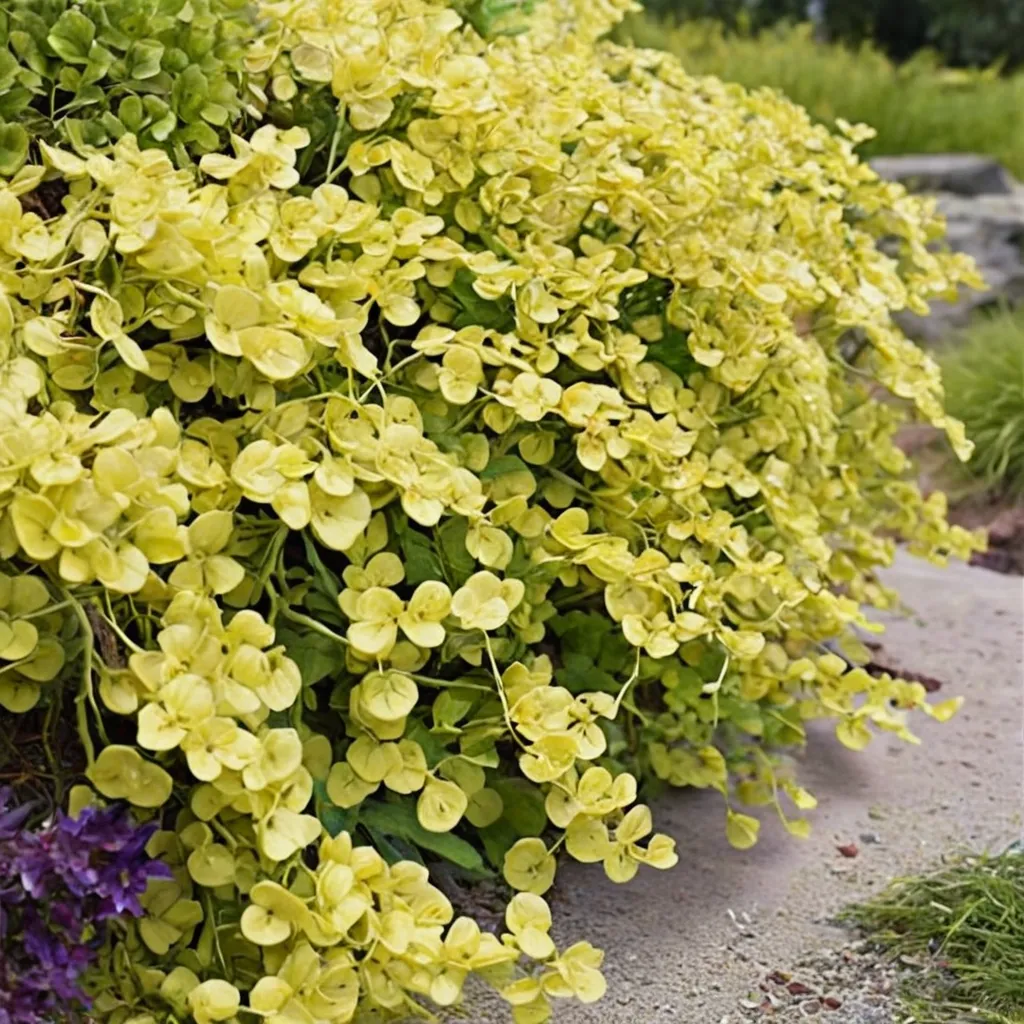
Goldilocks Golden Creeping Jenny
Lysimachia nummularia 'Goldilocks'
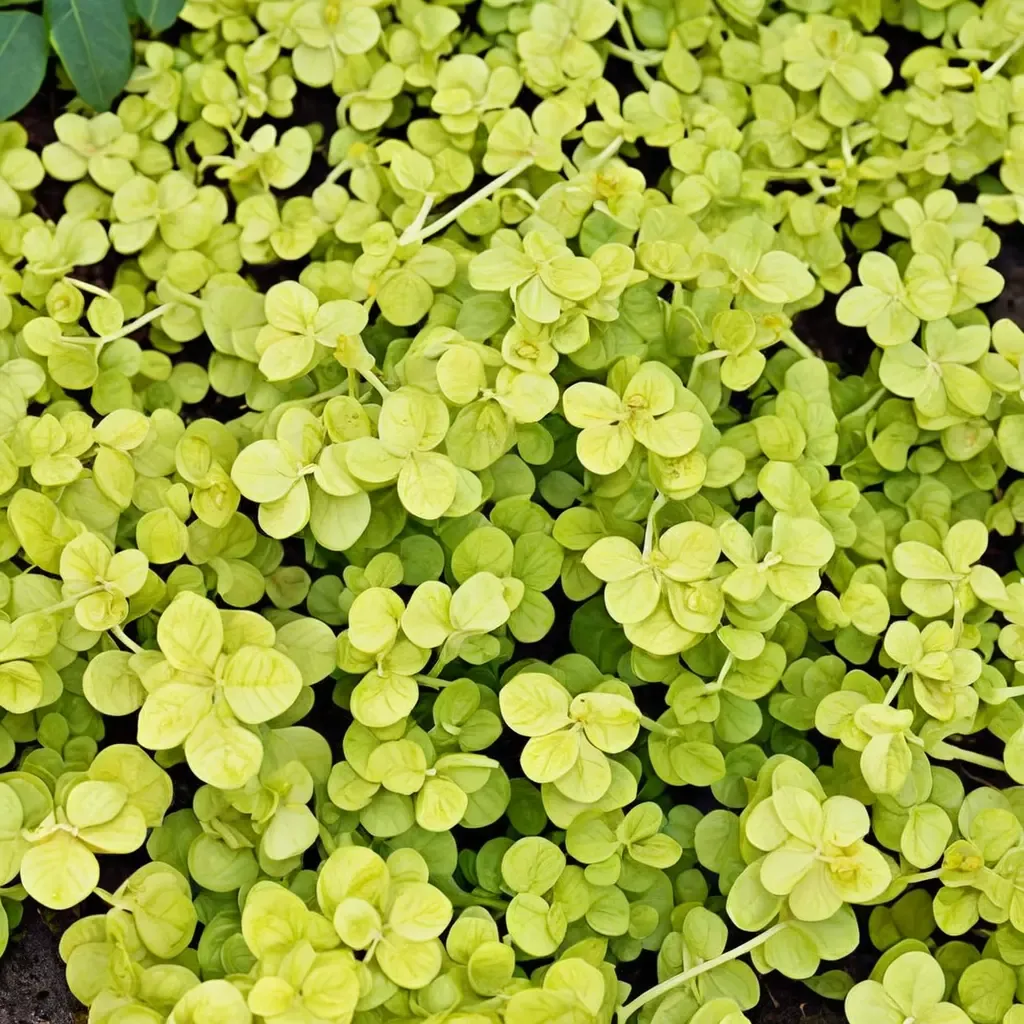
Golden Moneywort
Lysimachia nummularia 'Aurea'
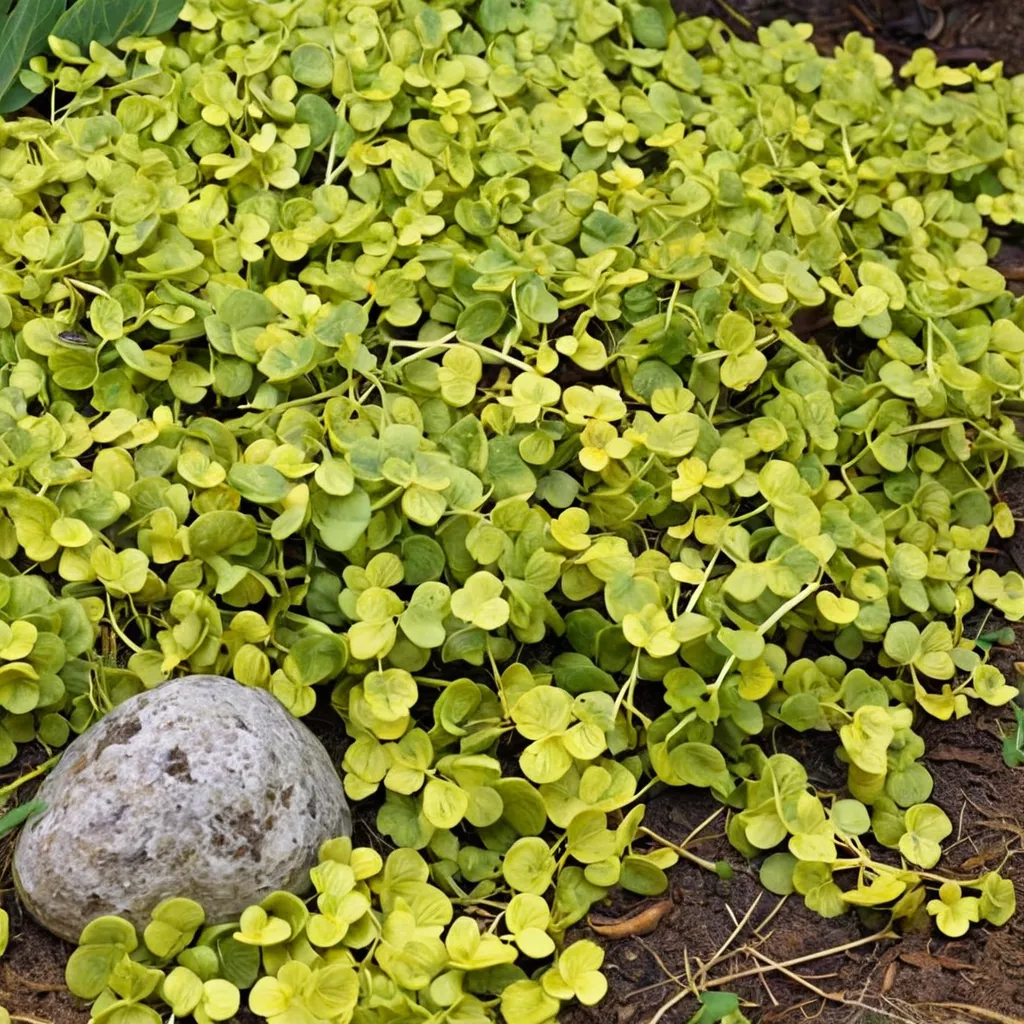
Golden Creeping Jenny
Lysimachia nummularia 'Golden'
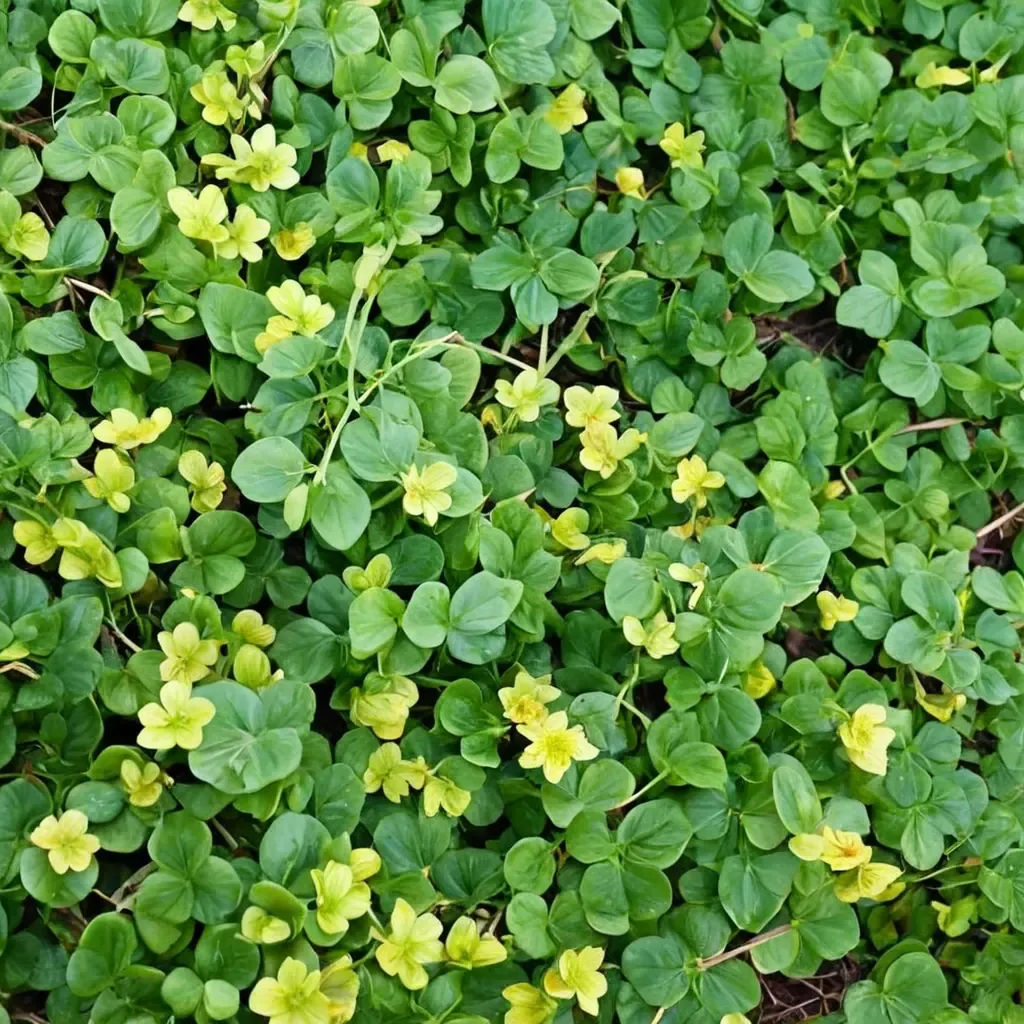
Creeping Jenny
Lysimachia nummularia
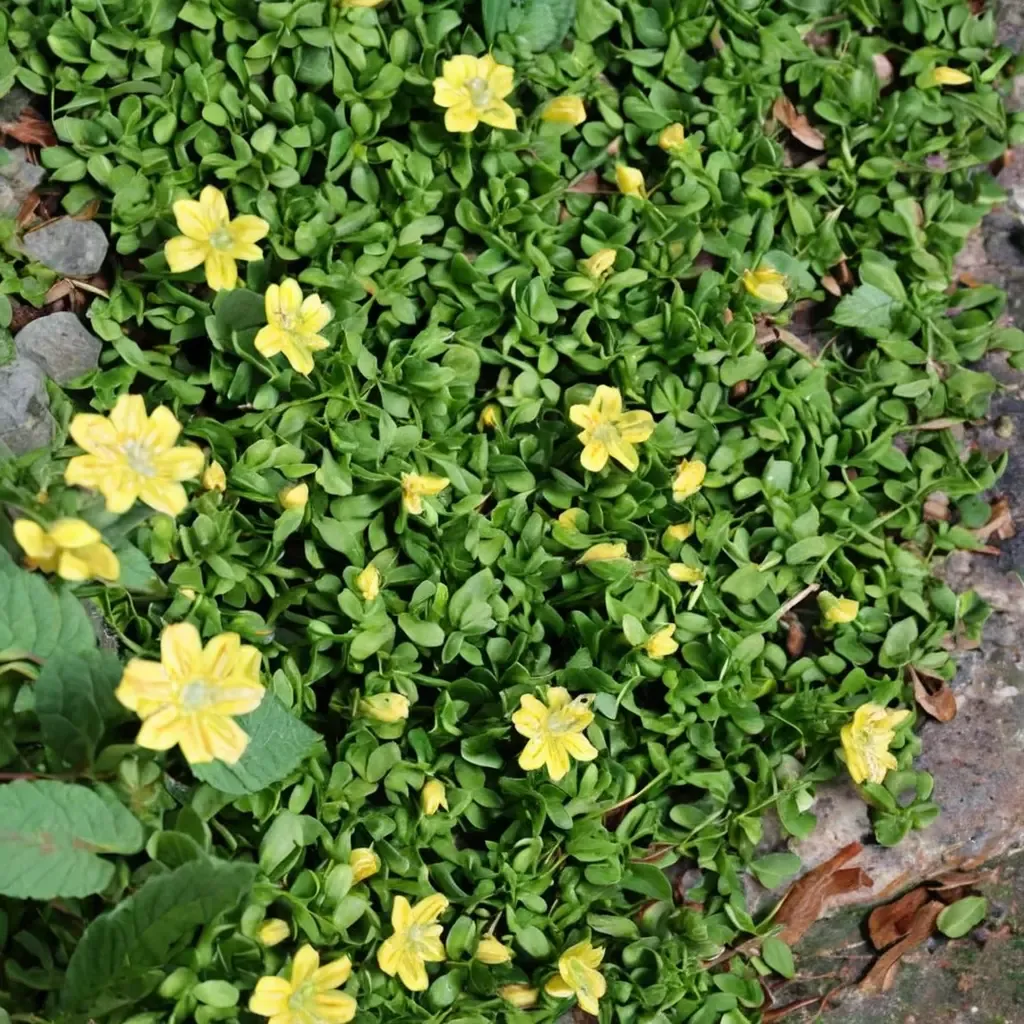
Miniature Creeping Jenny
Lysimachia japonica 'Minutissima'
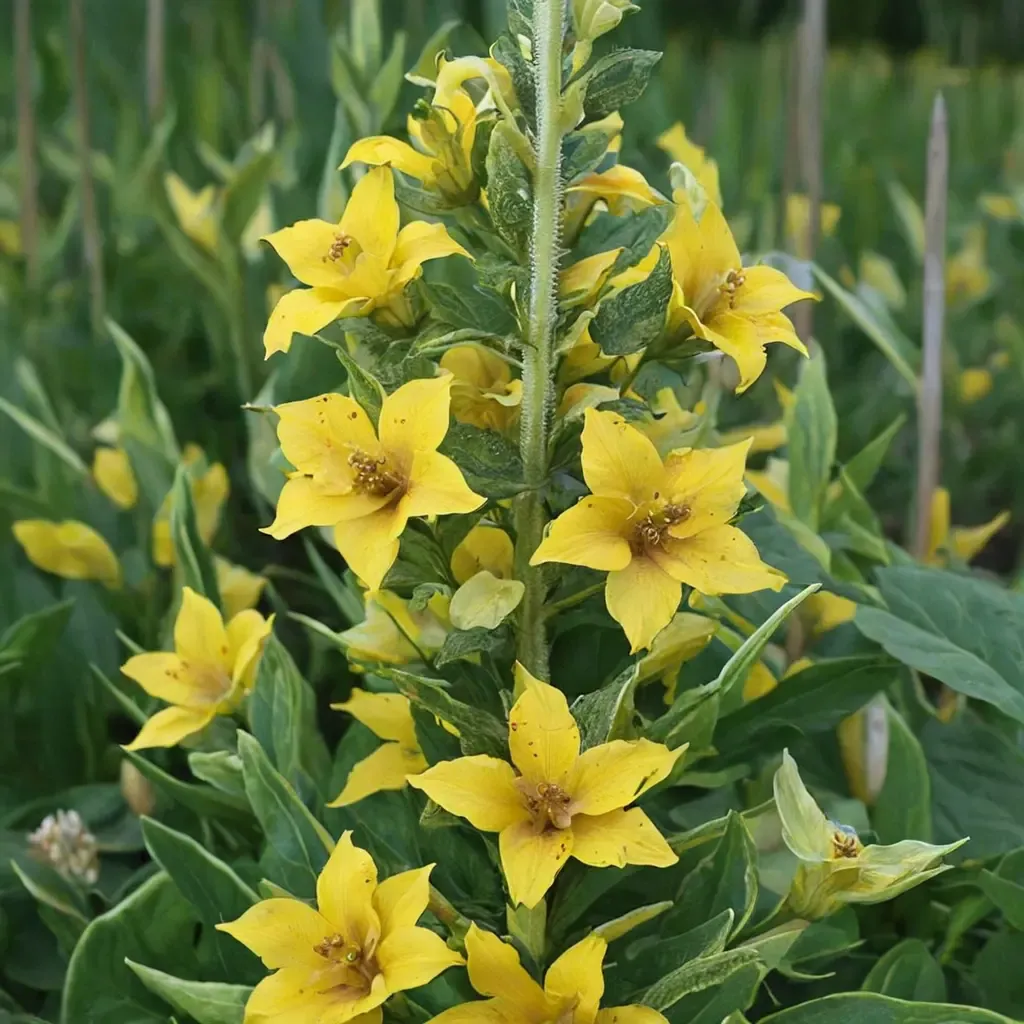
Yellow Loosestrife
Lysimachia punctata
Keep exploring
Explore the genus
Hardy in your zone?
Grow Garden Yellow Loosestrife with confidence
See it in a design of your actual yard, get zone-matched care reminders, and track it season by season in your garden journal.