The Story
Plant Bio
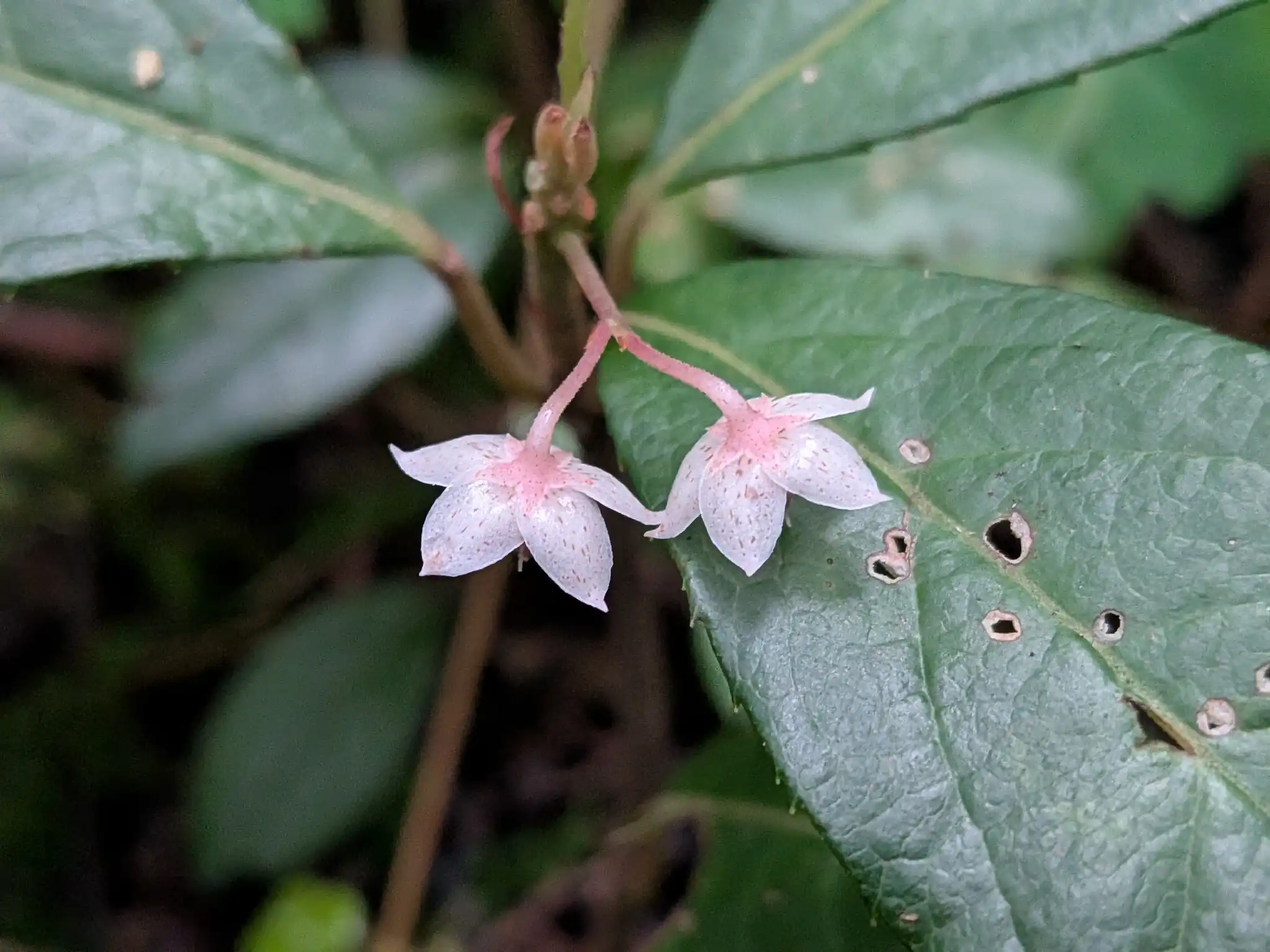
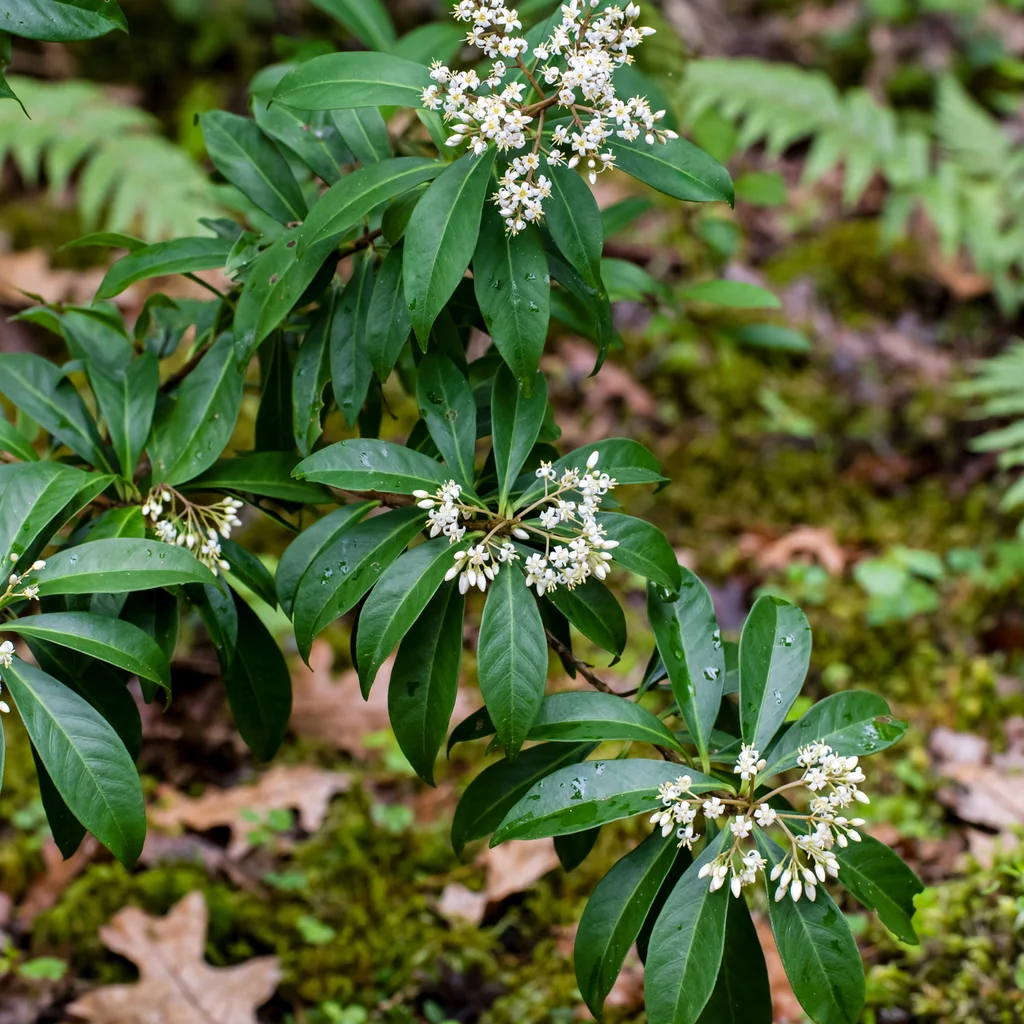
Ardisia japonica is a low stoloniferous evergreen subshrub from eastern temperate Asia that spreads by underground runners to form dense colonies 8 to 12 inches tall. Stems carry thick glossy elliptic leaves concentrated near the branch ends, with white to pale pink five-petaled flowers in small axillary clusters followed by red drupes that darken through fall.
Unlike coralberry Ardisia crenata, which builds an upright shrub to six feet, this species stays under a foot and spreads sideways by suckers and self-sown seed to make a tight groundcover. Its foliage burns in full sun and holds best in part to full shade in acidic humus-rich soil that stays moist but never waterlogged.
Uses & Benefits:
Essentials
At a Glance
Plant Type
Groundcover
Height
12"
Width
36"
Light
Partial Sun, Shade
Zones
8, 9, 10
Water
Medium
Humidity
Unknown
Lifespan
Perennial (evergreen subshrub)
Native To
China, Japan, Korea, Taiwan
Toxicity
Unknown
Bloom period
Late spring – Summer
In flower about 4 months of the year
Planting
How to Grow
- Plant in spring in part to full shade in acidic, humus-rich soil that drains freely.
- Set plants 12 to 18 inches apart to allow runners to fill in, keeping the crown at soil level.
- Water deeply after planting and keep soil evenly moist through the first summer.
- Spread 2 inches of pine bark or leaf mulch to hold moisture and keep foliage off bare soil.
Pro Tip
Plant it only where suckering spread is acceptable, and pull unwanted suckers and seedlings in spring before colonies knit together.
Keep It Thriving
Care Guide
Do
- Grow in part to full shade with protection from afternoon sun
- Keep soil evenly moist with organic mulch
- Divide congested patches or take cuttings in summer to increase stock
Don't
- Don't plant in full sun where leaves scorch
- Don't plant in waterlogged soil or where water stands after rain
- Don't plant next to delicate perennials if you cannot allow suckering spread
Seasonal Care Calendar
| Task | Jan | Feb | Mar | Apr | May | Jun | Jul | Aug | Sep | Oct | Nov | Dec |
|---|---|---|---|---|---|---|---|---|---|---|---|---|
| Mulch | ||||||||||||
| Pest Check | ||||||||||||
| Plant | ||||||||||||
| Propagate |
Watch Out For
Pests & Diseases
Common Pests
Common Diseases
In the Garden
Landscape Uses & Companions
Landscape Uses
Companion Plants
Multiply
Propagation Methods
Good to Know
Common Questions
Japanese Ardisia questions
What zones can Japanese Ardisia grow in?
Japanese Ardisia is hardy in USDA Zones 8–10: in that range it survives winter in the ground. Colder than Zone 8, grow it in a container you can move to shelter for the winter, or as an annual.
Is Japanese Ardisia deer resistant?
Yes — Japanese Ardisia is rated deer-resistant. Deer typically pass it over, though extreme hunger can override any plant's defenses.
When does Japanese Ardisia bloom?
Japanese Ardisia typically blooms from late spring to late summer. Exact timing shifts a week or two with your zone — Sow's bloom calendar maps it to your garden.
Does Japanese Ardisia need full sun?
Japanese Ardisia does best in part shade.
More Ardisia to compare
Keep exploring
Explore the genus
Hardy in your zone?
Grow Japanese Ardisia with confidence
See it in a design of your actual yard, get zone-matched care reminders, and track it season by season in your garden journal.