The Story
Plant Bio
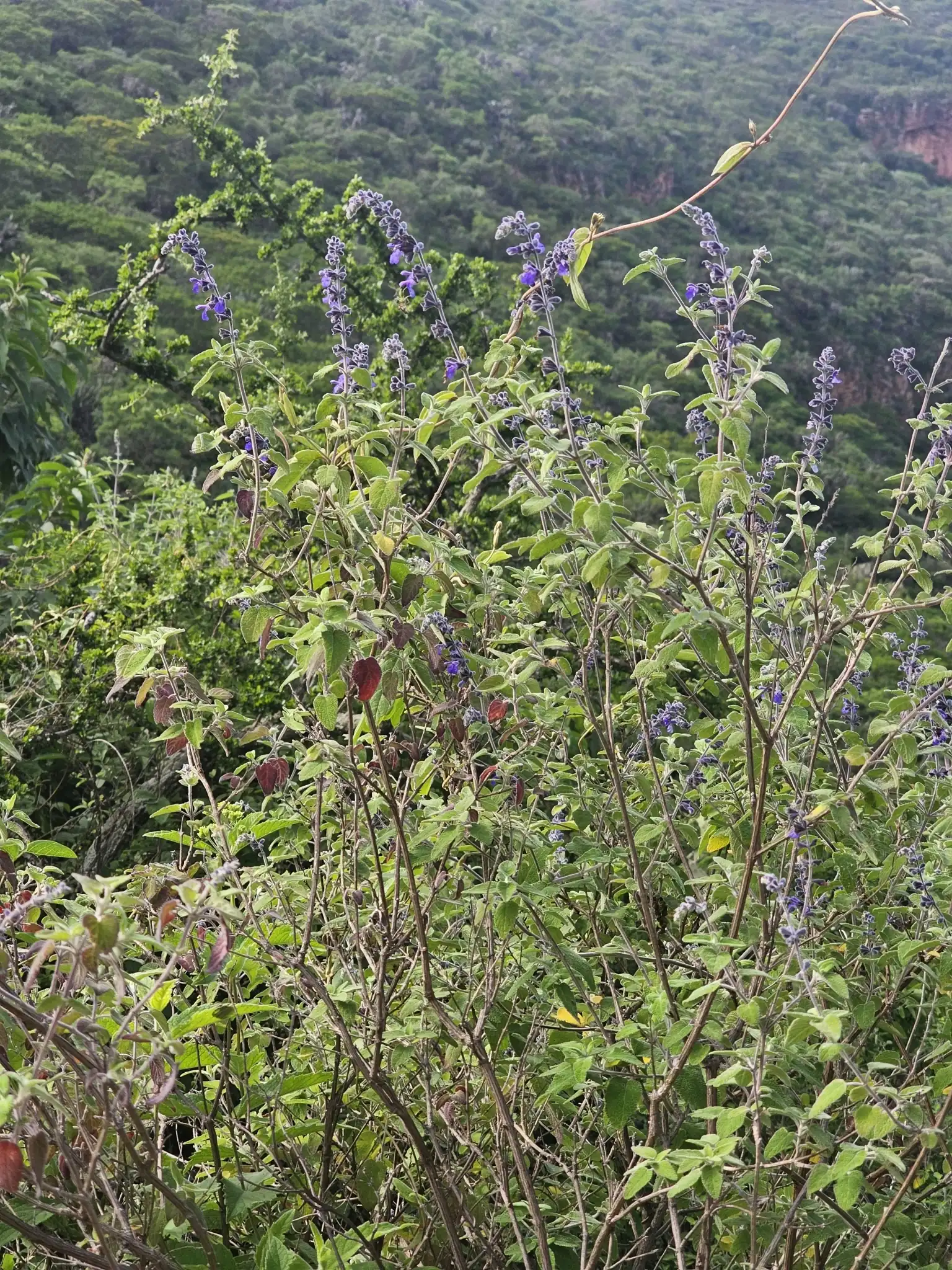
Salvia melissodora is a multi-branched evergreen to semi-evergreen woody shrub from the Sierra Madre of Mexico, reaching four to six feet tall and four feet wide in cultivation. It carries small gray-green ovate leaves with downy silver undersides and bears upright panicles of tubular violet-lavender flowers from late spring until frost.
The foliage and flower spikes release a distinct sweet grape scent when crushed or brushed, which separates it from similar Mexican sages such as Salvia keerlii. Flower color holds as lavender-blue to periwinkle over dark fuzzy calyxes on spikes six to eight inches long, with nectar that keeps bees, butterflies and hummingbirds working the plant for months.
Uses & Benefits:
Essentials
At a Glance
Plant Type
Shrub
Height
72"
Width
48"
Light
Full Sun, Partial Sun
Zones
8, 9, 10
Water
Medium
Humidity
Low to moderate
Lifespan
Woody perennial shrub
Native To
Mexico
Toxicity
Unknown
Bloom period
Late spring – Fall
In flower about 7 months of the year
Planting
How to Grow
- Plant in full sun to light partial shade after last frost.
- Set in quick-draining soil with the crown level with the soil surface.
- Water fairly regularly the first season to establish a deep root system.
- Space 4 feet apart to allow air circulation through the canopy.
- Cut back lightly in early spring to control size and encourage branching.
Pro Tip
Space for air movement and cut back lightly in early spring to keep the center open; crowded still growth develops powdery mildew.
Keep It Thriving
Care Guide
Do
- Do plant in full sun with quick-draining soil.
- Do allow air circulation to reduce mildew.
- Do water regularly while establishing.
Don't
- Do not plant in soggy or poorly drained soil.
- Do not crowd plants where air cannot move.
- Do not cut hard into old leafless wood.
Seasonal Care Calendar
| Task | Jan | Feb | Mar | Apr | May | Jun | Jul | Aug | Sep | Oct | Nov | Dec |
|---|---|---|---|---|---|---|---|---|---|---|---|---|
| Deadhead | ||||||||||||
| Pest Check | ||||||||||||
| Plant | ||||||||||||
| Prune | ||||||||||||
| Winter Prep |
Watch Out For
Pests & Diseases
Common Pests
Common Diseases
In the Garden
Landscape Uses & Companions
Landscape Uses
Companion Plants
Multiply
Propagation Methods
Good to Know
Common Questions
Grape-Scented Sage questions
What zones can Grape-Scented Sage grow in?
Grape-Scented Sage is hardy in USDA Zones 8–10: in that range it survives winter in the ground. Colder than Zone 8, grow it in a container you can move to shelter for the winter.
Is Grape-Scented Sage deer resistant?
Yes — Grape-Scented Sage is rated deer-resistant. Deer typically pass it over, though extreme hunger can override any plant's defenses.
When does Grape-Scented Sage bloom?
Grape-Scented Sage typically blooms from late spring to late fall. Exact timing shifts a week or two with your zone — Sow's bloom calendar maps it to your garden.
Does Grape-Scented Sage need full sun?
Grape-Scented Sage does best in full sun to part shade. In hot climates, afternoon shade keeps blooms fresher longer.
Is Grape-Scented Sage drought tolerant?
Yes — once established (usually after the first full season), Grape-Scented Sage handles dry spells with minimal watering. Water deeply its first year to build the root system that makes that possible.
More Salvia to compare
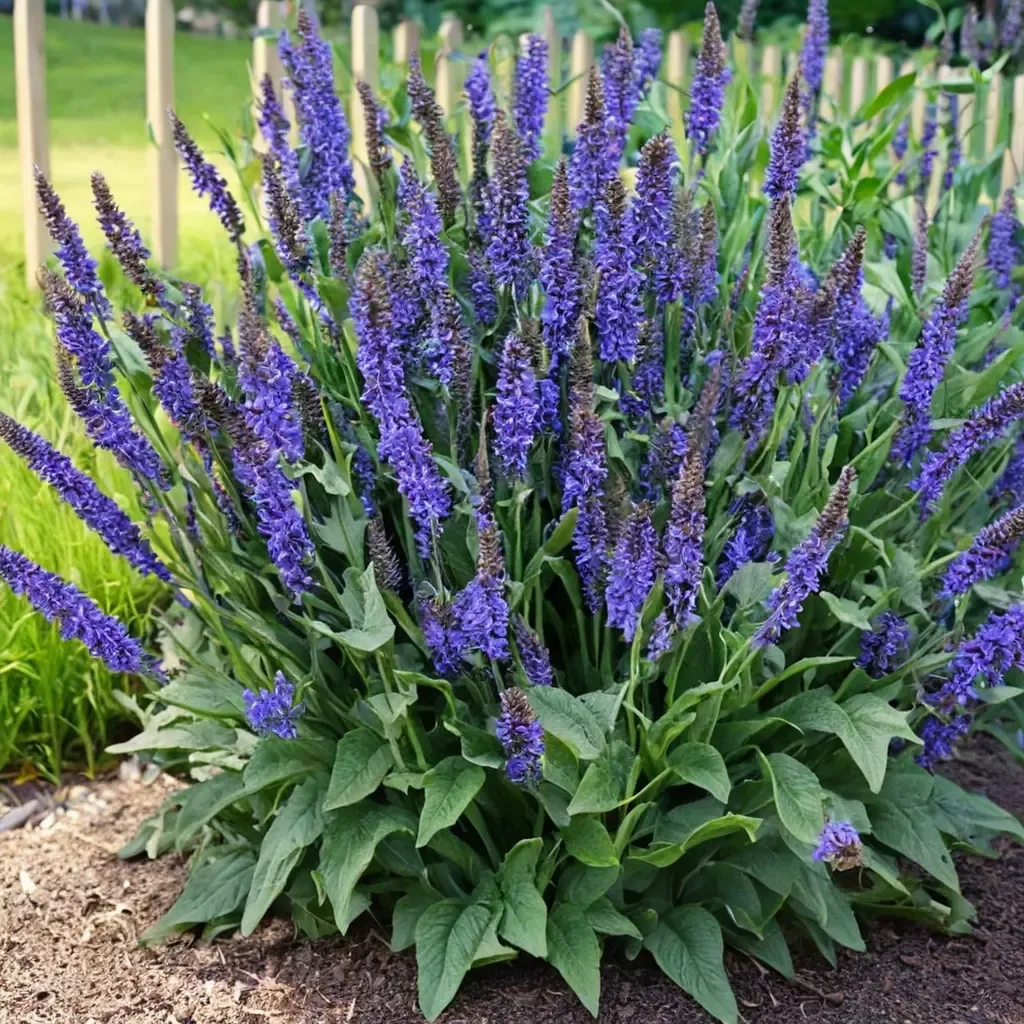
May Night Sage
Salvia nemorosa 'May Night'
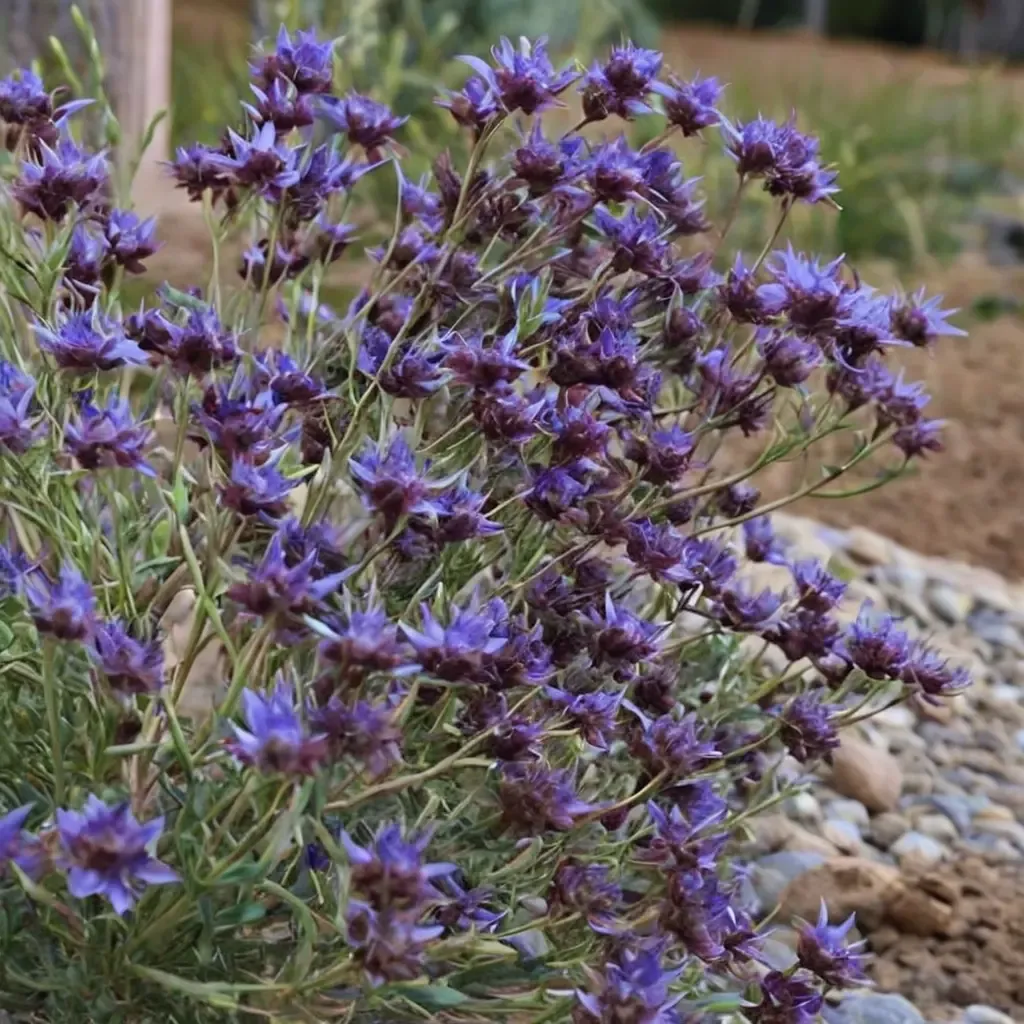
Celestial Blue Sage Wood Sage
Salvia nemorosa 'Celestial Blue'
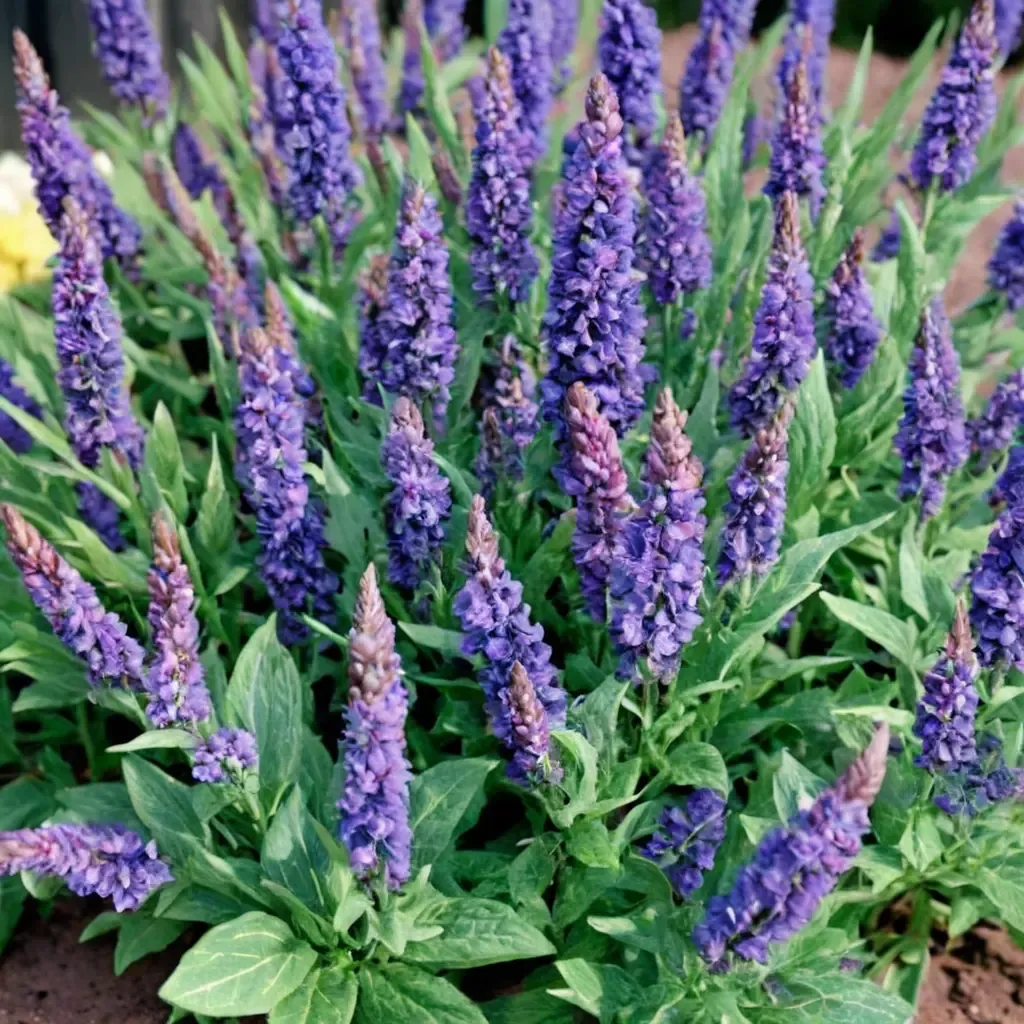
Marcus Woodland Sage
Salvia nemorosa 'Marcus'
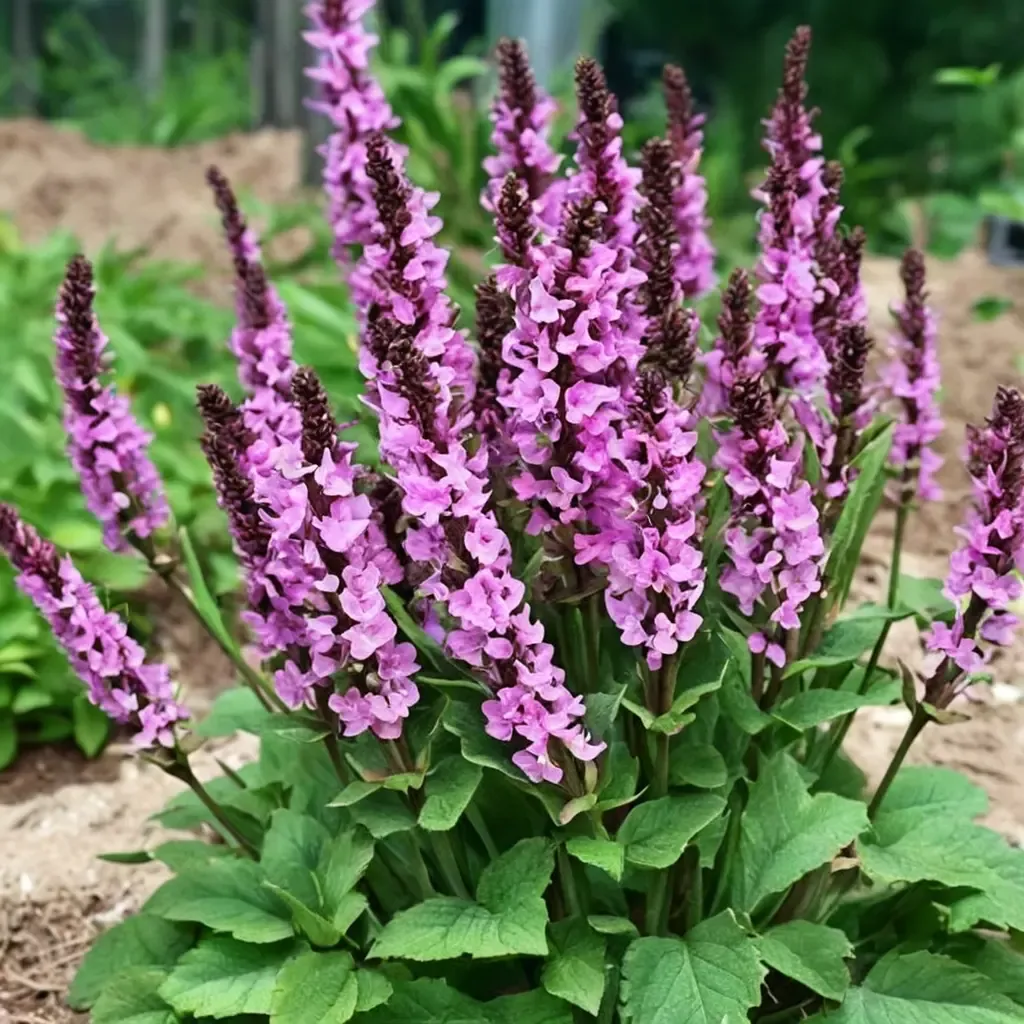
Rose Marvel Sage
Salvia nemorosa 'Rose Marvel'
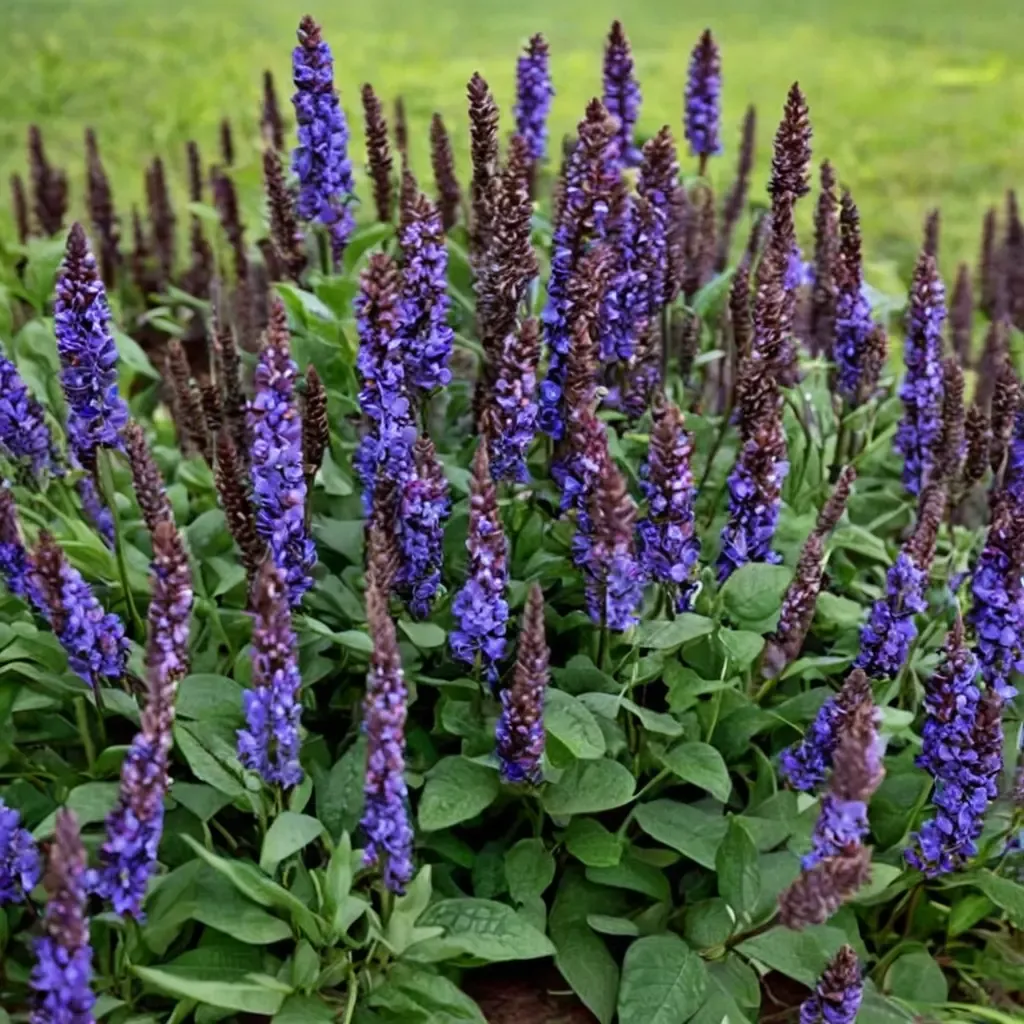
Bumbleblue Sage
Salvia nemorosa 'Bumbleblue'
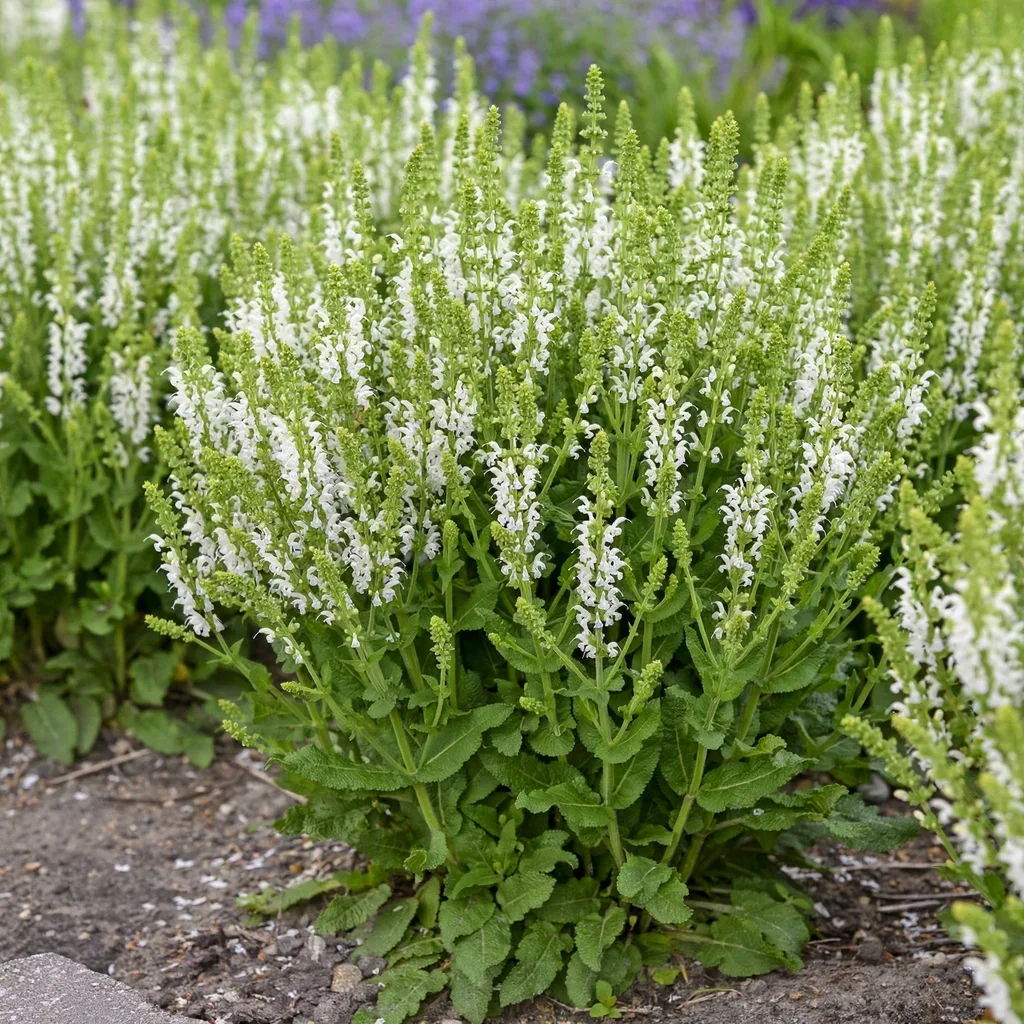
White Profusion Salvia
Salvia x hybrida 'White Profusion'
Keep exploring
Explore the genus
Hardy in your zone?
Grow Grape-Scented Sage with confidence
See it in a design of your actual yard, get zone-matched care reminders, and track it season by season in your garden journal.