The Story
Plant Bio
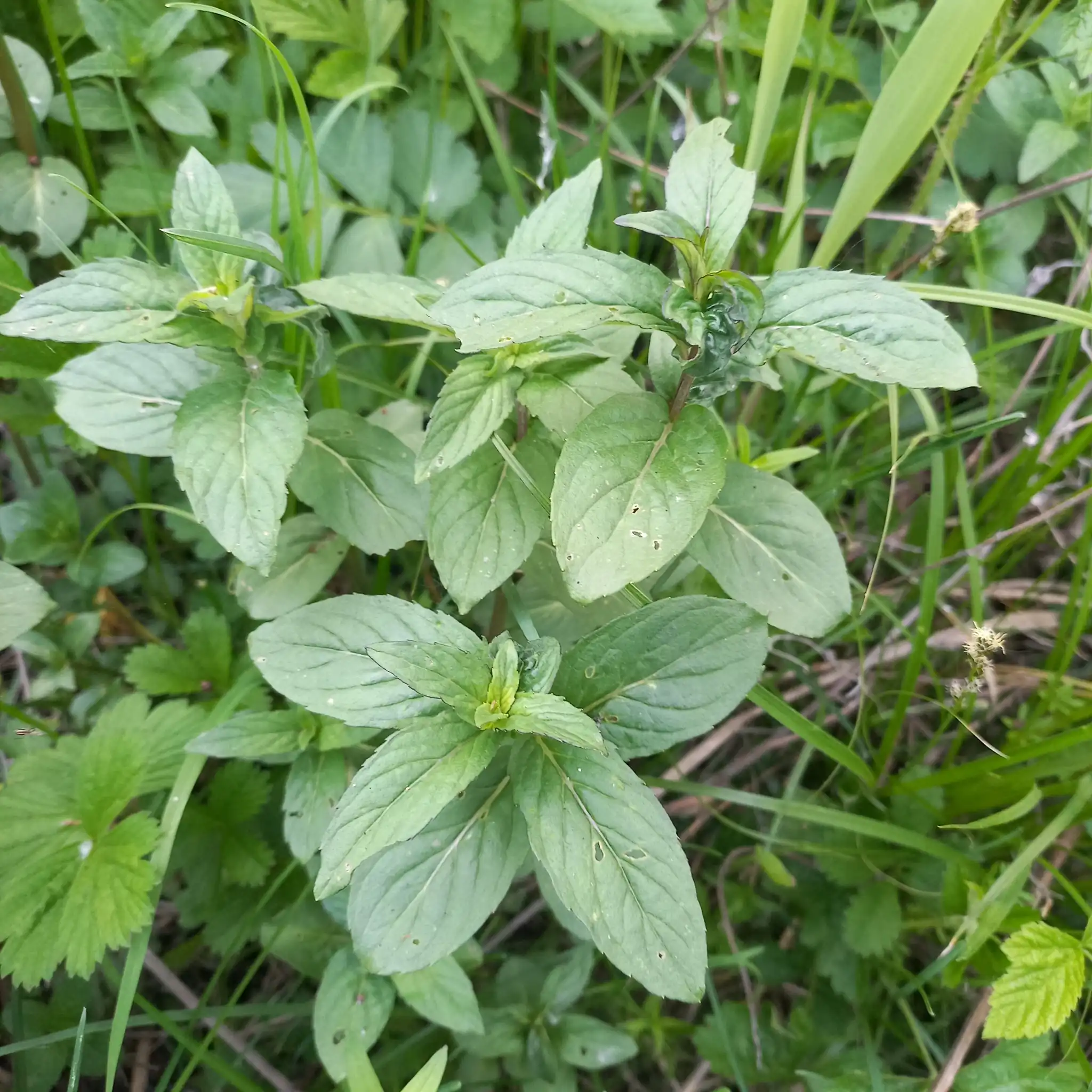
Mentha arvensis, the field mint, is an erect hairy herbaceous perennial that runs by shallow rhizomes to form dense colonial patches two feet tall, with lance-shaped highly aromatic leaves rich in menthol. The small pale purple to pink-white flowers sit in tight whorls in the leaf axils, opening from summer into fall.
This is the circumboreal wetland species of streambanks, shores and wet meadows, hardy to Zone 2 and intolerant of dry soil where garden mints persist. Plants sold in North America as Mentha arvensis are often the American segregate Mentha canadensis, lumped with it in American treatments and split out in Kew and Canadian checklists.
Uses & Benefits:
Essentials
At a Glance
Plant Type
Perennial
Height
24"
Width
36"
Light
Full Sun, Partial Sun
Zones
4, 5, 6, 7, 8
Water
High
Humidity
Unknown
Lifespan
Perennial
Native To
Temperate Eurasia; American wild mint lumped as M. arvensis
Toxicity
Unknown
Bloom period
Summer – Fall
In flower about 6 months of the year
Planting
How to Grow
- Plant in full sun to part shade in consistently moist to wet loam at a pond margin or in a sunk pot.
- Water to keep soil evenly wet; do not let it dry out in summer heat.
- Pinch stem tips in early summer to keep growth bushy and cut back flowered stems in fall.
- Lift and divide congested clumps in spring to contain spread.
Pro Tip
Plant it contained in a pot or edged bed in constantly moist soil; loose rhizomes colonize a wet bed in a season and regrow from fragments.
Keep It Thriving
Care Guide
Do
- Grow in a pot or root barrier in small gardens.
- Keep soil consistently moist to wet.
- Divide congested patches to maintain vigor.
Don't
- Do not plant uncontained in a mixed perennial bed.
- Do not let soil dry out.
- Do not compost rhizome fragments where they can reroot.
Seasonal Care Calendar
| Task | Jan | Feb | Mar | Apr | May | Jun | Jul | Aug | Sep | Oct | Nov | Dec |
|---|---|---|---|---|---|---|---|---|---|---|---|---|
| Divide | ||||||||||||
| Harvest | ||||||||||||
| Pest Check | ||||||||||||
| Plant | ||||||||||||
| Prune |
Watch Out For
Pests & Diseases
Common Pests
Common Diseases
In the Garden
Landscape Uses & Companions
Landscape Uses
Multiply
Propagation Methods
Good to Know
Common Questions
Wild Mint questions
What zones can Wild Mint grow in?
Wild Mint is hardy in USDA Zones 4–8: in that range it survives winter in the ground. Warmer than Zone 8, winter isn't the problem: it prefers colder winters, and summer heat can shorten its life.
When does Wild Mint bloom?
Wild Mint typically blooms from summer to fall. Exact timing shifts a week or two with your zone — Sow's bloom calendar maps it to your garden.
Does Wild Mint need full sun?
Wild Mint does best in full sun to part shade. In hot climates, afternoon shade keeps blooms fresher longer.
More Mentha to compare
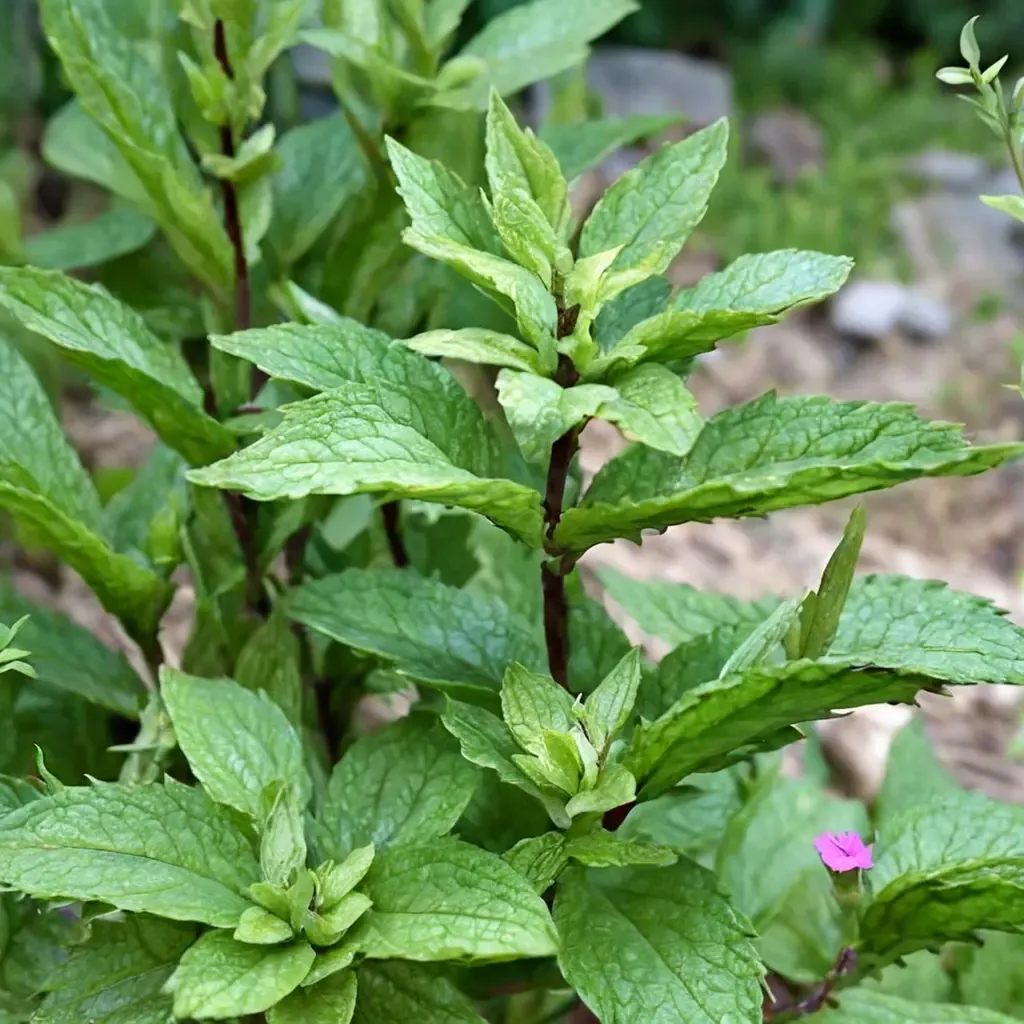
Spearmint
Mentha spicata
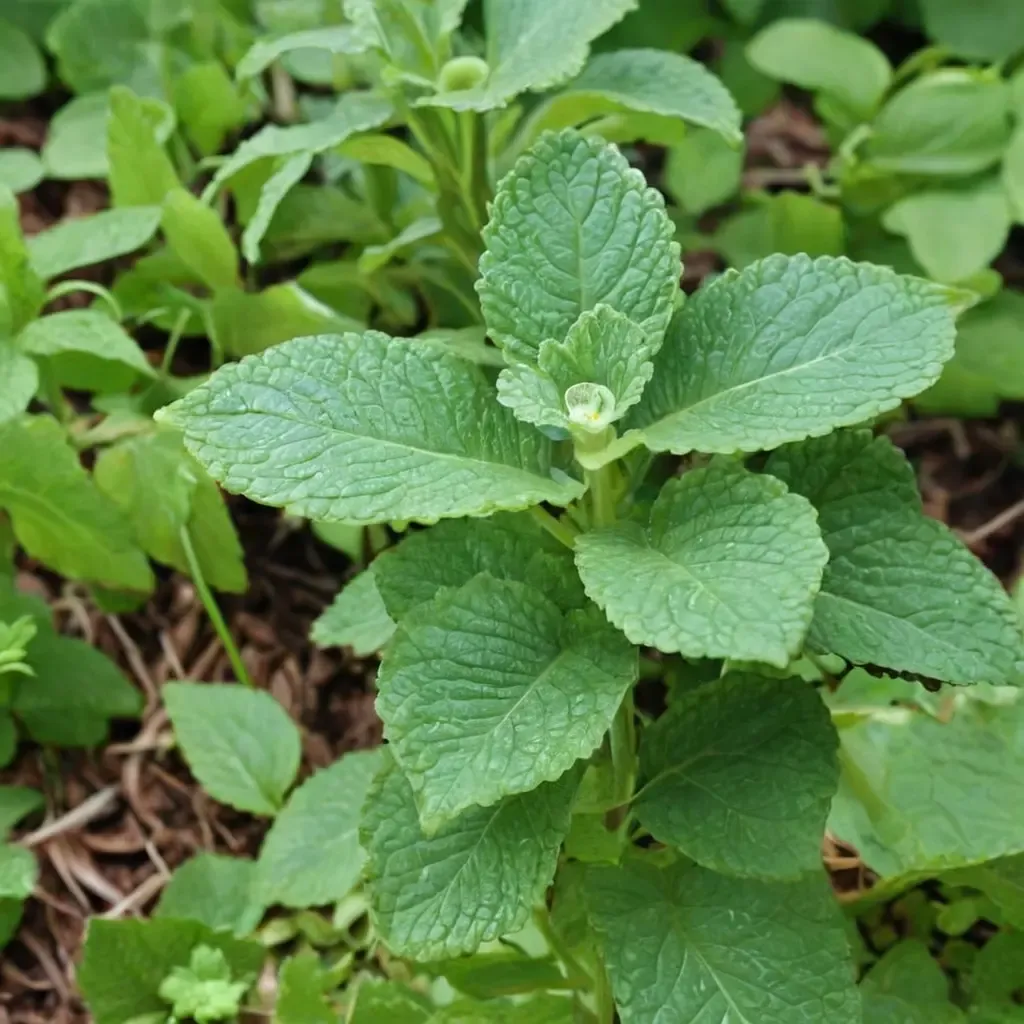
Apple Mint
Mentha suaveolens
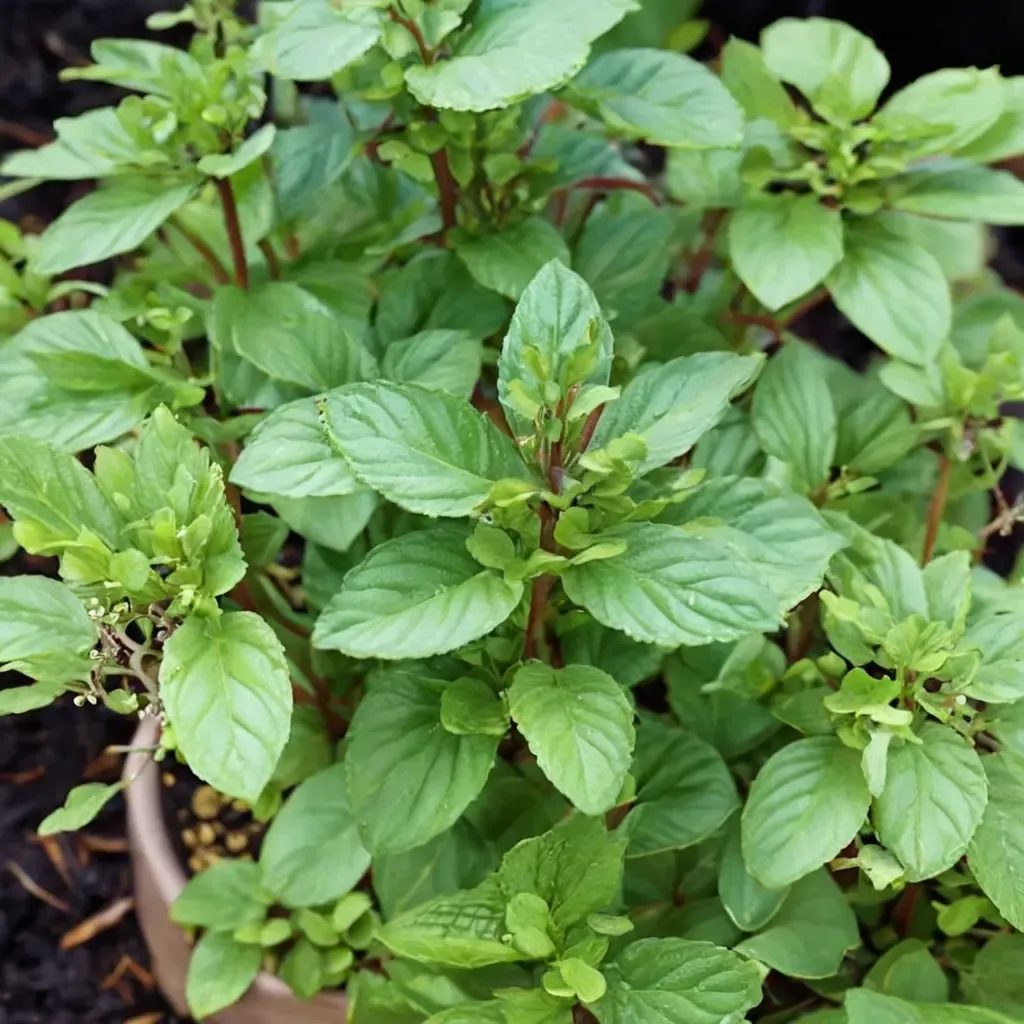
Fuhgeddaboudit Peppermint
Mentha x piperita 'Fuhgeddaboudit'
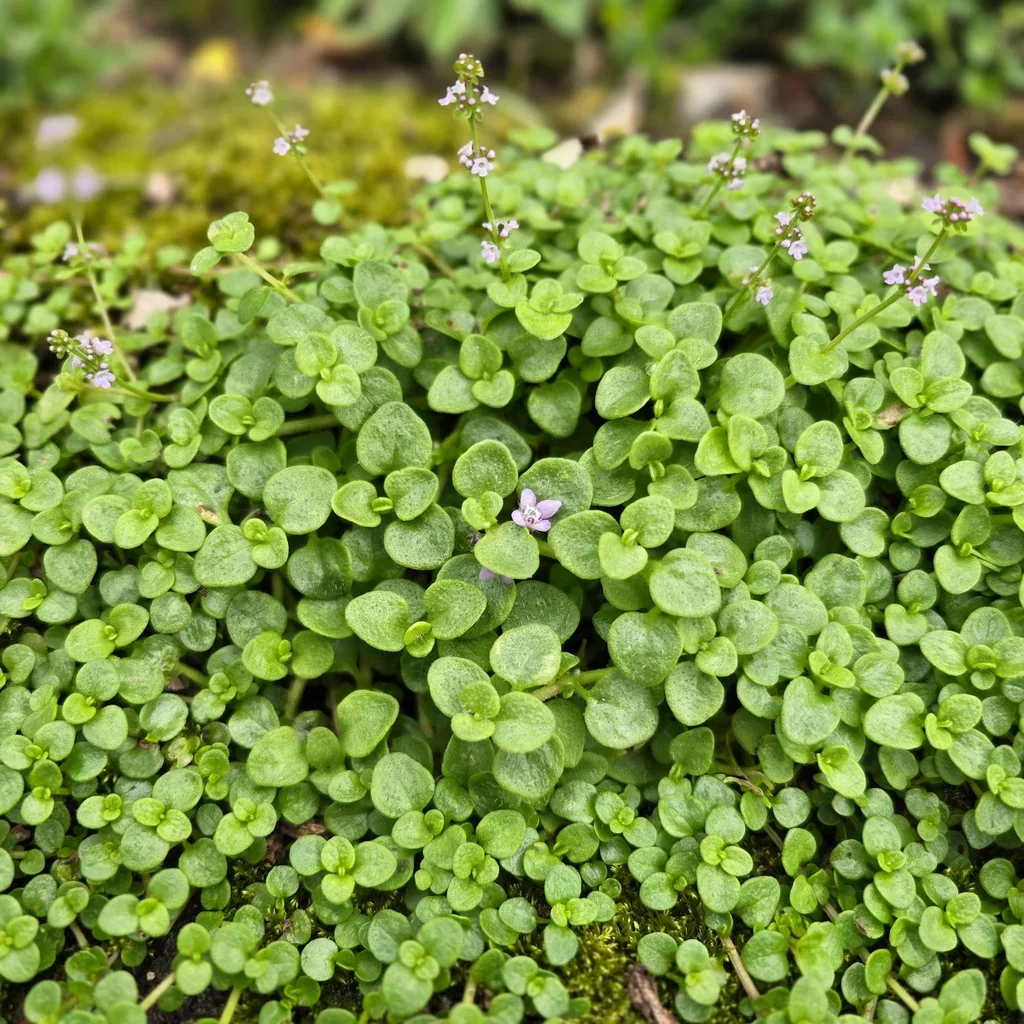
Corsican Mint
Mentha requienii
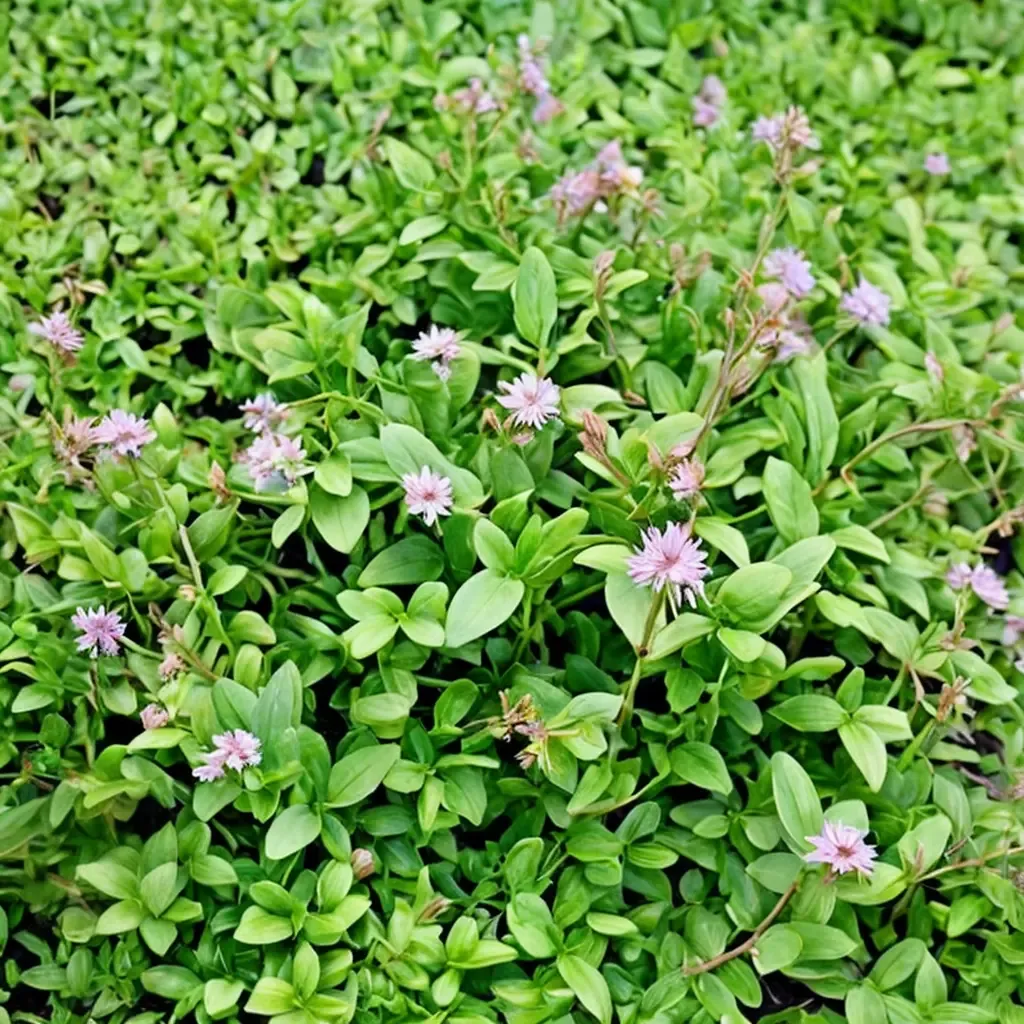
Pennyroyal
Mentha pulegium 'Nana'
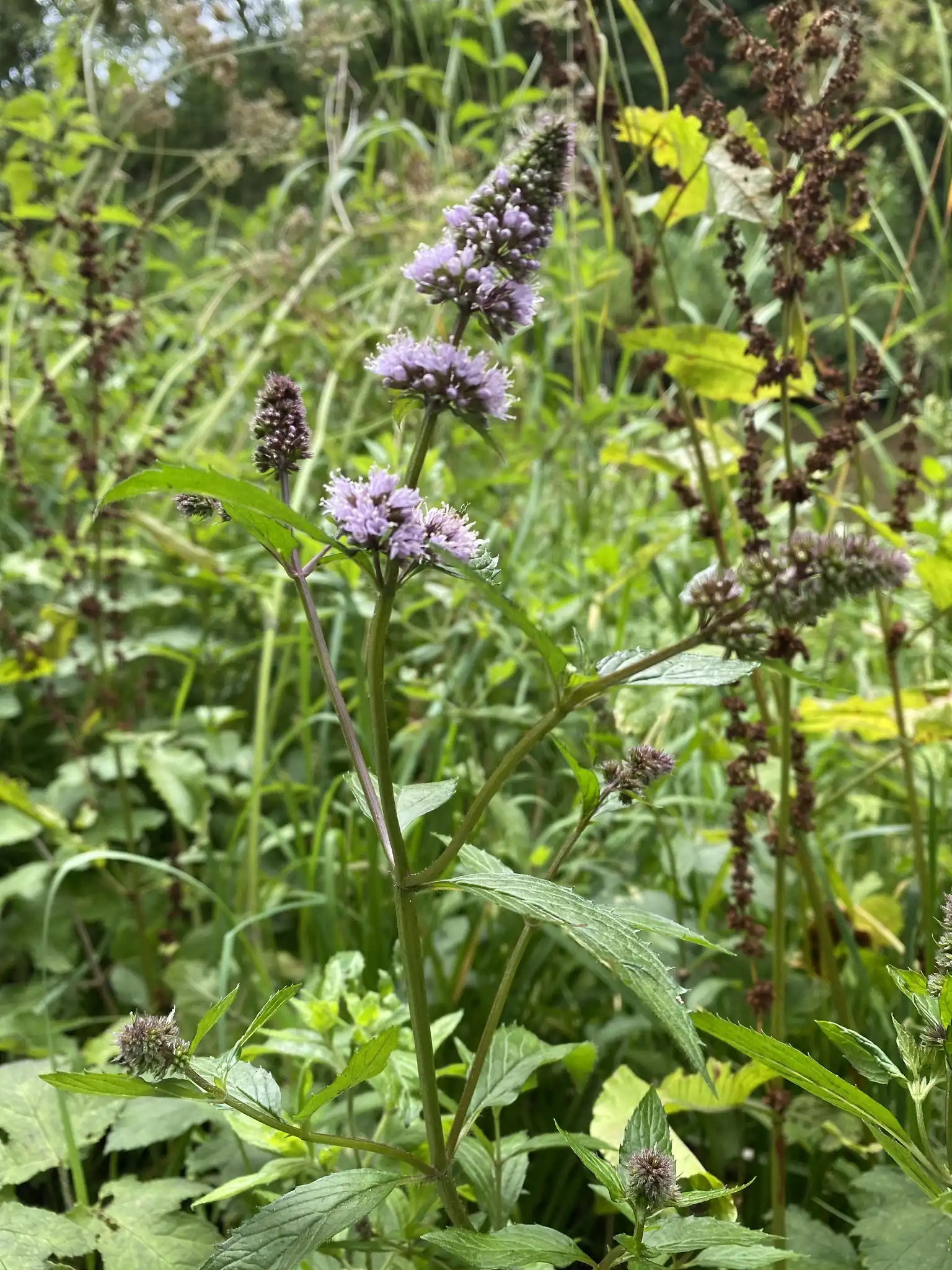
Peppermint
Mentha x piperita
Keep exploring
Explore the genus
Hardy in your zone?
Grow Wild Mint with confidence
See it in a design of your actual yard, get zone-matched care reminders, and track it season by season in your garden journal.