The Story
Plant Bio
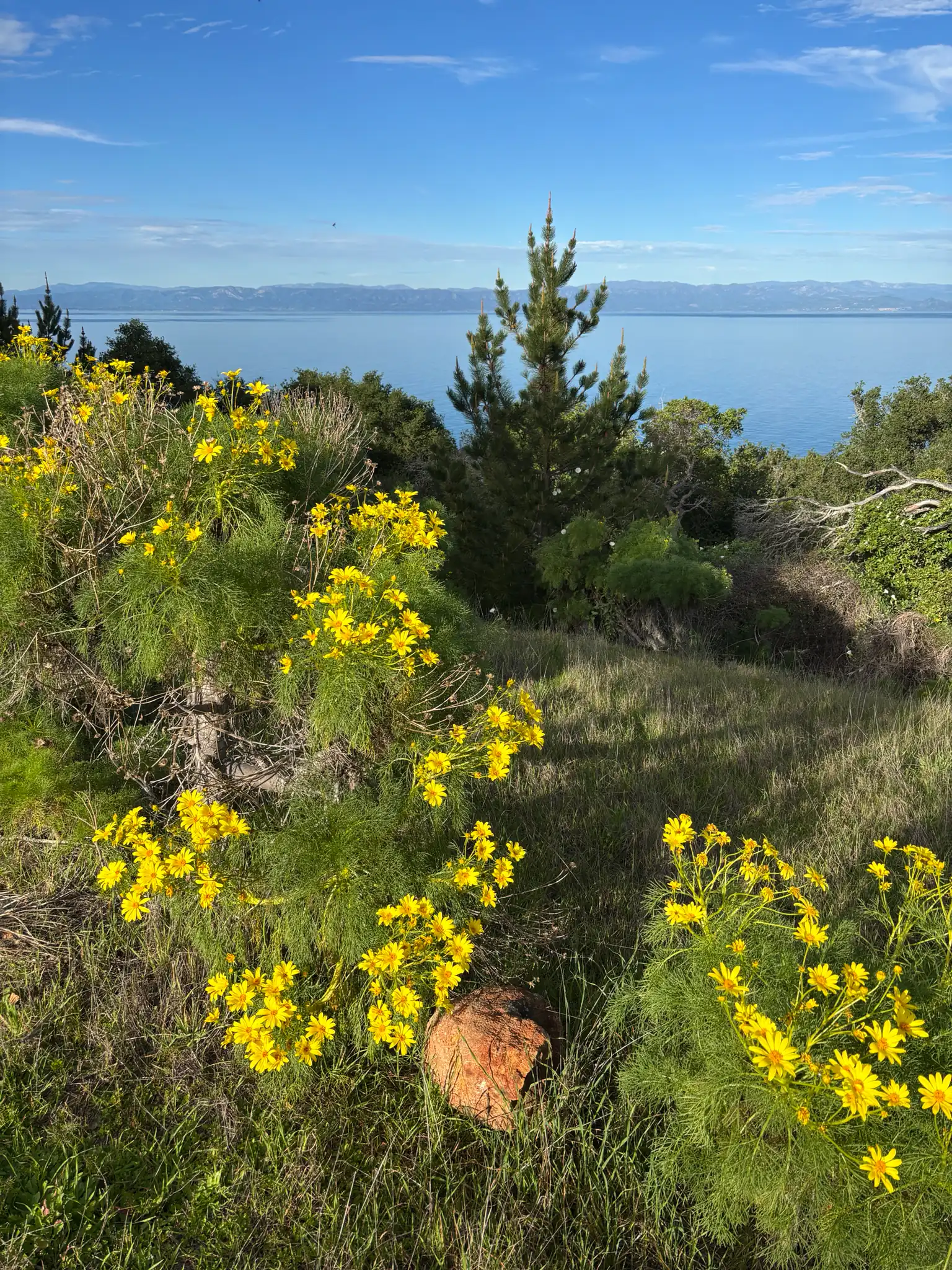
Coreopsis gigantea is a summer-deciduous perennial from the California coast that grows three to six feet tall in gardens on stout, fleshy, gray-brown trunks branched at the top. Leaves are bright green and finely divided into ferny tufts at the stem ends, emerging with winter rain and dropping in summer to leave the bare sculptural stems.
It is still sold as Coreopsis gigantea though it is now placed in Leptosyne as Leptosyne gigantea, and its tree-like trunk sets it apart from all other tickseeds. In late winter to late spring it carries clusters of three- to four-inch yellow daisies with coarsely toothed rays on long leafless stalks above the foliage.
Uses & Benefits:
Essentials
At a Glance
Plant Type
Perennial
Height
72"
Width
48"
Light
Full Sun
Zones
8, 9, 10
Water
Low
Humidity
Low
Lifespan
Perennial
Native To
Coastal California and Baja California
Toxicity
Unknown
Bloom period
Late winter – Late spring
In flower about 4 months of the year
Planting
How to Grow
- Set plants in fall into full sun and sharply drained sand or loam.
- Water to establish through winter leaf growth, then taper off as leaves yellow.
- Keep soil dry through summer dormancy; established plants need no summer irrigation in coastal areas.
- Remove spent flower heads as they brown but leave the bare trunks standing.
- Protect from cold below 25F with a sheltered wall or temporary cover.
Pro Tip
Leave the bare summer sticks alone and keep summer water off them, as wet soil in dormancy rots the fleshy trunks.
Keep It Thriving
Care Guide
Do
- Plant in full sun with sharp drainage and space for airflow.
- Water in winter and spring, then leave dry once dormant.
- Cut off spent heads as they brown to keep the crown tidy.
Don't
- Do not irrigate the dormant bare trunks in summer.
- Do not plant in heavy wet soil or low spots that hold water.
- Do not cut back into bare old wood to reshape the plant.
Seasonal Care Calendar
| Task | Jan | Feb | Mar | Apr | May | Jun | Jul | Aug | Sep | Oct | Nov | Dec |
|---|---|---|---|---|---|---|---|---|---|---|---|---|
| Deadhead | ||||||||||||
| Pest Check | ||||||||||||
| Plant | ||||||||||||
| Propagate |
Watch Out For
Pests & Diseases
Common Pests
Common Diseases
In the Garden
Landscape Uses & Companions
Landscape Uses
Multiply
Propagation Methods
Good to Know
Common Questions
Giant Coreopsis questions
What zones can Giant Coreopsis grow in?
Giant Coreopsis is hardy in USDA Zones 8–10: in that range it survives winter in the ground. Colder than Zone 8, grow it in a container you can move to shelter for the winter, or as an annual.
When does Giant Coreopsis bloom?
Giant Coreopsis typically blooms from late winter to late spring. Exact timing shifts a week or two with your zone — Sow's bloom calendar maps it to your garden.
Does Giant Coreopsis need full sun?
Giant Coreopsis does best in full sun (6+ hours).
Is Giant Coreopsis drought tolerant?
Yes — once established (usually after the first full season), Giant Coreopsis handles dry spells with minimal watering. Water deeply its first year to build the root system that makes that possible.
More Coreopsis to compare
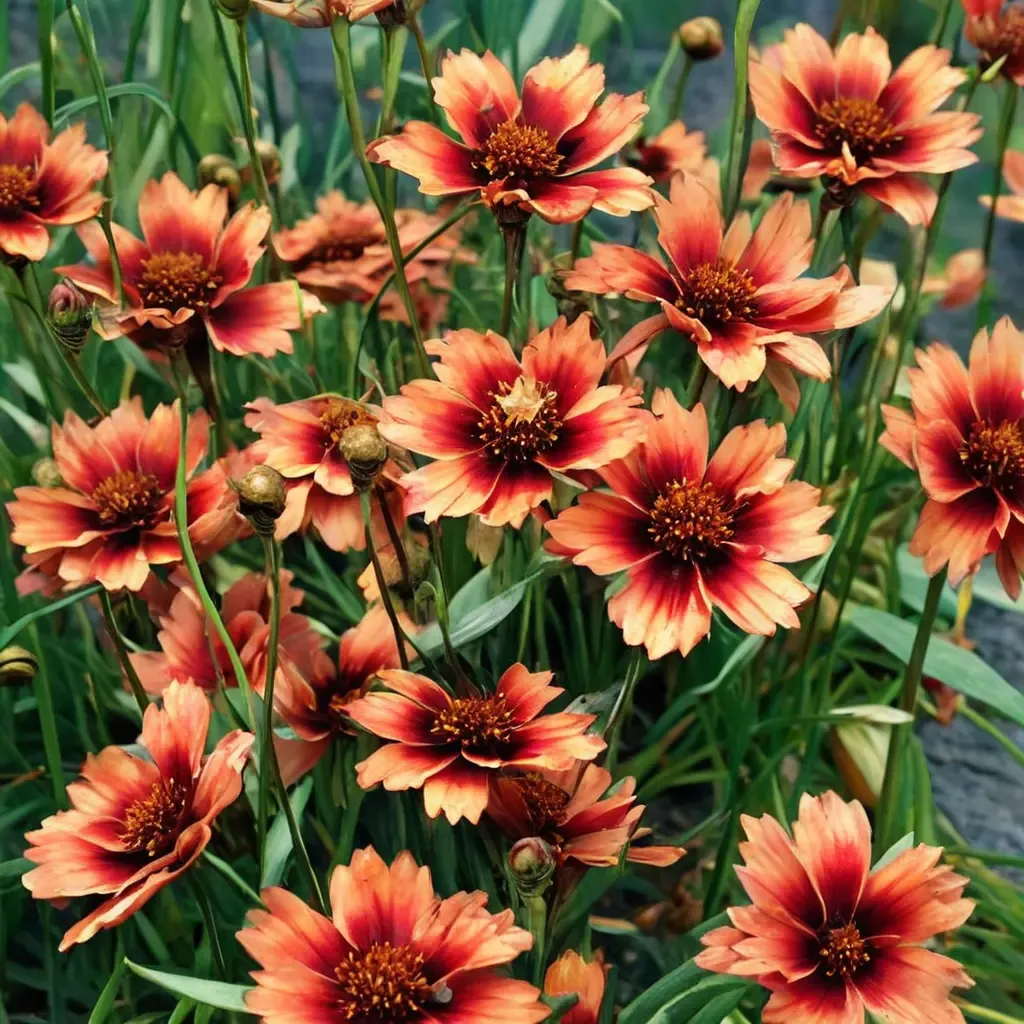
Desert Coral Plains Coreopsis
Coreopsis tinctoria 'Desert Coral'
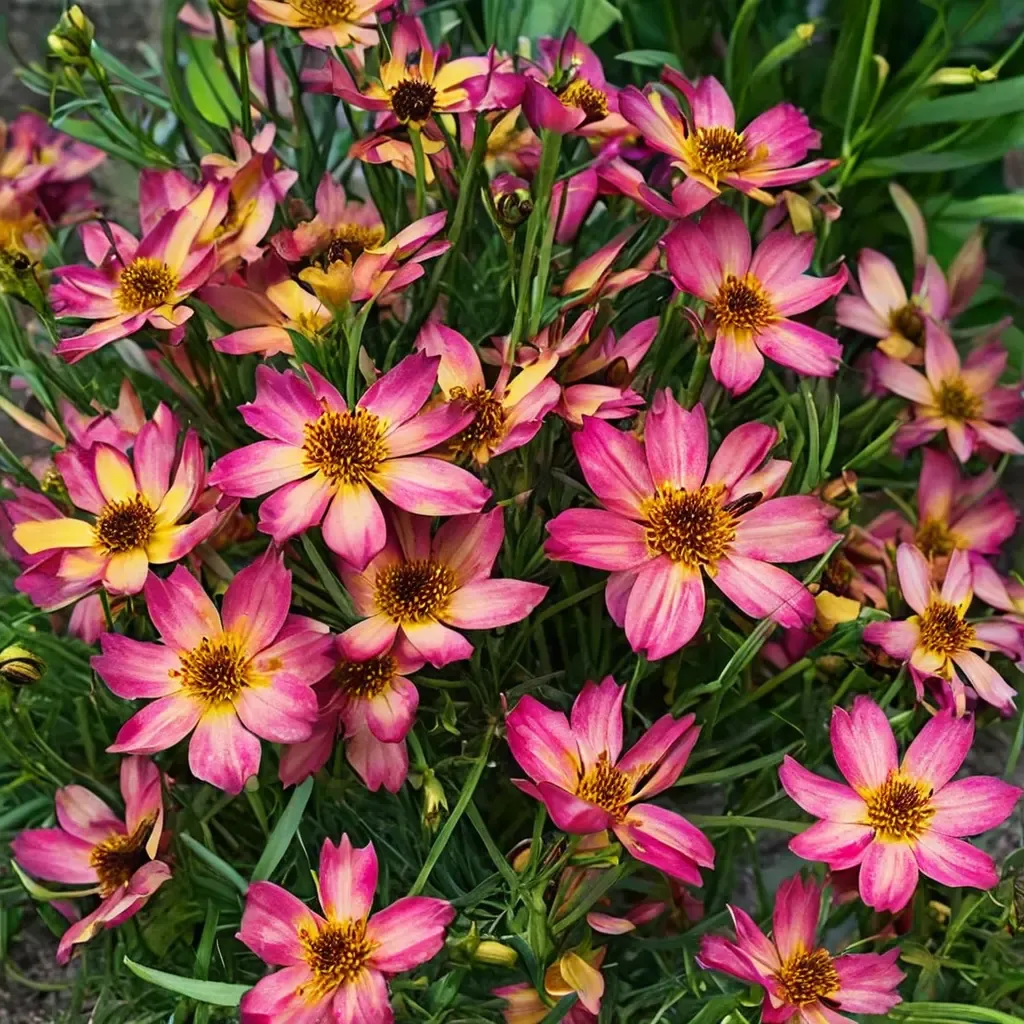
Tickseed 'Sweet Tart'
Coreopsis tinctoria 'Sweet Tart'
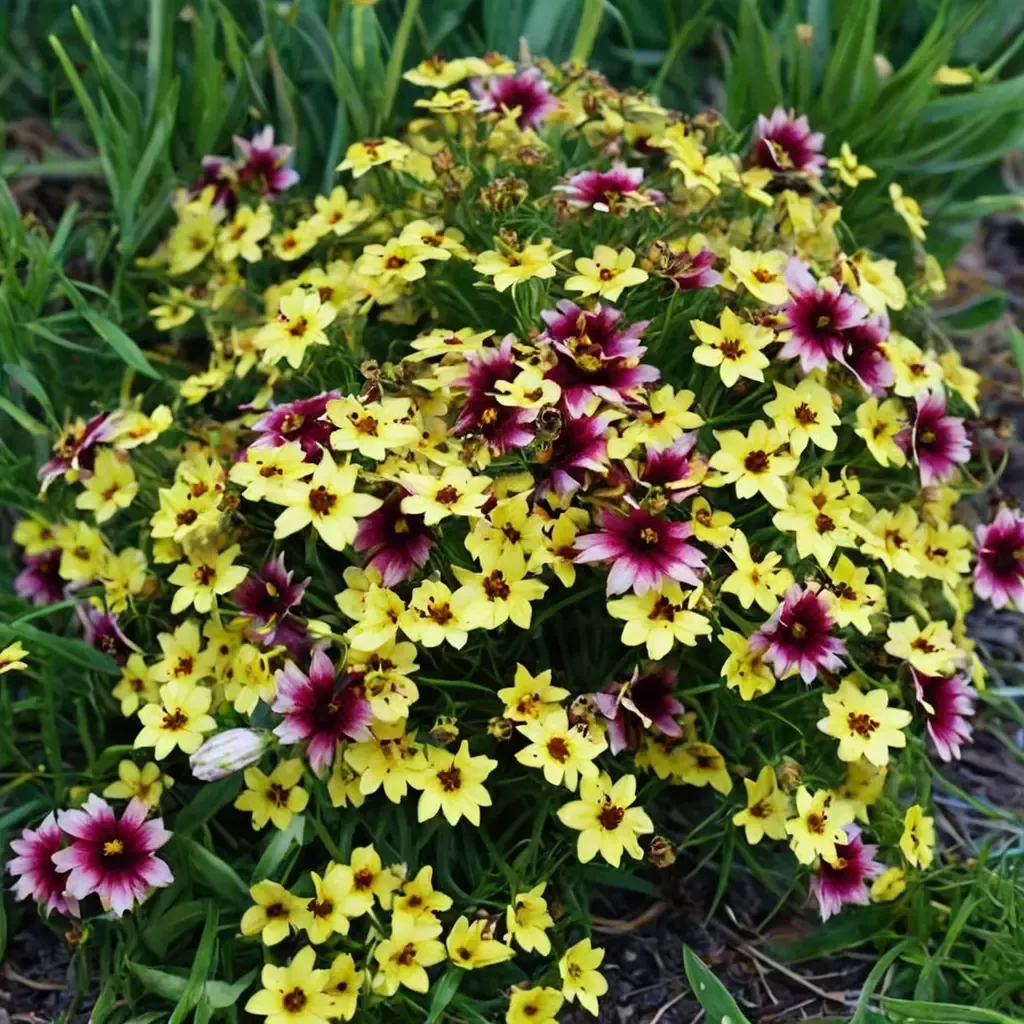
Sassy Saffron Tickseed
Coreopsis grandiflora 'Sassy Saffron'
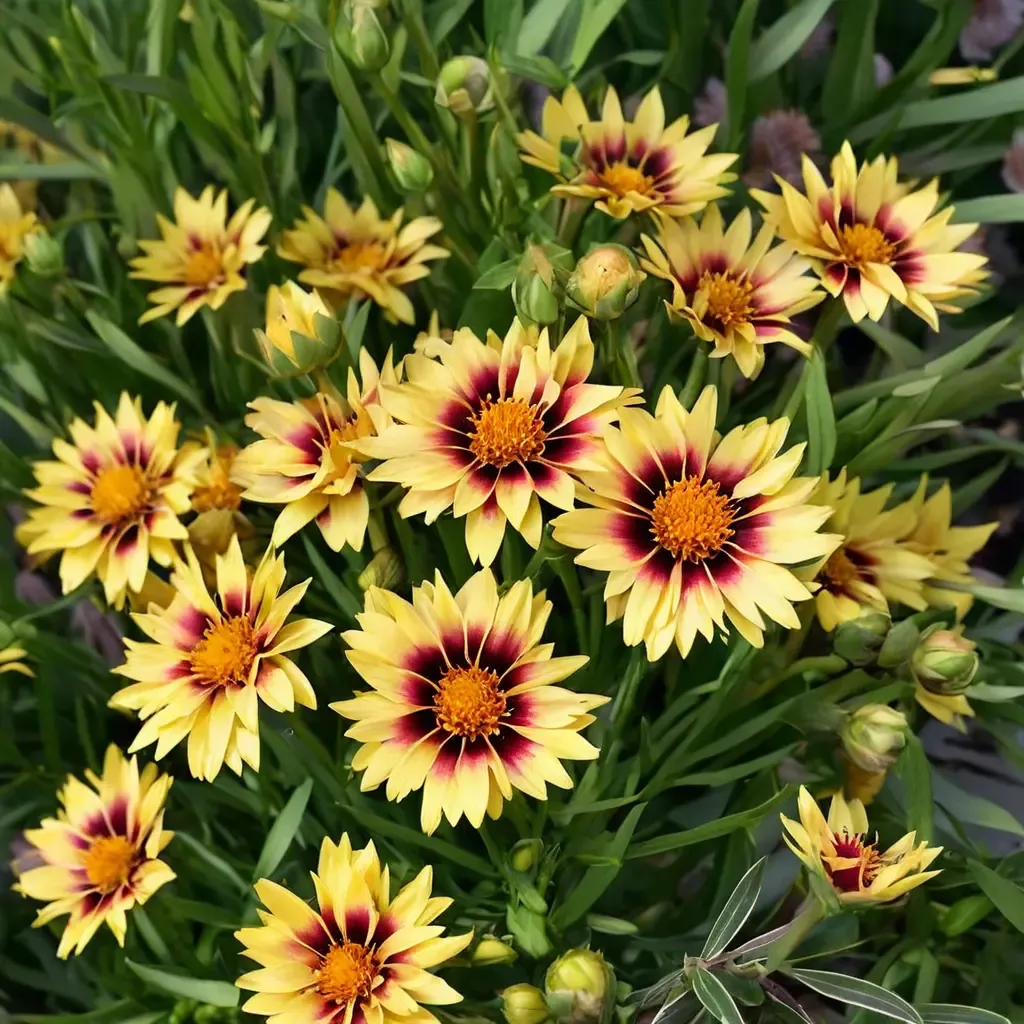
Enchanted Eve Li'l Bang Tickseed
Coreopsis grandiflora 'Enchanted Eve Li'l Bang'
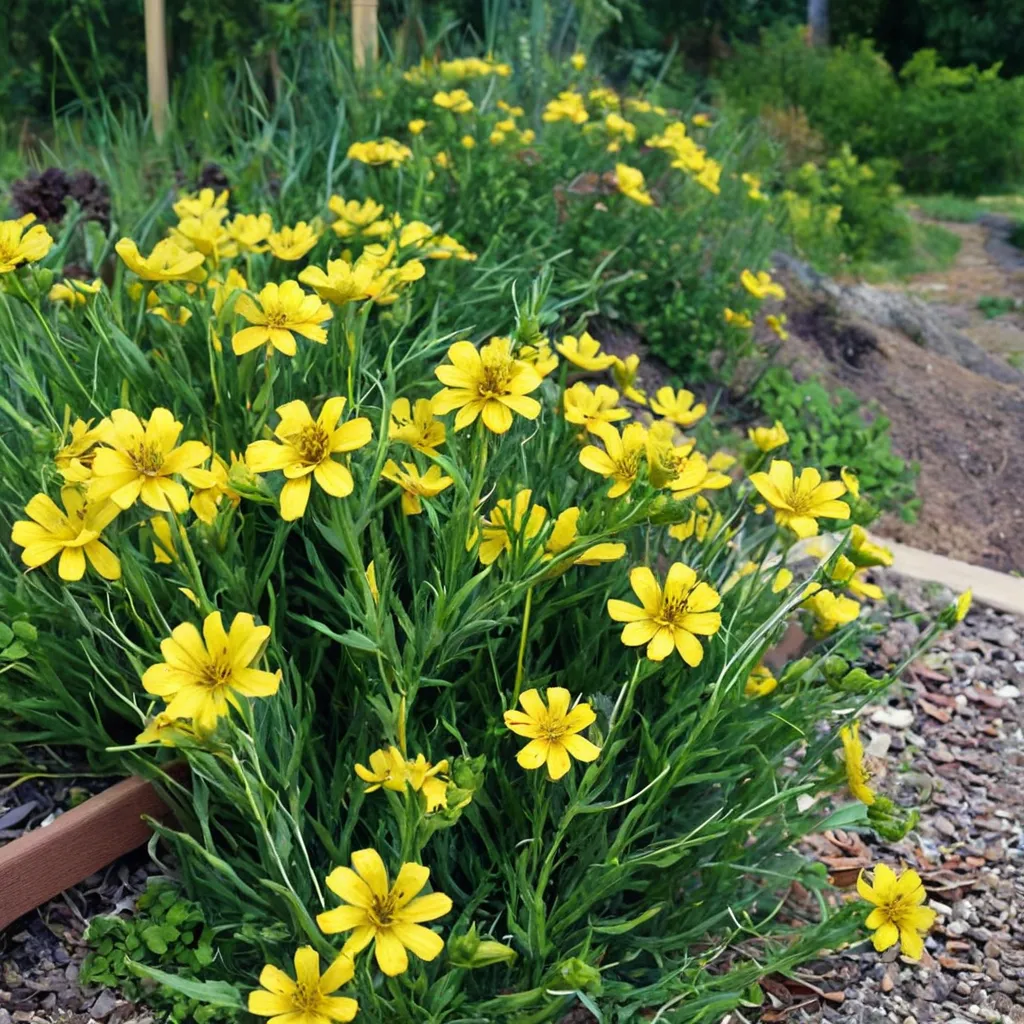
Prairie Coreopsis
Coreopsis palmata
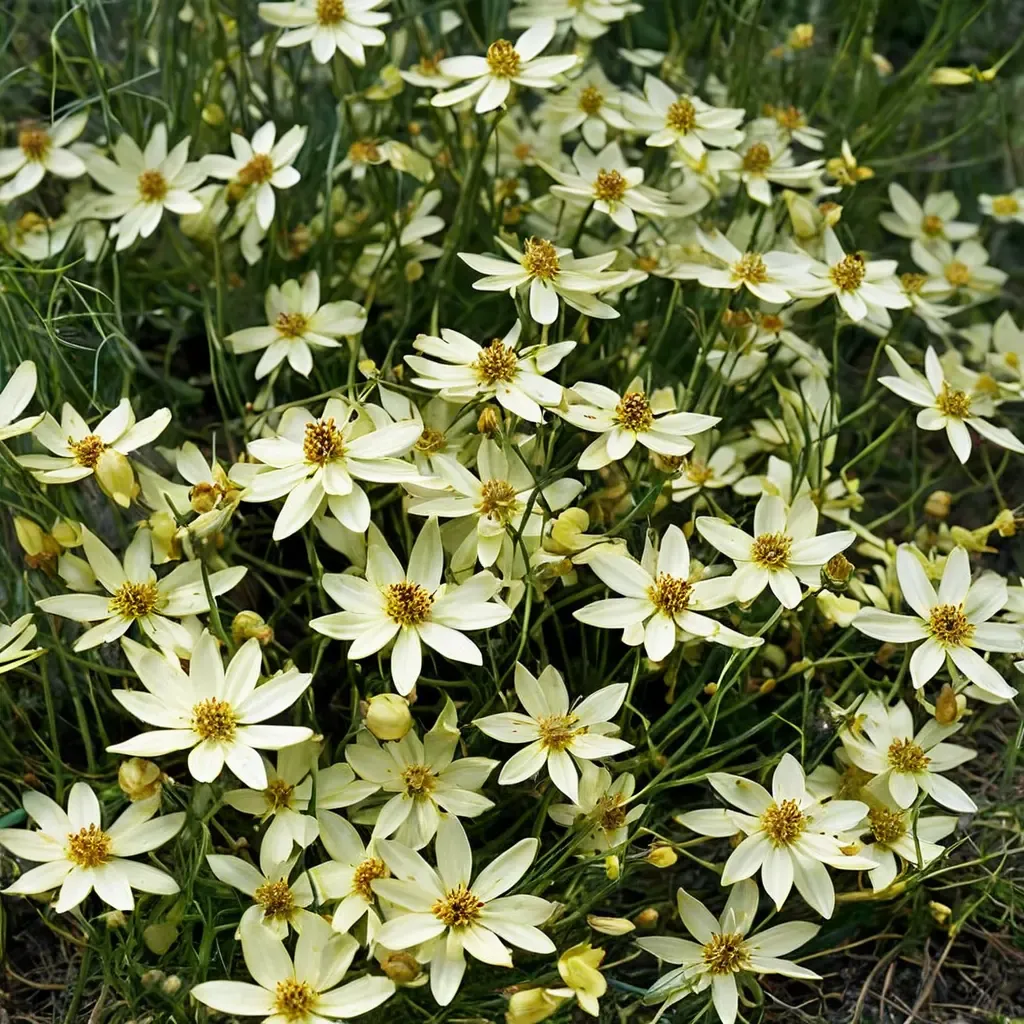
Moonbeam Tickseed
Coreopsis verticillata 'Moonbeam'
Keep exploring
Hardy in your zone?
Grow Giant Coreopsis with confidence
See it in a design of your actual yard, get zone-matched care reminders, and track it season by season in your garden journal.