The Story
Plant Bio
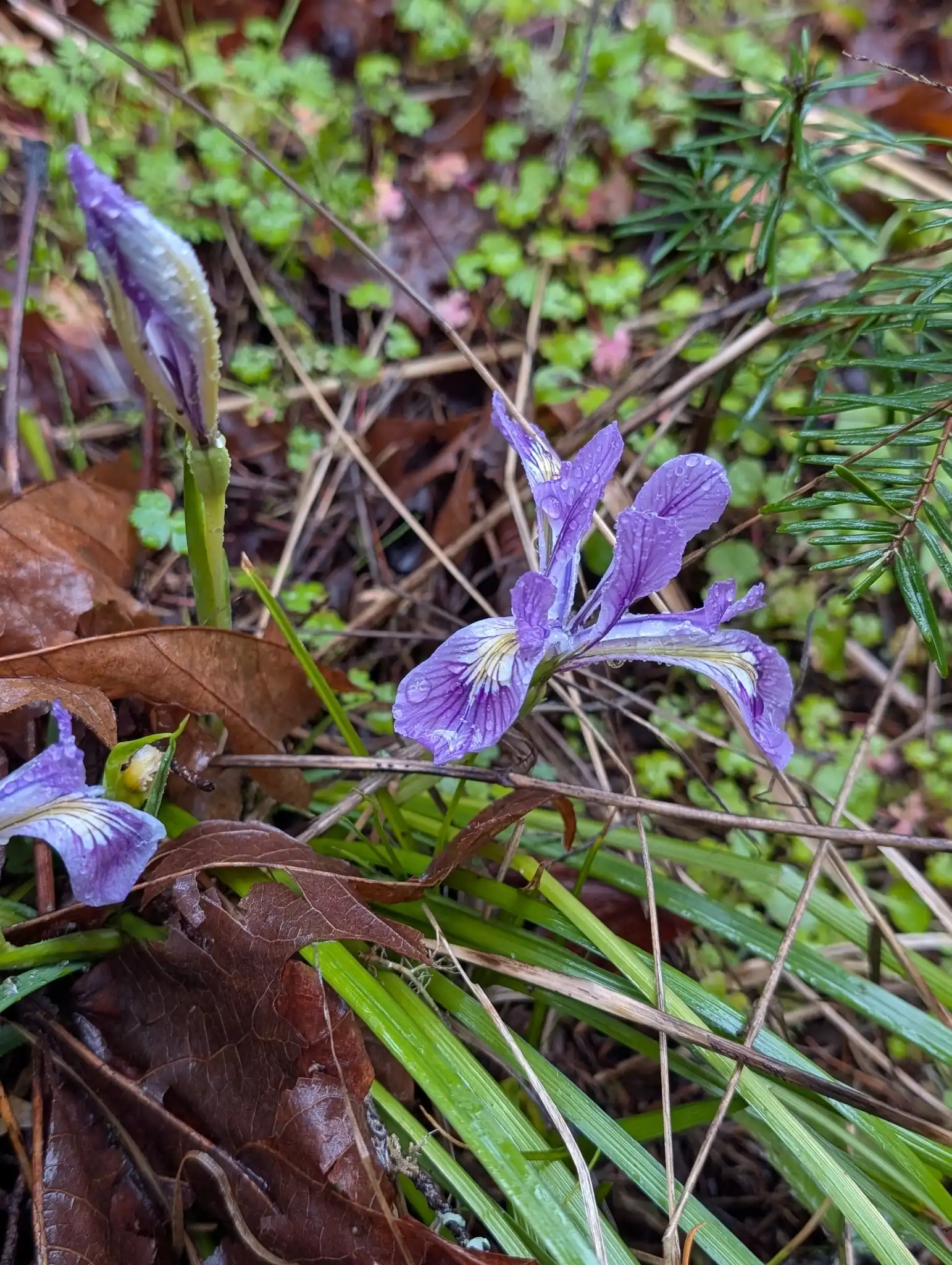
Iris tenax is a clump-forming herbaceous perennial native to western North America with slender, grass-like foliage featuring distinctive pinkish-red leaf bases. From spring to early summer, slender stems bear showy flowers in shades of lavender, blue-purple, pink, or yellow, marked with darker violet veins and a bright signal stripe.
The exceptionally tough foliage was historically harvested by Indigenous peoples to weave resilient snares and cordage. In gardens, its narrow leaves grow slightly taller than the flower stems, framing the delicate blooms above a tight, tufted crown.
Uses & Benefits:
Essentials
At a Glance
Plant Type
Perennial
Height
14"
Width
24"
Light
Full Sun, Partial Sun
Zones
5, 6, 7, 8, 9
Water
Low to Moderate
Humidity
Moderate
Lifespan
Perennial
Native To
Western United States
Toxicity
Toxic if ingested; sap causes skin irritation
Bloom period
Spring – Early summer
In flower about 4 months of the year
Planting
How to Grow
- Select a planting location in full sun to partial shade with sharply draining, humus-rich or sandy soil.
- Set rhizomes shallowly into the top layer of soil, keeping the crown level with or slightly above the ground surface.
- Water gently to settle the soil, then allow the surrounding soil to dry out between waterings.
- Mulch lightly with gravel or coarse compost, keeping the material clear of the foliage bases.
Pro Tip
Plant in gritty, sharply draining soil and avoid summer overwatering while the rhizomes are dormant, as waterlogged conditions quickly trigger fatal root rot.
Keep It Thriving
Care Guide
Do
- Ensure sharp subterranean drainage, especially during winter months.
- Divide carefully in early spring or early fall when active root growth begins to minimize shock.
- Wear gloves when handling or cutting plants to protect skin from irritating sap.
Don't
- Do not plant in heavy, waterlogged clay soils.
- Do not overwater during the plant's dormant summer phase.
- Do not prune foliage back deep into old, leafless wood.
Seasonal Care Calendar
| Task | Jan | Feb | Mar | Apr | May | Jun | Jul | Aug | Sep | Oct | Nov | Dec |
|---|---|---|---|---|---|---|---|---|---|---|---|---|
| Divide | ||||||||||||
| Fertilize | ||||||||||||
| Mulch | ||||||||||||
| Pest Check | ||||||||||||
| Spring Cleanup |
Watch Out For
Pests & Diseases
Common Pests
Common Diseases
In the Garden
Landscape Uses & Companions
Landscape Uses
Multiply
Propagation Methods
Good to Know
Common Questions
Toughleaf Iris questions
What zones can Toughleaf Iris grow in?
Toughleaf Iris is hardy in USDA Zones 5–9: in that range it survives winter in the ground. Colder than Zone 5, grow it in a container you can move to shelter for the winter, or as an annual. Warmer than Zone 9, winter isn't the problem: it prefers colder winters, and summer heat can shorten its life.
Is Toughleaf Iris deer resistant?
Not reliably. Deer may browse Toughleaf Iris, especially tender spring growth — plan on repellents or fencing where pressure is high.
When does Toughleaf Iris bloom?
Toughleaf Iris typically blooms from early spring to early summer. Exact timing shifts a week or two with your zone — Sow's bloom calendar maps it to your garden.
Does Toughleaf Iris need full sun?
Toughleaf Iris does best in full sun to part shade. In hot climates, afternoon shade keeps blooms fresher longer.
Is Toughleaf Iris drought tolerant?
Yes — once established (usually after the first full season), Toughleaf Iris handles dry spells with minimal watering. Water deeply its first year to build the root system that makes that possible.
More Iris to compare
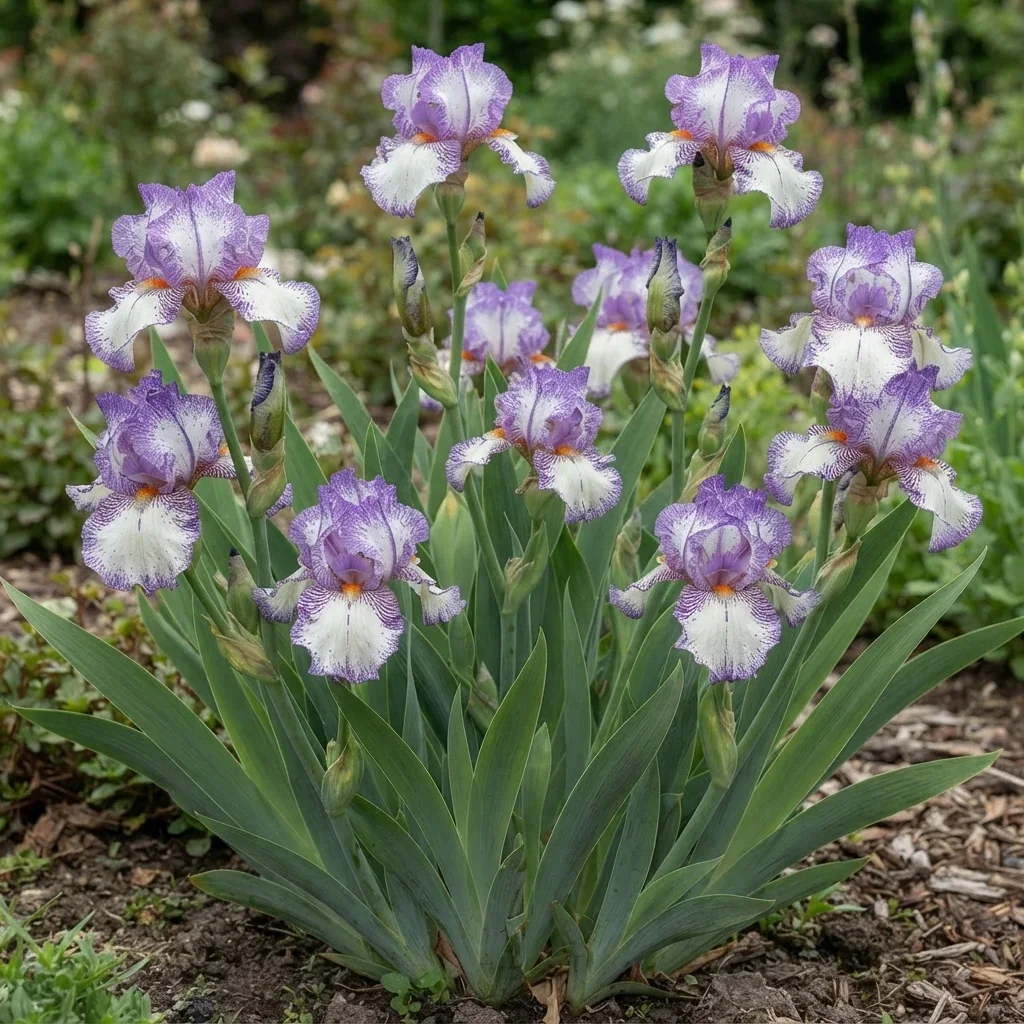
German Iris Bearded Iris
Iris x germanica 'Mix'
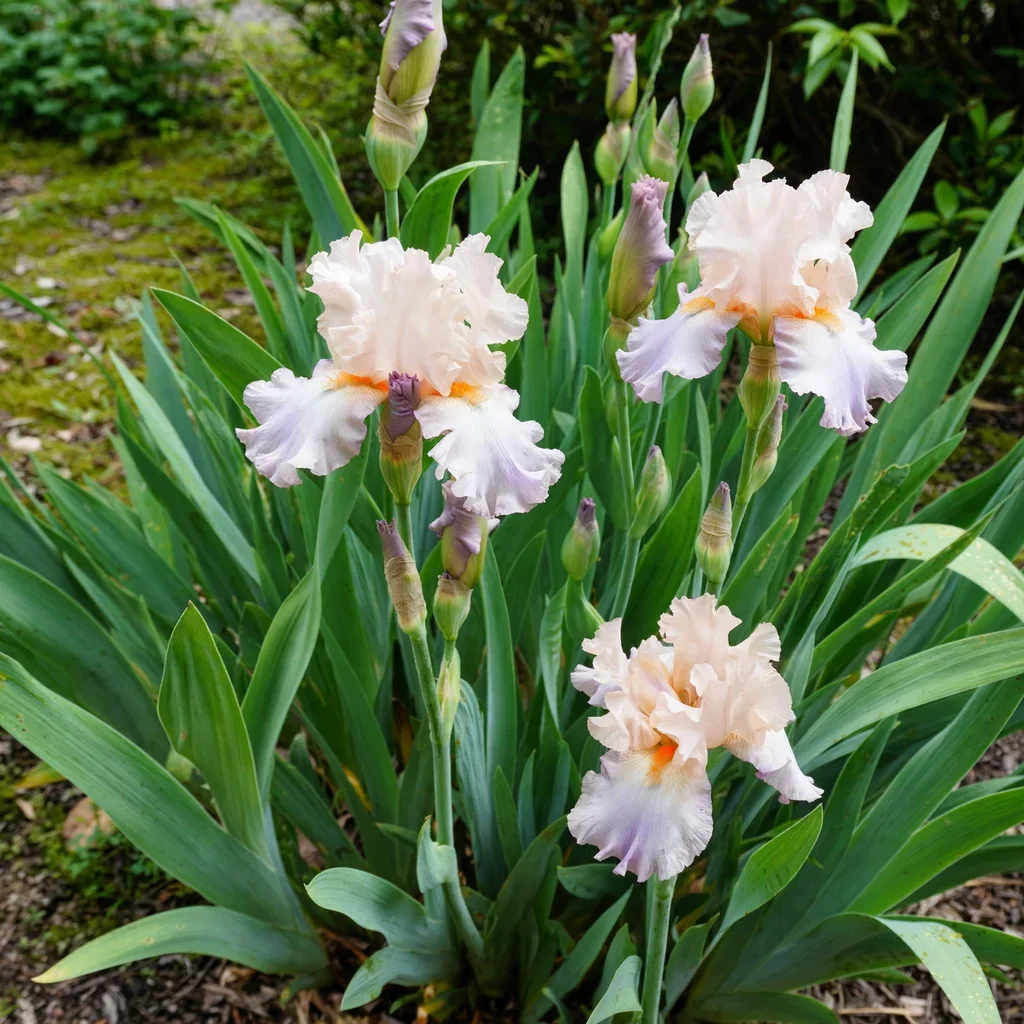
Celebration Song Iris
Iris tenuissima 'Celebration Song'
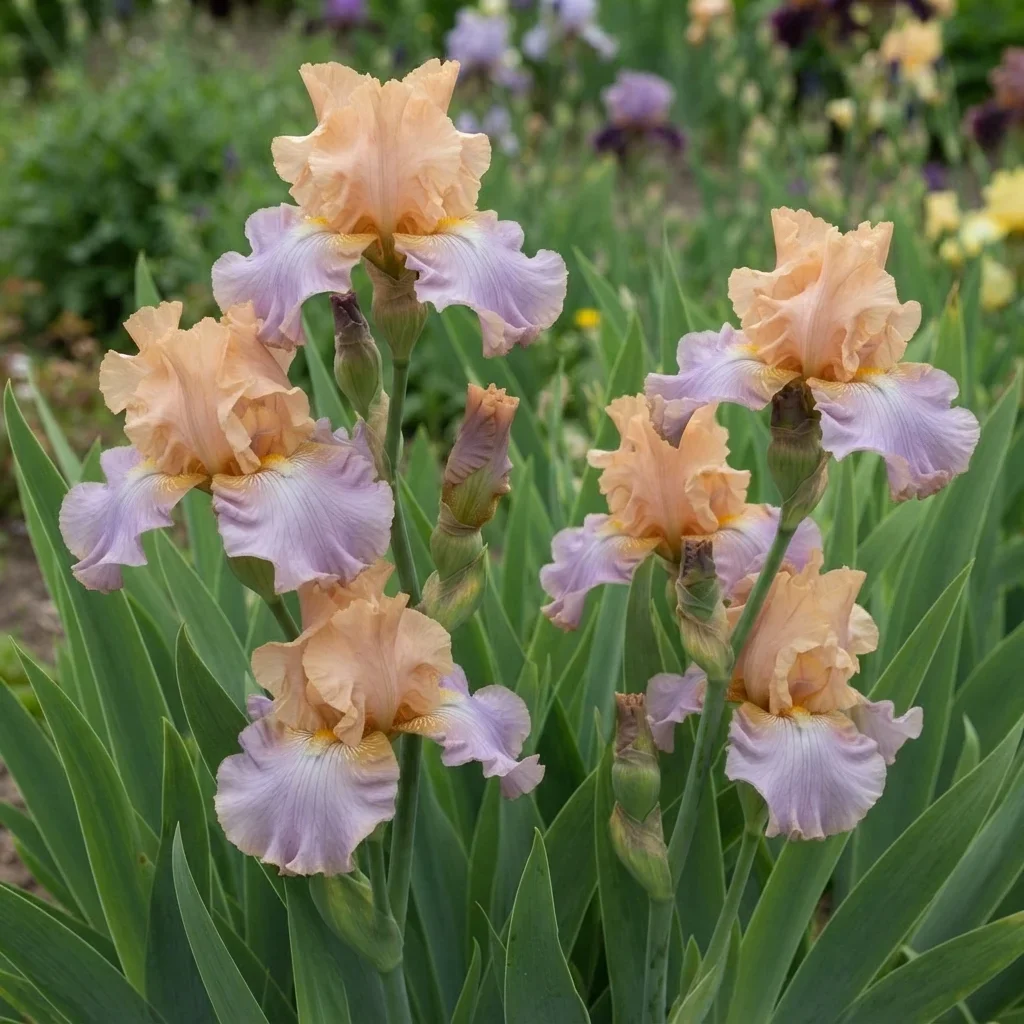
Poem of Ecstasy German Iris
Iris x germanica 'Poem Of Ecstasy'
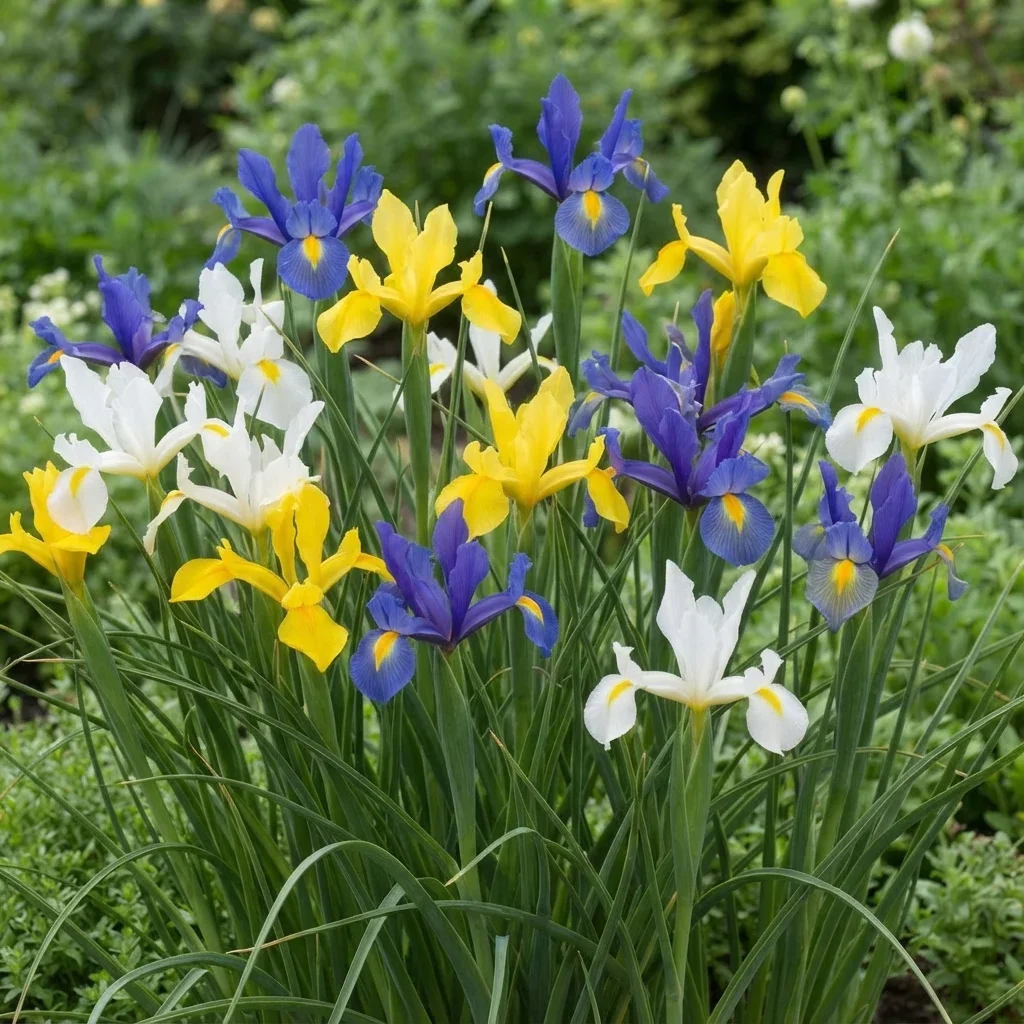
Dutch Iris Mix
Iris x hollandica 'Mix'
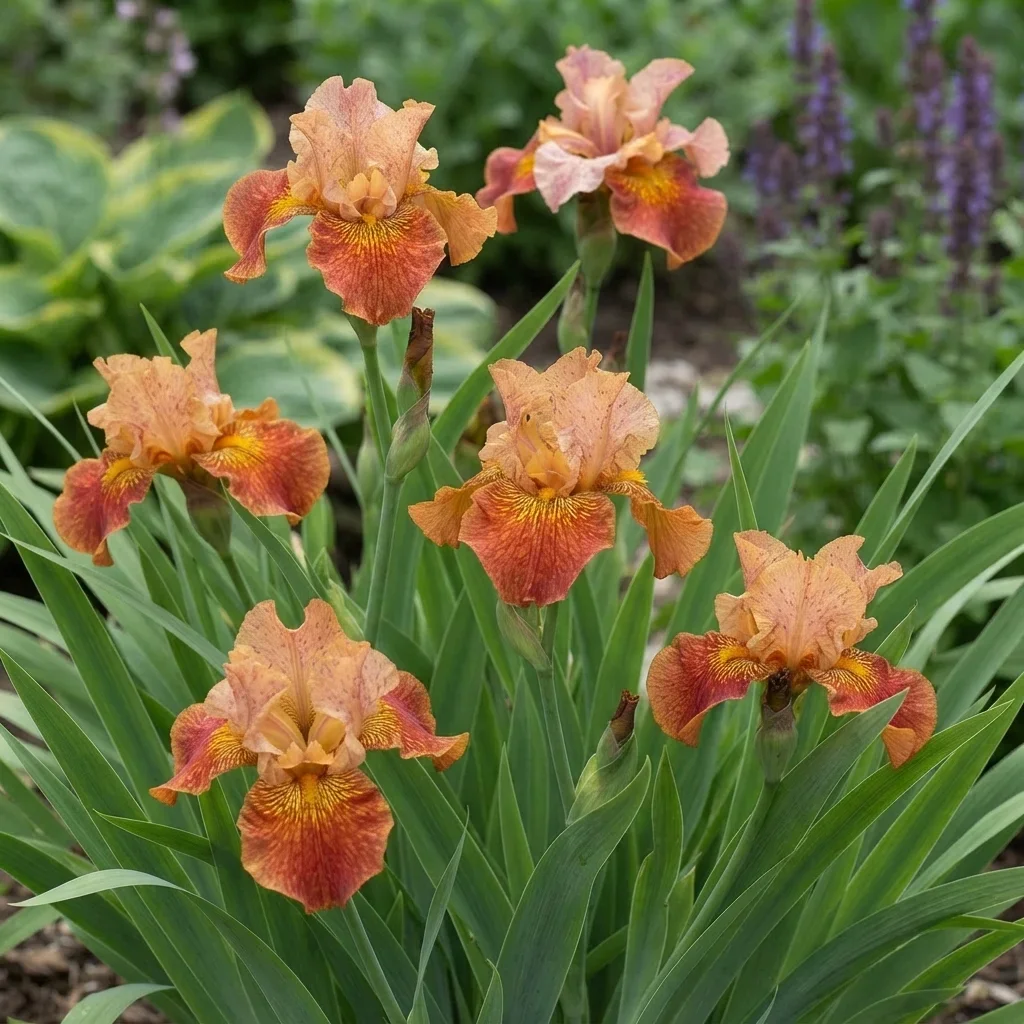
Siberian Iris 'Paprikash'
Iris x hybrida 'Paprikash'
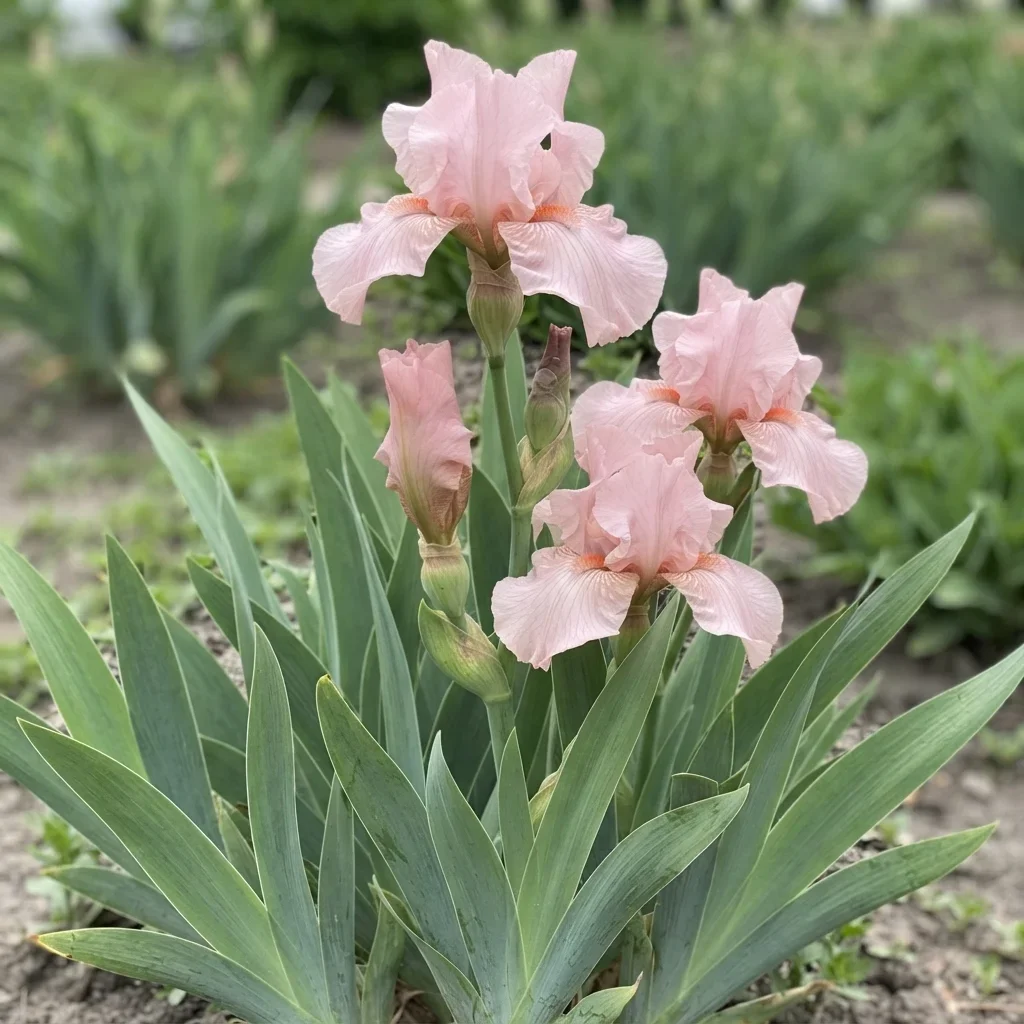
Baboon Bottom Bearded Iris
Iris x germanica 'Baboon Bottom Bearded'
Keep exploring
Explore the genus
Guides
Hardy in your zone?
Grow Toughleaf Iris with confidence
See it in a design of your actual yard, get zone-matched care reminders, and track it season by season in your garden journal.