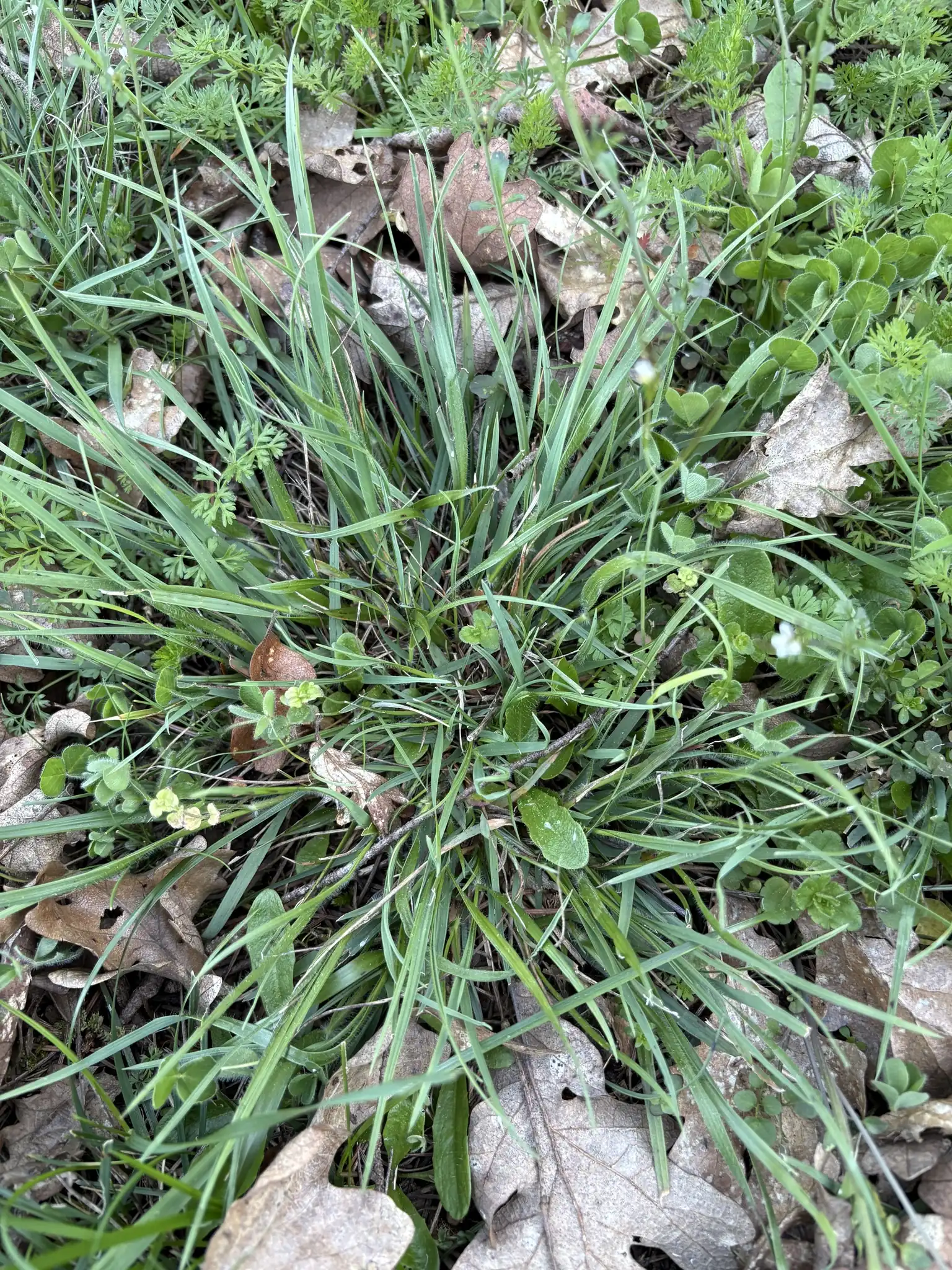
The Story
Plant Bio
Danthonia californica is a cool-season perennial bunchgrass native to western North America and southern South America, forming dense tufts of narrow, dull green leaves. The slender flowering culms bear sparse, nodding panicles with large wheat-colored spikelets and protruding reddish-purple anthers from mid-spring to mid-summer.
The species features a cleistogamous breeding system, producing self-fertilized seeds concealed within its lower leaf sheaths alongside open upper flowers. Stems disarticulate at the lower joints upon maturity, allowing lower seed units to disperse effectively across wild grasslands.
Uses & Benefits:
Essentials
At a Glance
Plant Type
Grass
Height
36"
Width
39"
Light
Full Sun, Partial Sun
Zones
4, 5, 6, 7, 8, 9, 10
Water
Low to moderate
Humidity
Tolerant of varied humidity
Lifespan
Perennial
Native To
Western North America, Central Chile
Toxicity
Non-toxic
Bloom period
Late spring – Summer
In flower about 4 months of the year
Planting
How to Grow
- Sow unstratified seed directly on soil in early spring or autumn, pressing lightly without deep burial.
- Water regularly during the initial establishment year to ensure deep root development.
- Reduce supplemental irrigation once plants form robust basal tufts.
- Trim lightly after seed release if a neat lawn appearance is required, avoiding deep cuts into old leafless crowns.
Pro Tip
Do not over-water or scalp established foliage during dry periods, as this species naturally enters a stress-deciduous phase to survive intense summer heat.
Keep It Thriving
Care Guide
Do
- Provide full sun to light shade in well-draining or seasonally damp soil.
- Allow soil to dry out moderately between waterings once plants are established.
- Keep planting beds weed-free while young plugs slowly fill in.
Don't
- Do not over-fertilize, as excess nutrients encourage floppy growth and weed competition.
- Do not cut severely back into leafless basal crowns.
- Do not leave young seedlings in standing water for prolonged summer periods.
Seasonal Care Calendar
| Task | Jan | Feb | Mar | Apr | May | Jun | Jul | Aug | Sep | Oct | Nov | Dec |
|---|---|---|---|---|---|---|---|---|---|---|---|---|
| Pest Check | ||||||||||||
| Plant | ||||||||||||
| Prune | ||||||||||||
| Spring Cleanup |
Watch Out For
Pests & Diseases
Common Pests
Common Diseases
In the Garden
Landscape Uses & Companions
Landscape Uses
Multiply
Propagation Methods
Good to Know
Common Questions
California Oatgrass questions
What zones can California Oatgrass grow in?
California Oatgrass is hardy in USDA Zones 4–10: in that range it survives winter in the ground.
Is California Oatgrass deer resistant?
Not reliably. Deer may browse California Oatgrass, especially tender spring growth — plan on repellents or fencing where pressure is high.
When does California Oatgrass bloom?
California Oatgrass typically blooms from late spring to late summer. Exact timing shifts a week or two with your zone — Sow's bloom calendar maps it to your garden.
Does California Oatgrass need full sun?
California Oatgrass does best in full sun to part shade. In hot climates, afternoon shade keeps blooms fresher longer.
Is California Oatgrass drought tolerant?
Yes — once established (usually after the first full season), California Oatgrass handles dry spells with minimal watering. Water deeply its first year to build the root system that makes that possible.
More Danthonia to compare
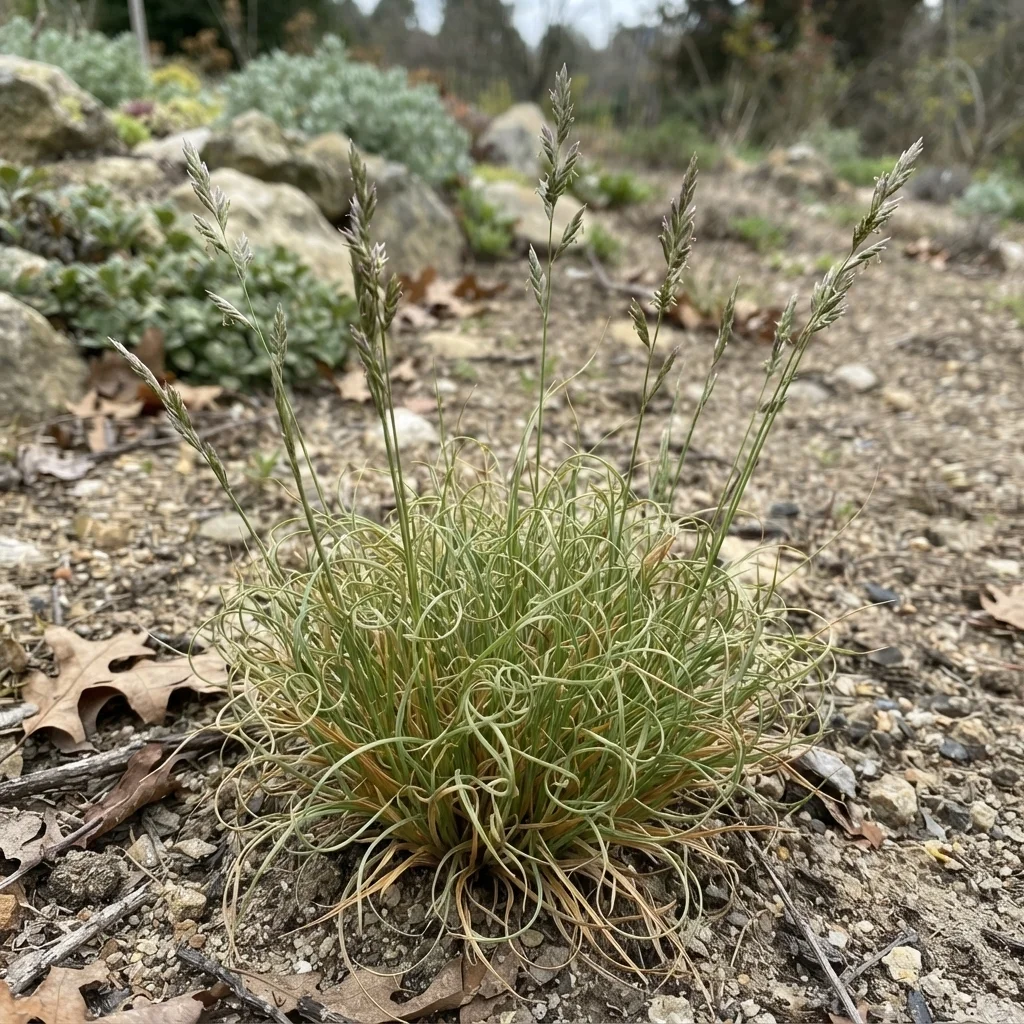
Keep exploring
Explore the genus
Grow California Oatgrass with confidence
See it in a design of your actual yard, get zone-matched care reminders, and track it season by season in your garden journal.