The Story
Plant Bio
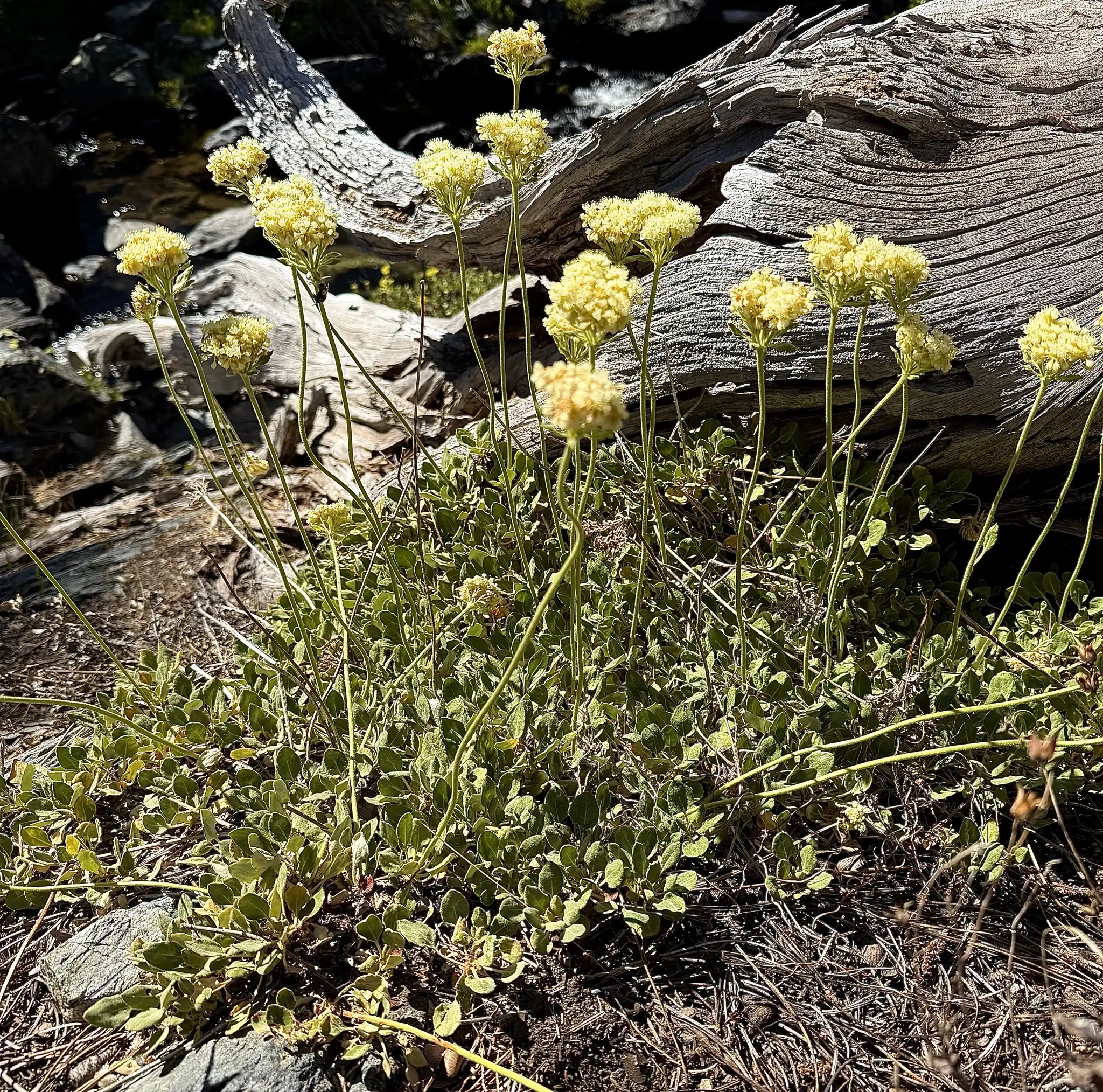
Eriogonum ursinum, Bear Valley buckwheat, is a spreading matted perennial herb growing from a woody caudex with erect flowering stems to about sixteen inches. The foliage forms low mats of thinly woolly leaves topped in summer by flat-topped clusters of white to yellow flowers.
Unlike many low buckwheats it holds its flower clusters well above the mat on stiff stems, forming mats to two feet across in cultivation. It is a northern California montane endemic of talus and Red Fir and Yellow Pine openings, distinguished by its caudex habit and drought tolerance once established.
Uses & Benefits:
Essentials
At a Glance
Plant Type
Perennial
Height
16"
Width
24"
Light
Full Sun, Partial Sun
Water
Low
Humidity
Unknown
Lifespan
Perennial
Native To
Northern California, USA
Toxicity
Unknown
Bloom period
Summer – Fall
In flower about 6 months of the year
Planting
How to Grow
- Set in full sun, with afternoon shade only in hot desert margins.
- Plant in lean, very fast-draining gritty soil with the crown slightly high.
- Water deeply once a week until established.
- Withhold extra water once rooted; established mats take very low water.
- Leave spent heads for seed or trim to the mat after bloom.
Pro Tip
Plant high in gritty, fast-draining soil in full sun and water once a week only until rooted, then withhold summer water; winter wet around the crown rots the caudex.
Keep It Thriving
Care Guide
Do
- Plant in sharp drainage on a slope or raised pocket.
- Give full sun for tight mats and upright bloom.
- Water weekly only until established.
Don't
- Do not plant in clay or low spots that stay wet.
- Do not overwater in summer once established.
- Do not bury the woody caudex.
Seasonal Care Calendar
| Task | Jan | Feb | Mar | Apr | May | Jun | Jul | Aug | Sep | Oct | Nov | Dec |
|---|---|---|---|---|---|---|---|---|---|---|---|---|
| Deadhead | ||||||||||||
| Mulch | ||||||||||||
| Pest Check | ||||||||||||
| Plant |
Watch Out For
Pests & Diseases
Common Pests
Common Diseases
In the Garden
Landscape Uses & Companions
Landscape Uses
Multiply
Propagation Methods
Good to Know
Common Questions
Bear Valley Buckwheat questions
When does Bear Valley Buckwheat bloom?
Bear Valley Buckwheat typically blooms from summer to fall. Exact timing shifts a week or two with your zone — Sow's bloom calendar maps it to your garden.
Does Bear Valley Buckwheat need full sun?
Bear Valley Buckwheat does best in full sun to part shade. In hot climates, afternoon shade keeps blooms fresher longer.
Is Bear Valley Buckwheat drought tolerant?
Yes — once established (usually after the first full season), Bear Valley Buckwheat handles dry spells with minimal watering. Water deeply its first year to build the root system that makes that possible.
More Eriogonum to compare
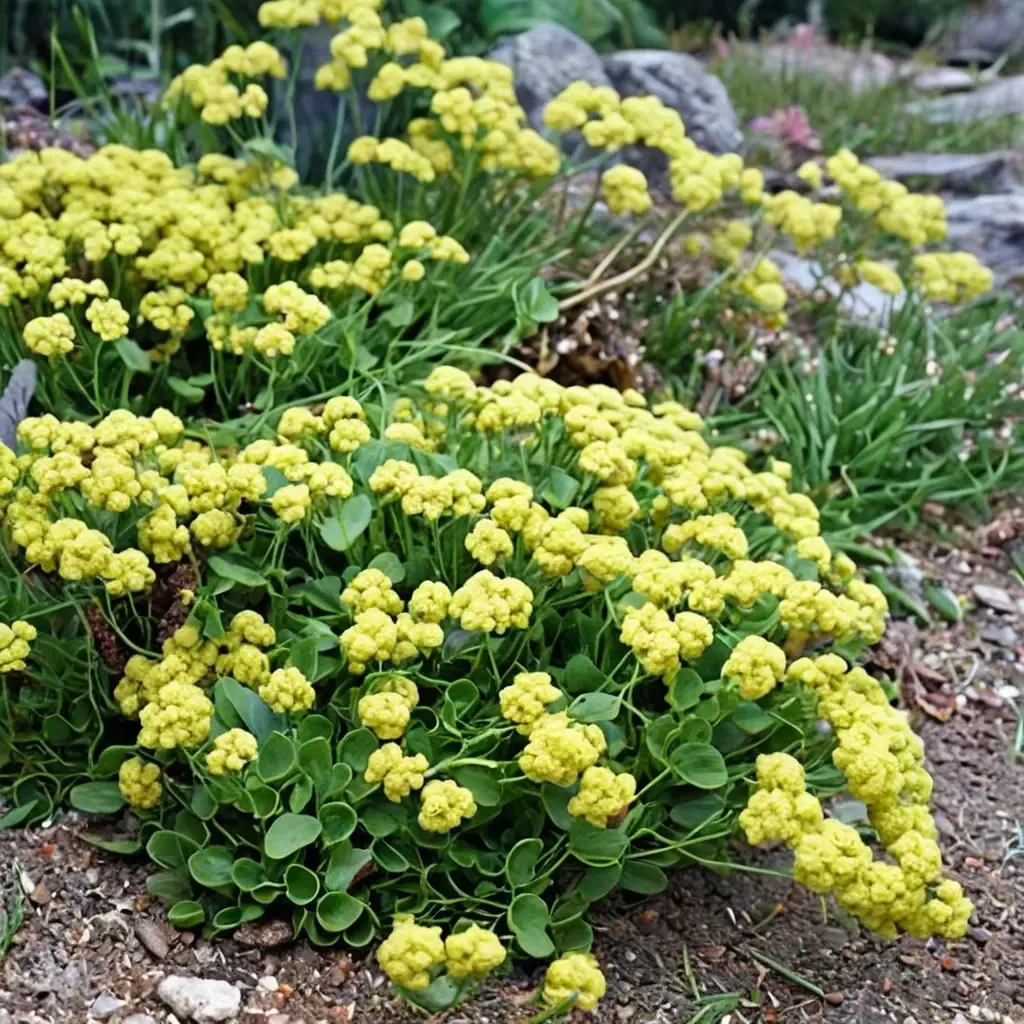
Golden Buckwheat
Eriogonum umbellatum 'aureum'
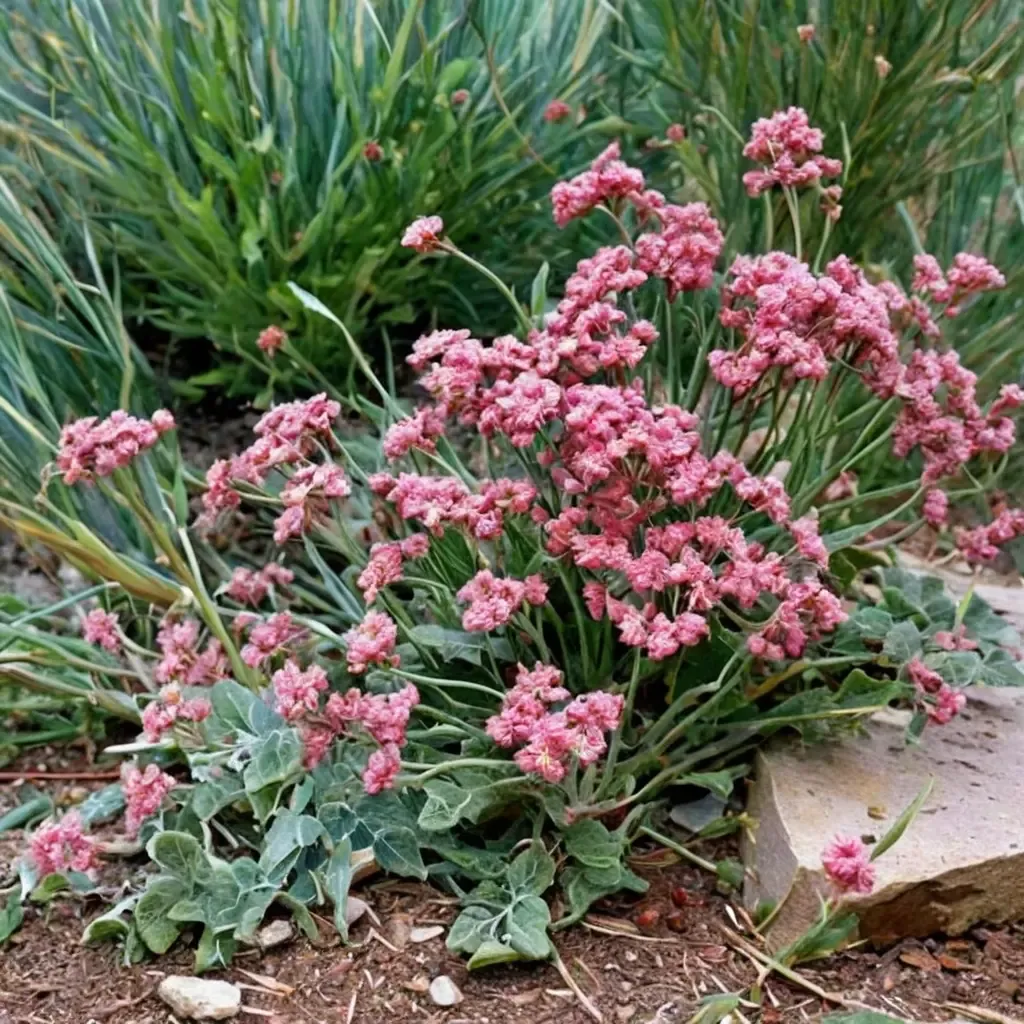
Red Buckwheat
Eriogonum grande 'rubescens'
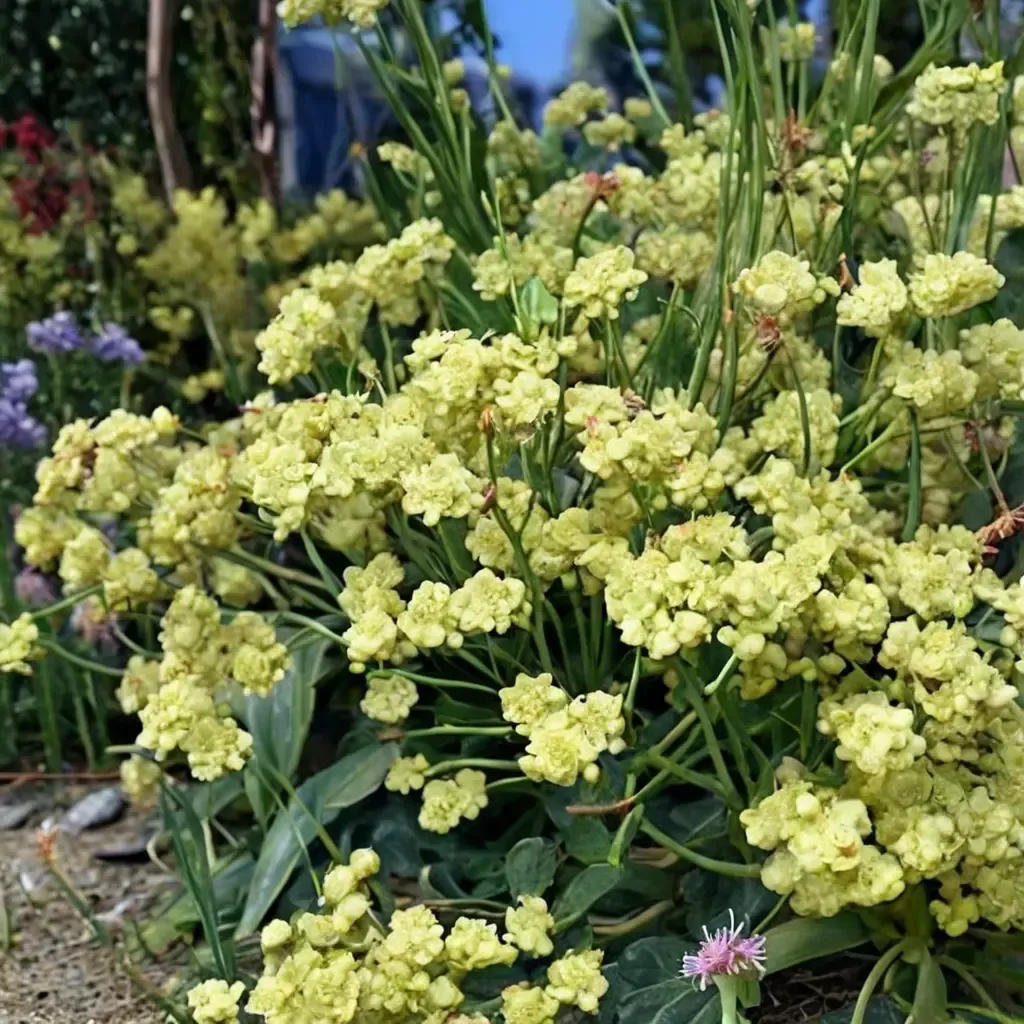
Ella Nelson's Yellow Buckwheat
Eriogonum nudum 'Ella Nelson's Yellow'
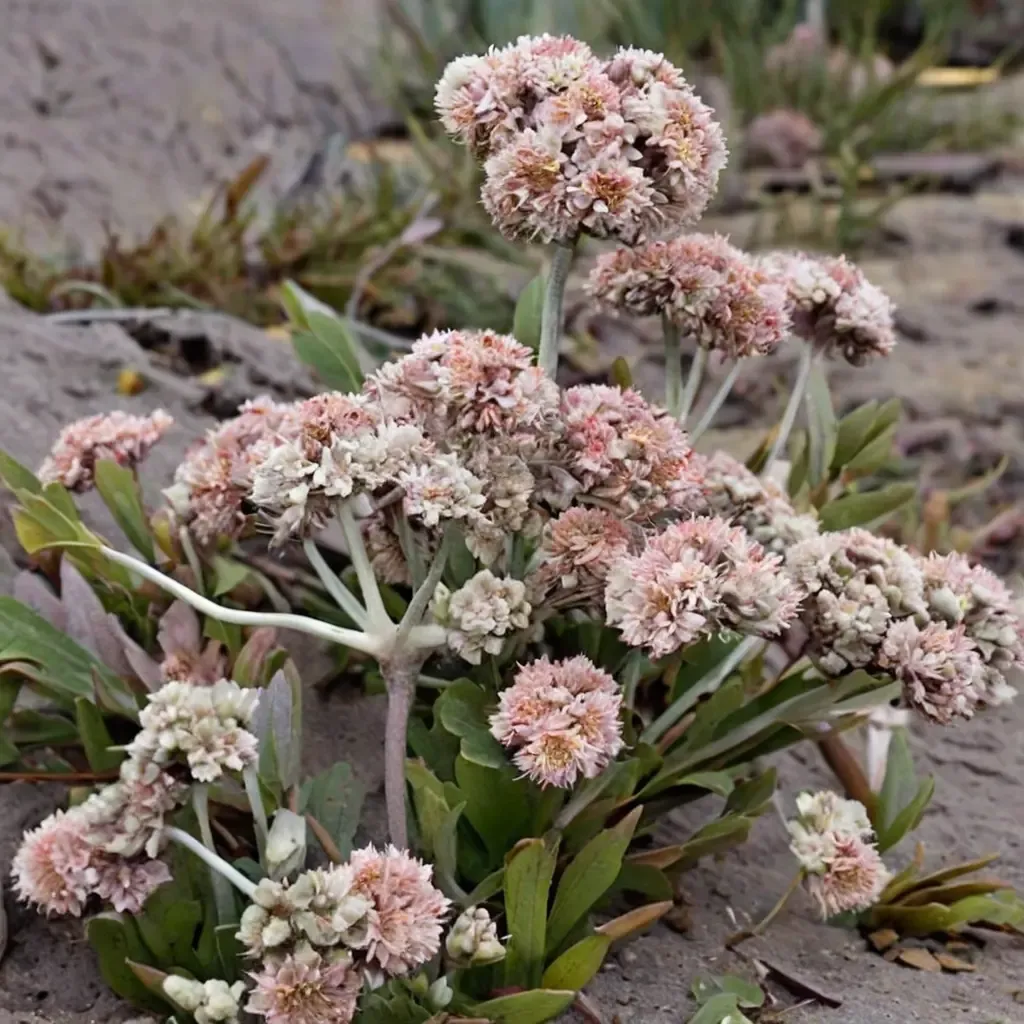
Broadleaf Buckwheat
Eriogonum latifolium
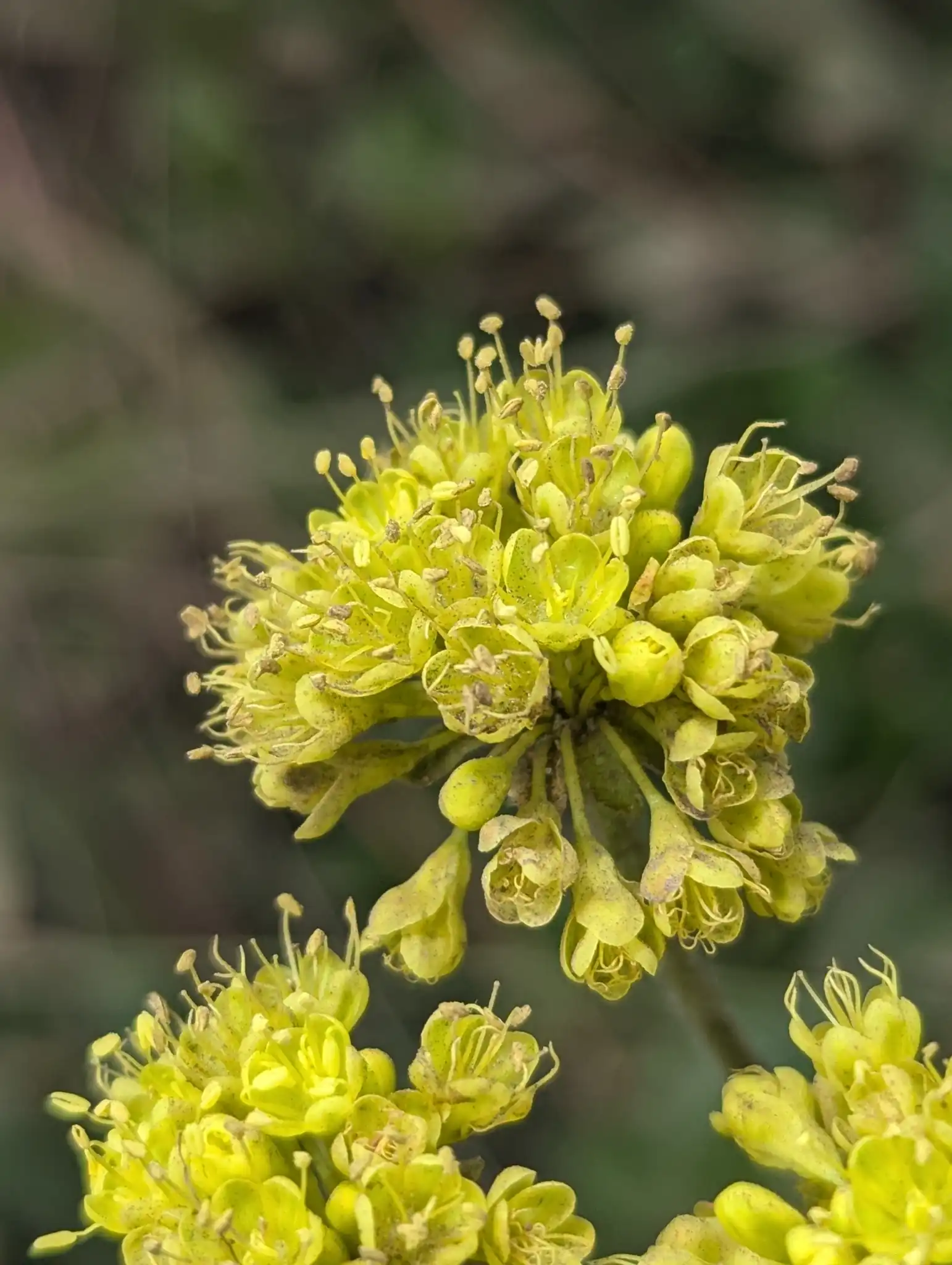
Sulphur Buckwheat
Eriogonum umbellatum
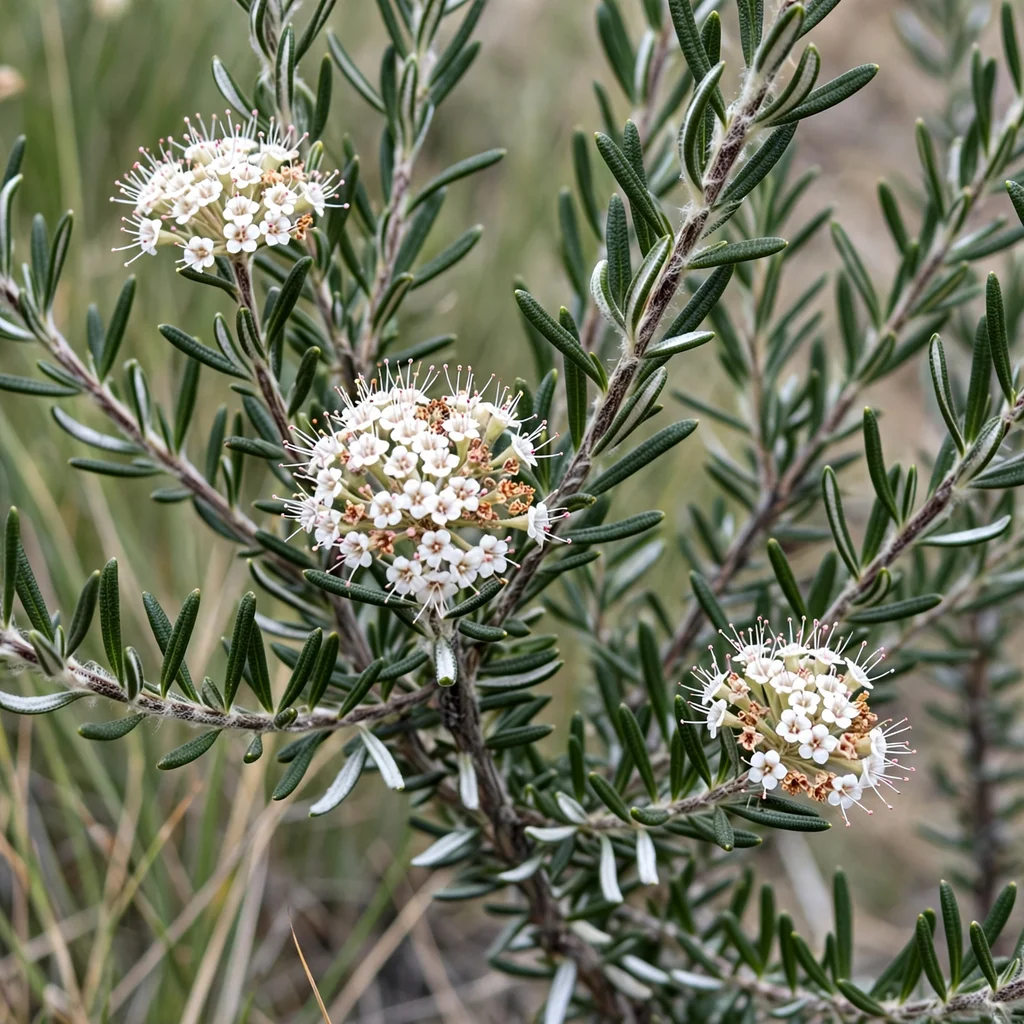
California Buckwheat
Eriogonum fasciculatum
Keep exploring
Explore the genus
Grow Bear Valley Buckwheat with confidence
See it in a design of your actual yard, get zone-matched care reminders, and track it season by season in your garden journal.