The Story
Plant Bio
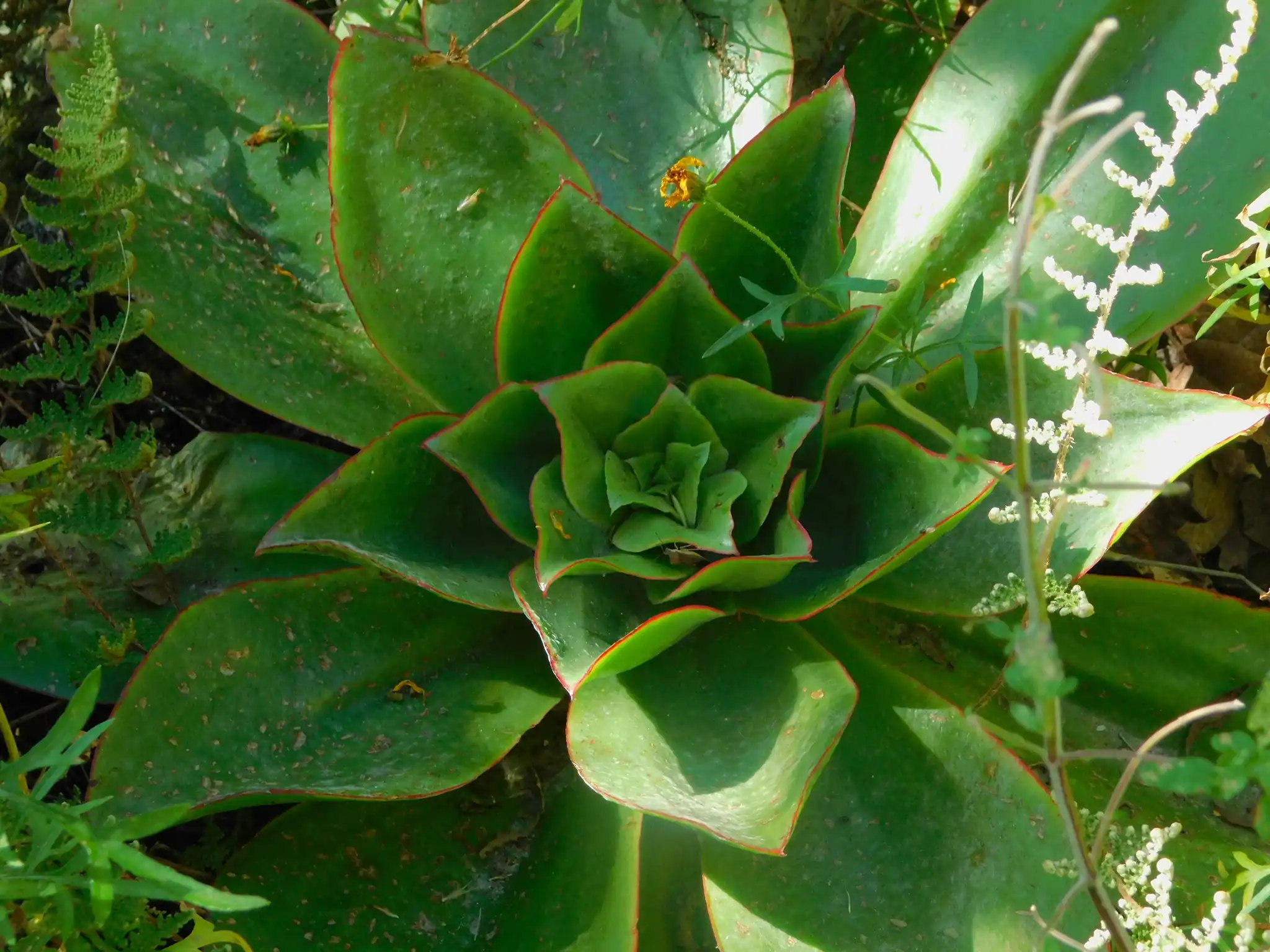
Echeveria subrigida is a stemless glaucous succulent from ledges, cliffs and dry shrubland in central Mexico, forming a solitary to clustering rosette a foot tall and up to two feet wide. Leaves are thick and water-storing with a waxy bloom that slows water loss, and roots are shallow and require lean, fast-draining soil.
Leaves are large, obovate and deeply channeled, pale blue-green tinged lavender-purple with a wavy margin that turns scarlet to pink-red on new growth in bright sun. One to two erect powdery stalks to a foot tall carry short rigid branches of tubular coral-pink flowers with orange throats in late spring to summer.
Uses & Benefits:
Essentials
At a Glance
Plant Type
Cactus Succulent
Height
12"
Width
18"
Light
Full Sun, Partial Sun
Zones
9, 10
Water
Low
Humidity
Low, needs air movement
Lifespan
Perennial
Native To
Mexico
Toxicity
Unknown - conflicting reports
Bloom period
Late spring – Summer
In flower about 4 months of the year
Planting
How to Grow
- Plant in full sun to part shade after last frost, in gritty cactus mix or amended sandy loam that drains instantly.
- Set the crown above soil level and top with gravel to keep leaves dry.
- Water deeply only when soil is fully dry, keeping water out of the rosette.
- Shelter from hard freeze; move pots indoors and keep nearly dry at 41-50F through winter.
Pro Tip
Water the soil, never the rosette; water sitting in the crown rots the stem.
Keep It Thriving
Care Guide
Do
- Give full sun for compact growth and strong margin color.
- Use a lean, gritty mix and a pot with drainage.
- Provide air movement and keep the crown dry.
Don't
- Do not overwater or let the plant sit in standing water.
- Do not water into the rosette.
- Do not cut back annually; remove only spent stalks and dead leaves.
Seasonal Care Calendar
| Task | Jan | Feb | Mar | Apr | May | Jun | Jul | Aug | Sep | Oct | Nov | Dec |
|---|---|---|---|---|---|---|---|---|---|---|---|---|
| Deadhead | ||||||||||||
| Pest Check | ||||||||||||
| Plant | ||||||||||||
| Propagate | ||||||||||||
| Winter Prep |
Watch Out For
Pests & Diseases
Common Pests
Common Diseases
In the Garden
Landscape Uses & Companions
Landscape Uses
Multiply
Propagation Methods
Good to Know
Common Questions
Red Edge Echeveria questions
What zones can Red Edge Echeveria grow in?
Red Edge Echeveria is hardy in USDA Zones 9–10: in that range it survives winter in the ground. Colder than Zone 9, grow it in a container you can move to shelter for the winter, or as an annual.
When does Red Edge Echeveria bloom?
Red Edge Echeveria typically blooms from late spring to late summer. Exact timing shifts a week or two with your zone — Sow's bloom calendar maps it to your garden.
Does Red Edge Echeveria need full sun?
Red Edge Echeveria does best in full sun to part shade. In hot climates, afternoon shade keeps blooms fresher longer.
Is Red Edge Echeveria drought tolerant?
Yes — once established (usually after the first full season), Red Edge Echeveria handles dry spells with minimal watering. Water deeply its first year to build the root system that makes that possible.
More Echeveria to compare
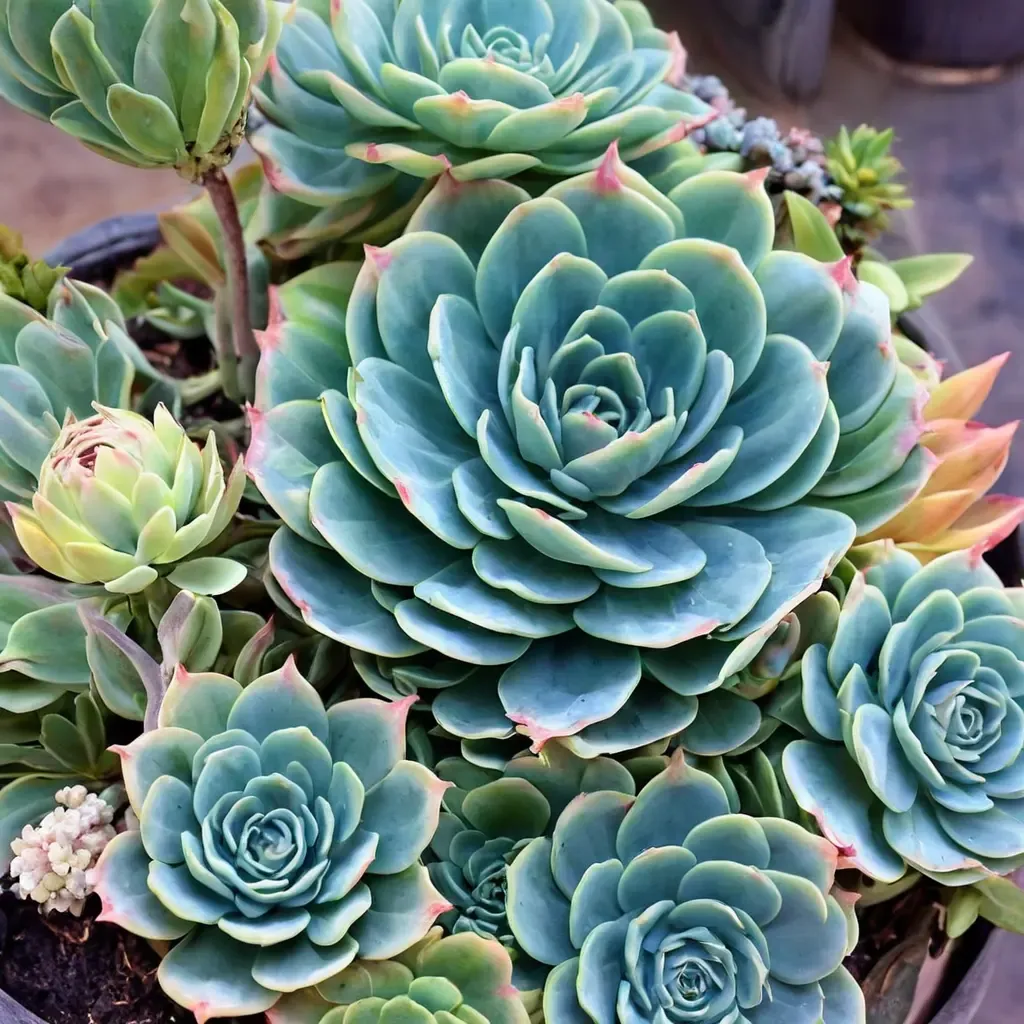
Blue Rose Echeveria
Echeveria imbricata
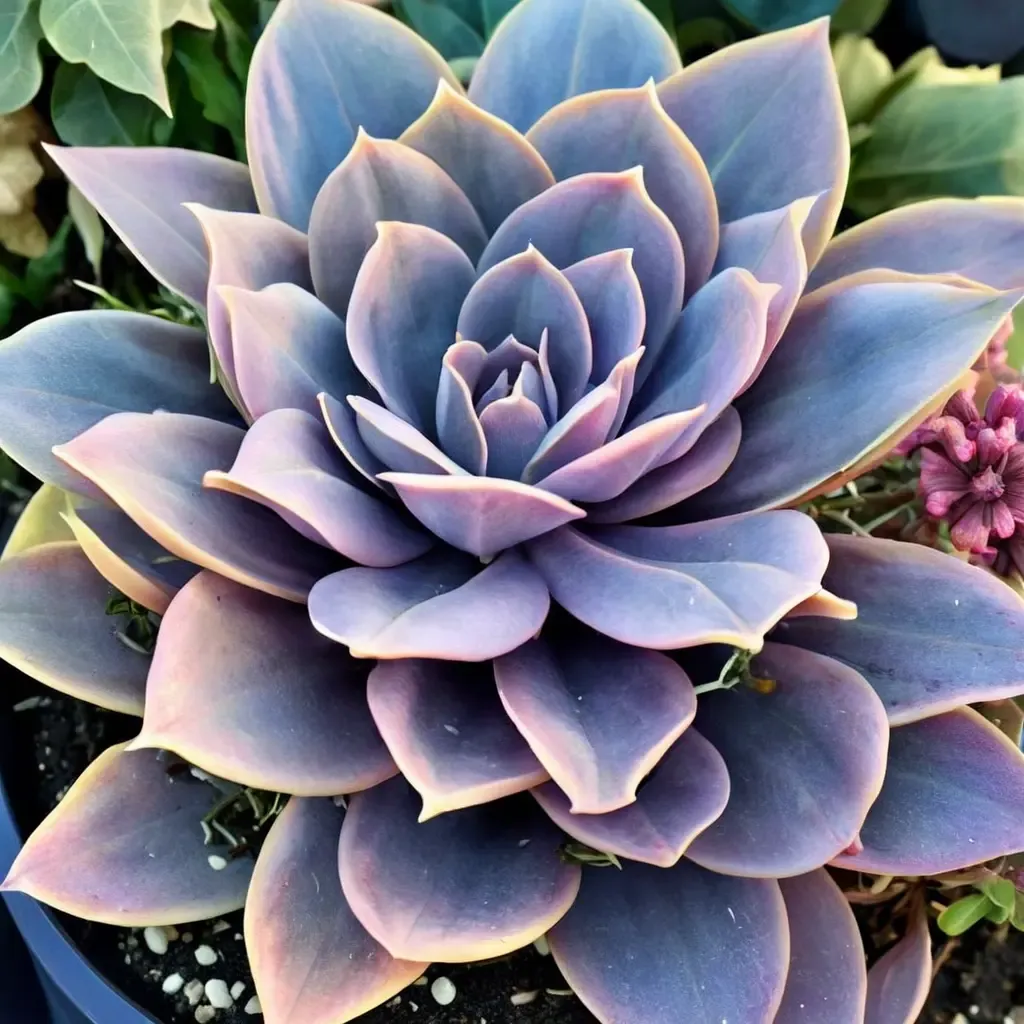
Perle Von Nurnberg
Echeveria secunda 'Perle Von Nurnberg'
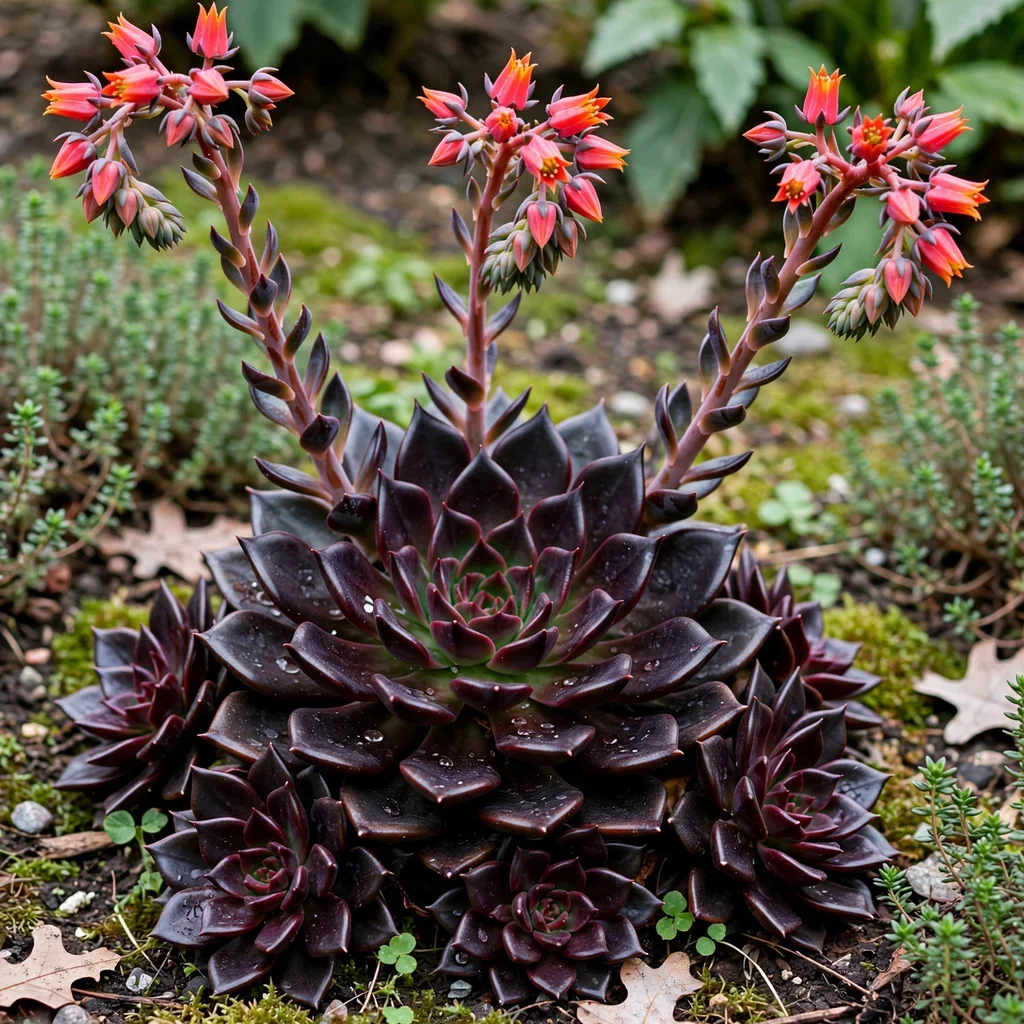
Echeveria Black Prince
Echeveria secunda 'Black Prince'
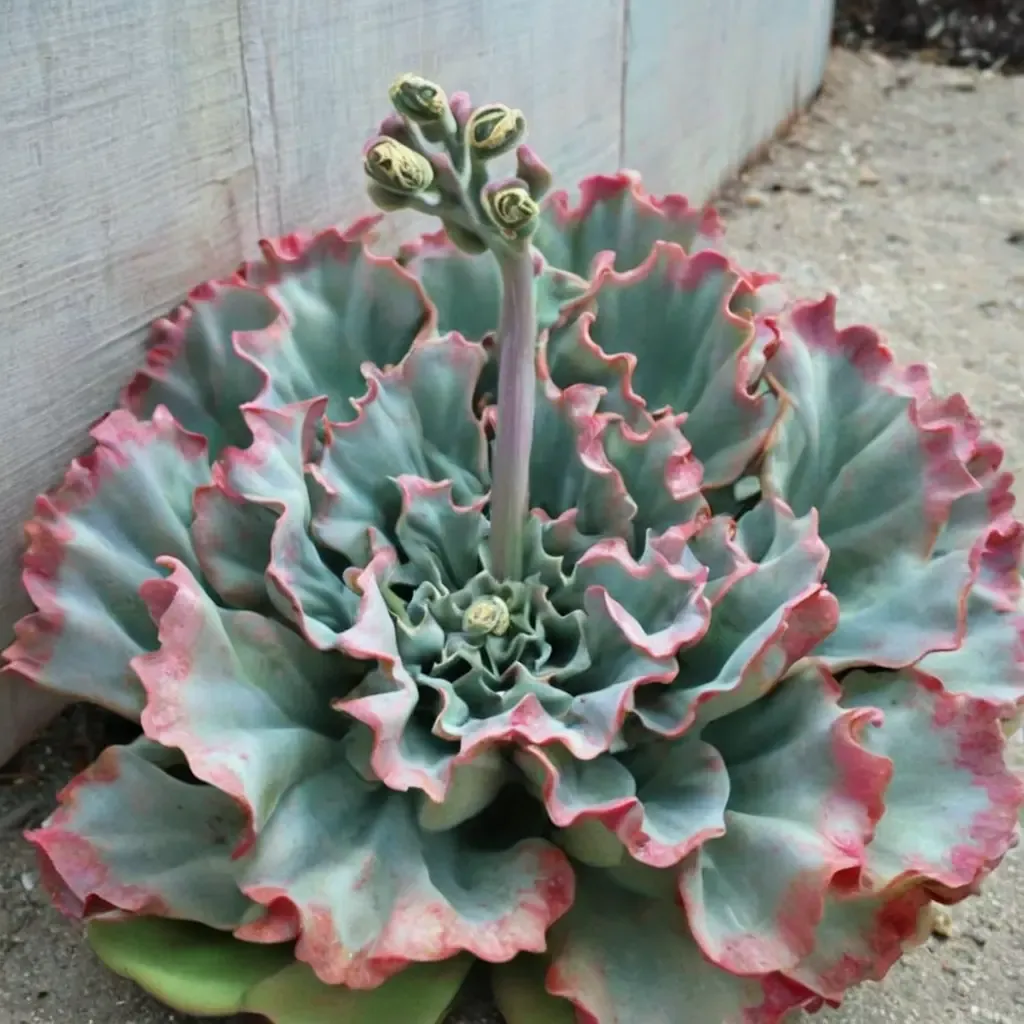
Lady Aquarius Echeveria
Echeveria gibbiflora 'Lady Aquarius'
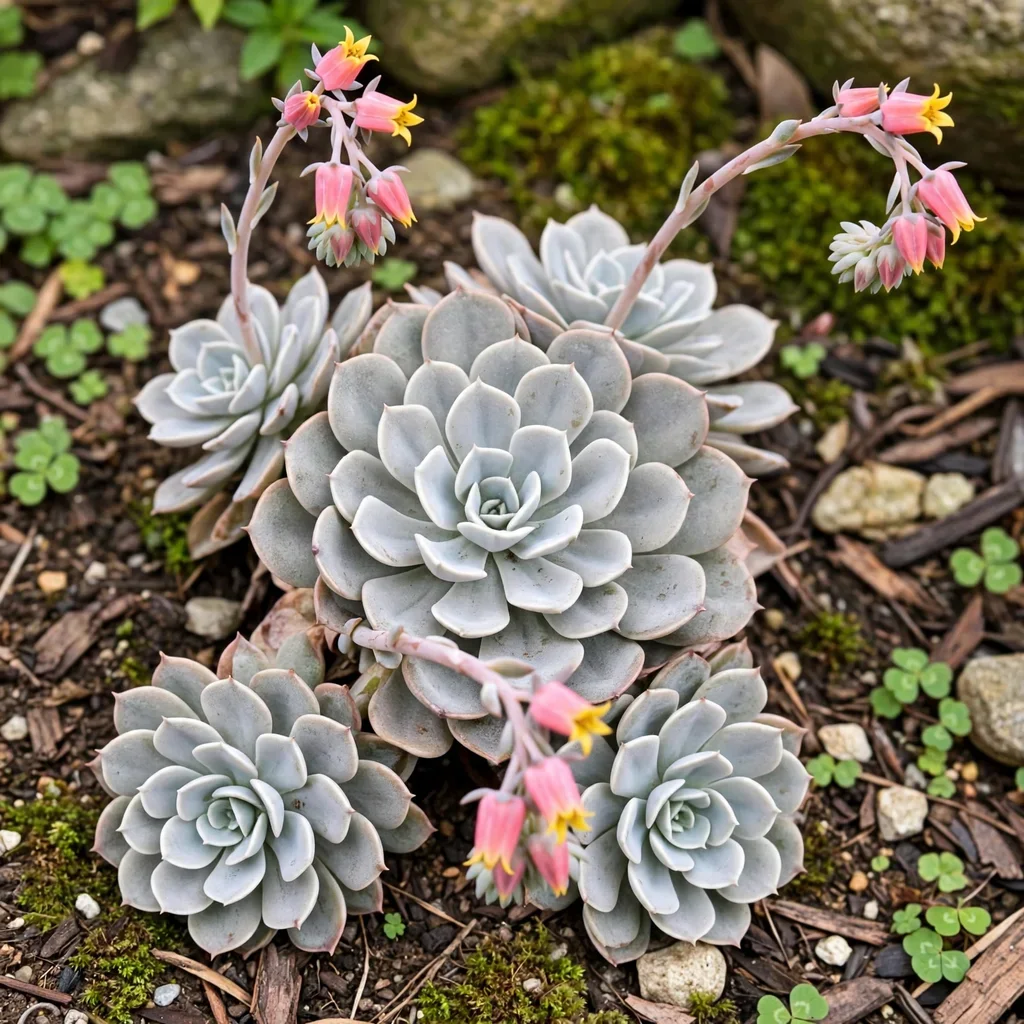
Mexican Snowball
Echeveria elegans
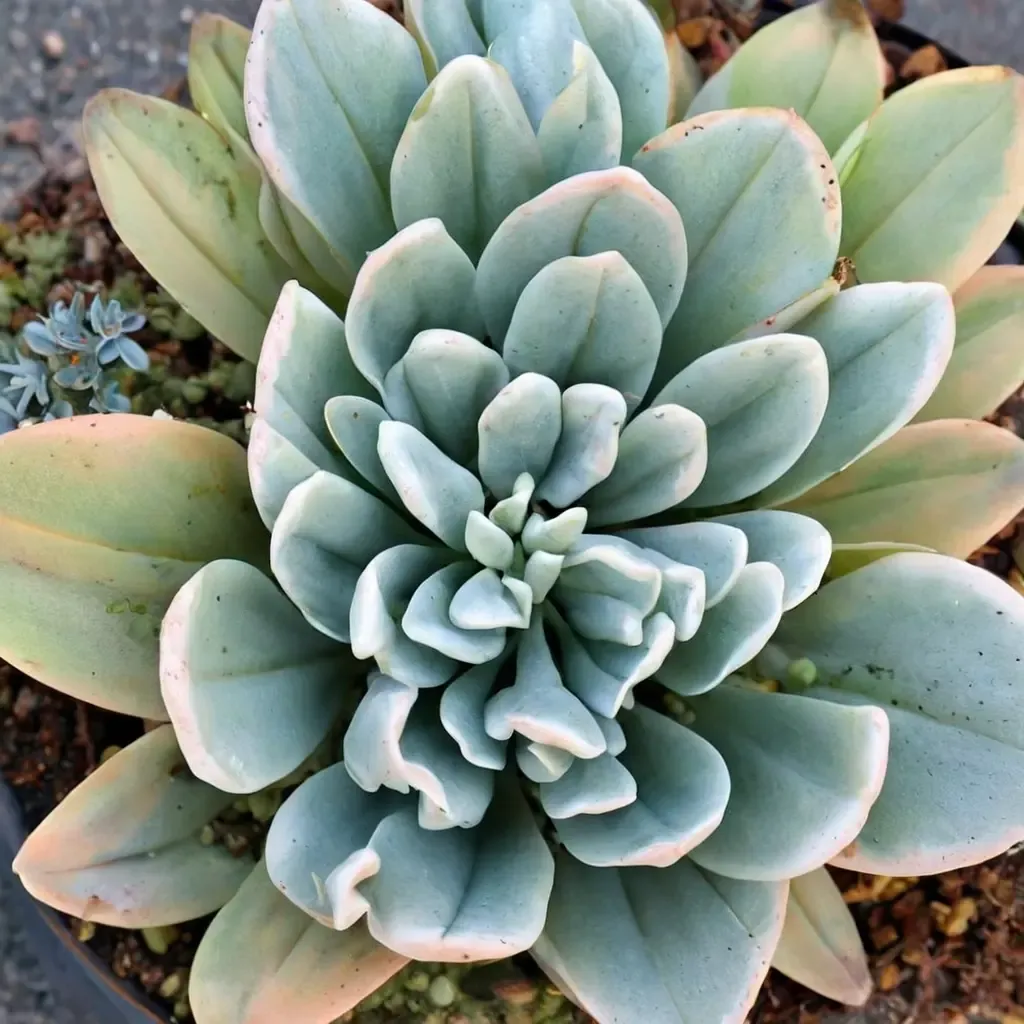
Caribbean Echeveria Echeveria Caribbean
Echeveria runyonii 'Caribbean'
Keep exploring
Explore the genus
Hardy in your zone?
Grow Red Edge Echeveria with confidence
See it in a design of your actual yard, get zone-matched care reminders, and track it season by season in your garden journal.