The Story
Plant Bio
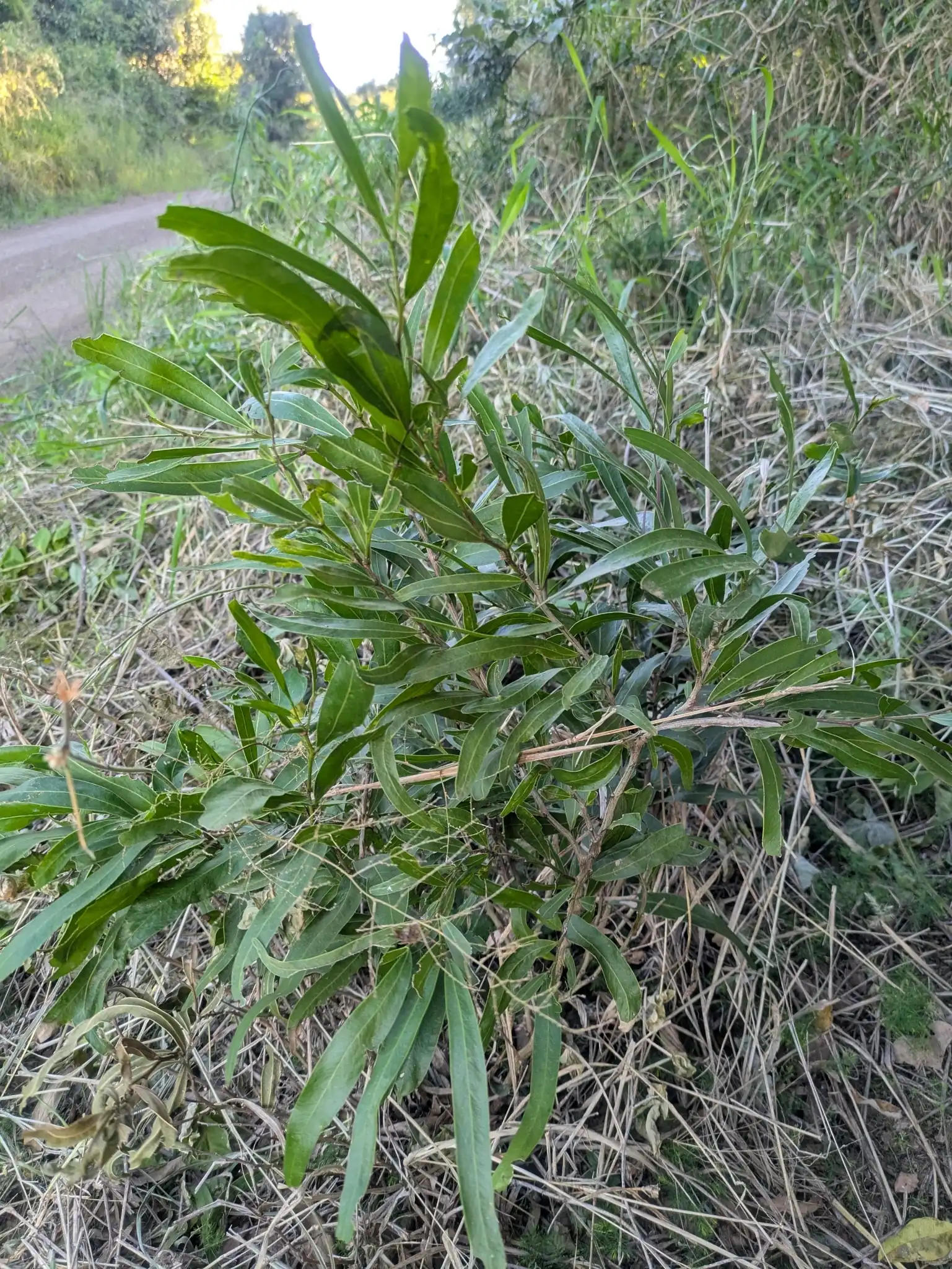
Acacia fasciculifera, commonly called scrub ironbark, is an evergreen tree native to Queensland that reaches thirty to sixty feet in height with a dense canopy. Its leathery foliage consists of narrowly oblong to elliptic phyllodes up to six inches long with prominent midribs.
During summer, the canopy produces sweet-scented, cream-colored floral spheres arranged in small axillary clusters. It develops a clear central trunk in sheltered forest soils but forms a lower, crooked canopy on exposed or poor sites.
Uses & Benefits:
Essentials
At a Glance
Plant Type
Tree
Height
590"
Width
240"
Light
Full Sun, Partial Sun
Zones
9, 10
Water
Low to moderate
Humidity
High
Lifespan
Perennial
Native To
Australia (Queensland)
Toxicity
Non-toxic
Bloom period
Summer
In flower about 3 months of the year
Planting
How to Grow
- Select a planting site receiving full sun to light partial shade with sharply draining soil.
- Dig a hole twice as wide as the root ball and equal in depth, keeping the root collar level with the surrounding soil.
- Water deeply at planting to settle soil around the root system, avoiding waterlogged conditions.
- Apply a light layer of organic mulch around the root zone, keeping it clear of the main trunk.
Pro Tip
Avoid cutting back into old, leafless woody stems, as epicormic buds fail to break reliably on mature wood.
Keep It Thriving
Care Guide
Do
- Plant in sharply draining sandy or loamy soils.
- Provide deep, infrequent waterings while young to encourage deep root establishment.
- Lightly tip-pruning young growth to promote canopy density.
Don't
- Do not prune hard into mature leafless wood.
- Do not plant in heavy, poorly drained clay soils that collect standing water.
- Do not over-fertilize with heavy nitrogen products.
Seasonal Care Calendar
| Task | Jan | Feb | Mar | Apr | May | Jun | Jul | Aug | Sep | Oct | Nov | Dec |
|---|---|---|---|---|---|---|---|---|---|---|---|---|
| Fertilize | ||||||||||||
| Mulch | ||||||||||||
| Pest Check | ||||||||||||
| Prune |
Watch Out For
Pests & Diseases
Common Pests
Common Diseases
In the Garden
Landscape Uses & Companions
Landscape Uses
Companion Plants
Multiply
Propagation Methods
Good to Know
Common Questions
Scrub Ironbark questions
What zones can Scrub Ironbark grow in?
Scrub Ironbark is hardy in USDA Zones 9–10: in that range it survives winter in the ground. Colder than Zone 9, winters are too cold for it to survive outdoors.
When does Scrub Ironbark bloom?
Scrub Ironbark typically blooms in summer. Exact timing shifts a week or two with your zone — Sow's bloom calendar maps it to your garden.
Does Scrub Ironbark need full sun?
Scrub Ironbark does best in full sun to part shade. In hot climates, afternoon shade keeps blooms fresher longer.
Is Scrub Ironbark drought tolerant?
Yes — once established (usually after the first full season), Scrub Ironbark handles dry spells with minimal watering. Water deeply its first year to build the root system that makes that possible.
More Acacia to compare
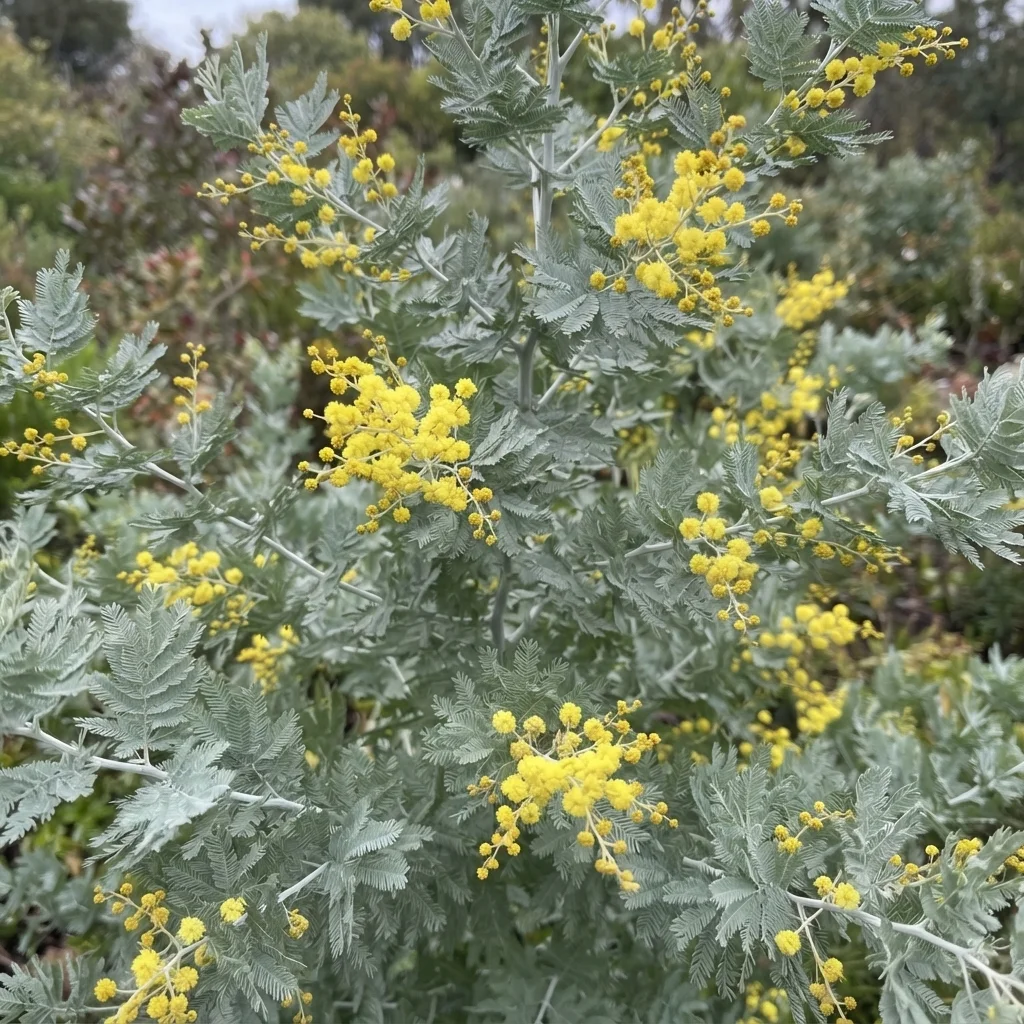
Silver wattle
Acacia dealbata
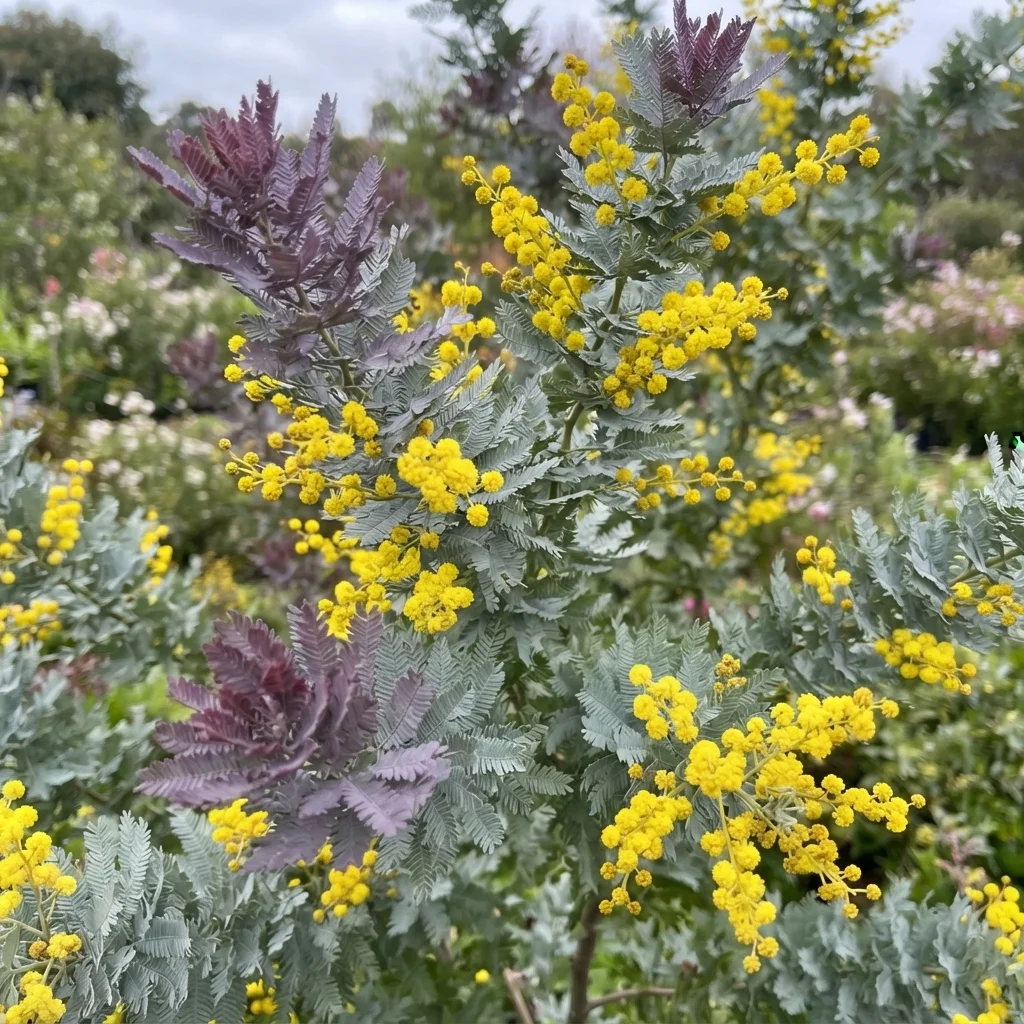
Cootamundra Wattle 'Purpurea'
Acacia baileyana 'Purpurea'
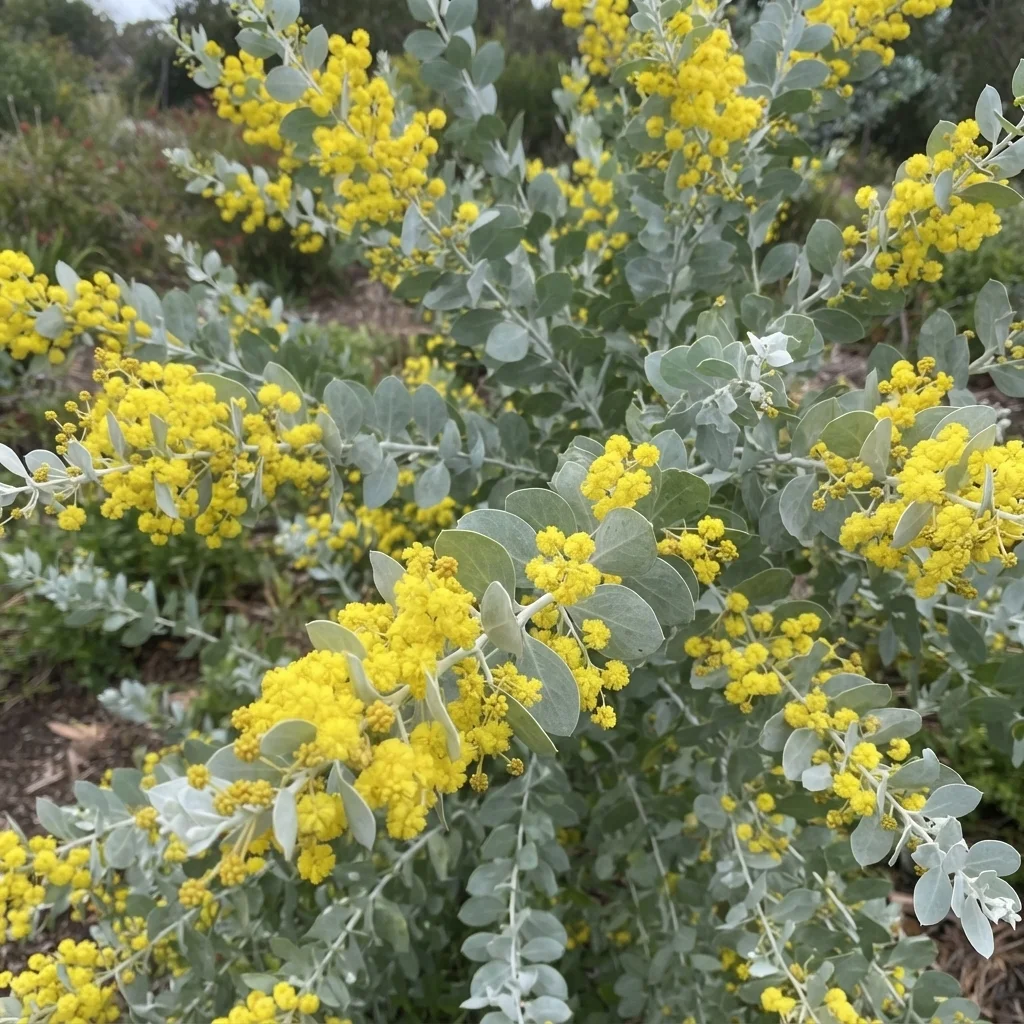
Pearl Acacia
Acacia podalyriifolia
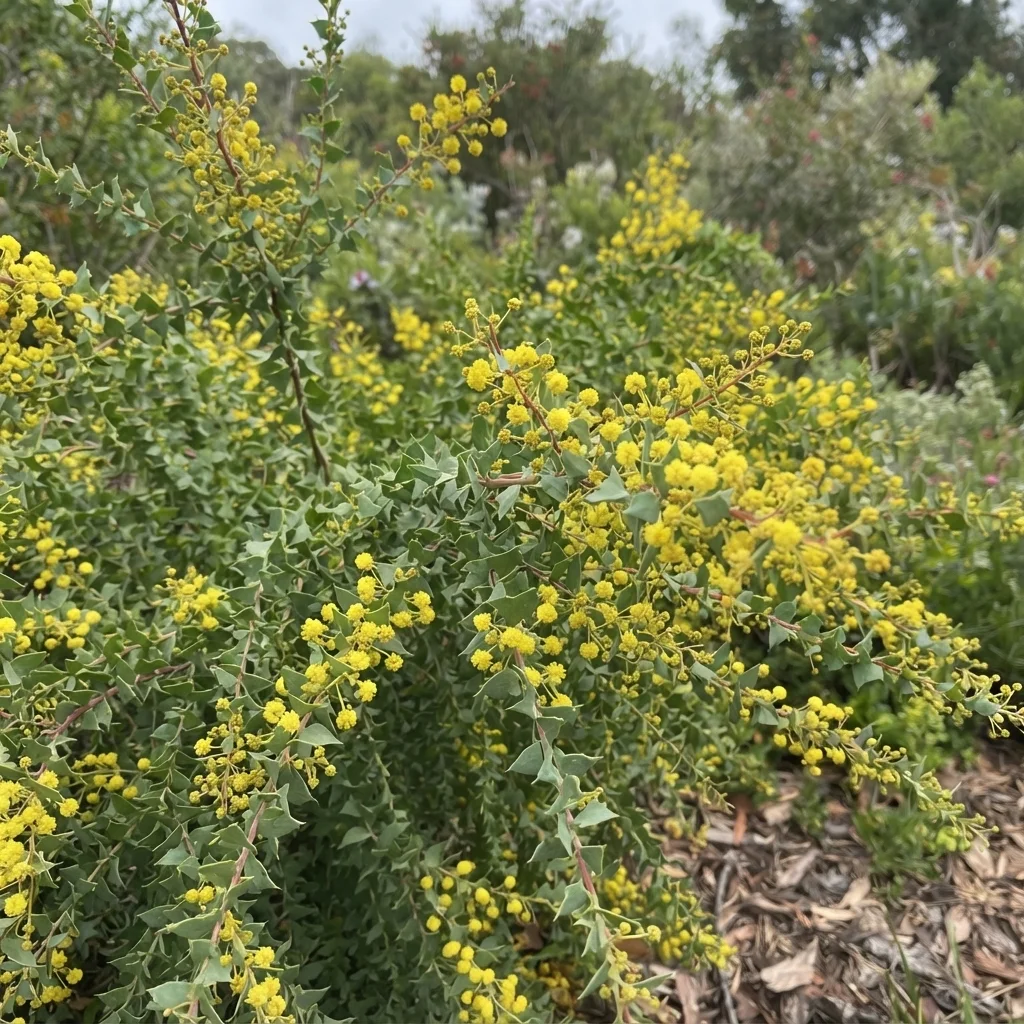
Ovens Wattle
Acacia pravissima
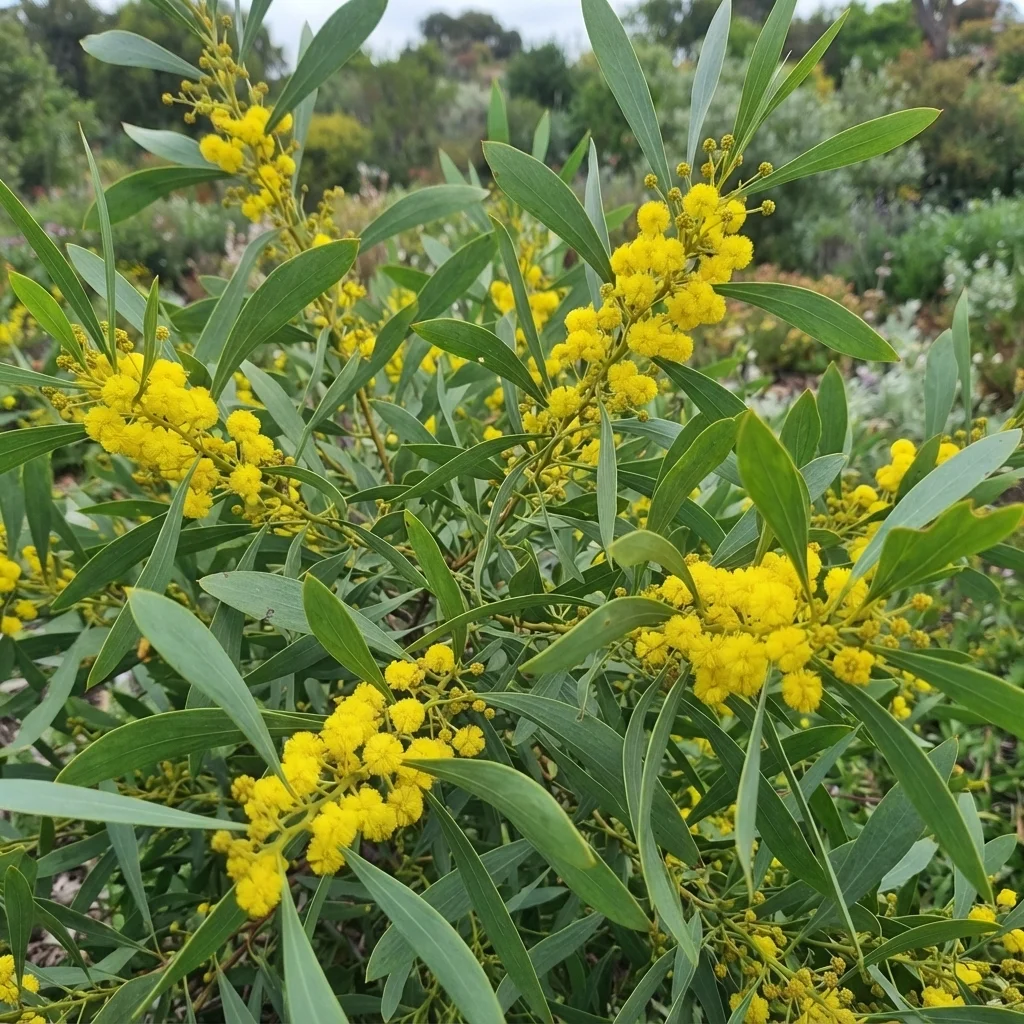
Golden Wreath Wattle
Acacia saligna
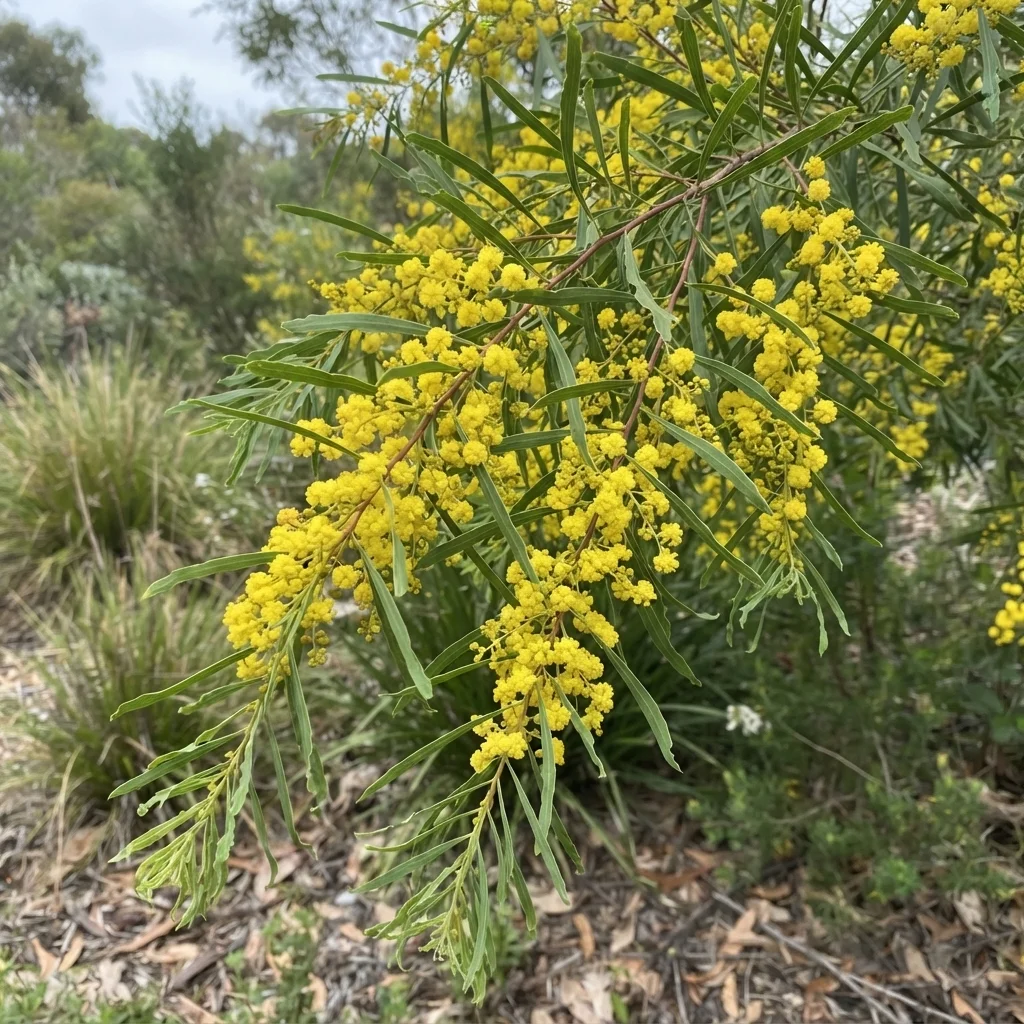
Fringed Wattle
Acacia fimbriata
Keep exploring
Explore the genus
Hardy in your zone?
Grow Scrub Ironbark with confidence
See it in a design of your actual yard, get zone-matched care reminders, and track it season by season in your garden journal.