The Story
Plant Bio
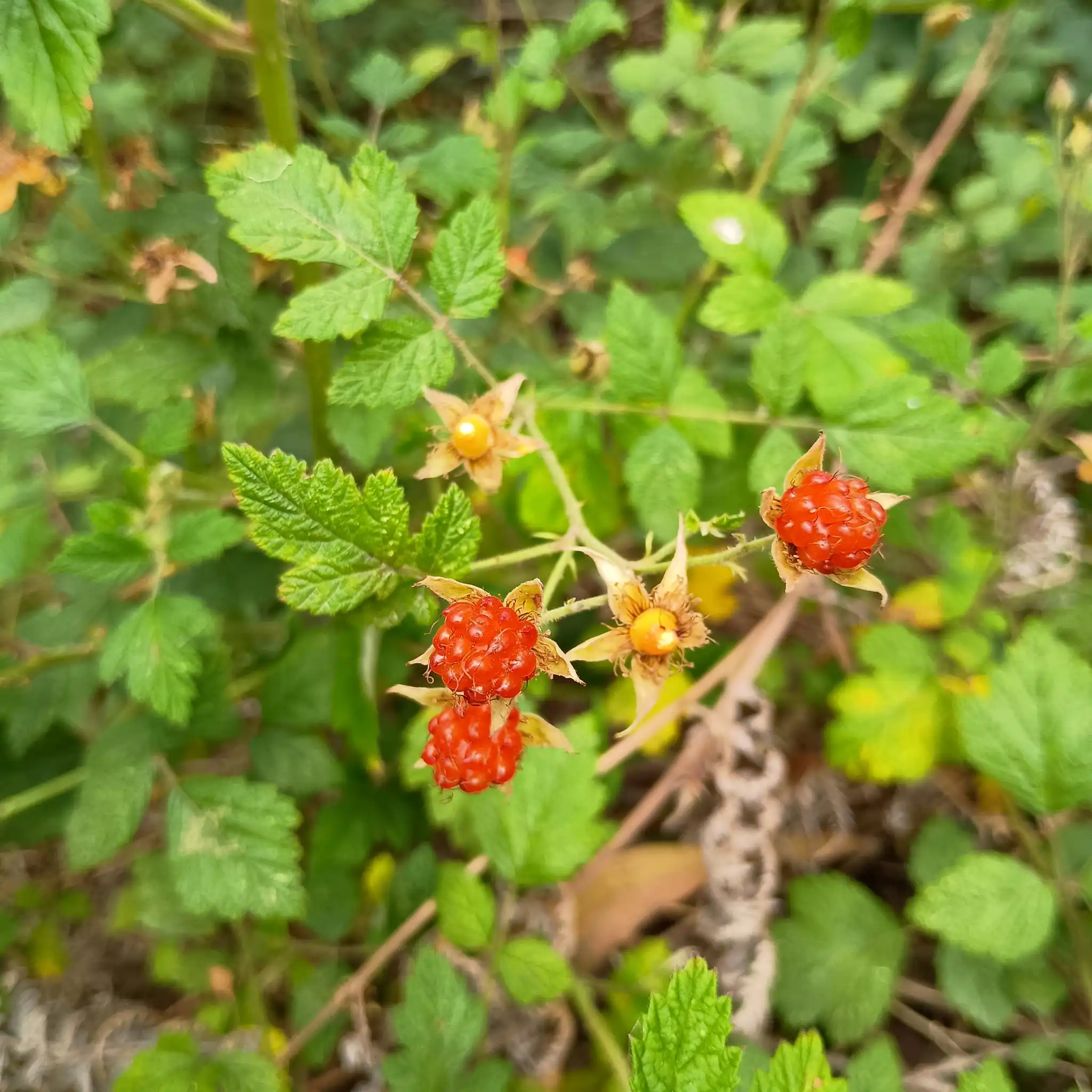
Rubus parvifolius is a scrambling deciduous shrub with flexible, prickle-armed stems that arch and root where tip nodes meet the soil. The small compound leaves are dark green and wrinkled on top with a dense, white-felted underside, paired with short clusters of small pinkish-red flowers.
Unlike commercial cane fruits, this species develops a low, spreading habit suited to bank stabilization and woodland edge naturalizing. Its frilly pink petals barely open, giving way to edible, shiny red fruits that ripen through midsummer.
Uses & Benefits:
Essentials
At a Glance
Plant Type
Shrub
Height
79"
Width
79"
Light
Full Sun, Partial Sun
Zones
6, 7, 8, 9
Water
Low to Moderate
Humidity
Moderate
Lifespan
Perennial
Native To
Eastern Asia, Australia
Toxicity
Non-toxic
Bloom period
Late spring – Late summer
In flower about 4 months of the year
Planting
How to Grow
- Select a planting location in full sun to partial shade with moist, well-drained soil.
- Dig a hole twice as wide as the root system and set the plant at its original container depth.
- Backfill with native soil, firm down gently, and water thoroughly to settle the roots.
- Apply a two-inch layer of organic mulch around the base to retain soil moisture and discourage weeds.
Pro Tip
Cut old fruiting canes back to ground level immediately after harvest to keep the plant vigorous and prevent tangled, leafless thickets.
Keep It Thriving
Care Guide
Do
- Prune spent fruiting stems to the ground annually after harvesting.
- Provide full sun to partial shade to encourage optimum flower and fruit production.
Don't
- Do not allow dead, woody stems to accumulate without pruning.
- Do not plant in poorly drained or chronically waterlogged soils.
Seasonal Care Calendar
| Task | Jan | Feb | Mar | Apr | May | Jun | Jul | Aug | Sep | Oct | Nov | Dec |
|---|---|---|---|---|---|---|---|---|---|---|---|---|
| Fertilize | ||||||||||||
| Mulch | ||||||||||||
| Pest Check | ||||||||||||
| Prune |
Watch Out For
Pests & Diseases
Common Pests
Common Diseases
In the Garden
Landscape Uses & Companions
Landscape Uses
Multiply
Propagation Methods
Good to Know
Common Questions
Japanese Raspberry questions
What zones can Japanese Raspberry grow in?
Japanese Raspberry is hardy in USDA Zones 6–9: in that range it survives winter in the ground. Colder than Zone 6, grow it in a container you can move to shelter for the winter. Warmer than Zone 9, winter isn't the problem: it prefers colder winters, and summer heat can shorten its life.
Is Japanese Raspberry deer resistant?
Not reliably. Deer may browse Japanese Raspberry, especially tender spring growth — plan on repellents or fencing where pressure is high.
When does Japanese Raspberry bloom?
Japanese Raspberry typically blooms from late spring to late summer. Exact timing shifts a week or two with your zone — Sow's bloom calendar maps it to your garden.
Does Japanese Raspberry need full sun?
Japanese Raspberry does best in full sun to part shade. In hot climates, afternoon shade keeps blooms fresher longer.
Is Japanese Raspberry drought tolerant?
Yes — once established (usually after the first full season), Japanese Raspberry handles dry spells with minimal watering. Water deeply its first year to build the root system that makes that possible.
More Rubus to compare
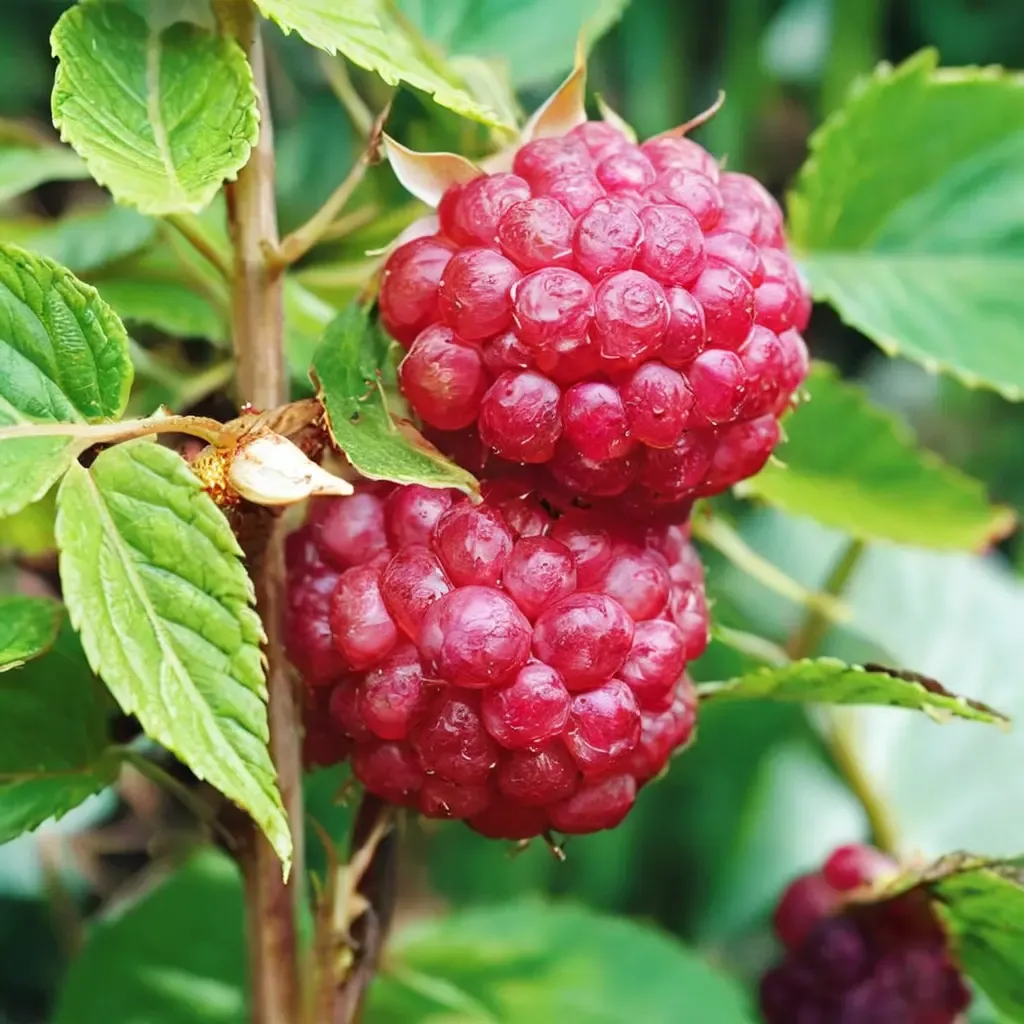
Mammoth Red Raspberry
Rubus idaeus 'Mammoth Red'
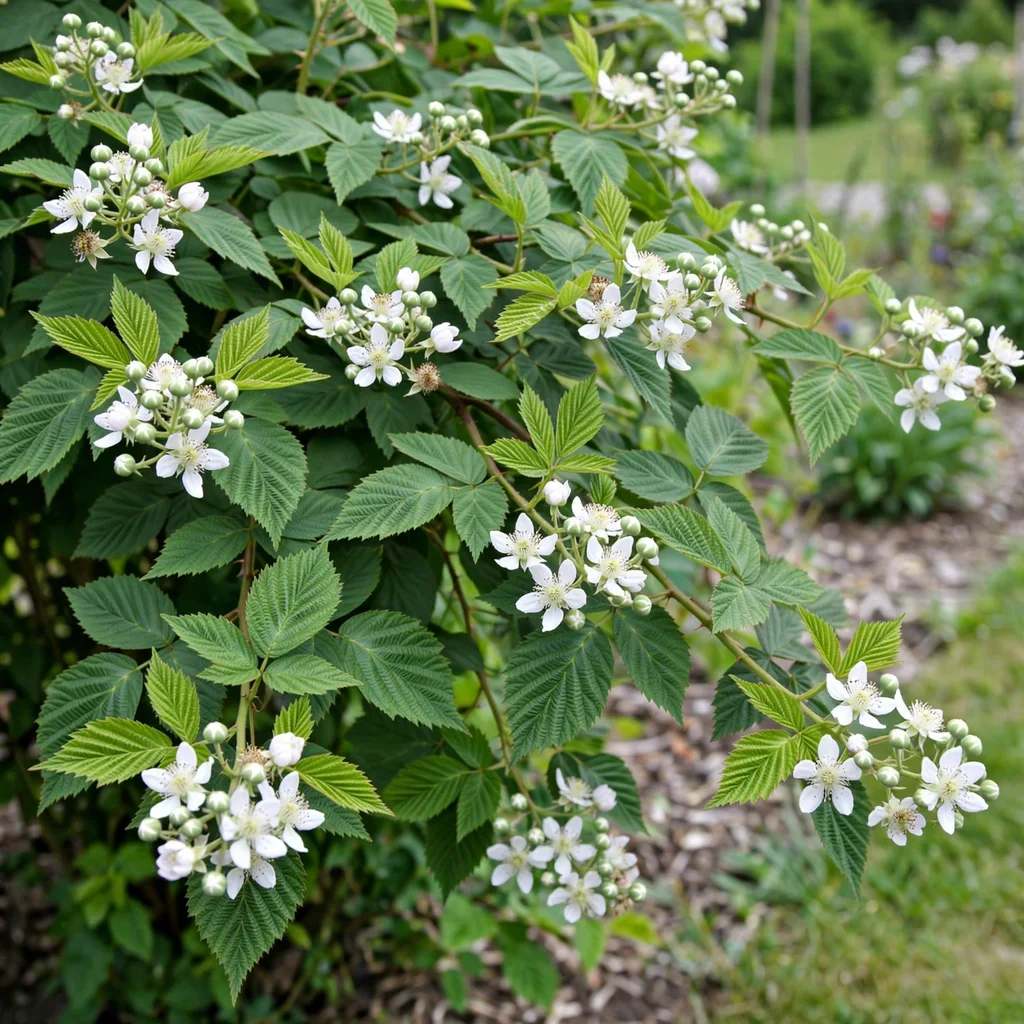
Triple Crown Blackberry
Rubus fruticosus 'Triple Crown'
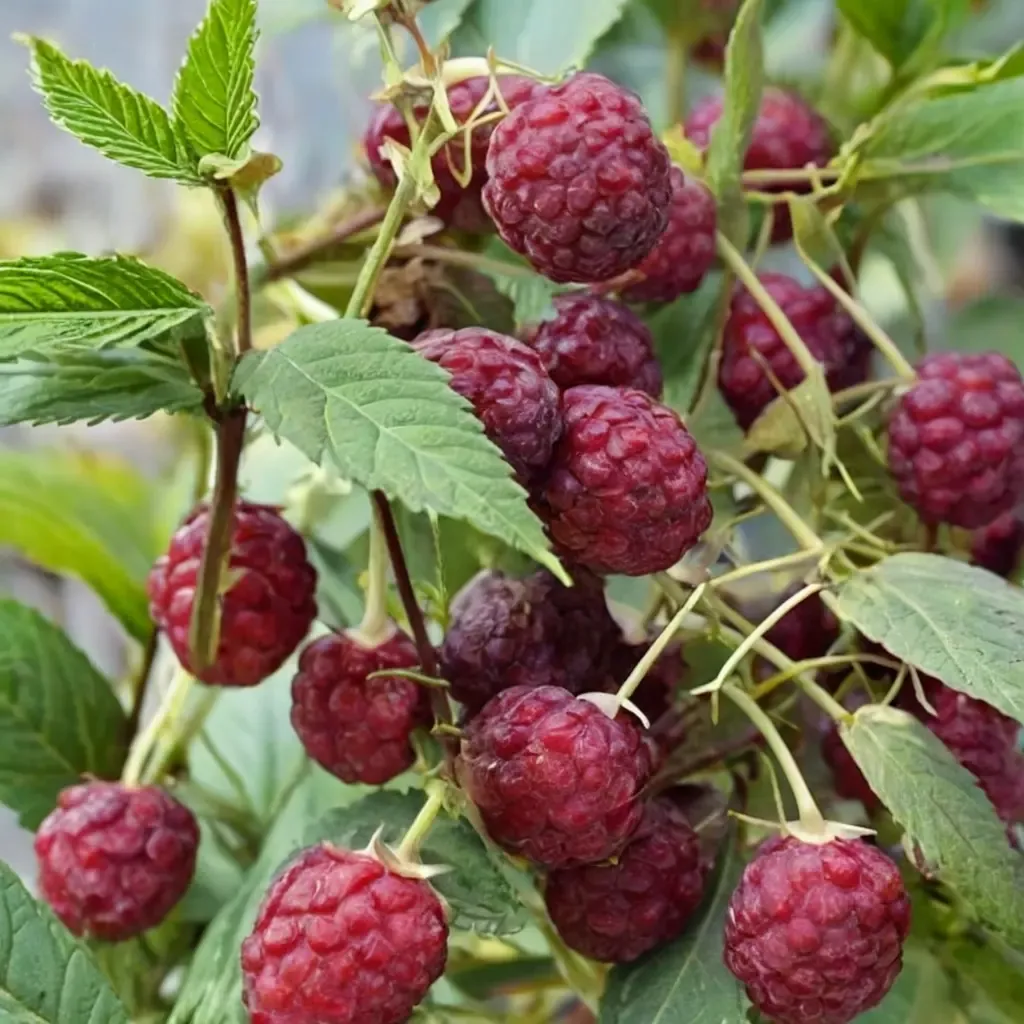
Crimson Night Raspberry
Rubus idaeus 'Crimson Night'
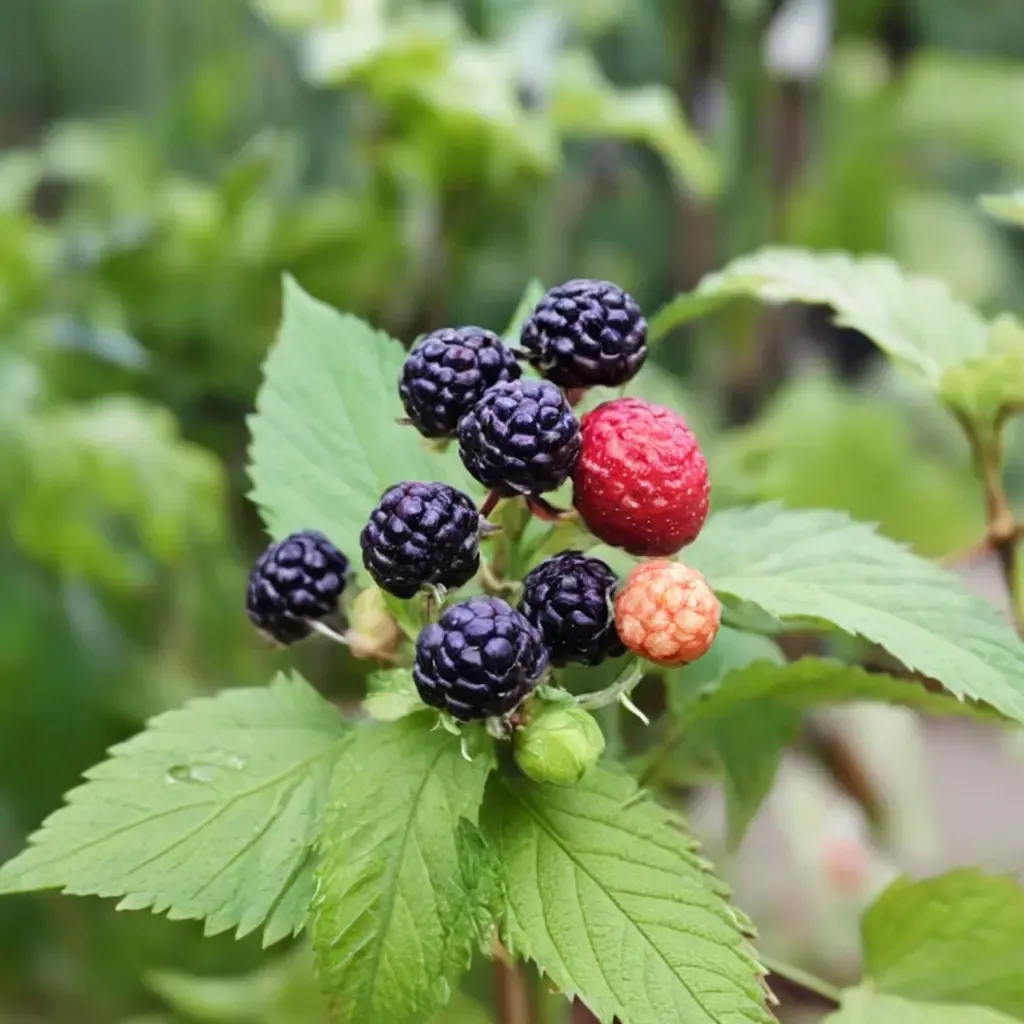
Jewel Black Raspberry
Rubus idaeus 'Jewel'
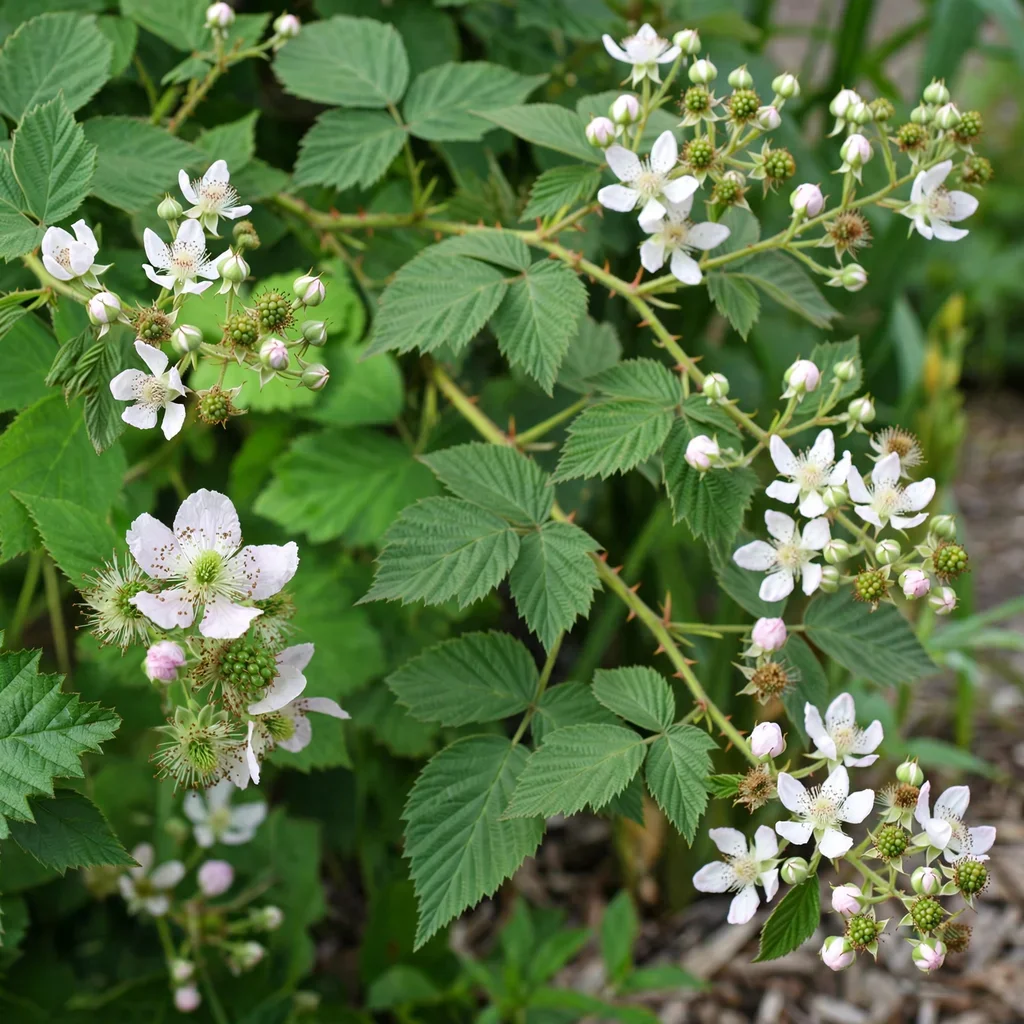
Apache Thornless Blackberry
Rubus fruticosus 'Apache Thornless'
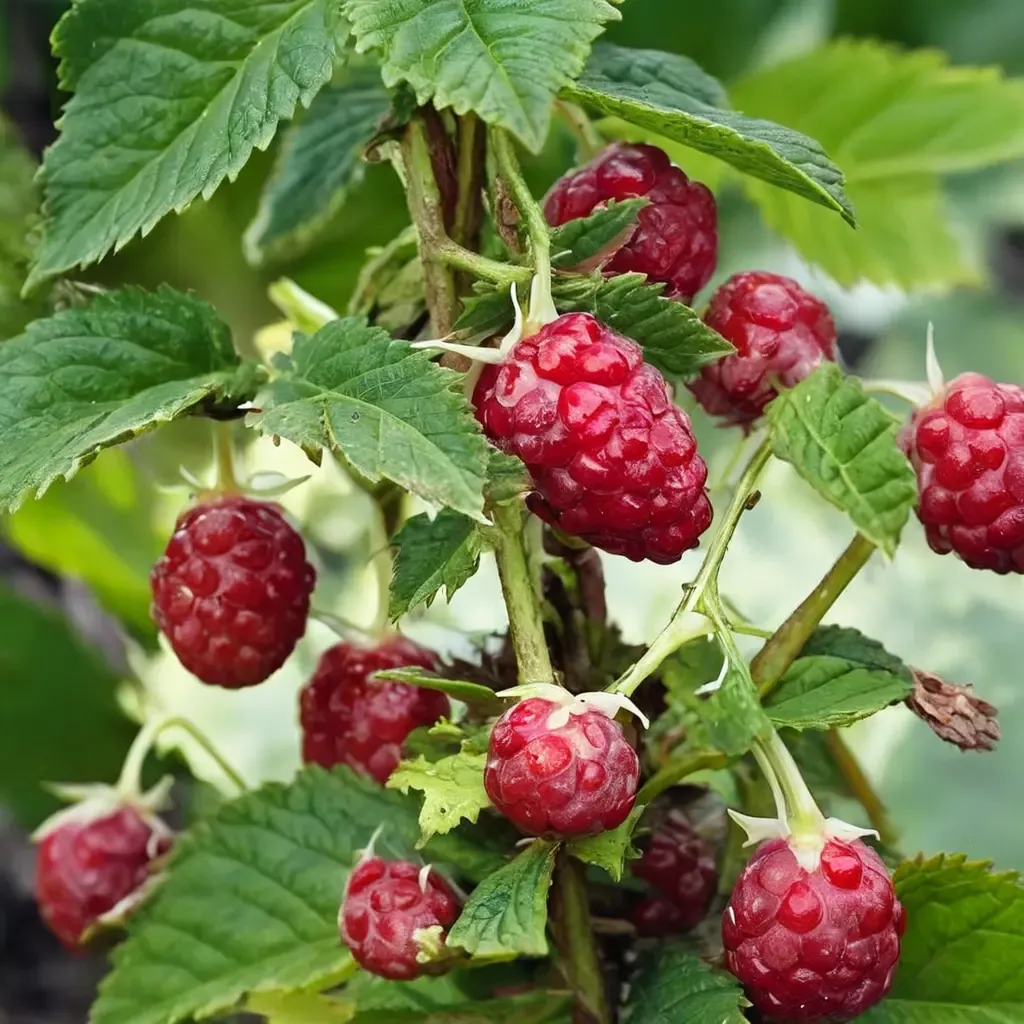
Canby raspberry
Rubus idaeus 'Canby'
Keep exploring
Explore the genus
Hardy in your zone?
Grow Japanese Raspberry with confidence
See it in a design of your actual yard, get zone-matched care reminders, and track it season by season in your garden journal.