The Story
Plant Bio
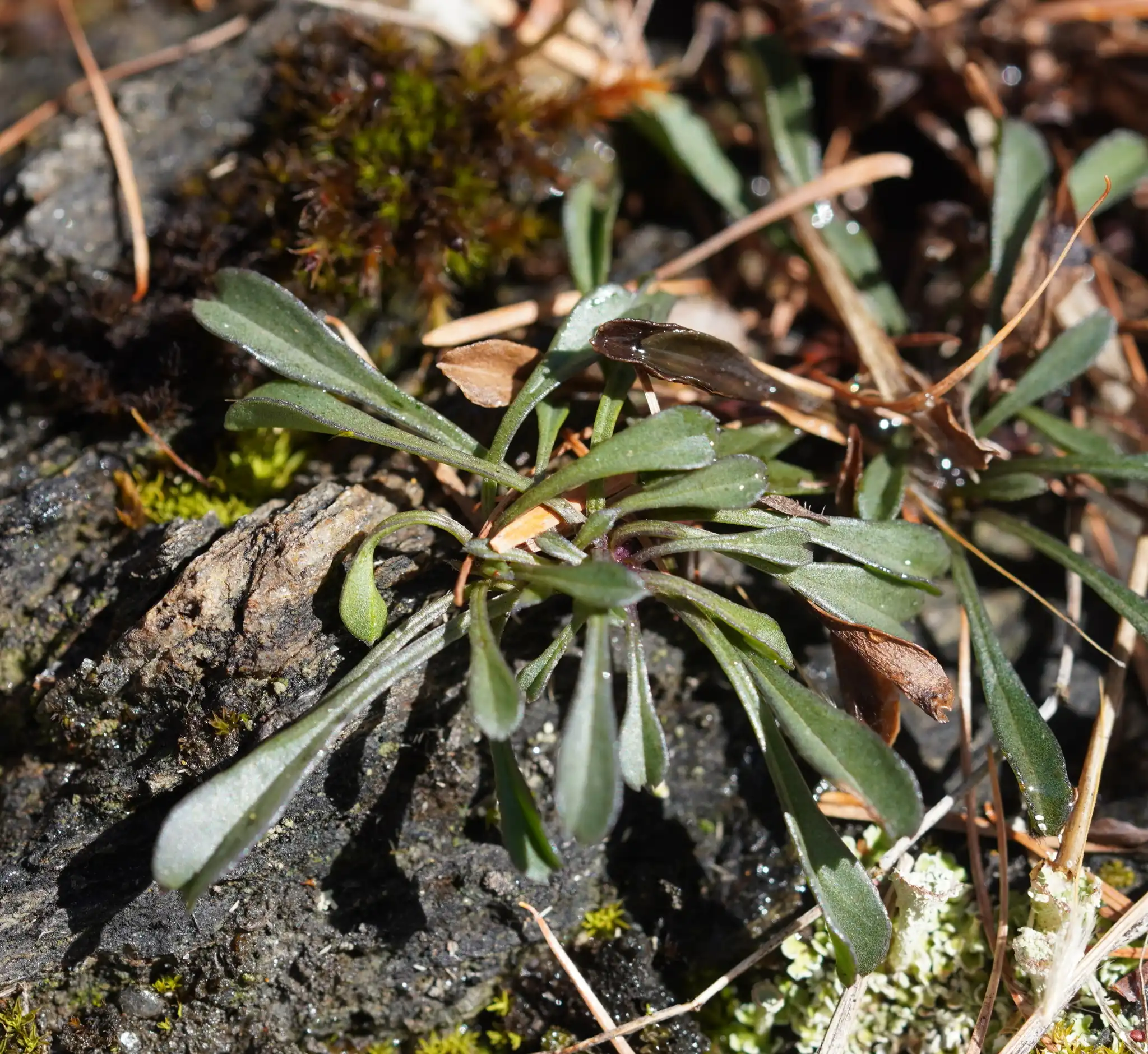
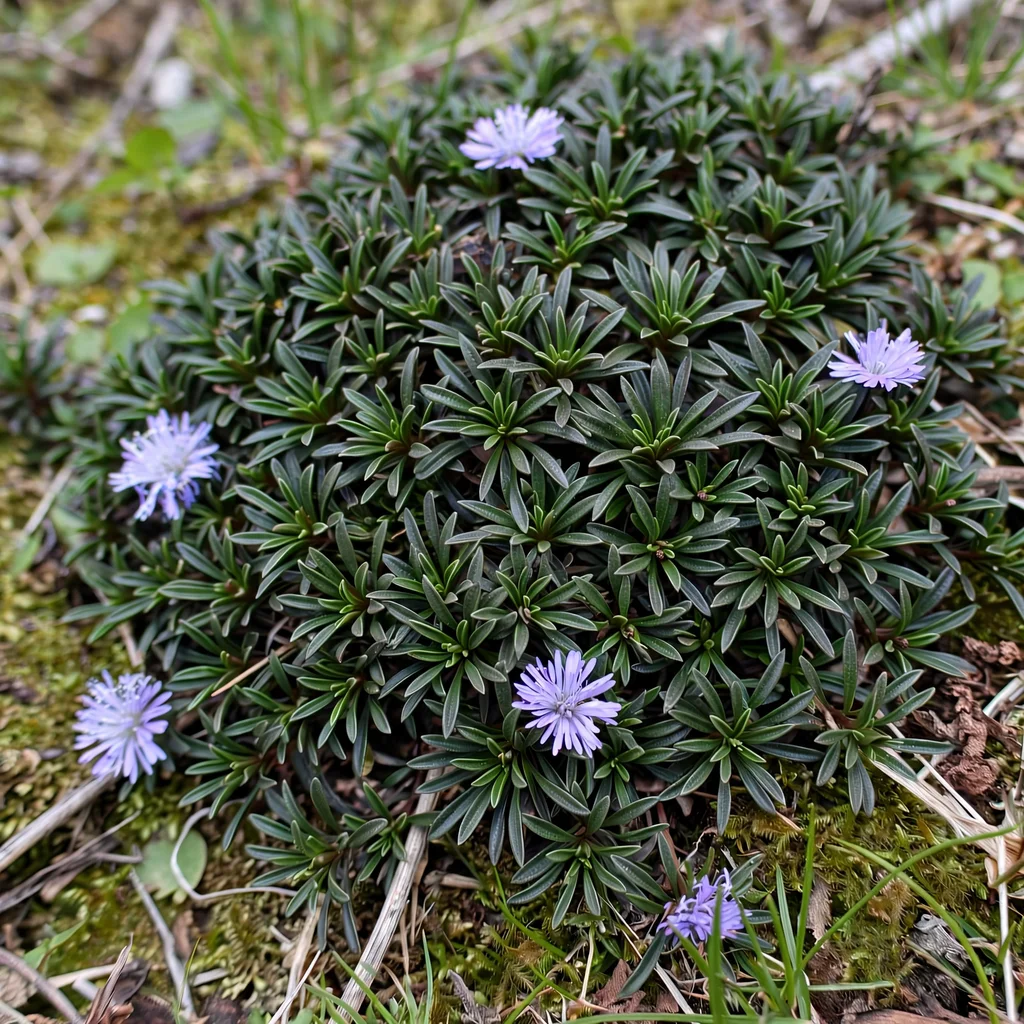
Globularia cordifolia is an evergreen mat-forming perennial from limestone scree and crevices in the mountains of central and southern Europe, rooting along trailing woody stems to form a low mound. The foliage is small, spoon-shaped and leathery, and the flowers are packed into spherical heads of tiny two-lipped florets on short stems.
This species stays under four inches high and spreads to about eight inches, forming a tight mound that fills crevices without overtaking neighbors. It blooms in late spring to summer with pale lavender-blue powder-puff heads about an inch across held just above the foliage.
Uses & Benefits:
Essentials
At a Glance
Plant Type
Perennial
Height
4"
Width
8"
Light
Full Sun
Zones
4, 5, 6, 7, 8, 9
Water
Low
Humidity
Low
Lifespan
Perennial
Native To
Central and southern Europe
Toxicity
Unknown
Bloom period
Late spring – Summer
In flower about 4 months of the year
Marketplace
Where to Buy
Shipping costs Year-round shipping Free shipping
Planting
How to Grow
- Choose a full-sun rock crevice, trough, or raised scree bed with sharp drainage.
- Set the crown level with the surface in a lean mix of loam, sand, and limestone grit.
- Water in once, then water sparingly while roots establish.
- Top-dress with grit to keep foliage dry and hold winter moisture away from the crown.
Pro Tip
Plant it high in gritty, alkaline scree and keep it dry in winter; cold does not kill it, sitting wet does.
Keep It Thriving
Care Guide
Do
- Grow in full sun in neutral to alkaline, very well-drained soil.
- Provide limestone grit or gravel around the crown for drainage.
- Allow soil to dry between waterings once established.
Don't
- Do not plant in acidic or heavy clay soil that holds winter water.
- Do not overwater, fertilize heavily, or prune into old wood.
- Do not expect fast fill; leave the mat undisturbed to root as it spreads.
Seasonal Care Calendar
| Task | Jan | Feb | Mar | Apr | May | Jun | Jul | Aug | Sep | Oct | Nov | Dec |
|---|---|---|---|---|---|---|---|---|---|---|---|---|
| Pest Check | ||||||||||||
| Plant | ||||||||||||
| Propagate | ||||||||||||
| Winter Prep |
Watch Out For
Pests & Diseases
Common Pests
Common Diseases
In the Garden
Landscape Uses & Companions
Landscape Uses
Multiply
Propagation Methods
Good to Know
Common Questions
Heart-Leaved Globe Daisy questions
What zones can Heart-Leaved Globe Daisy grow in?
Heart-Leaved Globe Daisy is hardy in USDA Zones 4–9: in that range it survives winter in the ground. Warmer than Zone 9, winter isn't the problem: it prefers colder winters, and summer heat can shorten its life.
When does Heart-Leaved Globe Daisy bloom?
Heart-Leaved Globe Daisy typically blooms from late spring to late summer. Exact timing shifts a week or two with your zone — Sow's bloom calendar maps it to your garden.
Does Heart-Leaved Globe Daisy need full sun?
Heart-Leaved Globe Daisy does best in full sun (6+ hours).
Is Heart-Leaved Globe Daisy drought tolerant?
Yes — once established (usually after the first full season), Heart-Leaved Globe Daisy handles dry spells with minimal watering. Water deeply its first year to build the root system that makes that possible.
More Globularia to compare
Keep exploring
Explore the genus
Grow Heart-Leaved Globe Daisy with confidence
See it in a design of your actual yard, get zone-matched care reminders, and track it season by season in your garden journal.