0 saves
Globularia
We track 3 varieties; the ones most used by real gardeners.
The 3 most-saved Globularia varieties
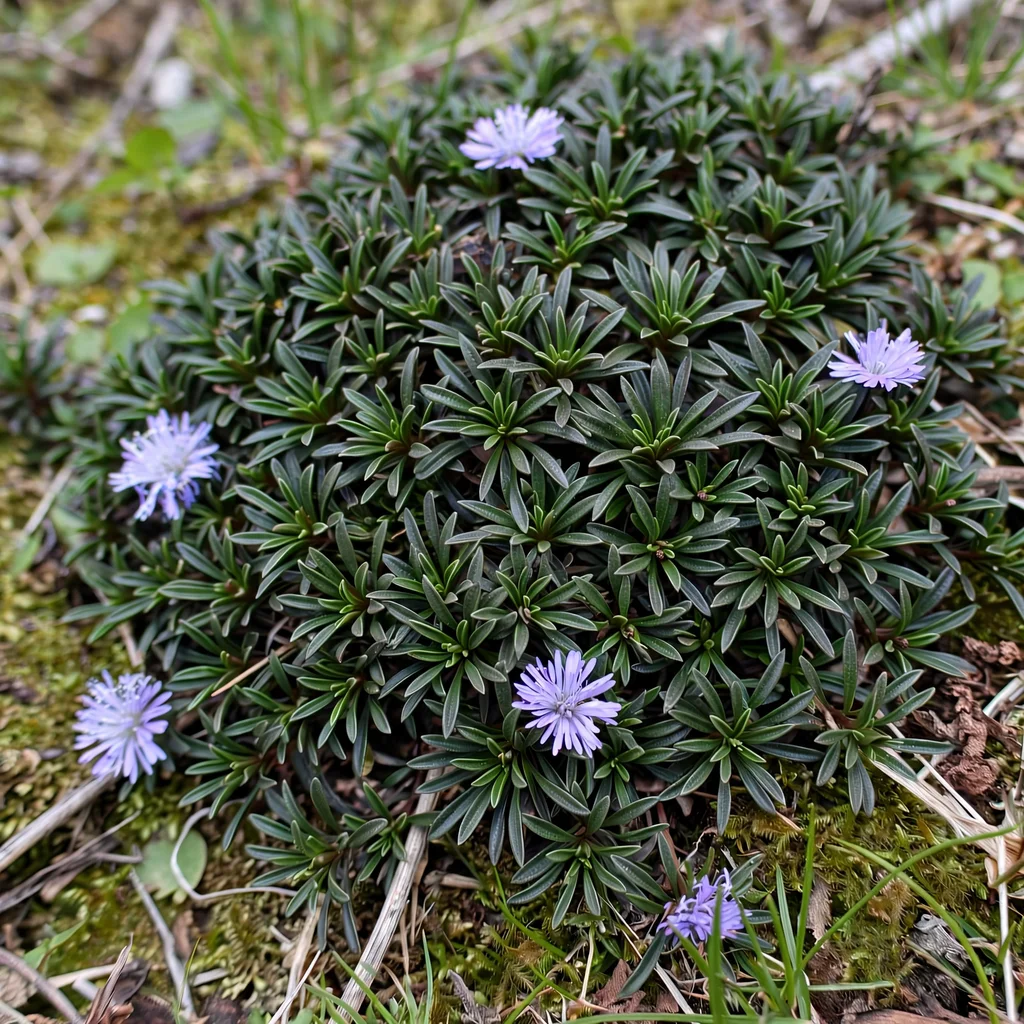
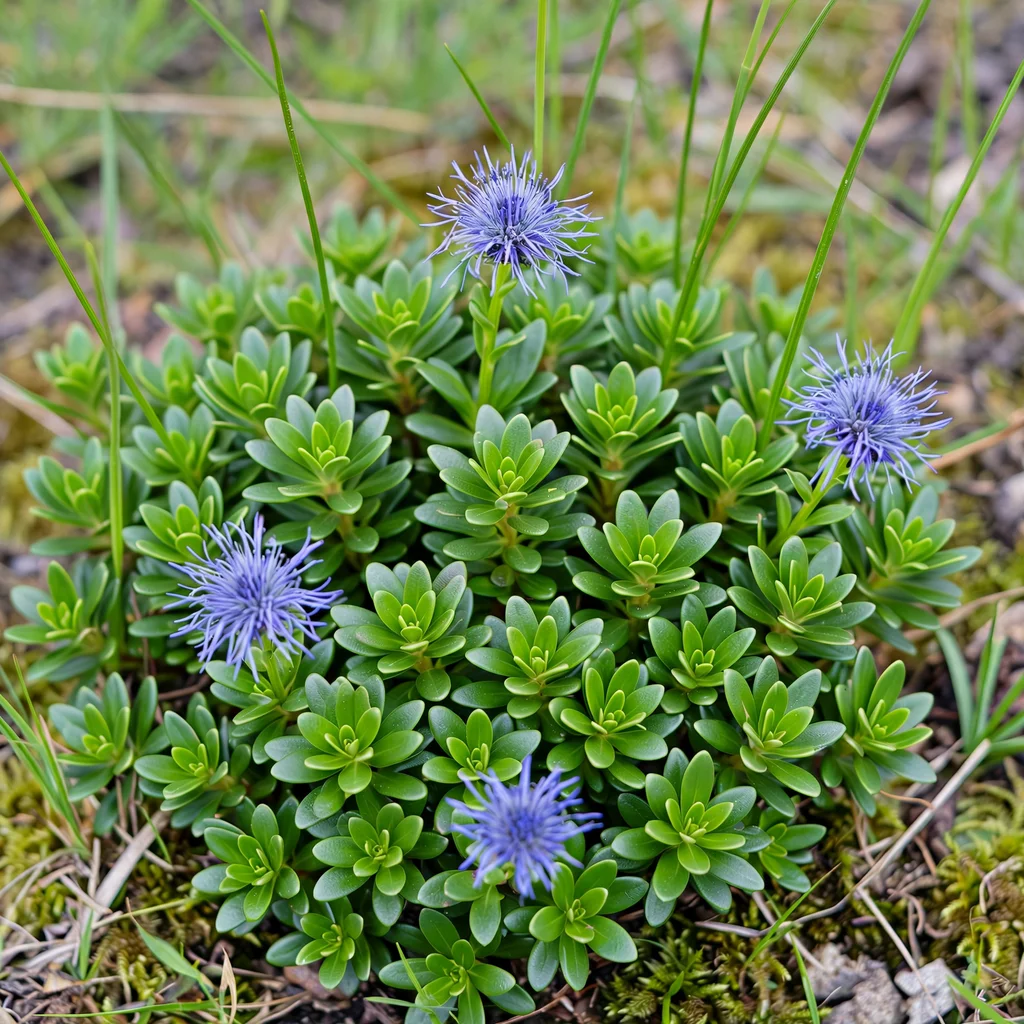
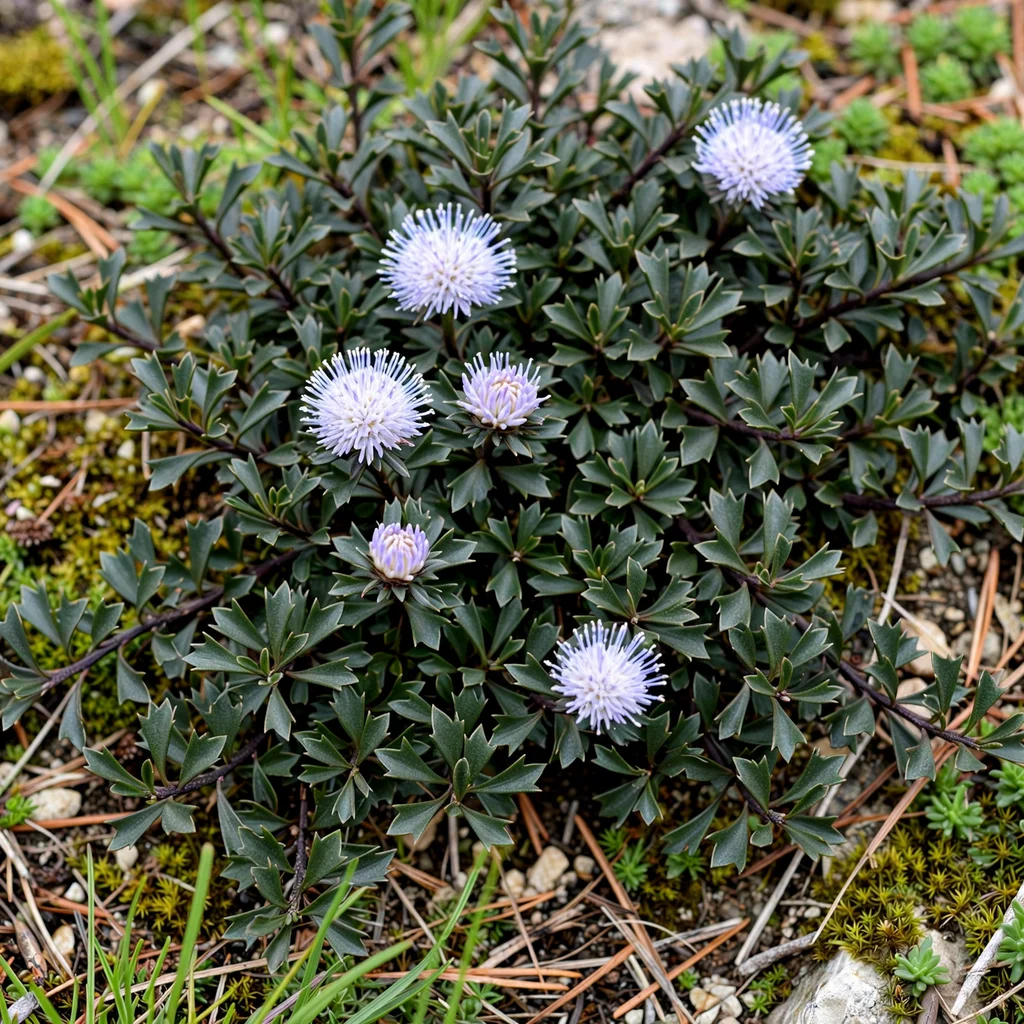
3 species of Globularia
Each one is a parent of the varieties above.
Track your Globularia in Sow
Save the Globularia you grow and get care reminders timed to your zone.
How to grow Globularia
Whats common across all Globularia varieties in our catalog — drawn from the care records of the 3 most-grown of them.
The Globularia year
- PlantApril and May100% of varieties
Set out potted plants in gritty alkaline soil after hard frost passes.
- PropagateApril100% of varieties
Detach rooted rosettes after flowering to make new plants.
- Winter PrepNovember100% of varieties
Clear fallen leaves and confirm grit collar sheds winter rain.
- Check for PestsJune and July67% of varieties
Check crowns for rot and stems for aphids during summer growth.
- Spring CleanupMarch67% of varieties
Clear winter debris and check that water drains sharply away from the crown.


Do
- Grow in full sun in neutral to alkaline, very well-drained soil.
- Provide limestone grit or gravel around the crown for drainage.
- Allow soil to dry between waterings once established.
- Grow in full sun with exposed air movement.
- Use lean gritty alkaline soil with sharp drainage.
Avoid
- Do not plant in acidic or heavy clay soil that holds winter water.
- Do not overwater, fertilize heavily, or prune into old wood.
- Do not expect fast fill; leave the mat undisturbed to root as it spreads.
- Do not plant in rich moisture-retentive soil.
What goes wrong with Globularia
| Problem | What you'll see | What to do |
|---|---|---|
| Aphids | Clusters on new growth and flower stems, rarely serious on this plant. | Rinse off with water and encourage beneficial insects; avoid broad-spectrum sprays. |
| Slugs and snails | Chewed leaf edges and rosettes, worst in damp shade | Keep the mat in full sun with sharp drainage and grit around the crown; hand-pick at night. Rarely serious on this plant. |
| Root rot | Blackened stems and collapsing mat in wet soil, especially in winter. | Improve drainage with grit, plant high, and remove rotted sections to firm tissue. |
| Crown and root rot | Soft blackened crown and collapsing rosettes in wet soil | Plant in sharply drained gritty alkaline mix, allow to dry between waterings and protect from winter wet. |
| Crown rot | Mat centers turn brown and collapse in wet or poorly drained soil, worst in winter | Plant high in gravelly soil, space for air flow and keep winter drainage open |
Making more Globularia
Seed
- Sow fresh seed on the surface of gritty, alkaline mix.
- Keep cool and evenly moist until germination.
- Prick out seedlings into individual pots when large enough to handle.
- Grow on in lean mix for 1-2 seasons before planting out.
Division
- Lift a rooted section with individual rosettes after flowering.
- Tease apart with roots attached, keeping foliage intact.
- Replant immediately at the same level in gritty soil.
- Water lightly and keep dry through the first winter.
Globularia questions
How many types of Globularia are there?
The Sow catalog tracks 3 distinct Globularia varieties. The most popular — ranked by 0 real gardeners — are shown first above.
What zones does Globularia grow in?
Across its varieties, Globularia covers USDA Zones 4–9. Individual varieties differ — each plant page lists its exact range, and Sow filters the catalog to your zone automatically.
When does Globularia bloom?
Most Globularia varieties bloom from late spring to late summer.
Which Globularia should I choose?
Start from the most-saved varieties above — popularity across thousands of gardens is a strong signal of reliability — then filter by your zone and sun. In the Sow app you can preview any of them in a photo of your actual yard before you buy.