The Story
Plant Bio
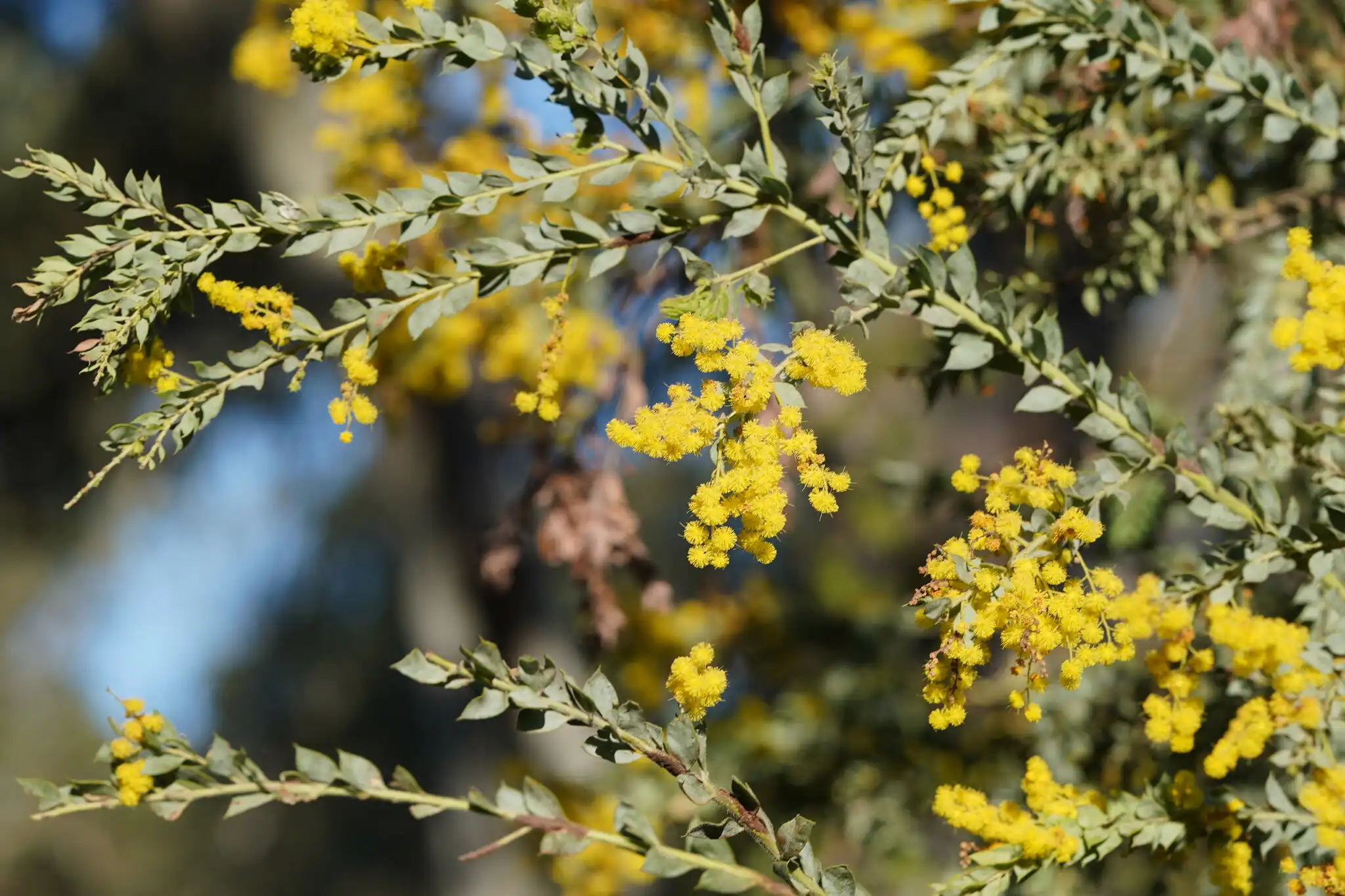
Acacia vestita is an evergreen Australian shrub reaching eight to twelve feet in cultivation, with spreading pendulous branches clothed in small gray-green phyllodes. The true leaves are replaced by flattened leaf stalks; the spring display comes from round heads of bright yellow flowers borne in short racemes in the leaf axils.
It is distinguished by its weeping habit, with slender terete branchlets that hang under a dense cover of hair. The phyllodes are elliptic to ovate, under an inch long with hairy margins, a prominent midvein and a short mucro, and each flower head holds ten to thirty tiny blooms.
Uses & Benefits:
Essentials
At a Glance
Plant Type
Shrub
Height
144"
Width
144"
Light
Full Sun, Partial Sun
Zones
9, 10
Water
Low
Humidity
Low to average
Lifespan
Long-lived shrub
Native To
New South Wales, Australia
Toxicity
Mildly toxic if ingested
Bloom period
Early spring – Late spring
In flower about 3 months of the year
Planting
How to Grow
- Plant in fall or early spring in full sun to part shade with sharp drainage.
- Dig a hole no deeper than the container and twice as wide, backfilling with native soil.
- Water deeply at planting, then sparingly; once established it needs little supplemental water.
- Mulch thinly with bark, keeping mulch away from the stem.
- Tip-prune lightly after spring bloom and shelter young plants from hard frost.
Pro Tip
Tip-prune lightly after flowering only; cutting hard into old bare wood spoils the weeping shape and regrowth is slow and patchy.
Keep It Thriving
Care Guide
Do
- Plant in sharply drained clay, loam or sand with pH 6.5-7.5
- Water deeply but infrequently once established
- Tip-prune lightly after flowering to stay bushy
Don't
- Do not overwater or plant in soggy soil
- Do not cut hard into old leafless wood
- Do not over-fertilize; excess fertilizer pushes weak growth
Seasonal Care Calendar
| Task | Jan | Feb | Mar | Apr | May | Jun | Jul | Aug | Sep | Oct | Nov | Dec |
|---|---|---|---|---|---|---|---|---|---|---|---|---|
| Mulch | ||||||||||||
| Pest Check | ||||||||||||
| Plant | ||||||||||||
| Prune | ||||||||||||
| Winter Prep |
Watch Out For
Pests & Diseases
Common Pests
Common Diseases
In the Garden
Landscape Uses & Companions
Landscape Uses
Multiply
Propagation Methods
Good to Know
Common Questions
Weeping Boree questions
What zones can Weeping Boree grow in?
Weeping Boree is hardy in USDA Zones 9–10: in that range it survives winter in the ground. Colder than Zone 9, grow it in a container you can move to shelter for the winter.
Is Weeping Boree deer resistant?
Yes — Weeping Boree is rated deer-resistant. Deer typically pass it over, though extreme hunger can override any plant's defenses.
When does Weeping Boree bloom?
Weeping Boree typically blooms in spring. Exact timing shifts a week or two with your zone — Sow's bloom calendar maps it to your garden.
Does Weeping Boree need full sun?
Weeping Boree does best in full sun to part shade. In hot climates, afternoon shade keeps blooms fresher longer.
Is Weeping Boree drought tolerant?
Yes — once established (usually after the first full season), Weeping Boree handles dry spells with minimal watering. Water deeply its first year to build the root system that makes that possible.
More Acacia to compare
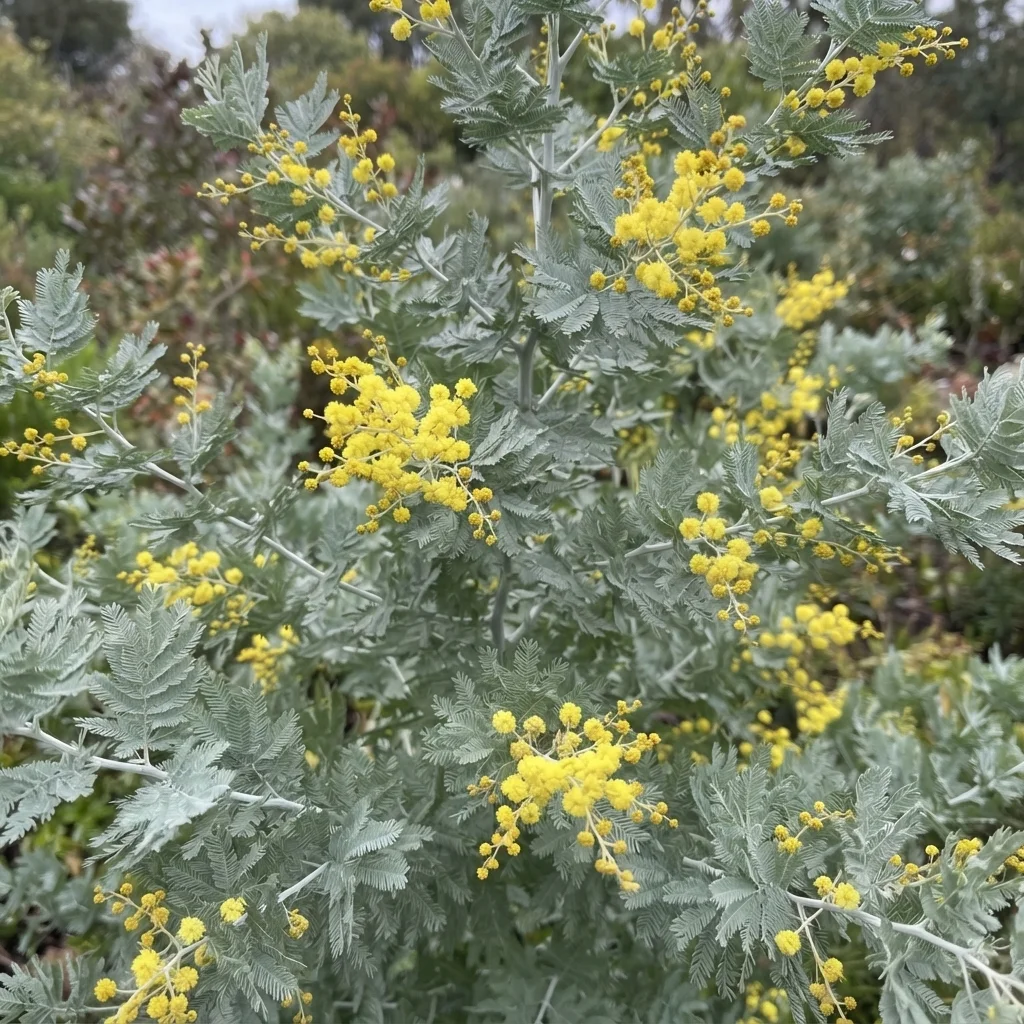
Silver wattle
Acacia dealbata
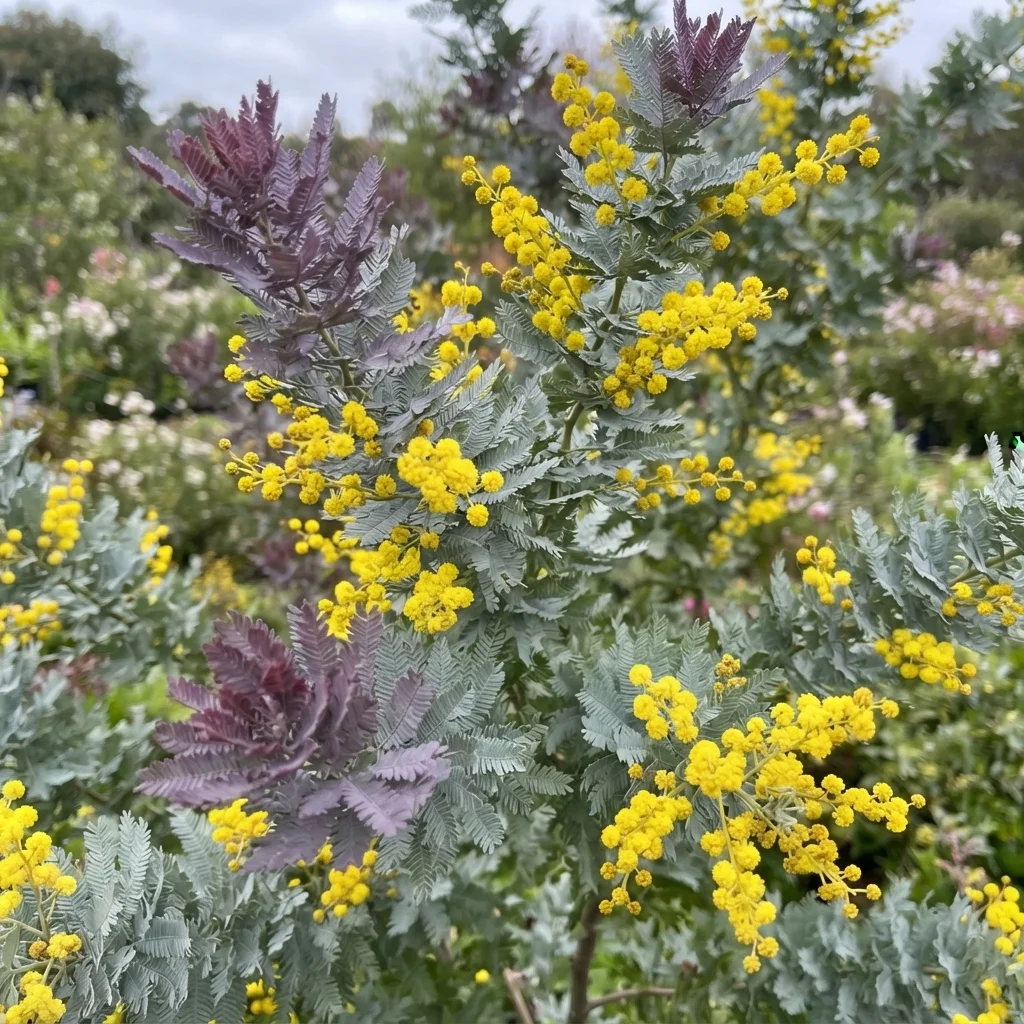
Cootamundra Wattle 'Purpurea'
Acacia baileyana 'Purpurea'
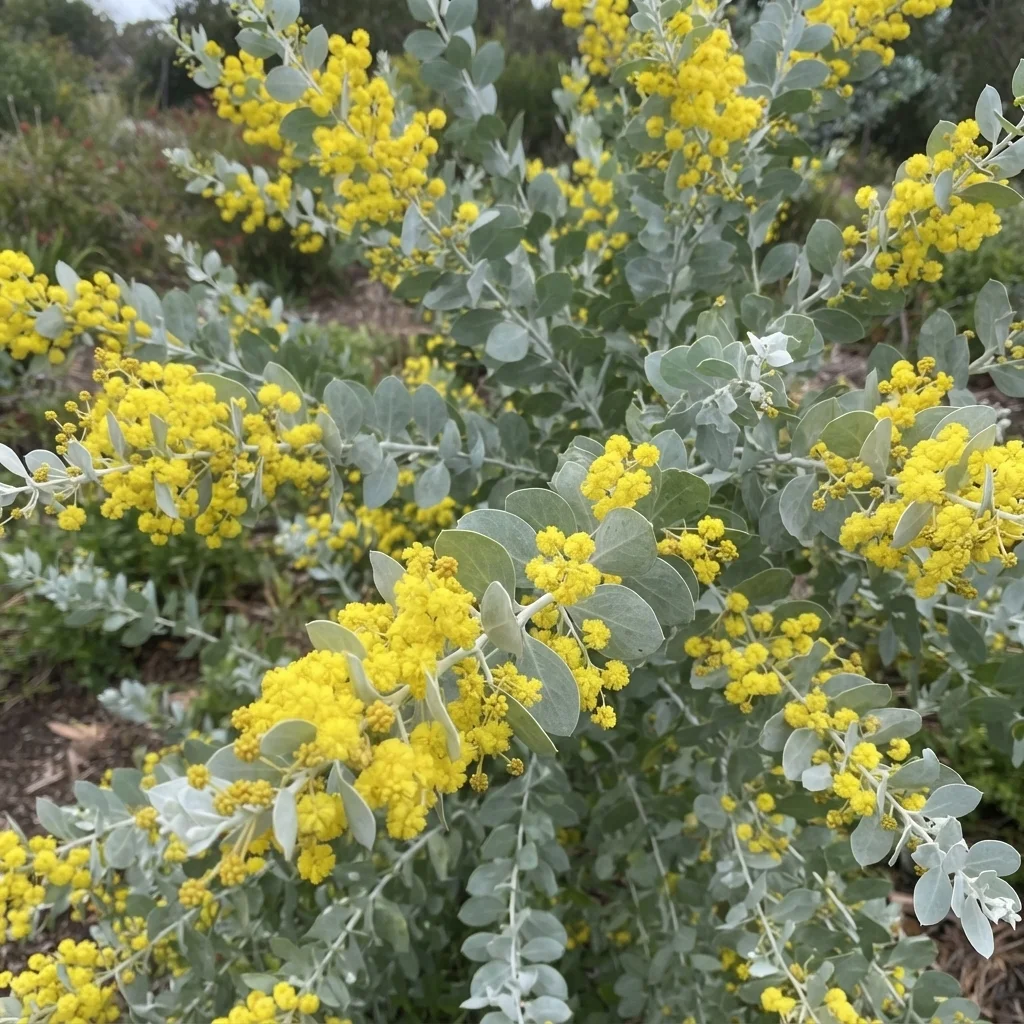
Pearl Acacia
Acacia podalyriifolia
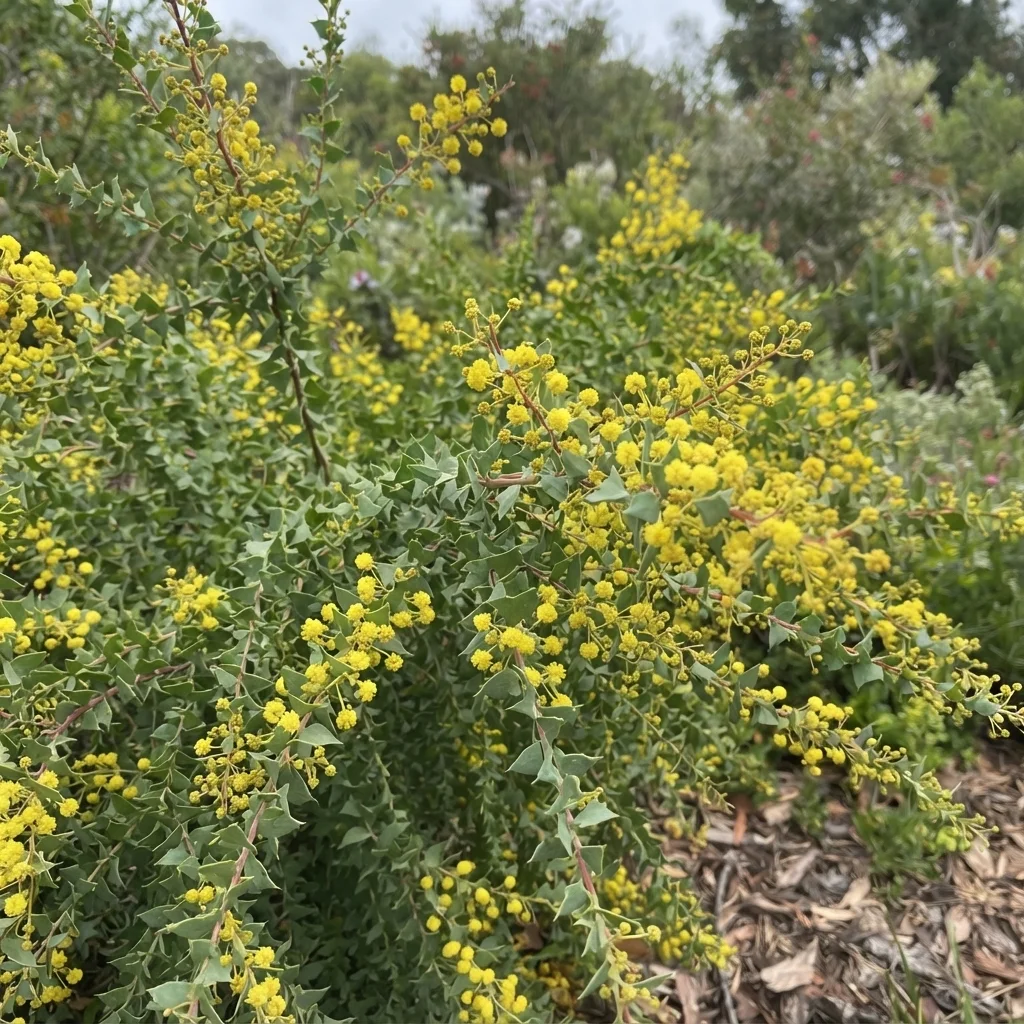
Ovens Wattle
Acacia pravissima
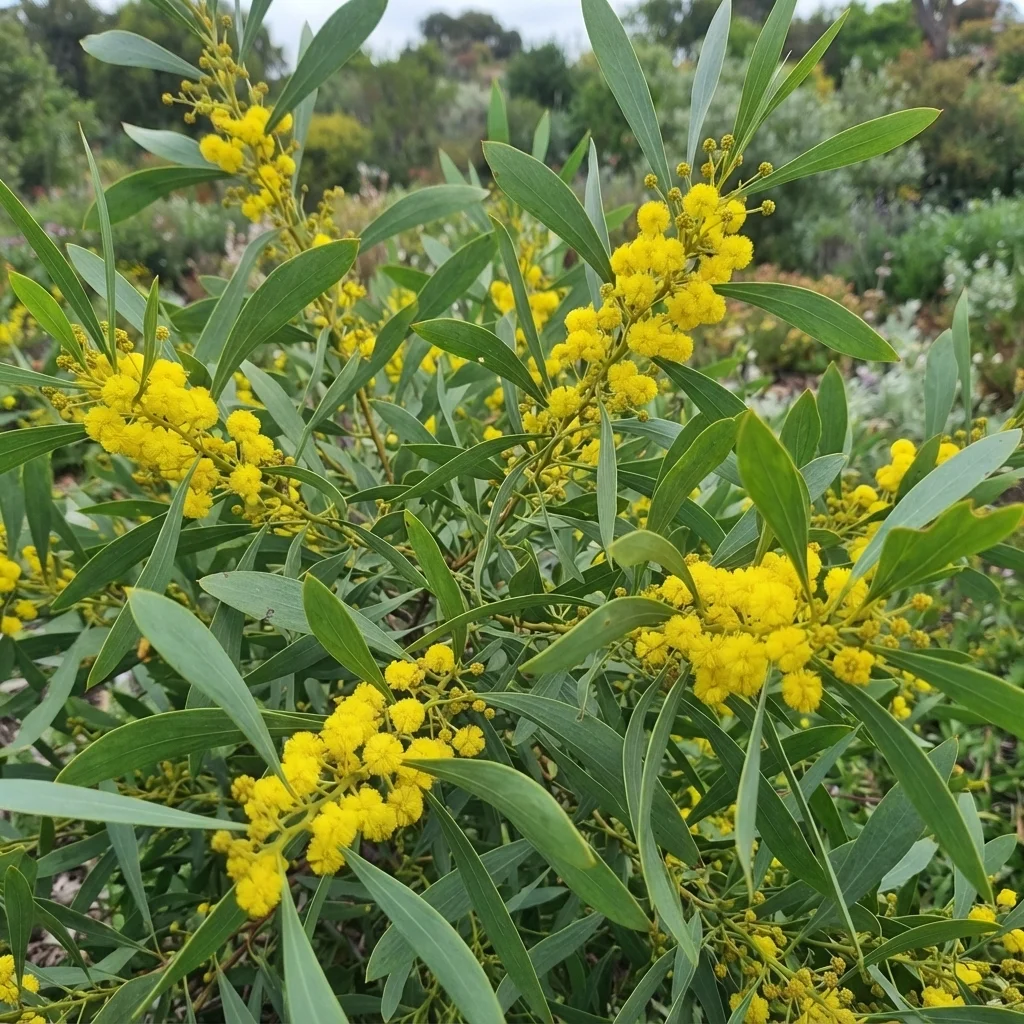
Golden Wreath Wattle
Acacia saligna
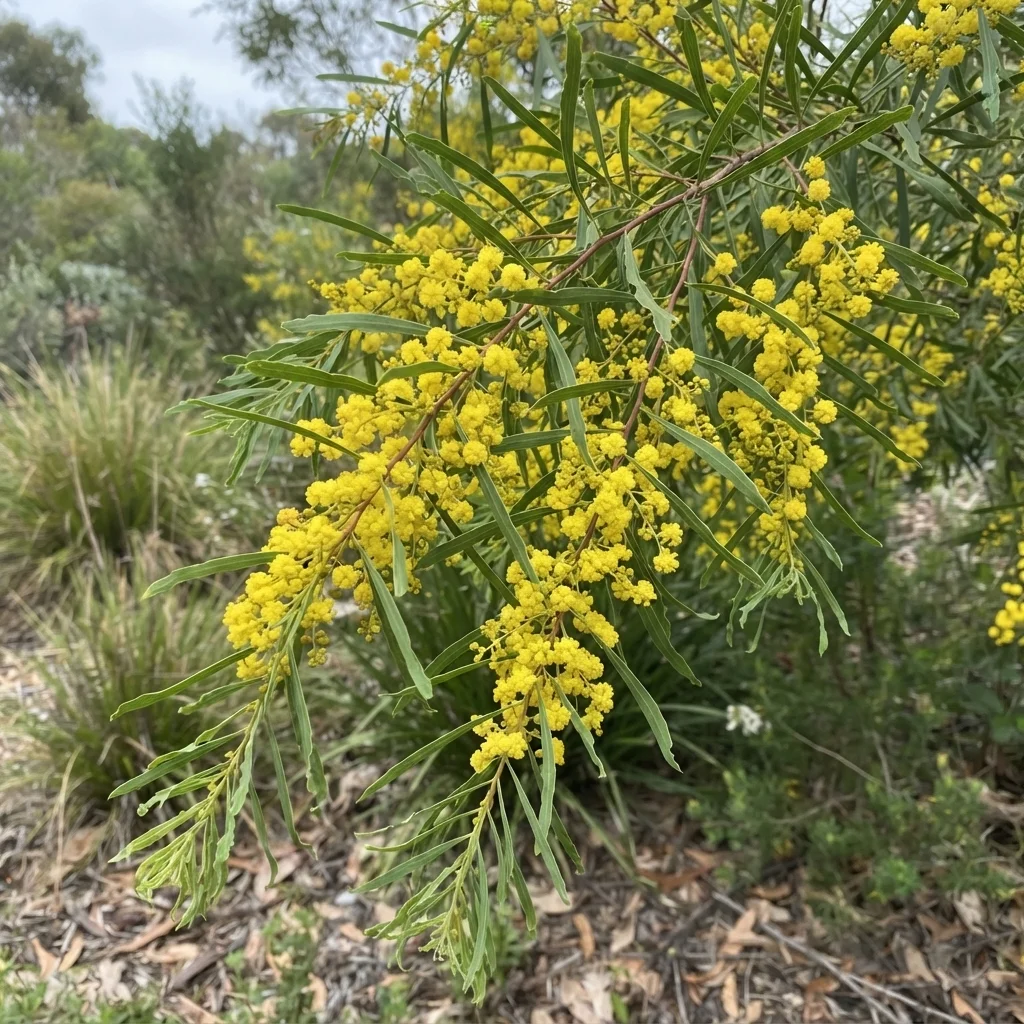
Fringed Wattle
Acacia fimbriata
Keep exploring
Explore the genus
Hardy in your zone?
Grow Weeping Boree with confidence
See it in a design of your actual yard, get zone-matched care reminders, and track it season by season in your garden journal.