The Story
Plant Bio
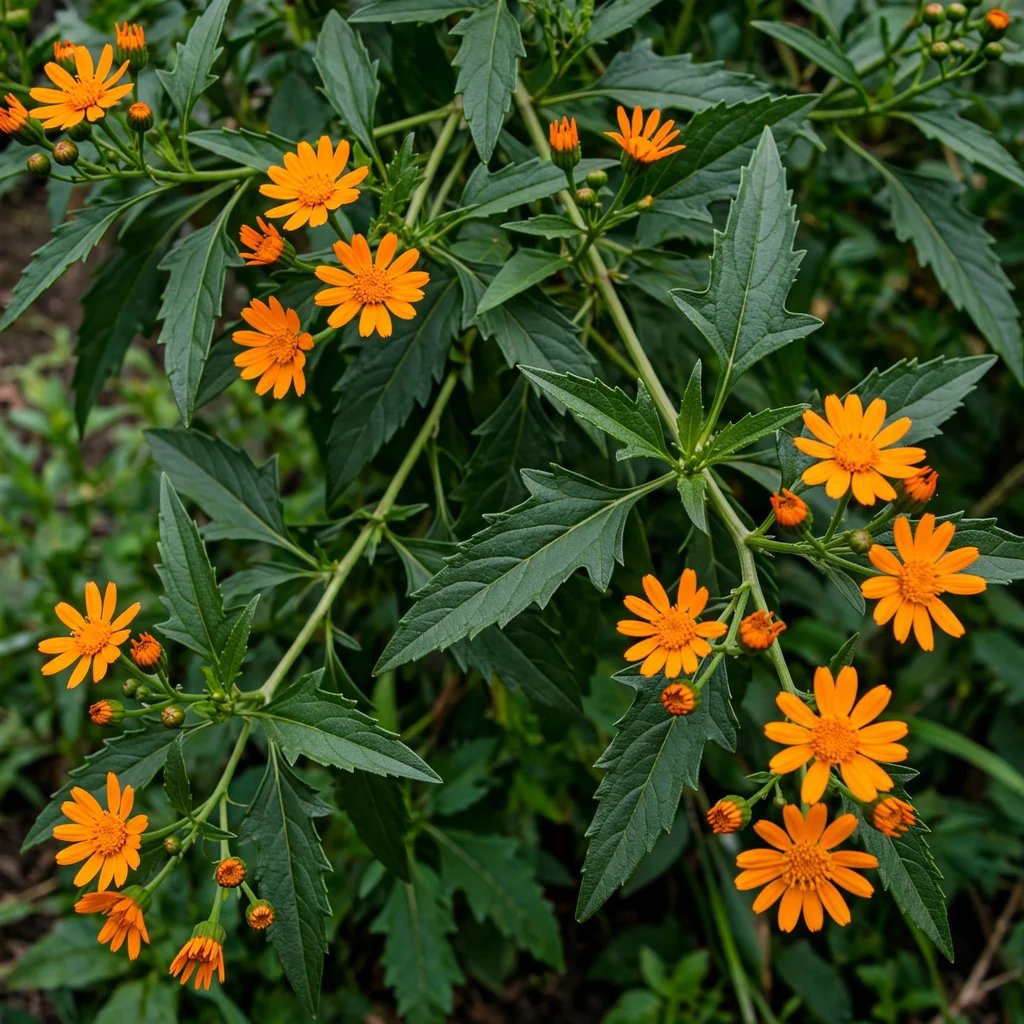
Pseudogynoxys chenopodioides, still sold as Senecio confusus, is a smooth-stemmed twining evergreen vine reaching 6 to 12 feet in the garden and to 20 feet where hardy, rooting where stems touch soil. The alternate deep green leaves are arrowhead-shaped to ovate-lanceolate, to 4 inches long with toothed edges, carried on vines that sprawl shrub-like without support.
The display comes from clustered 1- to 2-inch daisy heads in brilliant orange that age to red, each with recurving petals around a gold eye, opening from late spring to fall. Spent heads ripen to dandelion-like puffs of seed, and unpruned vines flower only at the top while lower stems thicken and layer into a thicket.
Uses & Benefits:
Essentials
At a Glance
Plant Type
Vine
Height
144"
Width
72"
Light
Full Sun, Partial Sun
Zones
9, 10
Water
Medium
Humidity
Average
Lifespan
Evergreen vine perennial in Zones 9-11, annual elsewhere
Native To
Mexico to Central America and northern South America
Toxicity
Toxic if ingested
Bloom period
Late spring – Fall
In flower about 7 months of the year
Marketplace
Where to Buy
Shipping costs Year-round shipping Free shipping
Planting
How to Grow
- Plant in full sun in average to organically rich, well-drained soil after all frost danger, spacing 3 to 6 feet along a trellis, fence or arch.
- Water deeply at planting and keep soil evenly moist the first season, then water during dry spells though established plants tolerate short drought.
- Fertilize regularly through spring and summer to sustain continuous bloom.
- Prune after each flowering flush to keep growth dense and force side blooms; stop pruning by September 1 to avoid tender growth before frost.
- North of Zone 9, lift containers before first frost and overwinter potted plants indoors in bright light.
Pro Tip
Give it a trellis, fence or arch from the start and cut back after each flush; left unpruned it blooms only at the top and roots where it touches the ground.
Keep It Thriving
Care Guide
Do
- Provide a sturdy trellis, fence, arch or hanging basket from planting
- Prune after each flush to keep flowers down the vine
- Fertilize through spring and summer while in active growth
Don't
- Do not let stems trail on soil where they root and spread
- Do not prune after September 1 when tender regrowth is frost-prone
- Do not expect it to overwinter outdoors north of Zone 9
Seasonal Care Calendar
| Task | Jan | Feb | Mar | Apr | May | Jun | Jul | Aug | Sep | Oct | Nov | Dec |
|---|---|---|---|---|---|---|---|---|---|---|---|---|
| Fertilize | ||||||||||||
| Pest Check | ||||||||||||
| Plant | ||||||||||||
| Prune | ||||||||||||
| Winter Prep |
Watch Out For
Pests & Diseases
Common Pests
Common Diseases
In the Garden
Landscape Uses & Companions
Landscape Uses
Companion Plants
Multiply
Propagation Methods
Good to Know
Common Questions
Mexican Flame Vine questions
What zones can Mexican Flame Vine grow in?
Mexican Flame Vine is hardy in USDA Zones 9–10: in that range it survives winter in the ground. Colder than Zone 9, grow it in a container you can move to shelter for the winter, or as an annual.
When does Mexican Flame Vine bloom?
Mexican Flame Vine typically blooms from late spring to late fall. Exact timing shifts a week or two with your zone — Sow's bloom calendar maps it to your garden.
Does Mexican Flame Vine need full sun?
Mexican Flame Vine does best in full sun to part shade. In hot climates, afternoon shade keeps blooms fresher longer.
Is Mexican Flame Vine drought tolerant?
Yes — once established (usually after the first full season), Mexican Flame Vine handles dry spells with minimal watering. Water deeply its first year to build the root system that makes that possible.
More Senecio to compare
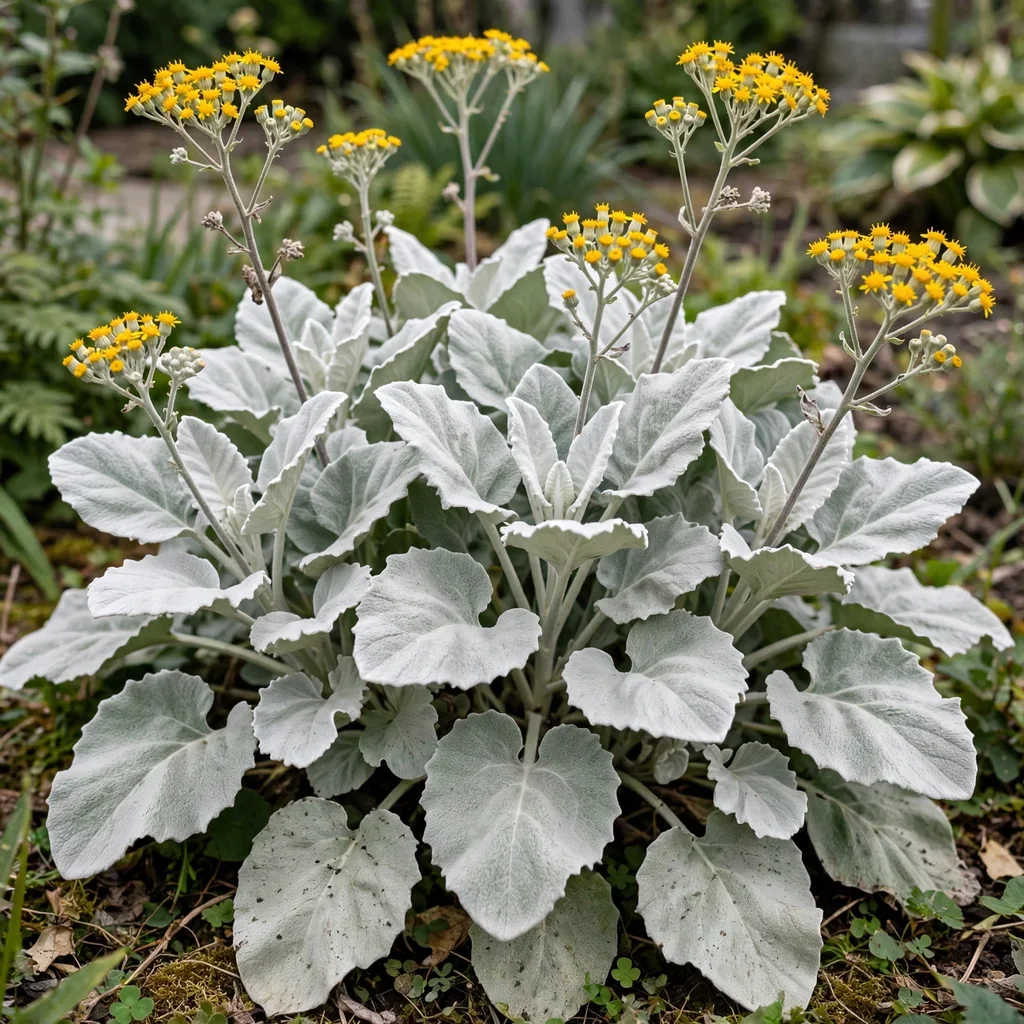
Angel Wings
Senecio candicans 'Angel Wings'
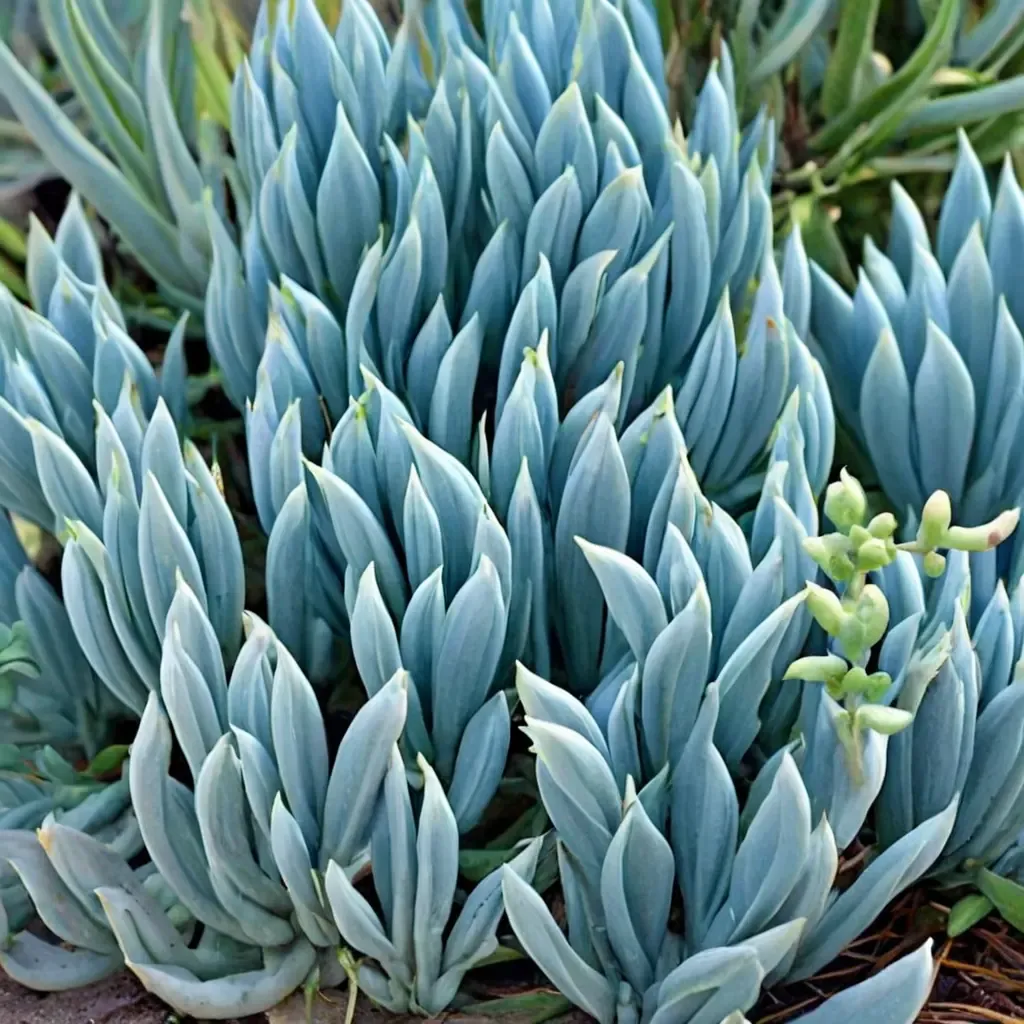
Blue Chalksticks
Senecio mandraliscae
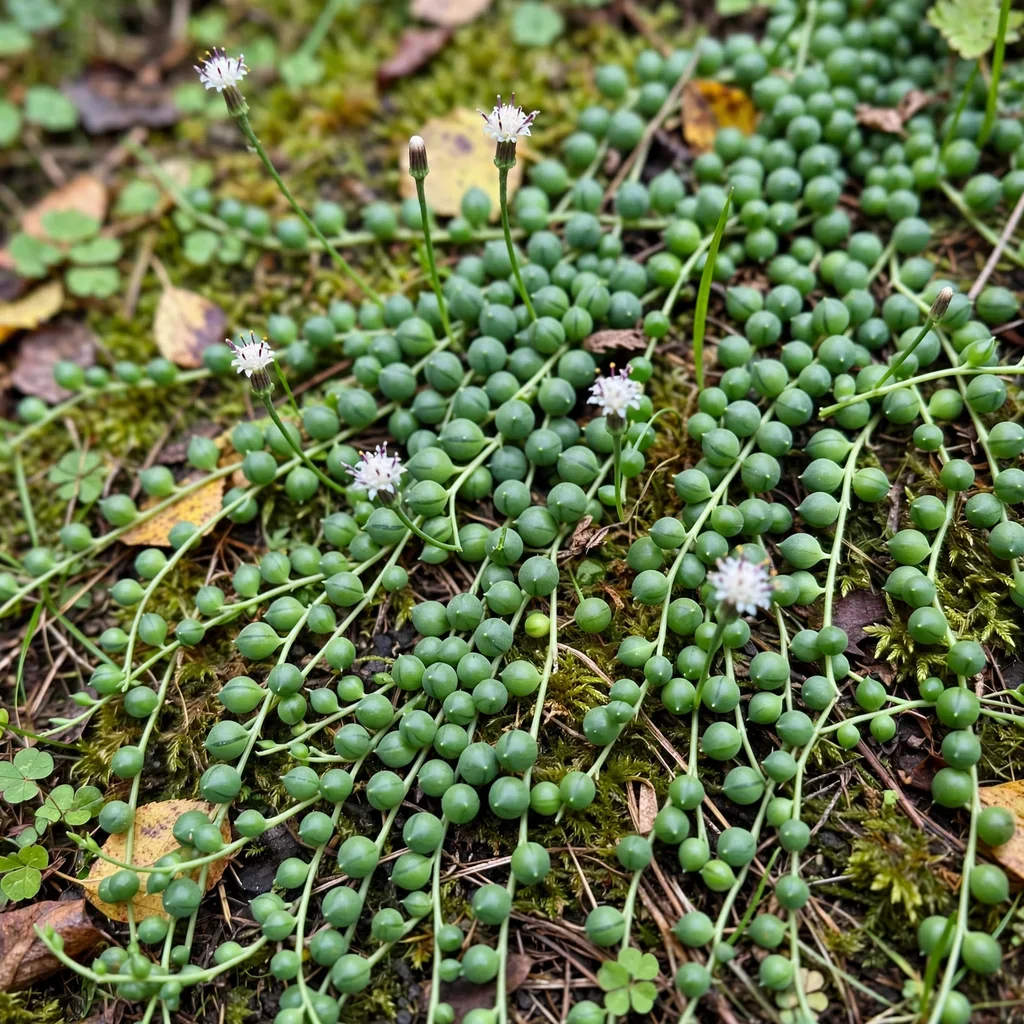
String of Pearls
Senecio rowleyanus
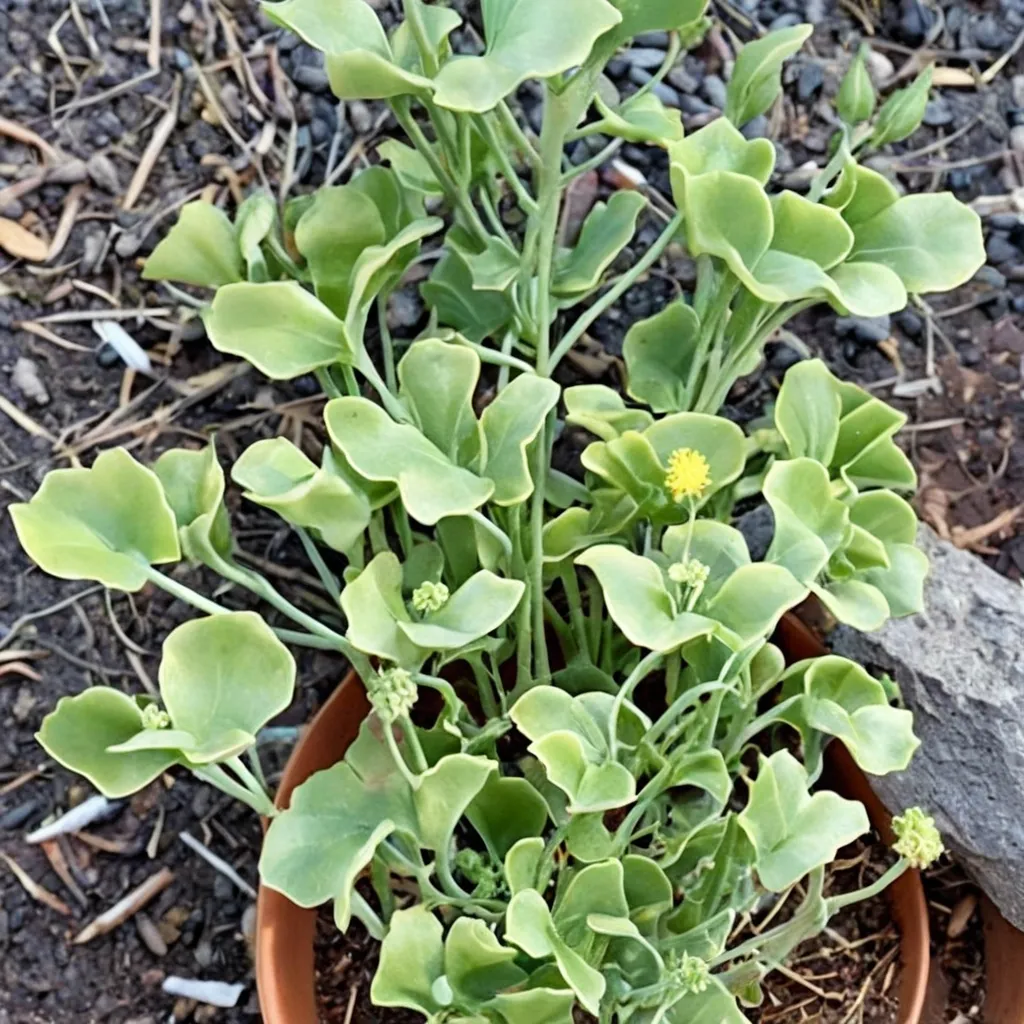
False Nasturtium
Senecio tropaeolifolius
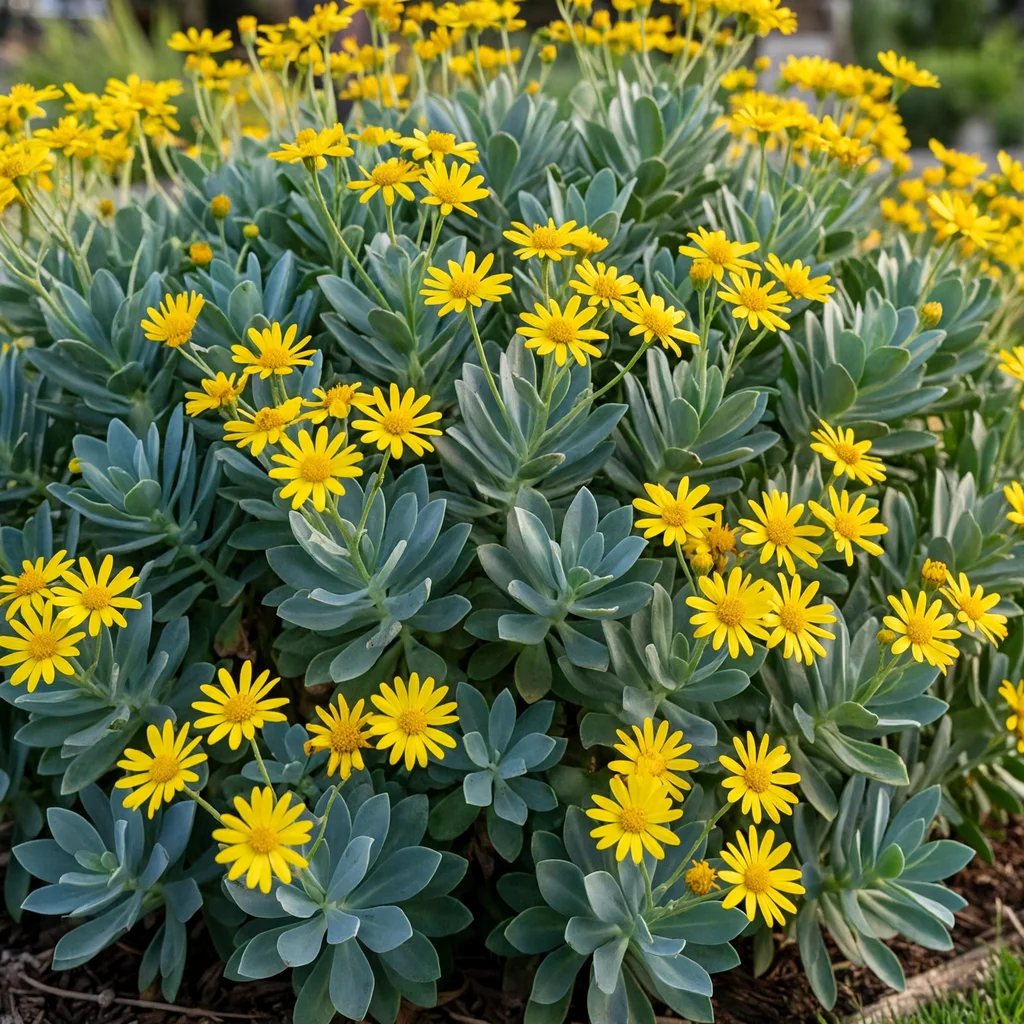
Superb Groundsel
Senecio megaglossus
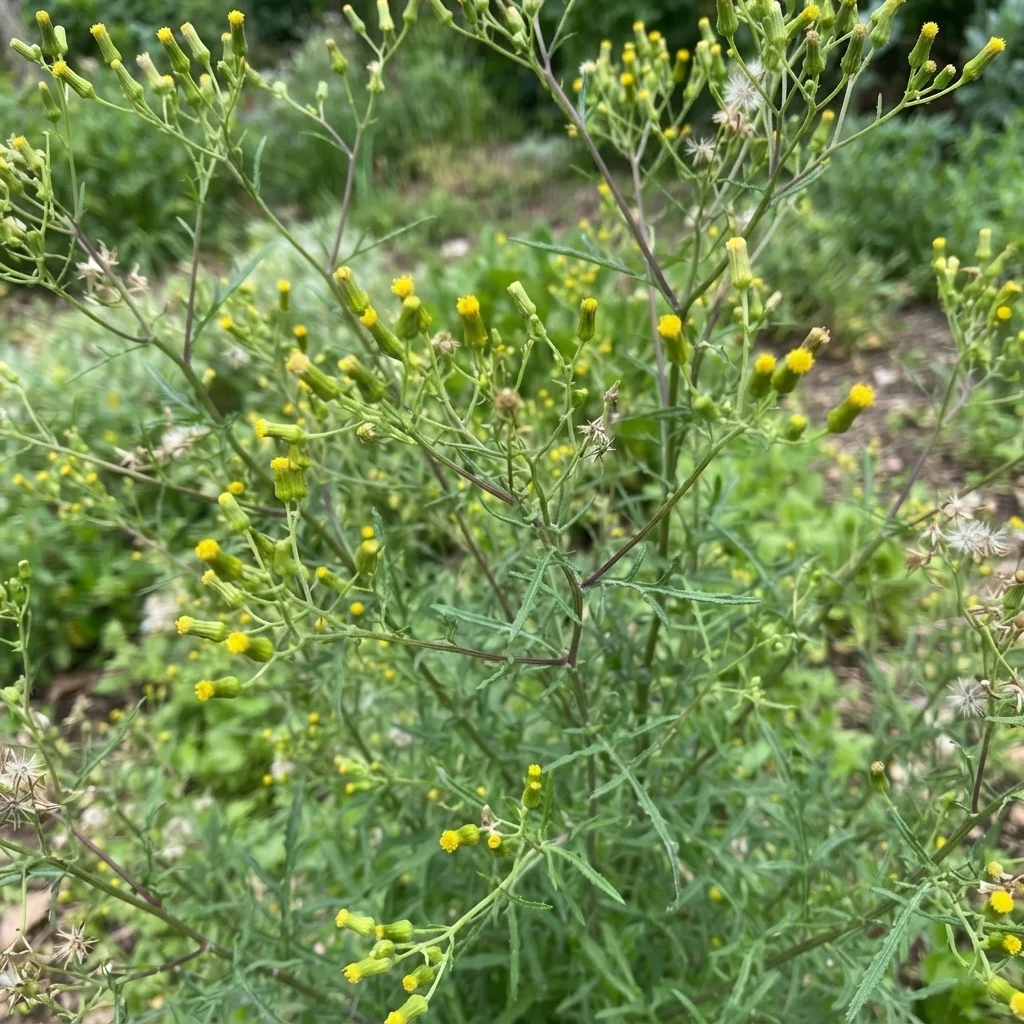
Hispid Fireweed
Senecio hispidulus
Keep exploring
Explore the genus
Hardy in your zone?
Grow Mexican Flame Vine with confidence
See it in a design of your actual yard, get zone-matched care reminders, and track it season by season in your garden journal.