


The Story
Plant Bio
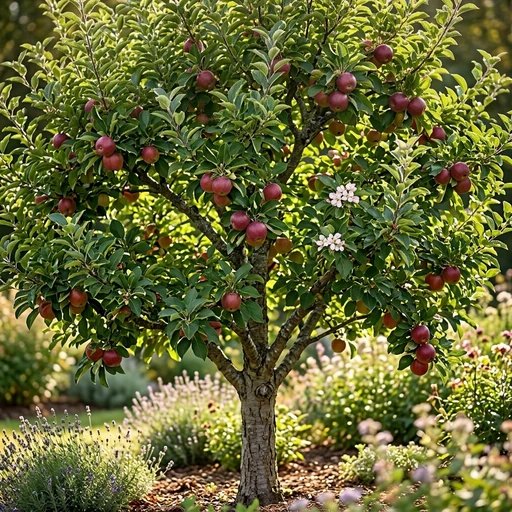
Malus x domestica, the common apple, is a widely cultivated fruit tree. Trees require cross-pollination from a different apple variety to produce fruit and often need a regular spray schedule to control pests and diseases.
'Cortland' is a classic American apple, a cross between 'McIntosh' and 'Ben Davis'. It is prized for its large, red fruit and crisp, juicy, sweet-tart white flesh that is famously slow to brown after being cut.
Uses & Benefits:
Essentials
At a Glance
Plant Type
Tree
Height
180"
Width
180"
Light
Full Sun
Zones
4, 5, 6, 7, 8
Water
Moderate
Humidity
Moderate
Lifespan
30-50 years
Native To
Cultivated hybrid
Toxicity
Seeds contain cyanide precursors, toxic if chewed in quantity
Bloom period
Mid-spring – Late spring
In flower about 2 months of the year
Marketplace
Where to Buy
Shipping costs Year-round shipping Free shipping
Planting
How to Grow
- Select a site with full sun and excellent air circulation.
- Ensure the soil is deep, fertile, and well-drained loam.
- Plant a compatible pollinator variety nearby.
- Dig a hole twice the width of the root system.
- Plant the tree so the graft union is 2-3 inches above the soil line.
- Water thoroughly and mulch, keeping mulch away from the trunk.
Pro Tip
To ensure fruit production, plant another mid-season blooming apple variety like 'McIntosh', 'Red Delicious', or 'Golden Delicious' within 50 feet for cross-pollination.
Keep It Thriving
Care Guide
Do
- Provide at least 8 hours of direct sun per day.
- Prune annually to maintain an open, productive structure.
- Follow a recommended spray schedule for your region to manage pests.
- Thin fruit in early summer to improve apple size and quality.
- Protect the trunk from rodents and sunscald in winter.
Don't
- Don't plant in a low-lying frost pocket.
- Don't allow the graft union to be buried below the soil.
- Avoid high-nitrogen fertilizers, which promote leaves over fruit.
- Don't neglect watering during dry periods, especially for young trees.
Seasonal Care Calendar
| Task | Jan | Feb | Mar | Apr | May | Jun | Jul | Aug | Sep | Oct | Nov | Dec |
|---|---|---|---|---|---|---|---|---|---|---|---|---|
| Fertilize | ||||||||||||
| Harvest | ||||||||||||
| Prune | ||||||||||||
| Spray |
Watch Out For
Pests & Diseases
Common Pests
Common Diseases
In the Garden
Landscape Uses & Companions
Landscape Uses
Multiply
Propagation Methods
Good to Know
Common Questions
Cortland Apple questions
What zones can Cortland Apple grow in?
Cortland Apple is hardy in USDA Zones 4–8. Inside that range it survives winter in the ground; outside it, grow it as an annual or a container plant you protect.
Is Cortland Apple deer resistant?
Not reliably. Deer may browse Cortland Apple, especially tender spring growth — plan on repellents or fencing where pressure is high.
When does Cortland Apple bloom?
Cortland Apple typically blooms in mid-spring through late spring. Exact timing shifts a week or two with your zone — Sow's bloom calendar maps it to your garden.
Does Cortland Apple need full sun?
Cortland Apple does best in full sun (6+ hours).
More Malus to compare
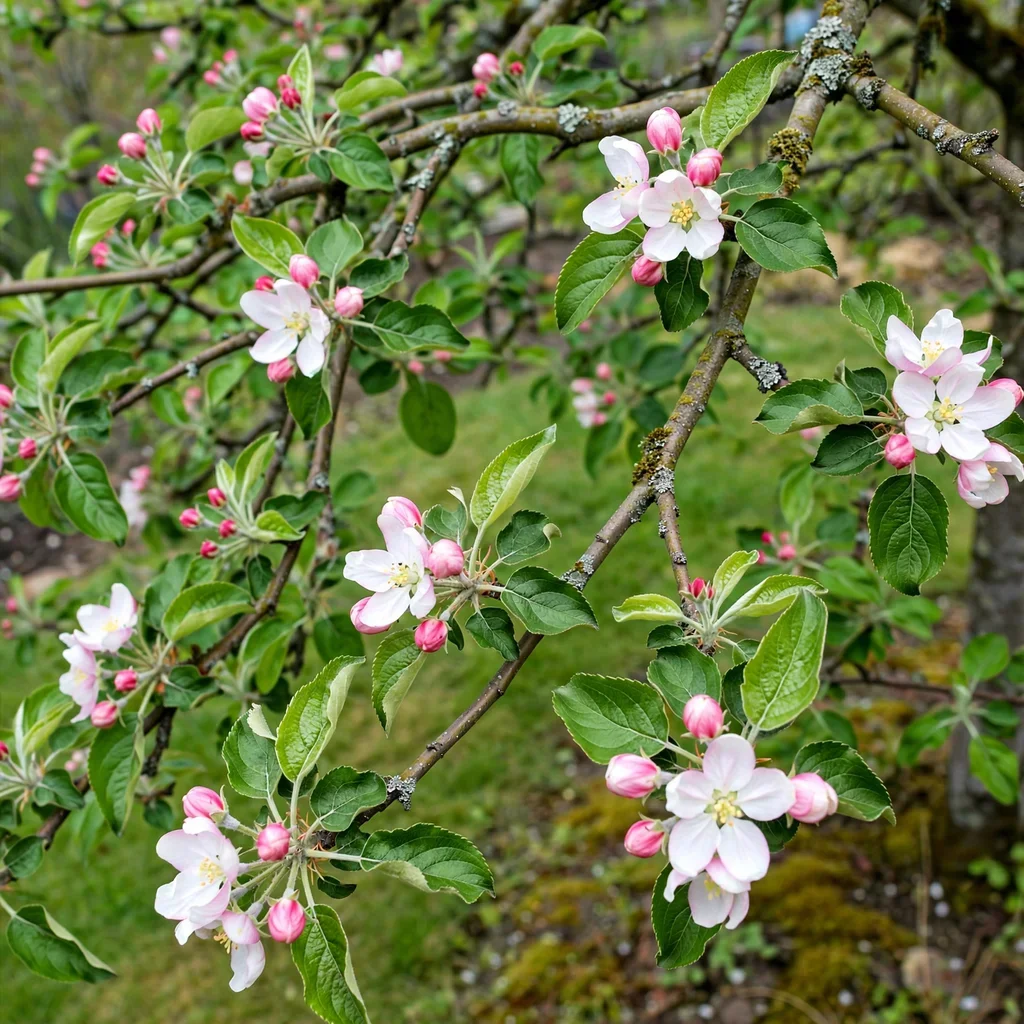
Honeycrisp Apple
Malus domestica 'Honeycrisp'
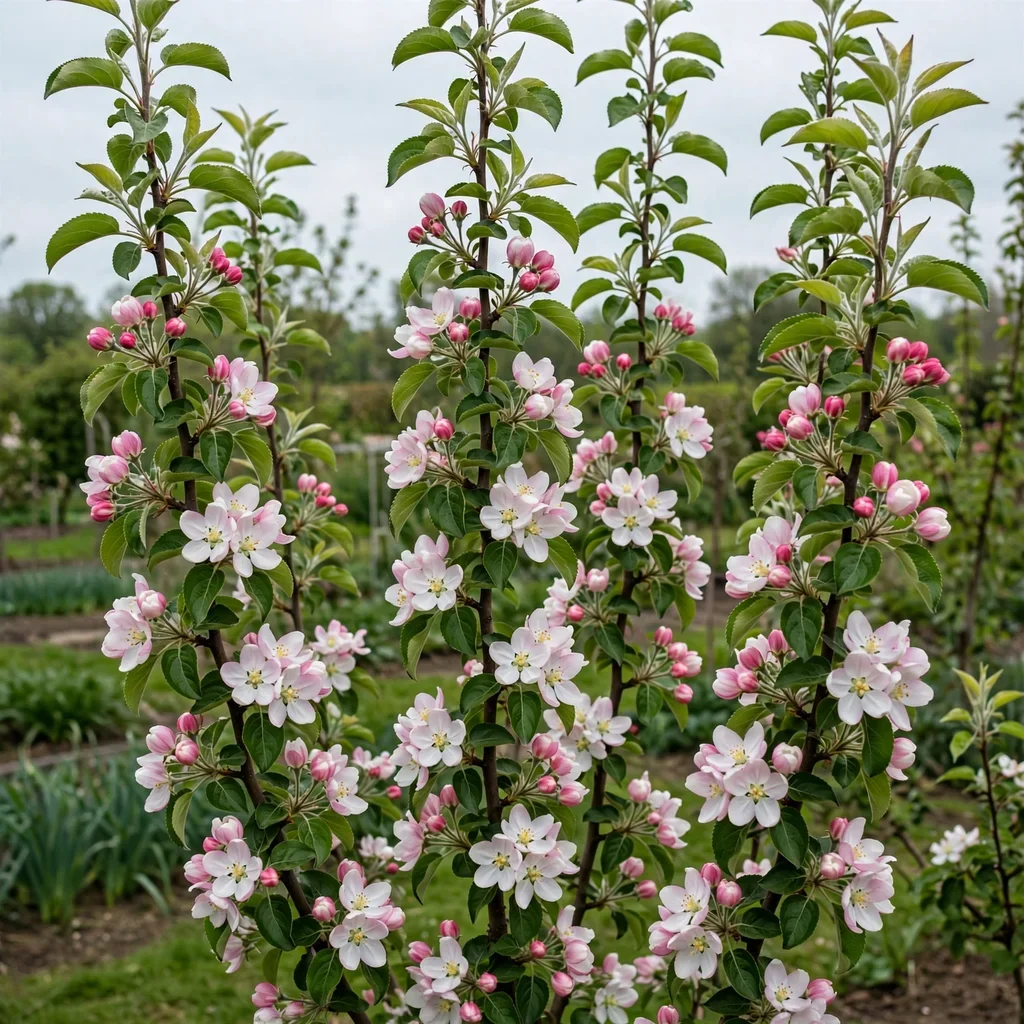
Golden Treat Apple
Malus domestica 'Golden Treat'
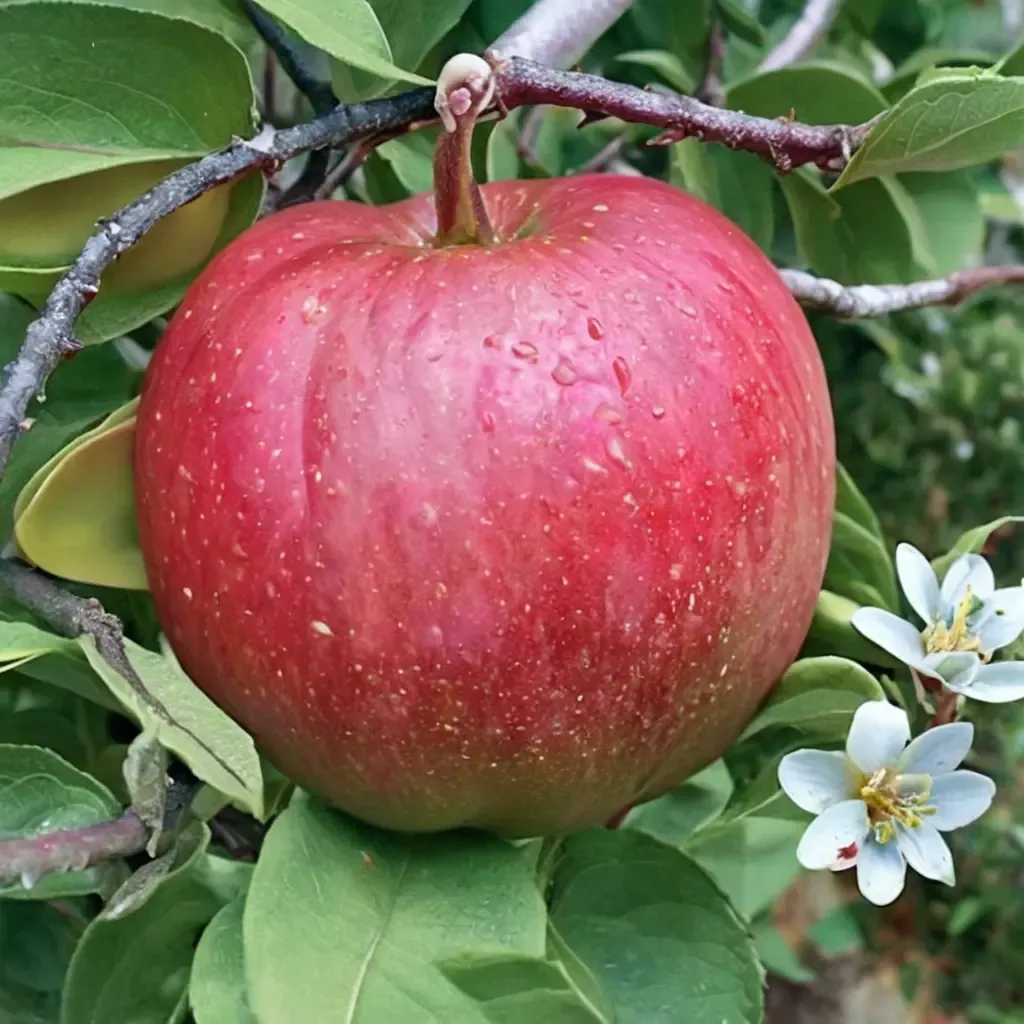
Pixie Crunch Apple
Malus domestica 'Pixie Crunch'
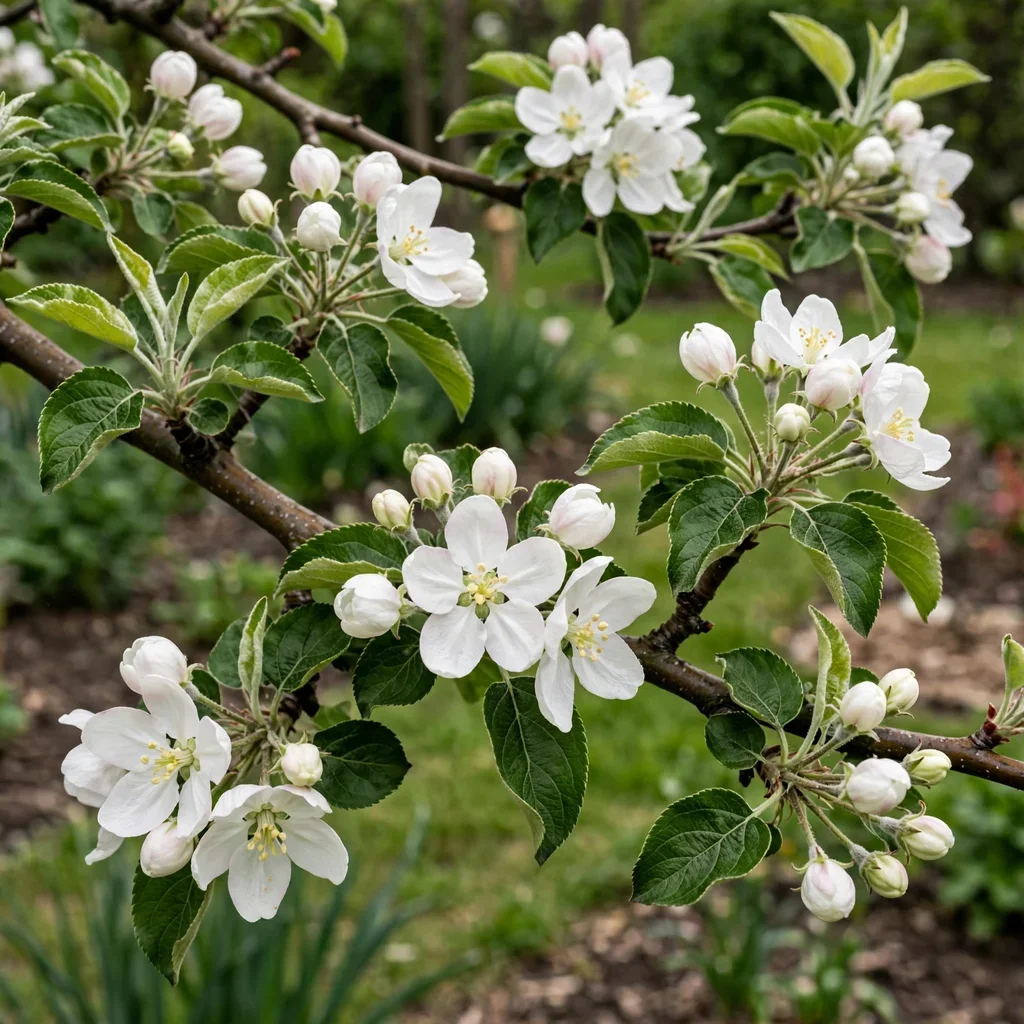
Apple
Malus domestica
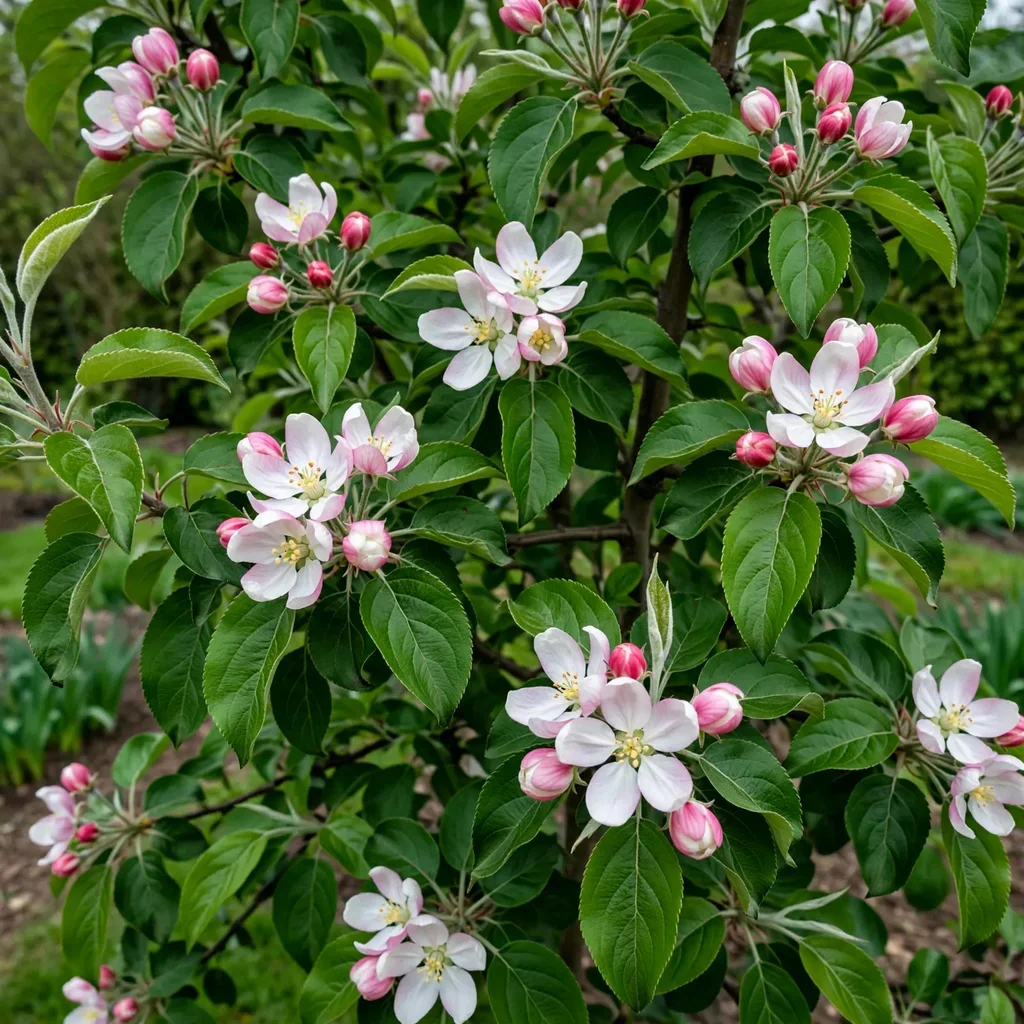
Blushing Delight Apple
Malus domestica 'Blushing Delight'
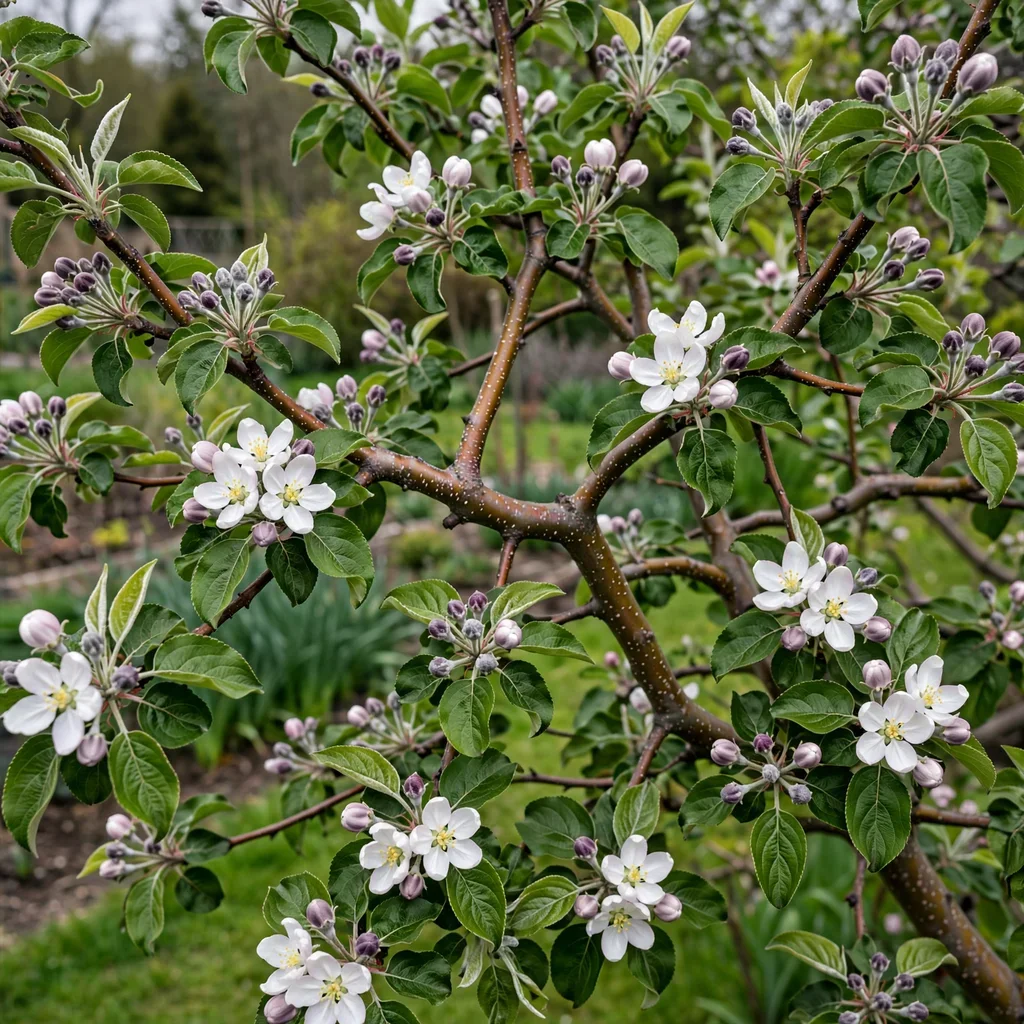
Reachable Apple
Malus domestica 'Reachables'
Keep exploring
Explore the genus
Hardy in your zone?
Grow Cortland Apple with confidence
See it in a design of your actual yard, get zone-matched care reminders, and track it season by season in your garden journal.